coffee
2025/03/20
In a world increasingly driven by technology, the intersection of coffee culture and blockchain innovation is poised to transform how we trace the journey of our beloved brew. This blog post, titled "Revolutionizing Cafe Culture: How Smart Contracts Enhance Coffee Traceability at Starbucks," delves into the groundbreaking use of smart contracts within Starbucks' supply chain. By leveraging a decentralized ledger to document each transaction and movement of coffee beans—from farm to cup—Starbucks aims to ensure unparalleled transparency, authenticity, and ethical sourcing.
At the heart of this transformation lies the concept of smart contracts, automated agreements that execute predefined actions when specific conditions are met. Imagine a system where a farmer receives payment only upon the successful delivery of high-quality coffee beans, a practice that not only guarantees fair compensation but also enhances accountability within the supply chain. As consumers demand more information about the origins of their food and beverages, Starbucks’ potential implementation of QR codes linked to these blockchain records could revolutionize customer engagement, allowing individuals to verify claims of ethical sourcing and environmental sustainability.
This exploration will also address challenges, such as the infrastructural needs in coffee-producing regions and the delicate balance between embracing digital innovations and preserving traditional farming practices. Ultimately, this innovative approach not only aligns with Starbucks’ commitment to sustainability but sets a new standard for the food and beverage industry, paving the way toward a more responsible and transparent future. Join us as we uncover the intricate relationship between technology and cafe culture, and explore its implications for the coffee industry at large.
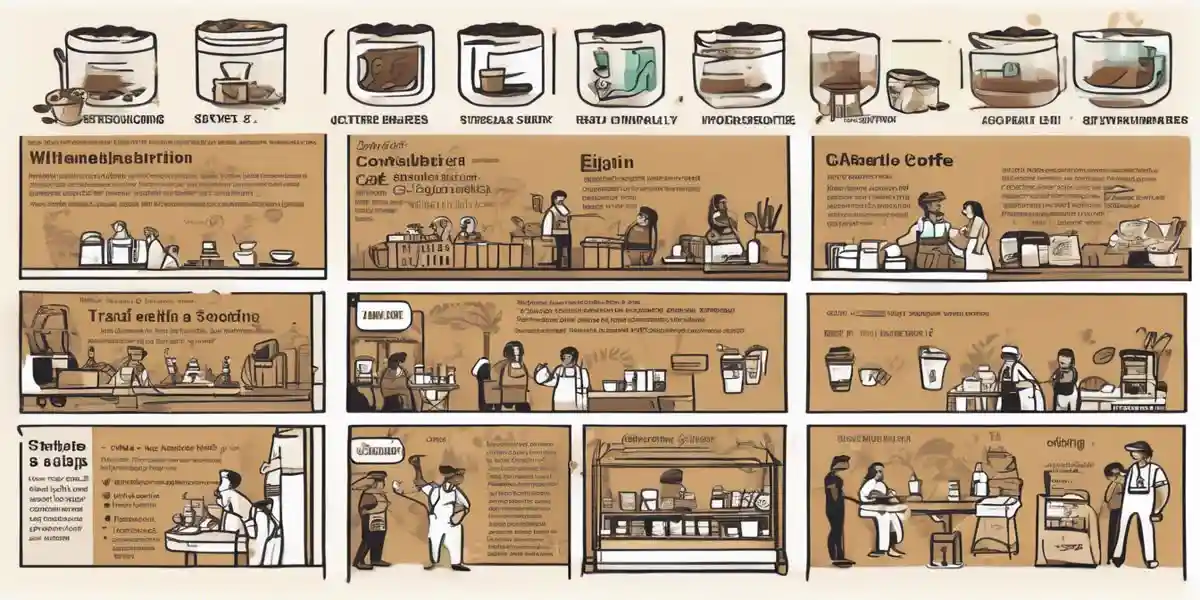
Cafe culture is not merely about coffee consumption; it encompasses a broader social phenomenon that celebrates community, quality, and sustainability. As consumers become increasingly discerning, the traceability of coffee—from bean to cup—has emerged as a critical aspect of the cafe experience. This focus on traceability ensures that customers can connect with the origins of their beverage, leading to more informed and ethical choices. The integration of technology, particularly smart contracts, offers unprecedented transparency in the coffee supply chain, enabling cafes like Starbucks to enhance their operational integrity and consumer trust.
Modern consumers are more conscious of their purchasing decisions. A study by the National Coffee Association (NCA) revealed that 66% of coffee drinkers prefer knowing the source of their coffee. This demand for transparency has led Starbucks to explore innovative solutions that promote traceability. By employing blockchain technology and smart contracts, Starbucks can provide detailed information about the coffee’s journey, from the farm where it is grown to the cup served in their cafes. This not only satisfies consumer curiosity but also reinforces the brand's commitment to ethical sourcing.
Starbucks has implemented a pilot program utilizing blockchain technology to enhance coffee traceability. This program allows customers to scan a QR code on their coffee packaging, which links to a digital ledger detailing the coffee's origins, the farmers involved, and the ethical practices employed during production. Such initiatives not only foster trust but also empower farmers by showcasing their contributions to consumers directly. By providing this level of detail, Starbucks sets a precedent in the cafe industry, demonstrating how technology can bridge the gap between producers and consumers.
Smart contracts—self-executing contracts with the terms of the agreement directly written into code—play a pivotal role in reinforcing coffee traceability. These contracts can automate transactions and ensure that funds are disbursed only when certain conditions are met. For instance, farmers can receive payments promptly once their coffee is verified as delivered and meeting quality standards. This not only ensures timely compensation for farmers but also mitigates risks associated with fraud and misrepresentation. By leveraging smart contracts, Starbucks enhances both the efficiency of its supply chain and the integrity of its sourcing practices.
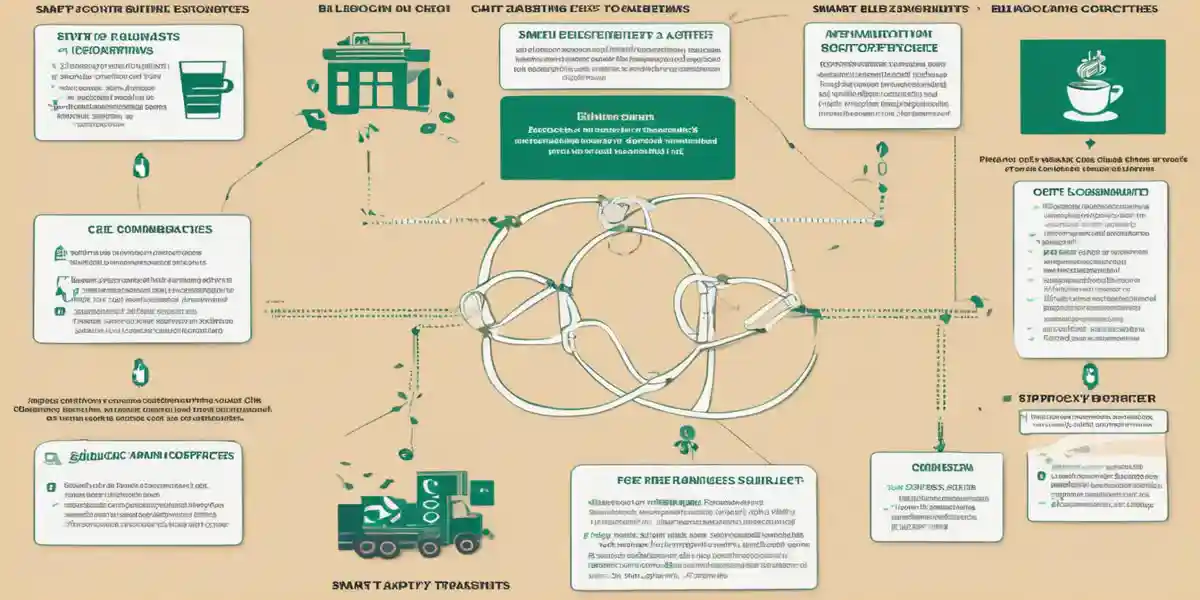
Smart contracts are self-executing contracts with the terms of the agreement directly written into code, residing on a blockchain. This technology allows for trustless transactions, reducing the need for intermediaries and enhancing security and transparency. By utilizing smart contracts, organizations like Starbucks can revolutionize their coffee traceability efforts, ensuring that every step of the supply chain is documented and verifiable.
One of the primary features of smart contracts is their automation. Once the conditions of a contract are met, the contract executes automatically without requiring human intervention. This eliminates delays and reduces the possibility of errors. For instance, in the context of coffee sourcing, a smart contract could automatically release payments to farmers once a shipment of coffee beans is confirmed as delivered. This not only speeds up the payment process but also ensures that farmers are compensated promptly for their labor.
Another significant advantage of smart contracts is their ability to provide transparency. Each transaction recorded on a blockchain is immutable, meaning it cannot be altered or deleted. This feature is particularly crucial in the coffee industry, where consumers increasingly demand proof of ethical sourcing. For example, IBM's Food Trust blockchain has been used by companies like Nestlé to track food products from farm to table. If Starbucks were to adopt a similar approach, consumers could scan a QR code on their coffee cup to trace the journey of their beans, thus verifying their origin and the conditions under which they were produced.
Smart contracts also play a vital role in reducing fraud within supply chains. Traditional contracts can be manipulated, leading to discrepancies and loss of trust among stakeholders. However, smart contracts enforce compliance with predefined rules. A case study involving the energy sector illustrates this point: Power Ledger, an Australian blockchain company, uses smart contracts to facilitate peer-to-peer energy trading, ensuring that energy transactions are executed exactly as agreed upon. By applying similar principles in the coffee supply chain, Starbucks could mitigate risks associated with counterfeit products and ensure that customers receive authentic, high-quality coffee.
The integration of smart contracts into Starbucks’ operations not only aligns with the growing demand for transparency in food sourcing but also positions the company as a leader in technological innovation within the cafe culture landscape. As consumers become more aware of provenance, the role of smart contracts in enhancing traceability will likely become increasingly pivotal.
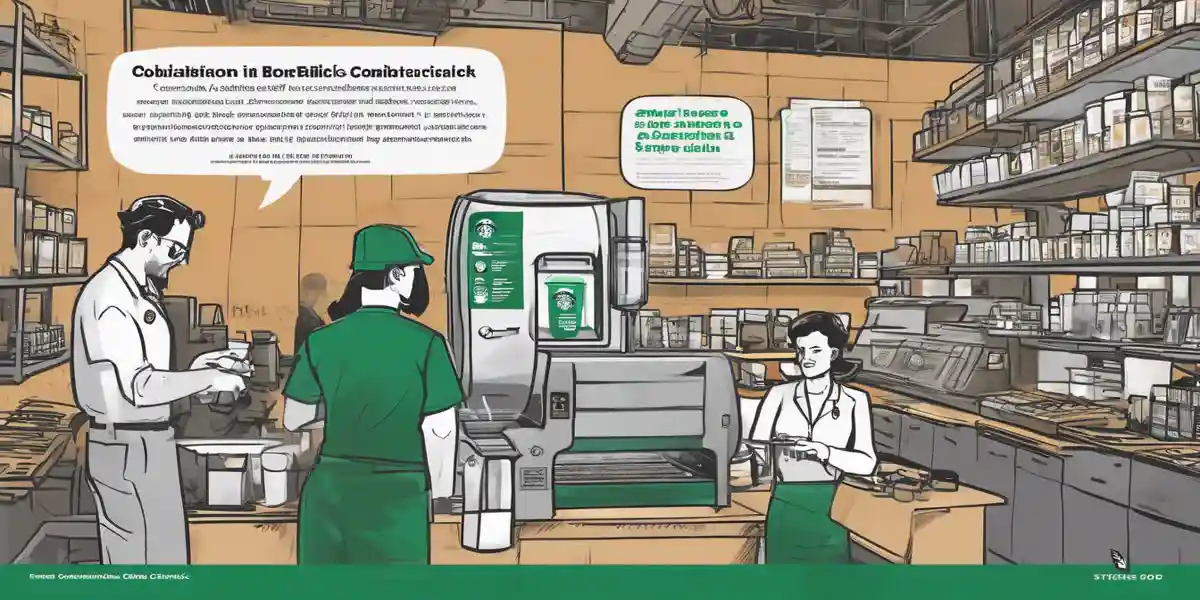
Smart contracts, which are self-executing contracts with the terms of the agreement directly written into code, are poised to revolutionize the coffee supply chain at Starbucks by enhancing transparency, efficiency, and stakeholder trust. By leveraging blockchain technology, Starbucks can create immutable records that track coffee from farm to cup, ensuring that every step of the supply chain is verifiable and accountable.
One of the most significant impacts of smart contracts on Starbucks' coffee supply chain is the ability to achieve unprecedented levels of traceability. For instance, a pilot program initiated by Starbucks in partnership with Microsoft involves using blockchain technology to trace the origin of coffee beans. This means that consumers can scan a QR code on their coffee cup to view detailed information about the bean's journey, including the farm's location, farming practices, and even the farmer's profile. This level of transparency not only enhances consumer trust but also allows Starbucks to verify ethical sourcing practices, ensuring compliance with sustainability standards.
Smart contracts also facilitate streamlined financial transactions within the supply chain. Traditionally, payments to coffee farmers can involve complex processes, often leading to delays and increased costs due to intermediaries. By implementing smart contracts, Starbucks can automate these transactions based on predefined conditions. For example, once a shipment of beans is confirmed and delivered, payment can be automatically released to the farmer without the need for manual intervention. This not only accelerates the payment process but also reduces transaction costs, creating a more profitable and efficient model for all parties involved.
Moreover, smart contracts can play a crucial role in risk mitigation and quality assurance. By embedding quality control measures into smart contracts, Starbucks can set specific standards that must be met before payments are processed. For example, if a batch of coffee does not meet the quality specifications agreed upon in the contract, the system can automatically trigger a dispute mechanism or hold payment until the issue is resolved. This capability reduces the risk of receiving substandard goods and ensures that only high-quality coffee reaches consumers, thereby maintaining Starbucks' brand integrity.
Through these innovations, smart contracts are not just a technological upgrade; they represent a paradigm shift in how Starbucks manages its coffee supply chain, promising to improve both operational efficiency and consumer confidence in the quality and ethics of their products.
In this exploration of how smart contracts are revolutionizing café culture at Starbucks, we have delved into several key aspects. Firstly, we examined the concept of coffee traceability and its critical importance in fostering transparency within the supply chain. By detailing how Starbucks employs blockchain technology and smart contracts, we highlighted the enhanced ability to track the journey of coffee from farm to cup, ensuring ethical sourcing and quality assurance.
Next, we discussed the technical mechanics of smart contracts, illustrating how they automate transactions and enforce compliance without the need for intermediaries. This not only streamlines operations but also significantly reduces the potential for fraud, thereby instilling greater consumer confidence. Furthermore, we addressed the environmental implications of this technology, showcasing Starbucks’ commitment to sustainability by minimizing waste and ensuring that resources are utilized efficiently.
Reflecting on these points, it is clear that the integration of smart contracts at Starbucks does not merely represent a technological advancement; it signifies a strategic shift towards a more transparent and responsible coffee culture. As consumers increasingly demand accountability and sustainability from brands, initiatives such as these are not only timely but essential. The broader trend towards digital transformation in retail indicates that other companies may soon follow suit, leveraging similar technologies to enhance their supply chains.
As we look to the future, it is crucial for consumers to remain engaged and informed about the origins of their products. By supporting brands that prioritize transparency and traceability, we advocate for an ethical marketplace. Let us embrace this change and continue to demand innovation that aligns with our values—after all, every cup of coffee tells a story, and with smart contracts, we can ensure it is a story worth sharing.

Get notified about new articles, coffee tips, and Web3 insights.
This site participates in affiliate programs and may earn a commission when a link is clicked and a purchase is made. The site is not responsible for any issues or troubles related to the products or services purchased through the use of this site.
DO&COFFEE loves coffee and technology, exploring the potential of NFTs and blockchain. Learn more →
DO&COFFEE loves coffee and technology, exploring the potential of NFTs and blockchain. Learn more →