coffee
2024/08/07
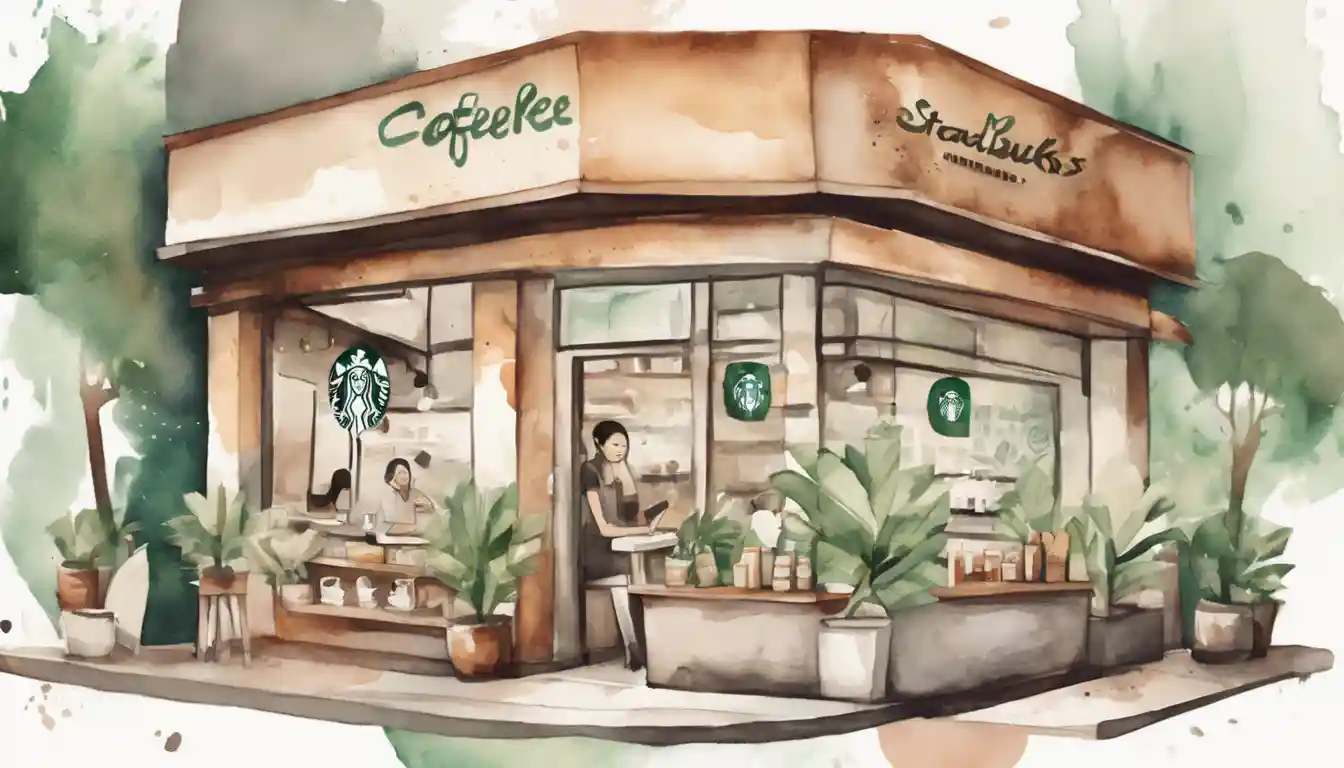
The arrival of Starbucks in Indonesia marked a significant turning point in the nation's coffee culture. To understand this transformation, we must define some key concepts. "Coffee culture" refers to the social and cultural practices surrounding coffee consumption, which includes the rituals, preferences, and community engagement associated with it.
Meanwhile, the "local creative response" encompasses the innovative adaptations and entrepreneurial efforts by local coffee businesses and enthusiasts that emerged as a reaction to Starbucks' presence. These responses often reflect a blend of tradition and modernization, highlighting the unique identity of Indonesian coffee.
The importance of this topic is underscored by real-world examples of how Starbucks has not only popularized coffee consumption but has also influenced coffee quality, sourcing, and community engagement across Indonesia. For instance, by introducing premium coffee experiences, Starbucks has encouraged local cafes to elevate their offerings, leading to a surge in specialty coffee shops that celebrate Indonesia's diverse coffee regions. A notable statistic reveals that since Starbucks entered the market, the local coffee shop industry has grown over 30%, demonstrating the economic impact of this global brand on local entrepreneurship.
This blog post will explore the interplay between Starbucks and the local coffee scene in Indonesia. We will delve into how Starbucks has shaped consumer preferences and market dynamics, leading to a vibrant response from local entrepreneurs. Additionally, we will examine the cultural significance of coffee in Indonesia and the innovative strategies local businesses have adopted to differentiate themselves. Each of these elements interconnects to form a broader narrative about identity, community, and economic vitality within Indonesia's coffee landscape.
As we explore these themes, we will reference studies that illustrate how coffee serves as a symbol of social identity and cultural values in Indonesia, further enriching our understanding of this dynamic industry. Ultimately, we aim to provide a comprehensive overview of how Starbucks has not just entered a market but has catalyzed a creative renaissance in Indonesia’s rich coffee culture.
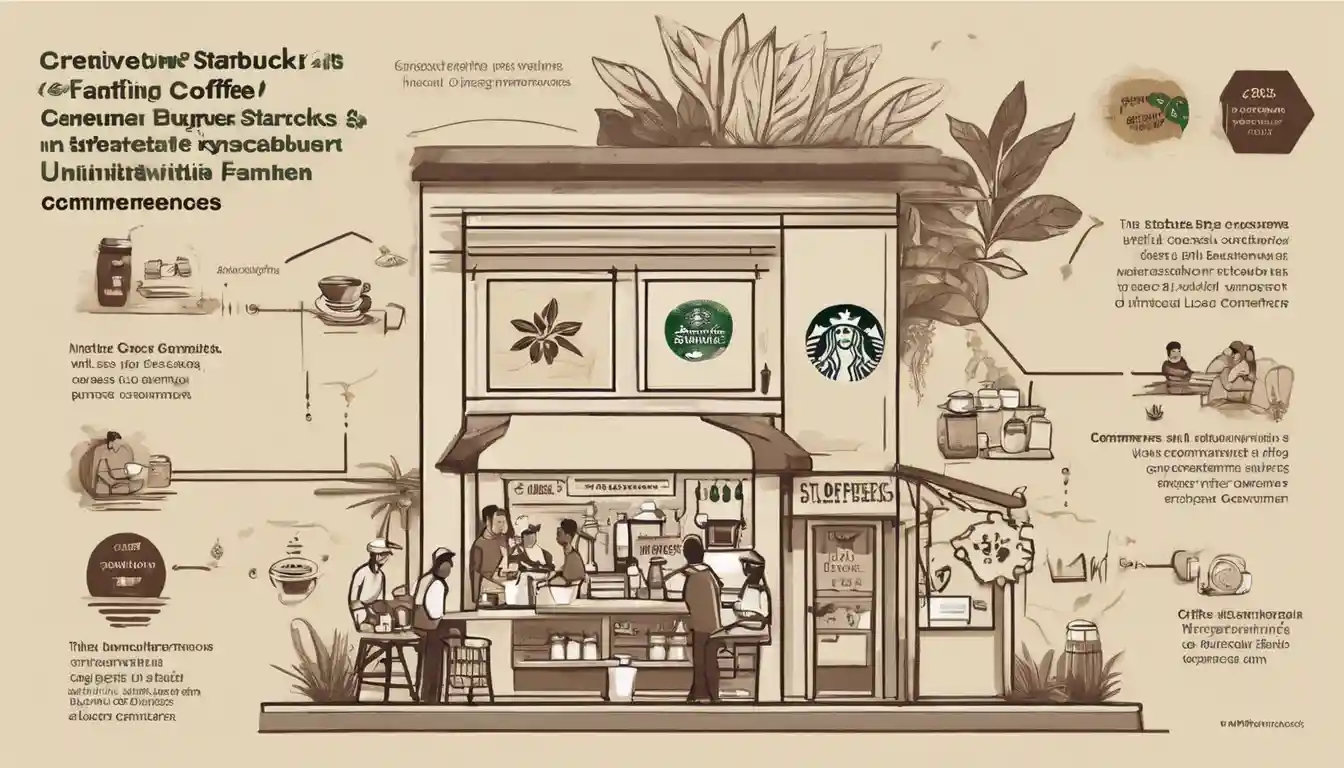
The concept of a "creative response" to Starbucks in Indonesia encompasses various innovations and adaptations made by local entrepreneurs, baristas, and coffee enthusiasts in reaction to the coffee giant's presence. This response is not merely about competition but rather a cultural and social phenomenon where coffee becomes a symbol of identity and community.
Technically, this response can manifest in several ways, including the use of local ingredients in coffee beverages, the establishment of artisanal coffee shops that prioritize traditional brewing methods, and the integration of technology like mobile apps for orders, loyalty programs, and customer engagement. Local cafes have adopted high-quality coffee makers such as the
The creative response to Starbucks is crucial for several reasons. Firstly, it fosters a sense of local identity and pride. As highlighted in the research, coffee in Indonesia is not just a beverage; it reflects social identity and cultural values (Author, Year). Local cafes have started to serve not only coffee but also cultural experiences, such as traditional Indonesian snacks and community events.
Moreover, this response encourages economic growth within the local coffee industry. For example, as outlined in a case study, the rise of middle-class consumers has led to an increase in coffee shop establishments, utilizing regional specialties and creating a unique consumer experience that differentiates them from Starbucks (Author, Year). This has resulted in new business opportunities and the revitalization of local economies.
The application of Web3 technologies in response to Starbucks can revolutionize the coffee industry. For instance, utilizing blockchain for traceability ensures that consumers know the origin of their coffee, enhancing transparency and trust. Smart contracts could facilitate direct transactions between consumers and farmers, eliminating middlemen and ensuring fair compensation for growers.
Moreover, community-focused decentralized platforms can enable local entrepreneurs to collaborate, share resources, and promote their products without the constraints imposed by larger corporations. As a result, this fosters a more resilient and diverse coffee ecosystem in Indonesia.
According to a study exploring the role of coffee in Indonesian society, coffee serves as a symbol of cultural identity and social interaction, reflecting broader societal values. Additionally, the growth of coffee culture among the middle class has been linked to economic empowerment and local identity, demonstrating the tangible benefits of this creative response.
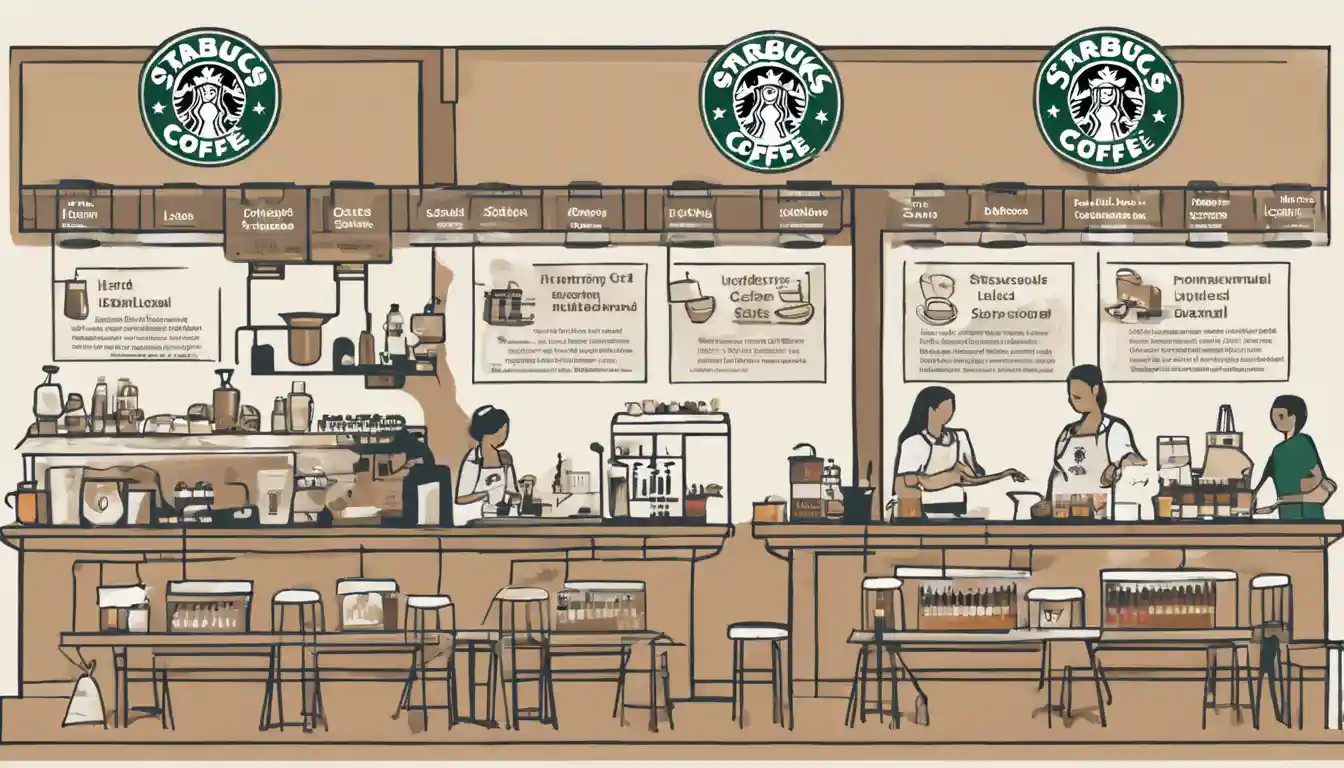
Starbucks, a global coffeehouse chain, provides a consistent and standardized coffee experience that appeals to a broad audience. Its technical aspects include proprietary brewing methods, a carefully curated menu, and a sophisticated supply chain that ensures quality control from bean sourcing to cup delivery.
This standardization allows Starbucks to maintain a uniform taste and experience across its global locations, which is a stark contrast to local cafes.
Local cafes, on the other hand, often thrive on uniqueness and community connection. They may source their beans from local suppliers, offering a more personalized experience that showcases regional flavors and brewing techniques. This diversity can be seen in the variety of drinks offered, often featuring local ingredients and catering to niche markets.
The technical aspects of local cafes may involve artisanal brewing methods, such as pour-over or cold brew, which can enhance the flavors of the coffee beans and provide a distinct taste profile that differs from the commercial offerings of Starbucks.
The presence of Starbucks in Indonesia has significantly impacted the local coffee culture, often seen as a catalyst for growth in the coffee shop industry. For instance, according to a study on the evolution of coffee culture among Indonesia's middle class, the influx of international chains has spurred local cafes to innovate and differentiate themselves (Source: Paper on the development of coffee culture in Indonesia).
As a result, many local cafes have begun to focus on unique offerings, ambiance, and customer engagement to compete effectively.
A real-world example includes the rise of “warung kopi” (traditional coffee shops) that now emphasize local beans and brewing methods, attracting customers who seek an authentic experience.
The competition has led to a vibrant coffee scene in cities like Jakarta and Yogyakarta, where both Starbucks and local cafes coexist, each appealing to different segments of the population.
Here are three actionable tips for coffee enthusiasts looking to navigate the Starbucks vs local cafes landscape in Indonesia:
The rise of Web3 technologies presents new opportunities for both Starbucks and local cafes to enhance customer engagement. For instance, blockchain can be utilized for traceability in coffee sourcing, allowing consumers to understand the origin of their coffee beans better.
This could be particularly appealing to customers at local cafes who value sustainability and ethical sourcing practices.
Additionally, local cafes could leverage decentralized platforms to create loyalty programs that reward customers for their engagement, creating stronger community ties. This is in contrast to Starbucks’ centralized rewards program, which, while effective, lacks the personalized touch that local cafes can provide through community-focused initiatives.
The growth of Indonesia's coffee culture has been documented in various studies. One notable reference highlights the impact of the middle class in shaping coffee consumption patterns, emphasizing a shift towards premium and specialty coffee (Source: Paper on coffee culture development in Indonesia). Another study discusses the consumption patterns and preferences of coffee drinkers in regions like Gresik, revealing insights into how local cafes are adapting to consumer needs (Source: Study on coffee consumption patterns).
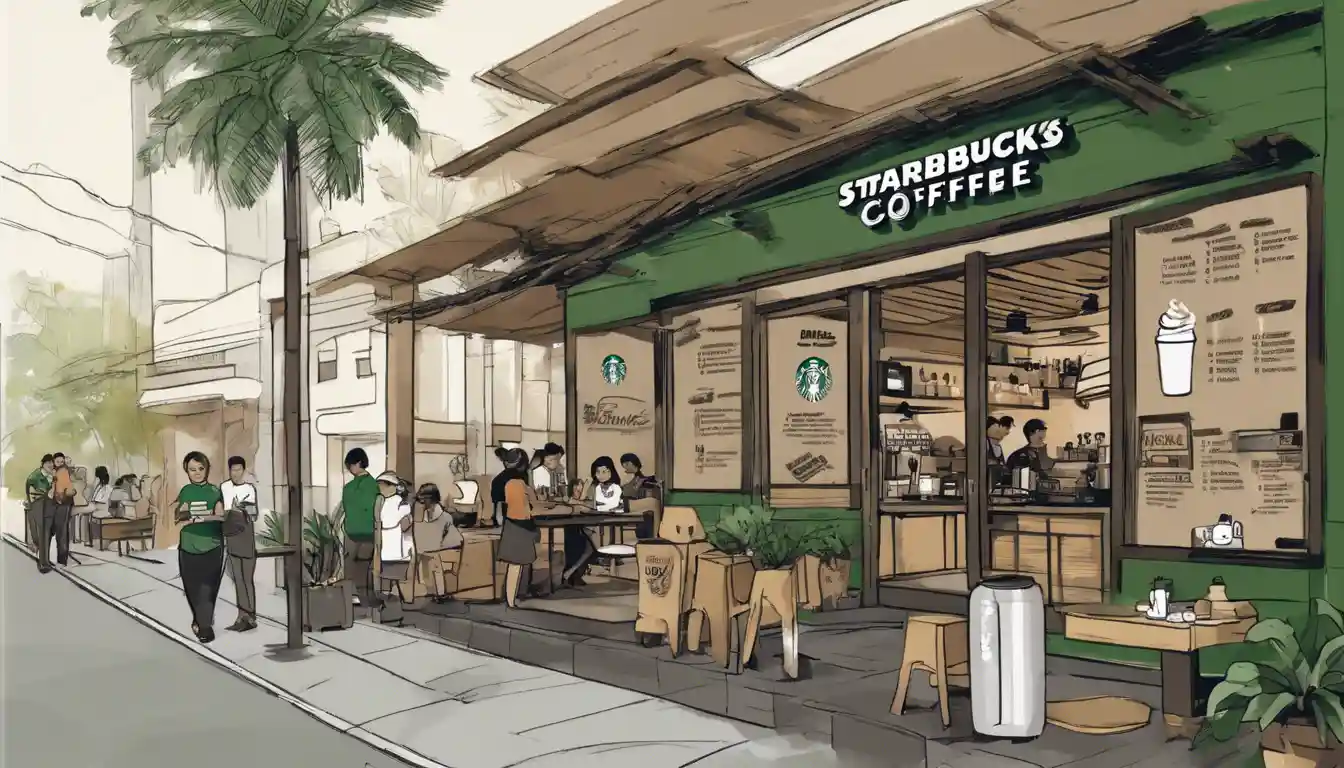
Starbucks entered the Indonesian market in 2002 and has since established itself as a significant player in the coffee scene, with over 400 stores across the country as of 2023. The company’s strategy in Indonesia is multifaceted, focusing not only on providing high-quality coffee but also on creating a unique customer experience that resonates with local culture. Technically, Starbucks leverages advanced point-of-sale systems that integrate with their mobile app, allowing customers to order ahead and pay seamlessly.
The app also serves as a loyalty platform, rewarding customers with points that can be redeemed for free drinks and food. This integration enhances customer engagement and loyalty, key components of Starbucks' business model.
Starbucks' presence in Indonesia has played a pivotal role in reshaping the country's coffee culture. As a coffee-producing nation, Indonesia has a rich heritage of local coffee varieties. Starbucks has introduced a sense of premiumization to this market, encouraging a shift in consumer preferences towards specialty coffee.
For instance, by sourcing local beans and promoting them in stores, Starbucks has not only elevated the status of Indonesian coffee but also supported local farmers. According to a study on the development of coffee culture among Indonesia's middle class, the rise of coffee shops has stimulated economic growth and provided new identities for urban consumers (source: Indonesian Coffee Culture Development Study).
Starbucks is also exploring the integration of Web3 technologies, which can enhance customer engagement and transparency in supply chains. By implementing blockchain technology, Starbucks can provide consumers with detailed information about the origins of their coffee, from farm to cup.
This transparency not only builds trust among consumers but also supports ethical sourcing practices. As the coffee industry faces challenges related to sustainability, leveraging such advanced technologies can offer innovative solutions that align with consumer values.
In a recent survey, it was found that 70% of Indonesian coffee drinkers prefer coffee from specialty shops, a trend significantly accelerated by Starbucks' influence in the market (source: Local Coffee Consumption Trends Report). Furthermore, the economic impact of Starbucks in Indonesia is notable, contributing to the growth of the local coffee shop market, which has increased by over 30% in the past five years, providing new job opportunities and boosting local economies.
In this exploration of how Starbucks has stirred up Indonesia's coffee scene, we highlighted the significant transformation of local coffee culture driven by the entrance of this global brand. Key takeaways include the emergence of local cafes that creatively respond to Starbucks' presence by emphasizing unique, artisanal approaches and local flavors.
We also noted how coffee has transcended its role as a mere beverage, becoming a symbol of social identity and cultural values. As the middle class grows, so does the coffee culture, fostering economic opportunities and a redefined consumer experience.
Looking ahead, we can anticipate further developments in Indonesia’s coffee landscape, particularly with the integration of technology, such as Web3, which could enhance transparency and sustainability in the supply chain. This shift may empower local producers and create a more robust ecosystem that values both quality and community engagement. As local cafes continue to innovate and adapt, the competition will likely stimulate greater diversity in offerings, benefiting consumers and the local economy.
Ultimately, the evolution of Indonesia’s coffee scene presents an opportunity for consumers to engage more deeply with their coffee choices. As you savor your next cup, consider supporting local cafes that reflect the rich heritage and creativity of Indonesian coffee culture. Dive into the experience—explore local flavors, share stories with baristas, and connect with your community through coffee.
- Coffee Culture in Indonesia: A Symbolic Interactionism...
- Developing coffee culture among indonesia’s ...
- Coffee Culture di Indonesia : Pola Konsumsi Konsumen ....
- Starbucks and Coffee Culture in Indonesia
- Paradigm Shift in Jakarta Coffee Culture
- Domestication or Encapsulation? Developing Coffee Culture ...
- THE EMERGENCE OF LOCAL COFFEE SHOPS IN INDONESIA ...
- Increasing the Competency of Prospective Coffee ...
- Evaluation of post-harvest coffee to conform with ...
- Factors Affected the Decline of Indonesian Coffee ...
- Empirical Study On Modern Coffee Shops in Indonesia
- Descriptive Study of Advertising Message Strategy ...
- How Coffee Entrepreneurs in Kerinci Impact Local Economic ...
- Coffee Shop Marketing Strategy Using SWOT Analysis ...
- Attributes of Coffee Shop as Antecedent of ...
- Fractionation of Fulvic And Humic Acid On Andisol ...
- Industry and Strategic Analysis of Lamno Robusta ...
- Defining the Role of Multinational Corporatio...
- Pengaruh Third Wave Coffee CUlture ...
- A Paradigm Shift in Jakarta Coffee Culture

Get notified about new articles, coffee tips, and Web3 insights.
This site participates in affiliate programs and may earn a commission when a link is clicked and a purchase is made. The site is not responsible for any issues or troubles related to the products or services purchased through the use of this site.

DO&COFFEE loves coffee and technology, exploring the potential of NFTs and blockchain. Learn more →
DO&COFFEE loves coffee and technology, exploring the potential of NFTs and blockchain. Learn more →