technology
2024/08/07

This article contains affiliate links. We may earn a small commission at no extra cost to you. Learn more
In an era defined by rapid technological advancements, the intersection of traditional experiences and modern technology has given rise to a new age of exploration. This blog post delves into the merging of walking tours, which are guided excursions that allow participants to explore specific areas on foot, with virtual realities (VR) and augmented realities (AR). VR immerses users in entirely digital environments, while AR overlays digital information onto the real world, enhancing the user experience with contextual details. Alongside these technologies, online communities—digital spaces where like-minded individuals connect—play a pivotal role in enriching the exploration experience.
The importance of this topic cannot be overstated. For instance, a study in Egypt revealed that AR technology significantly boosts customer engagement by enhancing emotional connections and promoting real-time interactions, thereby increasing purchasing intentions and brand recognition. Such findings highlight how technological integration not only transforms individual experiences but also influences broader market dynamics. Walking tours, enhanced by AR and VR, can foster community engagement, promote physical health, and deepen cultural understanding—truly enriching the exploration experience for locals and tourists alike.
As we navigate this new frontier, we will explore the multifaceted connections between walking tours, emerging technologies, and online communities. We will examine how these elements intertwine to create a more immersive and interactive experience for users. For instance, projects like the self-guided walking tour “À lécoute des chantiers” in Nantes utilize AR projections to educate participants about the city’s industrial heritage while fostering community connections. Furthermore, the EduCITY app demonstrates the potential of mobile AR games to facilitate interdisciplinary learning among doctoral students, showcasing how technology can bridge gaps in education and promote collaboration.
In summary, this exploration into the merging of walking tours with virtual realities and online communities reveals a landscape ripe with opportunities for innovation and engagement. With AR and VR technologies enhancing traditional experiences, and online communities facilitating connections, the future of exploration is not just about the places we visit; it’s about the relationships we build and the stories we share along the way.
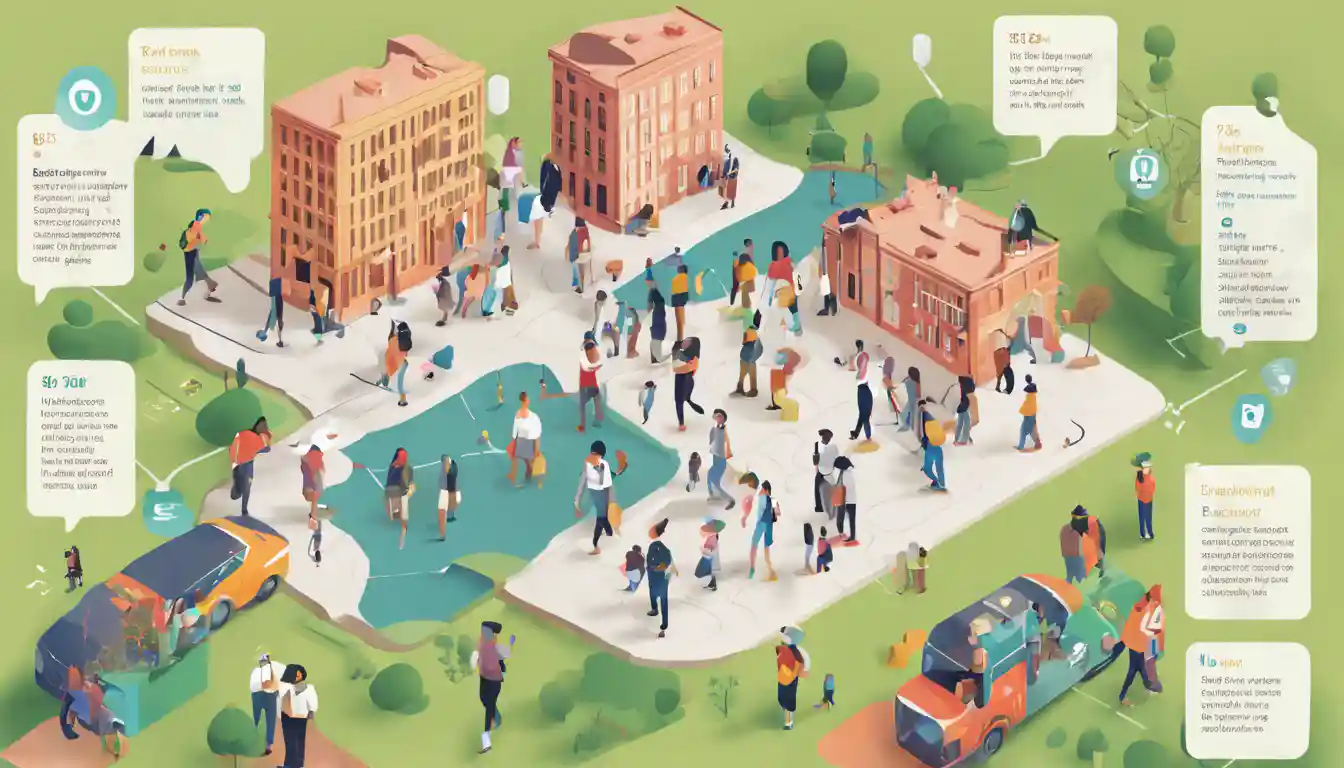
Walking tours are guided excursions that allow participants to explore a specific area on foot, often focusing on historical, cultural, or natural sites. These tours can be led by knowledgeable guides or facilitated through mobile applications that offer audio guides and augmented reality (AR) elements to enhance the experience.
The technical aspects of walking tours can include the use of GPS tracking to guide participants through the route, interactive maps on mobile devices, and AR overlays that provide additional information about landmarks. For example, apps like VisitAR utilize AR technology to display pop-up information about local landmarks, making the experience more immersive and informative.
The significance of walking tours extends beyond mere sightseeing; they foster community engagement, promote physical health, and enhance cultural understanding. For instance, the self-guided walking tour “À lécoute des chantiers” in Nantes integrates audio capsules and AR projections to educate participants about the city's industrial heritage.
This approach not only informs but also connects locals and tourists by fostering a deeper appreciation of the area. Moreover, studies indicate that AR experiences can improve consumer engagement and emotional attachment to brands, as seen in Egyptian tourism where AR applications heightened visitors' purchasing intentions and brand recognition.
In the context of Web3 and advanced technologies, walking tours are evolving with the integration of blockchain and decentralized applications. This allows for greater personalization and community-driven experiences.
For example, using location-based augmented reality (LBAR) experiences can enhance the educational aspect of walking tours, particularly for demographics such as young girls interested in computer science. The AR Girls program demonstrates how such technologies can provide interactive and engaging learning opportunities, exemplifying how walking tours can serve educational purposes while fostering social connections.
Research indicates that AR technology significantly enhances user engagement, as shown in studies exploring AR applications in tourism. For example, a study highlighted that AR experiences not only strengthen emotional connections but also facilitate real-time interactions, leading to improved customer engagement.
Furthermore, a case study involving mobile AR games in education revealed that interdisciplinary learning opportunities were created, showcasing how technology can enrich walking tours and educational experiences alike.
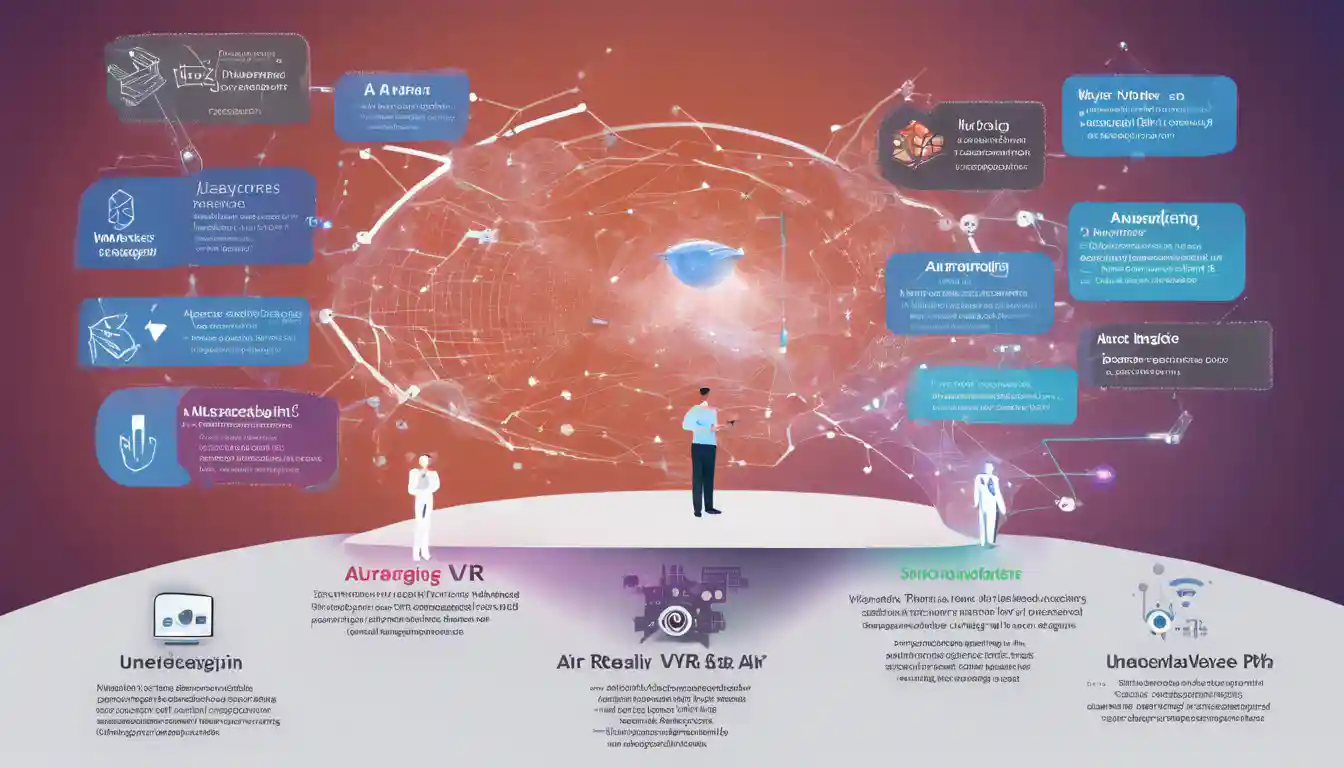
Merging technologies refer to the integration of different technological systems and platforms to create a seamless experience that enhances user engagement and interaction. This can include the combination of augmented reality (AR), virtual reality (VR), and artificial intelligence (AI) to provide immersive experiences in various sectors, such as tourism, education, and entertainment.
Technically, merging technologies leverage APIs (Application Programming Interfaces) and SDKs (Software Development Kits) to synchronize data and functionalities across platforms. For instance, combining AR with geolocation services allows users to access contextual information about their surroundings in real-time through their devices.
The implementation of blockchain technology in these systems can enhance security and decentralization, particularly in applications related to Web3, where user ownership and digital assets are becoming increasingly important.
The significance of merging technologies lies in their ability to enhance user experiences and foster greater engagement in various fields. For instance, in a study examining AR technology in Egypt, it was found that AR significantly increases consumer engagement by enhancing emotional connections and promoting real-time interactions (Source: Egyptian AR Study).
This has profound implications for marketing strategies, where brands can utilize these technologies to boost customer loyalty and awareness.
Another compelling example is the use of AR in educational settings, such as the implementation of AR media in elementary schools in Indonesia. This approach increased student interest and understanding, demonstrating how merging technologies can revolutionize traditional learning environments (Source: Indonesian AR Education Study).
Additionally, walking tours that incorporate AR elements, like the "À lécoute des chantiers" project in Nantes, exemplify how historical insights and modern technology can create enriching experiences for both locals and tourists.
Here are three concrete, actionable tips for readers interested in implementing merging technologies in their own projects or experiences:
Experiment with AR Apps: Start by exploring existing AR applications that enhance walking tours or educational experiences. Utilize platforms like Google ARCore or Apple ARKit to develop simple AR features that can overlay information about your surroundings.
Leverage Online Communities: Engage with online communities focused on AR and VR development. Platforms like GitHub or Discord can provide you access to resources, collaborative projects, and expert advice to help you understand the technical aspects of merging technologies.
Incorporate User Feedback: If you’re developing a technology-based project, implement a user feedback mechanism. Gather insights on how users interact with your merging technologies and iterate on your design to better meet their needs.
The integration of merging technologies is particularly relevant in the context of Web3, where decentralization and user empowerment are core principles. For example, a mobile AR app like "VisitAR" allows users to discover local landmarks while providing real-time information through pop-up windows. This app employs user-centered design principles to ensure accessibility and engagement, showcasing how merging technologies can create commercial solutions that cater to diverse user needs (Source: VisitAR Study).
Furthermore, the use of blockchain technology in merging technologies can enhance trust and transparency, especially in applications involving user-generated content. As seen in the "AR Girls" program, utilizing these technologies can inspire young women to explore careers in computer science, illustrating how merging technologies can create pathways for innovation and equal opportunity in tech fields.
The findings from the Egyptian AR study highlight the effectiveness of AR in boosting consumer engagement, with significant implications for marketing strategies. Additionally, the Indonesian AR education study emphasizes the potential of AR in enhancing learning experiences and fostering student interest. These studies provide a solid foundation for understanding the transformative impact of merging technologies across various domains.
Online communities are digital spaces where individuals with shared interests and goals interact, collaborate, and support each other. These communities can take many forms, including forums, social media groups, and virtual reality spaces.
At their core, online communities rely on various technical aspects such as web platforms, software applications, and mobile apps to facilitate communication and engagement. Technologies like Web3, which introduces decentralized platforms using blockchain, allow for more secure and user-controlled environments, enhancing trust and participation.
The significance of online communities has grown tremendously in recent years, particularly with the rise of remote work and social distancing. For example, the EduCITY app utilized by doctoral students during a mobile augmented reality game demonstrated the power of collaboration in education.
Participants engaged in interdisciplinary learning while exploring local landmarks, showcasing how online communities can foster knowledge sharing and experiential learning. Similarly, projects like “À lécoute des chantiers” in Nantes illustrate how online platforms enhance cultural understanding and community engagement by allowing users to explore industrial heritage through guided tours enriched with AR experiences.
Web3 technologies are revolutionizing online communities by providing decentralized platforms that prioritize user control and data ownership. For instance, decentralized autonomous organizations (DAOs) allow community members to make decisions collectively, ensuring that all voices are heard.
This concept is essential for maintaining a democratic structure within online communities. Furthermore, the integration of blockchain technology can enhance transparency and trust, particularly in communities focused on finance and art, where provenance and ownership are crucial.
Research indicates that augmented reality (AR) technologies significantly enhance customer engagement by fostering emotional connections and encouraging real-time interactions. Furthermore, a case study on mobile augmented reality games highlighted how immersive experiences can promote intergenerational interaction and physical activity, enhancing community well-being. These examples underscore the transformative power of online communities supported by advanced technologies.
In this exploration of the convergence between walking tours, virtual realities, and online communities, we have seen how these elements blend to create immersive experiences that enhance cultural understanding and community engagement. Key takeaways include the significant role of augmented reality (AR) in enriching walking tours through interactive content, the importance of online communities in fostering shared knowledge and collaboration, and the potential of merging technologies to revolutionize how we experience our surroundings.
Looking ahead, the implications of these trends are vast. As technology continues to evolve, we can anticipate even more sophisticated integrations of AR and virtual reality into walking tours, enabling personalized and participatory experiences. Additionally, the rise of Web3 may empower communities to take ownership of their narratives and experiences, creating a more democratic and inclusive landscape for exploration.
As we move into this new age of exploration, consider how you can engage with these technologies. Whether it's by joining a local walking tour augmented with AR features, participating in an online community that shares your interests, or even developing your own immersive experiences, the opportunities for connection and discovery are limitless. Dive in and explore!
- Impact of Augmented Reality Technology on Customer Engagement in Egypt
- Introduction of emergency equipment for floods, fires and riots in Augmented Reality
- Augmenting Community Engagement in City 4.0: Considerations for Digital Agency in Urban Public Space
- User Experience of a Mobile App in a City Tour Game for International Doctoral Students

Get notified about new articles, coffee tips, and Web3 insights.
This site participates in affiliate programs and may earn a commission when a link is clicked and a purchase is made. The site is not responsible for any issues or troubles related to the products or services purchased through the use of this site.

DO&COFFEE loves coffee and technology, exploring the potential of NFTs and blockchain. Learn more →
DO&COFFEE loves coffee and technology, exploring the potential of NFTs and blockchain. Learn more →