art
2024/08/24
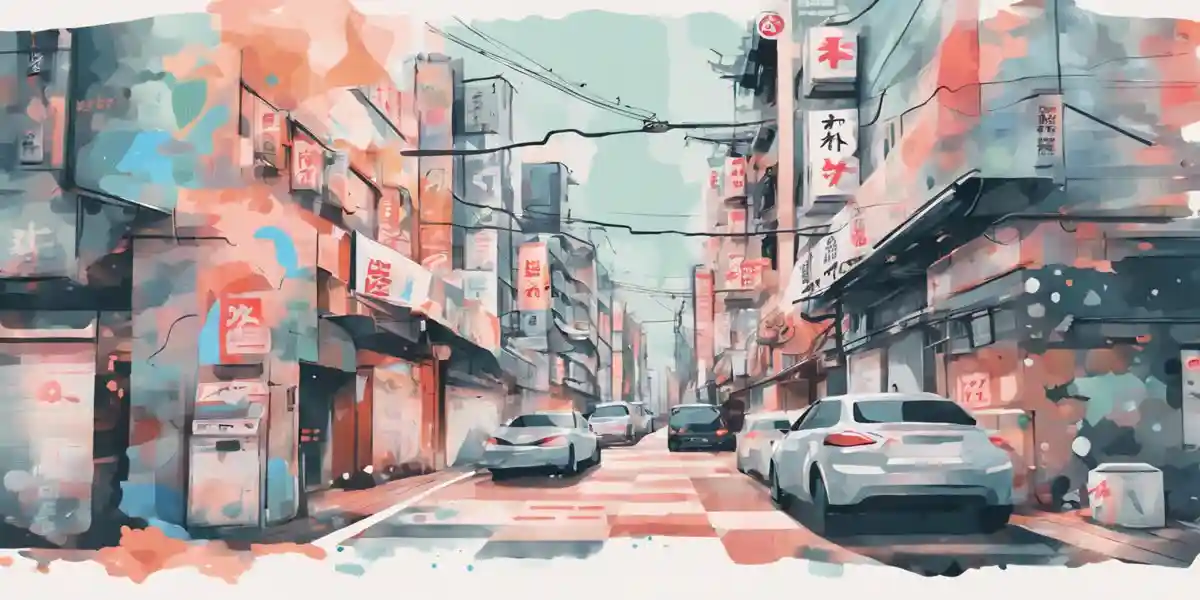
In the bustling heart of Tokyo, the vibrant streets of Shibuya pulse with the energy of countless street artists, each contributing to a rich tapestry of urban creativity. But have you ever wondered what happens when this expressive culture collides with the digital realm? In the blog post titled "Tokyo's Street Art Revolution: How NFTs Are Transforming Urban Creativity," we delve into a fascinating transformation as these artists embrace non-fungible tokens (NFTs) to elevate their visibility, safeguard their creations, and monetize their artistry in ways previously thought impossible.
Imagine a community of artists, often marginalized and unheard, suddenly finding their voices amplified in the digital age. By minting their artwork as NFTs, they not only claim ownership over their creations but also open doors to new income streams, free from traditional intermediaries. Throughout this exploration, we will highlight individual case studies of Tokyo artists who have transitioned from the spray can to the blockchain, sharing their motivations, challenges, and the unique stories behind their digital artworks.
Moreover, we will uncover collaborative projects where artists unite in digital spaces, crafting virtual galleries that blend the physical with the digital. This shift is more than just a technological novelty; it democratizes art ownership, fosters new forms of expression, and challenges the traditional art market's status quo. Join us as we navigate this compelling dialogue between street art and technology, revealing how NFTs are not just reshaping urban creativity but also redefining the cultural landscape of one of the world's most dynamic cities.
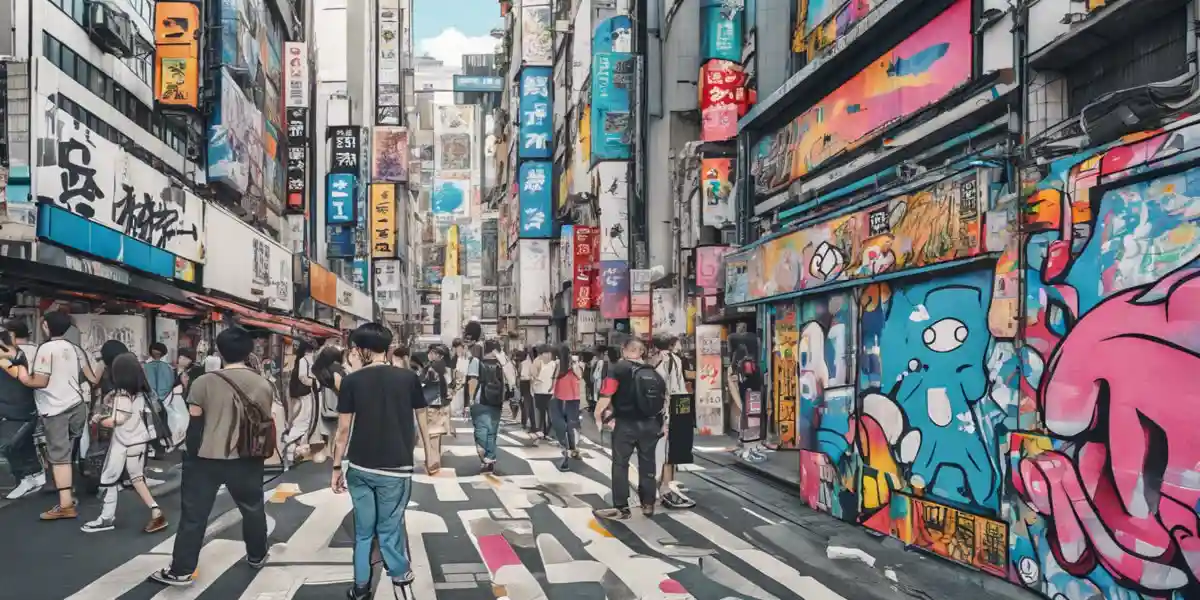
In the vibrant streets of Shibuya, Tokyo, a profound transformation is unfolding — one that merges the expressive culture of street art with the cutting-edge realm of digital technology. The blog post, "From Shibuya to the Blockchain: How Tokyo's Street Artists are Embracing NFTs," dives into this intersection, illuminating how non-fungible tokens (NFTs) are redefining the way urban artists create, share, and monetize their work.
Once dismissed as mere vandalism, street art has evolved into a legitimate form of cultural expression and social commentary. Artists like Banksy and Shepard Fairey have paved the way for this paradigm shift, showing how urban art can foster community engagement and reflect social diversity. In Tokyo, local artists have taken up this mantle, using their art to voice societal issues or simply to beautify their neighborhoods. The recognition of street art as a valid form of expression is not just a cultural phenomenon; it is also a political one, as it empowers marginalized voices within the community.
With the advent of NFTs, street artists in Tokyo have discovered a new avenue for ownership and monetization. By minting their artwork into NFTs, these artists gain an unprecedented level of control over their creations. NFTs provide a digital certificate of authenticity, ensuring that the artist can claim ownership while also offering buyers a unique piece of digital art. This transition from traditional canvas to the blockchain not only enhances visibility but also creates a new stream of income. For example, Tokyo-based street artist Tsubasa, known for his intricate murals, recently minted a series of digital pieces that sold out within hours, demonstrating the demand for unique digital art.
Exploring individual case studies sheds light on the journeys of artists who have made this transition. Take, for instance, the story of Yuki, a street artist who initially struggled to make ends meet by selling prints of her work. After discovering NFTs, she was able to sell limited edition digital versions of her pieces directly to collectors, cutting out the middlemen. This not only allowed her to earn more per piece but also created a deeper connection with her audience, as collectors felt a sense of ownership over her unique digital narratives. Such stories are becoming increasingly common as more artists recognize the potential of digital platforms.
In this new digital landscape, collaboration between artists has flourished. Virtual galleries are emerging, showcasing collections that blend physical street art with digital interpretations. For instance, an upcoming project in Shibuya aims to create a digital exhibition where street artists can showcase their murals alongside corresponding NFT art. This initiative not only highlights the artists' physical work but transforms it into an interactive digital experience, allowing viewers to engage with the art in new ways. Such collaborations redefine the traditional art gallery model, making art more accessible to a broader audience.
The shift towards NFTs is more than just a technological trend; it brings profound cultural implications. By democratizing art ownership, NFTs allow a wider audience to participate in the art market — a space once dominated by elite galleries and collectors. This change challenges the traditional art market and enables new forms of expression that were previously unreachable for many artists. However, as with any transformative movement, challenges persist, including access inequality and environmental concerns related to blockchain technology. It is crucial to navigate these challenges while embracing the potential of NFTs to create a more inclusive artistic landscape.
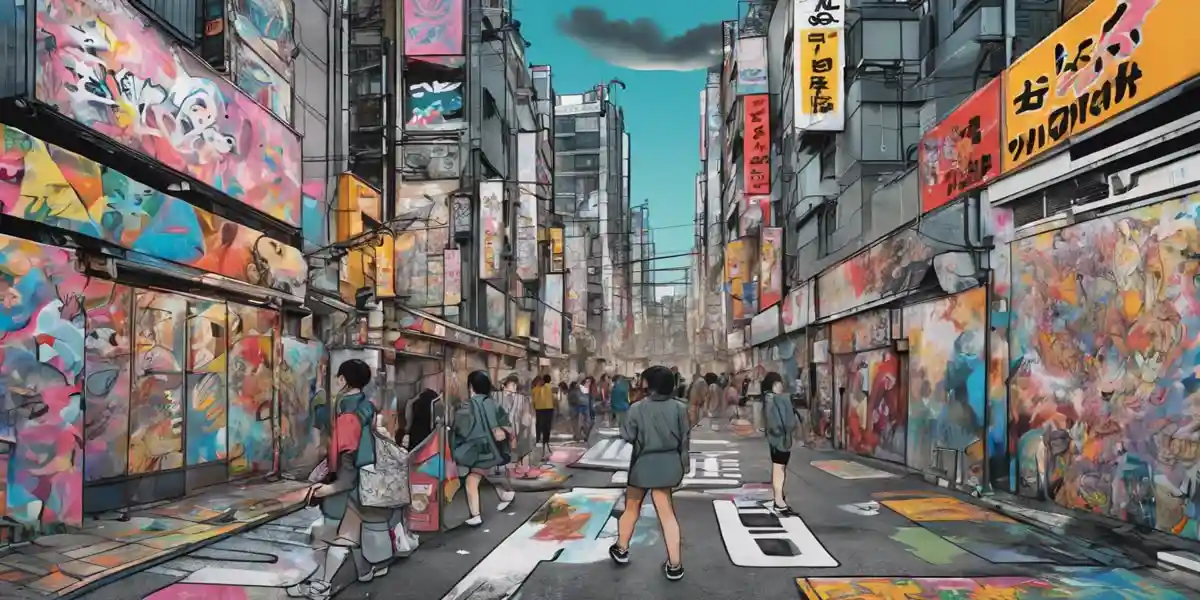
As the street art movement in Tokyo gains momentum, artists are increasingly turning to non-fungible tokens (NFTs) as a revolutionary means to express themselves and redefine their artistic boundaries. This shift represents not just a trend but a fundamental realignment of how art is created, owned, and valued in the digital era.
At its core, an NFT is a digital certificate of ownership that resides on a blockchain—essentially a decentralized ledger. Unlike traditional art forms, where ownership can be ambiguous and easily disputed, NFTs provide a unique solution by verifying authenticity through cryptographic means. This technology is particularly empowering for street artists in Tokyo, many of whom have historically faced the challenges of anonymity and marginalization in the art world.
Imagine a street artist from Shibuya, who has spent years painting murals that resonate with the local community. Traditionally, these works would remain ephemeral, often washed away by city maintenance or ignored in the larger context of art culture. However, by minting their designs as NFTs, artists can now immortalize their creations in the digital realm. This not only preserves their art but also allows them to sell it directly to collectors, eliminating the need for intermediaries such as galleries. This new approach to ownership opens doors to broader audiences, creating a global marketplace for local talent.
Take, for instance, the story of a Tokyo-based artist known as "Psycho-Pass." Renowned for their vibrant street murals, Psycho-Pass ventured into the world of NFTs after noticing the growing interest in digital art. By converting their murals into NFTs, they were able to sell unique digital versions of their work. Not only did this provide financial support, but it also allowed Psycho-Pass to connect with a worldwide audience, transforming a local art practice into a global phenomenon.
The rise of NFTs has also catalyzed collaborative projects among street artists in Tokyo. Groups of artists are now coming together to create virtual galleries, where they showcase their work in a digital format that blends the physical and digital worlds. For example, a collective known as "Urban Canvas" recently launched a virtual exhibition that featured a mix of NFTs derived from their street art, enabling viewers to experience their work in an immersive online environment. This not only elevates their visibility but also challenges the traditional notions of art display, as collectors can now purchase digital pieces that complement their physical collections.
The cultural implications of this digital transformation are profound. By democratizing art ownership, NFTs are reshaping the landscape of who can be considered an artist and what constitutes art. With the ability to create and sell their work independently, street artists are no longer confined to the margins of the art world. Instead, they are carving out a significant space that acknowledges their contributions and celebrates their unique narratives.
Moreover, this shift has enormous potential to foster community engagement and reflect social diversity. As urban art has evolved from being seen as vandalism to a legitimate form of cultural expression, the integration of NFTs into this narrative highlights the empowerment of artists who use their work as a platform for social critique and citizen participation. Through their NFTs, artists are not just selling art; they are sharing stories, challenging societal norms, and inviting their audiences to partake in a larger dialogue about urban identity.
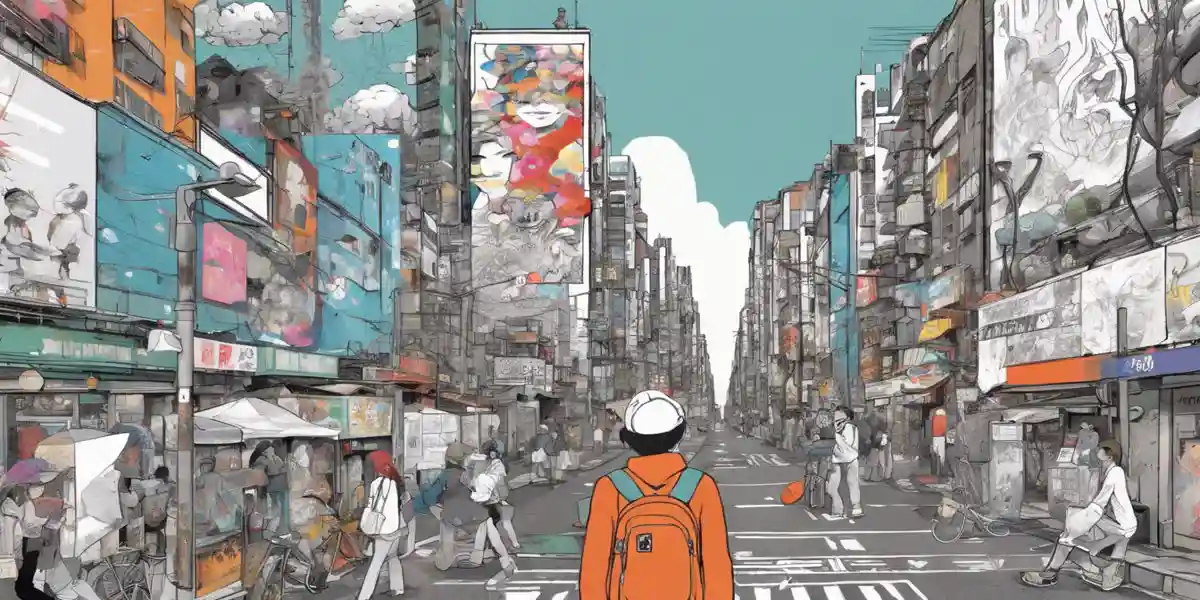
In the evolving landscape of Tokyo's street art, a new wave of artists is harnessing the potential of NFTs to redefine their creative journeys. These case studies spotlight individual artists who have successfully made the leap from the physical streets of Tokyo to the decentralized digital realm, showcasing their motivations, challenges, and the unique narratives behind their digital transformations.
Katsuya Takagi, a prominent figure in Tokyo's street art scene, exemplifies the journey of many artists transitioning to NFTs. Known for his vibrant murals in Shibuya, Takagi's work often explores themes of urban life and cultural identity. In 2021, he minted his first NFT collection, which featured digital representations of his most iconic murals alongside augmented reality experiences. By doing so, Takagi not only preserved the essence of his street art in a digital format but also empowered himself with ownership through smart contracts.
This transition allowed Takagi to monetize his art without relying on traditional galleries or intermediaries. His NFT sales provided him with a new income stream, enabling him to fund further projects and engage with a global audience. As one of the first Tokyo artists to embrace this technology, he has since inspired others in the community to follow suit, demonstrating how NFTs can bridge the gap between physical art and digital ownership.
Aiko Nakamura’s approach towards NFTs emphasizes collaboration and community. As a member of a collective of Tokyo street artists, she initiated a project called “Tokyo Street Art Collective” that aimed to create a virtual gallery showcasing their works as NFTs. Each artist in the collective contributed unique pieces that were minted in limited quantities, promoting both individual creativity and collective identity.
Nakamura's project not only highlights the potential of NFTs to democratize art ownership but also serves as a platform for social critique. The virtual gallery features augmented reality elements that allow viewers to experience the artwork interactively, challenging the traditional notion of how art is consumed. This innovative blend of physical and digital experiences reflects urban art's evolution from being seen merely as vandalism to a legitimate form of cultural expression.
For Yuji Saito, the journey into the NFT space was fraught with challenges, from technical barriers to concerns about environmental impact. Initially skeptical of NFTs, Saito faced the dilemma of whether to compromise his artistic integrity by embracing a technology that has been criticized for its carbon footprint. After extensive research and discussions with fellow artists, he discovered that many platforms are now adopting eco-friendly practices, such as using proof-of-stake mechanisms that significantly reduce energy consumption.
Once he found a suitable platform, Saito launched his NFT series, which included animated versions of his street art. This series was not only a financial success but also sparked discussions about sustainability in the art world. By addressing these challenges head-on, Saito has become a voice for responsible NFT practices, advocating for an art market that remains environmentally conscious while exploring new monetization methods.
Beyond individual artists, several collaborative initiatives have emerged in Tokyo's NFT space, illustrating the power of community in this digital transformation. One notable project is the “Digital Shibuya” initiative, where local artists and tech developers work together to create immersive installations that blend physical street art with digital experiences. These installations are showcased in public spaces, allowing the community to interact with the artwork in real-time through their smartphones, seamlessly merging the physical and digital realms.
This collaboration not only enhances the visibility of street artists but also invites broader public engagement, challenging the traditional art market's exclusivity. By creating a dialogue between artists and tech innovators, projects like “Digital Shibuya” exemplify how NFTs can foster new forms of expression and community participation, redefining what it means to experience art in urban settings.
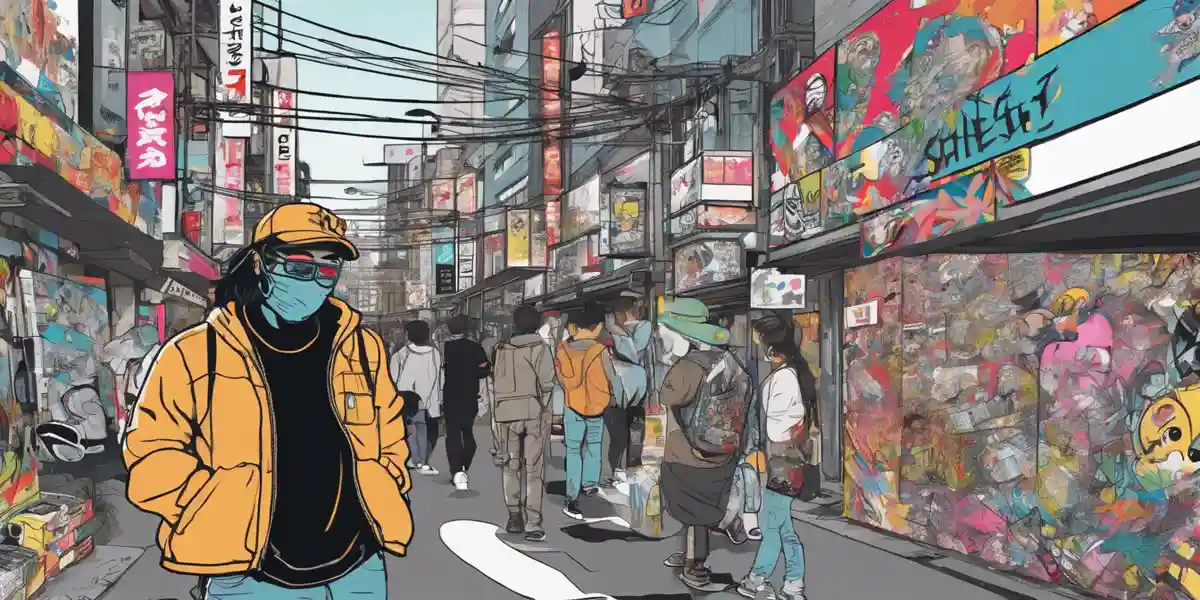
The intersection of Tokyo's vibrant street art scene and the burgeoning world of non-fungible tokens (NFTs) represents a remarkable shift in how artists create, share, and monetize their work. Imagine a community of artists who have long operated on the fringes, now finding a powerful digital platform that not only legitimizes their art but also provides them with new opportunities for income and recognition.
By minting their creations as NFTs, Tokyo's street artists gain unprecedented control over their work. This digital ownership allows them to protect their artistic integrity, ensuring that their creations cannot be easily replicated or exploited without their permission. For instance, artists like Hiroshi Sato, known for his stunning murals in Shibuya, have begun to tokenize their work. Sato's move to NFTs not only safeguards his artistry but also opens doors to a global audience eager to own a piece of his creativity. NFTs serve as a digital certificate of authenticity, merging the physical and digital realms in a way that was previously unattainable.
Consider the case of Yuki Nakamura, a graffiti artist renowned for his bold, thought-provoking pieces. After minting his artwork as NFTs, Nakamura witnessed a significant change in his career trajectory. No longer dependent on physical galleries that often overlook street artists, he now sells his digital creations directly to collectors via platforms like OpenSea and Rarible. This shift has not only increased his visibility but also provided a steady stream of income that allows him to continue exploring his artistic passions.
The rise of NFTs has also fostered collaboration among artists. Virtual galleries are emerging as innovative spaces where artists can showcase their work in a digitally immersive environment. An example is the Tokyo NFT Art Collective, where several street artists come together to create a shared online exhibition space. Here, viewers can experience a seamless blend of physical street art and digital expression, challenging the notion of art's traditional boundaries. Such collaborations not only amplify individual artists' reach but also cultivate a sense of community among creators.
This transformation raises important cultural questions. The democratization of art ownership through NFTs allows a wider audience to engage with and invest in street art, breaking down barriers that have historically marginalized these creators. Moreover, it invites a new form of expression that goes beyond traditional mediums. Artists can incorporate multimedia elements—like animations and sounds—into their NFTs, enriching the narrative behind their work. This evolution challenges the established art market, which often favors elite status and exclusivity, and instead promotes a more inclusive and diverse artistic landscape.
However, this NFT revolution is not without its challenges. Access inequality remains a concern, as not all artists have the technological means to engage with the NFT ecosystem. Additionally, environmental issues surrounding blockchain technology have sparked debates about the sustainability of NFTs. Artists and collectors alike must navigate these complexities while pursuing the benefits that NFTs offer. The dialogue surrounding these challenges is crucial as it shapes the future of urban art in Tokyo and beyond.
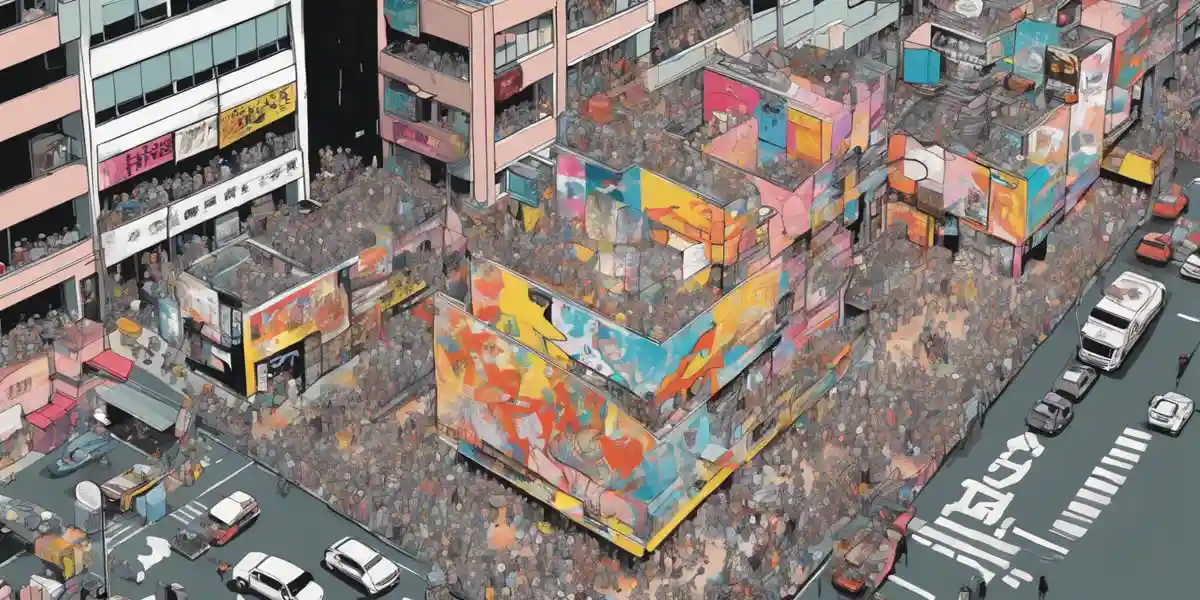
The intersection of Tokyo's vibrant street art scene with the burgeoning world of non-fungible tokens (NFTs) opens a fascinating dialogue about the future of urban creativity. As artists transition from traditional mediums to digital platforms, NFTs present unique opportunities and challenges that could reshape the narrative of street art.
For many street artists, the realm of urban art has long been fraught with challenges, including issues of ownership, recognition, and income. Traditionally considered vandalism, street art is now evolving into a legitimate form of cultural expression. Now, through the lens of NFTs, artists can mint their works as unique digital assets, granting them verifiable ownership.
Take, for instance, the Tokyo-based artist known as Nakanishi, who transitioned from painting murals in Shibuya to creating NFTs. By minting her vibrant street pieces on a blockchain, she is not only preserving her artistic integrity but also establishing a direct connection with her audience. This shift allows her to earn revenue through sales and royalties on secondary markets, fundamentally changing her economic landscape.
NFTs democratize the art space, enabling a more inclusive system where artists from diverse backgrounds can showcase their work without the barriers imposed by traditional galleries. This is particularly significant in a city like Tokyo, where street art often reflects social diversity and community narratives. By leveraging digital platforms, artists can engage with a global audience, thereby expanding their reach and influence.
Moreover, platforms like Foundation and OpenSea have become virtual galleries for these creators, allowing them to present their NFTs in a way that parallels the physical spaces of art exhibitions. This not only enhances their visibility but also invites community engagement, fostering a sense of shared ownership over urban narratives.
The integration of NFTs has facilitated collaborative projects that blend physical and digital art forms. For example, a collective of street artists in Tokyo recently launched a virtual gallery showcasing their murals alongside digital interpretations. This hybrid approach not only celebrates the artistry of each member but also encourages dialogue between different mediums, creating a multifaceted experience for viewers.
Such collaborations exemplify how technology can bridge gaps between artists and audiences, allowing for new forms of expression. Additionally, as artists collaborate on NFT projects, they can explore themes and messages that resonate with broader societal issues, from environmental concerns to social justice, enriching the urban art narrative.
While the potential of NFTs is vast, it is essential to recognize the challenges that accompany this digital transformation. Issues such as access inequality and environmental impacts of blockchain technology raise important questions about sustainability and inclusivity in the art world. Artists, particularly those from marginalized backgrounds, may still face barriers in accessing the technology and platforms necessary to participate in the NFT marketplace.
Furthermore, as urban art continues to gain legitimacy through NFTs, there is a risk of commercialization that could dilute the raw, grassroots essence of street art. Artists must navigate the delicate balance between artistic integrity and market demands, ensuring that their work remains true to the cultural narratives they aim to express.
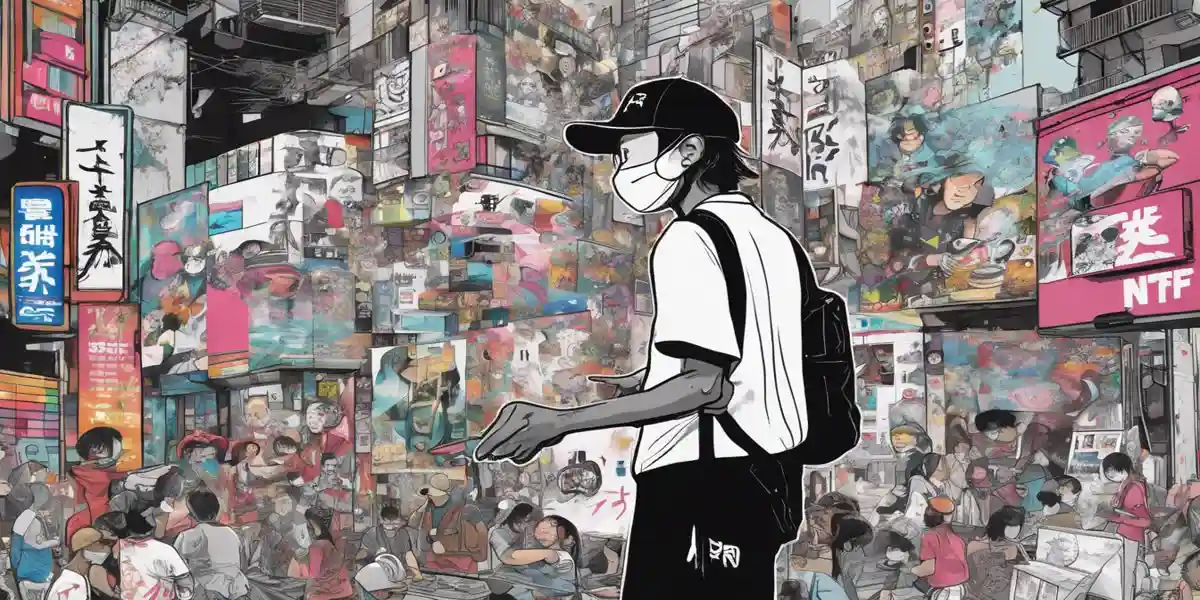
As Tokyo's street artists explore the intersection of traditional art forms and cutting-edge technology, they are finding new avenues for expression and economic sustainability through NFTs. This section delves into how these artists are transforming their work into digital assets, allowing them to regain ownership and monetize their creativity in unprecedented ways.
Traditionally, many street artists have struggled to claim ownership of their work, often facing legal repercussions for public displays of their art. However, minting their pieces as NFTs changes the narrative dramatically. An NFT acts as a digital certificate of authenticity, enabling artists to assert ownership and control over their creations. For instance, the artist known as Ryohei Hase, who originally painted vibrant murals in Shibuya, found new life for his work in the digital realm. By minting his pieces as NFTs, Hase not only secured his artistic rights but also created a direct revenue stream through sales and royalties without relying on galleries or intermediaries.
Numerous Tokyo-based artists have ventured into the NFT space, each with unique stories that illustrate the potential of this technology. Take Yuki Kato, for example. After years of painting in back alleys and on streets, Kato transitioned to digital canvases during the pandemic. By releasing a series of NFT artworks that captured the essence of Tokyo's nightlife, he witnessed an enthusiastic response from both local and international collectors. His journey embodies the shift from being marginalized to gaining a platform where his voice can resonate globally.
The embrace of NFTs has also fostered a spirit of collaboration among artists. Virtual galleries, such as Tokyo NFT Gallery, are emerging, where artists can showcase their work in an immersive online experience that mirrors the vibrancy of Tokyo's streets. These platforms allow creators to interact with their audience in real time, bridging the gap between physical and digital art. For example, a recent exhibition featured a blend of augmented reality street art, where viewers could use their smartphones to see animations overlaying the physical murals, enhancing the storytelling inherent in each piece.
The rise of NFTs has democratized access to art ownership, breaking down the barriers that once restricted it to affluent collectors. In a city as bustling and diverse as Tokyo, this shift is particularly significant. Artists are now able to sell their work directly to fans and collectors, enabling a more equitable distribution of wealth within the creative community. As highlighted in recent research, NFTs are reshaping the digital economy by providing new monetization methods, challenging traditional art market structures.
The cultural implications of this intersection between street art and NFTs are profound. They challenge the stigmas associated with urban art, transforming it from a form of vandalism into a legitimate cultural expression. As street artists leverage this technology, they invite broader conversations about ownership, representation, and the role of art in society. For instance, artists are increasingly using their platforms to address social issues, harnessing the visibility that comes from the NFT market to advocate for change. The evolution of these narratives will undoubtedly shape the future of urban creativity in Tokyo and beyond.
As we've journeyed through the vibrant landscape of Tokyo's street art revolution, it's evident that NFTs are not merely a passing trend but a profound transformation reshaping the very fabric of urban creativity. From the initial intersection of street art and technology to the rise of NFTs as a legitimate medium for expression, we've seen how artists are reclaiming ownership and redefining their narratives. The case studies of Tokyo's pioneering artists like Katsuya Takagi, Aiko Nakamura, and Yuji Saito illustrate the diverse ways in which this digital frontier empowers creators, fosters collaboration, and democratizes the art market.
Moreover, the implications of this shift extend beyond the individual artist; they touch upon societal issues of access, representation, and community engagement. By embracing NFTs, artists are not just selling digital creations; they are weaving stories that challenge societal norms and reflect the diverse tapestry of urban life. The emergence of virtual galleries and collaborative projects signifies a new era where art is no longer confined to physical spaces but is a dynamic dialogue between the digital and the real.
However, as we celebrate these advancements, it's crucial to remain aware of the challenges that accompany this revolution. Access inequality and environmental concerns surrounding blockchain technology remind us that while the potential for inclusivity exists, it must be actively pursued. Artists and audiences alike must engage in thoughtful discussions about sustainability and the integrity of artistic expression in this evolving landscape.
As we move forward, consider how you can participate in this transformative journey. Whether you're an artist exploring the NFT space or a collector looking to support urban creativity, your involvement can help shape the future of art in Tokyo and beyond. Let’s embrace this revolution together, fostering a community where creativity knows no bounds, and every voice has the opportunity to be heard.
Get notified about new articles, coffee tips, and Web3 insights.
This site participates in affiliate programs and may earn a commission when a link is clicked and a purchase is made. The site is not responsible for any issues or troubles related to the products or services purchased through the use of this site.

DO&COFFEE loves coffee and technology, exploring the potential of NFTs and blockchain. Learn more →
DO&COFFEE loves coffee and technology, exploring the potential of NFTs and blockchain. Learn more →