art
2024/09/24

In an era where the digital landscape is transforming how we engage with art, the fusion of live streaming and virtual spaces is paving the way for a creative revolution. Have you ever imagined wandering through a 3D-rendered gallery, where artists from across the globe showcase their work while interacting with you in real-time? This blog post delves into the remarkable potential of live streaming in revolutionizing virtual galleries and workshops, offering an immersive experience that bridges the gap between creators and audiences. By facilitating dynamic dialogues and interactive elements, these virtual platforms not only democratize access to art but also cultivate a vibrant community of creativity. As we explore the rise of virtual galleries and innovative workshops, we’ll uncover the benefits they offer to both artists and participants, highlighting successful case studies along the way. Join us on this journey as we examine how live streaming is not just reshaping how we view art but also redefining our understanding of collaboration and inspiration in the digital age.
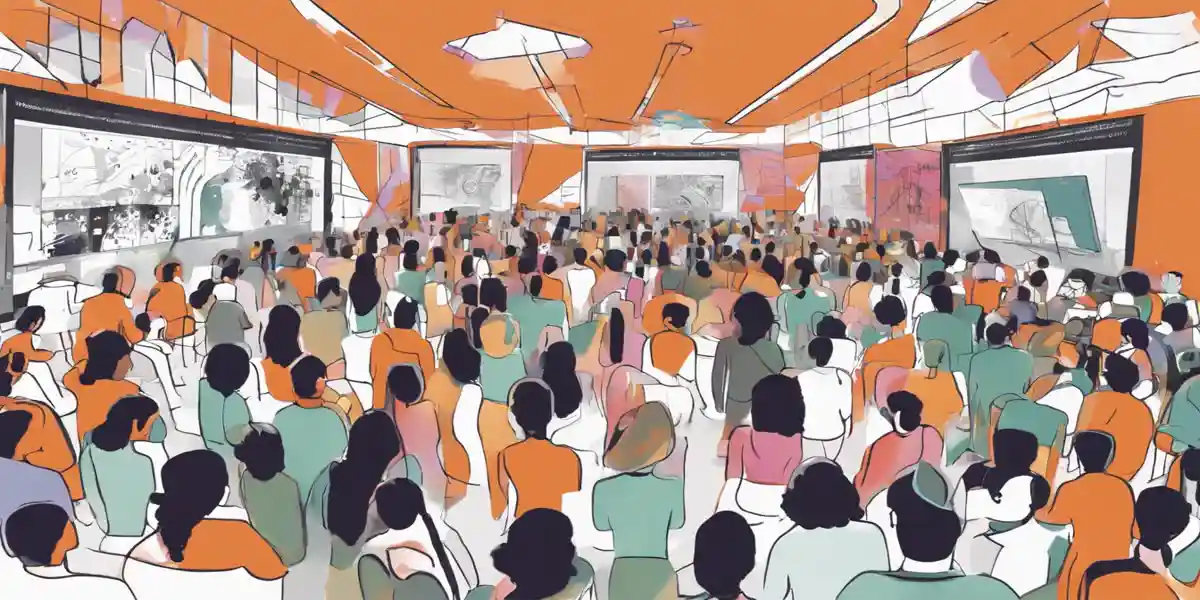
In an era defined by rapid digital transformation, live streaming has emerged as a dynamic force in the creative landscape, reshaping how artists engage with their audiences. Imagine a virtual space where artists can not only showcase their work but also interact with viewers in real-time, breaking down geographical barriers and fostering a global community of creativity.
Live streaming in the creative world offers an unprecedented level of engagement. Artists can host virtual gallery tours, inviting viewers to explore their artworks in a 3D-rendered environment. As participants navigate through the gallery, they can click on individual pieces to uncover the stories behind them—learning about the artist's techniques, inspirations, and the emotional narratives that breathe life into each creation. This immediacy transforms the art experience from passive observation to active participation, allowing audiences to ask questions and receive instant feedback during the live session.
Consider the case of artist Sarah K. She recently hosted a live-streamed art workshop where she demonstrated her painting techniques while engaging with participants via chat. As she mixed colors and shared tips, viewers followed along from their homes, armed with their own supplies. This not only fostered a sense of community but also created a collaborative atmosphere where attendees could showcase their work in real-time, receiving encouragement and constructive feedback. Such experiences highlight how live streaming can democratize access to art education and creative expression.
The integration of advanced technologies further enhances the live streaming experience. Tools like Unity3D and virtual reality (VR) capabilities allow for immersive environments that engage viewers on multiple sensory levels. For instance, a live-streamed exhibition utilizing 3D Gaussian splatters for dynamic rendering can create a visually captivating experience. By incorporating elements such as voice generators and interactive chat features, artists can craft an engaging narrative that resonates with viewers, making them feel as if they are walking through a physical gallery.
While live streaming in the creative realm presents exciting opportunities, it also comes with challenges. Navigational complexities in 3D environments can hinder user experience, as some studies suggest that users may feel overwhelmed without adequate guidance. However, these challenges are not insurmountable. By implementing user-friendly navigational aids and leveraging insights from user experience research, artists and gallery curators can create a more accessible and enjoyable virtual environment.
Ultimately, live streaming is not just about showcasing artworks; it's about building a community. As artists connect with their audiences, they foster a collaborative spirit that transcends traditional art exhibitions. This interactive format encourages attendees to share their experiences on social media, creating a ripple effect that inspires others to participate and explore their own creativity.
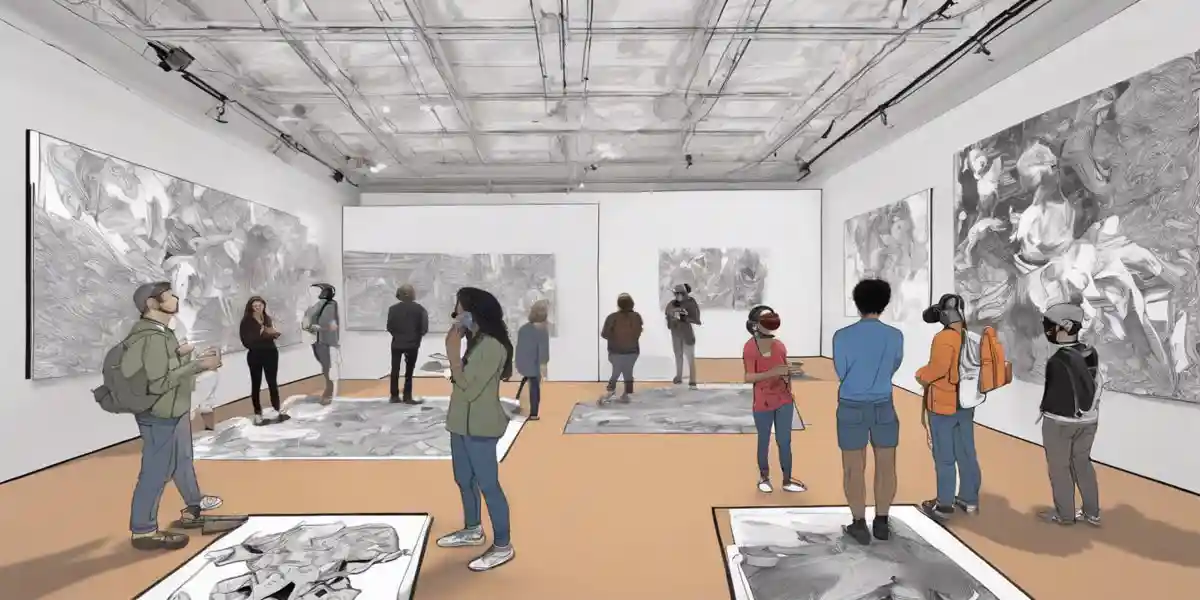
The emergence of virtual galleries marks a significant shift in how art and creativity are presented and experienced in our increasingly digital world. These platforms are not merely digital replicas of traditional galleries; they are transformative spaces that redefine engagement and accessibility in the art community.
Traditionally, art exhibitions were confined to physical spaces, often limiting the audience to those who could travel to a specific location. However, with advancements in broadband internet and virtual reality, virtual galleries have evolved into immersive experiences that transcend geographical limitations. For instance, the use of low-cost gallery software allows artists to create 3D-rendered spaces that invite viewers to explore art from the comfort of their homes. Imagine strolling through a virtual gallery set in an enchanting digital landscape, where every artwork can be clicked to reveal its story, technique, and inspiration. This not only enhances the viewer's understanding but also fosters a deeper emotional connection to the art.
What sets virtual galleries apart is their interactive nature. Live streaming technology enables real-time dialogue between artists and audiences. Viewers can ask questions, share their thoughts, and engage in discussions, effectively breaking down the barriers that often exist in traditional art spaces. This engagement creates a sense of community, making every participant feel valued and heard. For example, during a virtual gallery showing, an artist might discuss their creative process while viewers comment and ask questions about specific pieces. This immediacy transforms passive viewing into an active, participatory experience.
Technological advancements have made it possible to host virtual galleries that are not only visually stunning but also accessible to a wider audience. Virtual reality (VR) and augmented reality (AR) technologies are increasingly being integrated into these spaces, enhancing the visitor experience. Studies have shown that VR can significantly improve visitor interaction, providing a more engaging and memorable experience. For example, museums in Dubrovnik have successfully implemented 3D technology to create captivating virtual tours that attract diverse visitor profiles, demonstrating the potential of modern technology to enrich cultural engagement.
Despite the advantages, challenges remain in the adoption of virtual galleries. For instance, navigation within 3D environments can overwhelm new users. Research has indicated that galleries with enhanced navigational support lead to greater exploration and enjoyment. Thus, developers must prioritize user-friendly designs to ensure that visitors can easily access and appreciate the art. Nevertheless, these challenges also present opportunities for innovation. The integration of advanced systems, such as those using neural radiation fields for real-time scene rendering, exemplifies how technology can elevate the realism and interactivity of virtual spaces.
The rise of virtual galleries not only democratizes access to art but also transforms the very nature of artistic engagement. By allowing artists to conduct live workshops and demonstrations, these platforms enable audiences to participate actively in the creative process. Imagine following along with an artist as they create a piece in real-time, receiving immediate feedback and sharing your own attempts with others online. This collaborative spirit nurtures an ecosystem where individuals can inspire and uplift one another, fostering a vibrant community of creativity.
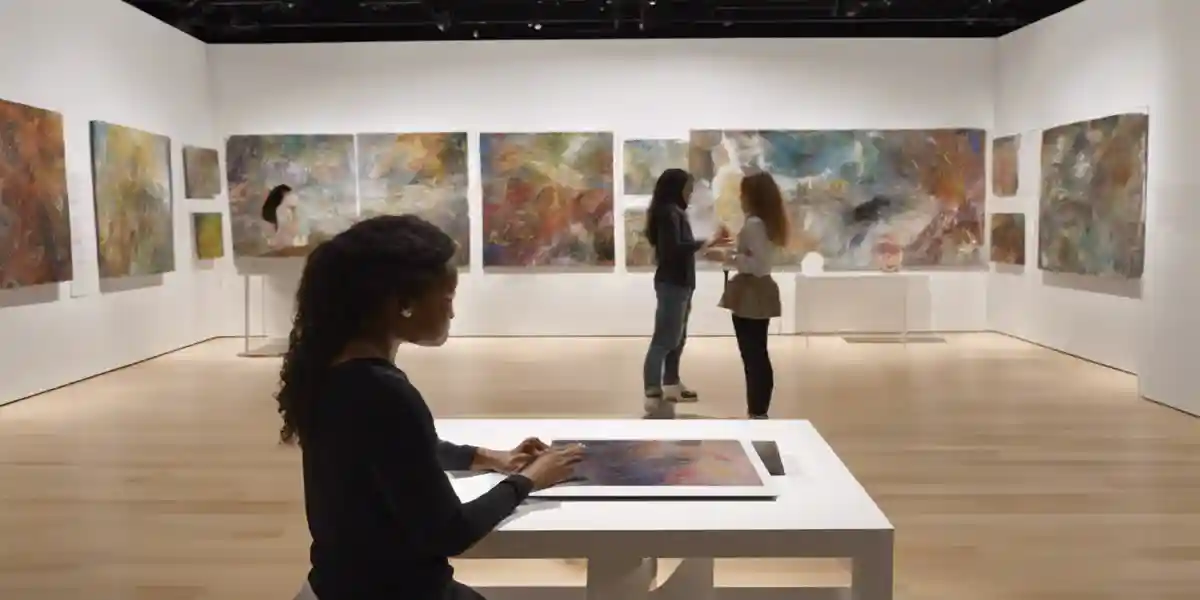
The emergence of virtual galleries offers a myriad of benefits for both artists and audiences alike, fundamentally altering the landscape of art presentation and interaction. With advancements in technology, particularly broadband internet and virtual reality, these digital spaces not only democratize access to art but also enhance the way we engage with it.
One of the most significant advantages of virtual galleries is their ability to reach a global audience. Unlike traditional galleries, which are often limited by geographic constraints, a virtual gallery can host visitors from anywhere in the world. Imagine an artist in New York showcasing their work to an audience in Tokyo, all from the comfort of their homes. This global reach is particularly beneficial for emerging artists who may not have the resources to travel or exhibit in high-profile locations. Moreover, as highlighted in the research, virtual galleries enable artists to engage a more diverse audience, fostering inclusivity and broadening the cultural conversation surrounding their work.
Virtual galleries create an interactive environment that traditional galleries often lack. Through live streaming, artists can engage with viewers in real-time, answering questions and facilitating discussions about their work. This interaction transforms the passive viewing experience into an active dialogue, allowing audiences to connect more deeply with the art and the artist. For instance, during a virtual workshop, participants can follow along with the artist's demonstration, ask questions, and receive immediate feedback on their creations. This not only enhances the learning experience but also encourages a sense of community among attendees, as they share their journeys and insights.
Advancements in technology, including 3D rendering and virtual reality, allow for immersive experiences that traditional galleries cannot replicate. Audiences can navigate through a 3D-rendered gallery space, interacting with artworks at their own pace. For example, a virtual art exhibit might enable users to click on paintings to uncover backstories, techniques, and inspirations—all while exploring the gallery as if they were physically present. Research indicates that galleries employing enhanced navigational support lead to increased user enjoyment and exploration, thereby enriching the overall art experience.
For artists, virtual galleries present a cost-effective means of showcasing their work. Physical exhibitions involve substantial costs—rental fees, transportation of artworks, and installation expenses. In contrast, virtual galleries can be set up with relatively low overhead using accessible gallery software tools. This financial flexibility allows artists to allocate resources to other areas of their practice, such as creating new work or marketing their exhibitions. Additionally, the ability to host multiple events without the constraints of physical space empowers artists to experiment with their presentation styles and outreach strategies.
Virtual galleries also nurture a collaborative spirit among artists and audiences. By integrating social media functionalities, attendees can share their experiences and creations instantly, creating a ripple effect of inspiration that transcends geographical boundaries. This communal aspect is further emphasized when artists collaborate on projects, inviting audiences to participate and contribute. Such initiatives not only bolster a sense of belonging within the art community but also enhance the collective creative process, as diverse perspectives and ideas come together in a shared virtual space.
As we have explored, the fusion of live streaming technology with the art world is not merely a trend—it's a transformative force that redefines how creativity is experienced and shared. By breaking down geographical barriers, virtual galleries allow artists to reach wider audiences while fostering an inclusive community of art enthusiasts. The interactive nature of these platforms transforms passive viewing into active participation, empowering audiences to engage with artists in real-time, ask questions, and share insights.
Moreover, innovative workshops facilitated through live streaming enhance the creative learning process, offering immediate feedback and collaborative opportunities that were once only available in physical settings. This mode of engagement not only enriches the experience for participants but also nurtures a sense of belonging within the global creative community.
However, as we embrace these advancements, it is crucial to remain vigilant about the challenges that accompany them, such as navigation complexities in virtual environments. By prioritizing user-friendly designs and leveraging technological innovations, we can ensure that the virtual art experience is accessible and enjoyable for everyone.
In conclusion, the future of creativity lies in our ability to adapt and innovate within this live streaming era. So, whether you're an artist looking to reach new audiences or an art lover eager to engage with creators, consider how you can participate in this vibrant digital landscape. What steps will you take to explore, create, or contribute to the evolving narrative of art in a virtual world? The canvas is blank, and the possibilities are endless.

Get notified about new articles, coffee tips, and Web3 insights.
This site participates in affiliate programs and may earn a commission when a link is clicked and a purchase is made. The site is not responsible for any issues or troubles related to the products or services purchased through the use of this site.

DO&COFFEE loves coffee and technology, exploring the potential of NFTs and blockchain. Learn more →
DO&COFFEE loves coffee and technology, exploring the potential of NFTs and blockchain. Learn more →