technology
2024/08/19

Have you ever pondered how your daily life might transform if you could step into a realm where the boundaries of reality are redefined? Welcome to the Metaverse—a vibrant digital universe that is not just a playground for gamers, but a new frontier for everyday living. This blog post invites you to explore the concept of the virtual commune, where individuals from diverse backgrounds come together in shared virtual spaces, fostering creativity, collaboration, and connection.
As we delve into this exciting new lifestyle, we will examine how the Metaverse can reshape our daily interactions, work environments, and social connections. Imagine co-working hubs where projects come to life in immersive settings, or virtual meetups that offer deeper connections without the constraints of geography. We’ll explore how these changes can redefine productivity and relationships, ultimately encouraging us to rethink what it means to belong in a community.
Moreover, we’ll touch on the implications for education and peer-to-peer learning, highlighting innovative tools that can enhance collaborative experiences in this digital landscape. In a world increasingly driven by technology, understanding how to adapt to and embrace these changes is not just important—it’s essential.
So, are you ready to step into a world where daily life is transformed? Let’s embark on this journey together and discover how embracing a new lifestyle in the Metaverse can enhance our connections and enrich our experiences.
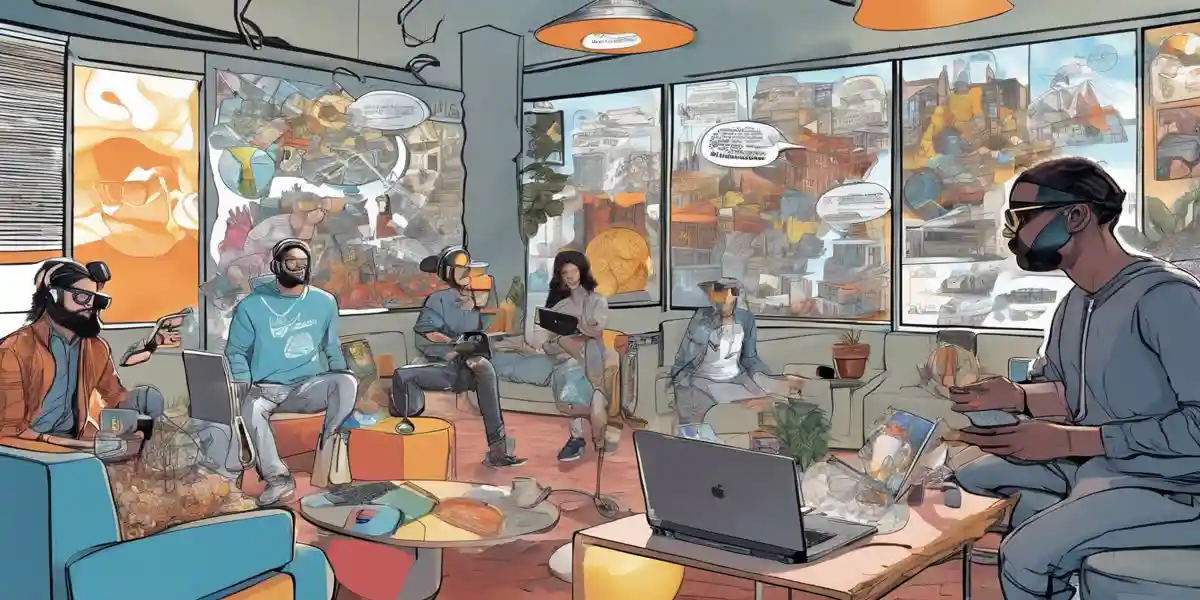
As we stand on the brink of a new digital frontier, the Metaverse invites us to reimagine our daily lives. Imagine a virtual realm where your interactions, work, and recreational activities blend seamlessly, transcending geographical boundaries and reshaping traditional social structures. This is not just a futuristic dream; it's a burgeoning reality known as the virtual commune.
The virtual commune embodies a collaborative community within the Metaverse, where individuals from diverse backgrounds converge to foster creativity, support, and shared experiences. Think of this space as a digital co-op, where every member's contributions dynamically shape a collective workspace. For example, platforms like Meta's Horizon Worlds allow users to create and customize their environments, engage in joint projects, and brainstorm ideas in immersive settings. Such co-working hubs not only enhance productivity but also cultivate a sense of belonging among members who may never have met in the physical world.
In this virtual commune, the nature of social interactions transforms dramatically. Imagine attending a themed event or casual gathering with friends from around the globe—all without the constraints of physical distance. This opens up a wealth of opportunities for forging friendships and building supportive networks. For instance, Roblox has pioneered this concept by allowing users to create and participate in social games, fostering connections that often extend beyond the game itself into real-life friendships.
Education stands poised for a significant transformation in the Metaverse. Here, the virtual commune acts as a hub for peer-to-peer learning, where members can exchange knowledge and engage in collaborative workshops. The concept of peeragogy—a collaborative approach to learning—becomes central in this environment, allowing individuals to mentor one another and enhance their skills collectively. For example, virtual platforms like Khan Academy have begun integrating collaborative features that enable users to learn from each other, emphasizing the importance of community in the learning process.
The Metaverse thrives on cutting-edge technologies that merge physical reality with a persistent digital world. This hybrid universe facilitates multi-sensory communication through tools like virtual reality (VR) and augmented reality (AR). Initially characterized by avatars teleporting between virtual worlds, it has now evolved into immersive social platforms that support multiplayer online games and collaborative environments. The transition from simple text-based interactions to a three-dimensional sandbox experience represents what some have called a “digital big bang” in cyberspace, heralding a new era of interaction.
Beyond mere entertainment, the Metaverse has considerable commercial applications. Companies are beginning to explore virtual storefronts and marketing strategies within these immersive worlds. For instance, brands like Nike have created virtual experiences in platforms such as Roblox, allowing users to purchase virtual goods that enhance their avatars, thus merging commerce with social engagement. This not only enriches the user experience but also broadens the scope for businesses to reach audiences in innovative ways.
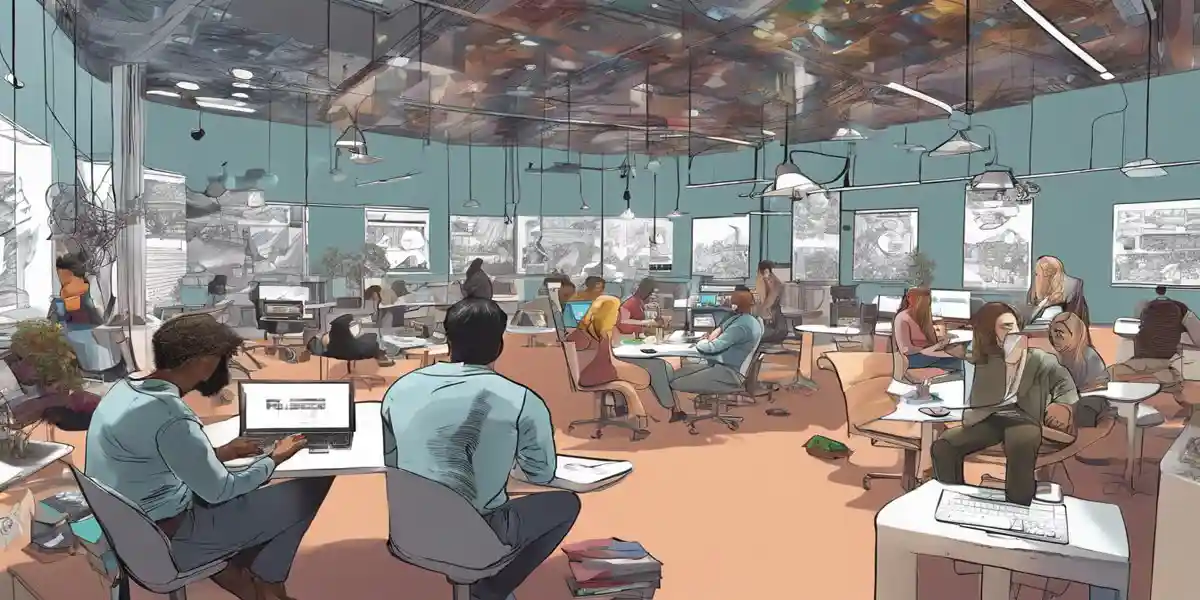
As we stand on the brink of a new digital era, the Metaverse beckons us to rethink our daily lives. This immersive environment offers revolutionary opportunities for work, education, and social interaction, urging us to adapt our lifestyles to fully embrace its potential. But how do we make this transition seamless and meaningful?
At the heart of this transformation is the idea of the virtual commune. Imagine a space where individuals from various walks of life congregate, transcending geographical barriers to engage in collaborative endeavors. This is not merely an online forum; it’s a vibrant, interactive community where creativity flourishes. For instance, platforms like Facebook Horizon and Decentraland allow users to create and participate in co-working hubs where brainstorming sessions and project collaborations can take place in an immersive environment.
In the Metaverse, workspaces are no longer confined to physical offices. They are dynamic digital co-ops shaped by the collective skills and contributions of their members. Imagine walking into a virtual office, where the layout and decor are tailored by the team through collaborative input. This kind of workspace not only encourages creativity but also enhances productivity by leveraging immersive technologies such as virtual reality (VR) and augmented reality (AR).
Real-world examples of this adaptation can be seen in companies like Spatial and Mozilla Hubs, which provide platforms for remote teams to collaborate in virtual environments. These tools facilitate a multi-sensory experience, enabling team members to interact through avatars and engage with 3D objects, making collaboration feel more tangible and enjoyable.
Social interactions in the Metaverse present an opportunity to redefine relationships. Virtual meetups can range from casual gatherings to themed events that foster deeper connections. Think of the potential for hosting a virtual dinner party with friends from around the world, where you can share meals and experiences, breaking down the barriers of physical distance.
This immersive experience not only enhances the quality of relationships but can also lead to the formation of strong support networks. As we engage in these virtual spaces, we may find ourselves questioning the nature of friendship and community. Are we more connected when we can engage with others in a shared virtual reality, or do we still value physical presence? These questions are vital as we navigate our new digital lives.
Education will also undergo a radical shift within the Metaverse. Picture a virtual commune serving as a hub for peer-to-peer learning, where members can exchange knowledge, host workshops, and mentor one another. The potential for collaborative learning is immense, as highlighted by recent discussions on the importance of integrating peeragogy—the practice of learning collaboratively among peers.
Platforms like Gather and ClassroomVR are pioneering this approach by offering interactive environments where learning can occur outside traditional classroom settings. For example, a group of students from different continents could gather in a virtual classroom to participate in a workshop facilitated by experts, utilizing tools like wikis and collaborative databases to enhance their learning experience.
As we adapt our lifestyles for the Metaverse, it’s crucial to recognize that these virtual connections can complement, rather than replace, our real-world relationships. The challenge lies in finding a balance. How can we ensure that our online interactions foster genuine connections that enrich our lives? This is a question that each of us must ponder as we navigate this uncharted territory.
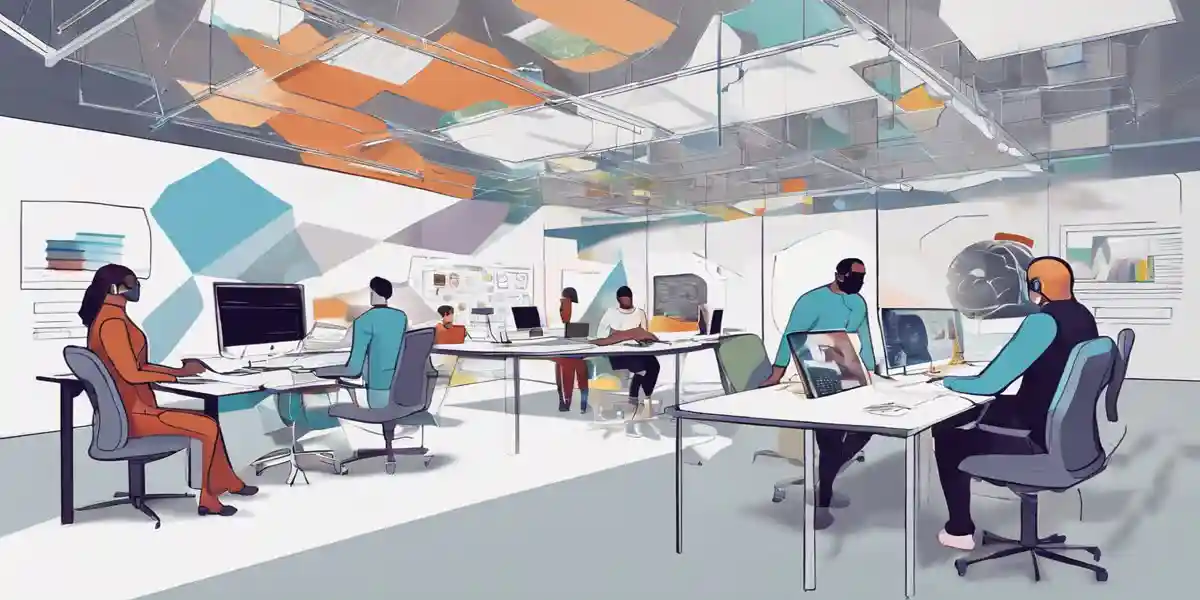
As we delve into the Metaverse, the concept of virtual workspaces emerges as a transformative force in how we perceive productivity. Imagine a world where traditional office walls dissolve, replaced by a vibrant digital landscape where collaboration knows no bounds. This is not merely a futuristic vision; it's an evolving reality that is reshaping our daily work lives.
At the heart of this transformation is the idea of the virtual commune—a dynamic space where diverse individuals converge to create a collaborative community. Here, work is not just about individual tasks; it’s about collective input and shared resources. Picture a digital co-op: your workspace, shaped by the skills and ideas of its members, becomes a canvas for creativity. This environment cultivates innovation, as brainstorming sessions can occur in real-time, powered by tools that allow for seamless communication and interaction.
Technologies such as virtual reality (VR) and augmented reality (AR) are pivotal in this evolution. The Metaverse serves as a hybrid universe, merging physical reality with a persistent digital world. For instance, platforms like Spatial allow teams to create 3D meeting spaces where avatars can interact as if they were in the same room, regardless of geographical distance. This immersive experience not only enhances engagement but also fosters a sense of presence that traditional video conferencing cannot replicate.
Peer-to-peer learning is another significant aspect of virtual workspaces that often goes overlooked. The integration of tools such as wikis, workshops, and databases can enhance collaborative learning experiences. For example, using a wiki enables team members to contribute knowledge and resources in real-time, creating a living document that evolves with the project. This aligns with the findings of recent studies that emphasize the importance of intentionally incorporating peeragogy in virtual learning environments to maximize collaborative potential.
Several organizations have already begun to embrace virtual workspaces with notable success. Companies like Facebook (now Meta) are investing heavily in building their own virtual office spaces within the Metaverse, allowing employees to interact through avatars and participate in immersive meetings. Similarly, Microsoft has introduced features in Mesh for Teams, enabling users to collaborate in mixed-reality environments, enhancing creativity and cohesion among remote teams.
These innovative virtual workspaces are more than just a trend; they represent a significant shift in how we define productivity. By allowing flexibility and fostering a sense of community, they encourage a more balanced approach to work, where creativity thrives in an environment free from conventional constraints. This redefinition challenges us to rethink productivity metrics, moving beyond hours logged to focus on collaborative outcomes and personal satisfaction.
As we navigate this new landscape, we must confront the question: what does it mean to work in a virtual commune? The potential for enhanced creativity and collaboration is immense, but it also requires a shift in mindset. Individuals must embrace the idea that productivity can flourish in spaces that prioritize community and connection over isolation and competition. This shift compels us to reconsider our relationship with work and community, urging us to find a balance that enriches both our personal and professional lives.
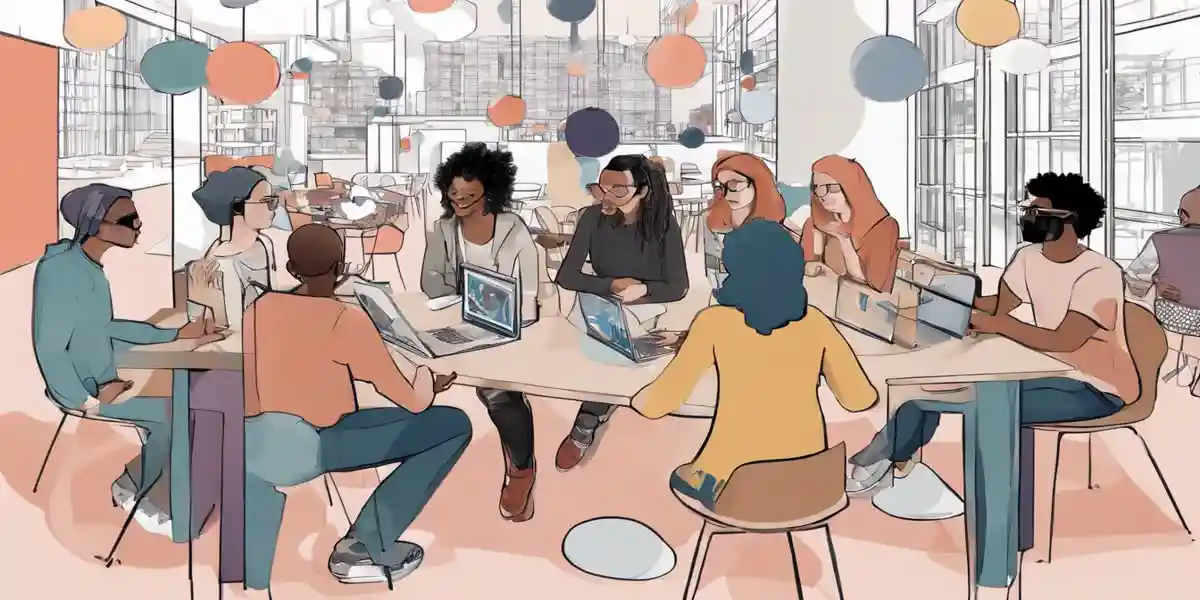
As we delve into the concept of the virtual commune, it's essential to understand how social interactions in the Metaverse can transform the way we build relationships. In this immersive digital landscape, connections can flourish in ways we might not have previously imagined.
Picture a vibrant digital co-op where individuals from various walks of life converge, collaborating on projects, sharing ideas, and forming bonds that transcend physical boundaries. This is the essence of the virtual commune—an extraordinary manifestation of community in the Metaverse. With the aid of technologies like virtual reality (VR) and augmented reality (AR), social interactions can become multi-sensory experiences that engage users in unprecedented ways.
Within the virtual commune, co-working hubs act as dynamic spaces where members can gather to brainstorm, innovate, and share resources. For example, platforms like Spatial and Horizon Worlds allow users to create customizable virtual offices where they can collaborate in real-time. Imagine working side-by-side with colleagues across the globe, sharing a virtual whiteboard that allows for interactive brainstorming sessions. This immersive experience can create a sense of presence that traditional video calls often lack, making collaboration feel more genuine and engaging.
Social interactions in the Metaverse have the potential to redefine our understanding of friendships and relationships. Virtual meetups can range from casual hangouts in digital cafes to themed events like virtual concerts or art exhibitions. Take, for example, the success of Roblox, where users can not only play games but also socialize and create experiences together. These environments foster a sense of community, allowing people to connect deeply without the constraints of distance.
Moreover, this digital space cultivates strong networks of support. In a world where loneliness is increasingly prevalent, the Metaverse can provide a refuge, where individuals find camaraderie and encouragement. By encouraging personal growth through collective well-being, virtual communes can become essential in combating isolation.
Education in the Metaverse offers a unique opportunity for peer-to-peer learning, transforming conventional teaching methods. With tools designed for collaboration, such as virtual workshops and shared databases, members of the commune can exchange knowledge and mentor one another. For instance, platforms like Miro allow users to engage in collaborative brainstorming sessions, enabling learners to actively contribute to their education while supporting their peers.
The concept of peeragogy—intentional peer-to-peer learning—can be seamlessly integrated into virtual learning environments. By utilizing collaborative tools effectively, individuals can enhance their learning experiences while building relationships that enrich their understanding of various subjects. This approach not only promotes academic growth but also fosters lasting connections among learners.
Ultimately, the shift towards the Metaverse encourages us to reconsider the notion of community and belonging. As we engage in these virtual spaces, we may find ourselves questioning what it truly means to belong in a world that increasingly blurs the lines between the digital and physical. The relationships we cultivate in the Metaverse can complement our real-world connections, offering us an expansive view of human interaction.
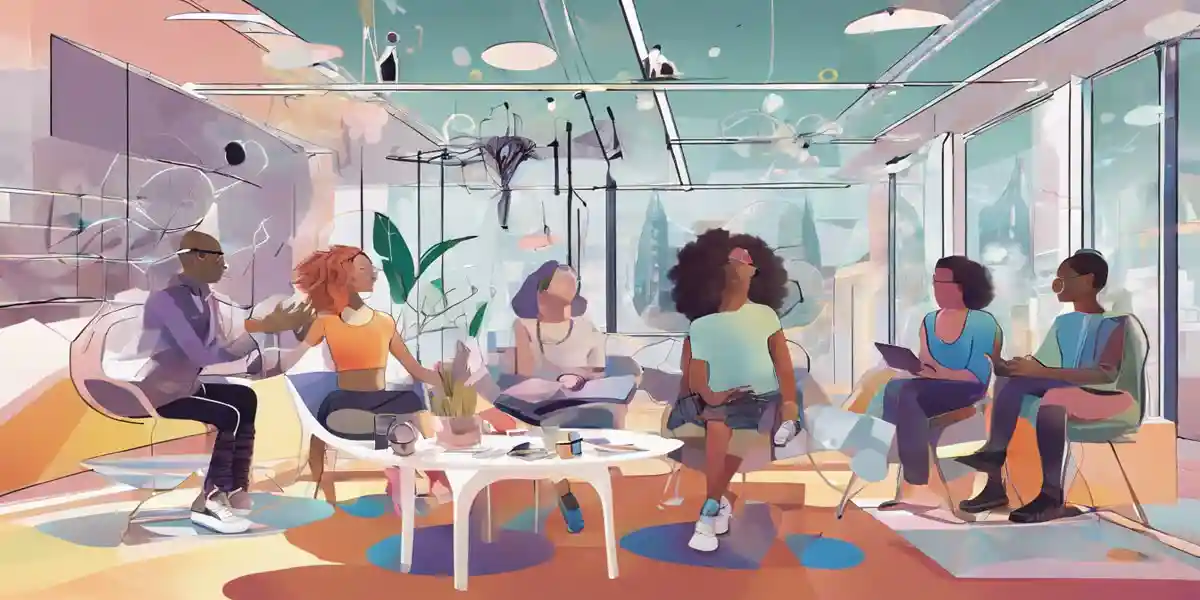
The Metaverse represents a transformative shift in how we live, work, and connect. As we embrace this new digital frontier, the concept of the virtual commune emerges as a compelling model for future lifestyles. This section explores the implications of living in such a community, highlighting the potential for collaboration, education, and social interaction in ways that were previously unimaginable.
Imagine logging into a virtual co-working hub where your colleagues are avatars representing people from various corners of the globe. This is not just a fantasy; it is the essence of the virtual commune. In the Metaverse, workspaces can be designed collaboratively, allowing members to shape their environments based on collective input and skills. For instance, platforms like Gather and Spatial are already enabling users to create customizable virtual offices that facilitate brainstorming sessions and collaborative projects in real time.
Moreover, the integration of tools such as virtual whiteboards and project management applications within these spaces can enhance productivity and streamline workflows. The ability to teleport between different virtual meeting rooms or even casual lounges can foster a sense of community that transcends physical limitations. This dynamic environment encourages innovation and creativity, as diverse perspectives come together to tackle challenges and celebrate successes.
As we move toward this new lifestyle, our understanding of friendships and relationships is likely to evolve significantly. In the virtual commune, social interactions can take many forms—ranging from casual meetups to themed events that reflect the interests of community members. For example, platforms like VRChat and Rec Room host a variety of social gatherings, from game nights to art exhibitions, enabling individuals to forge meaningful connections regardless of distance.
This shift toward virtual socialization raises interesting questions about the nature of belonging. Can friendships formed in the Metaverse truly rival those built in the physical world? As we explore these connections, we may find that the emotional bonds formed through shared experiences in immersive environments can be just as profound. This new social fabric encourages personal growth and collective well-being, fostering a supportive network that spans geographical barriers.
The virtual commune also holds promise for education, particularly through peer-to-peer learning. Imagine a scenario where members of the community host workshops, share resources, and mentor one another in real-time. This approach aligns with the principles of peeragogy, which emphasizes collaborative learning environments where individuals learn from each other. As noted in recent studies, integrating collaborative tools like wikis, databases, and online workshops can significantly enhance learning outcomes in virtual settings.
For example, consider a group of aspiring programmers in a virtual commune who decide to host coding workshops using tools like GitHub for collaborative projects. They could create a wiki to document their learning journey, share resources, and even invite guest speakers from other parts of the world. This not only enriches their educational experience but also builds a sense of camaraderie and shared purpose.
Technologically, the Metaverse is evolving into a hybrid universe that merges physical reality with a persistent digital world. By utilizing advancements in virtual reality (VR) and augmented reality (AR), users engage in multi-sensory experiences that enhance their interactions within the virtual commune. This digital ecosystem supports immersive social experiences, allowing individuals to interact through avatars in a three-dimensional sandbox, as highlighted in recent discussions about the Metaverse as a "digital big bang."
The implications of this evolution extend beyond social interactions and collaborative workspaces. As businesses increasingly explore commercial applications within the Metaverse, the potential for new forms of economic activity and community engagement emerges. From virtual marketplaces to collaborative projects that leverage the talents of members, the opportunities for innovation are vast and varied.
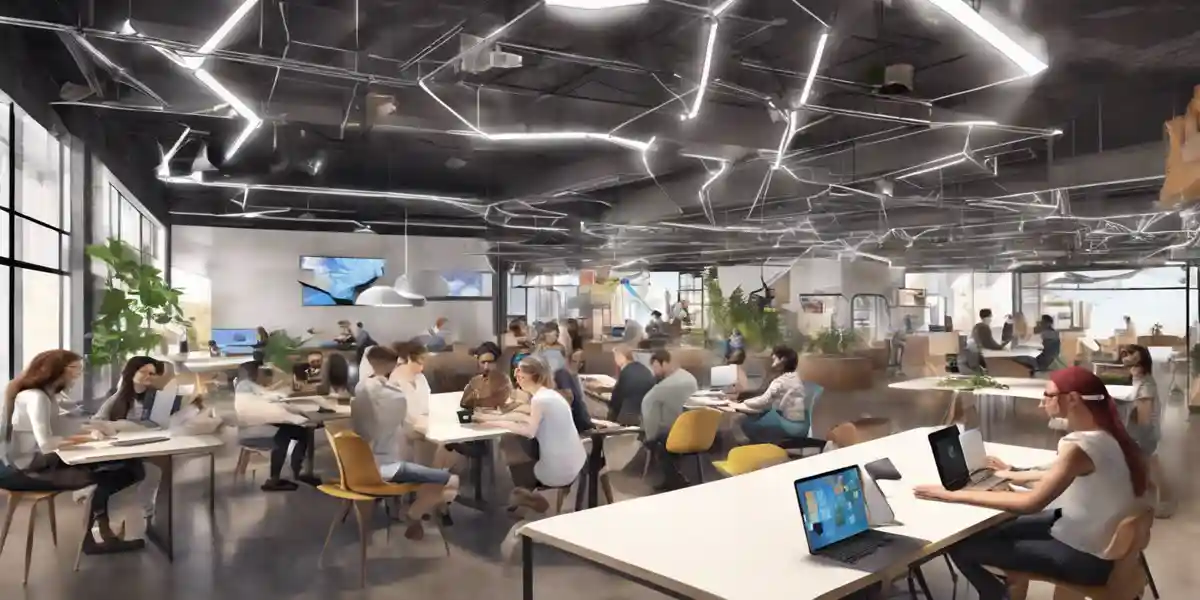
Imagine a world where your daily interactions, work, and leisure activities occur in a shared virtual space, transcending geographical boundaries and traditional social structures. This is the essence of the virtual commune—a concept where individuals from diverse backgrounds come together in the Metaverse to form a collaborative community that fosters creativity, support, and shared experiences.
In this virtual commune, members can establish co-working hubs where they engage in projects, host brainstorming sessions, and share resources, all while enjoying the immersive and interactive nature of the Metaverse. Think of it as a digital co-op: your workspace is dynamically shaped by the collective input and skills of its members. For example, platforms like Spaces by WeWork have already begun experimenting with virtual co-working environments, allowing users to collaborate in real-time, share ideas, and create together from anywhere in the world.
These virtual co-working spaces utilize technologies such as virtual reality (VR) and augmented reality (AR) to create an engaging work environment. Imagine donning a VR headset and stepping into a 3D office where you can see your colleagues’ avatars in real-time, interact with virtual whiteboards, and share documents seamlessly. This kind of environment can enhance focus and creativity, leading to more productive work sessions.
Moreover, social interactions within the commune could redefine how we perceive friendships and relationships. Virtual meetups, from casual hangouts to themed events, would allow members to connect on a deeper level without the constraints of physical distance. Platforms like AltspaceVR have already demonstrated how virtual events can create vibrant communities, where users can attend concerts, participate in gaming nights, or engage in discussions, all from the comfort of their homes.
This could lead to the establishment of strong, supportive networks that encourage personal growth and collective well-being. With features like customizable avatars and virtual environments, individuals can express themselves in ways that may not be possible in the physical world, fostering a sense of belonging and identity within the commune.
Education would also undergo a transformation, with the virtual commune serving as a hub for peer-to-peer learning. This aligns with the insights from recent studies that emphasize the significance of peeragogy—integrating peer-to-peer learning and collaboration into virtual learning environments (VLEs). Members could exchange knowledge, host workshops, and mentor one another, creating a rich tapestry of shared learning experiences.
Emerging online collaborative tools, such as workshops, wikis, and databases, can enhance this peer learning performance. For instance, a virtual workshop could allow members to collaboratively brainstorm innovative solutions to real-world problems, while a wiki could serve as a living document of shared knowledge, continually updated by members. These platforms can help harness the collective intelligence of the community, making learning a more engaging and communal effort.
Ultimately, living in a virtual commune within the Metaverse could lead us to reconsider the importance of community in our daily lives. It compels us to ask: what does it truly mean to belong? As we navigate this potential lifestyle shift, it's essential to recognize that these virtual connections can enhance, rather than replace, our real-world relationships and communities.
As we stand on the brink of this digital revolution, the opportunity to build inclusive, supportive, and collaborative environments in the Metaverse beckons. How will you choose to engage in this new landscape of connection and creativity?
As we conclude our exploration of transforming daily life through the Metaverse, it's clear that we are on the cusp of a profound shift in how we interact, work, and learn. We began by imagining a new digital frontier where our activities blend seamlessly, supported by the innovative concept of the virtual commune. This digital co-op not only enhances productivity and creativity but also fosters a sense of belonging that transcends geographical barriers.
Through our discussion of adapting lifestyles for the Metaverse, we uncovered the redefinition of workspaces and social interactions. Virtual environments are transforming productivity by encouraging collaboration in ways that traditional offices cannot. Platforms like Spatial and Horizon Worlds exemplify how immersive technologies are redefining our professional experiences, while social spaces facilitate friendships that might not have been possible otherwise.
Equally significant is the evolution of education within the Metaverse. The concept of peeragogy—where learning is a collaborative endeavor—stands as a testament to the power of community in education. As we integrate these immersive experiences into our learning processes, we find new opportunities for mentorship, knowledge exchange, and personal growth.
Looking into the future, the implications of living in the Metaverse compel us to rethink our understanding of community and belonging. As we navigate this new lifestyle, we must continually ask ourselves: how can we ensure that our digital connections enhance, rather than replace, our real-world interactions? The journey ahead is one filled with potential, creativity, and connection.
So, as we stand at the threshold of this digital revolution, I invite you to consider your role in this evolution. How will you embrace the opportunities that the Metaverse presents? Will you be a creator, a collaborator, or a learner in this vibrant new world? The choice is yours—let's embark on this journey together.

Get notified about new articles, coffee tips, and Web3 insights.
This site participates in affiliate programs and may earn a commission when a link is clicked and a purchase is made. The site is not responsible for any issues or troubles related to the products or services purchased through the use of this site.

DO&COFFEE loves coffee and technology, exploring the potential of NFTs and blockchain. Learn more →
DO&COFFEE loves coffee and technology, exploring the potential of NFTs and blockchain. Learn more →