art
2024/09/01
Have you ever wondered how digital artists are turning their creativity into cash in today's fast-paced, tech-driven world? The digital art revolution is not just a fleeting trend; it's a transformative movement that is reshaping how art is created, shared, and monetized. With the advent of blockchain technology and non-fungible tokens (NFTs), artists now have unprecedented opportunities to protect their work and profit from it like never before. This blog post delves into the dynamic digital art landscape, examining the different forms of digital artwork and the innovative strategies that artists can employ to transform their passion into a sustainable income.
We'll explore how platforms like OpenSea and Rarible are democratizing access to the art market, allowing creators from diverse backgrounds to showcase their talents on a global stage. Additionally, we'll discuss practical monetization strategies, from selling artwork on various marketplaces to effectively utilizing social media for promotion, as well as the potential of licensing and commissions. By understanding these concepts, you can position yourself to thrive in this new era of digital art ownership. So, whether you’re an aspiring artist or a seasoned creator, join us as we embark on a journey to unlock the secrets of turning digital artwork into dollars.
As the digital art market continues to expand, it's crucial to grasp the transformative role that technology plays, particularly blockchain and non-fungible tokens (NFTs). These innovations are changing not just how art is created, but also how it is bought, sold, and appreciated.
The digital art sector is experiencing a meteoric rise, fueled by the integration of blockchain technology, which offers a new level of authenticity and ownership. Imagine this scenario: an artist creates a mesmerizing digital painting—a swirling galaxy or a vivid cityscape. Traditionally, these creations faced significant hurdles in terms of copyright protection and sale avenues. Enter NFTs, which allow artists to mint their works on a blockchain, granting them a certificate of authenticity that validates their ownership.
By leveraging the ERC721 standard, NFTs ensure that each digital asset is unique and cannot be replicated, addressing the longstanding issue of easy duplication in the digital realm. This has resulted in a trustworthy framework where artists can securely link their work to their identities, fostering confidence among collectors and promoting fair compensation for creators. As one study notes, the blend of smart contracts with NFTs not only secures ownership but also enables artists to earn royalties each time their work is resold, creating a sustainable income model.
Platforms like OpenSea and Rarible have democratized access to the art market, enabling artists from diverse backgrounds to showcase their work globally. These NFT marketplaces provide user-friendly interfaces and low-fee transactions, allowing creators to reach audiences that were previously out of reach. For example, a lesser-known artist can now sell their work alongside established names, leveling the playing field and giving rise to a vibrant ecosystem of creativity.
However, while these platforms enhance accessibility, they also come with challenges. Fraud and scalability issues can undermine trust in the marketplace. The importance of security measures, such as watermarking combined with blockchain verification, cannot be overstated. As investigations into transaction patterns reveal, understanding the dynamics of NFT marketplaces can help both artists and collectors navigate this new terrain effectively.
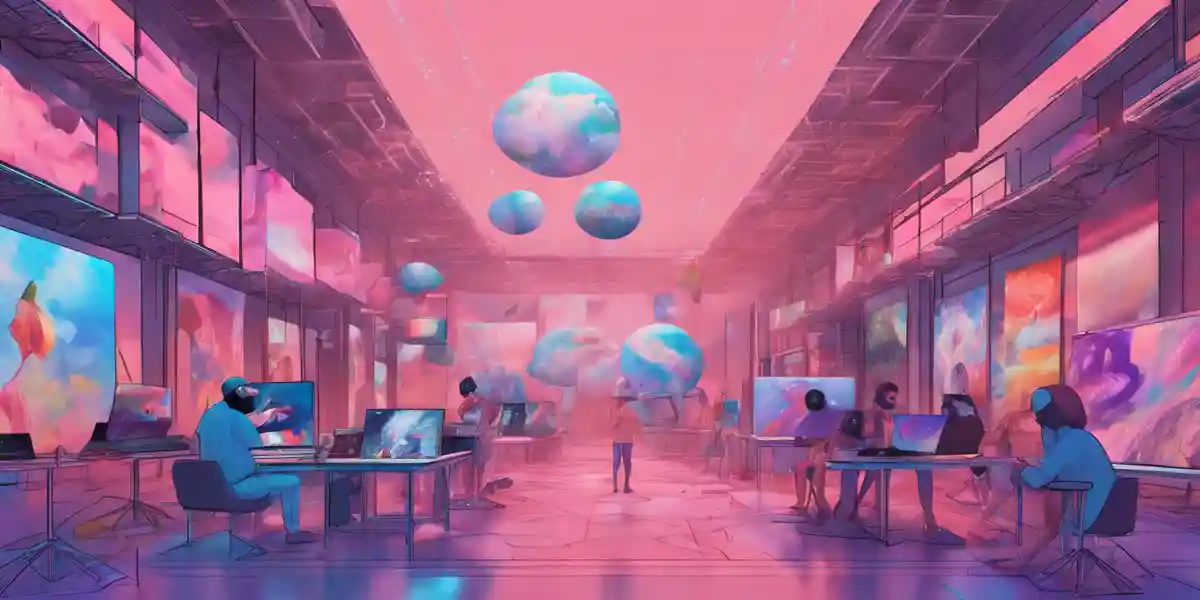
The allure of digital art is further amplified by the burgeoning realm of virtual worlds. These immersive environments allow NFTs to be displayed in unique ways, enhancing art appreciation and engagement. Imagine walking through a digital gallery where you can not only view but interact with art pieces, experiencing them in an entirely new dimension. This shift is not just a trend; it's a fundamental change in how we perceive and interact with art.
As digital art continues to evolve, the challenges of copyright verification remain pressing. Many artists face unauthorized use of their work, underscoring the need for improved protections in this digital landscape. Despite these hurdles, the potential for recognition and investment through NFTs is significant, paving the way for a future where digital artists can thrive.
As we navigate the digital art landscape, it's essential to recognize the various forms that digital art can take. Each form utilizes technology in unique ways, offering distinct opportunities for artists to express themselves and monetize their creations. Below, we explore some of the most notable forms of digital art that are thriving in today's marketplace.
Digital painting and illustration involve creating artwork using software tools like Adobe Photoshop, Corel Painter, or Procreate. Artists can simulate traditional painting techniques, such as oil or watercolor, while benefiting from the flexibility and convenience of digital mediums. The vibrant online community around platforms like DeviantArt showcases the work of digital illustrators who have gained significant followings.
For example, the artist Greg Rutkowski has garnered attention for his stunning fantasy illustrations that blend digital techniques with imaginative storytelling. By selling prints or originals as NFTs, artists like Rutkowski can ensure their work's authenticity and potentially earn royalties with each resale.
3D modeling and animation are integral to various industries, including gaming, film, and virtual reality. Artists use software like Blender, Maya, or Cinema 4D to create lifelike models and animations. The rise of virtual worlds has opened new avenues for 3D artists. For instance, platforms like Decentraland allow users to buy, sell, and display virtual real estate, complete with 3D art installations.
Notable examples include artists who create unique avatars or accessories for virtual spaces, which can be minted as NFTs. This trend not only highlights the creativity involved but also demonstrates the potential for artists to generate income through the sale of virtual goods.
Digital photography has evolved significantly, enabling artists to capture and manipulate images with unprecedented precision. Software like Adobe Lightroom and Photoshop offers tools for adjusting lighting, color, and composition. Digital manipulation can lead to entirely new forms of art, combining photography with graphic design elements.
Renowned photographers like Beeple have leveraged their digital skills to create compelling visual narratives, often selling their manipulated photo art as NFTs. For instance, Beeple's "Everydays: The First 5000 Days" sold for an astounding $69 million at auction, exemplifying how digital photography can transcend traditional boundaries and become valuable collectibles.
Generative art is created through algorithms, often using programming languages like Processing or tools like p5.js. Artists design rules and parameters for the computer to generate unique pieces, resulting in art that is unpredictable and entirely unique. The relationship between artist and machine blurs the lines of authorship and creativity.
A prominent figure in the generative art scene is Casey Reas, one of the co-founders of Processing. His works have been sold as NFTs, demonstrating the viability of generative art in the digital marketplace. The ability to mint generative pieces on blockchain platforms adds an element of scarcity, enhancing their value.
Emerging technologies like virtual reality (VR) and augmented reality (AR) are transforming how we experience art. Artists can create immersive environments where viewers can interact with their work in three-dimensional space. Platforms like Tilt Brush allow artists to paint in a virtual space, offering a new dimension to artistic expression.
For example, the artist Jon Rafman has created VR installations that invite viewers to explore surreal landscapes. As AR technology becomes more accessible through smartphones and other devices, artists can integrate their work into the real world, creating interactive experiences that captivate audiences.
The rise of non-fungible tokens (NFTs) has revolutionized the digital art market, offering a way for artists to authenticate their work and secure ownership. NFTs are unique digital assets stored on a blockchain, making it impossible to duplicate. This technology not only helps artists protect their copyright but also enables them to earn royalties from secondary sales.
Platforms like OpenSea and Rarible have emerged as marketplaces where artists can mint and sell their NFTs. The success of crypto art demonstrates the growing demand for digital ownership, with some pieces selling for millions. The merging of traditional art concepts with cutting-edge technology is reshaping the artistic landscape, empowering creators in ways never before possible.
The integration of blockchain technology and non-fungible tokens (NFTs) offers a revolutionary approach for artists to monetize their digital creations. This section delves into how these technologies empower artists to protect their work and capitalize on the growing digital art market.
At the core of this digital art revolution lies NFTs, unique digital assets verified through blockchain technology. Unlike traditional digital files that can be easily duplicated, NFTs provide a certificate of authenticity that validates ownership. This is particularly significant in the digital art sector, where the ease of duplication poses challenges for artists seeking to protect their copyrights.
For example, an artist could create a vibrant digital landscape and mint it as an NFT using the ERC721 standard, which is specifically designed for creating non-fungible tokens. By doing so, the artist can ensure that each piece of art is unique and owned by a specific individual. This not only secures the artist's rights but also opens up new avenues for income generation, such as earning royalties each time the artwork is resold.
Minting an NFT involves uploading the digital artwork to a blockchain platform, where it is tokenized into a unique asset. Platforms like OpenSea, Rarible, and Foundation have democratized NFT creation by allowing artists from diverse backgrounds to list their work. Once minted, the NFT can be sold on these marketplaces, often attracting a global audience.
For instance, an artist who lists their work on OpenSea can take advantage of the platform’s low fees and customizable smart contracts. These contracts automate the payment process and ensure that the artist receives a percentage of future sales, fostering a sustainable income model.
While the NFT marketplace presents lucrative opportunities, it is not without challenges. The potential for fraud and the need for enhanced copyright protections are significant concerns. Artists frequently face unauthorized use of their work, and current copyright verification methods often fall short. Therefore, combining NFTs with additional security measures, such as watermarking and legal registration, can help protect artists’ interests.
Understanding the dynamics of NFT marketplaces provides artists with insights into trends and buyer behaviors. Recent studies have analyzed millions of transactions within platforms like OpenSea, revealing key trading categories and community structures. Insights from these analyses can inform artists about which styles or genres are currently in demand, allowing them to tailor their work and marketing strategies accordingly.
Moreover, the data can help identify significant participants in the NFT ecosystem, providing artists with opportunities for collaboration and exposure. For example, connecting with influential figures or communities can lead to increased visibility and sales for an artist’s unique digital assets.
The success of digital artists in the NFT space is exemplified by creators like Beeple, who sold a digital collage for a staggering $69 million at a Christie’s auction. This landmark sale highlighted the potential of NFTs to elevate digital art to unprecedented financial heights. Other artists have found success by engaging with their communities via social media and utilizing various platforms to showcase their work, thus building a loyal following that translates into sales.
In conclusion, as artists navigate the challenges and opportunities within the NFT market, understanding the technicalities and leveraging platforms effectively can significantly enhance their ability to profit from their digital art.
In the digital art revolution, selling artwork on online marketplaces has emerged as a primary monetization strategy for many artists. These platforms not only offer visibility but also incorporate innovative technologies like blockchain and NFTs, making it easier for creators to protect and sell their work.
NFT marketplaces, such as OpenSea and Rarible, allow artists to tokenize their creations. By converting digital artwork into non-fungible tokens, artists can provide buyers with a certificate of authenticity that verifies ownership. This process is facilitated through blockchain technology, specifically the ERC721 standard, which ensures that each digital asset is unique and cannot be duplicated.
One of the most significant advantages of these marketplaces is their accessibility. Artists from diverse backgrounds can showcase their work globally, bypassing traditional art galleries that often limit exposure to a select few. For instance, an emerging artist can upload their digital landscape painting on OpenSea, reach collectors worldwide, and engage with a community that appreciates digital creativity.
When artists mint their artwork as NFTs, they utilize smart contracts to govern the sale. These contracts automatically enforce the terms of the transaction, ensuring that royalties are paid to the artist every time their work is resold. This creates a sustainable revenue model that traditional art markets struggle to offer. For example, an artist could set a 10% royalty on all future sales of their piece, earning revenue each time it changes hands.
Despite the exciting opportunities, artists must navigate potential challenges. Issues like copyright infringement and unauthorized use of digital works persist, making it essential to implement additional protective measures alongside NFTs. While blockchain provides ownership verification, artists need to remain vigilant about their rights and consider combining NFT technology with watermarking or other security methods to safeguard their creations.
Prominent figures in the art world have already embraced these marketplaces. For instance, digital artist Beeple made headlines when his NFT artwork sold for a staggering $69 million at a Christie’s auction. This case exemplifies how digital art can achieve unprecedented valuations and highlights the potential for artists to profit from their work in ways that were previously unimaginable.
Marketplaces function through intricate networks of transactions. A study analyzing over 1.3 million transactions on OpenSea identified key trading categories and the interactions among users, revealing how certain artworks gain traction within the NFT ecosystem. Understanding these dynamics can help artists better position their work and engage with potential buyers effectively.
In the digital age, social media has become an indispensable tool for artists looking to promote their work and connect with potential buyers. By leveraging platforms like Instagram, Twitter, and TikTok, artists can showcase their creations to a global audience, effectively turning their digital artwork into dollars.
Not all social media platforms are created equal, and understanding where your audience spends their time can significantly impact your promotional efforts. For instance, Instagram, with its visually driven content, is particularly popular among artists. A study revealed that over 70% of Instagram users follow at least one business, making it an ideal platform for artists to display their portfolios. TikTok, on the other hand, has seen a surge in creative content, with short videos showcasing art processes gaining significant traction. Engaging content on these platforms can resonate well with viewers, potentially leading to increased sales.
Establishing a unique brand identity is crucial for standing out in a crowded digital art market. Artists should create a consistent aesthetic across their social media profiles, encompassing everything from color schemes to typography. For example, renowned digital artist BossLogic utilizes a cohesive visual style that makes his work instantly recognizable. This consistency not only enhances brand recall but also fosters a sense of professionalism that can attract serious collectors and buyers.
Social media is not just a broadcasting tool; it's a platform for interaction. Engaging with your audience can build a loyal following and create a community around your work. Artists can leverage features like Instagram Stories or Twitter polls to solicit feedback, conduct Q&A sessions, or share behind-the-scenes content. For instance, the artist known as Pak frequently interacts with followers, offering insights into his creative process, which helps in forming a deeper connection with his audience.
Hashtags are an effective way to expand your reach and visibility on social media. Research shows that posts with at least one hashtag receive, on average, 12.6% more engagement. Artists can use popular art-related hashtags like #DigitalArt, #NFTArt, or #CryptoArt to connect with a wider audience. Additionally, staying informed about current trends can provide opportunities to create timely content. For instance, during the recent rise of interest in NFTs, many artists capitalized on this trend by discussing their experiences with platforms like OpenSea and Rarible, drawing in followers interested in the intersection of art and technology.
Collaborations can significantly amplify an artist's reach. Partnering with influencers or other artists can introduce your work to their audience, creating new opportunities for sales. For example, when digital artist Fewocious collaborated with the fashion brand RTFKT, they not only showcased their artwork but also created a unique line of digital sneakers, blending art with commerce and attracting attention from the art and fashion communities alike.
Contests and giveaways can drive engagement and attract new followers. Artists can encourage users to share their work by offering a chance to win a piece of artwork or an NFT. This strategy not only increases visibility but also fosters a sense of community. For instance, the popular NFT artist Krista Kim frequently runs giveaways, asking followers to tag friends or share her posts, effectively expanding her audience base.
Finally, it's essential for artists to analyze their social media engagement metrics to understand what works and what doesn't. Tools like Instagram Insights or Twitter Analytics provide valuable data on post performance and audience demographics. By regularly reviewing this information, artists can refine their promotional strategies to maximize their effectiveness. For example, if an artist finds that posts showcasing their creative process receive more engagement than finished pieces, they might consider focusing more on behind-the-scenes content to capture and retain interest.
In the digital art landscape, artists are not just creators but also entrepreneurs, navigating various avenues to monetize their work. Licensing and commissions are two significant strategies that can lead to profitable outcomes, especially when combined with the innovative frameworks offered by blockchain technology and NFTs.
Licensing allows artists to retain ownership of their work while granting permission to others to use it under specified conditions. This can be particularly lucrative in fields such as advertising, publishing, and merchandising. For instance, an artist might license a digital illustration for a book cover or a promotional campaign, receiving a one-time fee or a percentage of sales. The beauty of licensing is that it creates opportunities for artists to reach wider audiences while maintaining control over their creations.
With the rise of NFTs, licensing has taken on new dimensions. Through smart contracts on platforms like OpenSea or Rarible, artists can define the terms of use for their digital artworks. For example, an artist might create a collectible NFT and include clauses that specify how the artwork can be used, ensuring they receive a royalty every time it is sold or used commercially. This not only secures ongoing income but also establishes a clear revenue model for both the artist and the licensee.
Another avenue for artists to profit is through commissions, where clients request custom pieces tailored to their specific needs. This could range from personalized portraits to unique digital designs for businesses. The commission model allows artists to engage directly with clients, providing a personalized touch that can lead to higher earnings. For example, an artist may charge a premium for a bespoke piece that reflects a client’s vision, resulting in a win-win scenario for both parties.
With the integration of blockchain technology, commissioned works can also be secured and authenticated. Just like NFTs, commissioned pieces can be minted as unique tokens, providing a clear record of ownership and authenticity. This is particularly important as it protects artists from potential disputes over copyright and ownership. By using platforms that support such features, artists can ensure that their commissioned works are not only personalized but also legally protected.
Consider the case of digital artist Beeple, who famously sold an NFT for $69 million. While this sale is extraordinary, it underscores the potential of combining traditional art practices with modern technology. Many of Beeple’s works are also licensed for various uses, demonstrating how artists can maximize earnings through both sales and licensing strategies.
Additionally, the platform Adobe Stock has enabled artists to license their digital artworks for use in various projects, allowing them to earn passive income while retaining ownership. Similarly, the success of various NFT marketplaces has led to a surge in commissioned work as businesses seek unique digital assets that resonate with their brand identity. Artists like Trevor Jones have successfully utilized this model, showcasing their work in virtual galleries and accepting commissions for custom pieces.
While licensing and commissions offer exciting opportunities, artists must navigate challenges such as copyright issues and ensuring fair compensation. Many artists face unauthorized use of their work, particularly in the digital space where replication is easy. Therefore, understanding copyright laws and incorporating licensing agreements is crucial to protect their intellectual property.
Moreover, as the NFT market grows, artists must remain vigilant to avoid scams and ensure that they are using reputable platforms. It’s essential to conduct thorough research on marketplaces and consider joining artist communities that share valuable insights and experiences.
In the digital art revolution, blockchain technology and non-fungible tokens (NFTs) offer artists a robust framework for turning their creative expressions into profitable assets. This section will delve into how these technologies empower artists to secure ownership, earn royalties, and reach a global audience.
At the heart of this transformation is the concept of NFTs—unique digital assets that authenticate ownership of digital media. Unlike traditional art, where duplication can devalue a piece, NFTs leverage blockchain technology to provide a secure, verifiable record of ownership.
For instance, the ERC721 standard allows artists to mint their digital creations as NFTs on platforms like OpenSea and Rarible. This process includes creating a smart contract that links the digital artwork to its owner, ensuring that every piece is one-of-a-kind. This not only protects the artist's rights but also enhances the value of their work by providing a clear provenance.
One of the most attractive features of NFTs is the ability to earn royalties on resales. Each time an NFT is sold, a percentage of the sale price can automatically be transferred back to the original artist through the smart contract. This creates a sustainable income model, allowing artists to benefit from their work long after the initial sale.
For example, an artist selling a digital painting for $1,000 could set a royalty of 10%. If that artwork is later resold for $5,000, the artist would receive an additional $500, thereby incentivizing the creator to continue producing quality work.
The emergence of NFT marketplaces has democratized access to the art world. Platforms like OpenSea and Rarible allow artists from various backgrounds to showcase their work without needing a traditional gallery. This opens the doors for diverse voices, offering a space for creators who might have previously struggled to find an audience.
Data from a study analyzing 1.3 million transactions on OpenSea highlights the active trading practices within these marketplaces. It reveals that artists can engage with collectors and fellow creators, fostering a community that values creativity and originality. By bypassing traditional systems, artists can not only sell their work but also build a brand that resonates in the digital space.
While the NFT landscape is full of promise, it’s not without its challenges. Issues such as copyright verification and the potential for unauthorized use of digital art remain pressing concerns. Artists must navigate this landscape carefully, integrating additional security measures alongside NFTs to protect their intellectual property. Watermarking, for instance, can be combined with blockchain verification to bolster ownership claims.
Moreover, as the NFT marketplace continues to grow, artists need to remain vigilant about potential fraud and scalability issues that can arise in such a rapidly evolving environment. Understanding the dynamics of these marketplaces, including the transactional relationships highlighted in recent analyses, can help artists position themselves strategically within the ecosystem.
Establishing a personal brand is crucial for artists aiming to thrive in the digital art landscape. This involves not just showcasing artwork, but also creating a unique identity that resonates with both collectors and the broader community.
Your brand identity as a digital artist encompasses your style, voice, and the message you want to convey through your art. Think about renowned artists like Beeple, who has built a recognizable brand by consistently producing high-quality digital art that reflects contemporary issues through a distinct visual language. By defining your unique artistic voice, you can set yourself apart in a crowded market.
In the digital realm, blockchain technology and non-fungible tokens (NFTs) are game-changers. When you mint your artwork as an NFT, you not only create a unique digital asset but also enhance your brand's authenticity. As mentioned in the original draft, NFTs serve as certificates of ownership, providing buyers with confidence and artists with a sustainable income model through royalties from future sales.
For example, consider the story of artist Pak, who has successfully sold millions of dollars in NFTs. His brand hinges on a combination of innovative design and a savvy understanding of the NFT marketplace. By engaging actively with his audience on social media and creating limited edition releases, Pak cultivates exclusivity and demand for his work. This shows how artists can use NFTs to reinforce their brand identity and build a loyal following.
Platforms like OpenSea and Rarible have democratized access to the digital art market, allowing artists to list their works with ease. These marketplaces not only facilitate transactions but also provide an avenue for artists to establish their brand. By carefully curating your portfolio on these platforms, you can showcase your best work and attract potential buyers. A well-crafted profile featuring a cohesive collection can elevate your presence in the digital art community.
Moreover, understanding the dynamics of these marketplaces is essential. Research indicates that the NFT ecosystem consists of various trading categories, and knowing where your art fits can help optimize your marketing strategy. For instance, if your artwork aligns with trending categories, like crypto art or generative art, highlighting this can attract more attention and potentially higher sales.
Building a brand in digital art also involves engaging with your community. Utilize social media platforms, online forums, and even virtual worlds to connect with other artists and collectors. Sharing your creative process, hosting live art sessions, or engaging in collaborations can enhance your visibility and foster a sense of belonging within the digital art community.
Additionally, consider creating exclusive content for your followers, such as tutorials or behind-the-scenes looks at your work. This approach not only showcases your expertise but also reinforces your brand as a thought leader in the digital art space. For example, artists like Fewocious have leveraged platforms like Instagram and Twitter to share their journey, significantly increasing their following and sales.
Finally, consistency in your branding efforts is vital. This includes maintaining a uniform style across your artwork and social media presence. Utilize professional visuals and a coherent narrative that reflects your artistic journey. As you establish your brand, keep in mind the importance of professionalism in your interactions with collectors and peers. A positive reputation can lead to repeat buyers and valuable word-of-mouth marketing.
In summary, establishing your brand as a digital artist involves a multifaceted approach that combines authenticity, engagement, and strategic use of technology. By effectively leveraging NFTs and engaging with the community, artists can create a sustainable career in the ever-evolving digital art landscape.
In the digital art revolution, networking and community engagement play pivotal roles in an artist's journey to success. Connecting with like-minded individuals and engaging in the right communities can elevate an artist's visibility and credibility, ultimately leading to profitable opportunities.
Networking in the digital art space is not just about making contacts; it's about building relationships that foster collaboration, support, and growth. Artists can leverage social media platforms like Twitter, Instagram, and Discord to connect with other creators, collectors, and art enthusiasts. For instance, many NFT artists find success by participating in Twitter Spaces or Clubhouse discussions, where they can share their work and engage with potential buyers in real-time.
Consider the example of artists like Beeple, who gained immense recognition through active engagement on social media. By sharing his creative process and connecting directly with his audience, Beeple not only built a loyal following but also increased the value of his artwork, ultimately leading to a record-breaking sale of an NFT for $69 million. This illustrates how effective networking can translate into significant financial rewards.
Joining online communities centered around digital art and NFTs can provide artists with invaluable feedback, exposure, and opportunities for collaboration. Platforms like Discord host numerous servers dedicated to digital art and NFTs, where artists can share their work, exchange knowledge, and even collaborate on projects. For example, the "NFT Artists" Discord server allows artists to showcase their creations, participate in challenges, and gain insights from experienced NFT creators.
Moreover, engaging in forums like Reddit can also be beneficial. Subreddits such as r/NFT and r/CryptoArt allow artists to share their work, discuss trends, and learn from the community. Participating in these discussions not only helps artists stay informed about market trends but also allows them to showcase their expertise, establishing themselves as credible figures within the community.
As blockchain technology underpins the NFT ecosystem, artists can utilize various platforms to enhance their networking efforts. Marketplaces like OpenSea and Rarible not only serve as venues for selling digital art but also offer features that foster community engagement. For instance, OpenSea has a feature that allows artists to follow each other, creating a network of creators who can support and promote each other's work.
Additionally, smart contracts on these platforms can include provisions for royalties, ensuring that artists benefit from future sales of their work. This not only incentivizes artists to promote their peers but also fosters a sense of community where artists thrive on mutual support. By collaborating on projects or cross-promoting each other’s work, artists can enhance their reach and credibility in the digital art landscape.
The rise of virtual worlds and exhibitions has further expanded networking opportunities for digital artists. Platforms like Decentraland and Cryptovoxels host virtual galleries where artists can exhibit their work to a global audience. Participating in these exhibitions not only allows artists to showcase their creations but also provides a platform for networking with collectors and other artists. For example, the "Crypto Art Week" held in virtual environments attracts thousands of attendees, creating an excellent opportunity for artists to connect and engage with potential buyers.
Moreover, collaborations with brands or other artists can amplify visibility. When artists team up with established brands or influencers within the NFT space, it can lead to new audiences discovering their work. For instance, the collaboration between renowned artist Pak and various luxury brands has not only showcased Pak's creativity but has also introduced his work to new markets, resulting in increased sales and recognition.
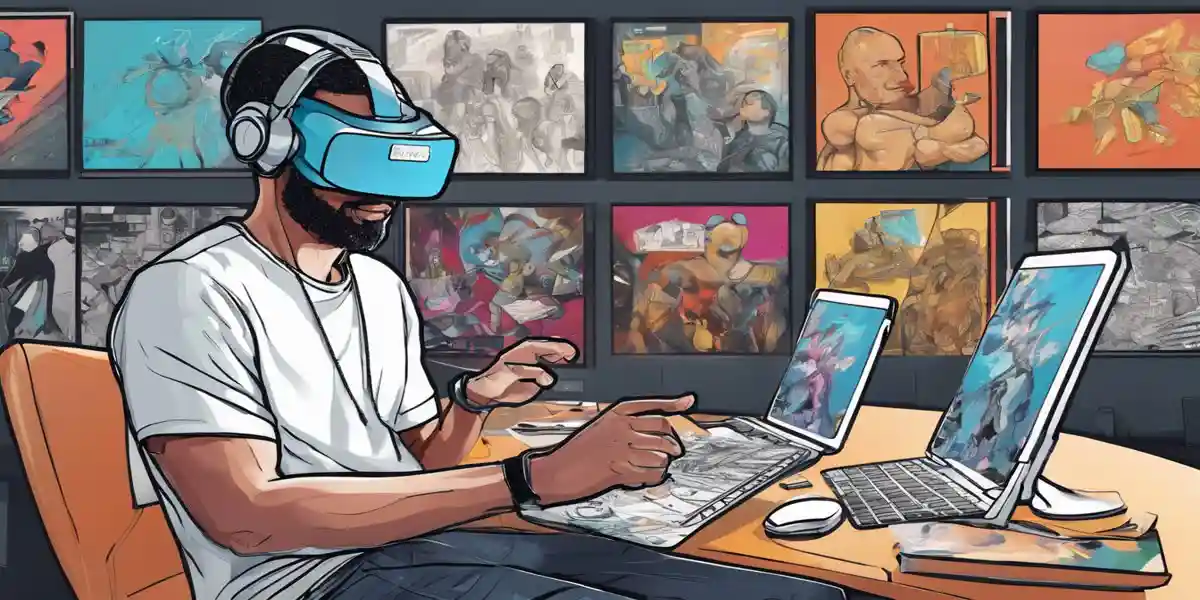
In the fast-paced world of digital art, the ability to continuously learn and adapt is not just beneficial; it’s essential for artists looking to profit from their work. As the landscape evolves with new technologies like blockchain and NFTs, artists must stay informed and agile to seize opportunities and navigate challenges.
The integration of blockchain technology into the art market has transformed how artists can monetize their work. For example, understanding the ERC721 standard, which is crucial for creating non-fungible tokens (NFTs), is a must for any digital artist interested in this space. The ERC721 standard allows for the creation of unique digital assets on the Ethereum blockchain, which not only represent ownership but also inherently increase the value of the artwork.
Artists must also familiarize themselves with platforms like OpenSea and Rarible. These marketplaces provide artists with the tools to tokenize their work, enabling them to sell their art directly to collectors without intermediary galleries. For instance, an artist who showcases their work on OpenSea can benefit from the platform's user-friendly interface and low transaction fees, making it easier to engage with a global audience.
The digital art market is influenced by shifting trends and collector preferences. Keeping an eye on popular styles, themes, and even the emergence of new technologies can help artists pivot their work to align with market demand. For example, during the recent boom in crypto art, many artists began exploring surrealism and abstract concepts, which resonated with the aesthetics of the NFT community.
Moreover, understanding the dynamics of NFT marketplaces, as highlighted in recent studies, can provide insights into trading patterns and community structures. Analyzing data from over 1.3 million transactions on platforms like OpenSea can reveal which categories are trending and who the influential players are, allowing artists to tailor their strategies accordingly.
Beyond NFTs, artists should consider exploring emerging technologies such as augmented reality (AR) and virtual reality (VR) for displaying their artwork. These technologies not only enhance the viewer's experience but also provide artists with new avenues for engagement and monetization. For instance, virtual galleries allow artists to host exhibitions in digital spaces, attracting a diverse audience and creating buzz around their work.
Additionally, integrating the InterPlanetary File System (IPFS) for storing art files can further secure digital assets. IPFS provides a decentralized way to store and share digital art, ensuring that it remains accessible and immutable, which is crucial in a market that values authenticity and ownership verification.
Continuous learning also extends to engaging with the community. Artists should actively participate in forums, webinars, and online workshops to exchange knowledge and ideas with fellow creators. Platforms like Discord and Twitter serve as excellent venues for networking, where artists can connect with collectors, fellow artists, and even industry experts. This engagement not only fosters collaboration but also keeps artists informed about the latest developments in the digital art space.
By immersing themselves in the community and sharing their experiences, artists can adapt their practices and refine their strategies, ultimately leading to greater success in monetizing their digital artwork.
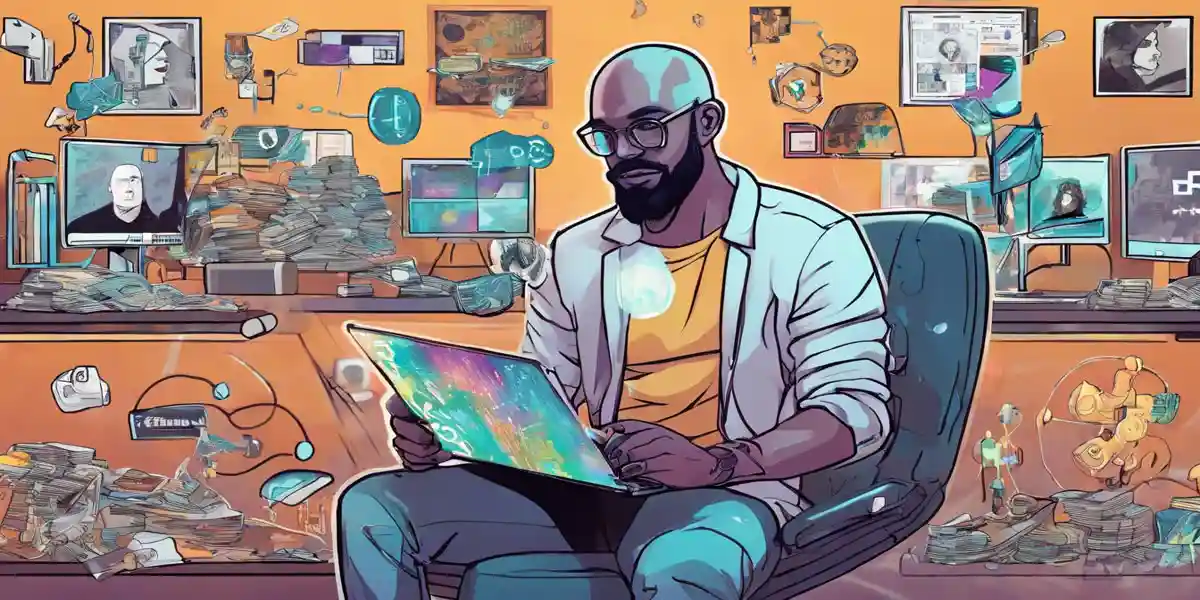
As digital artists navigate the complexities of monetizing their work, blockchain technology and non-fungible tokens (NFTs) emerge as powerful tools for transforming digital creations into viable revenue streams. This section delves into how these innovations empower artists to secure their ownership rights and earn recurring income from their art.
At the heart of the NFT phenomenon lies blockchain technology, specifically the ERC721 standard, which allows for the creation of unique digital assets that represent ownership of a specific piece of art. Unlike traditional digital files that can be easily copied, NFTs act as a certificate of authenticity, ensuring that each token is distinct and verifiable on the blockchain. This creates a secure environment where artists can confidently sell their work without fear of unauthorized reproduction.
Additionally, integrating the InterPlanetary File System (IPFS) provides a decentralized storage solution for digital art, ensuring that the artwork remains accessible even if the original platform becomes unavailable. This combination of blockchain and IPFS addresses the pressing need for secure ownership verification in a market plagued by easy duplication and distribution.
One of the most compelling advantages of NFTs is the ability for artists to earn royalties on secondary sales. This is made possible through smart contracts—self-executing contracts with the terms of the agreement directly written into code. For instance, an artist can set a percentage royalty that they will receive every time their artwork is resold. This not only provides a continuous income stream but also encourages collectors to engage in the market, knowing that their transactions support the original creators.
Platforms like OpenSea and Rarible have democratized access to the NFT market, allowing artists to list their creations for global audiences. These marketplaces facilitate the creation, trading, and collection of NFTs, offering user-friendly interfaces that simplify the process of minting and selling digital art.
For example, an artist can easily create an account on OpenSea, upload their artwork, and mint it as an NFT within minutes. The platform also supports customizable smart contracts, enabling artists to tailor their sales terms according to their specific needs. However, it's essential to remain vigilant about potential pitfalls, such as the risk of fraud and scalability issues, which can arise in this rapidly evolving environment.
The digital art world has witnessed remarkable success stories that illustrate the potential of this new paradigm. Consider the case of artist Beeple, whose digital collage "Everydays: The First 5000 Days" sold for a staggering $69 million at a Christie’s auction. Beeple's success underscores the explosive growth of the NFT market and demonstrates how artists can leverage their unique styles and narratives to capture collector interest.
Similarly, musicians and brands have begun to explore NFTs as a means of monetizing their work. For instance, the Kings of Leon released an album as an NFT, offering exclusive perks such as front-row concert tickets and limited-edition vinyl. This innovative approach not only generated significant revenue but also created a deeper connection with their fanbase.
To thrive in the digital art revolution, artists must focus on building their personal brand. This involves engaging with the community on social media, participating in virtual art exhibitions, and collaborating with other creators. By establishing a strong online presence, artists can attract collectors and foster a loyal following.
Moreover, artists should consider diversifying their offerings by creating limited edition pieces or exploring various styles. This not only enhances their portfolio but also appeals to a broader audience, increasing their chances of making profitable sales in a competitive market.
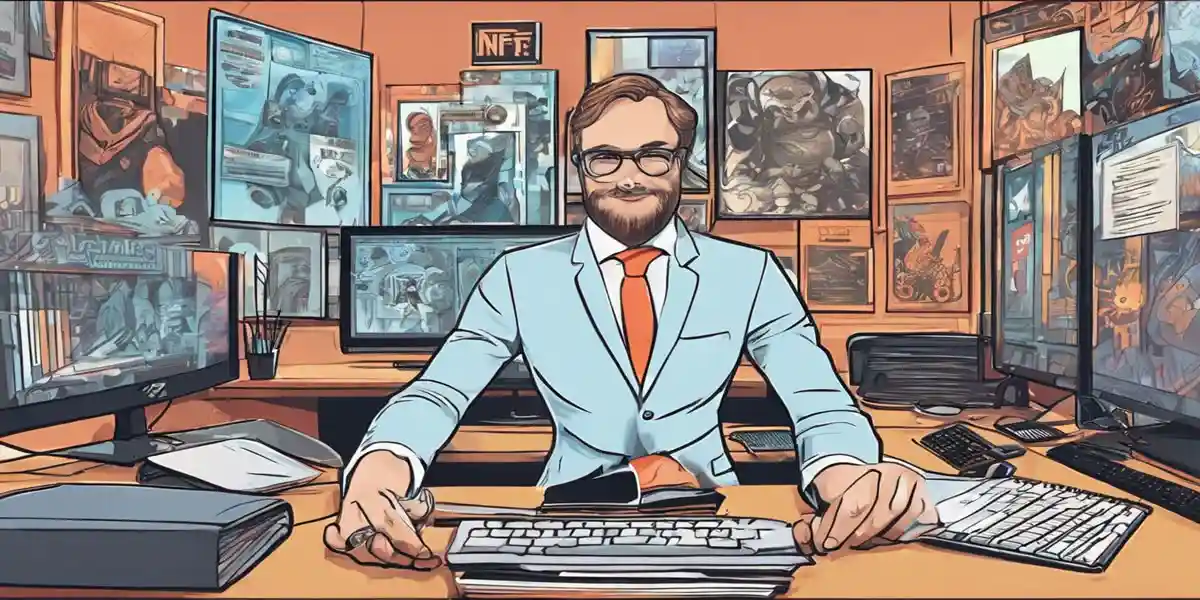
In the rapidly evolving landscape of digital art, the integration of blockchain technology and non-fungible tokens (NFTs) presents artists with innovative monetization strategies. This section delves into how these technologies empower creators to transform their digital artwork into unique, tradable assets with inherent value.
Blockchain technology addresses a significant challenge faced by digital artists: the secure verification of ownership. Traditional digital artworks are vulnerable to easy duplication and unauthorized distribution, leading to concerns about copyright infringement. By utilizing blockchain, particularly the ERC721 standard and the InterPlanetary File System (IPFS), artists can mint their creations as NFTs. This process generates a certificate of authenticity that links the artwork directly to its owner through smart contracts.
For instance, a digital artist might create a stunning piece of abstract art and mint it as an NFT. This NFT not only ensures that the artist retains ownership but also embeds the potential for royalties—allowing them to earn a percentage every time their artwork is resold. This creates a sustainable income model that traditional art sales often lack.
Platforms like OpenSea and Rarible have fundamentally changed the way artists engage with potential buyers, democratizing access to the art market. These NFT marketplaces enable artists from diverse backgrounds to showcase their work globally, effectively bypassing traditional gallery systems that often limit exposure to a select few. For example, an emerging artist can upload their digital piece to OpenSea, set a price, and reach an audience that spans across continents without the gatekeeping of conventional art institutions.
Moreover, these platforms are designed to be user-friendly, making it easier for artists to navigate the complexities of selling digital art as NFTs. The integration of customizable smart contracts allows artists to set specific terms for the sale and resale of their work, ensuring they are compensated fairly in every transaction.
Understanding the dynamics of NFT marketplaces is crucial for artists looking to profit from their digital art. Recent studies analyzing millions of transactions within the OpenSea marketplace have revealed key insights into trading patterns and community structures. For instance, by examining metrics such as degree and betweenness centrality, artists can identify influential market participants and optimize their marketing strategies accordingly.
Furthermore, engaging with these communities can lead to collaborations and increased visibility. As artists interact with collectors and other creators, they can build a network that not only promotes their current work but also opens doors for future projects. The rise of virtual worlds, where NFTs can be displayed and interacted with, adds another layer of engagement that enhances art appreciation and collectible value.
While the NFT landscape offers unprecedented opportunities, it is not without its challenges. Issues surrounding copyright verification persist, and many artists face unauthorized use of their work. It is essential for artists to take proactive measures to protect their intellectual property while navigating this new marketplace. This might include using watermarking in conjunction with minting NFTs, thereby providing an additional layer of security.
Moreover, artists should stay informed about the evolving regulations surrounding NFTs and digital art. As the legal landscape develops, understanding the implications of copyright laws on digital ownership will be crucial for long-term success in the NFT space.
In this exploration of "Turning Digital Artwork into Dollars," we've navigated the transformative landscape of digital art, focusing on how artists can effectively monetize their creative expressions in an ever-evolving digital marketplace. We began by understanding the digital art landscape, highlighting the rise of blockchain technology and non-fungible tokens (NFTs) as pivotal tools for establishing authenticity and ownership. As we've seen, these innovations not only address the challenges of copyright protection but also open up new revenue streams through secondary sales and royalties.
We then delved into various monetization strategies, including selling artwork on NFT marketplaces such as OpenSea and Rarible, utilizing social media for promotion, and exploring licensing and commission opportunities. Each of these avenues offers unique benefits and challenges, emphasizing the importance of building a strong personal brand and engaging with the community to enhance visibility and credibility.
Furthermore, we discussed the critical role of networking and community engagement, where connecting with other artists and collectors can lead to collaboration and new opportunities. In a rapidly changing environment, continuous learning and adaptation are essential. Artists must stay informed about market trends, emerging technologies, and best practices to thrive in this dynamic space.
As we conclude, the implications are clear: the digital art revolution is not just a passing trend; it is reshaping the creative economy and offering unprecedented opportunities for artists worldwide. The question now becomes: are you ready to embrace this revolution? Dive into the digital art space, harness the power of NFTs, and let your creativity transform into a sustainable income stream. The future of art is digital, and it’s waiting for you to make your mark.
Get notified about new articles, coffee tips, and Web3 insights.
This site participates in affiliate programs and may earn a commission when a link is clicked and a purchase is made. The site is not responsible for any issues or troubles related to the products or services purchased through the use of this site.
DO&COFFEE loves coffee and technology, exploring the potential of NFTs and blockchain. Learn more →
DO&COFFEE loves coffee and technology, exploring the potential of NFTs and blockchain. Learn more →