wellness
2024/08/20

In today’s fast-paced world, we find ourselves constantly juggling countless tasks, information streams, and deadlines. Amidst this chaos, have you ever stopped to consider how a simple act—like walking—could transform your creative process? Enter mindful walking: a practice that encourages a deep connection with the world around us, offering not only a break from the mundane but also the potential to unlock our next big idea. Imagine stepping outside, feeling the earth beneath your feet, and allowing nature to engage your senses. This isn’t just exercise; it’s a meditative experience that can lead to innovative thinking and problem-solving.
As we explore the concept of mindful walking, we’ll delve into the myriad benefits of immersing ourselves in nature, supported by scientific research that highlights how physical movement enhances cognitive function. From the rustle of leaves inspiring a breakthrough to the serenity of a park sparking a revolutionary product idea, the environment around us plays a crucial role in our creative process. We’ll also examine how outdoor adventures serve as catalysts for creativity and draw inspiration from artists who have found their muse in nature. So, if you’re looking for a refreshing way to fuel your imagination and invigorate your thoughts, join us on this journey to discover how mindful walking in nature can pave the way for your next big idea.

In an increasingly fast-paced world, where our minds are bombarded with endless streams of information, the practice of mindful walking emerges as a potent antidote. Imagine stepping outside, leaving behind the confines of your desk, and immersing yourself in the natural world around you. This act, simple yet profound, allows your mind to break free from the shackles of routine thought patterns, facilitating a deeper connection to your creative self.
Mindful walking is more than just a form of exercise; it’s a meditative practice that invites you to engage fully with your surroundings. As you walk, focus on each step, the sensation of the ground beneath your feet, the rhythm of your breath, and the sounds of nature enveloping you. This sensory engagement fosters a state of presence that can unlock new perspectives and ideas.
Scientific studies have shown that physical movement can stimulate cognitive function, enhancing problem-solving skills and creativity. For instance, a study involving 257 undergraduate students demonstrated that those trained in Meditation Breath Attention Scores (MBAS) exhibited a significant increase in problem-solving abilities compared to those in a control group. This finding underscores how mindfulness, coupled with physical activity, can create a fertile ground for innovative thoughts to blossom.
Picture yourself walking through a park, where the gentle rustle of leaves inspires a breakthrough for a project you’ve been mulling over. The very act of moving through nature can spark creativity, as evidenced by another study that revealed those engaged in regular physical training generated more creative ideas than non-trained individuals. They not only showcased improved fluency and flexibility in their thought processes but also displayed a greater tolerance for ambiguity—a key trait in divergent thinking.
Moreover, the internal dynamics of our brain play a crucial role in this process. The cerebral cortex, divided into four lobes, generates various brain waveforms (Beta, Alpha, Theta, Delta, and Gamma), each associated with different functions and characteristics. Research utilizing electroencephalography (EEG) has shown that during meditative practices, including mindful walking, brain activity shifts towards more relaxed states, enhancing creativity and problem-solving capabilities.
Consider the real-world implications of this practice. Companies that have implemented voluntary meditation and relaxation programs reported improved team performance and reduced stress levels among employees. This aligns with findings from research showing that teams practicing meditation performed better in problem-solving tasks, enhancing both their speed and efficiency. Such evidence suggests that mindful walking, as a form of meditation, can not only enrich individual creativity but also foster teamwork and collaboration.
In essence, mindful walking gives you the space to think differently. It encourages you to step outside not just for fresh air but to invite fresh ideas. So, the next time you’re in need of inspiration, consider taking that walk. It could very well be the secret sauce to your next big idea.

In an age dominated by screens and constant notifications, stepping into nature can feel like a breath of fresh air, quite literally. The benefits of connecting with nature extend far beyond mere enjoyment; they significantly impact our mental and physical well-being, fostering creativity and enhancing productivity.
Research has shown that engaging with nature improves cognitive function, particularly through activities like mindful walking. A study involving 257 undergraduate students demonstrated that those who practiced mindfulness, such as through Meditation Breath Attention Scores (MBAS), exhibited a notable increase in problem-solving capabilities compared to those who did not engage in similar practices. This suggests that the mental clarity gained from such exercises directly contributes to enhanced cognitive performance.
Connecting with nature has therapeutic effects that reduce stress and anxiety, allowing for clearer thinking. The cerebral cortex, responsible for higher-order functions, operates more efficiently when individuals are in relaxed environments. By walking in a natural setting, you engage in a form of meditation that lowers tension levels. Studies have indicated that teams practicing meditation in nature not only improved their problem-solving speed but also reported lower stress levels, enhancing overall teamwork. Imagine walking through a serene park, where every step draws you further away from the chaos, allowing your mind to unwind and rejuvenate.
Physical activity is a proven catalyst for creativity. Research involving 492 university students found those who engaged in diverse physical training generated more creative ideas than their non-trained counterparts. The study highlighted that movement training, especially when combined with the ambiguity of nature, significantly enhances fluency, flexibility, and originality in thinking. Picture this: as you stroll along a forest path, the rhythmic sound of your footsteps, combined with the sights and smells of the outdoors, can ignite a spark of creativity, leading to breakthrough ideas.
Mindful walking is an excellent way to cultivate presence and awareness, which are essential for innovative thinking. When you focus on the sensations of walking—feeling the ground beneath your feet, listening to the rustle of leaves—you create a mental space where new ideas can flourish. The benefits of this practice are backed by studies that emphasize how meditation unlocks hidden potential and reduces stress, allowing the brain to generate creative solutions more effectively. This practice invites you to step outside your routine, facilitating a connection to your creative self that you might not access while confined to a desk.
Moreover, the systematic review currently being conducted on the effects of mindful walking on mental and cardiovascular health will further solidify the understanding of this connection. By adhering to established research protocols, this review aims to provide robust evidence about how mindful walking not only enhances mental health but also promotes cardiovascular wellness. This is particularly relevant in our fast-paced society, where the need for mental clarity and emotional balance is increasingly crucial.

Mindful walking is a simple yet profound practice that allows individuals to tap into their creative potential. By understanding the underlying scientific principles, we can appreciate how this activity fosters innovation and problem-solving.
Research indicates that our brain activity significantly influences our performance and productivity. The cerebral cortex, which is divided into four lobes, generates various brain waveforms, each associated with different cognitive functions. For instance, the alpha waves are linked to relaxation and creativity, while beta waves are more related to active thinking and problem-solving.
During mindful walking, the shift from high-frequency beta waves to the more relaxed alpha waves can occur. This transition allows the mind to enter a state conducive to creativity, as evidenced by studies utilizing electroencephalography (EEG) to analyze brain signals during meditation and problem-solving tasks. These studies show that relaxation through practices like mindful walking can unlock hidden potential and enhance cognitive function.
A study involving undergraduate students demonstrated the effectiveness of mindfulness in problem-solving tasks. Participants who practiced Meditation Breath Attention Scores (MBAS) exhibited a significant increase in their ability to solve anagrams after a walking session compared to those in a control group. This suggests that engaging in mindful activities can enhance concentration and creative thinking, providing a powerful tool for tackling complex problems.
Physical movement plays a crucial role in stimulating cognitive function. A comprehensive study involving 492 university students highlighted that those who engaged in varied physical training generated more creative ideas than their non-trained counterparts. The research pointed out that participants who practiced multiple movement training exhibited greater fluency, flexibility, and originality in their ideas, demonstrating that physical activity can markedly enhance divergent thinking.
Mindful walking, being a form of physical activity, facilitates this creative boost. The combination of movement and mindfulness not only provides a physical release but also encourages an open mindset, allowing ideas to flow more freely. Imagine walking through a serene forest, where the sights and sounds around you—like the soft rustling of leaves or the chirping of birds—can catalyze a new perspective on a long-standing project.
Mindful walking isn't just beneficial on an individual level; it also has profound implications for teamwork and collaboration. A study involving graduate management students indicated that groups practicing meditation before problem-solving tasks demonstrated improved speed and efficiency. Members of these teams reported lower tension levels and higher collaboration, suggesting that implementing mindfulness practices in the workplace can enhance group dynamics and overall performance.
Organizations looking to foster creativity and innovation should consider integrating mindfulness practices like mindful walking into their culture. By doing so, they can create an environment that not only nurtures individual well-being but also promotes collective success.

Exploring different natural environments can serve as a profound catalyst for creativity. Imagine your next big idea emerging amidst the serenity of a forest or the vastness of a mountain range. The diversity of natural settings not only stimulates the senses but also invites fresh perspectives that can lead to innovative breakthroughs.
Each natural environment offers unique sensory experiences that can influence our creative thought processes. For instance, walking through a dense forest enveloped in greenery can evoke feelings of tranquility and introspection. The sounds of rustling leaves and distant birds can quiet the mind, allowing for deeper contemplation. On the other hand, a coastal walk with the sound of crashing waves and the salty breeze can invigorate the spirit, fostering a sense of openness and exploration.
Scientific research supports the idea that different environments can have varied impacts on our cognitive functions. A study involving 492 university students found that those engaged in multiple movement activities—akin to exploring diverse outdoor settings—demonstrated higher levels of fluency, flexibility, and originality in their creative thinking compared to those who participated in single movement training. This suggests that varied physical experiences, like those found in nature, can enhance divergent thinking, which is critical for creativity.
Engaging with nature through mindful walking encourages a focus on the present moment, a practice shown to significantly benefit cognitive function. The cerebral cortex, responsible for higher brain functions, generates various brain waveforms during mindful activities. Studies indicate that brain states associated with meditation, such as Alpha and Theta waves, promote relaxation and creativity. By immersing ourselves in nature, we can tap into these beneficial brain states, enhancing our ability to generate innovative ideas.
For example, consider the experience of walking through a botanical garden. The vibrant colors and intricate designs of flowers can spark inspiration, nudging you toward a creative insight you might have overlooked while indoors. Alternatively, hiking a rugged trail might lead to a moment of clarity regarding a complex problem you’ve been grappling with, as the physical exertion and change of scenery allow your mind to wander freely.
Many renowned thinkers and creators have recognized the benefits of outdoor exploration for creativity. Steve Jobs, co-founder of Apple, was known to take long walks in nature, often leading to moments of inspiration and breakthroughs in product design. Similarly, famous author Virginia Woolf often walked along the River Ouse, using the rhythm of her steps and the beauty of her surroundings to spark her writing process.
Additionally, organizations are beginning to acknowledge the value of outdoor settings for enhancing creative thinking among their teams. A study involving 230 graduate management students revealed that groups practicing meditation in natural environments outperformed control teams in problem-solving tasks. This highlights the importance of integrating outdoor experiences into work routines to foster collaboration and innovation.

Nature has a remarkable ability to inspire and stimulate innovative thinking. Engaging with the natural world not only enhances our mood but also fosters a cognitive environment that can lead to creative breakthroughs. Let’s explore how these elements intertwine and the science behind it.
One compelling aspect of how nature stimulates innovative thinking lies in understanding brain activity. Research indicates that our cerebral cortex, the brain's outer layer responsible for higher cognitive functions, generates various waveforms—Beta, Alpha, Theta, Delta, and Gamma—each correlated with different states of consciousness and cognitive processes. For instance, Alpha waves are associated with relaxation and creativity, while Beta waves dominate our alert and focused states.
Mindful walking in nature can shift our brain waves from the more frenetic Beta state to the calmer Alpha state, promoting relaxation and opening pathways for creative thought. Studies have shown that meditation practices, which often encourage an Alpha state, can unlock hidden potential and enhance problem-solving abilities without relying on external stimulants. When you walk mindfully through a forest or a park, your brain engages in this natural transition, allowing for a flood of innovative ideas and insights.
Engaging in physical activity, such as walking, has been linked to enhanced divergent thinking—the ability to generate multiple solutions to a problem. A study involving 492 university students found that those who participated in regular physical training exhibited significantly higher levels of creativity compared to their sedentary peers. In particular, participants involved in multiple movement training demonstrated greater fluency, flexibility, and originality in their creative responses.
This raises an interesting point: as you walk through nature, you are not only moving your body but also stimulating your brain’s ability to think divergently. Imagine the problem you’re trying to solve as you stroll under a canopy of trees; the rhythmic movement and fresh air can lead to unexpected connections and innovative solutions.
The integration of mindfulness into physical activity can further amplify the benefits of nature on creative thinking. A study involving 257 undergraduate students highlighted the positive effects of Meditation Breath Attention Scores (MBAS), which significantly improved performance in problem-solving tasks, compared to a control group. Participants who practiced mindfulness reported greater confidence in their ability to concentrate and solve problems effectively.
When walking mindfully in nature, you immerse yourself in the sensory details surrounding you—the rustling leaves, the chirping birds, and the feeling of the earth beneath your feet. This full engagement fosters a state of presence, not just enhancing your mood but also sharpening your cognitive faculties. The results indicate that when we blend physical activity with mindfulness, we create an optimal environment for innovative ideas to flourish.
In addition to individual benefits, nature's influence on creativity can extend to group dynamics. A study on graduate management students demonstrated that teams practicing meditation performed better in problem-solving tasks, exhibiting improved speed and efficiency. Furthermore, team members reported lower tension levels, suggesting that walking mindfully in nature as a group could enhance collaboration and creativity among team members.
Imagine a brainstorming session held outdoors, where the group not only takes a moment to breathe in the fresh air but also engages in lively discussions while walking. This combination of mindful walking and collaborative problem-solving can lead to groundbreaking ideas and foster a more cohesive team spirit.

Mindful walking is a transformative practice that has profound implications for creativity and problem-solving. By merging physical movement with mindfulness, individuals can tap into their creative potential and foster innovative ideas.
Engaging in mindful walking doesn't just feel good; it is backed by scientific research that highlights its cognitive benefits. Studies have shown that physical activity can stimulate cognitive function, enhancing problem-solving skills and creativity. For instance, a study involving 257 undergraduate students demonstrated that those trained in Meditation Breath Attention Scores (MBAS) performed significantly better on anagram tasks than those who did not practice mindfulness. This suggests that mindfulness not only enhances focus but also unlocks creative pathways in the brain.
Our brains operate on various waveforms—Beta, Alpha, Theta, Delta, and Gamma—each associated with different states of consciousness and cognitive functions. When we engage in mindful walking, we can shift our brain activity towards these more relaxed states, particularly Alpha and Theta waves, which are linked to creativity and problem-solving.
Research utilizing electroencephalography (EEG) has shown that individuals who practice mindfulness can better master their subconscious, leading to improved habits and performance. This mastery is crucial for unlocking hidden potential and reducing stress, both of which are key to fostering creativity.
Picture this: you're walking through a park, the gentle rustle of leaves and the distant laughter of children surround you. As your mind begins to wander, you stumble upon a breakthrough idea for a project you've been grappling with. This scenario isn’t just a daydream; it's the result of your brain entering a more creative state through mindful walking. The act of walking in nature can ignite inspiration that may not surface during traditional brainstorming sessions.
Furthermore, a study involving 230 graduate management students found that teams practicing meditation performed better in group problem-solving tasks. Members of these teams reported lower tension levels and exhibited improved teamwork, further emphasizing the collective creative benefits of mindfulness in movement.
Physical activity's influence on creativity isn't limited to individual practice; it extends to group dynamics as well. Research with 492 university students revealed that those involved in physical training generated more creative ideas than their non-trained counterparts. Interestingly, participants engaged in multiple movement training showed superior fluency, flexibility, and originality compared to those engaged in single movement exercises. This suggests that varying physical activities can enhance creativity by encouraging different modes of thinking.
Moreover, the study highlighted the importance of ambiguity tolerance in fostering divergent thinking. This ability to embrace uncertainty can be significantly improved through regular physical activity, making mindful walking a powerful tool not only for personal creativity but also for collaborative innovation.
Given the compelling evidence supporting the benefits of mindful walking, it stands to reason that implementing this practice could lead to substantial improvements in mental health and cognitive performance. A systematic review protocol registered in PROSPERO aims to investigate the effects of mindful walking on mental and cardiovascular health, highlighting its potential as a foundational practice for enhancing well-being and creativity.
This review will not only fill a notable gap in existing research but also provide a structured approach for organizations to consider incorporating mindful walking into their wellness programs. By doing so, they can cultivate an environment where creativity flourishes, ultimately leading to increased productivity and innovation.
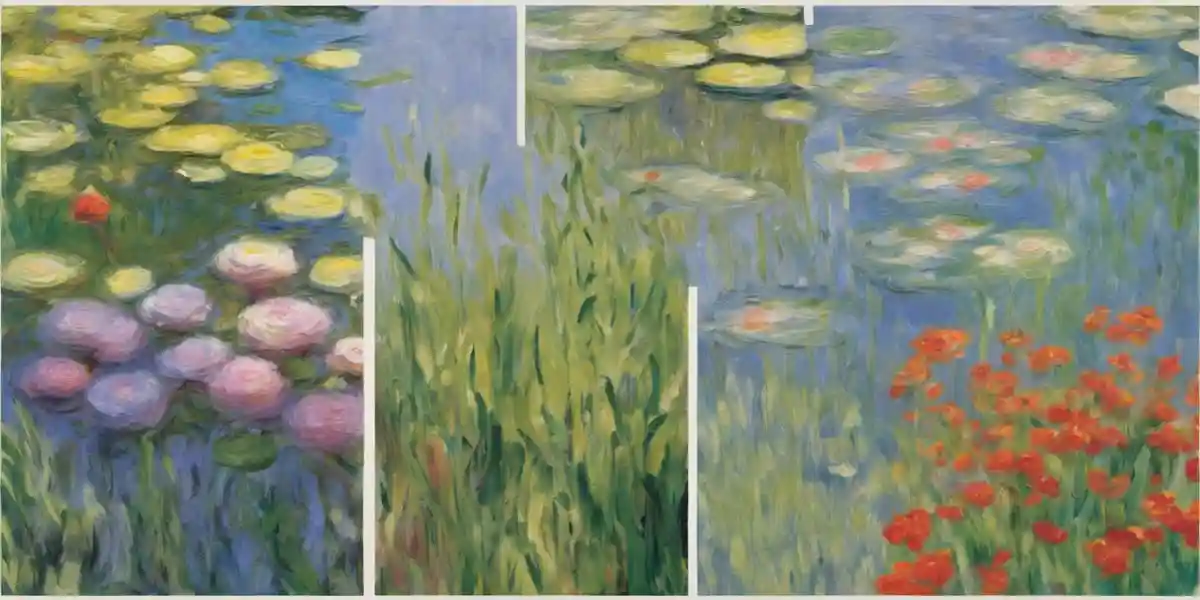
Art exhibitions serve as a rich source of inspiration, where the intersection of creativity, nature, and mindfulness can lead to profound artistic expression. By integrating the insights gained from mindful walking in nature into artistic endeavors, creators can unlock new dimensions of their work.
Imagine taking a leisurely stroll through a vibrant art exhibition after a mindful walk in a nearby park. The clarity of thought and heightened sensory awareness cultivated during your nature walk can transform the way you perceive and interact with art. Each brushstroke, color palette, and texture becomes infused with a deeper meaning as your mind resonates with the rhythms of the natural world.
Research suggests that physical activity, such as walking, enhances cognitive function and creativity. For instance, a study involving physical training revealed that participants who engaged in multiple movement activities generated more creative ideas than their sedentary counterparts. This suggests that the very act of moving—of allowing your body to engage with the world—can lead to bursts of creative thought. Imagine translating the fluidity of a flowing stream or the rustle of leaves into a painting or sculpture, using the inspiration drawn from your surroundings.
Moreover, the practice of mindfulness during these walks can further enhance your artistic output. A systematic review on mindful walking found that engaging fully with your environment can improve both mental and cardiovascular health. When you consciously observe the colors of autumn leaves or the intricate patterns of tree bark, you are not just seeing; you are experiencing. This experience can manifest in your art, resulting in pieces that feel more alive and connected to the viewer.
Consider the works of artists like Claude Monet, whose Impressionist paintings were heavily influenced by his encounters with nature. Monet often painted en plein air, allowing the shifting light and colors of the landscape to inspire his work. The freedom he experienced while walking in nature translated into the fluid brushstrokes and vibrant colors that define his masterpieces. By integrating the lessons learned from mindful walking into your artistic expression, you may find that your own creative output begins to reflect the beauty and spontaneity of the world around you.
Additionally, the scientific understanding of brain activity can shed light on how this process occurs. The cerebral cortex, responsible for higher-level thinking and creativity, generates different brain waveforms depending on our state of mind. Engaging in mindful walking can shift your brain into a state conducive to creativity, fostering an environment where innovative ideas can flourish. By embracing this practice, artists can tap into their subconscious, unlocking hidden potentials that enhance their artistic expressions.
Ultimately, the process of integrating creativity from nature walks into artistic expression is not merely about replicating what you see; it’s about allowing the environment to influence and inspire you. Each step taken in nature can lead to new ideas, colors, and forms that breathe life into your art. So, the next time you find yourself struggling to create, consider stepping outside. The world is a canvas, and your mindful exploration may just be the key to unlocking your next masterpiece.

Throughout history, many artists have turned to nature as their muse. The act of stepping outside and immersing oneself in the natural world has proven to be a powerful catalyst for creativity. Here, we delve into the experiences of notable artists who have drawn significant inspiration from their time spent outdoors, supported by scientific insights on mindfulness and cognitive function.
Claude Monet, one of the founders of Impressionism, is renowned for his breathtaking landscapes that capture the beauty of light and color. Monet often painted en plein air (outdoors), immersing himself in the scenes he wished to portray. This practice not only allowed him to observe the subtle changes in light and atmosphere but also engaged his senses in a way that studio painting could not. Walking through the gardens of Giverny, for instance, not only provided him with visual stimuli but also the emotional tranquility necessary for creative thought. His series on water lilies, created during moments of quiet contemplation by his own pond, exemplifies how mindful engagement with nature can lead to artistic breakthroughs.
John Muir, often referred to as the "Father of the National Parks," was a naturalist and writer whose works emphasized the importance of nature. Muir's long walks in the Sierra Nevada mountains were more than just physical journeys; they were deeply meditative experiences that allowed him to connect with the natural world. In his writings, Muir often described how walking through the wilderness sparked profound insights about nature and humanity. His experiences underscore the findings from recent studies indicating that physical activity, such as walking, enhances creativity and problem-solving skills, as noted in the research involving 492 university students who demonstrated increased creative idea generation after engaging in physical training.
Agnes Martin, a prominent figure in minimalist art, often drew inspiration from the landscapes of New Mexico, where she lived for many years. Her serene paintings reflect the tranquility and beauty of her surroundings, which she found deeply inspirational. Martin practiced a form of mindfulness through her daily walks, allowing herself to absorb the simplicity and vastness of the desert landscape. Her work demonstrates the potential of mindful walking to foster creativity and emotional clarity, echoing research findings that link meditation and relaxation with improved performance in problem-solving tasks.
David Hockney, known for his vibrant landscapes and innovative use of technology in art, often explores the relationship between nature and the human experience. His recent works, inspired by the changing seasons in California and Yorkshire, highlight how regular walks in nature can spark fresh ideas. Hockney himself has noted how being outdoors and observing nature can lead to a deeper understanding of color and composition, supporting the premise that mindful walking can unlock creativity. This aligns with studies indicating that engaging in physical activity and nature can enhance cognitive function and divergent thinking.
Research underscores the link between mindful walking and enhanced creativity. For example, a systematic review of studies investigating the effects of mindful walking on mental health indicates that such practices can lead to significant improvements in cognitive function and emotional well-being. The cerebral cortex, which generates various brain waveforms associated with different mental states, is positively influenced by relaxation and mindfulness practices. As artists like Monet and Hockney demonstrate, the act of walking in nature can stimulate brain activity conducive to creative thinking, inviting new ideas to flourish.

Mindful walking serves as a conduit not just for physical health, but for mental clarity and creativity. This practice invites us to engage with the world in a way that transcends the distractions of daily life, allowing our minds to flourish.
Scientific research highlights the profound effects that mindful walking has on the brain. For instance, a study examining brain activity found that different brain waveforms correspond to various cognitive states. The cerebral cortex generates several waveforms—Beta, Alpha, Theta, Delta, and Gamma—each associated with specific functions such as alertness, relaxation, and creativity.
When we practice mindful walking, we stimulate these brain regions. EEG studies have shown that during meditation, participants exhibit heightened Alpha and Theta waves, which are linked to relaxation and creative thinking. This means that as you immerse yourself in nature, your brain is not just idling; it's actively engaging in a state conducive to unlocking new ideas.
Consider the story of Steve Jobs, who famously conducted walking meetings. He believed that the act of walking inspired innovative thinking. Many report that walking in nature, away from the confines of traditional settings, can produce moments of clarity that lead to breakthroughs. Imagine how a stroll through a serene park can transform your perspective on a project you've been wrestling with, sparking ideas that had eluded you in a more structured environment.
Studies further support the benefits of mindfulness in problem-solving. In one experiment involving 257 undergraduate students, those trained in Meditation Breath Attention Scores (MBAS) exhibited a significant improvement in solving anagram tasks compared to a control group. This suggests that the focused attention cultivated through mindful practices can enhance cognitive performance.
Similarly, a study involving graduate students revealed that teams practicing meditation improved their problem-solving speed and effectiveness. They reported lower stress levels and better teamwork, illustrating how mindfulness can elevate not only individual creativity but also collaborative innovation.
The relationship between physical activity and creativity is also noteworthy. Research involving 492 university students indicated that those who participated in diverse physical training generated more creative ideas than their non-trained counterparts. Interestingly, the study found that ambiguity tolerance played a mediating role in the relationship between physical exercise and creative thinking. This suggests that when we engage in mindful walking—a form of physical activity—we not only become physically healthier, but we also cultivate a mindset that is more open to creativity and innovative thinking.
Incorporating mindful walking into your routine doesn't require extensive planning. Start by dedicating a few minutes each day to step outside. Focus on your surroundings—the aroma of fresh grass, the sound of rustling leaves, or the warmth of the sun on your face. This practice can help you cultivate a heightened sense of awareness, making space for new ideas to emerge.
Moreover, organizations looking to enhance creativity and productivity could consider integrating walking meetings or mindfulness breaks into their culture. As research suggests, these practices can lead to not only personal well-being but also improved group performance.

At its core, mindful walking integrates physical movement with a heightened awareness of the present moment, creating an environment ripe for creativity. Scientific research supports the notion that this practice does not merely serve as a form of exercise; it engages the mind in a way that enhances cognitive function and problem-solving skills.
Research into brain activity shows that various brain waveforms—Beta, Alpha, Theta, Delta, and Gamma—are generated in the cerebral cortex, each associated with different mental states. For instance, Theta waves, often linked to deep relaxation and creativity, can be stimulated by practices such as meditation. During mindful walking, the rhythmic nature of the activity often induces a meditative state, promoting the release of Theta waves. This neurological shift can open the door to innovative thinking and problem-solving.
One compelling study involving 257 undergraduate students demonstrated the effectiveness of Meditation Breath Attention Scores (MBAS). Participants trained in MBAS significantly improved their performance on anagram tasks compared to those in a control group. This finding highlights how mindfulness practices can enhance attention and focus, which are crucial for creative endeavors. As you walk mindfully, you might find that your ability to connect disparate ideas sharpens, much like the participants in this study.
Physical activity itself has been shown to enhance creative thinking. A study with 492 university students revealed that those who engaged in diverse forms of physical training outperformed their less active peers in generating creative ideas. This suggests that the very act of moving, particularly in a mindful state, fosters a mindset conducive to creativity. Imagine taking a walk in a serene park, where the gentle sway of branches or the vibrant colors of flowers might spark a new idea for your project or inspire a fresh approach to a problem.
Mindful walking isn’t just beneficial for individual creativity; it has implications for teamwork as well. A study involving 230 graduate management students found that teams practicing meditation exhibited faster and more efficient problem-solving abilities. The members reported lower tension levels and improved collaboration, which is vital in a creative environment. When you step outside with a colleague for a mindful walk, you’re not just breathing the fresh air; you’re also creating a collaborative space that encourages open-mindedness and shared inspiration.
Integrating mindful walking into your routine can be as simple as setting aside time during your day to step outside. Consider choosing a route that inspires you—perhaps a trail lined with trees or a park with a pond. As you walk, focus on the sensations of your body and the environment around you. Notice how the sounds, sights, and even the smells influence your thoughts. You might find that this practice becomes a wellspring of ideas, leading to breakthroughs you hadn’t anticipated.
In conclusion, the practice of mindful walking in nature serves as a powerful catalyst for creativity and innovative thinking. Throughout this blog, we've explored how engaging with the natural world through mindful walking not only enhances cognitive function but also fosters a deeper connection to our creative selves. By immersing ourselves in the sights, sounds, and sensations of our surroundings, we can unlock new perspectives and ideas that may otherwise remain dormant.
We have discussed the scientific evidence supporting the benefits of mindful walking, highlighting how physical movement can stimulate brain activity and improve problem-solving skills. The shift from a frenetic mental state to a more relaxed and open one—characterized by increased alpha and theta brain waves—creates an environment ripe for creativity to flourish. Furthermore, we've seen how this practice reduces stress and enhances mental clarity, enabling us to think more freely and divergently.
Inspiration can also be drawn from the experiences of artists and thinkers who have embraced nature as their muse. Their stories remind us that stepping outside and engaging with the world can lead to profound insights and innovations. Whether you're a seasoned artist, a business professional, or simply someone seeking a fresh perspective, mindful walking can be your gateway to new ideas and breakthroughs.
So, as you navigate your busy lives filled with distractions and noise, consider incorporating mindful walking into your routine. Take a moment to step outside, breathe deeply, and allow your mind to wander. You might just discover that your next big idea is waiting for you in the rustling leaves, the gentle breeze, or the quiet beauty of the natural world.
In the words of John Muir, "In every walk with nature, one receives far more than he seeks." So why not embark on this journey today? Your creativity—and perhaps even your next big idea—awaits you just outside your door.

Get notified about new articles, coffee tips, and Web3 insights.
This site participates in affiliate programs and may earn a commission when a link is clicked and a purchase is made. The site is not responsible for any issues or troubles related to the products or services purchased through the use of this site.

DO&COFFEE loves coffee and technology, exploring the potential of NFTs and blockchain. Learn more →
DO&COFFEE loves coffee and technology, exploring the potential of NFTs and blockchain. Learn more →