art
2024/09/20
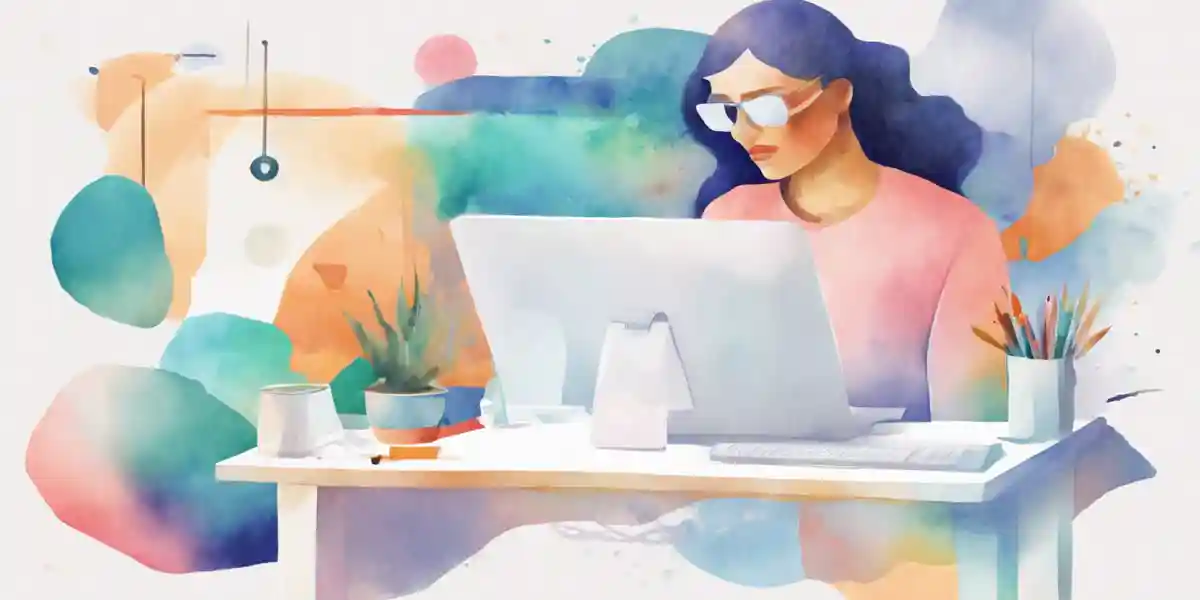
In a world where creativity often grapples with the constraints of traditional systems, the emergence of blockchain technology offers a transformative opportunity for artists seeking to reclaim their artistic freedom.
Imagine a landscape where creators can bypass the gatekeepers of the art world—publishers, galleries, and record labels—connecting directly with their audience. This vision is becoming a reality through decentralized platforms that leverage blockchain, enabling artists to showcase and monetize their work without intermediaries.
At the forefront of this revolution are non-fungible tokens (NFTs), which provide a secure means of authenticating and trading unique digital creations, empowering artists to retain greater profits and foster dedicated communities around their work.
However, the integration of blockchain into creative expression is not without its complexities. As we delve into the intricacies of this digital frontier, we'll explore the challenges artists face, including issues of accessibility, environmental impact, and the evolving landscape of intellectual property rights.
Through this exploration, we will consider critical questions: Can blockchain genuinely democratize creativity, or does it risk establishing new forms of exclusivity? As we unlock the potential of this technology, we may find ourselves shaping the future of artistic expression in profound and unexpected ways.
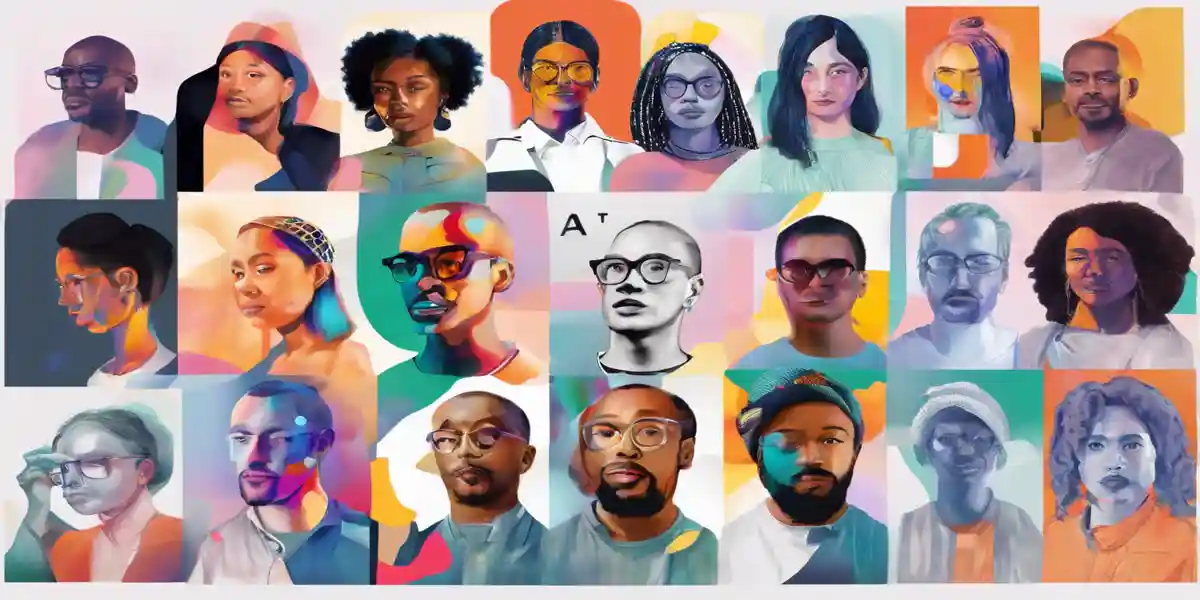
As we delve into the intersection of technology and art, it's essential to appreciate how digital advancements are reshaping creative expression. In this era, artists are not just creators; they are entrepreneurs, leveraging technology to innovate and redefine their craft.
Technology has always played a crucial role in the evolution of art, from the invention of the printing press to the advent of photography and digital media. Today, blockchain technology is emerging as a transformative force, particularly in how art is created, distributed, and monetized. This shift allows artists to transcend traditional barriers, connecting directly with their audiences and retaining control over their work.
At the heart of this transformation lies the concept of Non-Fungible Tokens (NFTs). NFTs serve as digital certificates of ownership for unique works of art, whether they be visual pieces, music tracks, or literary works. By utilizing blockchain, these tokens ensure the authenticity and provenance of digital art, which is crucial in a world where digital copies are ubiquitous. For example, consider the case of Beeple, whose digital artwork sold for a staggering $69 million at a Christie's auction. This sale not only highlighted the capabilities of NFTs but also demonstrated the potential of blockchain to revolutionize how we perceive value in the digital art space.
Furthermore, NFTs empower artists by allowing them to bypass intermediaries like galleries and record labels. This direct-to-consumer model not only provides artists with a larger share of the profits but also enables them to set their prices and receive royalties on secondary sales. Artists can create a sustainable income stream through their work, fostering a culture of artistic freedom. This shift was exemplified by the artist Grimes, who sold a collection of NFTs that generated millions, showcasing how artists can harness technology to monetize their creativity effectively.
Decentralized platforms are also emerging as collaborative spaces where artists can co-create and share resources. These platforms encourage cross-genre collaborations, which can lead to innovative projects that challenge conventional art forms. For instance, various NFT platforms have seen artists from different disciplines—digital painters, musicians, and even game developers—coming together to create unique experiences that push the boundaries of creative expression. This collaborative aspect is vital, as it nurtures a diverse ecosystem that thrives on shared creativity.
However, the integration of technology in art is not without its complexities. The legal landscape surrounding NFTs and intellectual property rights is still evolving. A recent study highlighted the intricate relationship between NFTs and Intellectual Property Rights (IPR), indicating that while NFTs can represent ownership of various forms of creative content, the legal protections afforded to these digital assets remain ambiguous. Issues such as copyright infringement and the rights of creators in the NFT space continue to be debated among legal scholars and artists alike.
Moreover, as artists embrace these technologies, they must also navigate the challenges of accessibility and environmental impact. The energy consumption involved in blockchain transactions, particularly those related to proof-of-work systems, raises concerns about sustainability in the art world. Artists and collectors alike may find themselves questioning the balance between technological innovation and ethical responsibility.
As we explore the profound implications of blockchain on creative expression, it is vital to ask: How can we ensure that this technological revolution fosters inclusivity rather than exclusivity? The answers to such questions will play a critical role in shaping the future landscape of art in the digital age.
As the art world continues to evolve, artists are navigating an increasingly complex landscape filled with both opportunities and challenges. While blockchain technology offers exciting new avenues for creative expression, it also brings significant hurdles that artists must overcome to thrive in this digital age.
One of the most pressing challenges facing artists today is accessibility. Despite the promise of blockchain technology to democratize the art market, many artists remain excluded from its benefits. The high cost of minting NFTs, for example, can be prohibitive for emerging artists or those from underrepresented communities. In many cases, the technical know-how required to navigate blockchain platforms can create additional barriers. How can we ensure that artistic talent is not stifled by economic and technological limitations?
As artists embrace blockchain, they also confront significant environmental issues. The energy-intensive processes associated with many blockchain networks, particularly those using proof-of-work mechanisms, raise serious ecological questions. A report from the Cambridge Centre for Alternative Finance highlighted that Bitcoin mining alone consumes more energy annually than some entire countries. This raises an important dilemma for artists: should they prioritize their artistic freedom and potential revenue from blockchain sales, or should they consider the environmental impact of their digital practices? Artists are increasingly being called to account for their carbon footprints, leading to a growing movement advocating for sustainable blockchain solutions.
The rapid rise of NFTs has introduced a complex relationship with intellectual property rights (IPR). As highlighted in various studies, while NFTs provide a means of authenticating ownership, they also pose challenges in protecting the underlying creative content. For instance, can an artist truly retain ownership of their work when it is tokenized and potentially sold without their consent? The lack of clarity surrounding copyright laws in relation to NFTs can lead to exploitation by unauthorized traders. A paper exploring the legal status of NFTs in Indonesia noted that existing IPR frameworks may not adequately cover the nuances of digital assets, leaving artists vulnerable to potential copyright infringements.
Moreover, the NFT market is characterized by volatility that can be daunting for artists. The speculation surrounding digital art can inflate prices unexpectedly, creating a bubble that may burst, leaving artists and collectors with devalued assets. This uncertainty complicates the process of valuing artwork and establishing fair compensation for creative contributions. Artists must grapple with the question: how can they create sustainable careers in an environment where the market can shift dramatically overnight?
Finally, while blockchain has the potential to foster collaboration, it can also create fragmentation within artistic communities. The decentralized nature of these platforms can lead to the emergence of isolated subcultures, potentially undermining the collective support systems that have historically bolstered artists. A study examining NFT artists found that while some communities thrive, others struggle to form meaningful connections, raising concerns about the long-term viability of collaborative practices in the digital realm. How can artists navigate these new landscapes to ensure that they are part of supportive, thriving communities?
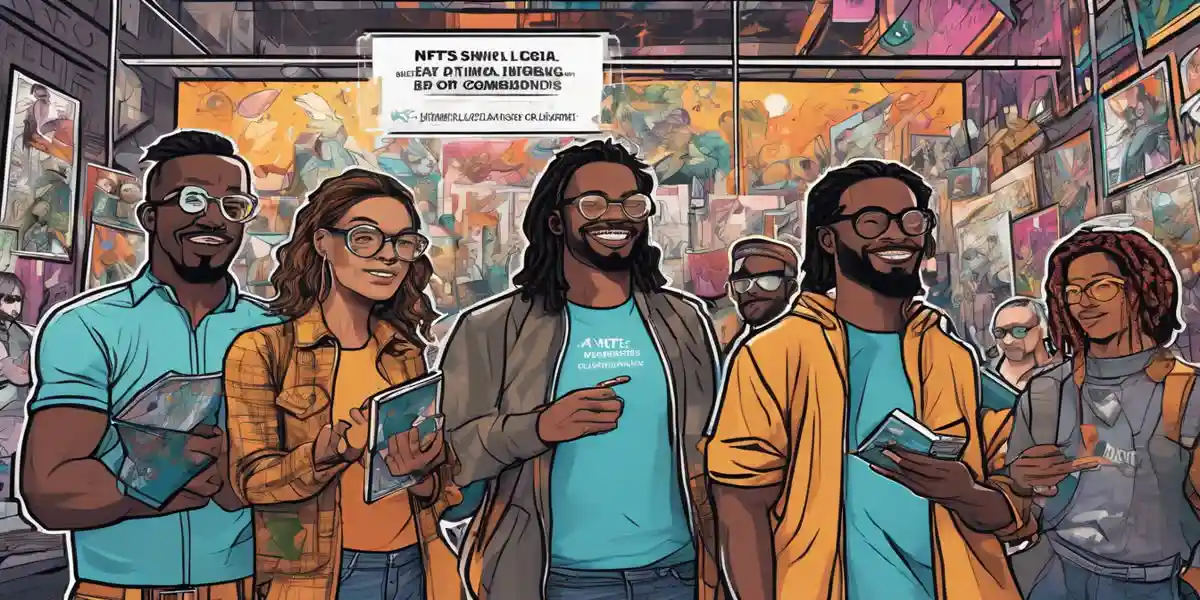
As we explore the intersection of blockchain technology and the arts, one pivotal aspect emerges: decentralized artistic platforms. These platforms represent a revolutionary shift in how artists can engage with their audiences, providing a direct line of communication without the constraints imposed by traditional gatekeepers such as galleries, record labels, and publishers. Imagine an artist showcasing their work directly to enthusiasts, receiving feedback, and potentially selling their creations—all without a middleman. This direct engagement not only enhances the relationship between creators and their audience but also fosters a culture of artistic freedom.
At the heart of this decentralized movement is the concept of non-fungible tokens (NFTs). NFTs serve as unique digital certificates of ownership that can represent a myriad of creative works—ranging from digital art and music to literature and gaming assets. By utilizing blockchain technology, NFTs ensure authenticity and provenance, allowing artists to prove ownership and authenticity of their works in a way that was previously impossible in the digital realm.
For instance, consider the case of Beeple, a digital artist who sold an NFT for $69 million. This sale not only highlighted the newfound value of digital art but also demonstrated how NFTs can empower artists to set their own prices and retain a higher percentage of sales. Unlike traditional art markets where galleries typically take a significant cut, blockchain technology enables artists to receive direct payments, ensuring they are appropriately compensated for their work.
One of the most compelling features of NFTs is the ability to embed royalties into the digital asset. This means that artists can earn a percentage of future sales whenever their artwork is resold. For example, if an artist sells an NFT for $1,000 and the buyer later sells it for $10,000, the original artist can receive a predetermined percentage (commonly around 10-15%) from that secondary sale. This creates a sustainable income model that supports artists long after their initial sale, shifting the financial dynamics of the art world.
Beyond individual sales, decentralized platforms open doors for collaborative projects among artists, breaking down traditional barriers imposed by the art industry. This collaboration can lead to innovative cross-genre works that enhance the richness of creative expression. For example, a digital painter might collaborate with a musician to create an audiovisual experience that combines their respective talents, resulting in a unique piece that neither could have produced alone. As evidenced by the vibrant communities forming within the NFT ecosystem, such collaborations are not only possible but are actively reshaping the way art is created and consumed.
Despite the allure of this new landscape, navigating the legal intricacies surrounding NFTs is crucial. The relationship between NFTs and intellectual property rights (IPR) is still being defined. For instance, a paper examining the legal status of NFTs in Indonesia highlights that while these digital assets can create authenticated ownership certificates, they also raise questions about copyright protection. The complexities of whether rights associated with traditional forms of art can be tokenized and transferred through NFTs are still under scrutiny. This legal ambiguity creates a pressing need for a clear regulatory framework that protects the rights of artists while allowing for innovation.
Moreover, as more creators enter the NFT space, ensuring they are educated about their rights and the implications of minting their work as NFTs is essential. This education can safeguard artists from exploitation by unauthorized traders who might attempt to profit from their works without their consent.
As these decentralized platforms grow, they also foster diverse artistic subcultures and cooperative networks that parallel traditional art worlds. Insights from interviews with NFT artists reveal that these communities thrive on collaboration and mutual support, challenging existing power structures within the art industry. However, it is essential to consider inclusivity in these new environments; as new forms of artistic expression emerge, ensuring that all voices are heard and valued will be crucial for the sustainability of these communities.
In essence, the advent of decentralized artistic platforms powered by blockchain technology heralds a transformative era for creators. The potential to connect directly with audiences, manage their intellectual property, and engage in collaborative projects may very well redefine what it means to be an artist in the digital age.
In this exploration of how blockchain technology is revolutionizing creative expression, we've uncovered the profound impact it has on the art world. From understanding the role of technology in reshaping artistic landscapes to recognizing the challenges that artists face today, including accessibility, environmental concerns, and the complexities of intellectual property rights, it’s clear that we are at a pivotal moment in the evolution of creative expression.
We’ve seen how blockchain, particularly through the use of Non-Fungible Tokens (NFTs), empowers artists by granting them ownership and control over their creations while enabling new monetization opportunities and fostering collaboration. The success stories of artists like Beeple and Grimes illustrate just how transformative this technology can be, providing pathways for sustainable income and direct engagement with audiences. However, as we embrace these innovations, we must also address the legal ambiguities and market volatilities that accompany them.
The decentralized platforms emerging from this technological revolution signify a new era for artists—one that holds the potential for inclusivity, creativity, and community. Yet, with this potential comes the responsibility to advocate for equitable access and sustainable practices within the art world.
As you reflect on the insights shared in this post, consider your role in this evolving landscape. How can you contribute to fostering an environment where artistic talent thrives, and where all voices are heard? The future of art is not just in the hands of artists but in the collective power of communities that support and uplift creative expression. Let us work together to unlock the full potential of artistic freedom in the digital age.
Get notified about new articles, coffee tips, and Web3 insights.
This site participates in affiliate programs and may earn a commission when a link is clicked and a purchase is made. The site is not responsible for any issues or troubles related to the products or services purchased through the use of this site.
DO&COFFEE loves coffee and technology, exploring the potential of NFTs and blockchain. Learn more →
DO&COFFEE loves coffee and technology, exploring the potential of NFTs and blockchain. Learn more →