art
2025/10/29

Have you ever wondered how digital artists can thrive in a world dominated by traditional art sales? As technology continues to evolve, so too do the opportunities for creatives to express themselves and monetize their work. Welcome to a new frontier in the digital art world— one that’s being transformed by decentralized finance (DeFi). This revolution is enabling artists to unlock their full creative potential while maintaining ownership and control over their creations.
In this blog post, we will explore how DeFi is reshaping the landscape for digital artists by empowering them through innovative financial mechanisms. We'll delve into the rise of non-fungible tokens (NFTs) and how they are changing the way art is bought and sold, ensuring that artists can earn fair compensation for their work. Furthermore, we'll examine decentralized platforms that are enhancing accessibility and fostering community engagement, making artistic expression more inclusive than ever. Join us as we dive into the exciting intersection of art and finance, and discover how DeFi is paving the way for a creative renaissance.
One of the most revolutionary aspects of decentralized finance (DeFi) is its ability to empower artists by providing direct ownership of their works via blockchain technology. Blockchain acts as a digital ledger that securely records transactions, ensuring that artists maintain control over their creations from inception to sale. This system eliminates the need for intermediaries such as galleries or auction houses that often take hefty commissions and impose restrictive contracts. By using non-fungible tokens (NFTs), which are unique digital assets stored on the blockchain, artists can prove ownership and authenticity of their digital art, making it easier to sell directly to collectors.
This new model not only allows artists to capture the full value of their work but also opens up ongoing monetization opportunities. For instance, artists can program royalties into their NFTs, enabling them to earn a percentage of future sales whenever their art changes hands. This feature is pivotal in ensuring that artists continue to benefit from their work as it appreciates in value over time, a stark contrast to traditional art sales where artists only earn from the initial sale.
To illustrate the transformative potential of DeFi in the digital art space, consider the example of ArtChain, Australia's first blockchain-enabled art trade platform. According to the paper titled 'PLATFORM FOR ART MARKETPLACE UTILIZING BLOCKCHAIN TECHNOLOGY', ArtChain utilizes blockchain to enhance forensics and documentation of transactions. This level of transparency is crucial for artists and buyers alike, as it builds trust and reduces the risk of fraud. By leveraging the capabilities of blockchain, ArtChain enables artists to establish their presence in the market without fear of their works being misrepresented or unlawfully reproduced.
Another compelling case is the rise of artists like Beeple, who made headlines for selling an NFT artwork for $69 million. This monumental sale not only spotlighted the financial potential for digital artists but also illustrated how DeFi platforms are democratizing access to the art market. Such high-profile sales demonstrate that artists can achieve significant financial success outside traditional auction houses, giving their creative visions a platform to flourish.
DeFi also fosters community engagement, allowing artists to connect with fans more deeply. Through platforms that support NFT transactions, artists can build loyal followings and cultivate a sense of belonging among their supporters. For instance, artists can offer exclusive content or experiences to NFT holders, creating an emotional bond with their audience. Platforms that facilitate these interactions contribute to an ecosystem where artists not only showcase their work but also receive feedback and support directly from their community, enhancing their creative expression.
In summary, the intersection of decentralized finance and digital art is creating an environment where artists can thrive. By ensuring ownership, enabling monetization through innovative royalty structures, and fostering direct community interactions, DeFi is ushering in a new era that redefines how artists engage with their work and their audiences. This empowerment is critical for the future of creative expression in the digital age.
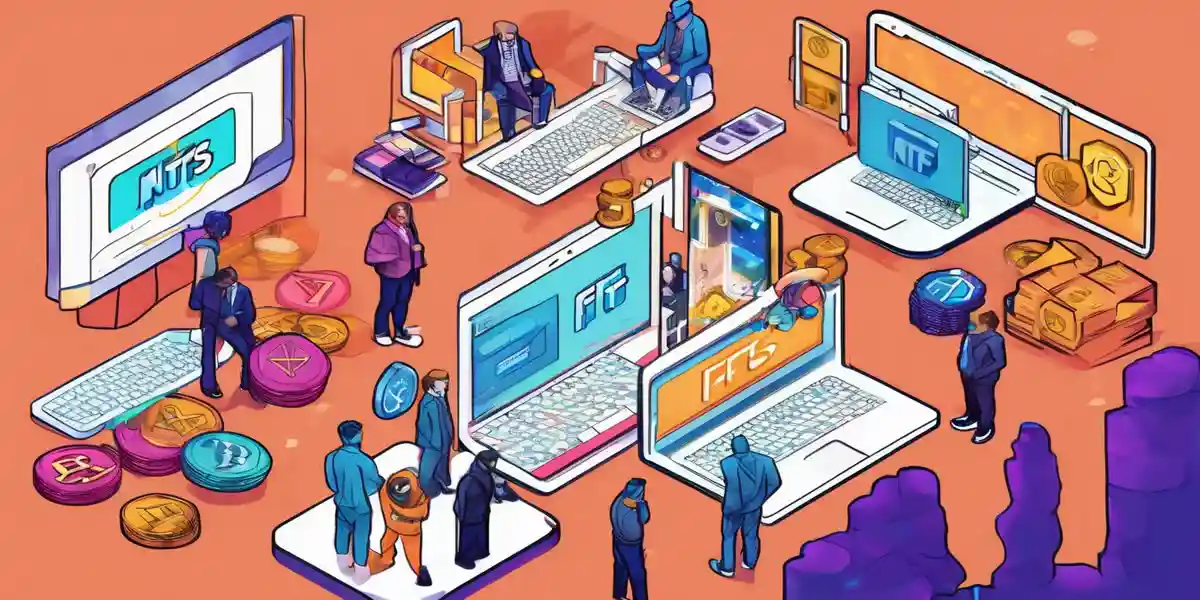
Non-fungible tokens, commonly known as NFTs, are a type of digital asset that represent ownership or proof of authenticity of a unique item or piece of content on the blockchain, a decentralized digital ledger system. Unlike cryptocurrencies such as Bitcoin or Ethereum, which are fungible and can be exchanged for one another at equal value, NFTs are one-of-a-kind, making them particularly suited for digital art. Each NFT contains distinct information that makes it irreplaceable, akin to owning an original painting versus a printed copy.
The emergence of NFTs has significantly transformed digital art markets by providing artists with new avenues for monetization and engagement. Traditional online art platforms often limited artists' ability to profit fully from their work due to middlemen and commission fees. However, NFTs enable direct transactions between artists and collectors, often eliminating these intermediaries. This shift allows artists to retain a larger share of the sale price and even earn royalties on subsequent resales of their work.
According to the paper 'Value creation and capture in decentralized finance markets: Non-fungible tokens as a class of digital assets,' NFTs have not only redefined ownership in the digital realm but have also created a new paradigm for value creation and capture within the art industry. Artists can leverage the technology to imbue their digital works with scarcity, authenticity, and traceability, characteristics that were previously challenging to establish.
One notable example is the rise of ArtChain, which is highlighted in the paper 'PLATFORM FOR ART MARKETPLACE UTILIZING BLOCKCHAIN TECHNOLOGY.' This platform integrates blockchain technology to enhance the art market's efficiency, providing improved forensics and transaction documentation. By harnessing blockchain, ArtChain offers artists and collectors a secure, transparent way to trade art, further encouraging the use of NFTs for ownership verification.
Another example is the captivating success of digital artist Beeple, who sold an NFT artwork for a staggering $69 million at a Christie's auction. This event not only marked a significant moment in art history but also underscored the market's willingness to embrace digital assets. The sale demonstrated that digital art, validated through NFTs, can command prices that rival those of traditional art pieces, firmly establishing its place in the broader art market.
As NFTs gain traction, they fundamentally challenge conventional notions of ownership and value in the arts. Artists can now create multiple editions of digital works, each represented as a separate NFT. This capability allows for increased creativity and experimentation, as artists can engage with their audience in novel ways—be it through limited releases or interactive pieces that evolve based on viewer interaction.
Furthermore, platforms leveraging DeFi principles offer artists a way to experiment without financial risk, as they can use smart contracts—self-executing contracts with the terms directly written into code—to manage their sales autonomously. This blending of technology and creativity fosters an ecosystem where artistic expression is not only liberated but also directly rewarded, thus transforming the digital art landscape.
Decentralized platforms are fundamentally changing how artists interact with their audiences and monetize their work. Traditional art markets often operate with gatekeepers, including galleries and auction houses, which can limit access for both emerging artists and potential buyers. By contrast, decentralized finance (DeFi) opens the door for anyone to display and sell their art directly to consumers without the need for intermediaries. This creates a more inclusive environment where creativity can thrive, regardless of an artist's background or resources.
One of the most exciting aspects of decentralized platforms is their ability to foster community engagement. Artists can build connections with their followers, receive immediate feedback, and cultivate a sense of belonging—features that are often lacking in traditional art markets. For instance, platforms like ArtChain utilize blockchain technology to enhance the art trade by improving transaction documentation and forensics. Such advancements not only assure buyers of the authenticity of the pieces they purchase but also contribute to a transparent community where everyone is informed and involved.
The rise of non-fungible tokens (NFTs) exemplifies how decentralized platforms empower artists to maintain control over their work. Unlike the traditional system where ownership can be obscure and complicated, NFTs provide clear proof of ownership on a blockchain—a secure digital ledger. According to the study "Value creation and capture in decentralized finance markets: Non-fungible tokens as a class of digital assets," the evolution of NFTs allows artists to capture a larger share of their creations' value directly by cutting out middlemen. This shift enables artists not only to sell their art but to earn royalties every time their pieces are resold, resulting in ongoing revenue streams.
Decentralized platforms also enhance accessibility for audiences worldwide. Previous limitations, such as geographic location and financial barriers, are mitigated by using cryptocurrency for transactions. This allows collectors from different financial backgrounds to purchase and engage with art that resonates with them. In essence, Decentralized platforms democratize art ownership and appreciation, paving the way for a more diverse range of voices and visions to be represented in the digital art sphere.
Moreover, decentralized platforms often incorporate innovative ways for artists to engage with their audiences, such as using analytics tools to track engagement and sales performance. This real-time feedback loop enables artists to adapt their work to better meet the desires of their audiences. Such interactivity fosters a collaborative atmosphere where artists can experiment and take creative risks without fear of alienating traditional buyers.
In conclusion, the integration of decentralized platforms in the digital art world is not merely a technological advancement; it represents a fundamental shift toward inclusivity, community engagement, and direct artist-audience relationships. By removing traditional barriers, these platforms empower artists and redefine how art is consumed and valued in the digital age.
As we explore the dynamic intersection of decentralized finance (DeFi) and digital art, it's clear that this innovative approach is unlocking unprecedented avenues for creative expression. By empowering artists through true ownership and monetization opportunities, DeFi is reshaping the way artists connect with their audiences. The rise of non-fungible tokens (NFTs) has not only transformed the market for digital art by providing unique provenance, but it has also paved the way for new revenue streams that were previously unimaginable. Additionally, decentralized platforms are breaking down barriers, enhancing accessibility, and fostering vibrant communities that actively engage with and support artists.
From these insights, we can take away that the creative potential within the digital art world is now more accessible and lucrative than ever. Artists can leverage DeFi tools to not only share their vision but also to build sustainable careers. The intersection of art and technology offers a powerful platform for individual expression and community-building.
As we witness this revolution, we encourage aspiring artists, collectors, and enthusiasts to dive into the world of DeFi and digital art. Explore platforms, create your own NFTs, or support fellow artists in this evolving landscape. By participating in this movement, you contribute to a vibrant ecosystem that champions creative expression for all. Together, let’s embrace the future of art—one that is not only digital but also decentralized and artist-centered.
Get notified about new articles, coffee tips, and Web3 insights.
This site participates in affiliate programs and may earn a commission when a link is clicked and a purchase is made. The site is not responsible for any issues or troubles related to the products or services purchased through the use of this site.

DO&COFFEE loves coffee and technology, exploring the potential of NFTs and blockchain. Learn more →
DO&COFFEE loves coffee and technology, exploring the potential of NFTs and blockchain. Learn more →