technology
2024/08/18

Imagine a world where every step you take on your travels leaves a positive mark on the planet. This vision is becoming increasingly attainable through the innovative concepts of tokenization and smart contracts in eco-tourism. As we stand at the crossroads of adventure and responsibility, the need for sustainable practices in tourism has never been more pressing. In this blog post, we will explore how digital solutions, like Green Tokens, can reward eco-friendly choices, transforming travel into a means of environmental stewardship.
We will delve into the mechanics of tokenization, breaking down how these digital tokens can incentivize sustainable behaviors by rewarding travelers for making conscientious decisions, such as choosing a carbon-neutral transport option or staying at a sustainable hotel. Coupled with smart contracts, which ensure transparency and trust in these transactions, these innovations can create a robust ecosystem that fosters both accountability and community engagement.
Furthermore, we will examine real-world applications of these concepts, drawing from case studies that illustrate the potential of blockchain technology to enhance transparency and traceability in the tourism sector. Imagine local businesses thriving as they offer exclusive deals to eco-conscious travelers who present their Green Tokens, creating a win-win scenario that benefits both the environment and the economy.
Join us as we navigate the future of green travel, discovering how tokenization and smart contracts are not just theoretical concepts but practical tools that can reshape our adventures while ensuring that every journey contributes positively to the world around us. Are you ready to explore the possibilities of eco-tourism that not only fulfill your wanderlust but also honor our shared responsibility to protect our planet?

In an era where climate change is no longer a distant threat but a pressing reality, the tourism industry faces a pivotal challenge: how to balance the allure of travel with the imperative of sustainability. Eco-tourism emerges as a beacon of hope, calling for practices that honor the environment while enriching the travel experience. But what does it mean to travel sustainably? How can we ensure that our adventures do not come at the expense of the planet?
At its core, eco-tourism emphasizes responsible travel to natural areas, ensuring the conservation of the environment and the improvement of the local economy and communities. According to the United Nations World Tourism Organization (UNWTO), eco-tourism is about minimizing the negative impacts of tourism, while maximizing the benefits for local people and ecosystems. Travellers today are increasingly aware of their environmental footprint, seeking experiences that allow them to engage with nature without compromising its integrity. Take, for example, Costa Rica, a global leader in eco-tourism, where initiatives like reforestation projects and wildlife sanctuaries not only attract tourists but also preserve biodiversity.
The need for sustainable practices in tourism has never been more urgent. As noted in a recent study, current financing models often overlook environmental, social, and governance (ESG) factors, resulting in a significant financial gap that hinders the development of sustainable tourism infrastructure. Tokenization through blockchain technology offers a unique solution to this dilemma. By creating tradable tokens that embody non-financial values such as social and environmental impacts, we can incentivize businesses and travelers alike to engage in eco-friendly practices.
Consider the innovative case studies of SolarCoin and WePower Token, which demonstrate how tokenization can enhance sustainability within various sectors. SolarCoin rewards solar energy producers with tokens for every megawatt of solar energy produced, thereby encouraging clean energy generation. Similarly, WePower Token allows consumers to purchase energy directly from renewable sources, creating a transparent energy market that promotes sustainable practices. The principles behind these tokens can seamlessly translate into the tourism sector, creating a rewarding ecosystem for eco-conscious travelers.
Integrating smart contracts into the eco-tourism landscape can further enhance transparency and accountability. Imagine booking a stay at an eco-friendly hotel and receiving Green Tokens as a reward for your sustainable choice. These tokens could then be redeemed for discounts on future eco-friendly adventures, such as guided nature tours or organic dining experiences. Smart contracts ensure that these tokens are automatically distributed based on verified actions, eliminating ambiguity and building trust among all participants in the ecosystem.
Local businesses play a vital role in this sustainable travel model. By offering exclusive deals to travelers who present their Green Tokens, local shops and service providers can actively participate in fostering a community that prioritizes sustainability. This approach not only incentivizes responsible travel but also drives economic benefits to local communities, thereby reinforcing the eco-tourism model. Furthermore, blockchain technology can empower these communities by facilitating decentralized participation in decision-making processes, creating a more inclusive and resilient tourism landscape.
As we navigate the future of travel, the integration of tokenization and smart contracts could revolutionize the eco-tourism sector, transforming sustainable choices from an ethical consideration into a rewarding experience for every traveler.

Tokenization is a powerful concept that can fundamentally reshape eco-tourism by aligning traveler incentives with sustainable practices. At its core, tokenization involves converting rights or assets into digital tokens that can be traded or used in a decentralized system. This innovation not only fosters transparency and traceability but also cultivates an ecosystem where every choice made by travelers contributes to environmental sustainability.
Imagine embarking on your next adventure, but this time, every decision you make while traveling has a tangible impact on the environment. Enter the concept of Green Tokens—digital tokens that represent eco-friendly choices in tourism. These tokens could be integrated with smart contracts on a blockchain, creating a transparent, secure, and incentivizing ecosystem for both travelers and service providers.
Here’s how it could work: when you book a sustainable hotel or choose a carbon-neutral transportation option, you receive Green Tokens as a reward. These tokens can be used for discounts on future eco-friendly experiences, such as guided nature tours or organic dining options. The smart contracts ensure that these rewards are automatically distributed based on verified actions, eliminating ambiguity and building trust among participants.
Real-world applications of tokenization in eco-tourism can be seen through various initiatives, such as SolarCoin, WePower Token, and ZiyenCoin. These projects illustrate how tokenization can enhance infrastructure development by promoting inclusiveness and sustainability. For example, SolarCoin rewards users for generating solar energy, thereby directly tying economic incentives to environmentally beneficial actions. Similarly, WePower Token facilitates the trading of energy, creating a marketplace that encourages the use of renewable resources, which can be adapted to eco-tourism by rewarding sustainable travel choices.
Moreover, local businesses could participate by offering exclusive deals to travelers who present their Green Tokens, fostering a community that prioritizes sustainability. Imagine dining at a local restaurant that offers a discount if you can prove you made eco-friendly choices during your travel. This not only promotes sustainable practices but also strengthens local economies and encourages travelers to engage with communities in a meaningful way.
Tracking the overall impact on local ecosystems and communities becomes feasible with the implementation of smart contracts. These contracts can aggregate data on the number of tokens issued and redeemed, providing a clear picture of eco-tourism's benefits. This data can be invaluable for stakeholders looking to understand and enhance their sustainable practices. As highlighted by recent studies, blockchain technology enhances transparency and accountability, thus supporting sustainable practices and supply chain monitoring. This allows for a more informed decision-making process, empowering travelers and businesses alike.
While the promise of tokenization in eco-tourism is significant, challenges remain. Issues such as the need for scalable, energy-efficient solutions and legal complexities must be addressed to facilitate widespread adoption. However, the potential to revolutionize tourism through sustainability-driven incentives is an opportunity that cannot be overlooked. As travelers, wouldn’t you want to make every adventure count—both for yourself and the planet? By embracing tokenization, we can redefine what it means to explore our world responsibly.
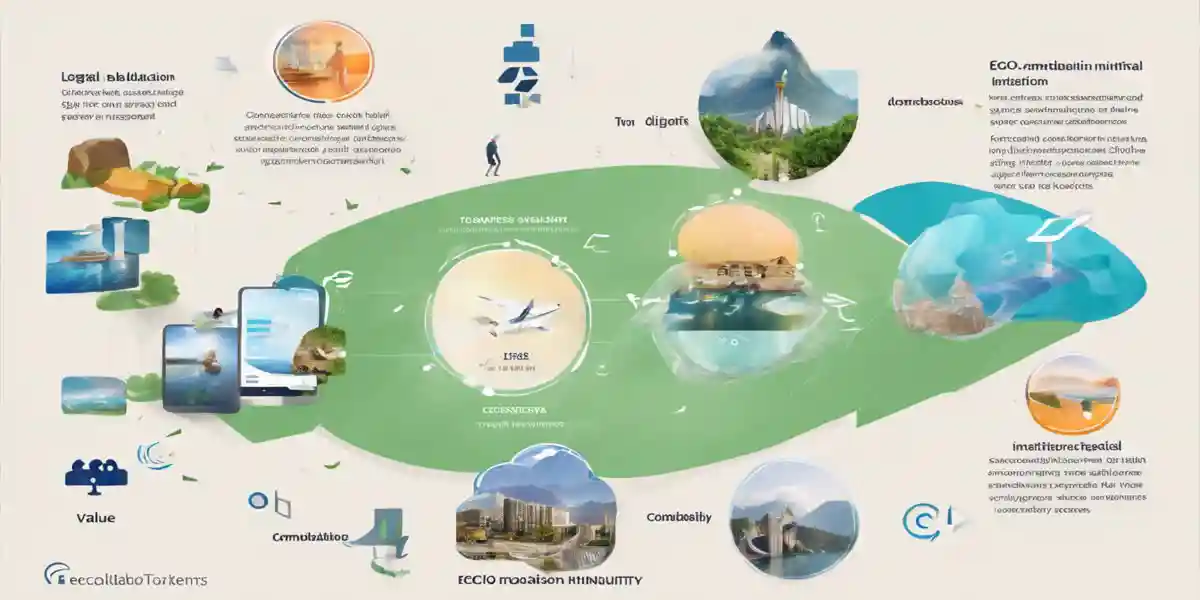
Tokenization is a transformative process that converts the rights to an asset into a digital token on a blockchain. This not only enhances the asset's liquidity but also democratizes access to various forms of value, whether they are financial, social, or environmental. In the realm of eco-tourism, tokenization can serve as a powerful tool to incentivize sustainable practices among travelers and businesses alike.
At its core, tokenization involves three key elements: the asset being tokenized, the digital token itself, and the blockchain infrastructure that supports the entire system. For instance, a hotel that adopts eco-friendly practices could create digital tokens representing its commitment to sustainability. When travelers choose to book a stay at this hotel, they are rewarded with these tokens, which can later be redeemed for discounts on future trips or eco-friendly experiences.
Several successful projects illustrate the potential of tokenization in promoting sustainability:
Tokenization in eco-tourism creates a win-win scenario for both travelers and local businesses. By receiving Green Tokens for eco-friendly choices, travelers are motivated to make sustainable decisions, knowing they will reap tangible rewards. For businesses, participating in a tokenized ecosystem can enhance their visibility and attract environmentally-conscious customers.
Moreover, the use of smart contracts in conjunction with tokenization adds another layer of assurance. These self-executing contracts automate the distribution of tokens based on verified actions, ensuring transparency and trust in the system. For instance, if a traveler books a carbon-neutral flight, the smart contract can automatically issue Green Tokens without the need for manual intervention, making the process seamless and efficient.
The backbone of tokenization is blockchain technology, which provides a secure and transparent ledger for all transactions. This technology not only enhances traceability but also allows stakeholders to monitor the environmental impact of their actions. For example, the data aggregated through smart contracts can provide insights into the total number of tokens issued for eco-friendly choices, allowing both businesses and travelers to understand the cumulative effect of their decisions on local ecosystems and communities.
Despite the promising potential of tokenization in eco-tourism, several challenges remain. Issues such as the need for scalable, energy-efficient solutions and legal complexities can hinder widespread adoption. Additionally, the infrastructure for integrating tokenization into existing tourism models is still developing, necessitating collaboration among stakeholders to ensure successful implementation.

The integration of tokenization within the eco-tourism sector presents a multitude of benefits that enhance both the traveler’s experience and the environmental integrity of tourism practices. At its core, tokenization allows for the creation of digital tokens that reward sustainable actions, fostering a culture of eco-consciousness among travelers. Let's explore the numerous advantages that tokenization brings to the table.
Imagine checking into a hotel that prides itself on sustainability. When you choose this eco-friendly option, you receive Green Tokens, which can be redeemed for discounts on future eco-friendly activities. This system not only rewards travelers for making responsible choices but also encourages them to seek out sustainable options in the first place. For instance, platforms like SolarCoin have successfully incentivized solar energy production by enabling users to earn tokens for their contributions to renewable energy, showcasing a model that could be easily adapted to the travel sector.
One of the significant challenges in eco-tourism is ensuring that claims of sustainability are genuine. Tokenization, powered by blockchain technology, provides a transparent and immutable record of transactions. Each action—whether it’s booking a sustainable tour or purchasing organic food—can be tracked and verified through smart contracts. This level of transparency builds trust between travelers and service providers, as seen in the WePower Token project, which allows consumers to trace the source of their energy, ensuring it comes from sustainable practices.
Tokenization can also create a more inclusive economy by empowering local businesses. When travelers earn Green Tokens, they can use them at local shops, restaurants, and attractions that align with sustainability values. This not only incentivizes eco-friendly behavior but also stimulates the local economy. For example, a traveler who earns tokens for using public transport might redeem them at a nearby organic café, thereby supporting local farmers and businesses. Such a system encourages a community-focused approach to tourism, enhancing both social and economic resilience as highlighted in various case studies.
The aggregation of data through token usage can provide valuable insights into travel trends and the overall impact of eco-tourism initiatives. Smart contracts can automatically collect and analyze data on the number of tokens issued and redeemed, helping stakeholders understand what eco-friendly practices are most appealing to travelers. This data-driven approach not only aids in refining marketing strategies but also allows for better planning and resource allocation, ultimately enhancing the sustainability of tourism practices.
Tokenization can empower local communities by facilitating decentralized participation in decision-making processes. By giving locals a stake in the tourism ecosystem through token ownership, they can have a voice in how tourism develops in their area. This participatory model can help ensure that tourism benefits are equitably distributed, avoiding the pitfalls of exploitative practices that often accompany traditional tourism models. Studies have shown that such decentralization can lead to more sustainable practices, as local stakeholders are more likely to prioritize the well-being of their community and environment over short-term profits.
As travelers engage with the tokenization system, the continuous feedback loop it creates allows for constant improvement in eco-tourism practices. Travelers can provide insights into their experiences, which can be directly linked to token rewards and usage. This feedback can help businesses refine their offerings, ensuring that they meet the evolving needs of eco-conscious travelers. The ability to adapt based on real-time data fosters a dynamic and responsive tourism industry that prioritizes sustainability.

Smart contracts have the potential to revolutionize the eco-tourism sector by providing a transparent, efficient, and decentralized method for incentivizing sustainable travel choices. Imagine a world where your travel decisions not only enrich your experiences but also contribute positively to the environment. With the integration of smart contracts and tokenization, this vision can become a reality.
At their core, smart contracts are self-executing contracts with the terms of the agreement directly written into code. These digital agreements run on blockchain technology, ensuring that transactions are secure, transparent, and immutable. But what does this mean for eco-tourism? The answer lies in how these contracts can automate the reward system for sustainable practices.
Consider this scenario: as a traveler, you book a stay at a hotel that sources its energy from renewable resources. Upon confirmation, a smart contract is triggered, automatically issuing you Green Tokens as a reward for your eco-friendly choice. You can use these tokens for discounts on future green initiatives, such as carbon-neutral transportation options or sustainable dining experiences. This system not only encourages sustainable travel but also builds a community of responsible travelers.
To illustrate the effectiveness of smart contracts in eco-tourism, let’s look at a few case studies that resonate with the principles of tokenization:
One of the most significant advantages of smart contracts is their ability to enhance trust among stakeholders. Traditional eco-tourism initiatives often struggle with transparency, leaving travelers unsure if their contributions are genuinely benefiting the environment. Smart contracts can address this issue by providing verified data on token issuance and redemption, ensuring that all parties have access to the same information. As highlighted in recent studies, this level of transparency fosters greater stakeholder engagement and accountability, empowering local communities to participate actively in sustainable tourism initiatives.
While the potential of smart contracts and tokenization in eco-tourism is immense, there are hurdles to overcome. Issues such as scalability, energy efficiency, and regulatory compliance must be addressed to make these technologies widely applicable. However, as the tourism sector increasingly recognizes the importance of ESG (Environmental, Social, and Governance) factors, the push for innovative solutions like smart contracts will likely gain momentum.
As travelers, imagine the satisfaction of knowing that your choices are not just enjoyable but also beneficial to the environment. The integration of smart contracts in eco-tourism could pave the way for a new era of responsible travel, where every adventure counts towards building a sustainable future.
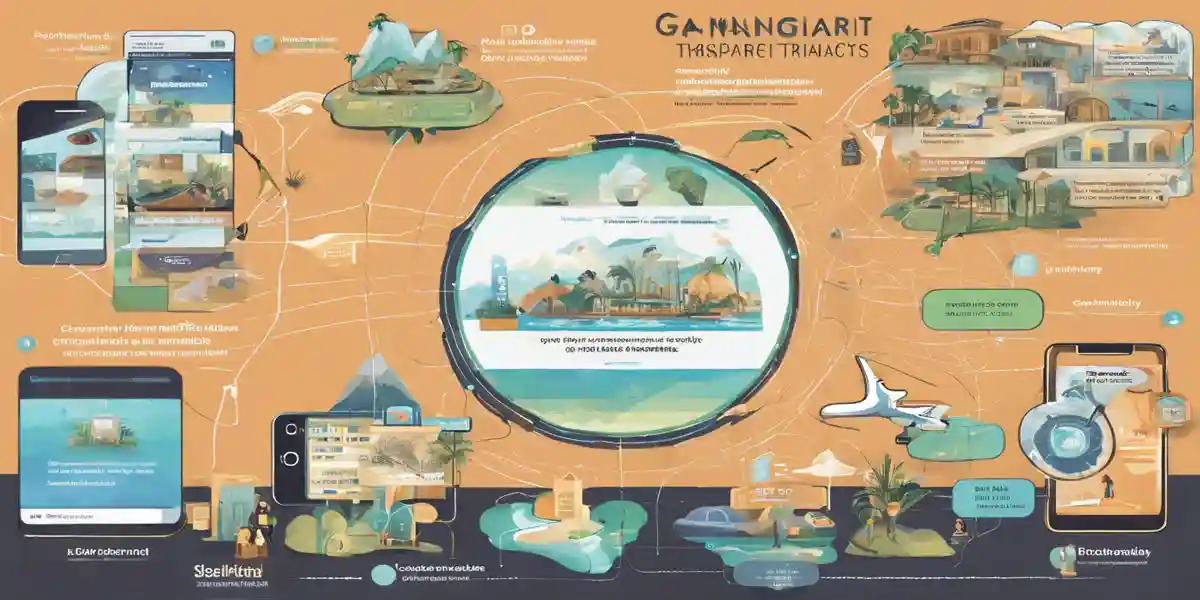
Smart contracts are self-executing contracts with the terms of the agreement directly written into lines of code. They run on blockchain technology, allowing for automated, transparent, and secure transactions between parties without the need for intermediaries. This innovation has the potential to revolutionize various industries, including tourism, by providing a reliable framework for executing agreements based on predetermined conditions.
Imagine booking a trip that promises to reward you for making eco-friendly choices. When you reserve a sustainable hotel or opt for a carbon-neutral transport option, a smart contract comes into play. This contract automatically verifies your actions against the agreed terms. If you meet the criteria—say, by showing proof of your booking or transportation choice—then the smart contract executes automatically, granting you Green Tokens as a reward.
For example, if you book a room at a hotel that is certified as environmentally friendly, the smart contract can instantly issue you a certain number of Green Tokens upon verification of your booking. This system eliminates ambiguity and builds trust; both you and the hotel know the criteria for earning tokens upfront, and there is no room for dispute or misunderstanding.
Several blockchain projects demonstrate how smart contracts can streamline processes and enhance trust in eco-tourism. For instance, consider the case of SolarCoin, a cryptocurrency designed to reward solar energy producers. In this model, smart contracts automatically issue tokens to users based on the amount of solar energy they generate, thereby promoting sustainable energy practices. This concept can be adapted to the tourism sector, where travelers earn tokens for low-impact choices.
Another example is WePower Token, which incentivizes renewable energy production through smart contracts that facilitate transactions between energy producers and consumers. In the context of eco-tourism, a similar mechanism could allow travelers to directly support local renewable energy projects by using their Green Tokens to pay for services or experiences that contribute to sustainability.
Despite their promise, the adoption of smart contracts in eco-tourism faces challenges. Issues like the need for scalable solutions, energy efficiency, and legal considerations regarding the enforceability of smart contracts need to be addressed. However, the potential for smart contracts to enhance transparency, traceability, and accountability in eco-tourism is significant. They can empower local communities by enabling decentralized decision-making and fostering collaboration among stakeholders.
As we move towards a more sustainable future, integrating smart contracts into the eco-tourism ecosystem could redefine the way we travel. By ensuring that sustainable choices are rewarded automatically, travelers will be encouraged to make decisions that benefit both themselves and the environment.

Smart contracts have the potential to revolutionize eco-tourism by fostering trust, transparency, and efficiency in transactions, paving the way for a more sustainable travel ecosystem.
Imagine booking a hotel that prides itself on sustainability—perhaps it utilizes solar energy or implements water conservation measures. With smart contracts, once you complete your stay, the hotel can automatically issue Green Tokens to your digital wallet based on verified eco-friendly actions, such as recycling during your stay or choosing a local organic meal. This system not only rewards sustainable choices but also eliminates the ambiguity of reward distribution. For instance, if a traveler books through a platform that tracks their sustainable actions, they can earn tokens seamlessly without additional steps.
Local businesses can benefit immensely from smart contracts by offering exclusive discounts to travelers with Green Tokens. Consider a traveler who explores a national park. By presenting their Green Tokens at a nearby café that partners with the park, they might receive a discount on eco-friendly meals. This creates an interconnected ecosystem where businesses thrive on sustainable tourism, and travelers are incentivized to make environmentally conscious decisions. Smart contracts can manage these transactions effortlessly, ensuring both parties uphold their end of the bargain.
Smart contracts can aggregate data on token issuance and redemption, providing invaluable insights into the effectiveness of eco-tourism initiatives. For example, a tourism board could implement a smart contract system to track the cumulative number of Green Tokens earned and spent within a region. This data can help assess the environmental impact of tourism activities, such as carbon offsetting initiatives. If a specific eco-tourism campaign results in a significant reduction in carbon emissions, stakeholders can leverage this information to promote further sustainable practices, thereby enhancing the region's appeal.
Tokenization through smart contracts also presents an avenue for funding eco-friendly infrastructure projects. By creating tradable tokens that represent contributions to these projects, communities can engage travelers in the funding process. For example, a local community might issue tokens to support the construction of eco-friendly public transportation. When travelers purchase these tokens, they not only contribute to sustainability but also receive benefits like discounted fares or exclusive access to certain attractions. This model creates a circular economy, where the contributions of travelers directly enhance the sustainability of their travel experience.
Smart contracts can enhance transparency in eco-tourism by ensuring that all transactions are recorded on a blockchain, making them immutable and auditable. This is particularly crucial for stakeholders concerned about the ethical implications of their travel choices. For example, if a traveler books a tour advertised as eco-friendly, a smart contract can verify that the tour operator adheres to sustainability practices. If the tour fails to meet these standards, the smart contract could automatically refund the traveler or offer alternative arrangements, thereby holding service providers accountable.
Blockchain technology, combined with smart contracts, empowers local communities by facilitating decentralized participation in decision-making processes related to tourism. Communities can use smart contracts to vote on tourism initiatives or projects, ensuring that local voices are heard and that sustainable practices align with community interests. For example, a community could propose a new eco-tourism program and use a smart contract to collect votes from residents, ensuring that the majority opinion drives the initiative forward. This enhances stakeholder engagement and fosters a sense of ownership among community members.

As we stand on the brink of a new era in tourism, the integration of tokenization and smart contracts presents an exciting opportunity to transform the travel landscape. The concept of Green Tokens, which rewards sustainable travel choices, not only encourages eco-conscious behavior among travelers but also fosters a community dedicated to protecting our planet.
Imagine a traveler booking a room at a sustainable hotel, opting for a carbon-neutral transportation option, and receiving digital Green Tokens as a reward. These tokens could serve as proof of environmentally friendly choices, redeemable for discounts on future eco-friendly experiences, such as guided nature tours or organic meals. The strength of this system lies in its transparency, secured by blockchain technology, which ensures that every transaction is recorded and verifiable.
Smart contracts eliminate ambiguity by automatically executing agreements based on predefined conditions. For instance, a traveler who uses a Green Token to access a local eco-tour would trigger a smart contract that allocates funds to local conservation efforts. This not only enhances trust among participants but also provides a clear, traceable mechanism for tracking the impact of eco-tourism on local ecosystems. According to recent research, such transparency and traceability are essential for promoting sustainable practices in tourism, as they empower local communities and ensure accountability among stakeholders.
Consider the case of SolarCoin, a digital token that incentivizes solar energy production. Similar systems can be applied to eco-tourism, where tokens represent the environmental impact of travel choices. For example, the WePower Token facilitates green energy investments, demonstrating how blockchain-enabled asset tokenization can promote sustainability. By adopting a similar model in the tourism sector, travel companies can create tradable tokens that embody non-financial values—like social and environmental impacts—encouraging travelers to make more responsible choices.
Despite the potential, challenges such as scalability, energy efficiency, and legal hurdles must be addressed for widespread adoption. The tourism industry can learn from the obstacles faced by blockchain technology overall, ensuring that policies are in place to nurture innovation while safeguarding the environment. The potential for collaboration among stakeholders—from local businesses to international travel agencies—could lead to a more inclusive and sustainable tourism model that benefits both travelers and communities alike.
As travelers, we have an opportunity to redefine our adventures, making every choice count—both for ourselves and the planet. Embracing tokenization and smart contracts in eco-tourism can shift the paradigm, transforming sustainable choices from mere obligations into rewarding experiences. By leveraging technology in this way, we can ensure that our travels contribute positively to the world around us, paving the way for a greener future.
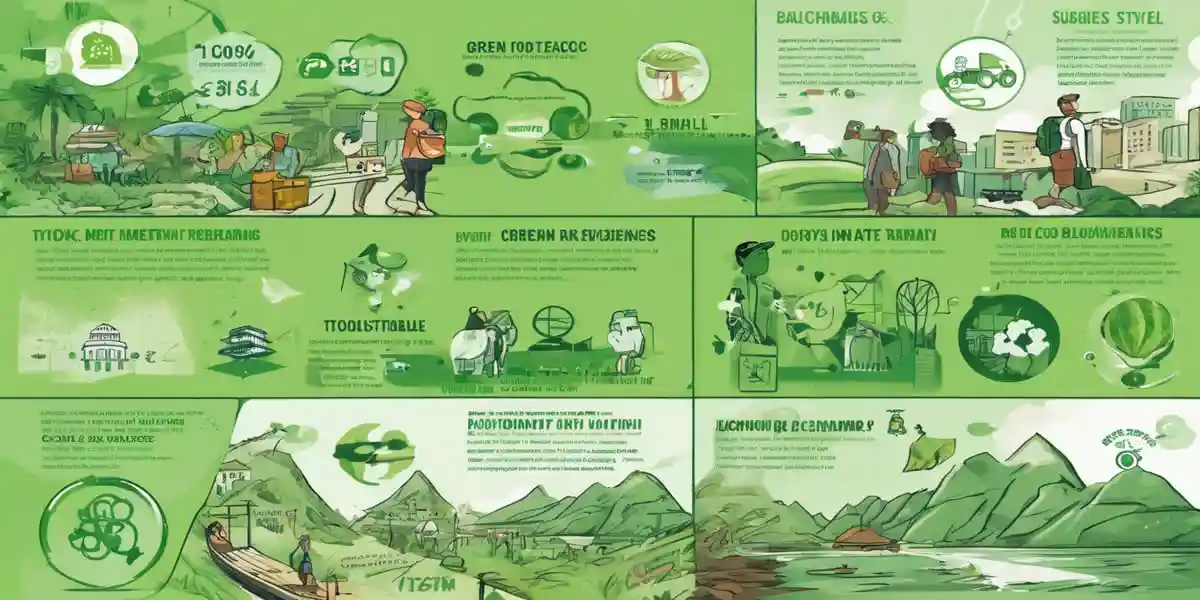
Imagine embarking on your next adventure, but this time, every decision you make while traveling has a tangible impact on the environment. Enter the concept of Green Tokens—digital tokens that represent eco-friendly choices in tourism. These tokens could be integrated with smart contracts on a blockchain, creating a transparent, secure, and incentivizing ecosystem for both travelers and service providers.
So how exactly do Green Tokens incentivize sustainable travel? Picture this: when you book a sustainable hotel or choose a carbon-neutral transportation option, you receive Green Tokens as a reward. This system not only encourages eco-friendly behaviors but also creates a direct financial incentive for travelers to make greener choices. These tokens can be used for discounts on future eco-friendly experiences, such as guided nature tours or organic dining options. By employing smart contracts, these rewards are automatically distributed based on verified actions, eliminating ambiguity and fostering trust among participants.
To understand the practical implications of Green Tokens, we can look at existing blockchain initiatives that exemplify similar concepts. For instance, SolarCoin rewards individuals and organizations that generate solar energy, creating a decentralized financial ecosystem that promotes sustainable energy practices. Similarly, WePower Token facilitates green energy trading, allowing users to invest in renewable energy projects directly. While these examples focus on energy, they illustrate the potential for tokenization to create incentives for sustainable behaviors across various sectors, including tourism.
Moreover, local businesses could participate in this ecosystem by offering exclusive deals to travelers who present their Green Tokens. This fosters a community that prioritizes sustainability, allowing local enterprises to thrive while encouraging responsible tourism. Imagine visiting a small town where your Green Tokens earn you discounts at locally-owned restaurants or eco-friendly shops. Not only does this build a loyal customer base for local businesses, but it also enhances the travel experience for visitors who wish to support the communities they engage with.
One of the most exciting aspects of a Green Token system is its ability to track the overall impact on local ecosystems and communities. Smart contracts can aggregate data on the number of tokens issued and redeemed, creating a clear picture of eco-tourism's benefits. This data can be invaluable for policymakers and organizations seeking to understand how sustainable practices affect community resilience and environmental health. By quantifying the positive impacts of eco-tourism, we can advocate for more sustainable practices and policies in the industry.
However, the implementation of Green Tokens is not without challenges. The need for scalable and energy-efficient blockchain solutions remains a critical hurdle. As highlighted in research, while blockchain has the potential to enhance transparency and accountability in the tourism sector, legal complexities and technological barriers must be addressed to fully realize its potential. Yet, the possibilities are vast. With continued innovation and collaboration among stakeholders, tokenization can revolutionize eco-tourism, making sustainable choices not just a moral obligation but a rewarding experience.
As travelers, wouldn’t you want to make every adventure count—both for yourself and the planet? By embracing tokenization, we can redefine what it means to explore our world responsibly.
As we stand on the brink of a new era in tourism, the integration of tokenization and smart contracts presents an exciting opportunity to transform the travel landscape. Throughout this blog, we have explored how eco-tourism is not just a trend but a necessity in our fight against climate change. The concept of Green Tokens, which rewards sustainable travel choices, not only encourages eco-conscious behavior among travelers but also fosters a community dedicated to protecting our planet.
Imagine a traveler booking a room at a sustainable hotel, opting for a carbon-neutral transportation option, and receiving digital Green Tokens as a reward. These tokens could serve as proof of environmentally friendly choices, redeemable for discounts on future eco-friendly experiences, such as guided nature tours or organic meals. The strength of this system lies in its transparency, secured by blockchain technology, which ensures that every transaction is recorded and verifiable.
Smart contracts eliminate ambiguity by automatically executing agreements based on predefined conditions. For instance, a traveler who uses a Green Token to access a local eco-tour would trigger a smart contract that allocates funds to local conservation efforts. This not only enhances trust among participants but also provides a clear, traceable mechanism for tracking the impact of eco-tourism on local ecosystems. According to recent research, such transparency and traceability are essential for promoting sustainable practices in tourism, as they empower local communities and ensure accountability among stakeholders.
Consider the case of SolarCoin, a digital token that incentivizes solar energy production. Similar systems can be applied to eco-tourism, where tokens represent the environmental impact of travel choices. For example, the WePower Token facilitates green energy investments, demonstrating how blockchain-enabled asset tokenization can promote sustainability. By adopting a similar model in the tourism sector, travel companies can create tradable tokens that embody non-financial values—like social and environmental impacts—encouraging travelers to make more responsible choices.
Despite the potential, challenges such as scalability, energy efficiency, and legal hurdles must be addressed for widespread adoption. The tourism industry can learn from the obstacles faced by blockchain technology overall, ensuring that policies are in place to nurture innovation while safeguarding the environment. The potential for collaboration among stakeholders—from local businesses to international travel agencies—could lead to a more inclusive and sustainable tourism model that benefits both travelers and communities alike.
As travelers, we have an opportunity to redefine our adventures, making every choice count—both for ourselves and the planet. Embracing tokenization and smart contracts in eco-tourism can shift the paradigm, transforming sustainable choices from mere obligations into rewarding experiences. By leveraging technology in this way, we can ensure that our travels contribute positively to the world around us, paving the way for a greener future.
So, as you plan your next adventure, ask yourself: how can you make your journey not just memorable, but also a catalyst for positive change? The future of green travel awaits, and it's in your hands to unlock it.

Get notified about new articles, coffee tips, and Web3 insights.
This site participates in affiliate programs and may earn a commission when a link is clicked and a purchase is made. The site is not responsible for any issues or troubles related to the products or services purchased through the use of this site.

DO&COFFEE loves coffee and technology, exploring the potential of NFTs and blockchain. Learn more →
DO&COFFEE loves coffee and technology, exploring the potential of NFTs and blockchain. Learn more →