technology
2024/08/25

As we stand on the brink of a digital revolution, the metaverse is not just a buzzword; it’s becoming an integral part of our daily lives. One of the most exciting developments within this virtual ecosystem is the rise of blockchain games, a phenomenon that is reshaping how we interact, earn, and build communities online. At the core of this transformation is the play-to-earn (P2E) model, which empowers players to convert their gaming experiences into real-world value. Imagine a world where every quest completed, every asset traded, and every social interaction holds financial significance. This shift not only elevates our gaming experience but also democratizes economic opportunities across the globe, particularly for those in developing regions where traditional employment may be scarce.
In this blog post, we will delve into the significant impact of blockchain games on our metaverse lifestyle. We'll explore how these games are creating new economic opportunities, fostering unique social interactions, and prompting us to rethink our relationships with both digital assets and communities. Furthermore, we'll consider the future implications of these changes—how they might redefine our identities and interactions in an increasingly interconnected world. Are you ready to unlock new realities and discover how blockchain gaming is not just altering our play but reshaping our lives?
As we navigate through the digital universe, the rise of blockchain games marks a pivotal shift in our understanding of entertainment and economic interaction within the metaverse. By introducing play-to-earn (P2E) models, these games are transforming mere recreational activities into lucrative ventures, fundamentally altering our lifestyles and economic landscapes.
Traditionally, the gaming industry has operated on a model where players invest significant time and resources into games, only to receive fleeting enjoyment in return. In contrast, blockchain games empower players to generate real-world value from their gaming experiences. Imagine a world where every quest completed, every digital asset traded, or every social interaction could lead to tangible economic benefits. This is the promise of P2E economies.
Take, for example, games like Axie Infinity and Decentraland. In Axie Infinity, players breed and battle creatures called Axies, earning cryptocurrency that can be exchanged for real money. This model not only incentivizes gameplay but also encourages a vibrant marketplace where players buy and sell Axies as valuable digital assets. Similarly, in Decentraland, users can purchase, develop, and trade virtual land using the Ethereum blockchain, creating a new type of real estate market within the metaverse.
The implications of P2E economies extend beyond individual players; they serve as a bridge across geographical and socio-economic divides. Players from diverse backgrounds can engage in global digital marketplaces, allowing for a democratization of wealth creation. This is especially impactful in developing regions where traditional job opportunities may be scarce. A study highlighted that players engaging in P2E games often cultivate skills such as financial literacy and digital entrepreneurship, skills that are increasingly sought after in the digital age.
At the core of blockchain games lies the technology that enables transparency and ownership. By utilizing blockchain, players can buy, sell, and trade unique digital assets, often represented as non-fungible tokens (NFTs). The value of these assets can fluctuate based on demand and rarity, creating a complex and dynamic in-game economy.
Research indicates that the engagement levels of players in P2E games are significantly influenced by various factors, primarily categorized into Gaming Experience, Financial Outcomes, and PTE Game Awareness. A study employing the Analytic Hierarchy Process (AHP) found that enhancing gaming experiences is crucial for maintaining player engagement and long-term sustainability of these games.
While the prospects of P2E gaming are enticing, it is essential to acknowledge the potential risks associated with this model. Issues such as predatory monetization practices, biased reward structures, and deflationary in-game currencies can create significant challenges for players. As the market evolves, the call for stronger consumer awareness is imperative to protect vulnerable players and promote more equitable business models.
Furthermore, the transition from centralized to decentralized governance in gaming is facilitating new economic models. The emergence of Decentralized Autonomous Organizations (DAOs) within this space allows for community-driven funding initiatives, changing how projects are financed and managed. By utilizing token sales to create DAO treasuries, these organizations are fostering a more democratic approach to investment and creative control, reshaping the landscape of funding in entertainment.
The rise of play-to-earn (P2E) economies is not just reshaping the gaming sector; it’s altering the very fabric of how we perceive work, value, and community in our daily lives. In this new digital frontier, blockchain gaming offers players the opportunity to engage in activities that yield real-world financial benefits, which in turn enhances their lifestyles in unprecedented ways.
At the core of P2E economies lies a well-structured ecosystem where players can earn tokens, NFTs, and other digital assets through gameplay. Unlike traditional gaming models where players pay to play but gain little in return, P2E games reward players for their time and effort. For instance, in games like Axie Infinity, players can breed, trade, and battle creatures called Axies, earning cryptocurrency that can be exchanged for fiat money. This shift from mere play to actual earnings encourages a deeper engagement with the game, making it a viable economic opportunity.
Consider the case of players in the Philippines who have turned to games like Axie Infinity as a primary source of income. During the pandemic, many found themselves out of work, and gaming became a means to earn a living. This has not only created financial independence for numerous households but has also fostered a sense of community as players collaborate and compete with others globally. Such instances highlight how blockchain gaming can transcend entertainment, becoming a critical economic lifeline in challenging times.
The democratization of wealth creation through blockchain gaming is particularly significant for players in developing countries. Traditional job opportunities may be scarce, but the accessibility of blockchain games enables individuals to participate in a global digital marketplace. They can engage in various roles—from players to traders—contributing to and benefiting from the economic activity generated within these virtual environments. This is evidenced by studies that show P2E games have established micro-economies where players from diverse backgrounds can thrive.
Blockchain games often require players to develop a range of skills that are applicable in the real world. Players must learn about market dynamics, trading strategies, and asset management as they navigate the economic intricacies of the game. Research suggests that these experiences enhance financial literacy, empowering players to make informed decisions not only in gaming but also in real-life financial matters. Such skills are particularly beneficial for individuals who may not have had access to formal financial education.
Despite the promising prospects of P2E economies, challenges remain. Issues such as predatory monetization practices, deflationary reward structures, and the bias towards early investors can threaten the sustainability of these gaming ecosystems. It is crucial for players to be aware of these potential pitfalls. Advocating for transparency and equitable business models is essential to protect vulnerable participants and ensure that the benefits of blockchain gaming are accessible to all players, regardless of their initial investment.
DAOs are emerging as a transformative force in the gaming industry, facilitating a more democratic approach to investment and creative control. By utilizing token sales to fund projects, DAOs allow players to invest directly in the games they enjoy, thereby aligning the interests of developers and participants. This model not only empowers players financially but also fosters a sense of ownership and community, further enhancing their lifestyle within the metaverse.
As we navigate this exciting landscape, it’s essential to reflect on how these new dynamics will shape our identities and relationships in the metaverse. How will we adapt to a world where play and work intertwine so seamlessly?
The advent of blockchain games and their play-to-earn (P2E) model has opened up a plethora of economic opportunities within the metaverse. These games not only provide entertainment but also serve as a new frontier for economic engagement, allowing players to convert their time and effort into real-world financial gains.
In traditional gaming, players often feel like they are pouring hours into a black hole, investing both time and money without any tangible return. However, blockchain games flip this narrative. Through P2E mechanics, players can earn cryptocurrency or unique digital assets, such as non-fungible tokens (NFTs), which can be traded or sold for real money. For instance, in games like Axie Infinity, players earn tokens by winning battles, completing quests, and breeding virtual creatures, all of which have real-world economic value.
At the core of P2E economies is the concept of ownership. Players have full control over their in-game assets, which can appreciate based on rarity and demand. This ownership model fosters a sense of investment and responsibility. Consider the example of Decentraland, where users can buy, sell, and develop virtual land parcels. The value of these parcels can skyrocket based on their location and the developments made on them, thus turning virtual real estate into a lucrative investment opportunity.
One of the most compelling aspects of P2E economies is their ability to bridge geographical and socio-economic divides. Players from developing countries, where job opportunities may be scarce, can participate in these global digital marketplaces. For example, in countries like the Philippines, many players have turned to Axie Infinity as a source of income, allowing them to earn more than traditional jobs. This democratization of wealth creation is not just a fleeting trend; it is a significant shift in how we perceive work and income.
Engaging in P2E games does not only create financial opportunities but also cultivates a range of skills that can have real-world benefits. Players learn about digital currencies, economic trends, and market dynamics. A study utilizing the Analytic Hierarchy Process (AHP) identified that gaming experience, financial outcomes, and awareness of P2E games are critical factors influencing player engagement. These skills are transferable, fostering financial literacy and digital entrepreneurship among players.
However, as with any burgeoning economic model, P2E games are not without challenges. Issues such as deflationary reward currencies and biased reward structures that favor early investors can undermine the sustainability of these economies. Transparency and equitable business models are essential to protect players and ensure fair economic participation. As highlighted in various studies, increasing consumer awareness of these risks is crucial for the long-term viability of P2E games.
Another exciting development in the economic landscape of the metaverse is the rise of Decentralized Autonomous Organizations (DAOs). By replacing traditional funding methods with token sales, DAOs enable new earning models like "invest to earn" and "play to earn." This shift not only empowers creators and gamers alike but also fosters a democratic approach to investment and creative control, promising to reshape funding and income generation in the entertainment sector.
In the metaverse, social interactions and community building are not just supplementary aspects of gaming; they are foundational elements that enhance the overall experience. Blockchain games facilitate vibrant communities where players connect, collaborate, and compete, fostering a sense of belonging that transcends geographical boundaries.
Blockchain games create unique social ecosystems where players engage with one another in meaningful ways. For instance, games like Axie Infinity and Decentraland have successfully built communities around shared interests and goals. These platforms allow players to join guilds, participate in community events, and collaborate on in-game objectives, thus enhancing their social experiences. In Axie Infinity, players often form alliances to tackle tougher challenges, share strategies, and trade resources, which not only bolsters engagement but also cultivates friendships.
DAOs play a crucial role in community governance within blockchain games. These decentralized entities allow players to have a say in game development, economic policies, and community initiatives. By voting on crucial decisions, players feel a sense of ownership and responsibility towards their gaming environment. For example, the game Yield Guild Games operates as a DAO, empowering its members to vote on which games to invest in and which strategies to pursue, reinforcing community bonds and collective investment in the game’s success.
Research underscores that gaming experience is a critical factor for player engagement in P2E games. One study identified that the social aspects of gaming—such as the ability to communicate, collaborate, and compete—significantly enhance player satisfaction and retention. The social interactions within these games often lead to friendships that extend beyond the digital realm, as players meet in real life or participate in online forums and social media groups. This interactivity mirrors traditional social networks, but with the added layer of economic incentive, as players can earn rewards for their engagement.
Blockchain games also democratize access to gaming communities. Players from diverse socio-economic backgrounds can join and contribute to these ecosystems, creating a rich tapestry of cultures and perspectives. This inclusivity is particularly impactful in developing countries, where players can leverage their involvement in P2E games to improve their economic situations. For instance, individuals in the Philippines have turned to Axie Infinity as a source of income, forming communities that support one another through shared knowledge and resources. Such examples underscore the transformative potential of blockchain games in bridging divides and fostering global connections.
While the social dynamics in blockchain games present numerous benefits, they are not without challenges. Issues such as predatory monetization practices and community exploitation can undermine trust and engagement. The blending of gaming and trading can lead to imbalances, where early investors reap disproportionate rewards, creating a divide within the community. As highlighted in various studies, fostering transparency and equitable business models is crucial in ensuring that communities thrive rather than suffer from exploitation.
Several blockchain games have successfully harnessed the power of community building to create impactful social initiatives. For example, Illuvium incorporates community feedback into its development roadmap, ensuring that player voices shape the game’s evolution. Similarly, CryptoKitties has organized charity events within its platform, allowing players to contribute to social causes while engaging in their favorite pastime.
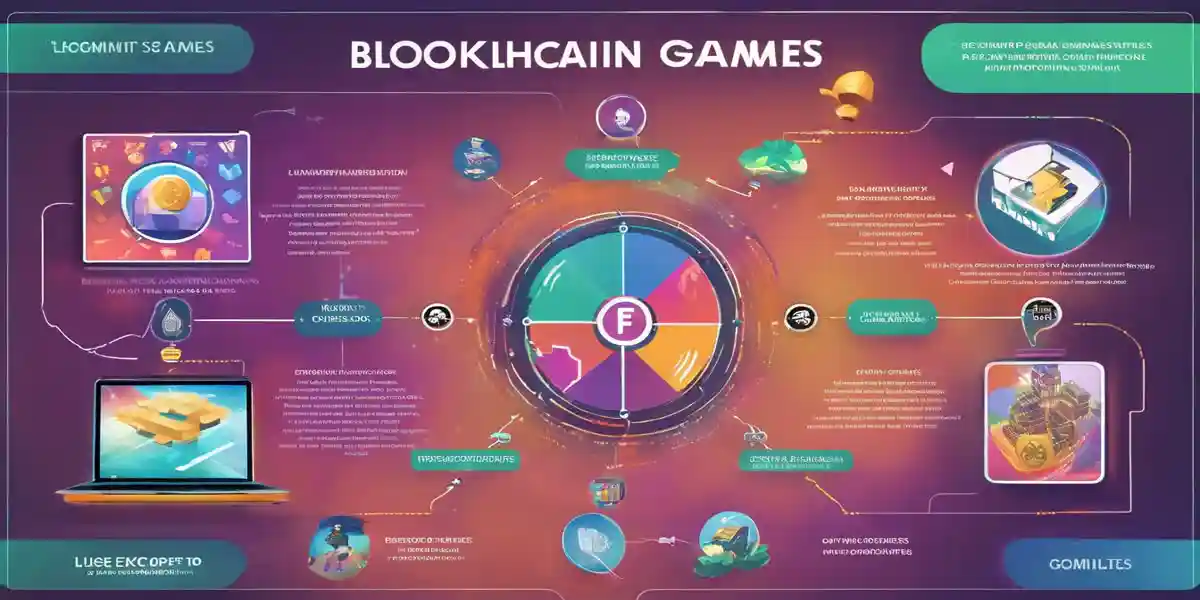
As we stand on the precipice of a new digital era, the implications of blockchain games and their play-to-earn (P2E) economies are profound. These innovations are not merely altering our entertainment landscape; they are reshaping our lifestyles, economic structures, and social interactions. So, what does the future hold for these virtual worlds and their players?
Blockchain games are redefining the traditional economic models we associate with gaming. Unlike conventional systems where players invest time and money for fleeting enjoyment, the P2E model allows players to earn tangible rewards for their efforts. For instance, in games like Axie Infinity, players can breed, battle, and trade their digital pets, earning cryptocurrency that can be converted to real money. This shift creates a new paradigm where gaming becomes a viable source of income, particularly for individuals in developing regions.
However, as exciting as this sounds, the P2E model also brings complexity. Research indicates that understanding in-game economic dynamics is crucial for player engagement. A study analyzing consumer decision-making in web3 games highlights various micro-economies and four distinct consumer roles, showing that players are not just participants but active contributors to these digital economies. This evolution urges developers to adapt their revenue strategies and ensure that the gaming experience is rewarding both in terms of entertainment and economic viability.
At the heart of blockchain games lies a unique sense of community and ownership. Players are no longer passive consumers; they are stakeholders in the virtual ecosystems they inhabit. This sense of ownership is amplified through Non-Fungible Tokens (NFTs), which allow players to buy, sell, and trade unique digital assets. For example, in Decentraland, users can purchase virtual land and develop it, creating a space that reflects their creativity and vision. Such ownership not only enhances player engagement but also builds a sense of responsibility towards the community.
Moreover, decentralized governance models, including Decentralized Autonomous Organizations (DAOs), are emerging as a means to democratize decision-making in these spaces. By allowing players to participate in governance through token voting, DAOs foster a more equitable distribution of power and resources, fundamentally altering the way communities interact and thrive within the metaverse.
The global nature of blockchain games presents an opportunity to bridge socio-economic divides. Players from various backgrounds can engage in a shared digital marketplace, transcending geographical limitations. This democratization of wealth creation is particularly significant in developing countries, where traditional job opportunities may be scarce. For instance, players in the Philippines have turned to games like Axie Infinity as a primary source of income, showcasing the potential for blockchain games to create economic opportunities where they are most needed.
However, the potential for exploitation exists, as highlighted in various studies examining P2E games. Issues like deflationary reward currencies and biased reward structures can disproportionately benefit early investors, potentially leaving newer players at a disadvantage. As the landscape evolves, it will be crucial for players to remain aware of these dynamics and advocate for more transparent and equitable business models.
For blockchain games to continue flourishing, developers must prioritize gaming experience. Research has identified that gaming experience is the most critical factor influencing player engagement in P2E games. This means creating immersive, enjoyable gameplay that keeps players coming back—after all, a game that is fun to play is more likely to sustain a loyal player base.
Furthermore, there is a growing need for robust mechanisms that ensure sustainability in these economies. This involves not only addressing the financial aspects but also considering the social and environmental impacts of these games. As blockchain technology evolves, integrating sustainable practices into game design will be essential in fostering a responsible and thriving virtual ecosystem.
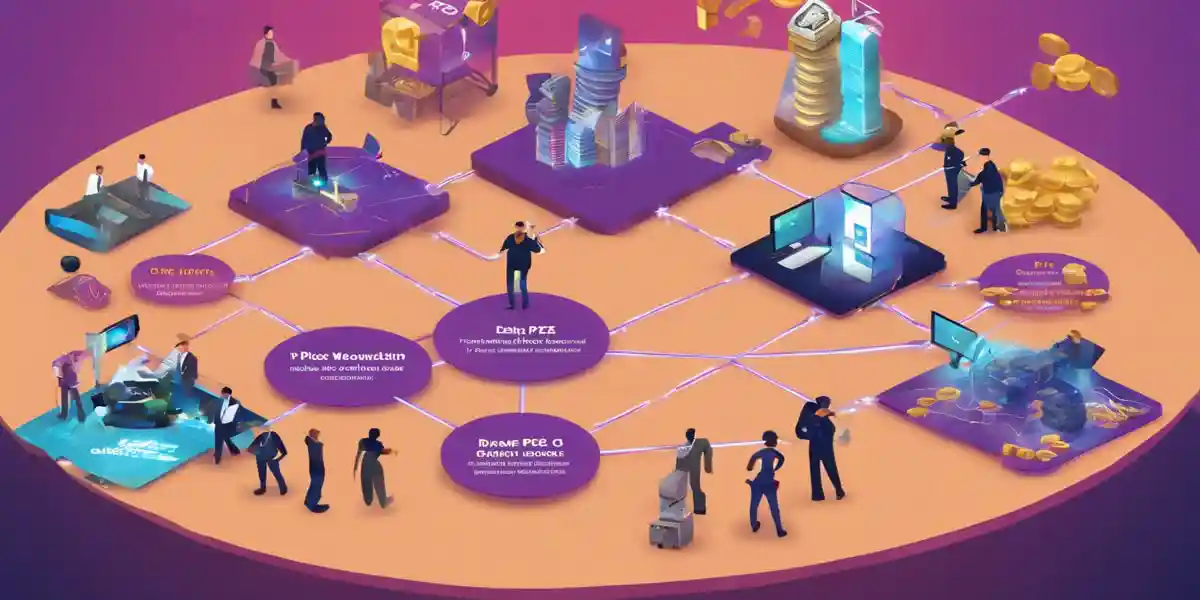
In the dynamic ecosystem of the metaverse, blockchain games are not merely for entertainment; they are fundamentally transforming our economic interactions and lifestyles. Central to this transformation is the play-to-earn (P2E) economy, where players can convert their time and effort into real-world value.
Imagine immersing yourself in a vibrant virtual world. Each quest you complete, each asset you trade, and even your social interactions have measurable financial implications. Traditional gaming often leaves players feeling like they’ve invested time without tangible rewards. In contrast, blockchain games allow players to earn cryptocurrency or unique digital assets, such as non-fungible tokens (NFTs), which can appreciate based on their rarity and demand. This shift redefines ownership and investment in the virtual realm, creating a marketplace where players can buy, sell, and trade, effectively enabling them to cultivate new economic livelihoods.
One of the most profound impacts of P2E economies is their ability to bridge geographical and socio-economic divides. Players from diverse backgrounds can engage in a global digital marketplace, where the barriers to entry are lower compared to traditional job markets. This democratization is particularly crucial in developing countries, where conventional employment opportunities may be scarce. For instance, players in the Philippines have capitalized on games like Axie Infinity, where they earn through gameplay, significantly augmenting their household income.
As players immerse themselves in these virtual economies, they not only earn but also develop essential skills such as financial literacy and digital entrepreneurship. These skills are increasingly relevant in our digitized world, where understanding online transactions and digital assets can lead to better economic opportunities.
Recent research has delved into the intricacies of player motivations within P2E environments. A study employing the Analytic Hierarchy Process (AHP) identified twelve key factors influencing player engagement, categorized into three primary elements: Gaming Experience, Financial Outcomes, and PTE Game Awareness. Notably, the Gaming Experience emerged as the most crucial factor, emphasizing the importance for developers to create immersive and enjoyable gameplay that sustains player interest over time.
The interplay of these factors illustrates a shift in consumer decision-making, where players are increasingly discerning about the games they choose to engage with. This behavior challenges conventional notions of rational decision-making in gaming, particularly in the context of cryptocurrency-based environments.
While the P2E model presents remarkable opportunities, it is not without its challenges. Issues such as predatory monetization practices and the blending of gaming and trading raise concerns about the sustainability of these economies. For instance, players may encounter deflationary reward structures that disproportionately benefit early investors, potentially leaving newcomers at a disadvantage. Furthermore, the lack of comprehensive consumer protections can result in vulnerabilities for players who may not fully understand the economic dynamics at play.
To address these challenges, the gaming community and developers must advocate for more transparent and equitable business models. This includes fostering consumer awareness and encouraging sustainable gaming practices that prioritize player welfare and long-term engagement.
Another layer to this evolving landscape is the emergence of Decentralized Autonomous Organizations (DAOs) in gaming. By leveraging crowdfunding models, DAOs offer a fresh alternative to traditional funding mechanisms, enabling new earning models like "invest to earn" alongside "play to earn." These frameworks not only democratize investment but also enhance creative control within the gaming industry. As DAOs gain traction, they promise to reshape the funding and income generation landscape, fostering a more inclusive environment for both creators and players.
As we navigate the potential of blockchain games and P2E economies, one must ponder: How will these evolving dynamics shape our identities and relationships within the metaverse?
In this exploration of blockchain games and their transformative impact on our lifestyles within the metaverse, we've uncovered a multitude of dimensions that these digital realms offer. From the revolutionary play-to-earn (P2E) model reshaping economic structures to the vibrant communities fostering social interactions, it's clear that blockchain gaming is not just a passing trend—it's a fundamental shift in how we engage with entertainment and economy.
We discussed how P2E economies create tangible financial opportunities for players, especially in developing regions, democratizing wealth creation and enabling individuals to turn their gaming experiences into viable sources of income. This newfound economic agency is paired with the potential for skill development, enhancing financial literacy and digital entrepreneurship among players. As we witnessed, the intersection of gaming and real-world value is not merely a theoretical concept; it is a reality for many who have found financial independence through games like Axie Infinity.
Moreover, the role of community cannot be overstated. Blockchain games create social ecosystems where players collaborate, compete, and build meaningful relationships, transcending geographical boundaries and fostering inclusivity. Yet, with these opportunities come challenges—issues such as predatory monetization and the risks associated with volatile in-game economies highlight the need for greater consumer awareness and advocacy for fair practices.
As we look to the future, the emergence of Decentralized Autonomous Organizations (DAOs) promises to further empower players, allowing them to participate in governance and investment decisions that shape their gaming experiences. This shift toward community-driven initiatives is not just about gaming; it reflects a broader desire for agency and ownership in digital spaces.
As you step away from this discussion, consider this: How will you engage with these new realities? Will you merely be a player in the game, or will you take an active role in shaping the future of blockchain gaming and its impact on our society? The metaverse is evolving, and so should our understanding of work, value, and community in this digital frontier. Embrace the possibilities, challenge the status quo, and become an integral part of this transformative journey.

Get notified about new articles, coffee tips, and Web3 insights.
This site participates in affiliate programs and may earn a commission when a link is clicked and a purchase is made. The site is not responsible for any issues or troubles related to the products or services purchased through the use of this site.

DO&COFFEE loves coffee and technology, exploring the potential of NFTs and blockchain. Learn more →
DO&COFFEE loves coffee and technology, exploring the potential of NFTs and blockchain. Learn more →