wellness
2025/03/14
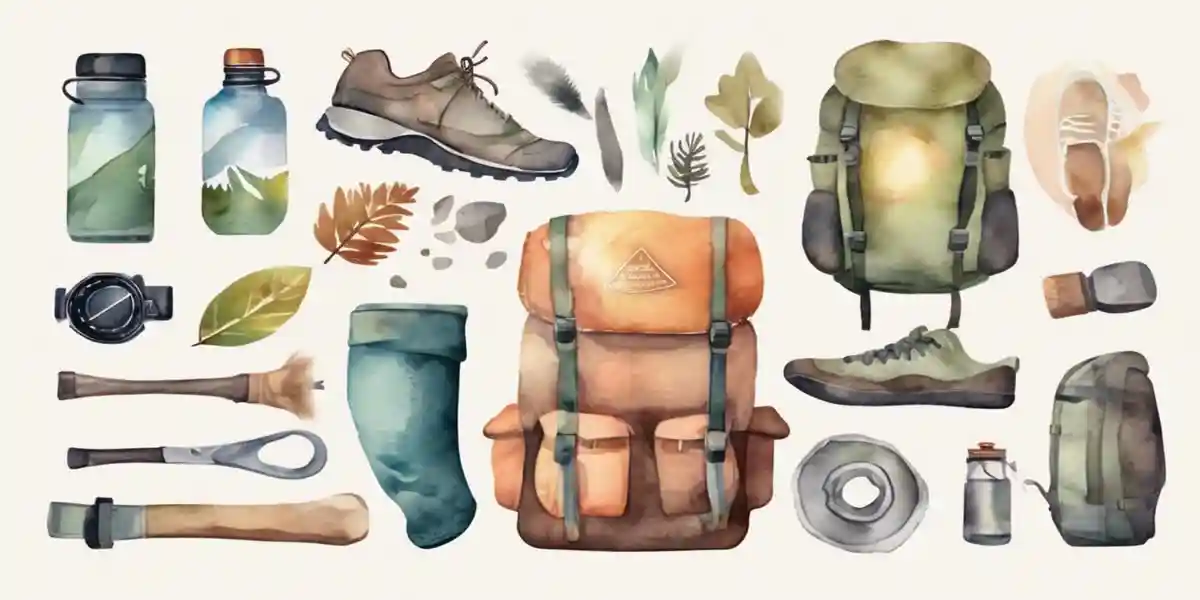
When you think about hiking, what comes to mind? The stunning vistas, the sound of leaves crunching beneath your feet, or perhaps the thrill of stepping into the unknown? Yet, while the beauty of nature calls to us, the key to an unforgettable hiking adventure lies in the gear we choose to bring along. In this blog post, we’ll explore the ten essential items that you must have for your hiking trips, ensuring that you are well-prepared to tackle the trails ahead. From sturdy footwear that supports your every step to hydration systems that keep you refreshed, each piece of gear plays a pivotal role in your overall experience.
But it doesn't stop there; mental preparation is equally crucial. Understanding the need for resilience and adaptability in the face of nature's unpredictability can transform a simple hike into a journey of self-discovery. So, whether you’re a seasoned hiker or just starting out, join us as we not only highlight the must-have equipment but also invite you to reflect on your mindset and how it can enhance your outdoor adventures. After all, the best hikes are not solely about reaching the summit but about the enriching experiences we gather along the way.

Hiking is more than just a physical activity; it’s an immersive experience that engages the mind, body, and spirit. As you step onto the trail, you enter a world where the rhythms of nature take center stage, inviting you to leave behind the noise of daily life. But before you embark on this journey, it’s crucial to understand the deeper significance of hiking and the mental preparation that complements your physical gear.
At its core, hiking offers a unique opportunity to connect with nature. Whether you’re traversing a rugged mountain path or wandering through a serene forest, each step allows you to engage with the environment in a way that is often lost in the hustle of urban living. The fresh air fills your lungs, the sounds of nature soothe your mind, and the sights of breathtaking landscapes awaken your senses. This connection can lead to profound mental benefits, as research indicates that encounters with nature foster psychological well-being.
As you prepare for your hiking adventure, consider this: Are you mentally equipped for the challenges that lie ahead? Mental preparation is not just an afterthought—it’s a fundamental aspect that can significantly enhance your hiking experience. Studies have shown that embracing mindfulness and setting realistic expectations can help hikers navigate the unpredictability of the outdoors, whether it’s dealing with steep climbs, sudden weather changes, or unexpected wildlife encounters.
Imagine stepping onto the trail with a clear mind, ready to embrace every moment—whether it’s the exhilaration of reaching a summit or the challenge of maneuvering a tricky path. Techniques such as visualization, mindfulness exercises, and positive affirmations can help cultivate resilience. For instance, visualization can prepare you mentally for the journey ahead by allowing you to envision both the beauty and the challenges you may face. Mindfulness practices, such as focusing on your breath and being present in the moment, can help you stay centered during difficult stretches.
Encounters with nature have been shown to promote mental health across various psychological frameworks. From evolutionary theories that highlight our innate connection to the natural world to cognitive approaches that focus on mindfulness, the consensus is clear: spending time in nature is beneficial. Research suggests that higher levels of connectedness to nature correlate with increased mindfulness and engagement in outdoor activities, ultimately leading to improved psychological well-being. This underscores the importance of not just physical preparation, but also nurturing a connection to the natural environment as part of your hiking journey.
As you lace up your hiking boots, remember that the best hikes are not solely about reaching the destination. They are about the journey—both in nature and within ourselves. By combining physical essentials with mental readiness, you open yourself up to a more enriching experience. So, what mental tools will you bring along on your next hiking trip? The answers to this question may just transform your adventure into a memorable chapter of self-discovery.
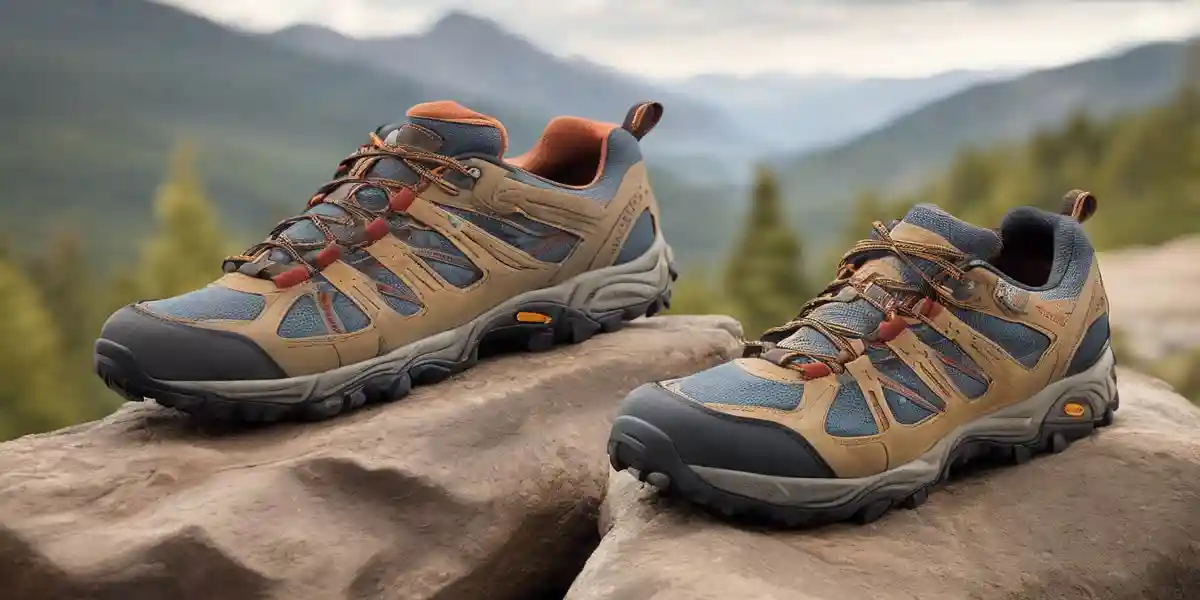
When it comes to hiking, the importance of quality footwear cannot be overstated. Your feet are your primary mode of transportation on the trail, and the right shoes or boots serve as the foundation of your hiking experience. Imagine setting out on a trail with the wrong footwear; discomfort and fatigue can quickly overshadow the beauty of your surroundings. So, what should you be looking for when choosing the right footwear for your adventures?
First, let’s break down the various types of hiking footwear available. Each category serves a different purpose and caters to different terrains:
Now that you know the types of footwear available, let’s delve into the features that can make or break your hiking experience:
Consider the experience of seasoned hiker and outdoor enthusiast Sarah, who recently embarked on a 50-mile trek through the Rocky Mountains. She chose a mid-cut waterproof boot, which provided the support she needed on rocky inclines and kept her feet dry during unexpected rain showers. Without this thoughtful choice in footwear, she might have faced blisters and discomfort, ultimately detracting from the beauty of her journey.
On the other hand, a novice hiker named Jake opted for a pair of casual sneakers on his first hiking trip. While his intentions were good, the lack of ankle support led to a painful experience as he navigated through uneven terrain. His story serves as a reminder: the right footwear can enhance your adventure, while the wrong choice can turn it into a struggle.
Once you've selected the perfect pair, don’t forget the importance of breaking them in. New footwear can be stiff and may cause blisters if worn straight out of the box on a long hike. Start with short walks or light hikes to allow the material to conform to your feet before embarking on longer adventures.
So, as you prepare for your next hiking trip, remember that the right footwear is more than just a practical choice; it’s an investment in your comfort and safety on the trail. Will your footwear support you in embracing the challenges and joys that await in the great outdoors?
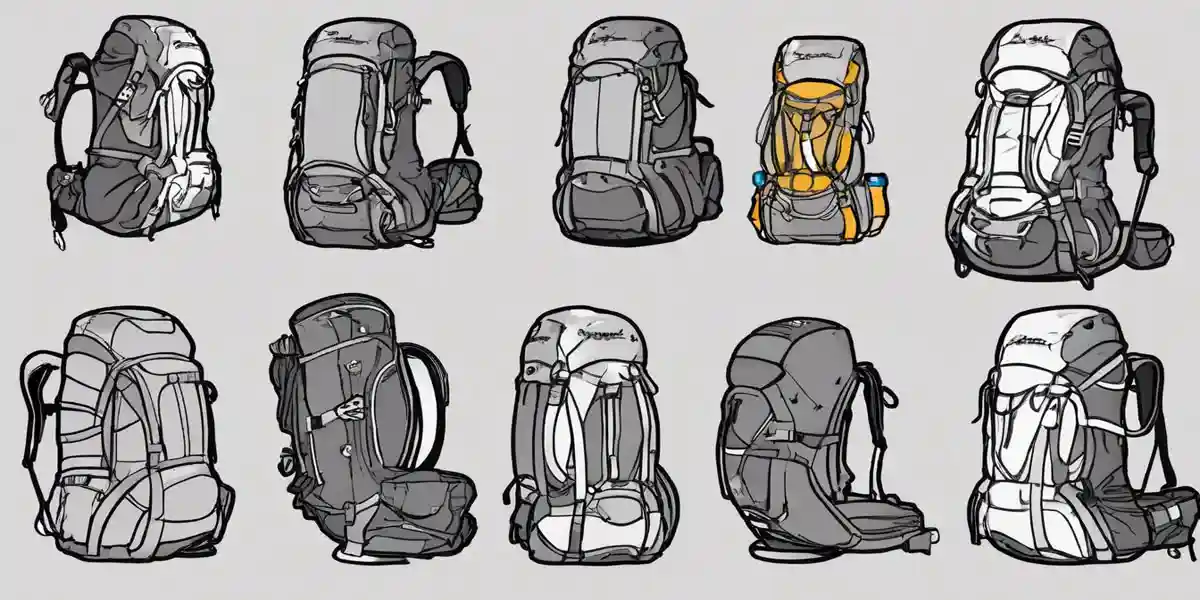
When it comes to hiking, the backpack you choose can make or break your adventure. It’s not just a bag; it’s your lifeline to all your essentials on the trail. The right backpack can enhance your comfort, optimize your load, and even improve your overall experience. But how do you select the best one for your needs? Let’s dive deeper into the world of hiking backpacks and explore what makes them indispensable.
One of the first decisions you’ll need to make is the size of your backpack. Generally, backpacks are categorized by their volume, measured in liters. For day hikes, a pack ranging from 20 to 30 liters is usually sufficient, allowing enough space for water, snacks, and a few extra layers. For multi-day treks, you might consider a larger capacity, typically between 50 to 70 liters, which allows room for camping gear and food supplies.
Consider this: are you planning to hike for a couple of hours, or are you setting off for a weekend adventure? Knowing your itinerary will help you select a size that matches your needs without being unwieldy. For example, a 25-liter daypack is perfect for a quick trip up to a local peak, while a 65-liter pack is more suited for a three-day trek through the wilderness.
Not all backpacks are created equal when it comes to comfort. An ergonomic design can significantly reduce the strain on your back and shoulders, enhancing your overall hiking experience. Look for backpacks with padded shoulder straps, a hip belt to help distribute weight, and a back panel that promotes airflow, keeping you cool during strenuous climbs.
For instance, many brands now incorporate adjustable torso lengths, allowing you to fit the pack to your body size. This feature can help prevent discomfort and chafing, which can quickly turn an enjoyable hike into a painful ordeal. It’s worth trying on several models before you commit to one—after all, you wouldn’t want to be halfway up a mountain only to realize your pack is digging into your shoulders.
The materials used in your backpack can greatly impact its weight, durability, and weather resistance. Most hiking backpacks are made from nylon or polyester, both of which are lightweight and durable. However, pay attention to the denier (a unit of measurement for fabric density); higher denier numbers often indicate more robust materials. For example, a 1000D nylon pack will stand up to rough terrain better than a 500D version.
Additionally, consider whether your backpack is waterproof or has a water-resistant coating. If you find yourself caught in an unexpected downpour, having a pack that can withstand moisture can save your gear and keep your essentials dry. For example, brands like Osprey and Deuter offer models with built-in rain covers, an essential feature for unpredictable weather.
A well-organized backpack can save you time and frustration during your hike. Look for backpacks that offer multiple compartments and pockets, allowing quick access to snacks, your map, or first aid supplies without having to rummage through everything else. Some packs even have hydration reservoirs or side pockets designed specifically for water bottles, which can be invaluable for staying hydrated on the go.
Think about what you typically carry on your hikes. Do you often need quick access to your camera? A pack with a front pocket or a dedicated camera compartment might be beneficial. Similarly, if you prefer to keep your electronics charged, consider a backpack with an external USB charging port — these little conveniences can make a world of difference when you’re out in nature.
Before you head out on your big adventure, it’s crucial to test your backpack. Load it up with your gear and take it on a short hike. How does it feel? Are the straps comfortable? Is the weight distribution balanced? This trial run can help you avoid any surprises when you’re miles from home.
Remember, the right backpack isn’t just about aesthetics; it’s about functionality and comfort. Investing time in choosing a pack that fits your needs can transform your hiking experience from a mere physical challenge to an exhilarating adventure.
As we wrap up our exploration of the essential gear for unforgettable hiking adventures, it's clear that preparation is key to making the most of your time in the great outdoors. From the foundation of your journey—your footwear—to the lifeline of your adventure—the backpack—each piece of gear plays a crucial role in not just enhancing your experience but also ensuring your safety and comfort.
We’ve discussed how selecting the right footwear sets the stage for a successful hike, how a well-fitted backpack can ease your burden, and the importance of various other essentials like clothing, navigation tools, and emergency gear. Each element contributes to the overall experience, allowing you to focus on the beauty of nature and the joy of exploration rather than on discomfort or uncertainty. Imagine stepping onto that trail equipped with everything you need, ready to embrace both the challenges and the wonders that await you.
As you prepare for your next hiking excursion, take a moment to reflect on what gear resonates most with your personal style and the nature of your adventures. Consider the mental readiness you bring to the trail, as it complements your physical preparations. Are you ready to embrace the unpredictability of nature? What lessons will you take from each trek, not just about the landscapes you explore, but about yourself?
So, lace up those boots, pack your essentials, and step into the wild with a heart full of anticipation. Each hiking trip is not merely a journey through the wilderness but a pathway into self-discovery. The adventure awaits—what will your next chapter in the great outdoors reveal?

Get notified about new articles, coffee tips, and Web3 insights.
This site participates in affiliate programs and may earn a commission when a link is clicked and a purchase is made. The site is not responsible for any issues or troubles related to the products or services purchased through the use of this site.

DO&COFFEE loves coffee and technology, exploring the potential of NFTs and blockchain. Learn more →
DO&COFFEE loves coffee and technology, exploring the potential of NFTs and blockchain. Learn more →