technology
2025/03/14

This article contains affiliate links. We may earn a small commission at no extra cost to you. Learn more
In a world where financial transactions often feel bogged down by layers of bureaucracy and hidden fees, the emergence of Web3 technology offers a breath of fresh air. Imagine a scenario where a migrant worker in the United States can send hard-earned money to their family in the Philippines with just a few taps on their smartphone—no exorbitant banking fees, no long waits, just pure ease and accessibility. This is not merely a vision; it is becoming a reality through the revolutionary concept of decentralized remittance platforms that harness the power of blockchain technology.
This blog post delves into the transformative impact of remittance money transfers on Web3 development, examining how these innovations empower developers and democratize financial access for unbanked populations worldwide. We’ll explore how smart contracts can streamline the remittance process, ensuring that transactions are not only faster but also more secure and transparent. Furthermore, we’ll discuss the broader implications of integrating these solutions into the global economy, particularly how they can uplift those who have traditionally been excluded from financial systems.
As we navigate through the potential future of these decentralized platforms, we invite you to consider the profound societal impact they can have. Are we on the brink of a financial revolution that could redefine how we think about money transfers? Join us as we uncover the layers of this exciting intersection between remittances and Web3, and discover how developers can seize this unique opportunity to foster innovation and inclusion.
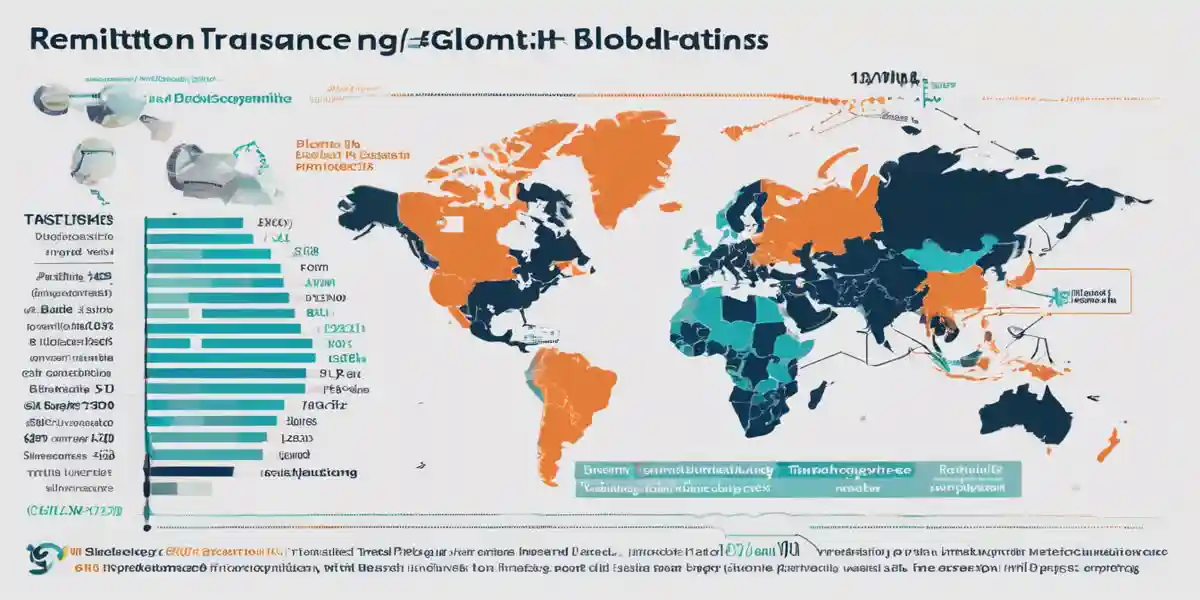
Remittance money transfers have emerged as a crucial aspect of the global economy, serving as a lifeline for millions of individuals and families worldwide. This section explores the mechanics of remittance transfers, their significance, and the transformative potential they hold within the context of Web3 development.
At its core, a remittance refers to a transfer of money, often by a foreign worker or migrant, back to their home country. According to the World Bank, global remittances reached over $700 billion in 2020, highlighting their importance for both senders and recipients. This financial flow not only supports families but also contributes significantly to the economies of developing nations. For instance, in countries like the Philippines and Mexico, remittances account for a substantial percentage of the GDP, underscoring their economic impact.
While remittance services have historically provided essential support, they are often marred by high fees and lengthy transfer times. Traditional banking systems and money transfer operators, like Western Union and MoneyGram, typically charge between 5% to 10% of the transfer amount, with additional delays due to banking hours and compliance checks. For instance, a migrant worker sending $100 home may see only $90 reach their family after fees, which can be devastating for low-income families that rely on these funds for daily survival.
Blockchain technology presents a promising solution to these challenges. By utilizing decentralized networks, remittance transfers can become faster, cheaper, and more secure. For example, cryptocurrencies such as Bitcoin and stablecoins can facilitate near-instantaneous transactions with far lower fees. El Salvador's 2021 adoption of Bitcoin as legal tender exemplifies this potential, demonstrating how cryptocurrencies can streamline remittance processes and provide accessibility for the unbanked population.
Web3 developers are uniquely positioned to innovate in the remittance space by leveraging smart contracts and decentralized applications (dApps). Smart contracts automate the transfer process, ensuring that funds are sent and received without the need for intermediaries. For example, a decentralized remittance platform could utilize a stablecoin like USDC to minimize volatility, ensuring that the sender knows exactly how much their recipient will receive, regardless of market fluctuations. This level of transparency builds trust between users, as both senders and receivers can track their transactions on the blockchain in real-time.
Perhaps the most revolutionary aspect of remittance money transfers in a Web3 context is their potential to empower the unbanked. According to a study by the Global Findex Database, approximately 1.4 billion adults globally lack access to basic banking services. Decentralized remittance platforms can bridge this gap by providing accessible financial services to those without traditional bank accounts. Mobile money solutions, as demonstrated in Kenya with M-Pesa, have already shown how technology can facilitate financial inclusion and economic participation for marginalized groups.
Several innovative projects are already paving the way for decentralized remittance solutions. For instance, platforms like Stellar and Ripple are focusing on reducing transaction costs and improving transfer speeds through blockchain technology. These platforms allow users to send money across borders with minimal fees and near-instant transaction times, transforming how remittances are processed. Furthermore, the integration of decentralized finance (DeFi) features within these platforms could offer users access to financial services like savings, loans, and investment opportunities, enhancing their overall economic prospects.
The convergence of remittance transfers and Web3 technology is not just a fleeting trend; it signifies a monumental shift in how financial systems can operate globally. This section explores the profound implications of remittance transfers on Web3 development, highlighting how this fusion can catalyze innovation and drive financial inclusion.
Traditionally, sending money across borders has been fraught with high fees, lengthy processing times, and bureaucratic hurdles. Remittance transfers, often reliant on legacy banking systems, can cost as much as 7% of the total amount sent, according to the World Bank. However, Web3 technologies, particularly blockchain, introduce a paradigm where these costs can be minimized to fractions of a percent. For instance, platforms like Stellar and Ripple have already begun to demonstrate how blockchain can facilitate near-instantaneous transactions at a fraction of the cost.
Imagine a scenario where a migrant worker in the United States can send remittances back home to the Philippines not just quickly, but securely and transparently. Web3 developers can utilize smart contracts to automate these transactions. Smart contracts can execute predefined conditions, ensuring that once money is received, it is instantly available to the recipient without any intermediary involvement. This reduces the risk of fraud and increases efficiency, as both parties can verify the transaction in real-time on the blockchain.
One of the most significant impacts of remittance transfers in Web3 is their potential to enhance financial inclusion. Approximately 1.4 billion people remain unbanked globally. In many developing countries, the lack of access to banking infrastructure has made traditional remittance methods inaccessible. Web3 platforms can bridge this gap. For example, in regions like Kenya, mobile money services such as M-Pesa have revolutionized financial transactions. By incorporating blockchain technology into such services, developers can create decentralized applications that allow users to send and receive money easily, even without a bank account. This democratizes access to financial resources and can significantly uplift livelihoods.
El Salvador provides a compelling case study showcasing the intersection of remittance transfers and Web3. In 2021, the country became the first to adopt Bitcoin as legal tender, promoting its use for remittances. This groundbreaking decision aimed at reducing the costs associated with remittance transfers, particularly for those relying on international money transfers. The implementation of a Bitcoin wallet, Chivo, allows Salvadorans to send and receive remittances without incurring the hefty fees charged by traditional services. This shift not only has the potential to boost local economies but also inspires other nations to explore similar integrations of cryptocurrency into their remittance frameworks.
Despite the promising potential of integrating remittance transfers with Web3 technology, challenges remain, particularly in regulation. Many countries are still hesitant to fully embrace cryptocurrencies, fearing issues related to money laundering, fraud, and market volatility. Developers must navigate these regulatory landscapes to build compliant, user-friendly applications that can thrive in the current environment. This presents an opportunity for innovation in creating platforms that not only offer seamless remittance solutions but also adhere to local laws and regulations.
As Web3 continues to evolve, the impact of remittance transfers will only grow. Developers are positioned at the forefront of this revolution, with the ability to create solutions that are not only technologically advanced but also socially responsible. By focusing on building decentralized remittance platforms that prioritize accessibility and transparency, Web3 developers can play a vital role in transforming the global financial landscape.

This section explores the transformative potential of decentralized remittance solutions, highlighting how Web3 developers can leverage these innovations to create a more inclusive financial landscape.
The future of remittance solutions lies in the hands of Web3 developers who are poised to create decentralized platforms that fundamentally change how money is transferred across borders. Imagine a remittance service that operates on a decentralized network, where users can send funds directly to one another without the need for intermediaries. This not only reduces transaction fees significantly but also increases the speed of transactions. In traditional systems, remittances can take days to process, especially when involving multiple banks or currency exchanges. In contrast, a decentralized platform could facilitate immediate transfers, making it easier for families to access funds when they need them most.
At the heart of these decentralized remittance platforms are smart contracts. These self-executing contracts with the terms of the agreement directly written into code can automate the remittance process. For instance, a developer could create a dApp where a migrant worker sends money home in stablecoins, ensuring that the value remains consistent despite market volatility. The smart contract could be programmed to release funds to the recipient once certain predetermined conditions are met, such as confirming the recipient's identity or the completion of a service. This automation not only saves time but also minimizes the risk of human error and fraud, enhancing the overall reliability of the system.
One of the most compelling aspects of decentralized remittance solutions is their potential to empower unbanked populations. As noted in recent studies, approximately 1.4 billion people globally lack access to traditional banking services. By utilizing blockchain technology, developers can create user-friendly interfaces that allow individuals without bank accounts to send and receive money using only a smartphone and internet connection. This is particularly crucial in developing countries where traditional banking infrastructure is often lacking. For example, take the case of Kenya's M-Pesa, which revolutionized mobile payments and financial inclusion. A similar approach in the remittance space, powered by Web3 technologies, could have profound implications for financial access.
Despite the promising outlook for decentralized remittance solutions, developers must navigate a complex regulatory landscape. The experience of El Salvador, which adopted Bitcoin as legal tender, illustrates both the potential and pitfalls of integrating cryptocurrencies into everyday transactions. Developers must work closely with regulators to ensure compliance while advocating for frameworks that support innovation in the remittance space. This means developing solutions that not only comply with existing laws but also anticipate future regulatory changes, allowing them to adapt as the landscape evolves.
Several projects are already paving the way for future developments in this arena. For example, Stellar, a blockchain-based platform, has partnered with various financial institutions to facilitate low-cost remittances across borders. By utilizing their technology, developers can draw inspiration from these successful models while also identifying areas for improvement. Additionally, platforms like Ripple have shown how blockchain can streamline cross-border payments, reducing costs and transaction times significantly. These case studies serve as valuable lessons for Web3 developers looking to innovate in the remittance landscape.
As the decentralized finance (DeFi) movement continues to gain traction, remittance solutions can integrate additional features that enhance user experience. For instance, users could potentially earn interest on their holdings or access lending options through decentralized applications. These features could empower individuals to not only send money but also build savings or invest in opportunities that were previously out of reach. Imagine a scenario where a migrant worker can send money home and simultaneously invest in a small business, fostering economic development in their community.
In conclusion, the convergence of remittance money transfers and Web3 technology represents a transformative opportunity for financial systems worldwide. As we've explored, remittances are not just a lifeline for millions of families; they are also a critical component of the global economy, with over $700 billion flowing across borders annually. However, traditional systems have often hindered these transactions through high fees and slow processing times, leaving many unserved or underserved.
By leveraging blockchain technology, Web3 developers can address these longstanding challenges, creating decentralized platforms that enable faster, cheaper, and more secure remittance solutions. These innovations not only redefine cross-border transactions but also empower the unbanked, allowing them to participate in the global economy in ways previously unimaginable. Real-world examples, such as El Salvador's adoption of Bitcoin as legal tender and the success of platforms like Stellar and Ripple, demonstrate the potential of this new paradigm.
As we look to the future, it's crucial for developers to navigate the regulatory landscape wisely, ensuring compliance while advocating for frameworks that foster innovation. The path forward is fraught with challenges, but with every hurdle, there lies an opportunity for creativity and progress.
So, what role will you play in this evolving landscape? Whether you are a developer, an entrepreneur, or simply an interested reader, consider how you can contribute to the revolution in global payments. Remember, the power to shape the future of finance lies not only in technology but also in the vision to create accessible and inclusive solutions for all. Embrace this challenge, and let’s build a world where financial barriers are a thing of the past.

Get notified about new articles, coffee tips, and Web3 insights.
This site participates in affiliate programs and may earn a commission when a link is clicked and a purchase is made. The site is not responsible for any issues or troubles related to the products or services purchased through the use of this site.

DO&COFFEE loves coffee and technology, exploring the potential of NFTs and blockchain. Learn more →
DO&COFFEE loves coffee and technology, exploring the potential of NFTs and blockchain. Learn more →