art
2025/12/23

Have you ever wondered how a digital image can sell for millions, or how artists now have unprecedented control over their work? Welcome to the intersection of art and blockchain, where the traditional art world is being revolutionized by the digital currency landscape. In recent years, the rise of blockchain technology and non-fungible tokens (NFTs) has transformed the way we create, sell, and engage with art, making it more accessible and decentralized than ever before.
In this blog post, we'll dive into the transformative journey of blockchain in the arts, starting with a historical overview of its origins and notable use cases that highlight its potential. We'll explore the explosive growth of NFTs as they bridge the gap between art and digital currency, and finally, we'll analyze the political economy of NFT art, examining its implications and the market trends shaping this new digital frontier. Join us as we unravel the compelling narrative of how crypto is redefining art and what this means for artists, collectors, and enthusiasts alike.
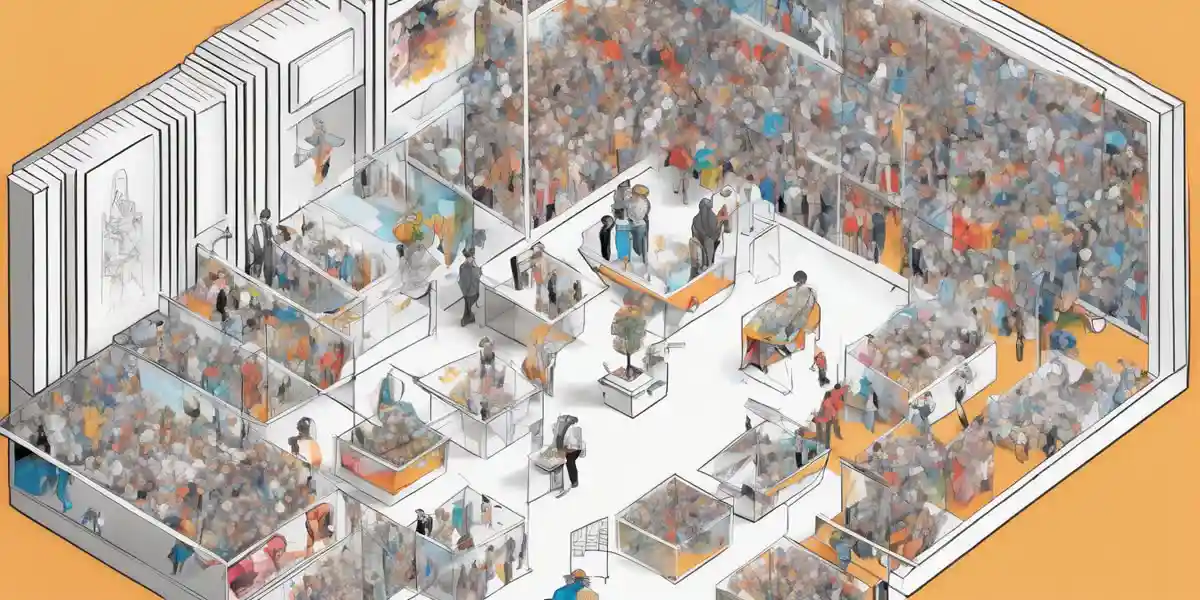
Blockchain (a digital ledger system) emerged as the backbone of cryptocurrencies like Bitcoin, but its potential extends far beyond simple financial transactions. In the art world, blockchain technology is redefining how artists, collectors, and audiences interact with art. By providing a secure, transparent, and decentralized system for recording ownership and provenance, blockchain allows for a new level of verification and traceability. This transformation began gaining momentum in the early 2010s, as artists and technologists started to explore its applications.
The relationship between blockchain and the arts is multifaceted, as demonstrated in the research paper "Art and Blockchain: A Primer, History, and Taxonomy of Blockchain Use Cases in the Arts." This paper highlights several significant use cases where blockchain technology has made an impact. For instance, artists can create and sell digital artworks in the form of non-fungible tokens (NFTs), ensuring authenticity and ownership in an era where digital reproduction is rampant. By utilizing NFTs, artists gain direct access to their audience, eliminating the need for traditional gatekeepers like galleries or auction houses, which can often take a hefty commission from sales.
1. **Provenance and Authenticity**: One of the revolutionary applications of blockchain in art is its ability to establish provenance, or the history of ownership, for artworks. This is crucial for reducing art forgery and enhancing trust in the art market. For example, platforms like Verisart use blockchain technology to document the provenance of artworks, offering digital certificates that an artwork has been verified as authentic. This application reassures buyers about the legitimacy of their purchases, further integrating blockchain into traditional art practices.
2. **Decentralized Marketplaces**: The rise of decentralized marketplaces facilitated by blockchain also shapes the art world. For instance, platforms such as OpenSea allow artists to mint, sell, and trade NFTs directly. In these marketplaces, transactions occur peer-to-peer without the intervention of intermediaries, making it easier for emerging artists to gain visibility and earn revenue from their work. This represents a significant shift away from traditional models of art sales, where artists often struggle to navigate through established institutions.
3. **Crowdfunding and Community Engagement**: Another notable use case is the ability of artists to raise funds through blockchain-based crowdfunding. Platforms like Kickstarter have been around for years, but blockchain introduces new dimensions to this concept. For example, artists can issue tokens representing stakes in a project or artwork, allowing supporters to participate in the creation process financially. This not only democratizes funding but also fosters a community around the artwork, solidifying the connection between the creator and their audience.
Get notified about new articles, coffee tips, and Web3 insights.
This site participates in affiliate programs and may earn a commission when a link is clicked and a purchase is made. The site is not responsible for any issues or troubles related to the products or services purchased through the use of this site.
DO&COFFEE loves coffee and technology, exploring the potential of NFTs and blockchain. Learn more →
DO&COFFEE loves coffee and technology, exploring the potential of NFTs and blockchain. Learn more →