art
2025/12/24

Have you ever wished you could own a piece of your favorite artwork without needing a fortune? What if you could invest in art much like you would stocks, all thanks to the advancements in blockchain technology? It may sound like a dream, but the world of decentralized finance (DeFi) is transforming that dream into reality. Tokenization—essentially turning art into digital assets—opens up exciting new opportunities for art lovers and investors alike, democratizing access to art in a way we've never seen before.
In this blog post, we will delve into the intricacies of tokenization and how it is revolutionizing the art market by creating new paths for ownership and value creation. We'll explore the decentralized provenance secured by DeFi, which enhances copyright protection for art investors, and evaluate the impact of non-fungible tokens (NFTs) on market dynamics. Join us as we embark on this journey through the intersection of art and technology, revealing how mastering the art of tokenization can empower both artists and art lovers in the rapidly evolving landscape of crypto.
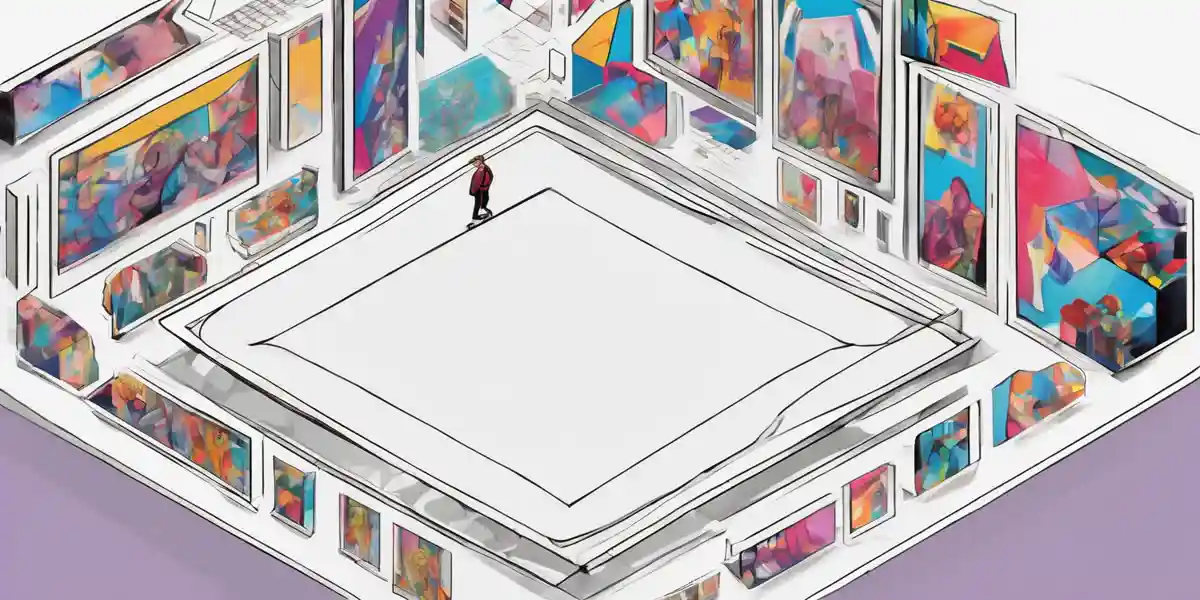
Tokenization is the process of converting ownership rights in an asset, such as a piece of art, into a digital token that exists on a blockchain (a digital ledger system). This innovative approach allows art enthusiasts to own a fraction of a high-value artwork, democratizing access and investment opportunities that were traditionally limited to affluent collectors. By representing artworks as digital tokens, tokenization enables fractional ownership, meaning that multiple investors can hold a part of a single piece, lowering the financial barrier to entry for art investment.
One of the most significant advantages of using blockchain technology in the art world is its ability to enhance provenance — the history of ownership of an artwork. According to the paper 'Art and Blockchain: A Primer, History, and Taxonomy of Blockchain Use Cases in the Arts,' blockchain can help in tracking the entire journey of an artwork, ensuring that buyers can verify the authenticity and ownership of pieces before making a purchase. This is crucial for preventing counterfeiting and increasing the overall trust within the art market.
Additionally, as explored in the research titled 'Blockchain-Based Provenance and Copyright Protection in Artworks,' a decentralized authentication system could revolutionize how art is verified by addressing issues related to information silos. By utilizing blockchain in conjunction with storage solutions like the InterPlanetary File System (IPFS), artworks can be securely documented and authenticated, making it easier for potential buyers to trace the legitimacy of an art piece. This level of transparency not only boosts buyer confidence but also adds intrinsic value to the artwork itself.
Several platforms and initiatives have emerged that exemplify how tokenization is changing the art landscape. For instance, platforms like CurioInvest allow users to invest in luxury artworks by purchasing fractionalized tokens. This means that a piece of high-value art can be divided into many tokens, enabling investment from art lovers who might not otherwise afford the full price of the artwork. Such initiatives not only create new avenues for art lovers but also contribute to revitalizing the art market by broadening the investor base.
Another example is the growing popularity of non-fungible tokens (NFTs), which use blockchain technology to represent ownership of unique digital art pieces. Although there has been debate regarding the extent of their transformational power in the art ecosystem, as examined in the paper 'Questioning the NFT “Revolution” within the Art Ecosystem,' what remains clear is that NFTs enable artists to secure their authors’ rights and maintain control over their work. The use of smart contracts within the NFT framework allows artists to receive royalties whenever their work is resold, thus providing ongoing income opportunities.
As tokenization continues to shape the art world, it opens up new possibilities for value creation and ownership models. By integrating financial and artistic ecosystems through decentralized finance (DeFi), art lovers can engage with artworks in ways that were previously unimaginable. This shift not only fosters a new appreciation for art but also impacts the overall market dynamics, enabling a more inclusive environment for emerging artists and collectors alike. The interconnectedness brought by tokenization means that anyone, regardless of their financial capacity, can become a part of the art world, ensuring that art, much like other forms of investment, becomes a shared experience.
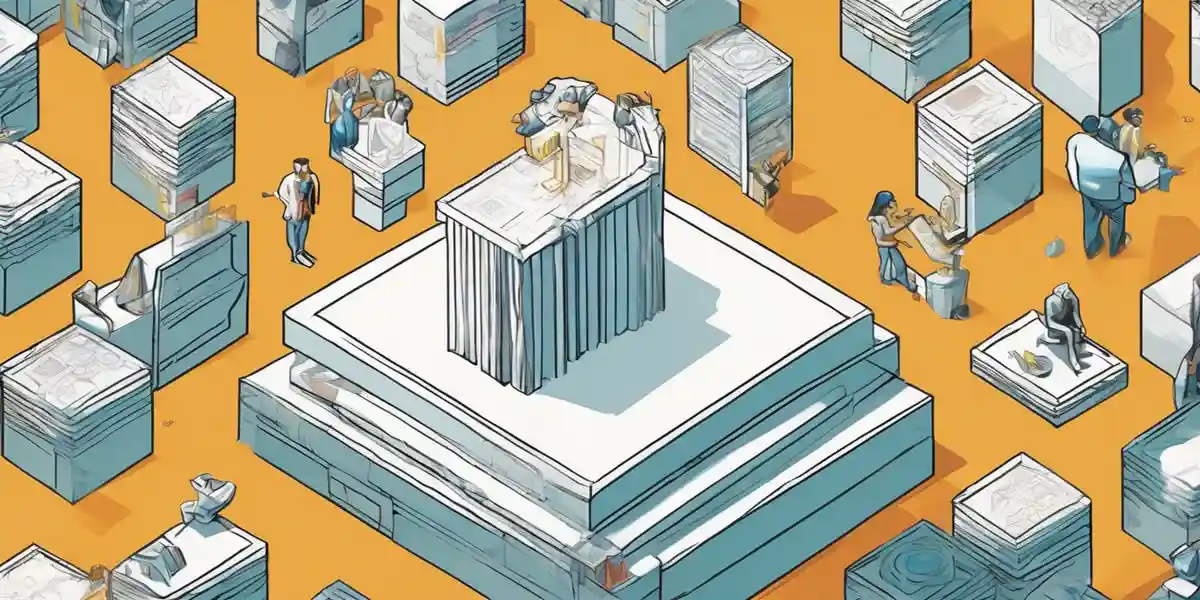
Decentralized provenance refers to a transparent and verifiable record of an artwork's ownership history and authenticity, facilitated by blockchain technology. In the context of art investment, this becomes crucial. Traditionally, verifying the authenticity of an artwork can be challenging and prone to inaccuracies. However, blockchain serves as a digital ledger system that securely records each transaction related to the artwork, providing a clear lineage from the artist to the current owner. This traceability enables art investors to make informed decisions and mitigate the risks associated with counterfeit artworks.
One of the most significant benefits of leveraging decentralized provenance through blockchain in the art world is the enhanced copyright protection it offers artists and investors alike. Each artwork can be tokenized into a Non-Fungible Token (NFT), which not only denotes ownership but also embeds relevant copyright information directly within the digital token. This integration guarantees that artists or copyright holders retain control over their creations, ensuring they receive proper attribution and royalties.
The study "Blockchain-Based Provenance and Copyright Protection in Artworks" highlights how this system can effectively address issues such as counterfeiting and the management of copyrights in art institutions. By utilizing blockchain combined with the InterPlanetary File System (IPFS), art can be stored in a distributed manner, minimizing the risk of data loss and providing a reliable method for tracing the authenticity of artworks. For art investors, this means that their investments are not only secure but also protected by a robust system that respects the rights of creators.
Consider the approach taken by various platforms utilizing blockchain to authenticate artworks. For instance, companies like Artory have established systems that register artworks on the blockchain. When an artwork is registered, it receives a digital certificate that includes its provenance, ownership history, and even auction details. Investors contemplating purchasing a piece can quickly check its credentials against this unalterable record, thereby gaining confidence in their investment.
Another relevant example is the integration of blockchain in the art world through auction houses. Major auction platforms are beginning to adopt blockchain technology to verify the authenticity of high-value pieces. By linking their sales directly to blockchain records, they provide a reliable provenance trail that enhances the trustworthiness of their offerings. This shift not only benefits the buyers but also adds value to the artworks themselves, as a verified provenance can significantly increase an artwork's market potential.
The impact of decentralized provenance goes beyond just protecting copyrights. It also democratizes the art market by making art investments more accessible. With the ability to tokenize artworks, more potential investors can participate in the art market landscape, even with modest financial resources. This democratization changes the dynamics of ownership and investment in art, allowing art lovers to engage in ways previously considered exclusive to the wealthy.
Overall, decentralized provenance enhances the integrity of the art market by ensuring transparency, protecting copyrights, and providing a secure framework for ownership verification. This revamp, driven by the principles of Decentralized Finance (DeFi), catalyzes a new wave of opportunities for investors while honoring the rights and contributions of artists in this digital age.
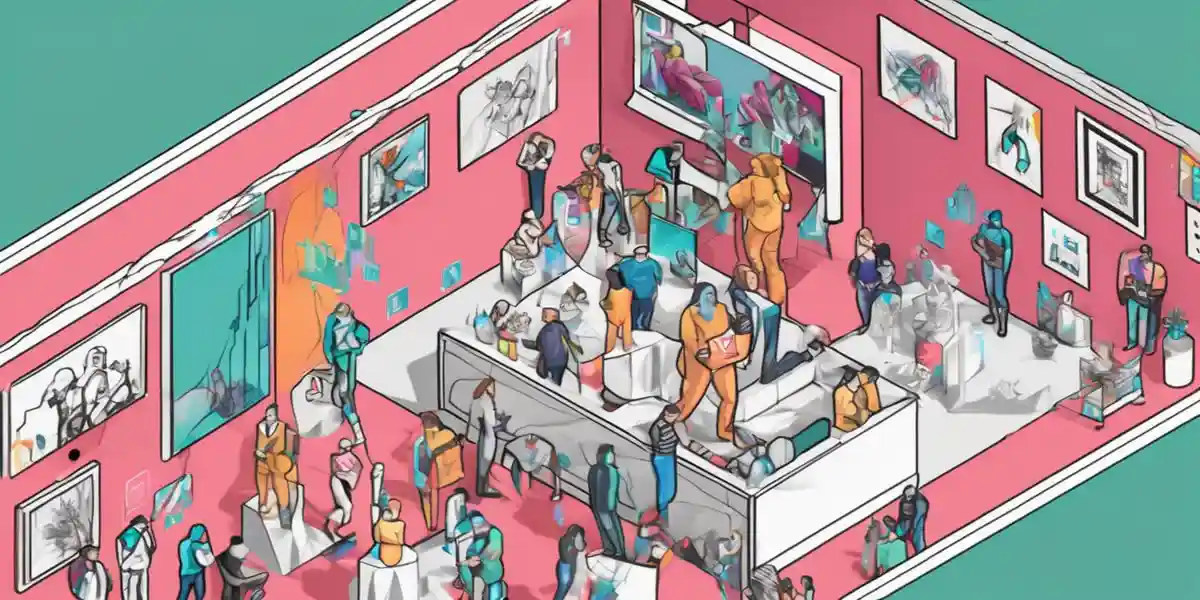
Non-fungible tokens (NFTs) are at the forefront of transforming the art world by utilizing blockchain technology to provide unique digital representations of art pieces. Unlike traditional currencies or commodities, NFTs are distinct and cannot be replaced or exchanged on a one-to-one basis. This uniqueness allows artists to tokenize their works, granting them the ability to establish ownership and provenance in ways that were previously challenging. Tokenization provides a digital certificate of authenticity and ownership that is securely stored on a blockchain—a digital ledger system that records transactions across many computers to ensure security and transparency. For artists, this means more control and recognition of their work, eliminating the need for intermediaries, which has traditionally made the art market more complex.
One of the standout impacts of tokenization through NFTs is the introduction of fractional ownership. Historically, investing in high-value artworks has been the privilege of a select few with significant financial resources. However, tokenization allows art lovers to purchase fractions of artworks—much like buying shares of a company—making high-end art investment accessible to a broader audience. This opens up the art market to a wider range of investors, including those who may have never participated before. For example, platforms are emerging that enable users to buy shares in high-value pieces, allowing individuals to enjoy the potential appreciation of valuable artworks without the need to own an entire piece outright. This shift can dramatically alter market dynamics as a new class of art investors emerges, thereby diversifying the audience and the range of artworks being traded.
The introduction of NFTs has led to changes in how artworks are valued and traded. Traditional art markets have always been influenced by factors such as provenance, rarity, and the artist’s reputation. With the ability to verify ownership and history through blockchain, the significance of these factors has been amplified. According to the study 'Art and Blockchain: A Primer, History, and Taxonomy of Blockchain Use Cases in the Arts', blockchain technology enhances transparency and trust among buyers and sellers, potentially leading to fairer pricing mechanisms in the art market. This has implications for both price stability and appreciation, as the art community begins to embrace these digital innovations.
Despite the promising developments brought by NFTs, some critiques have emerged regarding their long-term impact on the art ecosystem. The paper titled 'Questioning the NFT “Revolution” within the Art Ecosystem' raises essential questions about whether NFTs fundamentally alter the art market's characteristics or merely offer a new layer of technology that still operates within existing frameworks. While NFTs facilitate contracts and authors' rights more effectively, the art market's inherent complexities, such as taste, emotional connection, and cultural relevance, remain intact. Therefore, while the advent of NFTs and tokenization opens new avenues, it is crucial to recognize that they are one element of a larger, multifaceted art landscape.
As we move forward, it is becoming clear that NFTs could redefine ownership, investment, and accessibility in the art world. Their integration into the market offers exciting prospects for both artists and art lovers, transforming the way art is owned and valued while prompting a re-evaluation of existing dynamics within this age-old industry.
As we've explored throughout this blog post, the intersection of art and blockchain technology through tokenization is not just a passing trend; it's a transformative movement reshaping how art lovers engage with their passions. By utilizing tokenization, artists and investors alike can secure ownership and create new avenues for value creation, all while reinforcing the importance of decentralized provenance in protecting artists’ rights. This shift not only enhances the trust and credibility of digital artworks but also fundamentally changes the dynamics of the art market, allowing for more inclusive participation from diverse investors.
Key takeaways from our discussion highlight that decentralized finance is opening doors for investors through improved copyright protection and new market opportunities. Techniques like fractional ownership enable art lovers to invest in pieces they may have previously deemed unattainable, thus democratizing access to art in ways we never thought possible. As these changes unfold, it's clear that mastering the art of tokenization is essential for both new and seasoned collectors.
Now is the perfect time for art enthusiasts to immerse themselves in the world of DeFi. Embrace this revolution by researching tokenized assets, participating in art-focused blockchain platforms, or even exploring the vibrant market of NFTs. Whether you're looking to start your own collection or invest in emerging artists, understanding how to navigate this evolving landscape will empower you to seize the boundless opportunities brought forth by DeFi. The future of art and finance is intertwined, and as you master the art of tokenization, you’ll become an integral part of this exciting journey.
Get notified about new articles, coffee tips, and Web3 insights.
This site participates in affiliate programs and may earn a commission when a link is clicked and a purchase is made. The site is not responsible for any issues or troubles related to the products or services purchased through the use of this site.
DO&COFFEE loves coffee and technology, exploring the potential of NFTs and blockchain. Learn more →
DO&COFFEE loves coffee and technology, exploring the potential of NFTs and blockchain. Learn more →