art
2024/08/18
In a world increasingly shaped by technology, the healing power of art therapy is undergoing a profound transformation. Imagine participating in a virtual art therapy session, where you are connected with individuals from diverse backgrounds, all engaging in the creative process in real-time. This is not just a fanciful idea; it's a pioneering reality that speaks to our collective need for connection and expression in an often isolating digital landscape. As we navigate the complexities of our emotional and psychological landscapes, the integration of live streaming into art therapy offers an innovative avenue for healing.
Live streaming serves as a dynamic platform that enhances traditional art therapy by facilitating immediate interaction and community building. Participants can create and share their artistic expressions while guided by a licensed therapist, promoting mindfulness and self-discovery. For many, this virtual space becomes a sanctuary—a place to explore emotions through paint, clay, or digital art, all while feeling supported by a community of like-minded individuals. The anonymity provided by screens often lowers barriers, empowering individuals who may otherwise hesitate to seek help in conventional settings.
Moreover, research underscores the efficacy of art therapy in enhancing mental health, providing tools for individuals to manage psychosocial challenges and improve their overall quality of life. For instance, studies show that even a single session of mindfulness-based art therapy can lead to significant improvements in emotional well-being. This highlights the transformative potential of art as a therapeutic medium in both physical and digital realms.
As we delve deeper into this intersection of technology and creativity, we invite you to consider: How can sharing our artistic journeys through live streaming foster a new kind of healing? Together, let’s explore how art therapy in the digital age is not merely an adaptation of the past, but a vibrant evolution that offers new pathways to connection, healing, and understanding.
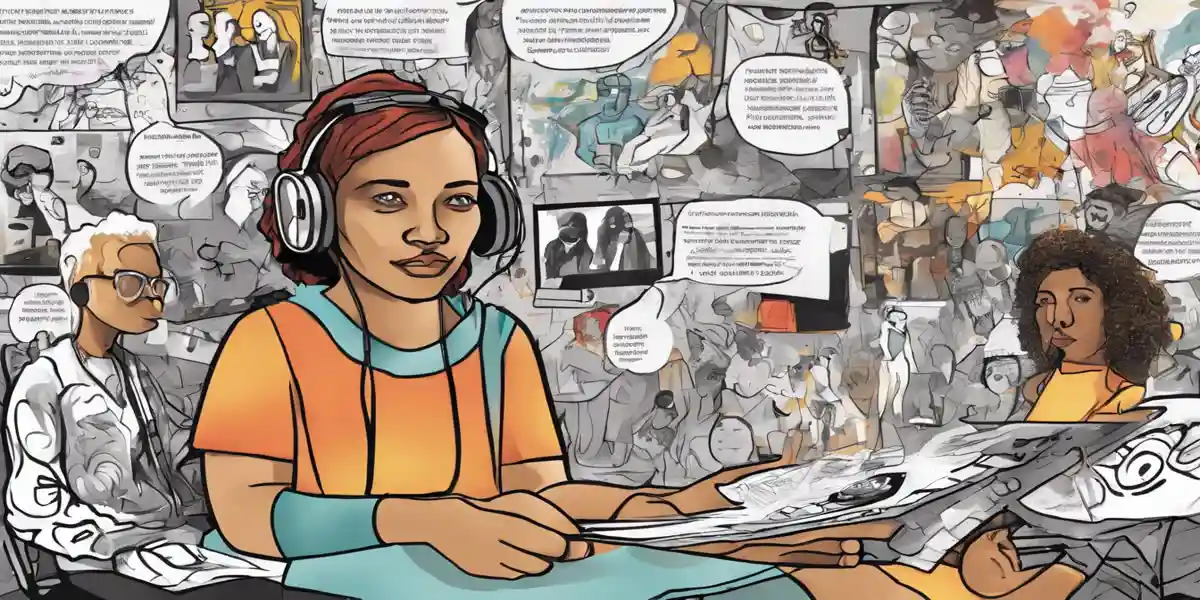
The landscape of art therapy is undergoing a remarkable transformation as we step further into the digital age. Traditional art therapy, which has long been recognized as a therapeutic practice for emotional and psychological healing, is now being enhanced by innovative technologies like live streaming. This new frontier not only provides access to therapeutic practices but also cultivates a sense of community among participants, regardless of their geographical locations.
Consider the traditional setting of art therapy: a small group gathered in a cozy room, surrounded by paints and clay, guided by a trained therapist. While this environment can be immensely beneficial, it often limits participation to those who can physically attend. Now, imagine this same group, but with participants joining from diverse backgrounds and locations, all connected through a live streaming platform. This evolution reflects a broader cultural shift towards online engagement, particularly in a world increasingly characterized by social isolation.
Live streaming art therapy allows for immediate interaction and engagement, creating a dynamic space where creativity can flourish. Participants, guided by licensed therapists, can engage in artistic expression while sharing their thoughts and feelings in real-time. This spontaneous sharing fosters an authentic communal atmosphere that enhances the therapeutic experience. For instance, imagine a participant from a small town, who feels disconnected from others, suddenly finding a supportive online community of individuals who are all navigating their emotional landscapes through art.
The visual nature of art inherently lends itself to the medium of live streaming. This dynamic enables viewers to observe the creative process as it unfolds, which can be particularly empowering for those who feel hesitant to engage in traditional therapy settings. The anonymity provided by a screen can lower barriers, inviting a broader audience to explore their creativity as a form of healing. This is particularly relevant in the context of mental health, where stigma often prevents individuals from seeking help.
Research underscores the effectiveness of art therapy in treating mental health issues and enhancing quality of life. A review of literature indicates that artistic expression helps individuals manage psychosocial challenges and improve interpersonal relationships, while also slowing cognitive decline. Moreover, a recent study focused on mindfulness-based art therapy through a virtual doodling intervention found significant improvements in mindfulness, emotional positivity, and reductions in negative emotions among participants. Such findings highlight the potential for digital platforms to facilitate effective therapeutic interventions in community settings.
As we explore this intersection of art and technology, the question arises: Can sharing our artistic expressions, even from afar, create a new form of therapy that resonates deeply with our collective human experience? Live streaming art therapy not only democratizes access to mental health resources but also cultivates a sense of belonging in an increasingly fragmented digital landscape. It's a fascinating evolution, one that invites us to rethink how we connect, heal, and express ourselves creatively.
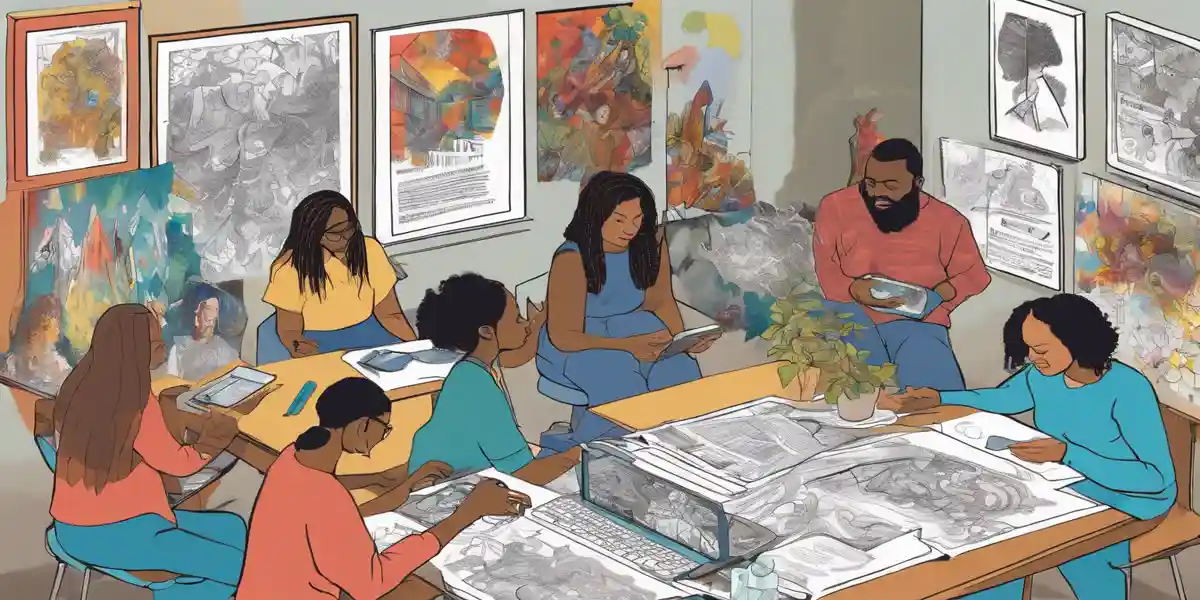
The integration of technology into the realm of creative expression, particularly through art therapy, has opened up new avenues for healing and connection. As we navigate this digital age, the capabilities of live streaming in art therapy sessions illustrate a profound shift in how we express ourselves and connect with others.
Imagine joining a live stream where an experienced art therapist guides you through a creative process. You’re not just an observer; you’re an active participant, creating art in real-time alongside others from diverse backgrounds and locations. This format breaks geographical barriers and allows for instant interaction, fostering a sense of community that traditional art therapy settings may lack.
For example, a recent virtual art therapy workshop focused on mindfulness-based doodling brought together 71 adult participants. Research indicated that this two-hour session significantly improved mindfulness and emotional well-being. Participants reported heightened levels of positive emotions and reduced negative feelings, showcasing how technology can facilitate mental health benefits in an accessible manner (p
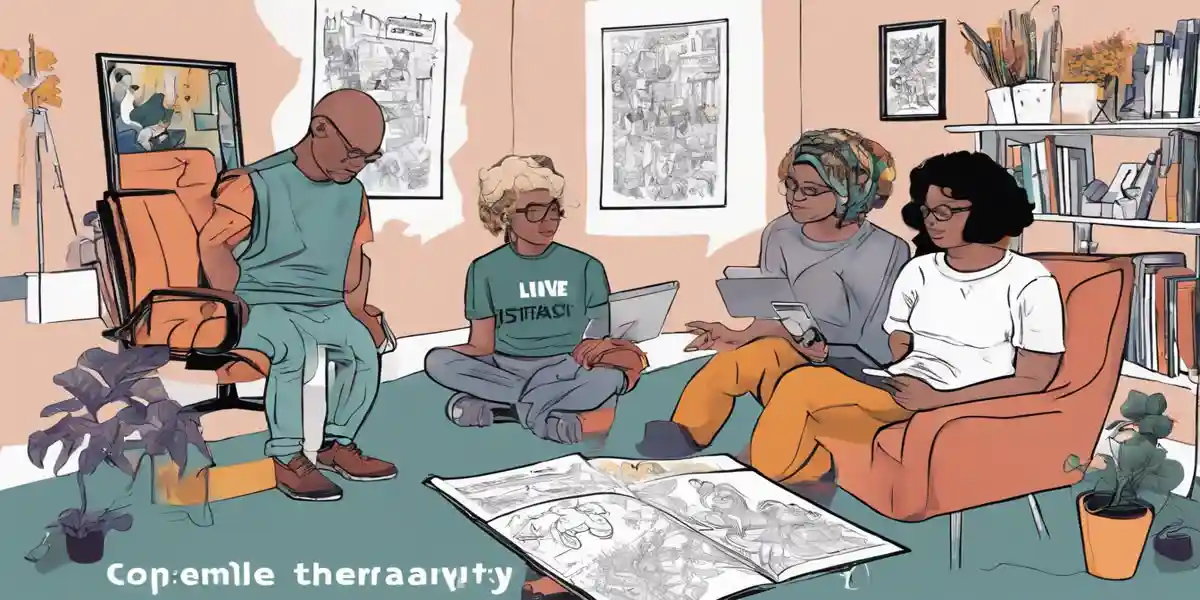
Live streaming has emerged as a groundbreaking method in the realm of art therapy, allowing individuals to engage in therapeutic practices from the comfort of their homes. This innovative approach not only bridges geographical gaps but also fosters a sense of community among participants. Imagine tuning into a live session where emotions are expressed through vibrant strokes of paint, all while receiving guidance from a licensed therapist. This real-time interaction enhances the therapeutic experience, creating a space where creativity flourishes.
One of the most compelling aspects of live streaming art therapy is the immediacy it offers. Participants can create art while receiving on-the-spot feedback and encouragement from a therapist. For instance, during a recent virtual workshop, a therapist guided participants through a mindfulness-based art exercise, where they were encouraged to doodle their feelings. As the session unfolded, participants reported feeling more connected to their emotions and to one another, demonstrating how the live format can facilitate spontaneous sharing and reflection.
In an age where many feel disconnected, live streaming can cultivate a sense of belonging. Consider a participant from a small town who feels isolated due to geographical or social constraints. Through a live art therapy session, they can connect with individuals from diverse backgrounds who share similar emotional experiences. This communal aspect is vital; it allows participants to witness each other's artistic journeys, creating a supportive network of individuals navigating their mental health challenges together.
Live streaming effectively diminishes the barriers that often accompany traditional therapy settings. Many individuals may hesitate to participate in face-to-face therapy due to anxiety or fear of judgment. The anonymity provided by being behind a screen can empower these individuals to express themselves more freely. For example, a participant who might ordinarily struggle with sharing their artwork in person may find comfort in the digital space, allowing them to explore their creativity without the weight of traditional expectations.
The visual aspect of art therapy aligns seamlessly with live streaming technology. Viewers not only hear the therapist's guidance but also see the artistic process unfold in real time. This dynamic interaction can inspire participants to experiment with new techniques or materials, embracing creativity as a form of healing. The cited study on mindfulness-based art therapy highlights that even a single session can lead to significant improvements in positive emotions and mindfulness, illustrating the effectiveness of these virtual interventions.
The integration of technology into art therapy democratizes access to mental health resources. Individuals who may have previously faced challenges in accessing traditional therapy—be it due to cost, location, or stigma—can now partake in these transformative sessions from anywhere in the world. By breaking down these barriers, live streaming art therapy not only enhances individual well-being but also contributes to broader societal change by promoting mental health awareness and support.
In the realm of art therapy, live streaming presents a revolutionary avenue for creative healing. Imagine participants from various corners of the world engaging in a virtual art therapy session, sharing their artistic journeys and emotional landscapes in real-time. This digital format not only signifies an evolution in therapeutic practices but also addresses the growing need for connection in an increasingly isolated world.
Live streaming fundamentally transforms traditional art therapy by fostering immediate interaction and engagement. Participants can create their art while a licensed therapist guides them through the process, promoting mindfulness and self-expression. Think about a scenario where someone in a small, remote town feels cut off from the world. Suddenly, they discover a vibrant community online, all exploring their emotions through various mediums—paint, clay, or even digital art. In this communal atmosphere, the shared act of creation becomes a potent form of therapy.
This real-time interaction allows participants to spontaneously share their thoughts and feelings, enriching the therapeutic experience. For instance, in a recent study that focused on mindfulness-based art therapy conducted via a virtual workshop, participants reported significant improvements in their emotional well-being post-session. They experienced heightened mindfulness, increased positive emotions, and decreased negative feelings, all stemming from the act of creating in a supportive community environment. This demonstrates the potential of live streaming as a tool for healing, especially when traditional therapy can often feel isolating or intimidating.
The visual nature of art is inherently suited to live streaming, where viewers can witness the creative process unfold in real-time. This dynamic can be particularly empowering for those who might feel hesitant to engage in traditional therapy settings. The anonymity afforded by being behind a screen can significantly lower the barriers to participation, inviting a broader audience to explore their creativity as a means of healing. Whether it's through painting, sculpture, or digital art, the act of creating alongside others can help individuals feel less lonely in their struggles.
Moreover, integrating technology into art therapy democratizes access to mental health resources. As research indicates, incorporating art therapy as an adjunct treatment leads to improved mental health outcomes for patients. Live streaming platforms like Twitch, YouTube Live, or Zoom have become more than just spaces for entertainment; they are now vital hubs for creative expression and emotional support. For example, initiatives like "Art for the Heart" host weekly live streaming art sessions that cater to individuals grappling with anxiety and depression, creating a nurturing environment that encourages artistic exploration and emotional sharing.
In exploring this innovative intersection of art and technology, we're prompted to consider how live streaming can reshape our understanding of creativity, healing, and community. Can the simple act of sharing our artistic expressions, even from afar, create a new kind of therapy that resonates deeply with our collective human experience? This question invites us to rethink traditional methodologies and embrace a future where healing is both communal and creative.
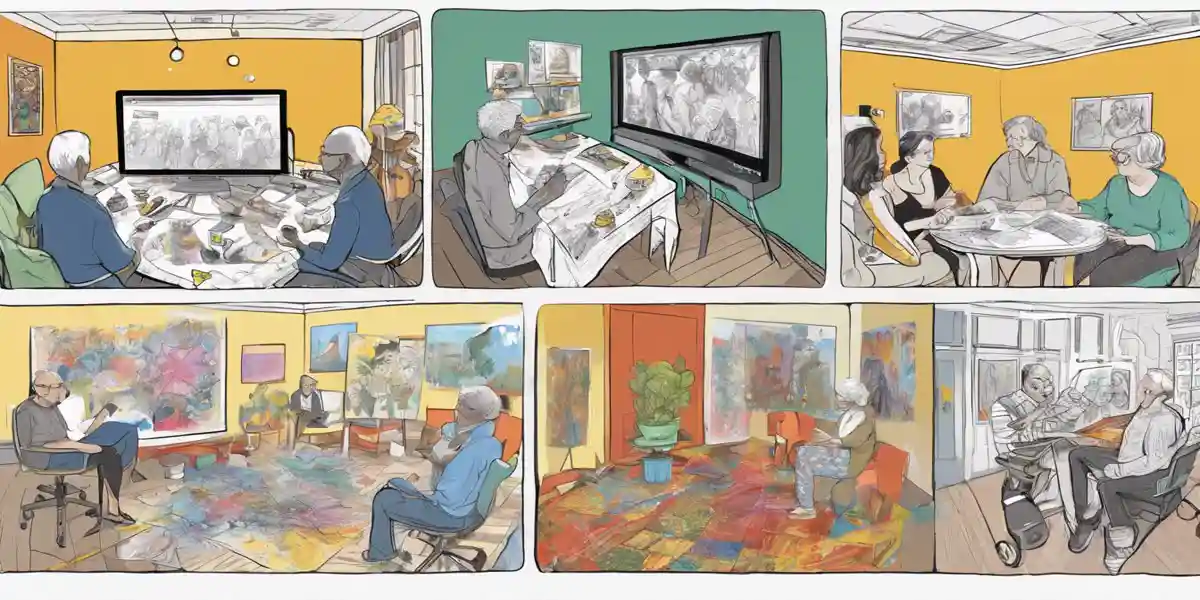
This section explores real-world examples of live streaming art therapy sessions that highlight the effectiveness and transformative potential of this innovative approach to mental health care.
One notable case study involved a two-hour virtual workshop designed around mindfulness-based art therapy. This session, which engaged 71 adult participants, focused on a simple yet powerful doodling intervention. Participants were guided by a licensed therapist through a structured yet flexible creative process, which encouraged them to express their emotions visually.
Before and after the session, participants completed self-reported assessments that measured their mindfulness levels, emotional states, and creativity. Results from this study revealed significant improvements in mindfulness and positive emotions, alongside a notable reduction in negative emotions (p
In another compelling case, a live streaming art therapy session was organized to connect individuals from various cultural backgrounds. Participants from different continents joined in a shared online space, where they collectively created art based on a theme of "Healing through Diversity." This session was structured to facilitate real-time interaction, with a therapist guiding discussions about the emotions and stories behind each participant's artwork.
What made this session particularly powerful was the communal atmosphere it fostered. Individuals who often felt isolated in their creative journeys found a sense of belonging and connection with others who shared similar experiences. By witnessing the art-making process unfold live, participants could engage in spontaneous exchanges of thoughts and feelings, enhancing the therapeutic experience. Feedback collected post-session indicated that many participants felt a renewed sense of hope and community, showcasing how live streaming can break down geographical barriers in therapy.
A recent study highlighted the effectiveness of live streaming art therapy sessions specifically designed for older adults experiencing cognitive decline. In a series of workshops, participants engaged in guided art activities tailored to stimulate cognitive functions while also allowing for creative expression. The sessions utilized simple digital tools, making it accessible even for those with limited technology experience.
Participants reported an improvement in their ability to express emotions and thoughts, alongside enhanced social interactions with peers during the sessions. The visual nature of art therapy, combined with the live streaming format, encouraged participants to share their creations and stories, fostering a supportive environment. This case illustrates how live streaming can serve as a vital adjunct to traditional therapy, helping to enhance quality of life for individuals facing significant psychosocial challenges.
One of the most innovative applications of live streaming art therapy is the establishment of ongoing virtual art studios. These platforms provide a consistent space where individuals can gather weekly to create art together under the guidance of a trained therapist. For example, a virtual art studio focused on trauma recovery offers participants the opportunity to engage in various art forms, from painting to digital illustration.
Through the live streaming format, participants not only refine their artistic skills but also share their progress and emotional experiences. The therapist facilitates discussions that allow for deeper exploration of themes like vulnerability and resilience. This ongoing connection has led to the formation of a tight-knit community, where artistic expression becomes a powerful tool for healing and self-discovery.
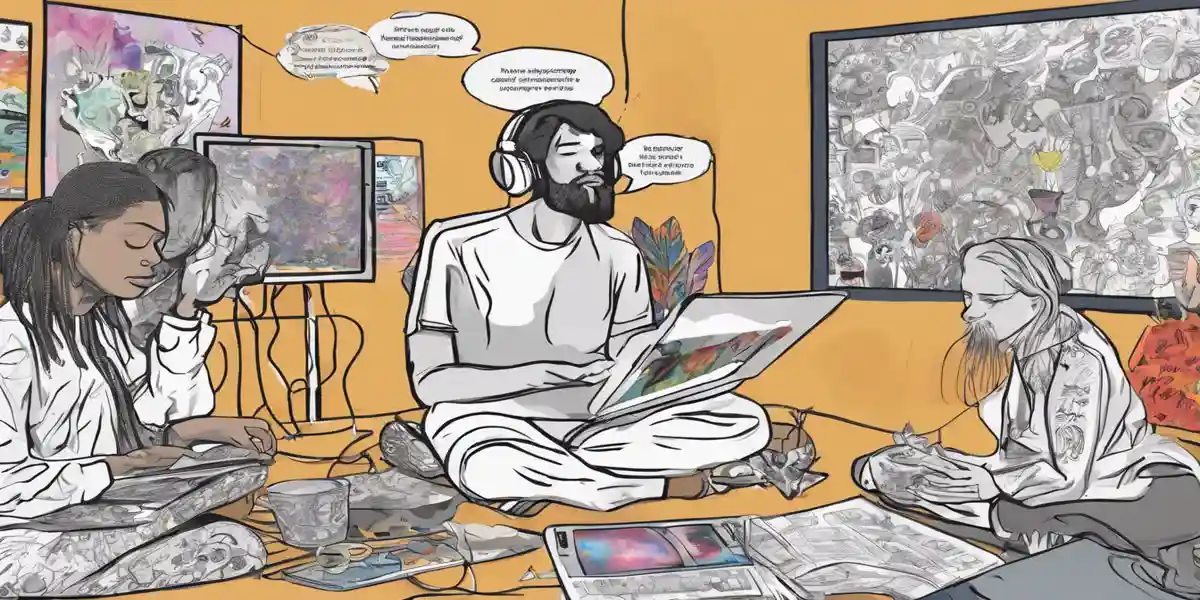
In the realm of art therapy, the digital age has opened up a fascinating new frontier: live streaming as a tool for creative healing. Imagine a virtual art therapy session where participants from around the globe connect in real-time, sharing their artistic journeys and emotional landscapes through the digital canvas. This concept reflects not only the evolution of therapy but also the growing need for connection in an increasingly isolated world.
Live streaming transforms traditional art therapy by offering a platform for immediate interaction and engagement. In a typical session, participants can create art while a licensed therapist guides them through the process, promoting mindfulness and self-expression. This real-time interaction allows for spontaneous sharing of thoughts and feelings, creating a communal atmosphere that often enhances the therapeutic experience. Imagine a participant in a small town, feeling isolated and alone, suddenly finding a community of like-minded individuals, all exploring their emotions through paint, clay, or digital tools.
Moreover, the visual nature of art lends itself beautifully to live streaming, where viewers can witness the creative process unfold in real-time. This can be particularly empowering for those who may feel hesitant to participate in traditional therapy settings. The anonymity of being behind a screen can reduce barriers, inviting more people to explore their creativity as a form of healing. For example, platforms like Twitch and Instagram Live have become popular venues where artists and therapists can host interactive sessions, allowing participants to share their artwork and receive immediate feedback not just from the therapist, but from other viewers as well.
Recent studies underscore the effectiveness of art therapy in improving mental health outcomes. One paper highlights that artistic expression can help individuals manage psychosocial challenges, slow cognitive decline, and improve interpersonal relationships. The review emphasizes how incorporating art therapy as an adjunct treatment leads to enhanced quality of life for patients. This suggests that when participants engage in live-streamed art therapy, they are not only expressing themselves but are also benefiting from an established therapeutic approach.
Another study assessed the impact of a single session of mindfulness-based art therapy through a doodling intervention conducted via a virtual two-hour workshop. Participants reported significant improvements in mindfulness, mindful creativity, and positive emotions, alongside reductions in negative emotions (p
The blend of technology and art therapy not only democratizes access to mental health resources but also fosters a sense of belonging in a digital age where isolation is prevalent. As more individuals engage in these live streaming sessions, the community aspect becomes a critical element of healing. Participants can connect with others who share similar experiences, creating a support network that transcends geographical limitations. This aspect is particularly crucial for marginalized groups who may have limited access to traditional therapy settings.
As we delve into this intriguing intersection of art and technology, we can explore how live streaming can reshape our understanding of creativity, healing, and community in ways we never thought possible. With each stroke of paint or click of a digital brush shared in these sessions, participants contribute to a larger narrative of collective healing. It raises the question: Can the act of sharing our artistic expressions, even from afar, create a new kind of therapy that resonates deeply with our collective human experience?
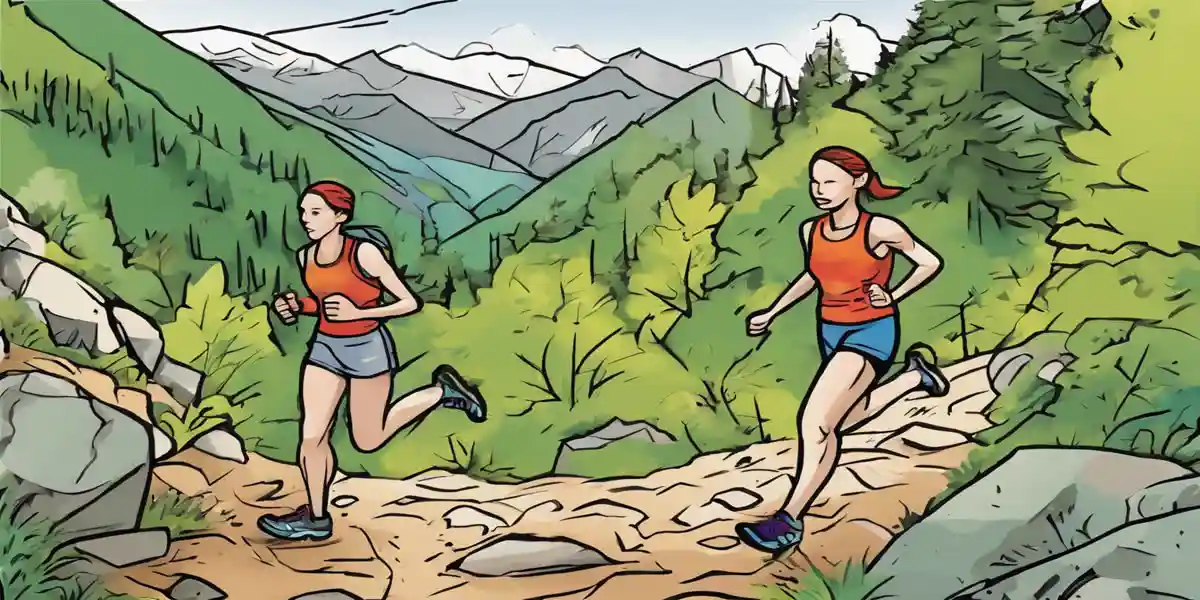
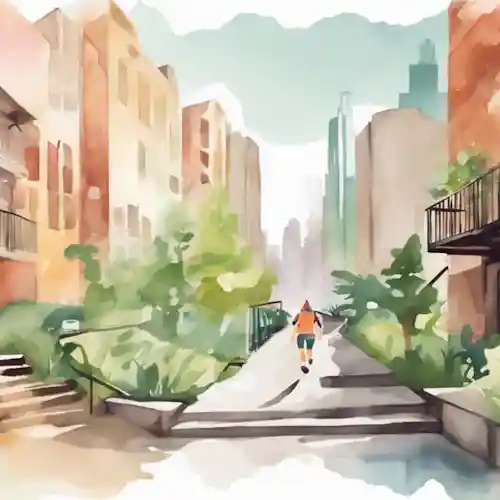
In the quest for holistic healing methods, the union of trail running and art therapy emerges as a compelling avenue. Both practices inherently involve movement, mindfulness, and a deep connection to nature, each offering unique therapeutic benefits that can enhance emotional and psychological well-being.
Imagine lacing up your running shoes and stepping onto a winding trail, surrounded by trees, the sound of rustling leaves, and the fresh scent of pine. This serene environment provides an ideal backdrop for mental rejuvenation. Research consistently shows that nature has profound effects on our mental health; it reduces stress, anxiety, and even symptoms of depression. A study published in 2020 highlighted that participants who engaged in outdoor activities, such as hiking or trail running, reported significant improvements in mood and reductions in stress levels when compared to those who exercised indoors.
Coupling this natural movement with art therapy can amplify these benefits. Trail running can be a form of moving meditation, allowing runners to connect with their surroundings, let go of negative thoughts, and clear their minds. This state of flow can enhance creativity, making it easier to express emotions through art after the run. For instance, a runner may find inspiration during their run, leading to an urge to paint or sketch what they experienced—the colors of the sunset, the shapes of the trees, or even the feelings of freedom and exhilaration.
Consider the example of a community program that organizes guided trail runs followed by art therapy sessions. Participants, often those dealing with stress or anxiety, run together in nature, sharing their experiences and fostering connections. After their run, they gather in a tranquil setting to create art that reflects their emotional journey. This dual approach not only promotes physical health but also nurtures emotional resilience and social bonds.
Furthermore, the findings from art therapy studies support this integrated approach. For instance, one study demonstrated that participants engaged in mindfulness-based art therapy reported significant improvements in positive emotions and creativity after a single session. Imagine incorporating trail running into this framework: participants could run to explore their thoughts and feelings, and then turn to creative expression to articulate their experiences. This combination could enhance the overall effectiveness of the therapy, encouraging deeper emotional exploration and healing.
The integration of trail running and art therapy offers a dynamic way to harness the therapeutic benefits of both nature and movement. It transforms the act of running into a catalyst for creativity and healing, highlighting the profound connection between physical activity, emotional well-being, and creative expression.
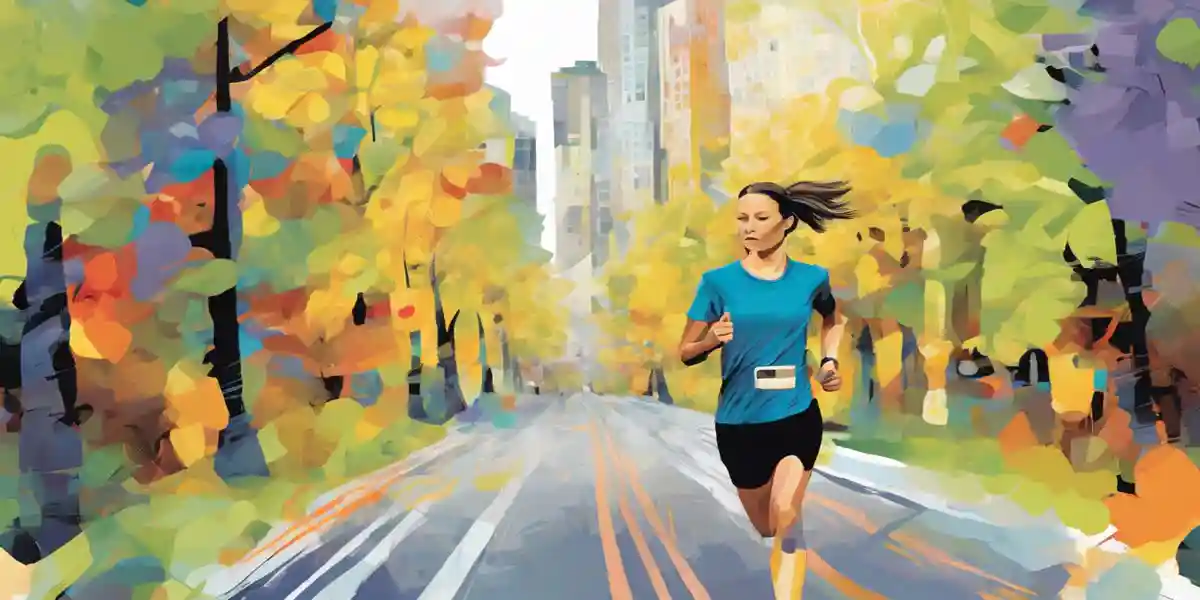
In the dynamic intersection of creativity and physical movement, the synergy of art and running emerges as a powerful form of expression and healing. Imagine lacing up your running shoes, stepping outside, and allowing your thoughts to flow as freely as your feet hit the pavement. This section explores how the act of running can serve as a moving canvas, transforming the mundane into an artistic exploration of self through both physicality and creativity.
Running is often seen as a solitary activity, yet it can become a vibrant expression of creativity when we shift our perspective. The rhythmic motion of running mirrors the fluidity of brush strokes on a canvas. Participants can engage in a practice known as "run art," where they utilize GPS technology to create visual art through their running routes. By tracking their movements via apps like Strava or Runkeeper, runners can design intricate shapes, letters, or even images that come to life on digital maps.
For instance, a runner might set out to sketch a heart shape through their neighborhood, their path forming a visual representation of love and connection. This blend of physical exertion and artistic expression not only promotes health but also fosters a sense of accomplishment and creativity. As highlighted in the literature on art therapy, combining physical activity with artistic expression can lead to significant improvements in mental health outcomes and overall well-being.
Research underscores the therapeutic nature of creative expression in various forms, including running. In a study assessing mindfulness-based art therapy, participants reported enhancements in mindfulness and emotional positivity after engaging in creative tasks. Similarly, the act of creating art through running encourages participants to be present in the moment, enhancing their mindfulness as they engage with their surroundings.
Consider a scenario where someone is grappling with stress or anxiety. The simple act of running while focusing on their creative route can help in processing emotions. As they run, they might reflect on their feelings, allowing the physical movement to facilitate a release. The running becomes a metaphorical brushstroke, painting over mental clutter with each step taken. This therapeutic approach aligns with findings that indicate art therapy can effectively aid in managing psychosocial challenges and improving interpersonal relationships.
The digital age provides platforms for runners and artists to come together, creating communities that celebrate both physical activity and artistic expression. Virtual running groups can host challenges where participants not only log their miles but also share their unique routes and the art they’ve created through their movements. Social media platforms serve as a gallery where these visual representations of running journeys can be showcased, fostering connection and camaraderie among participants.
For example, an online event might invite participants to “run a rainbow,” encouraging them to plan their routes to create colorful patterns on a map. The shared experience of creating art through running can evoke feelings of belonging and support, reminiscent of the communal atmosphere found in traditional art therapy sessions. As the world becomes increasingly connected through technology, these digital art runs can serve as a bridge to overcome feelings of isolation, inviting participants to express themselves creatively while engaging in a healthy activity.
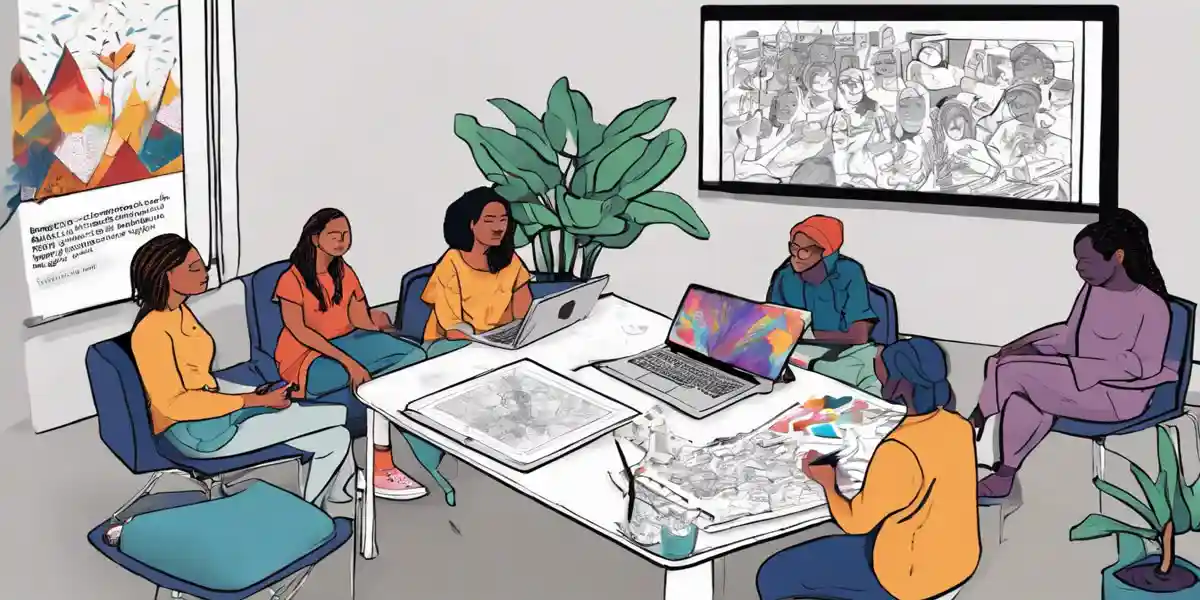
In the modern landscape of art therapy, live streaming has emerged as a transformative tool, bridging the gap between creativity and healing. By enabling real-time interaction between participants and therapists, live streaming offers an innovative platform for artistic expression, particularly beneficial in a world increasingly defined by isolation.
Imagine joining a live streaming art therapy session from the comfort of your home, surrounded by individuals from diverse backgrounds, all united by a common goal: to explore their emotions through art. This virtual environment fosters a sense of community, providing a level of connection that traditional therapy settings may struggle to achieve. For instance, consider a participant living in a remote area who might feel disconnected from support networks. Through live streaming, they can engage with others, share their artistic processes, and receive guidance from a licensed therapist, all while feeling less alone in their journey.
Research highlights the effectiveness of mindfulness-based art therapy interventions, particularly in online formats. One study focused on a two-hour virtual doodling workshop that revealed significant improvements in participants' mindfulness and emotional well-being. Participants reported enhanced creativity and positive emotions, along with a decrease in negative feelings (p
Live streaming not only democratizes access to mental health resources but also helps dismantle the barriers that prevent individuals from seeking traditional therapy. The anonymity of participating from behind a screen can alleviate fears and anxieties associated with face-to-face sessions. This anonymity encourages even the most hesitant individuals to express themselves creatively, which can be particularly empowering. For example, a participant may feel emboldened to share their artwork and insights during a live session, leading to spontaneous discussions that enrich the therapeutic experience.
The visual nature of art lends itself perfectly to live streaming. Participants can watch as their peers create in real-time, experiencing the artistic process as an engaging spectacle. This shared experience can be incredibly motivating, sparking inspiration and prompting individuals to experiment with new techniques or materials. Consider a session where participants explore painting abstract emotions; the live feedback and encouragement from both the therapist and fellow attendees can deepen the emotional impact of the artwork and the healing process.
In an age where physical interactions are often limited, live streaming art therapy can cultivate a sense of belonging among participants. The ability to connect with others around shared experiences—whether through art creation or emotional expression—can significantly enhance the therapeutic journey. Participants may find solace in knowing that they are part of a larger community, all navigating their unique paths toward healing. This communal aspect is vital in fostering resilience and promoting mental health, especially in the face of challenges that can feel overwhelming when faced alone.
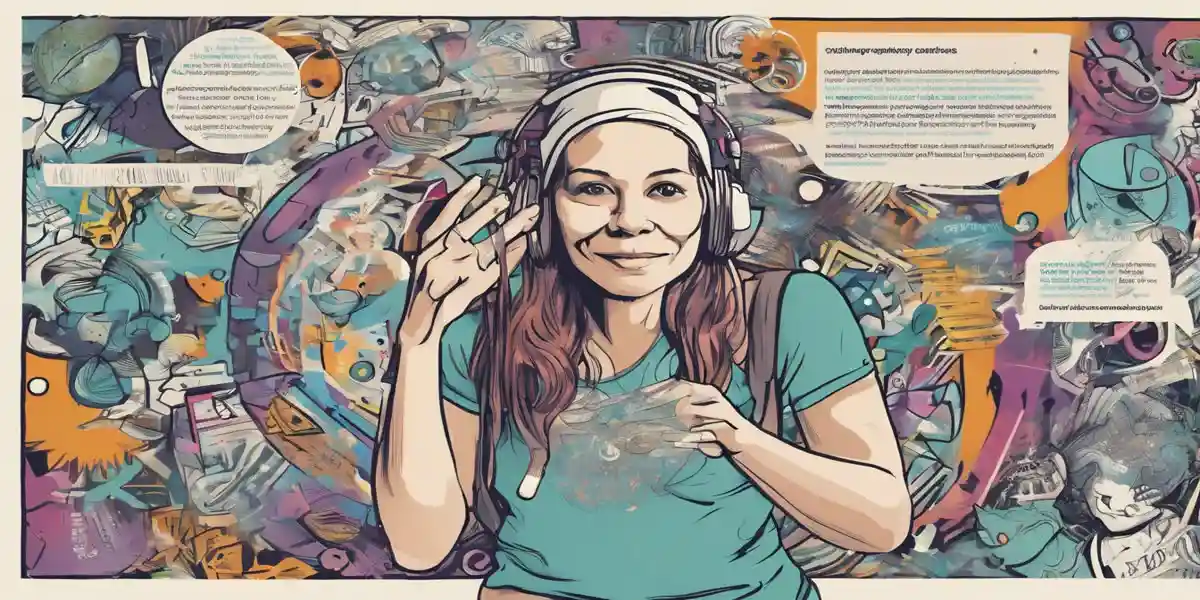
As we navigate through the complexities of modern life, the integration of digital tools in art therapy offers a fresh perspective on holistic healing. The advent of live streaming has not only redefined the delivery of therapeutic practices but also enhanced the accessibility of these vital resources for individuals across the globe.
Imagine a scenario where someone living in a rural area, far removed from urban therapy centers, can join a live-streamed art therapy session with participants from diverse backgrounds. This digital platform breaks geographical barriers, allowing individuals to tap into a global community united by the common goal of healing through creativity. The visual nature of art serves as a universal language, enabling participants to express their emotions and thoughts without the constraints that often accompany traditional therapy settings.
Research underscores the effectiveness of art therapy as a complementary treatment for mental health issues. A recent study highlighted in our paper summaries indicates that even a single session of mindfulness-based art therapy can yield significant benefits. Participants reported improvements in mindfulness, creativity, and emotional well-being, demonstrating how an engaging, live-streamed format can foster positive outcomes. This evidence aligns with findings from a comprehensive review on art therapy, which emphasizes its role in managing psychosocial challenges and enhancing the quality of life.
The communal aspect of live streaming art therapy cannot be overstated. As individuals create art together in real-time, they share not only their artistic process but also their vulnerabilities and triumphs. This shared journey cultivates a sense of belonging, particularly for those who may feel isolated due to physical, emotional, or social barriers. The anonymity provided by digital platforms allows participants to engage more freely, encouraging expressions that might be stifled in face-to-face settings.
In an age where mental health resources are often limited by location or socioeconomic status, live streaming democratizes access to art therapy. No longer confined to a therapist's office, individuals can participate in sessions from the comfort of their homes, utilizing commonly available tools such as smartphones and tablets. This shift not only makes therapy more accessible but also allows for a wider reach, enabling therapists to connect with clients who may not have sought help otherwise.
As we embrace the digital tools available to us, it becomes evident that live streaming can revolutionize the landscape of art therapy. By blending technology with traditional therapeutic practices, we pave the way for innovative approaches that resonate with our evolving understanding of mental health. The exploration of creativity, connection, and community through digital platforms offers a promising avenue for individuals seeking healing in an increasingly disconnected world.
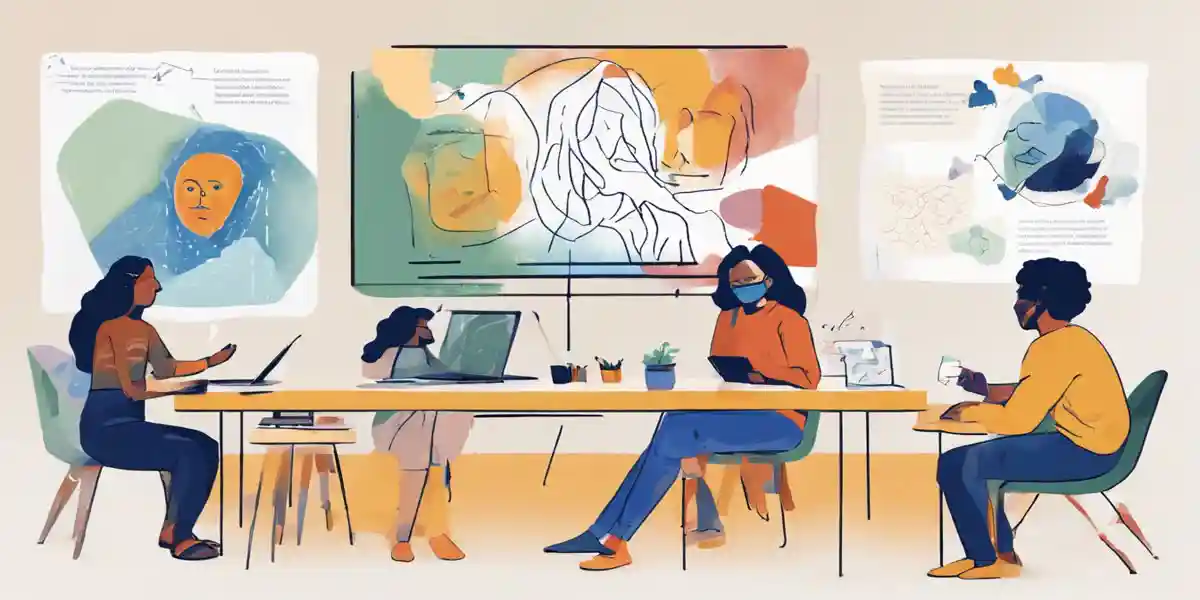
As we navigate the complexities of the digital age, live streaming emerges not just as a technological advancement but as a transformative medium for art therapy. By leveraging platforms like Instagram Live, Zoom, and YouTube, therapists can now host interactive art sessions that transcend geographical limitations. Imagine a world where a participant in a remote village can engage with a skilled therapist and a diverse group of peers, all united by their commitment to healing through creativity. This new approach fosters a sense of community and connection that is often missing in traditional therapy settings.
One of the most profound aspects of live streaming in art therapy is the immediacy it brings to the therapeutic process. During a session, participants can engage in real-time discussions, share their creations, and offer support to one another. For instance, in a recent virtual workshop, participants reported feeling more connected and understood as they shared their artwork and personal stories with others facing similar challenges. This communal atmosphere allows individuals to experience a sense of belonging, crucial for mental health, particularly in today's increasingly isolated world.
The digital format of live streaming can also lower the barriers to entry for many individuals. For those who may feel intimidated by traditional therapy settings, the anonymity provided by a screen can be liberating. Participants can express themselves freely without the fear of judgment that often accompanies face-to-face interactions. This dynamic was evident in a recent study involving a mindfulness-based art therapy session, where participants reported significant improvements in emotional well-being after just one two-hour session. The anonymity allowed them to engage in creative expression without the usual pressures, leading to a more profound therapeutic experience.
Art, by its very nature, is a visual medium, and live streaming captures this essence beautifully. Viewers can see the creative process unfold, from the initial strokes of a brush to the final touches on a canvas. This visual engagement can inspire participants to explore new techniques and ideas, fostering a spirit of spontaneity that is often missing in traditional therapy. For example, a therapist might demonstrate a painting technique live, encouraging participants to experiment alongside them. This shared experience of creation not only enhances learning but also deepens emotional connections among participants.
To illustrate the effectiveness of this approach, let’s examine a case study from a virtual art therapy workshop focused on mindfulness. In this session, 71 adult participants engaged in a doodling intervention designed to enhance mindfulness and creativity. The results were striking: participants reported significant increases in positive emotions and reductions in negative emotions post-session. The findings from this study suggest that even brief, structured art therapy interventions delivered via live streaming can provide substantial benefits, making them viable options for mental health support in community settings.
In a world where mental health resources are often scarce, live streaming art therapy represents a democratization of access. Individuals from various backgrounds and locations can participate in therapeutic sessions that were once limited to physical spaces. This shift not only broadens the reach of art therapy but also invites diverse voices and experiences into the conversation. As we continue to explore this intersection of technology and healing, we must consider how to further integrate these tools into our mental health frameworks to enhance support for those in need.
As we conclude our exploration of art therapy in the digital age, it becomes abundantly clear that the integration of live streaming and innovative technologies is revolutionizing the therapeutic landscape. We’ve discussed how live streaming not only enhances access to art therapy but also fosters a sense of community among participants from diverse backgrounds. This shift allows individuals to connect through creative expression, breaking geographical barriers and creating a more inclusive space for healing.
We’ve seen how live streaming facilitates real-time interaction, empowering participants to share their artistic journeys in a supportive environment. The examples of successful live streaming art therapy sessions illustrate the profound impact of community engagement on emotional well-being. Furthermore, the integration of trail running with art therapy highlights the therapeutic benefits of movement and nature, demonstrating how these practices can complement and enhance each other.
As we embrace these digital tools, we must also consider how we can further harness their potential for mental health support. How can we continue to innovate in the realm of art therapy to reach those who may feel isolated or hesitant to seek help? It’s essential for therapists, community organizers, and participants alike to explore these opportunities and advocate for more accessible, creative healing practices.
In closing, let us ponder this: Can the simple act of sharing our artistic expressions—whether through paint, movement, or digital mediums—create a new form of therapy that resonates deeply with our collective human experience? Together, we can redefine healing in the digital age by embracing creativity and community as fundamental components of our mental health journey. Join us in this exploration and consider how you can engage in or support these transformative practices.
Get notified about new articles, coffee tips, and Web3 insights.
This site participates in affiliate programs and may earn a commission when a link is clicked and a purchase is made. The site is not responsible for any issues or troubles related to the products or services purchased through the use of this site.

DO&COFFEE loves coffee and technology, exploring the potential of NFTs and blockchain. Learn more →
DO&COFFEE loves coffee and technology, exploring the potential of NFTs and blockchain. Learn more →