technology
2024/08/17
This article contains affiliate links. We may earn a small commission at no extra cost to you. Learn more
In a digital world increasingly defined by the intricate dance of technology and finance, one innovation emerges as a game-changer: Smart Contracts. These self-executing agreements, driven by code on the blockchain, promise to redefine the very fabric of trust and governance in the cryptocurrency landscape. But what exactly are Smart Contracts? And how do they fit into the larger picture of decentralized systems like Decentralized Autonomous Organizations (DAOs)?
As we peel back the layers of this transformative technology, we uncover a powerful mechanism that not only streamlines transactions but also fosters transparency and democratic governance. Imagine a world where organizations operate without traditional hierarchies, where decisions are made collectively, and where every participant has a voice. DAOs leverage Smart Contracts to automate processes, ensuring that every action is traceable and based on agreed-upon rules—eliminating biases and promoting fairness.
In this blog post, we will explore the mechanics behind Smart Contracts and their profound implications on cryptocurrencies. We will delve into their role in enhancing trust and streamlining transactions, and also address the challenges and future of these technologies. The importance of understanding Smart Contracts cannot be overstated; they are not just a technical advancement, but a fundamental shift in how we approach collaboration and power dynamics in the digital age. So, are you ready to decode the mechanism and uncover the transformative power of Smart Contracts?
Smart contracts are self-executing contracts with the terms of the agreement directly written into code. They operate on blockchain technology, allowing for automated and trustless transactions without the need for intermediaries. This innovation is pivotal in the cryptocurrency landscape, particularly in the context of Decentralized Autonomous Organizations (DAOs), where they play a fundamental role in governance, resource management, and operational transparency.
At their core, smart contracts function through a set of predefined rules established by the parties involved. These rules are encoded into the blockchain, ensuring that once the conditions are met, the contract executes automatically. For example, in a simple escrow agreement, a smart contract can hold funds until both parties fulfill their obligations (e.g., delivering a product or service). Upon confirmation of completion, the contract releases the funds without requiring a third-party mediator.
The versatility of smart contracts extends across various industries. In the realm of finance, platforms like Ethereum enable the creation of decentralized finance (DeFi) applications, where users can lend, borrow, or trade assets directly through smart contracts. Take Compound, for example, a DeFi protocol that allows users to earn interest on their cryptocurrencies. Here, smart contracts manage the lending and borrowing processes, providing a transparent and efficient framework that eliminates traditional banking intermediaries.
The integration of smart contracts into DAOs signifies a transformative shift in organizational governance. DAOs utilize smart contracts to automate decision-making processes, allowing for community-driven projects to thrive without traditional hierarchical structures. Imagine a charity DAO where community members vote on which projects to fund. Smart contracts enable automatic fund allocation based on the outcome of these votes, ensuring transparency and accountability in how donations are utilized.
While the potential of smart contracts is vast, they are not without challenges. Issues such as coding errors, vulnerabilities, and lack of true decentralization have been observed in various DAOs. A study examining DAOs like CompoundDAO and AssangeDAO revealed varying levels of decentralization and autonomy, indicating that while some DAOs are functioning effectively, others still struggle with governance complexities. The integration of Autonomous Economic Agents (AEAs) has been proposed to enhance the efficiency and governance capabilities within DAOs, potentially mitigating some of these challenges.
As we delve deeper into the transformative power of smart contracts, one must consider the broader implications of this technology on our organizational structures. The shift from traditional governance to decentralized models not only redefines power dynamics but also encourages greater community participation. How we engage with governance will evolve, making it essential to ask: What does this mean for our future relationship with power and participation in the digital age?
Smart Contracts serve as the digital backbone of Decentralized Autonomous Organizations (DAOs), enabling self-executing agreements that operate on blockchain technology. These contracts automatically enforce and execute terms based on predefined conditions, fundamentally altering how organizations function in the cryptocurrency landscape.
At their core, Smart Contracts are computer programs stored on a blockchain that run when predetermined conditions are met. Unlike traditional contracts, which often require intermediaries for enforcement, Smart Contracts eliminate the need for middlemen by utilizing the decentralized nature of blockchain technology. This reduces transaction costs and enhances efficiency. For instance, when a user sends a certain amount of cryptocurrency to a Smart Contract, the contract can automatically execute a payment to a service provider once the conditions—like delivering a product—are verified.
One of the most significant advantages of Smart Contracts is their ability to foster transparency and decentralization. Every transaction executed by a Smart Contract is recorded on the blockchain, creating an immutable ledger that can be audited by anyone. This transparency enhances trust among participants, as there is no room for manipulation or bias. For example, in a charity governed by a DAO, Smart Contracts can allocate funds to projects based on community votes. This ensures that donations are used effectively and allows donors to see exactly how their contributions are utilized, thereby promoting accountability.
Let’s delve into some practical applications of Smart Contracts in DAOs to illustrate their mechanics:
Despite their potential, the implementation of Smart Contracts is not without challenges. Many DAOs still struggle with true decentralization. For instance, a study examining over 4,000 DAOs revealed that many exhibited poor voting decentralization, often relying heavily on a small group of participants to make decisions. This reliance can diminish the effectiveness of Smart Contracts and undermine the principle of shared governance.
The integration of technologies like Autonomous Economic Agents (AEAs) within DAOs is an exciting frontier for enhancing Smart Contracts' functionality. These agents could facilitate better governance, communication, and reward systems, potentially leading to more efficient and autonomous operations. As the technology evolves, we can anticipate new algorithms and governance mechanisms that will further refine how Smart Contracts operate within DAOs.
The intersection of Smart Contracts and Decentralized Autonomous Organizations (DAOs) marks a significant evolution in the structure of organizations within the cryptocurrency landscape. By utilizing Smart Contracts, DAOs can operate independently of traditional hierarchies, enabling a new paradigm of governance driven by code rather than human discretion.
At the core of a DAO's functionality lies its Smart Contracts. These self-executing contracts with the terms of the agreement directly written into code facilitate automatic and transparent decision-making processes. For instance, in community-driven projects, Smart Contracts can be programmed to reward contributors based on specific criteria, such as the amount of time invested or the quality of input provided. This automated distribution eliminates biases inherent in human decision-making and fosters a sense of trust among participants, as each transaction is verifiable and auditable on the blockchain.
The application of DAOs extends across various sectors, from philanthropy to investment clubs. Take, for example, the Giveth platform, a DAO that facilitates donations for charitable projects. Through the use of Smart Contracts, Giveth allows donors to vote on how their contributions are allocated, ensuring that funds are utilized effectively according to community consensus. This model not only enhances transparency but also encourages greater participation from stakeholders who feel their voices are heard.
Another notable example is CompoundDAO, a decentralized lending protocol where users can earn interest on their cryptocurrencies. Smart Contracts govern the entire operation, from determining interest rates to managing liquidity. However, a recent study highlighted challenges regarding voting decentralization within CompoundDAO, illustrating that while the framework is innovative, it still faces hurdles in its execution and governance structure.
Despite their potential, DAOs encounter significant challenges. Many existing DAOs, including the AssangeDAO, have struggled with decentralization and autonomy, often relying on third-party intermediaries for decision-making processes. The reliance on centralized tools can undermine the very principles of decentralization that DAOs strive for. A study analyzing over 4,000 DAOs revealed that while some organizations have improved their governance structures over time, achieving true decentralization remains a work in progress.
Moreover, the governance frameworks that underpin DAOs often fall short of addressing traditional corporate governance issues such as contract risks and principal-agent dilemmas. A parallel governance framework proposed in recent research aims to leverage artificial systems and computational experiments to enhance DAO governance. Implementations of this framework in DAOs like GnosisDAO have revealed both vulnerabilities and the potential for innovative solutions to governance challenges.
Looking ahead, the integration of Autonomous Economic Agents (AEAs) within DAOs is a promising avenue for increasing their efficiency and autonomy. AEAs can enhance governance mechanisms by automating decision-making processes and improving communication among stakeholders. This integration could redefine the operational landscape of DAOs, allowing them to function more effectively in peer-to-peer digital systems.
The ongoing evolution of DAOs, fueled by Smart Contracts and innovative technologies, has the potential to revolutionize organizational structures. As they continue to develop, the implications for collective decision-making, transparency, and accountability in governance are profound, raising crucial questions about the future of power dynamics in digital collaboration.
Smart contracts play a pivotal role in enhancing trust and transparency within the cryptocurrency landscape, particularly in relation to Decentralized Autonomous Organizations (DAOs). By automating and codifying agreements, these digital contracts not only reduce the need for intermediaries but also foster an environment where transactions can be verified and audited in real-time.
At the core of smart contracts is the fundamental ability to execute agreements automatically when predefined conditions are met. This automation significantly reduces the risk of fraud and manipulation, as all actions are recorded on an immutable blockchain. For example, consider a crowdfunding platform built on the Ethereum network. When a project reaches its funding goal, the smart contract triggers the release of funds to the project creators. If the goal is not met, the funds are returned to the contributors. This eliminates the need for a trusted third party, reducing potential disputes and enhancing trust among participants.
The transparency afforded by smart contracts is another transformative aspect. Each transaction is logged on the blockchain, creating an open ledger that anyone can access. This feature is particularly beneficial in sectors like philanthropy, where donors want assurance that their contributions are being used as intended. For instance, imagine a charity using a smart contract to manage donations for a specific cause. Each donation can be tracked, and funds can only be allocated to approved projects based on community votes, thereby ensuring accountability and transparency in fund distribution.
Decentralized Autonomous Organizations are becoming a prime example of how smart contracts can enhance trust and transparency. Take CompoundDAO, a decentralized lending protocol where users can lend and borrow cryptocurrencies without intermediaries. The governance of Compound is managed through a series of smart contracts that allow token holders to vote on proposals, ensuring that all changes are transparent and traceable. However, studies have shown that while such DAOs exhibit the potential for decentralized governance, issues like poor voting decentralization still persist, indicating areas for improvement in their operational design.
Another example is AssangeDAO, formed to support journalist Julian Assange's legal defense. Here, smart contracts automatically allocate funds based on the community's voting decisions. This direct engagement encourages trust among members, as the decision-making process is transparent and verifiable. Such applications show the potential for smart contracts to redefine how organizations operate, moving away from opaque practices towards open frameworks where every transaction is accountable.
While the integration of smart contracts within DAOs presents numerous benefits, challenges remain. Many DAOs still rely on centralized tools and face governance issues that could undermine their autonomy. Research suggests that the integration of Autonomous Economic Agents (AEAs) could further enhance the governance and efficiency of DAOs, allowing for more robust decision-making frameworks. By incorporating AI and machine learning, these agents can analyze large datasets and facilitate more informed community decisions, potentially increasing the overall trust and transparency of the organization.
As we explore the transformative impact of smart contracts on cryptocurrencies, it becomes evident that the journey towards a fully transparent and trustworthy digital economy is just beginning. The synergy between smart contracts and DAOs may very well shape the future of organizational governance, leading us toward a more equitable and participatory landscape.
Smart contracts are revolutionizing the way transactions are conducted in the cryptocurrency landscape, acting as a powerful tool for streamlining processes and reducing costs. By automating agreements and eliminating intermediaries, smart contracts pave the way for more efficient, cost-effective operations across various sectors.
At their core, smart contracts are self-executing contracts with the terms of the agreement directly written into code. This capability allows for instant execution of transactions without the need for human intervention. For example, consider a freelance platform where clients hire freelancers for projects. Traditionally, this process involves multiple intermediaries, such as payment processors and arbitration services, each charging fees that can add up quickly. However, with smart contracts, payments can be automatically released to freelancers once predefined milestones are met, thereby reducing transaction time and costs significantly.
To illustrate the tangible benefits, let’s look at some real-world examples. The decentralized finance (DeFi) platform, Compound, utilizes smart contracts to facilitate lending and borrowing without intermediaries. By reducing the costs associated with traditional banking services, users can earn higher interest on deposits while borrowers can access funds at lower rates. The operational efficiency of Compound's smart contracts allows for rapid transactions, which is crucial in the fast-paced DeFi market.
Another notable example is GnosisDAO, which utilizes smart contracts to automate governance and decision-making. By eliminating the need for intermediaries in the voting process, GnosisDAO enables members to participate in governance more efficiently. This not only reduces costs associated with governance but also fosters greater transparency and accountability, as every transaction and voting outcome is recorded on the blockchain.
The implications of smart contracts extend beyond individual transactions to the very nature of organizations themselves. Traditional organizational structures often involve significant overhead costs related to administration, compliance, and legal fees. In a DAO, these costs can be minimized through the automation of governance processes. For instance, a DAO might allocate funds automatically based on community votes conducted through smart contracts, ensuring that resources are directed according to collective agreement without the need for costly oversight.
While the benefits of smart contracts are significant, challenges remain. A study examining over 4,000 DAOs highlighted issues such as poor voting decentralization and reliance on third-party services, which can undermine the very efficiencies that smart contracts aim to provide. Moreover, as DAOs continue to evolve, integrating technologies like Autonomous Economic Agents (AEAs) may further enhance their operational capabilities, promising even greater reductions in transaction costs and increased autonomy in decision-making processes.
As we delve deeper into the transformative power of smart contracts, the question arises: How might the continuous evolution of these technologies shape the future of organizational economics and the broader business landscape?
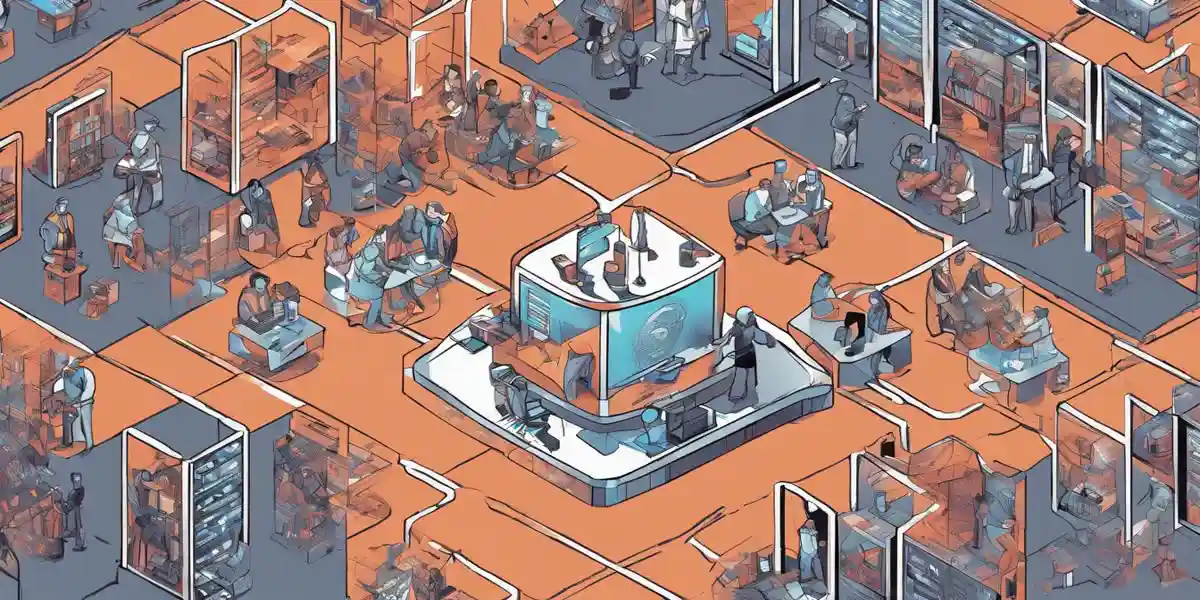
The intersection of Smart Contracts and Decentralized Autonomous Organizations (DAOs) represents a paradigm shift in organizational governance and operational structures. By leveraging blockchain technology, DAOs can function without traditional hierarchies, instead utilizing code to govern decision-making processes and resource management transparently.
At their core, DAOs embody the principle of democratizing power within organizations. Consider a scenario where a community is engaged in a project, such as a local environmental initiative. Smart Contracts can be programmed to distribute tokens to contributors based on specific metrics, such as the amount of time spent on the project or the resources they provide. This automatic token distribution eliminates the need for intermediaries, reducing bias and ensuring that contributions are recognized fairly and transparently.
For example, platforms like CompoundDAO utilize Smart Contracts to allow users to lend and borrow cryptocurrency without a central authority. Participants vote on governance proposals using their tokens, thus directly influencing the platform's future while ensuring that decisions reflect the community's collective will. However, studies have shown that many DAOs, including CompoundDAO, struggle with decentralization in voting power, revealing a critical area for ongoing development.
DAOs are not confined to financial applications; they span various sectors, including philanthropy, investment, and even creative endeavors. Imagine a charitable organization where donations are allocated to projects based on community voting. By deploying Smart Contracts, the allocated funds can be automatically distributed to initiatives that receive the most votes from community members, ensuring that the donations are used effectively and according to the collective desire of the contributors.
An illustrative example of this is AssangeDAO, which was created to support the legal defense of Julian Assange. This DAO allowed participants to contribute funds and vote on how those funds should be deployed, highlighting the potential for DAOs to foster community engagement and shared governance in sensitive and impactful scenarios.
Despite their promising applications, DAOs face significant challenges. Research indicates that many DAOs are not genuinely decentralized, often relying on centralized tools for governance and decision-making. A paper on DAOs in the Web 3.0 economy discusses the integration of Autonomous Economic Agents (AEAs) as a potential solution to enhance governance and operational efficiency. AEAs could help automate decision-making processes, making DAOs more autonomous and less reliant on human intervention, thus mitigating risks associated with governance vulnerabilities.
Moreover, the governance mechanisms of DAOs must evolve to address issues like the principal-agent dilemma, where the interests of decision-makers may not align with those of the community. A proposed parallel governance framework, implemented in GnosisDAO, utilizes artificial intelligence and computational experiments to uncover flaws in traditional DAO governance structures. Such innovative approaches could pave the way for more resilient and effective DAOs.
As we explore the synergy between Smart Contracts and DAOs, we uncover a fundamental shift in our understanding of organizational structures. The potential for DAOs to redefine governance is immense, but realizing this potential requires ongoing research and development. The question remains: how can we ensure that these digital organizations truly reflect the democratic ideals they promise while effectively navigating the complexities of decentralized governance?
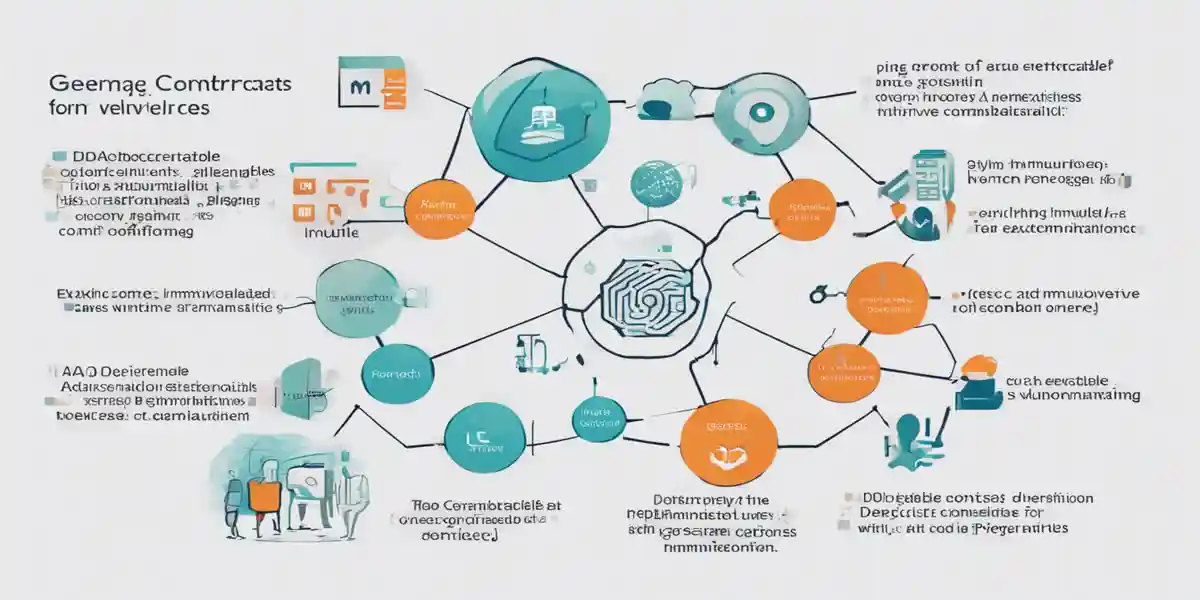
As we navigate the promising yet tumultuous waters of smart contracts, one cannot overlook the significant security concerns and vulnerabilities that accompany this revolutionary technology. While smart contracts have the potential to automate and democratize organizational processes, they also expose users to various risks that can undermine trust and efficacy in the blockchain ecosystem.
At the core of these vulnerabilities lies the immutable nature of blockchain technology. Once a smart contract is deployed, it cannot be altered. This characteristic, while beneficial in maintaining trust, can also be a double-edged sword. For instance, if a smart contract contains a coding error or vulnerability, it remains vulnerable indefinitely. A notorious example of this can be seen in the The DAO, a decentralized autonomous organization that was built on the Ethereum blockchain. In 2016, a flaw in its smart contract was exploited, resulting in the loss of approximately $60 million worth of Ether. This incident not only highlighted the potential financial implications of smart contract vulnerabilities but also triggered a significant crisis of confidence in the Ethereum network itself.
Moreover, the nature of decentralized governance in DAOs introduces additional complexities. Traditional corporate governance struggles with principal-agent dilemmas, where the interests of decision-makers may not align with those of stakeholders. In the realm of DAOs, these dilemmas can be exacerbated by inadequate decision-making protocols. Research shows that many DAOs, such as CompoundDAO and AssangeDAO, have experienced poor voting decentralization—meaning that a small number of participants control the voting power, raising concerns about the legitimacy of their governance. These governance challenges can lead to systemic risks, particularly when decision-making is heavily reliant on a few major stakeholders or external third parties.
Moreover, security vulnerabilities can also stem from the integration of external systems. As DAOs and smart contracts become more interconnected with traditional applications and platforms, the attack surface for potential hackers expands. For instance, the integration of Autonomous Economic Agents (AEAs), as discussed in recent research, can enhance the operational efficiency of DAOs but can also introduce unforeseen vulnerabilities. If these agents are not properly secured, they could become gateways for malicious actors to infiltrate the network, leading to data breaches or financial losses.
In efforts to address these vulnerabilities, researchers have proposed innovative frameworks, such as the parallel governance framework based on parallel intelligence theory. This approach aims to improve governance mechanisms in DAOs by utilizing computational experiments and artificial systems to identify and rectify vulnerabilities. Such methodologies could lead to more robust governance structures and improve the overall resilience of smart contracts against exploitation.
Furthermore, ongoing technical advancements in programming languages, such as Solidity for Ethereum, are also crucial. Enhanced tools and methodologies, including formal verification processes, can help developers identify potential flaws before deployment. By ensuring that smart contracts are rigorously tested and validated, we can mitigate the risks associated with their inherent vulnerabilities.
As we venture further into the future of smart contracts and DAOs, understanding and addressing these security concerns will be paramount. The promise of decentralized governance and automated processes is enticing, but it is equally vital to ensure that the systems we build are resilient, secure, and truly democratized.
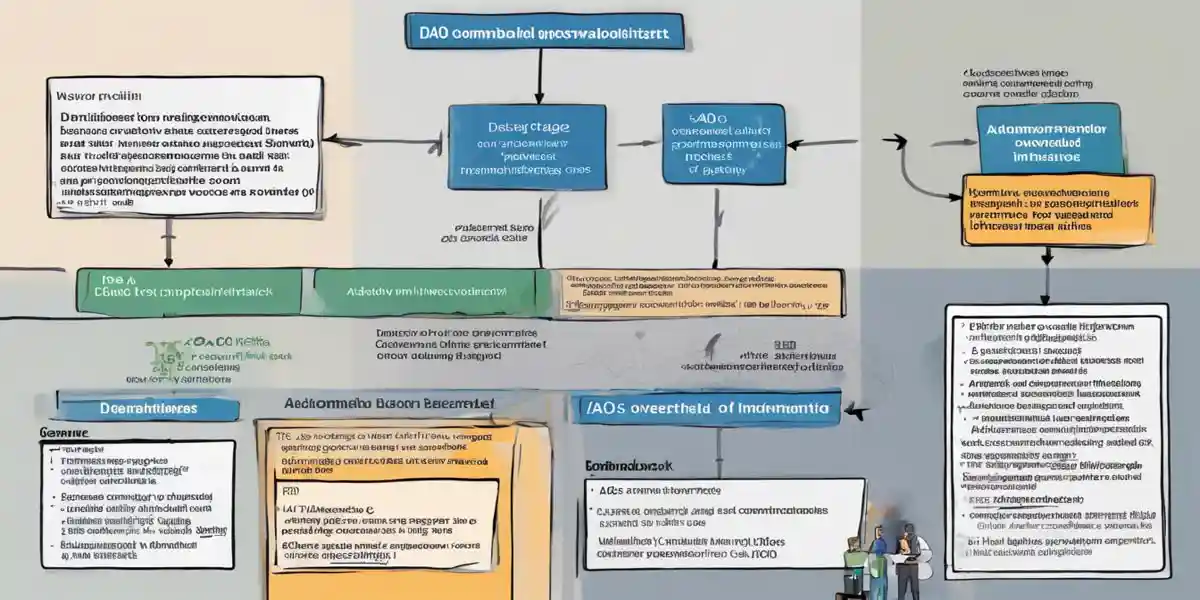
As we stand on the brink of a new era defined by Decentralized Autonomous Organizations (DAOs) and Smart Contracts, the road ahead is paved with both tantalizing innovations and complex regulatory challenges that will shape the cryptocurrency landscape.
The fusion of DAOs with emerging technologies offers a glimpse into a future where organizational structures are not only more efficient but also more aligned with the democratic ethos of decentralization. One of the most exciting developments is the integration of Autonomous Economic Agents (AEAs) into DAOs, which are designed to enhance governance and operational efficiency. Think of AEAs as digital entities that can perform tasks independently, making decisions based on predefined algorithms and real-time data.
For instance, imagine a DAO dedicated to environmental sustainability. With AEAs, this organization could autonomously analyze data on carbon emissions and allocate resources for renewable energy projects in real-time, all while allowing token holders to vote on strategic decisions. By eliminating the need for manual intervention, these agents reduce delays and operational costs, presenting a compelling case for the adoption of such systems across various sectors.
While the potential of DAOs is immense, they also face significant governance challenges that can hinder their effectiveness. As highlighted in various studies, many DAOs exhibit poor voting decentralization. For example, CompoundDAO and AssangeDAO have been scrutinized for their governance models, which revealed a reliance on a small group of participants for decision-making. This raises critical questions: How do we ensure equitable participation in governance? What safeguards can we implement to prevent concentration of power?
Moreover, traditional corporate governance theories often do not apply to DAOs, complicating regulatory frameworks. The use of Smart Contracts introduces a layer of complexity; while they are designed to be trustless and self-executing, vulnerabilities in their code can lead to significant risks. The introduction of a parallel governance framework, as proposed in the recent studies, aims to address these issues by incorporating artificial intelligence and computational experiments to enhance decision-making processes within DAOs.
As DAOs continue to gain traction, regulatory bodies are grappling with how to approach these novel entities. The challenge lies in striking a balance between fostering innovation and protecting participants from potential pitfalls. For instance, should DAOs be classified as traditional corporations, or do they warrant a new category altogether? How do we regulate entities that operate globally, transcending national laws?
The implications of regulatory decisions are profound. They could either stifle innovation if overly restrictive or lead to a chaotic environment if too lenient. As we explore the future of DAOs, it becomes essential to engage in conversations about regulatory frameworks that can adapt to the unique characteristics of these organizations. The development of clear guidelines will not only help protect users but also encourage responsible innovation in the cryptocurrency space.
Several real-world examples underscore the transformative power of DAOs and Smart Contracts. For instance, the Gitcoin DAO, which funds open-source projects, utilizes Smart Contracts to allocate funds based on community votes, showcasing the potential for transparent and democratic funding mechanisms. Similarly, the Moloch DAO focuses on funding Ethereum projects, illustrating how DAOs can drive innovation in the blockchain ecosystem.
Looking ahead, we can anticipate a surge of innovation as DAOs evolve. The synergy between Smart Contracts and new technologies like digital twins and the metaverse presents exciting possibilities for resource allocation and organizational transparency. Imagine a DAO operating in the metaverse, where participants can interact and collaborate in a fully immersive environment, governed by Smart Contracts that ensure fair distribution of rewards and responsibilities.
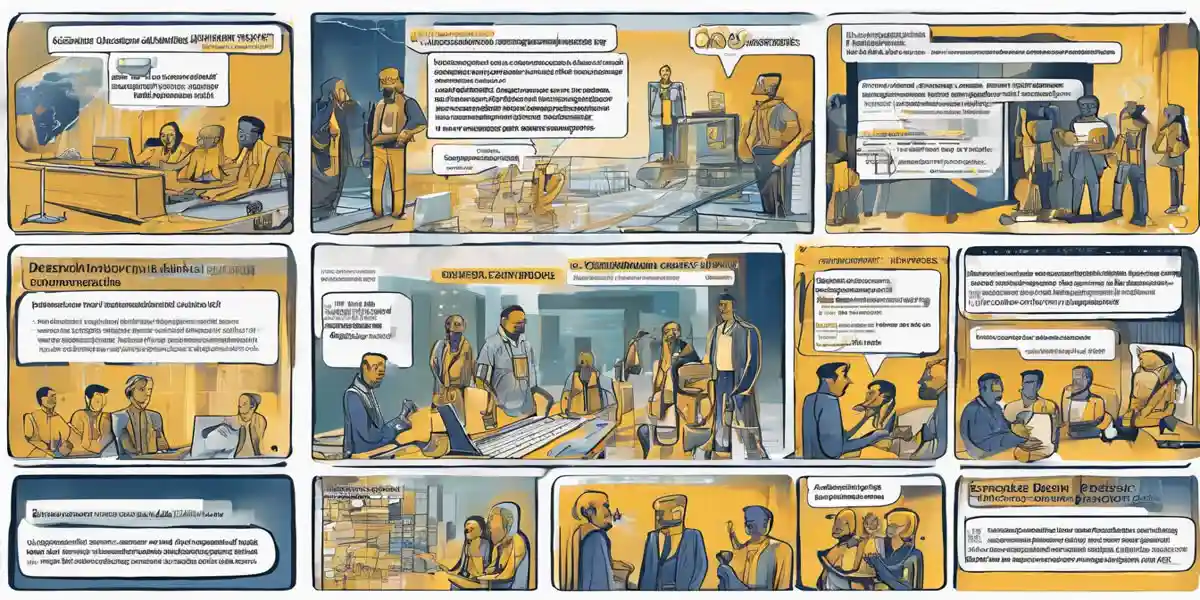
In the evolving landscape of cryptocurrencies, Smart Contracts serve as the backbone of a new organizational paradigm: Decentralized Autonomous Organizations (DAOs). Imagine a world where organizations operate without traditional hierarchies, driven by code rather than human oversight. DAOs utilize Smart Contracts to automate decisions and manage resources transparently, fostering community participation and shared governance.
At the heart of DAOs is the revolutionary idea of democratizing power within organizations. Take, for example, a community-driven project where contributors are rewarded based on their input. Smart Contracts can automatically distribute tokens to participants based on predefined criteria. This system eliminates the need for intermediaries, reducing the potential for bias and ensuring that rewards are fairly allocated.
Such mechanisms not only accelerate operations but also build trust among members, as every transaction is verifiable on the blockchain. This trustless environment is pivotal; it empowers participants, making them feel valued and integral to the organization's success. In fact, the ability to verify transactions reduces the risk of fraud and mismanagement, which are prevalent in traditional organizational structures.
DAOs can be applied to various sectors, transcending their initial financial use cases. For instance, consider a charity organization where donations are automatically allocated to projects based on community voting. Using Smart Contracts, the community can decide where funds should go, ensuring that resources are used effectively and transparently. This model has profound implications for accountability—no longer will organizations operate in a black box; every decision and transaction will be traceable, fostering a culture of openness and responsibility.
Another compelling case is that of investment clubs, where members can pool resources and vote on investment opportunities using Smart Contracts. By automating the decision-making process, these clubs can operate more efficiently, allowing for quicker responses to market conditions while ensuring that all members have an equal say in the direction of their investments.
However, the implementation of DAOs is not without challenges. A comprehensive study analyzing over 4,000 DAOs revealed that many, such as CompoundDAO and AssangeDAO, exhibited poor voting decentralization, raising questions about their autonomy and effectiveness. The reliance on third-party involvement often undermines the foundational principles of decentralization that DAOs are built upon. Governance mechanisms must evolve to enhance transparency and inclusivity, ensuring that all voices are heard.
Moreover, the integration of Autonomous Economic Agents (AEAs) has been proposed to improve governance within DAOs. These agents can facilitate communication and streamline operations, making DAOs more efficient and autonomous. By leveraging advancements in AI and machine learning, DAOs can potentially overcome the hurdles of collective decision-making and ensure that their governance structures are robust and equitable.
The future of DAOs is intertwined with technological innovation. As blockchain technology continues to evolve, so too will the frameworks that support DAOs. The introduction of parallel governance frameworks, as explored in GnosisDAO, offers promising insights into how we can address existing governance challenges. By utilizing computational experiments and parallel execution, these frameworks aim to reveal defects in governance while providing solutions tailored to the unique needs of DAOs.
Additionally, the exploration of a five-layer intelligent architecture for DAOs, as proposed in recent research, could redefine how we see organizational structures. This architecture might integrate digital twins and metaverse technologies, creating a cyber–physical–social system (CPSS) that enhances the functionality and reach of DAOs, making them more adaptable to the rapidly changing digital landscape.
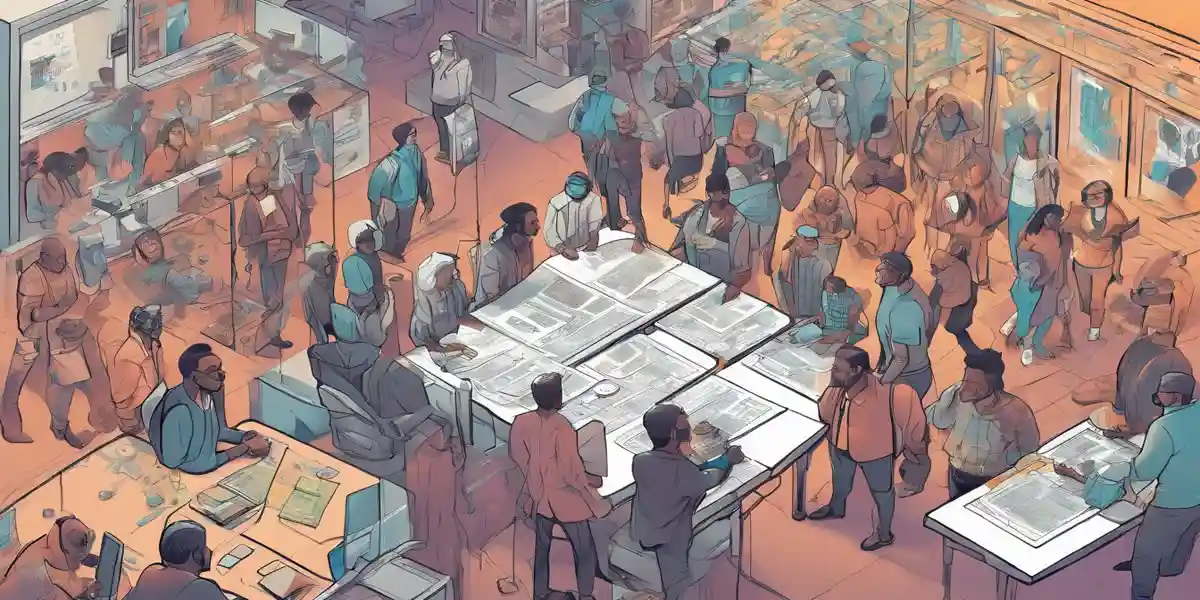
In the evolving landscape of cryptocurrencies, Smart Contracts are not just technical innovations; they are the backbone of a new organizational paradigm: Decentralized Autonomous Organizations (DAOs). Imagine a world where organizations operate without traditional hierarchies, driven by code rather than human oversight. DAOs utilize Smart Contracts to automate decisions and manage resources transparently, fostering community participation and shared governance.
At the heart of this concept is the idea that DAOs can democratize power within organizations. Consider a community-driven project where contributors are rewarded based on their input. Smart Contracts can automatically distribute tokens to participants based on predefined criteria, eliminating the need for intermediaries and reducing the potential for bias. This not only speeds up operations but also builds trust among members, as everyone can verify transactions on the blockchain.
For instance, take CompoundDAO, a decentralized finance protocol that allows users to lend and borrow cryptocurrencies. Here, governance is decentralized through a token-based voting system, where holders of the COMP token can propose and vote on changes to the protocol. Smart Contracts manage these votes automatically, ensuring that the process is transparent and devoid of manipulation. Despite its innovative framework, studies have shown that CompoundDAO has faced challenges with voting decentralization, highlighting the need for continual improvement in governance structures.
DAOs can be applied to various sectors, from philanthropy to investment clubs. Imagine a charity where donations are automatically allocated to projects based on community voting, ensuring funds are used effectively. The implications for transparency and accountability are profound—no longer will organizations operate in a black box; every transaction will be traceable.
A pertinent example is AssangeDAO, formed to support the legal defense of Julian Assange. This DAO enabled community members to vote on how to allocate funds raised for legal aid, utilizing Smart Contracts to ensure that every transaction and decision was transparent and verifiable by anyone. While the DAO's intention was noble, it also illustrated the complexities of governance and the potential for reliance on third-party involvement, emphasizing the need for robust governance frameworks to uphold its mission.
The infrastructure of DAOs is fundamentally intertwined with advanced technologies. The concept of Decentralized Autonomous Organizations and Operations (DAOOs) integrates blockchain and Web3 technologies, reshaping resource allocation and organizational structures. According to a recent study, DAOs exist within a cyber–physical–social system (CPSS), where various technologies, such as digital twins and the metaverse, can enhance operational effectiveness. This five-layer intelligent architecture provides a framework through which DAOs can operate more efficiently and transparently.
Moreover, the integration of Autonomous Economic Agents (AEAs) is proposed to further enhance governance, communication, and reward systems within DAOs. By leveraging AEAs, DAOs can improve their decision-making processes, thereby increasing overall efficiency and autonomy. This technological advancement presents a paradigm shift, as it allows DAOs to function more independently while reducing their reliance on centralized tools and collective decision-making.
Despite their potential, DAOs are not without challenges. Traditional corporate governance theories often do not apply, leading to vulnerabilities in their governance mechanisms. For example, studies have indicated that many existing DAOs, including CompoundDAO and AssangeDAO, exhibited poor voting decentralization and varying degrees of autonomy, sometimes relying heavily on external influences.
A novel approach to tackle these governance challenges is proposed through a parallel governance framework based on parallel intelligence theory. This framework utilizes artificial systems and computational experiments to identify and rectify governance issues within DAOs. When implemented in GnosisDAO, for instance, this framework revealed governance defects but also underscored the potential for alternative governance solutions to enhance DAO functionality.
In this exploration of smart contracts, we've unveiled their transformative power within the cryptocurrency landscape, emphasizing their role in revolutionizing organizational structures through Decentralized Autonomous Organizations (DAOs). These self-executing contracts, rooted in blockchain technology, not only automate and enforce agreements but also pave the way for enhanced trust and transparency among participants.
We discussed how smart contracts streamline transactions, significantly reducing costs by eliminating the need for intermediaries. This efficiency is particularly evident in the burgeoning decentralized finance (DeFi) sector, where platforms like Compound and GnosisDAO exemplify the potential for innovation driven by smart contracts. However, the journey is not without challenges; vulnerabilities and governance issues persist, necessitating ongoing research and development to refine these systems.
As we stand at the crossroads of a new digital era, the implications of smart contracts extend far beyond mere automation. They herald a shift toward decentralized governance that democratizes power and fosters community engagement. However, the promise of this technology must be tempered with a commitment to addressing security concerns and ensuring equitable participation within DAOs.
As you reflect on the insights shared in this article, consider this: How will you engage with these emerging technologies? Will you advocate for a more transparent and participatory future, or will you remain a passive observer as the landscape continues to evolve? The choice is yours, and the time to act is now.
Get notified about new articles, coffee tips, and Web3 insights.
This site participates in affiliate programs and may earn a commission when a link is clicked and a purchase is made. The site is not responsible for any issues or troubles related to the products or services purchased through the use of this site.
DO&COFFEE loves coffee and technology, exploring the potential of NFTs and blockchain. Learn more →
DO&COFFEE loves coffee and technology, exploring the potential of NFTs and blockchain. Learn more →