art
2024/08/07
The intersection of art and technology has always been a fertile ground for innovation, and the rise of blockchain technology is ushering in a new era of creative expression. In this blog post, we will explore the realm of crypto art, which refers to digital artworks secured through blockchain technology, primarily via Non-Fungible Tokens (NFTs). NFTs are unique digital assets that represent ownership of a specific item, allowing artists to sell their work in a way that guarantees authenticity and provenance. This technological advancement has transformed the way artists create, share, and monetize their work, bridging gaps that previously hindered their ability to profit from their creativity.
The importance of crypto art can be illustrated through real-world examples, such as the emergence of dance NFTs, which have revolutionized the digital economy for choreographers. Artists like JaQuel Knight have successfully secured copyrights for their choreography, enhancing the visibility of Black artistry in the process. The viral success of the Renegade Dance on TikTok further underscores the potential of NFTs to provide financial rewards and recognition for artists, thereby addressing longstanding inequities in the distribution of artistic labor. According to a study analyzing over 48,000 artworks and 15,000 artists on the Foundation platform, the adoption of NFTs has surged, demonstrating the growing significance of this trend in the art ecosystem.
Throughout this post, we will delve into the main ideas surrounding crypto art, including its impact on artistic ownership, the role of blockchain in facilitating new forms of creative expression, and the future of digital art in the context of a decentralized internet, commonly referred to as Web3. By connecting these concepts, we can better understand how the evolution of technology is reshaping the creative landscape for artists and audiences alike.
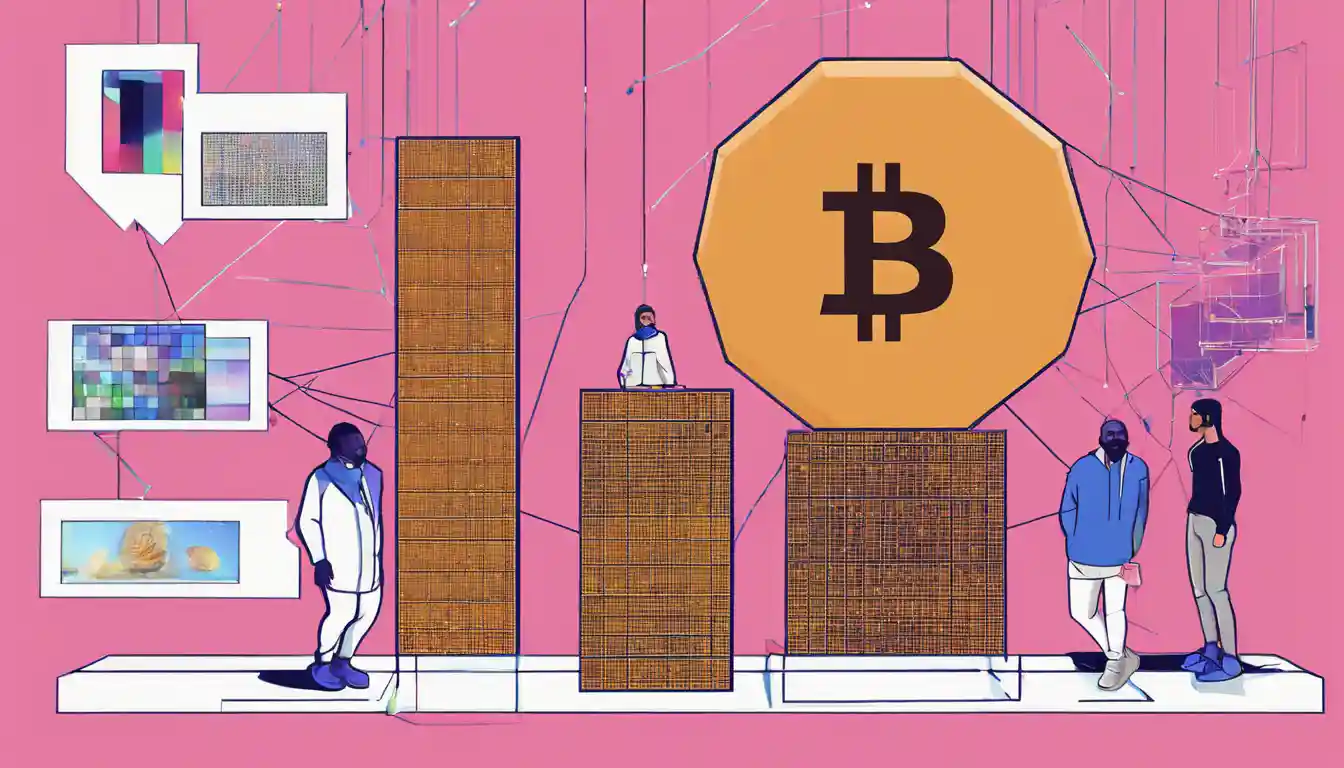
Crypto art refers to digital artworks that are secured and verified using blockchain technology, most commonly through Non-Fungible Tokens (NFTs). This trend has exploded in popularity over recent years, allowing artists to tokenize their work, providing verifiable ownership, and enabling direct transactions between artists and collectors. The technical backbone of crypto art is primarily Ethereum, which supports the ERC-721 and ERC-1155 token standards, enabling the creation and exchange of NFTs.
The rise of platforms like Foundation and OpenSea has made it easier for artists to mint their work as NFTs, while the use of smart contracts automates the transfer of ownership, royalties, and provenance tracking. This reduces the traditional barriers of entry to the art market, allowing a broader range of voices to be heard and monetized.
The significance of crypto art trends extends beyond mere financial transactions; it has transformative effects on cultural ownership and artistic expression. For instance, the emergence of dance NFTs has allowed choreographers like JaQuel Knight to secure copyrights and monetize their choreography, thereby enhancing the visibility of Black artistry and creating new revenue streams. The case of the "Renegade Dance," which gained massive popularity on TikTok, highlights how NFTs can help artists gain recognition and financial compensation for their work, bridging gaps in traditional media distribution.
Moreover, the NFT market for sound art is growing, with audio NFTs gaining traction due to increased podcast consumption during the pandemic. Artists and musicians can now sell their audio works directly to fans, creating a new economic model for audio content that was previously difficult to monetize effectively.
Here are three actionable tips for readers looking to engage with crypto art trends:
As crypto art evolves, its relationship with Web3 technologies becomes increasingly relevant. Web3 represents a decentralized internet where users have control over their data and digital identities. Crypto art fits into this landscape by empowering artists and collectors through direct ownership and decentralized distribution. For instance, the Foundation platform's use of smart contracts ensures that artists receive royalties on future sales, a feature that traditional art markets rarely offer.
According to a study analyzing 48,000 artworks and 15,000 artists on the Foundation platform, the adoption of NFTs has reached a new equilibrium, indicating a stable market in terms of average artwork prices despite fluctuations in demand. This stability can encourage more artists to explore crypto art without the fear of sudden devaluation. Additionally, the rise of sound NFTs indicates that diverse forms of creative expression are being recognized, expanding the potential use cases for crypto art.
- The impact of blockchain dance tokens highlights the transformation in the digital economy, particularly regarding ownership and representation in the arts. - The study on sound NFTs emphasizes the growth of audio content markets, showcasing how new technologies can create business opportunities for artists.
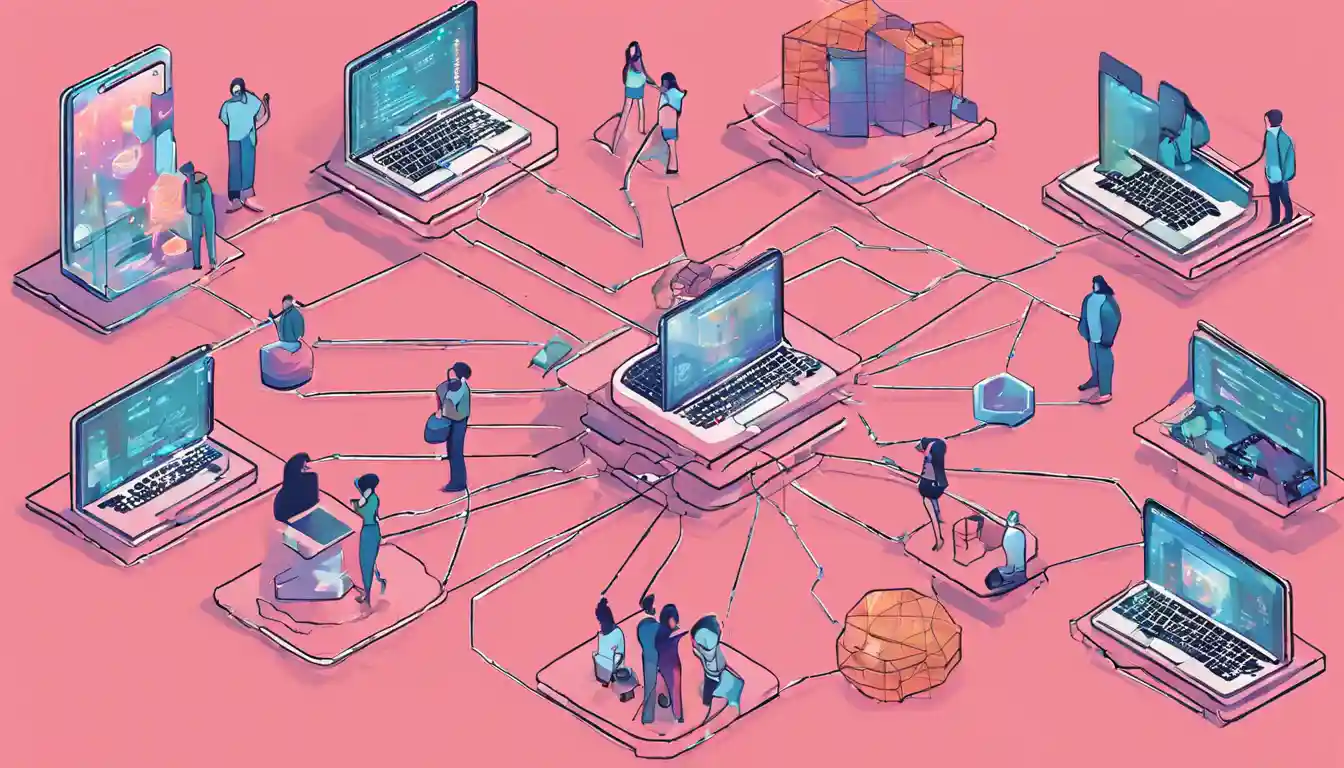
Blockchain technology is a decentralized digital ledger that records transactions across many computers in a way that the recorded transactions cannot be altered retroactively. This underpins the creation and distribution of artworks in the digital realm. The emergence of Non-Fungible Tokens (NFTs) has revolutionized how we perceive ownership and provenance in art. Each NFT is unique and can represent ownership of a digital asset, whether it's an artwork, music, or even dance choreography. The blockchain guarantees the authenticity of the artwork and its ownership, making it an indispensable tool for artists and collectors alike.
The importance of the intersection between art and blockchain can be illustrated through several real-world examples. For instance, the rise of dance NFTs has allowed choreographers such as Jaquel Knight, who secured copyrights for his works, to monetize their creations effectively. This not only enhances the recognition of black labor and aesthetics in the dance field but also allows artists to bridge the gap between their labor and its distribution. Another example can be seen in the explosion of audio NFTs, particularly during the pandemic, where the demand for digital audio content, including podcasts, surged. This created new business opportunities within the sound media ecosystem, showcasing how blockchain can foster innovation and creativity in art forms that were previously undervalued.
Here are three concrete, actionable tips for readers looking to explore the world of art and blockchain:
The relationship between art and blockchain is particularly relevant in the context of Web3, where decentralization is key. Web3 technologies enable artists to maintain control over their work and its distribution. Smart contracts—self-executing contracts with the agreement directly written into code—facilitate automatic royalty payments to artists whenever their work is resold, ensuring they benefit from their creations long-term. Moreover, the evolution of decentralized finance (DeFi) within the blockchain space opens new avenues for art financing, allowing creators to leverage their digital assets for loans or liquidity without traditional intermediaries.
According to research conducted on the Foundation platform, over 48,000 artworks and more than 15,000 artists were identified, showcasing the rapid adoption of NFTs within the art ecosystem. The study highlights that while NFT adoption surged in early 2021, the average prices of artworks remained relatively stable, indicating a maturing market. Furthermore, the introduction of dance NFTs has transformed the landscape for choreographers, allowing them to monetize their work effectively, as seen with Jaquel Knight's copyright dance initiative, which has raised awareness of the value of black labor in the arts.
Digital art refers to artistic works created using digital technology as part of the creative or presentation process. This encompasses a wide range of practices, including digital painting, 3D modeling, animation, and interactive installations. The technical aspects of digital art often involve the use of software such as Adobe Photoshop, Illustrator, or Blender, where artists use digital tools to create and manipulate their work. Additionally, digital art can include techniques like pixel art, generative art, and algorithmic design, all of which leverage computing power to produce visual content. The rise of blockchain technology has introduced new dimensions to digital art, particularly through the use of Non-Fungible Tokens (NFTs), allowing artists to authenticate and monetize their digital creations securely.
The significance of digital art extends beyond aesthetics; it has transformed how artists create, distribute, and profit from their work. For instance, the emergence of dance NFTs has revolutionized the digital economy by allowing choreographers to protect and sell their dance creations. The case of Jaquel Knight's copyright on dance routines exemplifies how artists can now assert ownership of their work, enhancing the value of Black labor and aesthetics in the dance industry. Similarly, the viral Renegade dance on TikTok highlighted the challenges of recognition for choreographers, yet the advent of NFTs has provided them with avenues for monetization, bridging the gap between artistic labor and distribution. According to a study examining over 48,000 artworks and 15,000 artists on the Foundation platform, the adoption of NFTs has surged, demonstrating their growing importance in the art ecosystem.
Digital art's integration into Web3 represents a paradigm shift in ownership and value creation. By utilizing blockchain technology, artists can create NFTs that serve as proof of ownership and authenticity for digital assets. This technology addresses issues of copyright and provenance that have historically plagued the digital art space. For example, sound NFTs have gained traction in the digital audio communication ecosystem, especially during the pandemic, creating new business opportunities for artists in the sound domain. The increasing popularity of NFTs has led to a significant growth in the market, with reports indicating a surge in sales during 2021, peaking in March of that year. This growth signals a new era where digital artists can capitalize on their work while engaging directly with their audience and collectors.
The transformation in digital art through blockchain technology and NFTs is well-documented. Studies indicate that the NFT market experienced rapid adoption, leading to a shift in how digital art is valued and sold. For instance, the analysis of the Foundation platform revealed that although the average price of artworks remained stable, the network patterns around NFT adoption illustrate a dynamic market landscape where artist reputation and sales patterns significantly impact success. Additionally, the emergence of sound NFTs has opened new avenues for audio content creators, underlining the expanding role of digital media in today's economy.
In this exploration of "Beans to Blockchain: Creative Expression in Crypto Art," we delved into the transformative power of blockchain technology, particularly through Non-Fungible Tokens (NFTs), and how it has redefined the landscape of artistic expression. We highlighted key developments, such as the emergence of dance NFTs that empower choreographers like JaQuel Knight to secure copyrights and monetize their work. Additionally, we examined the growth of audio NFTs, driven by increased demand for digital sound content during the pandemic, creating new opportunities for artists and redefining cultural ownership.
Looking ahead, the implications of these trends are profound. As blockchain technology continues to evolve, we can expect further innovations in how artists create, distribute, and monetize their work. The rise of decentralized platforms may lead to greater inclusivity and accessibility, enabling a wider range of voices to participate in the art market. Moreover, as the NFT ecosystem matures, we might witness a stabilization of prices, fostering confidence among creators and investors alike.
As we stand at the intersection of technology and creativity, consider how you can engage with this burgeoning field. Whether you're an artist looking to explore new mediums or a collector eager to support innovative creators, the world of crypto art is ripe with opportunities. Don't just watch from the sidelines—dive in, experiment, and become a part of this exciting evolution in the art world!
- LOVE AND THEFT IN DANCE ECONOMIES
- Do NFTs Sound Good? An Exploratory Study on Audio NFTs and Possible Avenues
- Quantifying NFT-driven networks in crypto art
- The De-Central Bank in Decentralized Finance: A Case Study of MakerDAO
- A Systematic Review Through Intellectual Based Blockchain-Intermediary
- A Comprehensive Review of Denial of Service Attacks in Blockchain Ecosystem and Open Challenges
- VISUAL ART STUDENTS' VIEWS ON THE WORLD OF CRYPTO ART (NFT)
- LOVE AND THEFT IN DANCE ECONOMIES
- Do NFTs Sound Good? An Exploratory Study on Audio NFTs and Possible Avenues

Brewing Ideas: Daily Rituals in Web3 & Coffee

Coffee's Role in Fitness and Productivity Today
Get notified about new articles, coffee tips, and Web3 insights.
This site participates in affiliate programs and may earn a commission when a link is clicked and a purchase is made. The site is not responsible for any issues or troubles related to the products or services purchased through the use of this site.
DO&COFFEE loves coffee and technology, exploring the potential of NFTs and blockchain. Learn more →
DO&COFFEE loves coffee and technology, exploring the potential of NFTs and blockchain. Learn more →