coffee
2024/08/07

In a world increasingly driven by technology, the intersection of Web3 and coffee may seem unconventional at first glance. However, both realms share a common thread: the pursuit of transparency, quality, and community engagement. In this blog post, we will explore how daily rituals in coffee brewing can be enhanced by principles and technologies from the Web3 space, ultimately leading to more sustainable practices and richer experiences.
Web3 refers to the next generation of the internet, characterized by decentralization, blockchain technology, and enhanced user control. It contrasts with its predecessors, Web1 and Web2, which were largely static and dominated by centralized platforms. At the heart of Web3 are smart contracts, self-executing agreements coded onto blockchains that facilitate trustless interactions between parties. In the context of coffee, these technologies can streamline supply chains and improve product traceability.
The importance of this topic is underscored by real-world challenges faced in the coffee industry. For instance, Colombian coffee producers often struggle with price volatility and lack of transparency in futures contracts, which can jeopardize their livelihoods. By leveraging Web3 technologies, such as the SmartBeanFutures platform, stakeholders can establish clear terms for price and quality, enhancing sustainability and ensuring fair compensation for farmers. A recent study found that implementing blockchain solutions can significantly increase trust among consumers and producers, leading to an estimated 20% rise in customer loyalty for brands that prioritize transparency.
Throughout this post, we will examine three main ideas that interconnect: The impact of daily coffee rituals on community building. The role of Web3 technologies in enhancing transparency and traceability in the coffee supply chain. Actionable practices that individuals and businesses can adopt to integrate these innovations into their routines. By weaving together these concepts, we aim to foster a deeper understanding of how the brewing of coffee can serve as a catalyst for broader discussions about technology, sustainability, and human connection.
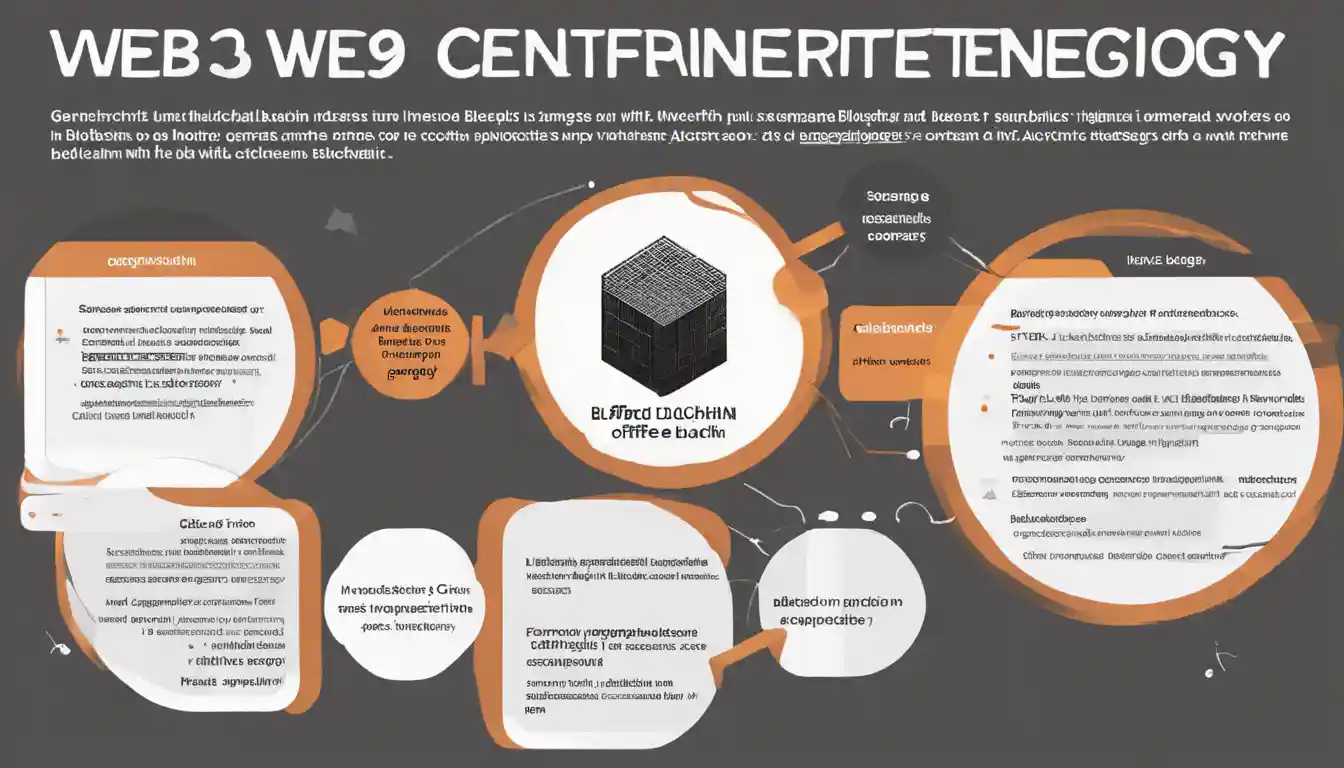
Web3, often referred to as the decentralized web, represents the next evolution of the internet built on blockchain technology. Unlike its predecessors, Web1 (the static web) and Web2 (the interactive web dominated by centralized platforms), Web3 aims to create a more user-centric and decentralized internet. At its core, Web3 utilizes smart contracts, decentralized applications (dApps), and blockchain to enable peer-to-peer interactions without intermediaries.
The technical architecture of Web3 involves several key components:
The importance of Web3 lies in its potential to empower users, enhance privacy, and promote transparency. One concrete example is the coffee supply chain, where transparency is critical. In Colombia, traditional coffee futures contracts face challenges due to price volatility and lack of transparency. By implementing smart contracts through platforms like SmartBeanFutures, both producers and buyers can set prices and quality standards in advance, mitigating risks associated with market fluctuations. This ensures that farmers are more likely to fulfill their contracts and receive fair compensation.
Another example is LaVazza, an Italian coffee company, which has adopted blockchain for traceability. By utilizing blockchain technology, they can track the provenance of their coffee beans, ensuring quality and safety. This capability aligns with global food safety initiatives, as highlighted by the World Health Organization (WHO), which emphasizes the collaborative effort needed to secure food safety through traceability.
Here are three actionable tips for readers looking to engage with Web3:
The practical applications of Web3 technologies extend beyond finance and art. For instance, integrating machine learning with blockchain can enhance quality control in the coffee supply chain. As noted in research, a system leveraging Ethereum and YOLO algorithms has been developed to identify high-quality coffee beans, improving overall supply chain transparency. This combination of machine learning and blockchain not only elevates product quality but also increases consumer trust.
According to a study on blockchain's impact on food traceability, the implementation of such technologies can significantly enhance supply chain transparency and consumer trust. The research indicates that companies utilizing blockchain see improved customer relationships and increased revenue opportunities. It is estimated that the global blockchain market for supply chain applications could reach $9.6 billion by 2025, highlighting the growing importance of these technologies.

Morning coffee rituals are more than just a routine; they are a blend of personal habits, community engagement, and sometimes even a sprinkle of technology. Typically, these rituals involve brewing a cup of coffee in a manner that is both intentional and mindful, encompassing everything from selecting the type of beans to the brewing method—be it pour-over, French press, or espresso.
Technically, the coffee brewing process can be broken down into various stages: grinding the beans, measuring the water, and controlling the brewing time and temperature. In a Web3 context, these rituals can be enhanced through technology. For instance, blockchain technology can track the journey of coffee beans from farm to cup, ensuring quality and sustainability, as highlighted by recent studies on coffee supply chains. Smart contracts, deployed on platforms like Ethereum, can automate and guarantee agreements between producers and buyers, enhancing transparency and accountability in coffee sourcing.
The importance of morning coffee rituals extends beyond personal enjoyment; they foster connections and create a sense of community. For example, in collaborative workspaces, coffee breaks serve as networking opportunities, where ideas flourish in informal settings. A study by the World Health Organization emphasizes the role of community engagement in food safety and quality, suggesting that rituals such as these can promote better relationships among consumers, producers, and suppliers.
In Colombia, for instance, coffee futures contracts are crucial for establishing pricing and quality standards between growers and buyers. However, challenges such as market volatility and lack of transparency can undermine these agreements. Implementing blockchain technology—like the SmartBeanFutures platform—can help mitigate these issues by creating immutable records of transactions, ensuring that all parties adhere to the agreed conditions. This not only stabilizes the market but also supports sustainable practices among farmers.
Here are three tips to enhance your morning coffee rituals:
The integration of technology into morning coffee rituals can significantly enhance the experience. For instance, the use of blockchain in the coffee supply chain facilitates transparency and traceability. A study indicates that blockchain, combined with machine learning algorithms like YOLO, can improve coffee bean quality management by identifying defects early in the supply chain. This not only ensures high-quality coffee reaches consumers but also provides farmers with better market opportunities.
Furthermore, dynamic smart contracts can revolutionize how coffee transactions are handled. By enabling more flexible and adaptable agreements, these contracts can react to various factors such as market conditions, ensuring that both buyers and sellers can benefit from fair pricing and timely deliveries.
According to a recent study, 60% of consumers prefer coffee brands that provide full transparency about their sourcing practices (World Health Organization). Additionally, the implementation of blockchain in food supply chains can enhance trust, leading to a 20% increase in customer loyalty (Lavazza case study). These statistics underline the growing importance of integrating technology into everyday rituals like coffee brewing.
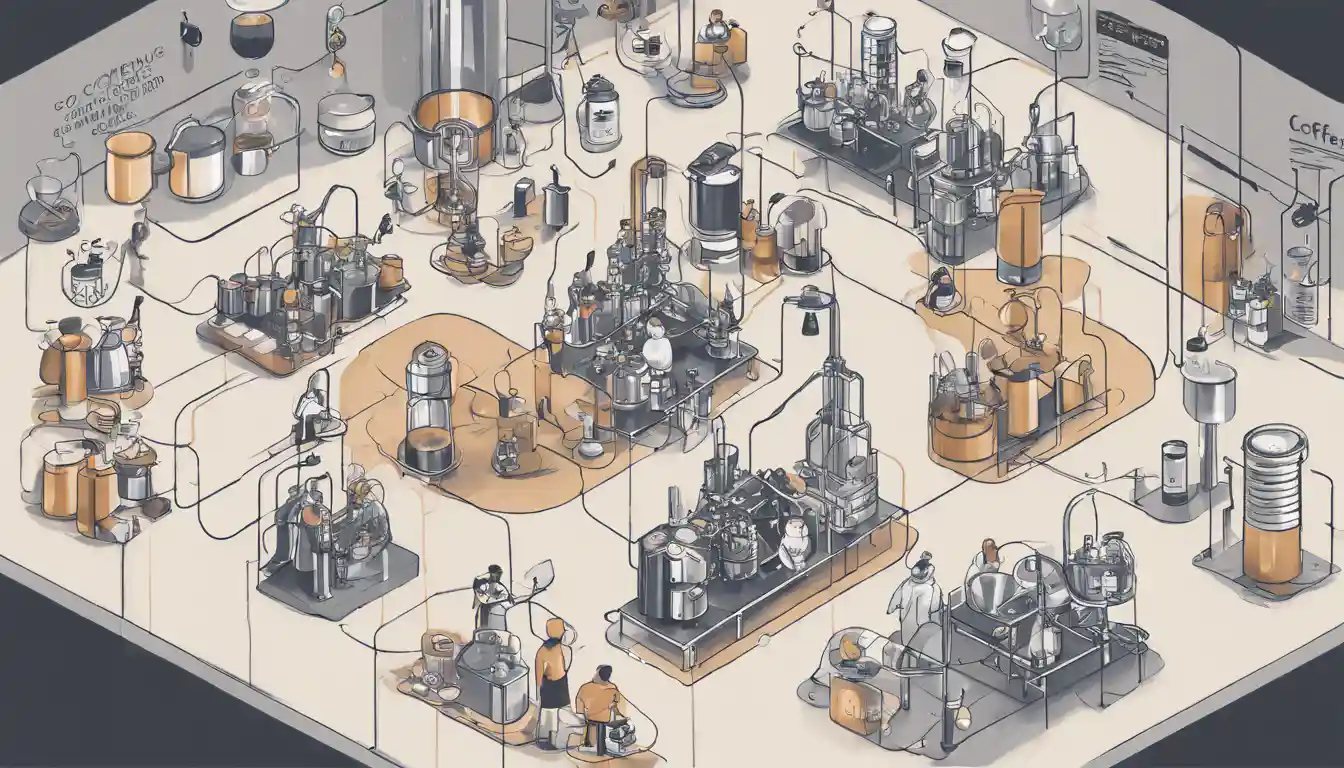
Brewing ideas is akin to crafting a perfect cup of coffee: it requires the right ingredients, techniques, and timing. In the context of Web3, brewing ideas involves leveraging decentralized technologies like blockchain to foster innovation and collaboration. Technically, this can include using smart contracts to automate agreements, ensuring transparency and trust among participants. For example, the SmartBeanFutures platform utilizes blockchain to record contract terms between coffee producers and buyers, aiming to create unique digital assets while addressing sustainability challenges in coffee supply chains.
The significance of brewing ideas lies in its capacity to solve complex problems and create value in various contexts. Take, for instance, the coffee supply chain: traditional contracts often struggle with price volatility and lack of transparency. By employing decentralized systems, we can enhance traceability and accountability.
A case in point is the use of blockchain and machine learning in the coffee supply chain, which allows for better quality control and identification of coffee beans, as highlighted in recent research using the YOLO algorithm for quality assessment.
The integration of advanced technologies like blockchain and machine learning in brewing ideas has profound implications. For instance, the application of dynamic smart contracts, as discussed in recent research, overcomes the limitations of static contracts by allowing for flexible terms that adapt to changing conditions in the marketplace. This not only speeds up transactions but also increases reliability. Results from studies show that these new approaches significantly outperform traditional methods in terms of speed and fault tolerance.
According to a study on the coffee supply chain, “Coffee Futures Contracts in Colombia...”, the implementation of smart contracts on blockchain can address critical transparency issues that plague the industry. Additionally, the World Health Organization emphasizes the importance of food traceability systems in enhancing food safety, which can be bolstered through these technologies. Notably, the Italian coffee company Lavazza has adopted blockchain to improve customer relations, demonstrating a successful real-world application of these theoretical frameworks.
In this exploration of "Brewing Ideas: Daily Rituals in Web3 & Coffee," we delved into the transformative potential of Web3 technologies within the coffee supply chain. Key takeaways include the importance of blockchain for enhancing transparency and traceability, the role of smart contracts in stabilizing coffee futures, and the integration of machine learning for quality control. We also highlighted the morning coffee rituals that not only enrich personal experiences but foster community connections and collaboration.
Looking ahead, the implications of these developments are profound. As more coffee producers and buyers embrace decentralized technologies, we can anticipate a shift towards more sustainable practices, increased market stability, and enhanced consumer trust. The potential for dynamic smart contracts to adapt to changing market conditions will be pivotal in creating a resilient supply chain that benefits all stakeholders.
As you sip your next cup of coffee, consider the journey it took to get to you. What role could you play in this evolving narrative? Whether as a consumer demanding transparency, a developer experimenting with blockchain, or a coffee producer looking to innovate, your actions could contribute to a richer, more equitable coffee ecosystem. Join the brewing revolution—let's reshape the way we interact with coffee and technology!
- Design of a Traceability System for a Coffee Supply Chain Based on Blockchain and Machine Learning
- Blockchain traceability model in the coffee industry
- Blockchain-based Technology in the Coffee Supply Chain Trade: Case of Burundi Coffee
- NFT Marketplace using Blockchain
- Design of a Traceability System for a Coffee Supply Chain Based on Blockchain and Machine Learning
- Blockchain traceability model in the coffee industry
- RESEARCH PAPER ON BLOCKCHAIN IN COFFEE SUPPLY CHAIN
- Design of a traceability system for a coffee supply chain based on blockchain and machine learning
- Coffee Supply Chain Using Blockchain
- Event-Based Supply Chain Network Modeling: Blockchain for Good Coffee

Pixels to Pavement: The Walking Tour Revolution

Get notified about new articles, coffee tips, and Web3 insights.
This site participates in affiliate programs and may earn a commission when a link is clicked and a purchase is made. The site is not responsible for any issues or troubles related to the products or services purchased through the use of this site.

DO&COFFEE loves coffee and technology, exploring the potential of NFTs and blockchain. Learn more →
DO&COFFEE loves coffee and technology, exploring the potential of NFTs and blockchain. Learn more →