coffee
2024/09/11
As the world grows increasingly aware of the environmental challenges we face, the coffee industry stands at a crossroads, needing to innovate while staying true to its roots.
In this blog post, titled "Brewing a Greener Future: Innovative Brew Methods for Sustainable Coffee in the Web3 Era," we delve into how the fusion of coffee culture and cutting-edge technology can pave the way for a more sustainable future.
With the advent of Web3 technologies, we are presented with an exciting opportunity to create a decentralized coffee supply chain powered by blockchain. This transformation ensures a transparent ecosystem where everyone—from farmers to consumers—plays an integral role in promoting sustainability and ethical practices. We will explore innovative brewing methods that not only reduce our carbon footprint but also enhance the way we experience coffee.
By leveraging technology, we can support sustainable practices while fostering a vibrant community of coffee enthusiasts. Join us as we uncover how the future of coffee is not just about what’s in your cup, but also about the collective journey we take towards a greener planet.
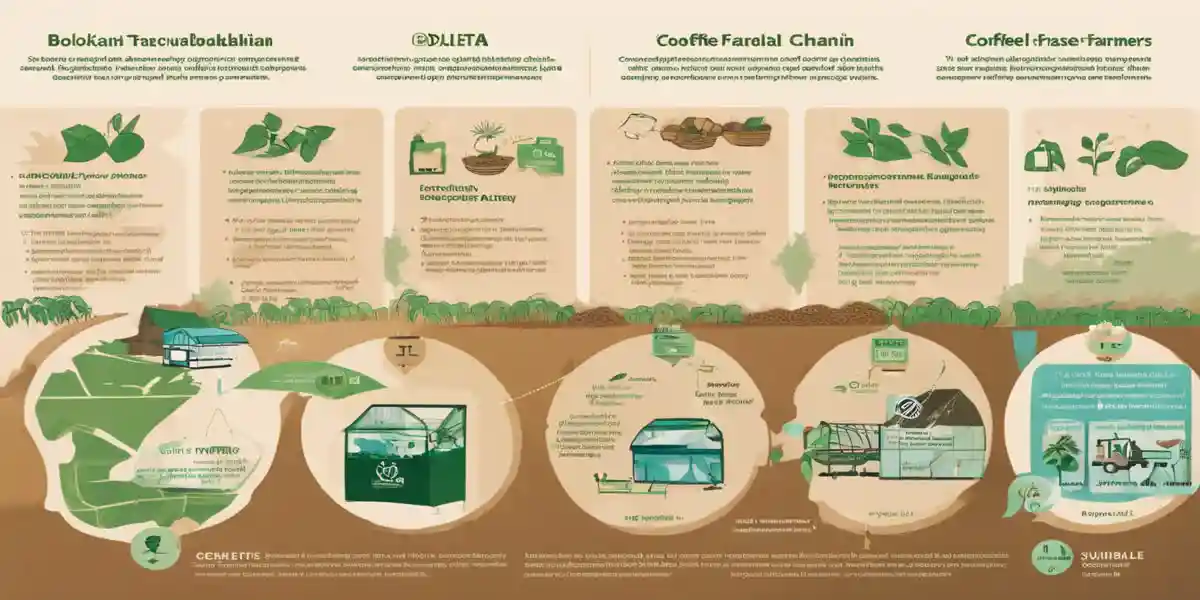
As coffee enthusiasts and environmental advocates converge, the concept of sustainable coffee in the Web3 era emerges as a beacon of innovation. With the integration of blockchain technology, the coffee industry stands on the brink of a transformative shift, one that promises transparency, sustainability, and ethical practices throughout the supply chain.
Imagine a world where every cup of coffee tells a story, not just of flavor but of its journey from farm to table. The introduction of a decentralized coffee supply chain powered by blockchain technology offers just that. This shift allows coffee farmers to showcase their sustainable practices directly to consumers, eliminating middlemen and fostering a direct relationship. According to recent research, blockchain enhances the efficiency and security of supply chains, particularly in the coffee sector, where accuracy during the Coffee Registration and Certification (CRC) process has historically posed significant challenges. By implementing a decentralized database, stakeholders can verify transactions, ensuring that every cup consumed supports environmentally friendly practices.
At the heart of this decentralized ecosystem is a platform where farmers can share their stories, practices, and certifications. Smart contracts play a crucial role, allowing consumers to trace their coffee from bean to cup. This traceability not only builds trust but also incentivizes farmers to adopt sustainable methods. The REALISTIC framework, for instance, enhances supply chain management by preventing resource double-spending and ensuring that certified outputs correlate with certified inputs, ultimately leading to better monitoring of sustainability and quality.
But the revolution does not stop at sourcing; it extends into the brewing experience itself. Picture a decentralized community forum where coffee enthusiasts share innovative brewing techniques, from the classic pour-over to the intricate siphon method. This platform could feature token-based rewards for users who contribute their unique recipes and insights, fostering a collaborative spirit that promotes sustainable coffee consumption. The potential for a participative model, as seen in the coffee agribusiness in Indonesia, highlights how collaboration can enhance supply chain performance and support sustainable agricultural practices.
In the Web3 era, the emphasis on traceability is paramount. A study conducted in Thailand revealed that a significant majority of participants recognized blockchain's capability to improve origin checking and product trustworthiness. This technological advancement not only aids consumers in making informed choices but also addresses the challenges of information accuracy and trade secret protection. As stakeholders engage with transparent systems, the coffee supply chain transforms into a model of reliability and sustainability, backed by user-centered design and community feedback.
Companies like Delta Cafés exemplify how sustainable practices can be successfully integrated into the coffee supply chain. By focusing on efficient food safety handling and adaptable purchasing strategies, they have set a precedent for how corporate culture can foster sustainability. This innovative approach not only benefits the environment but also enhances the overall consumer experience, affirming that sustainable coffee is not merely a trend but a movement that connects communities and promotes environmental stewardship.
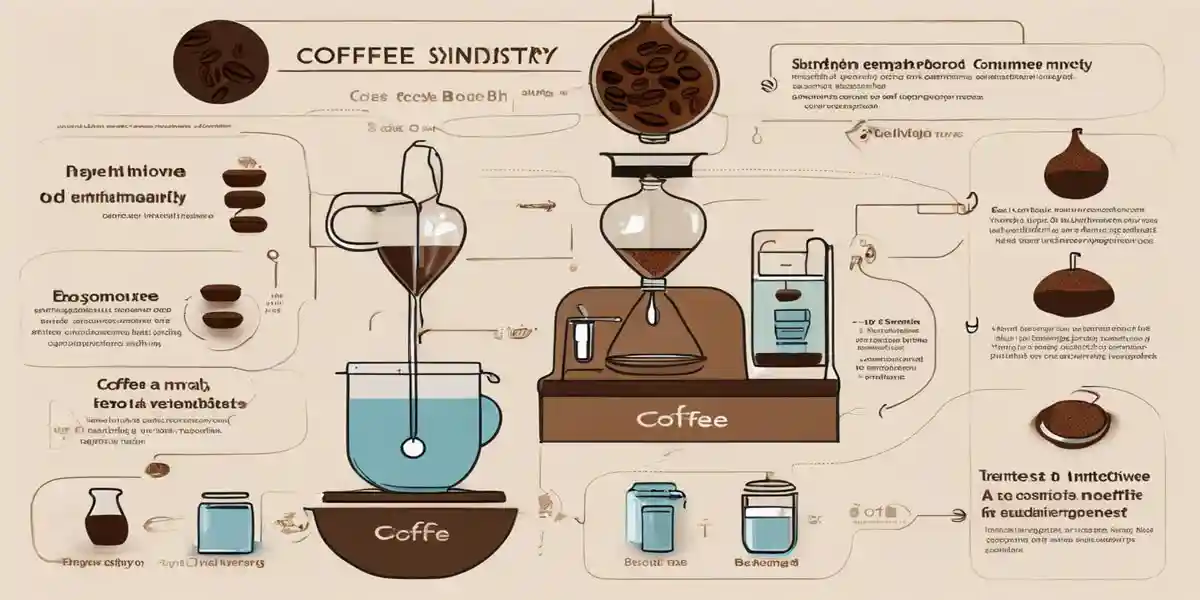
As we look to a future shaped by sustainability and technological advancement, the coffee industry is ripe for innovative brewing techniques that minimize environmental impact. These eco-friendly brewing methods not only cater to the growing consumer demand for sustainable practices but also leverage the power of advanced technologies like blockchain to enhance transparency and efficiency throughout the coffee supply chain.
Eco-friendly brewing techniques are becoming essential as consumers seek to enjoy their coffee guilt-free. These methods prioritize sustainability through reduced resource consumption, waste minimization, and enhanced product traceability. Let’s explore some innovative brewing methods that exemplify these principles and their integration into the decentralized coffee supply chain.
Cold brew coffee has gained popularity for its smooth flavor and lower acidity. However, its eco-friendliness lies in its brewing process. Unlike traditional hot brewing methods that require significant energy to heat water, cold brew uses ambient temperature, which can save energy. Additionally, batch brewing techniques allow for larger quantities to be brewed at once, reducing energy per cup.
In a decentralized coffee supply chain, consumers can engage with farmers and roasters to understand the sourcing of the beans used in cold brews. Blockchain technology can facilitate transparency by allowing users to trace the origin of their coffee, ensuring it meets sustainability standards. For instance, a coffee cooperative in Colombia could showcase their cold brew techniques through a decentralized platform, sharing their eco-friendly practices and connecting directly with consumers.
Siphon brewing is not only a visually engaging method but also an efficient way to brew coffee that maximizes flavor extraction while minimizing waste. This technique uses vapor pressure to pull water through the coffee grounds, allowing for precise control over brewing time and temperature. As a result, it often yields a cleaner cup with less bitterness.
Incorporating siphon brewing into a sustainable coffee framework also allows for real-time tracking of the resources used in the brewing process. For instance, a cafe could utilize blockchain to record the amount of water, energy, and coffee beans consumed, providing customers with insights into their environmental footprint with each cup. This transparency can encourage more sustainable choices among consumers, fostering a culture of environmental stewardship.
Pour-over techniques, such as the Chemex or V60, emphasize precision and control over the brewing process. These methods not only enhance flavor but also encourage users to be mindful of their consumption. By allowing for the brewing of single cups, pour-over systems can reduce waste associated with bulk brewing.
Moreover, with the rise of decentralized platforms, users can exchange their pour-over recipes and brewing tips, creating a community of sustainable coffee enthusiasts. For instance, a user might share a unique recipe that utilizes coffee from a specific eco-certified farm, encouraging others to support sustainable producers. This kind of community engagement can lead to a more informed consumer base and drive demand for sustainably sourced coffee.
Advancements in brewing technology, such as smart coffee makers that optimize energy consumption and brew time, can significantly reduce the environmental impact of coffee preparation. These devices can be programmed to use energy-efficient modes, such as preheating only the necessary amount of water or maintaining lower temperatures during standby.
In a decentralized coffee ecosystem, manufacturers of these smart brewing technologies can collaborate with coffee producers to ensure that their energy-efficient devices are used with sustainably sourced beans. For example, a coffee company could provide incentives for customers who use smart brewers with their products, further promoting sustainable practices.
Through these innovative brewing methods, the coffee industry can not only enhance the consumer experience but also take significant strides toward a greener future. By integrating these techniques into a decentralized supply chain supported by blockchain technology, we can create a transparent and responsible coffee culture that prioritizes sustainability at every level.
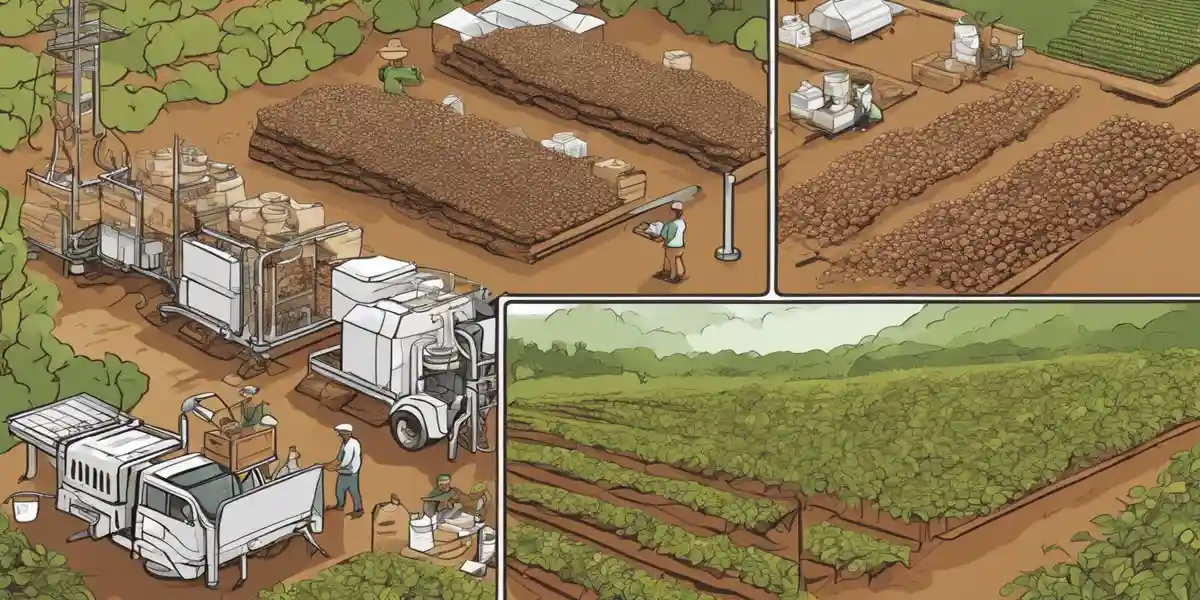
In the pursuit of a greener coffee industry, technology serves as a vital ally, particularly through the integration of Web3 innovations. By harnessing the power of blockchain and decentralized networks, the coffee supply chain can evolve into a more transparent and sustainable system that benefits all stakeholders involved.
Imagine a world where coffee farmers can directly share their sustainable practices with consumers, effectively bridging the gap between production and consumption. This vision becomes a reality with the implementation of blockchain technology, which allows for the creation of a decentralized platform where each participant—from farmers to roasters—can engage openly and transparently.
By utilizing smart contracts, consumers are empowered to trace their coffee's journey from the farm to their cup. This traceability not only enhances consumer trust but also motivates farmers to adopt sustainable methods, knowing that their efforts will be recognized and rewarded. For instance, a farmer in Colombia who uses organic practices can showcase their certification on the blockchain, allowing consumers to verify the authenticity of their claims.
The complexities of supply chain management often lead to inefficiencies, particularly in the coffee sector where manual processes and information sharing can be cumbersome. Blockchain technology addresses these challenges by providing a decentralized database that ensures accurate data storage and sharing. According to recent studies, implementing blockchain can significantly improve the Coffee Registration and Certification (CRC) process, offering a more secure and reliable solution for managing the coffee supply chain.
One notable framework, REALISTIC, utilizes event-based modeling with blockchain and distributed ledger technology (DLT). This innovative approach not only enhances tracking of coffee from its raw state to retail but also ensures that each transaction is verified, preventing issues like the double-spending of resources. This framework has been successfully demonstrated in case studies, showcasing its potential to monitor sustainability, quality, and certifications effectively.
Technological advancements also facilitate participative models that promote collaboration among stakeholders. A case study in Indonesia highlights the effectiveness of a co-creation approach, where farmers and other actors in the coffee agribusiness collaboratively designed a model for sustainable practices. This participatory method not only improved the coffee supply chain's performance but also fostered better coordination among all parties involved.
Through platforms that allow for shared input and feedback, farmers can collectively identify challenges and solutions. This collaboration can lead to the adoption of practices that are not only environmentally sustainable but also economically viable, thereby creating a win-win situation for everyone involved.
The increasing demand for transparency in food sourcing has made traceability a critical component of sustainable practices. Blockchain technology shines in this area by providing a secure method for tracking the entire journey of coffee. A study focusing on stakeholders in Thailand revealed a strong preference for timeline-based visualization of data, indicating that consumers are eager to understand the origins of their coffee.
By enhancing food traceability, blockchain not only boosts consumer confidence but also helps to address challenges related to information accuracy and trade secret protection. For example, a coffee brand utilizing blockchain can provide customers with detailed information about the farming conditions, processing methods, and certifications—all of which contribute to informed purchasing decisions.
Innovators like Delta Cafés are setting benchmarks in sustainable practices within the coffee industry. Their approach emphasizes efficient food safety handling and rigorous certification throughout the supply chain. By adopting adaptable purchasing strategies, they demonstrate how corporate culture can significantly influence sustainability efforts. Such case studies serve as important examples for others in the industry, showcasing how technology can propel sustainable practices and create a more responsible coffee ecosystem.
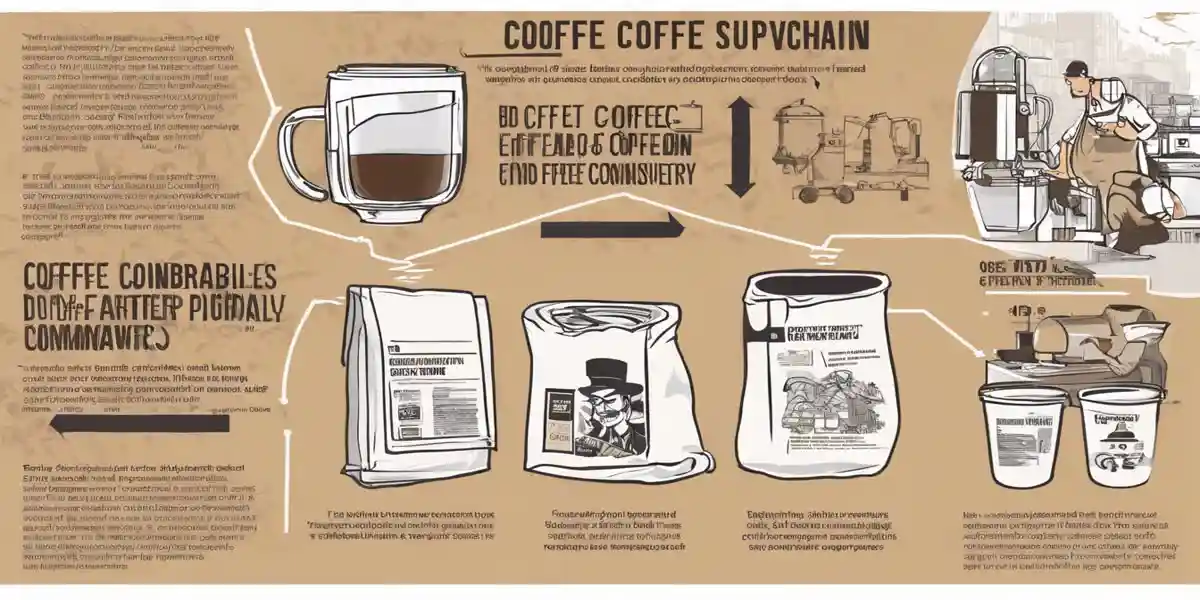
The integration of Web3 technologies, particularly blockchain, presents a transformative opportunity for the coffee industry. This decentralized coffee supply chain concept not only enhances transparency but also builds trust among all stakeholders, from farmers to consumers. Imagine a system where every participant in the coffee journey—from cultivation to brewing—has a voice and an influence on sustainability practices.
At the heart of this decentralized platform is the empowerment of coffee farmers. By facilitating direct connections with consumers, farmers can share their stories, sustainable practices, and the challenges they face. This transparency is crucial; it allows consumers to make informed purchasing decisions that align with their values. For instance, a farmer could showcase their organic farming methods and share insights about their land stewardship, encouraging consumers to support their efforts.
Such a platform could utilize smart contracts to ensure that every transaction is traceable. As highlighted in various studies, the complexity of the coffee supply chain often results in data inaccuracies, especially during the Coffee Registration and Certification (CRC) process. Implementing blockchain technology could mitigate these issues, providing a secure and accurate method for tracking coffee from bean to cup.
This decentralized platform could also serve as a hub for innovative brewing techniques. Users could share their recipes and brewing methods, contributing to a collective knowledge base that fosters creativity and sustainability. Imagine a community forum where enthusiasts experiment with various brewing techniques—from cold brew to siphon coffee—and share their discoveries.
Incentivizing contributions through a token-based reward system could encourage more active participation. For example, a user who shares a unique recipe or an innovative brewing method could receive tokens that can be redeemed for discounts on coffee purchases or exclusive access to specialty beans. This not only promotes a spirit of collaboration but also reinforces sustainable practices in coffee consumption.
Blockchain technology can significantly enhance traceability within the coffee supply chain, ensuring that consumers know the origin of their coffee and the conditions under which it was produced. A study conducted in Thailand revealed that 67% of participants recognized blockchain's potential to improve application adoption for traceability purposes. This insight underscores the importance of transparency in building consumer trust and preference.
The REALISTIC framework, which utilizes blockchain and distributed ledger technology (BC/DLT), exemplifies how this can be implemented. By enabling the auditable tracking of coffee from raw materials to retail, stakeholders can monitor sustainability, quality, and certifications effectively. This framework not only enhances efficiency but also ensures that certified outputs are matched by equivalent certified inputs, preventing issues like double-spending of resources.
Moreover, adopting a participative model that involves input from various actors in the coffee agribusiness can lead to better coordination and cooperation among stakeholders. This collaborative approach, as evidenced by a case study in Indonesia, has shown improvements in coffee supply chain performance. By engaging farmers in the design of sustainable practices, the industry can address real-world challenges and enhance the overall sustainability of coffee production.
As companies like Delta Cafés demonstrate, effective sustainable business methods can be implemented within the coffee supply chain. Their focus on efficient food safety handling and adaptable purchasing strategies illustrates how corporate culture can foster a commitment to sustainability. By integrating these practices with blockchain technology and decentralized platforms, the coffee industry can move towards a more sustainable and ethical future.
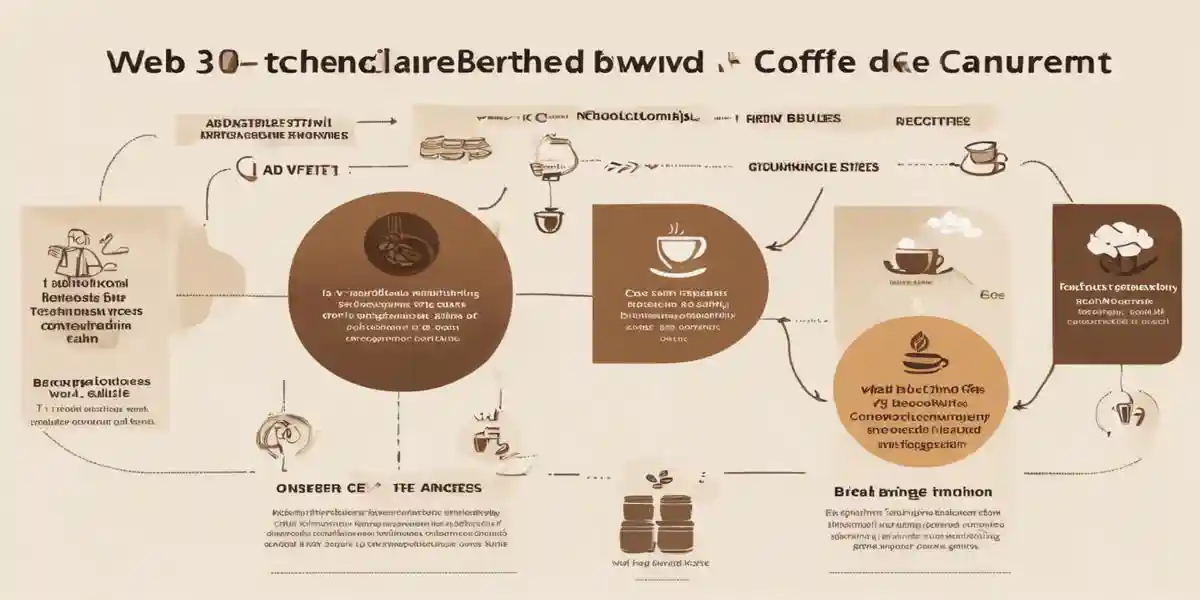
The integration of Web3 technologies into the coffee industry is not merely a trend; it's a transformative shift that promises to redefine the entire landscape of coffee production, distribution, and consumption. By leveraging blockchain and decentralized platforms, we can create a more transparent, ethical, and sustainable coffee supply chain that benefits every stakeholder.
At the heart of this transformation is the concept of a decentralized coffee supply chain. Imagine a system where every stakeholder—from farmers to consumers—can interact directly without intermediaries. Blockchain technology serves as the backbone of this ecosystem, providing a secure, transparent, and immutable ledger that tracks every step of the coffee journey. This is not just theoretical; studies have shown that utilizing blockchain can enhance efficiency and security, particularly in complex supply chains like that of coffee.
The Coffee Registration and Certification (CRC) process often suffers from data inaccuracies, which blockchain can help mitigate. By implementing smart contracts, farmers can verify their sustainable practices, and consumers can trace the origins of their coffee. This not only strengthens consumer trust but also incentivizes farmers to adopt environmentally friendly methods. For example, a cooperative of Indonesian coffee farmers has successfully utilized a participative model that incorporates blockchain to improve coordination and sustainability, allowing consumers to support ethical farming practices directly.
Traceability is critical in the coffee supply chain, particularly as consumers become increasingly aware of the origins of their products. A study on blockchain technology's feasibility for food traceability revealed that a significant percentage of participants found it essential for verifying the authenticity of their coffee. This technology allows consumers to verify the journey of their coffee from farm to cup, thereby increasing product trustworthiness and promoting ethical consumption.
For instance, a prototype developed in Thailand demonstrated a timeline-based visualization of the coffee supply chain that enables consumers to track their coffee's journey. This user-centered design not only meets the demand for transparency but also highlights the role of Web3 in enhancing food safety and quality assurance. Such innovations are essential for addressing the challenges of information accuracy and trade secret protection that often plague the industry.
Beyond the supply chain, Web3 can facilitate a decentralized community where coffee enthusiasts share innovative brewing techniques and recipes. Imagine a platform where users can contribute their unique brewing methods—be it cold brew or siphon coffee—and earn token-based rewards for their contributions. This not only fosters a sense of community but also promotes sustainable practices in coffee consumption.
For example, a decentralized forum could enable baristas and coffee lovers to experiment with various brewing techniques, documenting their processes and results. Such a platform would not only enrich the coffee experience but also empower users to make informed choices about their consumption habits. By sharing knowledge and rewarding sustainable practices, we can create a culture of innovation and environmental stewardship in the coffee community.
Real-world examples of companies implementing sustainable practices within their supply chains highlight the potential of Web3 technologies. Delta Cafés, a Portuguese company, is an innovator in sustainable business methods, emphasizing the importance of certification throughout the supply chain. Their model demonstrates how corporate culture can foster sustainable purchasing practices, which is essential in a world that increasingly prioritizes ethical consumption.
By integrating blockchain into their supply chain management, Delta Cafés has improved food safety handling and established adaptable purchasing strategies that align with sustainable practices. This not only benefits the environment but also resonates with consumers who are more inclined to support brands that prioritize sustainability.
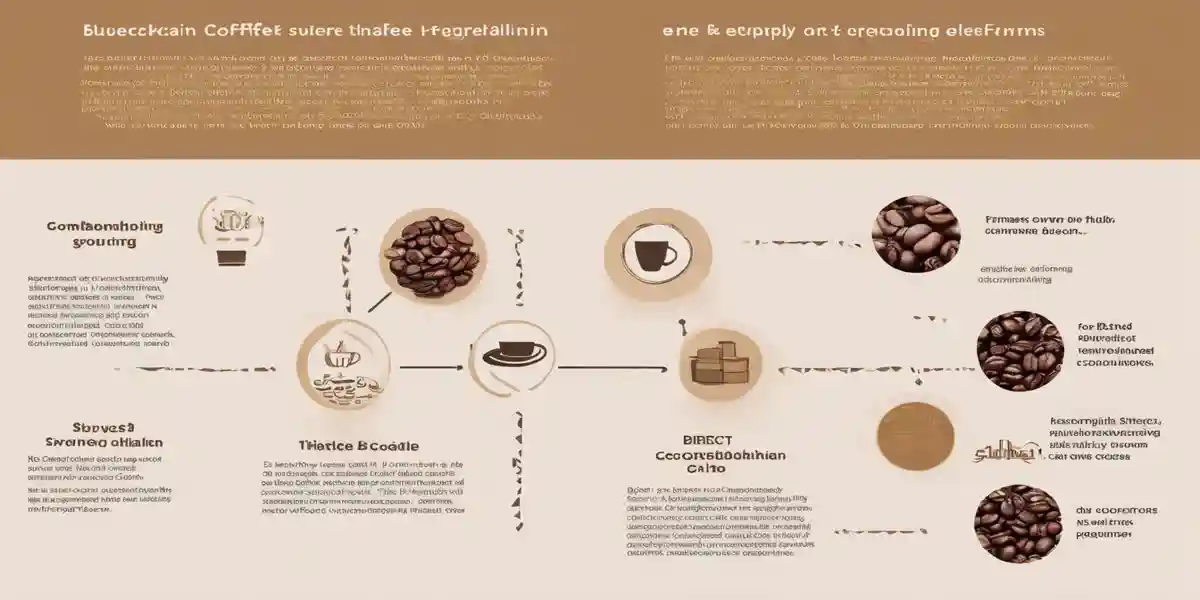
This section explores how integrating blockchain technology into the coffee supply chain can create a sustainable and ethical ecosystem connecting farmers, roasters, and consumers.
Imagine a world where coffee lovers can trace each cup's journey back to the farm where the beans were grown. The proposed decentralized coffee supply chain aims to make this vision a reality. By leveraging blockchain technology, every participant in the coffee ecosystem can engage directly with one another, eliminating the need for intermediaries and ensuring a transparent and fair system.
According to recent research, the complexities of supply chain management in the coffee industry often stem from manual processes and frequent information sharing. Blockchain acts as a decentralized database, allowing participants to verify transactions through automated algorithms without the need for trust in intermediaries. This is particularly significant in the Coffee Registration and Certification (CRC) process, where data accuracy is critical.
At the heart of this decentralized system is a platform that enables coffee farmers to showcase their sustainable practices. By sharing their stories and the methods they employ to grow coffee, farmers can directly connect with consumers who prioritize ethical sourcing. Smart contracts facilitate this interaction, allowing consumers to ensure their purchases support environmentally friendly farming practices.
A real-world example of this model can be seen in the case study of Delta Cafés, a Portuguese company recognized for its sustainable business methods. Delta Cafés exemplifies how implementing sustainable purchasing policies fosters responsible sourcing and enhances consumer trust. By adopting blockchain, companies like Delta can provide verifiable proof of their certifications and sustainable practices, making them more attractive to conscientious consumers.
The potential for innovation doesn't stop at sourcing. This decentralized platform could also serve as a hub for coffee enthusiasts to share brewing techniques and recipes. Imagine a community forum where users experiment with various brewing methods—from traditional French press to modern siphon coffee—and share their insights with others.
By integrating token-based rewards for contributions, this platform could incentivize users to engage actively. Users who share unique recipes or brewing tips could earn tokens redeemable for discounts on coffee purchases or exclusive access to limited edition blends. This not only enriches the coffee experience but also promotes sustainability in consumption by encouraging users to explore eco-friendly brewing techniques.
Blockchain technology enhances traceability within the coffee supply chain, allowing consumers to verify the origins and quality of their coffee. A study focused on enhancing food traceability within the coffee supply chain highlighted that 67% of participants recognized blockchain's positive impact on application adoption, particularly for its ability to provide better origin checks and increased product trustworthiness.
The REALISTIC framework, developed for supply chain management, enables detailed tracking of products throughout their journey from raw materials to retail. This framework not only ensures that certified outputs are substantiated by equivalent certified inputs but also promotes monitoring of sustainability, quality, and certifications, making it an invaluable tool for coffee producers aiming for transparency.
In conclusion, the journey toward a sustainable coffee industry in the Web3 era is not just a possibility but an emerging reality that encapsulates the spirit of innovation and responsibility. Throughout this exploration, we've uncovered how the integration of blockchain technology can revolutionize the coffee supply chain, making it more transparent, efficient, and accountable.
We began by highlighting the importance of a decentralized coffee supply chain, which empowers farmers and fosters direct relationships with consumers. This shift not only enhances trust but also encourages sustainable practices that are critical to preserving our environment. The innovative brewing methods discussed—from cold brew to siphon techniques—demonstrate that enjoying a delicious cup of coffee can also align with eco-friendly practices, reducing waste and resource consumption.
Moreover, we examined how technology can leverage participative models, enabling communities of coffee lovers to share knowledge and experiences. This collaborative approach not only enriches the coffee culture but also drives demand for sustainably sourced coffee, creating a cycle of positive reinforcement for ethical consumption.
As we look ahead, the implications of these advancements are profound. The potential for blockchain to enhance traceability and consumer trust will reshape how we approach coffee sourcing and consumption. Companies like Delta Cafés serve as role models, illustrating how sustainable practices can be seamlessly integrated into corporate culture, benefiting both the environment and consumer experience.
So, as you sip your next cup of coffee, consider the journey it took to reach you. Ask yourself: how can you contribute to this movement towards sustainability? Whether it’s choosing brands that prioritize ethical practices, experimenting with innovative brewing methods at home, or sharing your passion for coffee with others, every action counts. Let’s collaborate and support a greener future for coffee, one cup at a time.

Get notified about new articles, coffee tips, and Web3 insights.
This site participates in affiliate programs and may earn a commission when a link is clicked and a purchase is made. The site is not responsible for any issues or troubles related to the products or services purchased through the use of this site.

DO&COFFEE loves coffee and technology, exploring the potential of NFTs and blockchain. Learn more →
DO&COFFEE loves coffee and technology, exploring the potential of NFTs and blockchain. Learn more →