crypto
2025/03/22

As the world grapples with pressing environmental challenges, the coffee industry stands at a pivotal crossroads, faced with issues of sustainability and ethical sourcing. In "Brewing a Greener Future: The Role of Cryptocurrencies in Sustainable Coffee Mechanisms," we delve into how innovative technologies, particularly cryptocurrencies and blockchain, can transform the landscape of coffee production. By harnessing blockchain technology to enhance supply chain transparency, stakeholders from farmers to consumers can engage in a more equitable and efficient marketplace. This post will explore the myriad benefits of cryptocurrencies in this context, including immediate payments for producers, improved financial inclusivity for smallholder farmers, and enhanced traceability for consumers eager to make informed choices. Moreover, we will investigate real-world case studies that illuminate the successful application of these technologies, demonstrating their potential to not only uplift farming communities but also protect the environment. As accountability in consumption becomes increasingly important, understanding the intersection of cryptocurrencies and sustainable coffee practices is not just timely—it is essential for brewing a greener future.
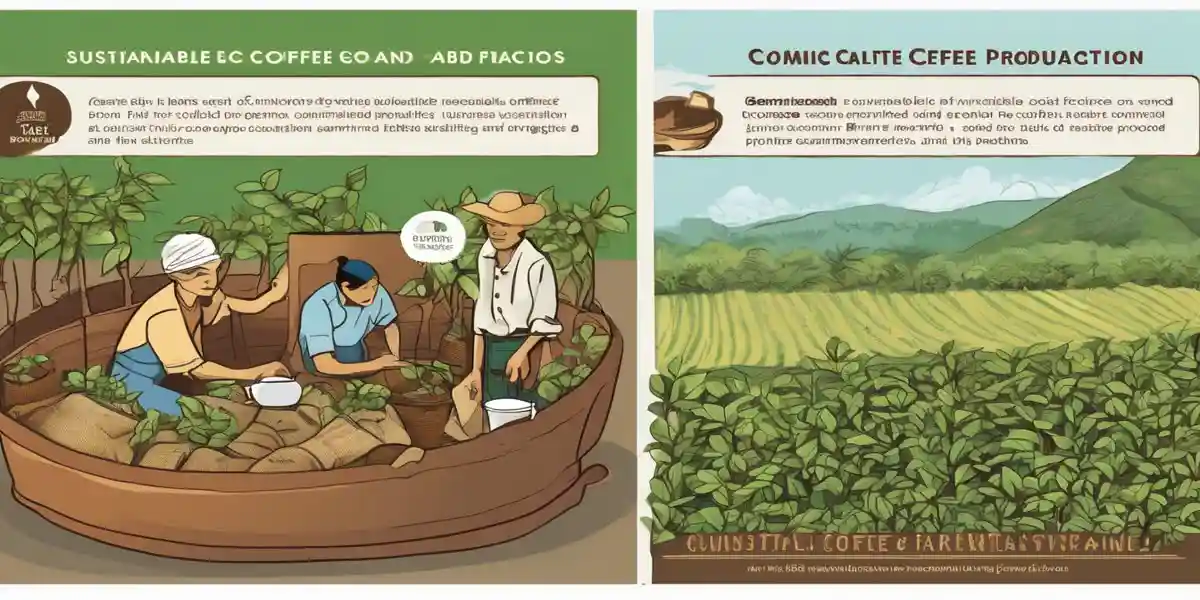
Sustainable coffee production aims to minimize environmental impact while ensuring economic viability for farmers and social equity within communities. However, several challenges hinder the widespread adoption of sustainable practices in the coffee industry. These challenges stem from economic pressures, climate change, and market dynamics that often favor conventional methods over sustainable alternatives.
One of the primary challenges facing sustainable coffee production is the economic pressure on farmers. According to a report by the International Coffee Organization, many coffee farmers live below the poverty line, which limits their ability to invest in sustainable practices. The high cost of organic certification, necessary for accessing premium markets, is often prohibitive for smallholder farmers. For example, in Colombia, farmers reported that the cost of certification can exceed their annual income, leading many to revert to cheaper, conventional farming methods that are less environmentally friendly.
Climate change poses a significant threat to coffee cultivation, affecting both yield and quality. Research from the Climate Institute suggests that rising temperatures and changing rainfall patterns could render up to 50% of current coffee-growing areas unsuitable by 2050. This shift not only threatens the livelihoods of farmers but also the biodiversity of regions that rely on coffee as a key agricultural product. The case of Ethiopia, where coffee is not just a crop but a cultural staple, illustrates this challenge poignantly; changing climatic conditions are already forcing farmers to adapt their practices, often with limited resources.
Market dynamics also play a crucial role in the sustainability of coffee production. Consumers are increasingly seeking ethically sourced coffee, yet many are unaware of the complexities involved in sustainable farming. A study published in the Journal of Consumer Research highlights that while 66% of consumers express a preference for sustainably sourced coffee, only a fraction consistently purchases it. The gap between awareness and action can be attributed to the higher prices of sustainable coffee and the lack of transparent labeling practices that inform consumers about the sourcing of their coffee.
Addressing these challenges requires a multifaceted approach that includes financial support for farmers, adaptation strategies for climate resilience, and enhanced consumer education to foster a market that values sustainability. The integration of cryptocurrencies and blockchain technology, as explored in subsequent sections, could provide innovative solutions to these pressing issues.
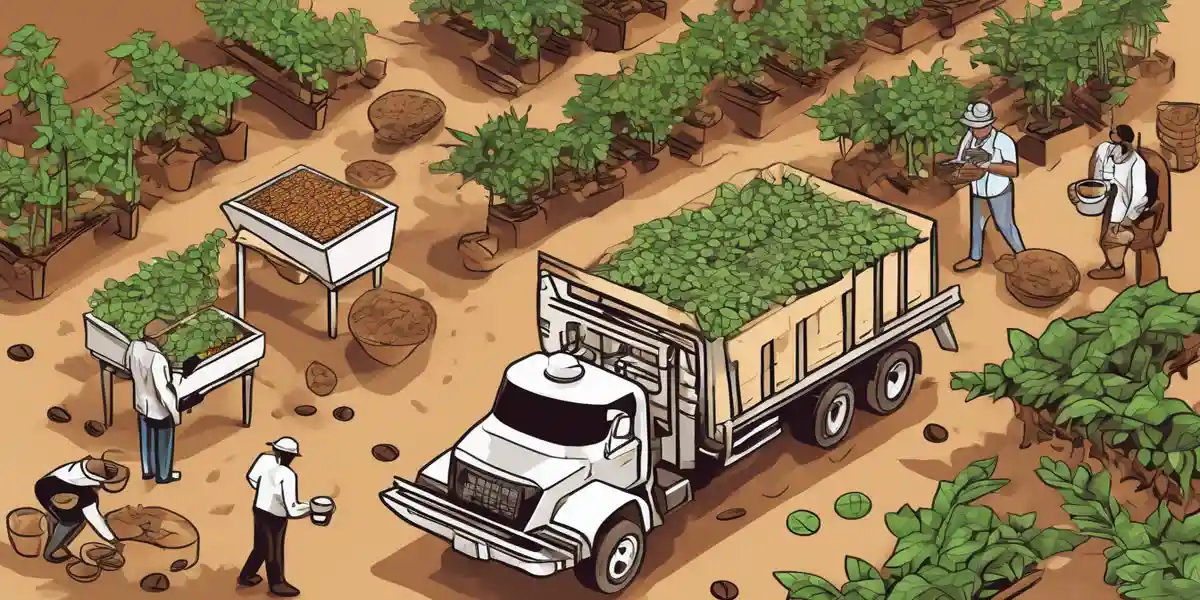
As the global coffee market grapples with challenges such as price volatility, lack of transparency, and the need for sustainable practices, cryptocurrencies are emerging as a transformative force in the coffee supply chain. By leveraging blockchain technology and decentralized finance (DeFi), cryptocurrencies can facilitate more equitable transactions, enhance traceability, and ultimately promote sustainable practices within the coffee industry.
One of the most significant advantages of cryptocurrencies in the coffee supply chain is the ability to facilitate direct transactions between farmers and consumers. Traditional supply chains often involve multiple intermediaries, which can reduce the profits that farmers receive. By using cryptocurrencies, farmers can sell their coffee directly to consumers or retailers, eliminating middlemen and retaining a larger share of the profits. For instance, platforms like CoffeeCoin enable farmers to transact directly with buyers using Bitcoin or other cryptocurrencies, allowing them to receive payments instantly and securely.
Another crucial aspect of cryptocurrencies is their potential to enhance transparency and traceability in coffee supply chains. Blockchain technology allows for the immutable recording of every transaction, which can be accessed by all stakeholders in the supply chain. This is particularly valuable for consumers who are increasingly concerned about the ethical sourcing of their coffee. For example, BrewChain uses blockchain to track coffee from farm to cup, ensuring that each batch is sourced sustainably. This level of transparency can foster consumer trust and encourage more sustainable practices among producers.
Many coffee farmers in developing countries lack access to traditional banking services, which can hinder their ability to invest in better farming practices or technology. Cryptocurrencies can bridge this gap by providing farmers with a means to access financial services directly through their mobile devices. For example, Kiva has partnered with cryptocurrency platforms to offer micro-loans to farmers, enabling them to improve their operations without relying on predatory lending practices. This not only empowers farmers but also contributes to the overall sustainability of the coffee supply chain.
In summary, the integration of cryptocurrencies into the coffee supply chain presents numerous opportunities for enhancing equity, transparency, and sustainability. As the industry continues to evolve, the adoption of these technologies will likely play a pivotal role in shaping a greener future for coffee production.
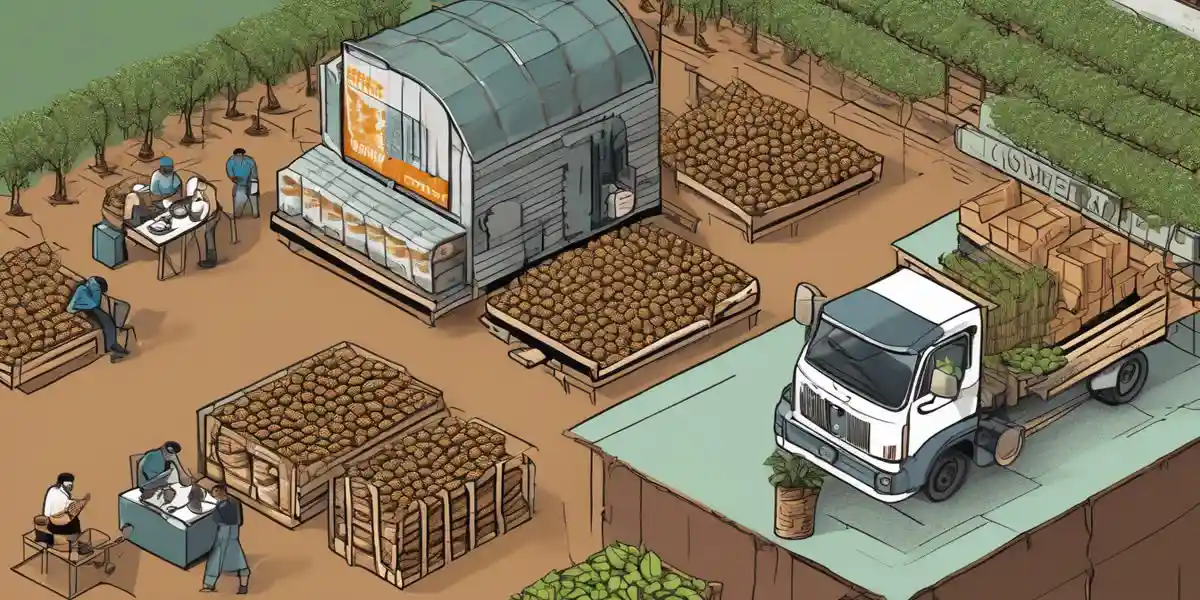
Blockchain technology is revolutionizing various industries, and its potential in enhancing transparency within the coffee supply chain is particularly noteworthy. The decentralized nature of blockchain ensures that every transaction is recorded in a tamper-proof ledger, which stakeholders can access in real-time. This transparency not only builds trust among consumers but also helps promote ethical practices among producers.
One of the most significant advantages of blockchain in the coffee industry is enhanced traceability. Each coffee bean can be tracked from farm to cup, allowing consumers to verify the origins and journey of their coffee. For example, the coffee company Hava utilizes blockchain technology to provide detailed information about the farms where their beans are sourced. By scanning a QR code on the packaging, consumers can view the entire supply chain journey, including details about the farmers and cultivation practices. This traceability fosters greater accountability and encourages coffee producers to adhere to sustainable farming practices.
Fraudulent practices, such as mislabeling coffee origins or grades, have been prevalent in the coffee industry. Blockchain's transparent and immutable records significantly reduce the risk of such fraud. A case study involving the coffee cooperative Agropecuaria de Café in Colombia demonstrates this point. By implementing a blockchain-based system, the cooperative was able to document the quality and origin of their coffee beans accurately, thereby ensuring that consumers receive the product they pay for while also providing a fair price to farmers.
Blockchain also empowers farmers by enabling them to receive direct payments through cryptocurrencies, which can bypass traditional banking fees and delays. This system not only increases their profitability but also offers them an opportunity to invest in sustainable practices. For instance, the initiative BitPesa facilitates direct payments to East African coffee farmers using cryptocurrencies, allowing them to receive funds swiftly while ensuring transparency in transactions. Such financial inclusivity is pivotal for fostering sustainable coffee production.
In summary, blockchain technology serves as a powerful tool for enhancing transparency in the coffee supply chain, promoting ethical practices, and empowering farmers. By leveraging this technology, stakeholders in the coffee industry can work towards a more sustainable and equitable future.
In our exploration of "Brewing a Greener Future: The Role of Cryptocurrencies in Sustainable Coffee Mechanisms," we have delved into several critical dimensions of how digital currencies can bolster eco-friendly practices within the coffee industry. Initially, we discussed the environmental challenges faced by conventional coffee production, including deforestation, water usage, and carbon emissions. These issues underscore the need for transformative solutions that prioritize sustainability.
We then examined how cryptocurrencies, particularly blockchain technology, can enhance transparency and traceability in the coffee supply chain. By enabling farmers to receive fair compensation through direct transactions, cryptocurrencies empower them economically while promoting ethical sourcing. The section on decentralized finance (DeFi) highlighted innovative financial solutions that can provide farmers with access to credit and insurance, mitigating the risks associated with climate variability.
Furthermore, we considered the rise of eco-conscious consumers and the growing demand for sustainably sourced coffee. This shift is compelling brands to adopt greener practices, and cryptocurrencies can play a crucial role in funding these initiatives. The potential for carbon credits and tokenization of sustainable practices was also discussed, illustrating how these mechanisms can create new revenue streams for environmentally friendly coffee production.
As we reflect on these interconnected points, it becomes evident that the integration of cryptocurrencies into the coffee industry is not merely a trend but a vital step towards addressing broader environmental issues. This intersection of technology and sustainability points to a future where ethical consumption and environmental stewardship are not only possible but also profitable.
In closing, we encourage readers to consider the impact of their coffee choices and explore how supporting brands that utilize cryptocurrencies for sustainable practices can contribute to a greener future. Together, we can transform our coffee culture, ensuring that each cup brewed is not only a delight to the senses but also a step toward a more sustainable world.

Get notified about new articles, coffee tips, and Web3 insights.
This site participates in affiliate programs and may earn a commission when a link is clicked and a purchase is made. The site is not responsible for any issues or troubles related to the products or services purchased through the use of this site.

DO&COFFEE loves coffee and technology, exploring the potential of NFTs and blockchain. Learn more →
DO&COFFEE loves coffee and technology, exploring the potential of NFTs and blockchain. Learn more →