coffee
2025/03/21
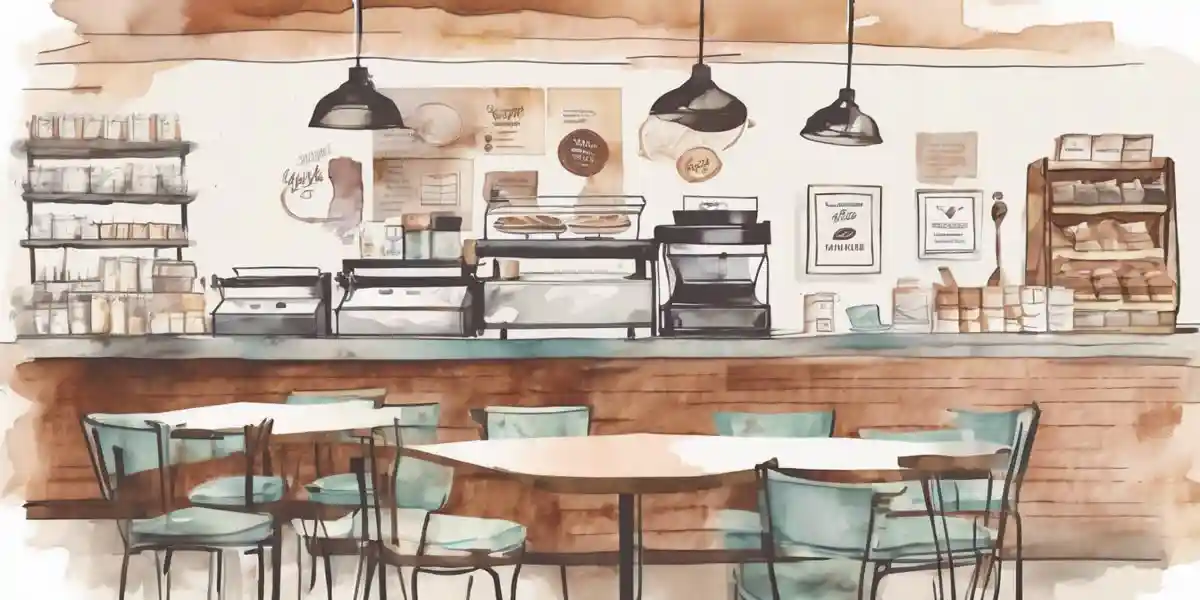
In the vibrant landscape of Atlanta, coffee is more than just a beverage; it has become a catalyst for community connection and sustainable innovation. As local coffee roasters step into the role of cultural architects, they are not only perfecting their craft but also reshaping the coffee shop experience through thoughtful design. This blog post explores how these roasters are embracing sustainable practices, innovative architectural features, and a commitment to community engagement, all of which are transforming the aesthetic and functional dynamics of coffee shops across the city.
Central to this transformation is the integration of eco-friendly materials and biophilic design principles that create inviting spaces while minimizing environmental impact. From using reclaimed wood and recycled metals to incorporating natural elements such as large windows and indoor greenery, these design choices reflect a deeper understanding of how physical environments can enhance customer well-being and foster a sense of belonging. The importance of this movement extends beyond mere aesthetics; it speaks to a broader societal shift towards sustainability and community-centric business practices.
Through a series of case studies and insights from local entrepreneurs and architects, we will delve into the innovative design trends that are redefining Atlanta’s coffee culture. By examining the intersection of coffee, community, and environmental responsibility, we aim to uncover the profound impact that design can have on customer experience and civic engagement.
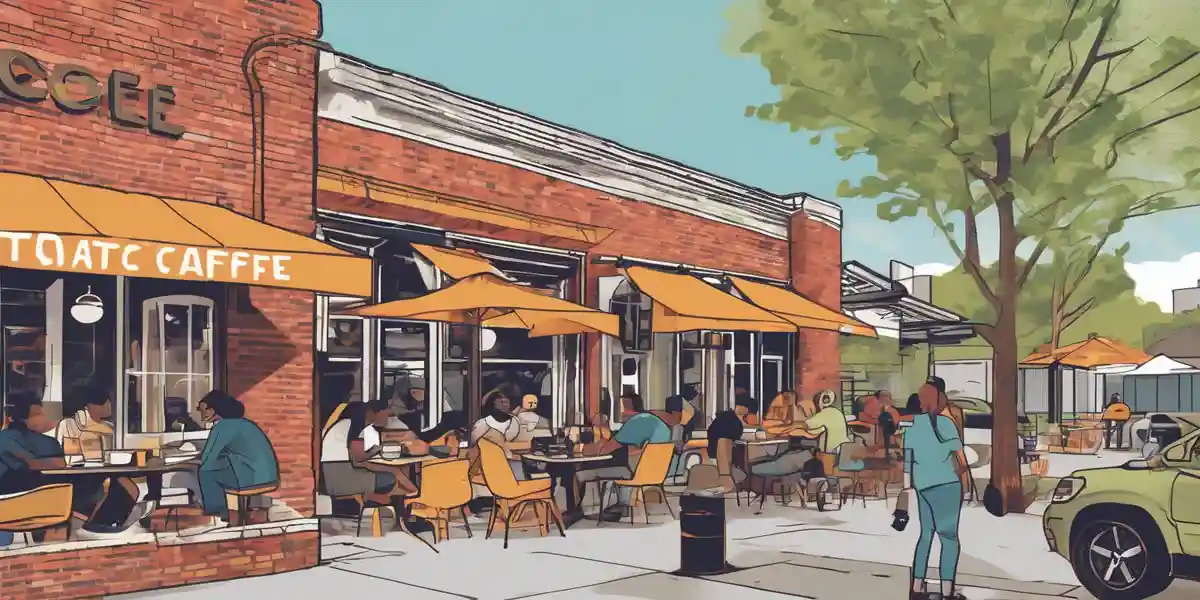
Atlanta's coffee culture has burgeoned over the past decade, evolving into a vibrant community that not only celebrates the craft of coffee roasting but also serves as a social hub for its residents. This transformation is characterized by a unique blend of innovation, community engagement, and sustainability, making Atlanta a noteworthy player in the national coffee scene.
One of the defining elements of Atlanta's coffee culture is the rise of specialty coffee. According to the Specialty Coffee Association, specialty coffee is defined as coffee that scores 80 points or above on a 100-point scale, reflecting superior quality. This focus on high-quality beans and meticulous brewing techniques can be observed in establishments like Octane Coffee, which sources its beans from sustainable farms and employs skilled baristas to deliver exceptional coffee experiences. The emphasis on quality has not only enhanced the appreciation for coffee but has also educated consumers about the origins and nuances of their brews.
Another key aspect of Atlanta’s coffee culture is the community-centric approach adopted by many coffee shops. For instance, Chattahoochee Coffee Company has transformed its locations into vibrant community gathering spots, complete with outdoor seating and local art displays. This design philosophy fosters a sense of belonging among patrons, encouraging them to connect with one another over their love for coffee. Such spaces often host events, workshops, and live music, further solidifying their role as community hubs.
Atlanta's coffee culture is also marked by a strong commitment to sustainability. Many local roasters and coffee shops, such as True Grit Coffee, prioritize eco-friendly practices by using compostable cups, sourcing ethically produced beans, and implementing recycling programs. This eco-conscious approach not only attracts environmentally aware consumers but also sets a standard for other businesses in the industry. The integration of sustainable practices into coffee shop design contributes to a broader movement towards environmental responsibility in the food and beverage sector.
Overall, Atlanta's coffee culture exemplifies a rich tapestry of quality, community, and sustainability, making it a model for other cities looking to cultivate similar vibrant coffee scenes.
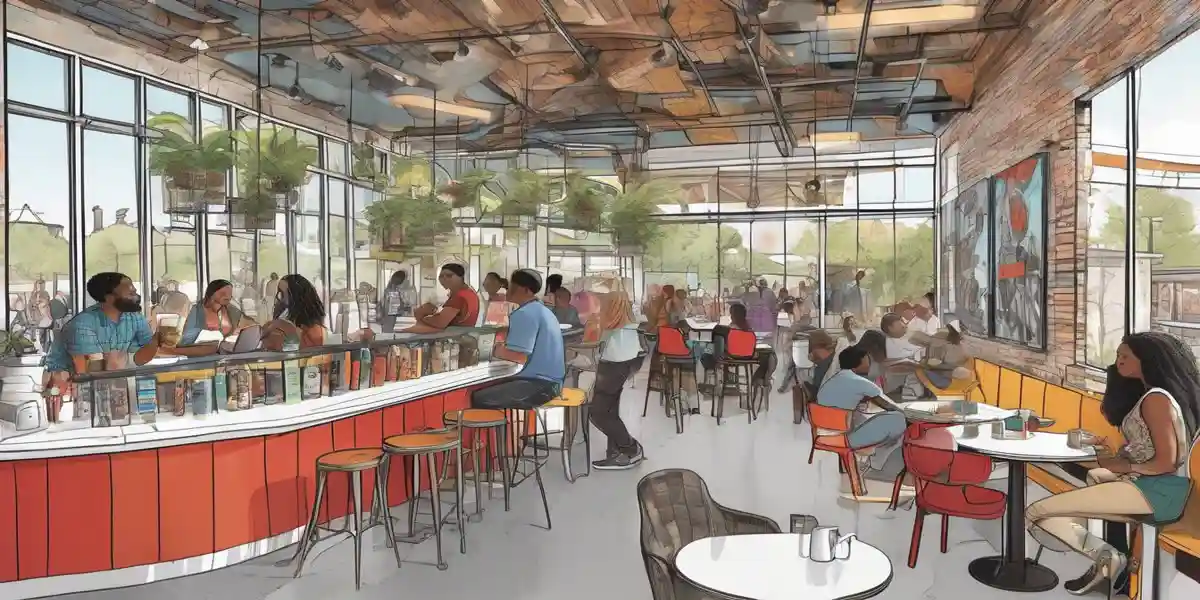
In the vibrant coffee culture of Atlanta, the design of coffee shops is evolving to prioritize community engagement and shared experiences. This shift reflects a growing recognition of coffee shops as essential social hubs rather than mere places to grab a quick cup. Here, we explore three significant trends among Atlanta roasters that emphasize community spaces.
One of the most notable trends is the adoption of open layouts that foster interaction among patrons. Coffee shops like Taproom Coffee have implemented designs that eschew traditional barriers, allowing for a fluid flow of movement and conversation. These spaces often feature large communal tables alongside smaller, intimate seating areas. Research indicates that open layouts can enhance social interaction, as they encourage customers to engage with one another. By providing flexible seating options, these coffee shops cater to a variety of guest preferences—whether someone is looking to work solo or socialize with friends.
Another innovative trend is the creation of multi-purpose spaces within coffee shops. For instance, Chattahoochee Coffee Company integrates its coffee shop with local art exhibits and live music events, transforming the space into a cultural venue. This multifunctionality not only attracts diverse audiences but also strengthens community ties by showcasing local talent and fostering collaboration. According to a study by the American Institute of Architects, spaces that serve multiple functions can enhance community well-being by providing residents with a sense of ownership and pride in their local establishments.
Atlanta coffee roasters are also incorporating design elements that reflect and celebrate their local communities. This includes using locally sourced materials and artwork that reflects the culture and history of the area. For example, Brickhouse Coffee features murals created by local artists, which not only beautify the space but also serve to engage customers in conversations about local art and history. Such community-centric designs foster a sense of belonging and encourage patrons to return, knowing they are supporting local creators and businesses.
Through these innovative design trends, Atlanta coffee roasters are reshaping the function and feel of coffee shops, emphasizing the importance of community spaces as vital components of urban life. This transformation not only enhances the customer experience but also reinforces the social fabric of the neighborhoods they serve.
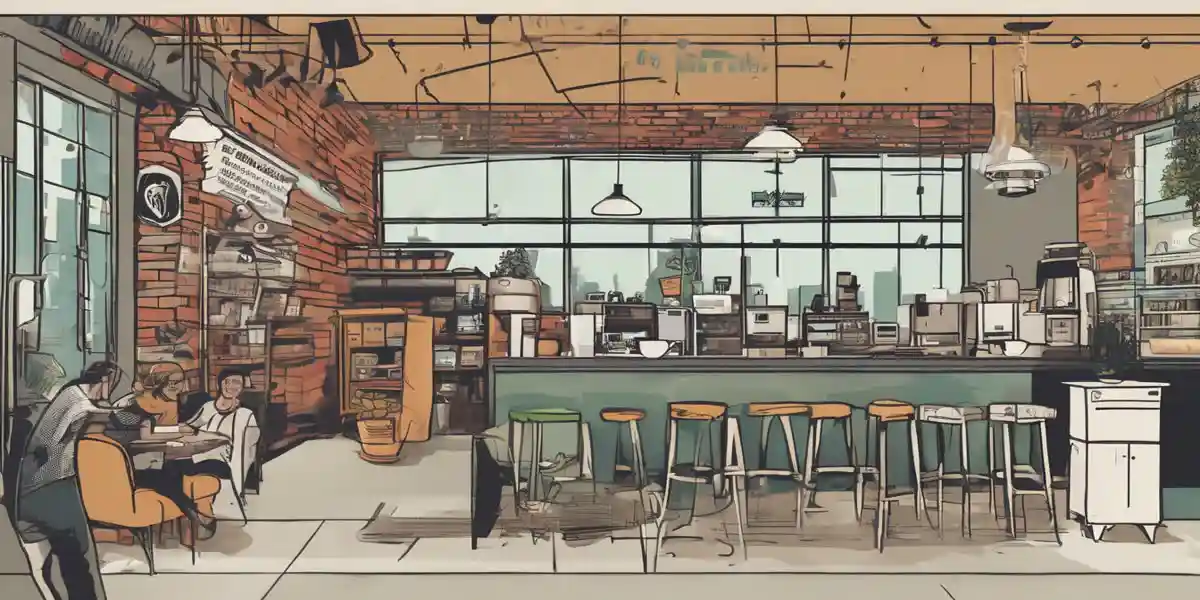
As the global conversation around climate change and sustainability intensifies, coffee roasters in Atlanta are embracing this ethos through innovative design choices that prioritize eco-friendliness. This shift is not only beneficial for the environment, but it also resonates with a growing customer base that values sustainability. In this section, we will explore three key sustainable design strategies employed by Atlanta coffee roasters, supported by real-world examples.
Many coffee shops in Atlanta are opting for recycled and locally sourced materials in their interior design. This approach not only reduces the carbon footprint associated with transporting materials but also supports local economies. For instance, Chickpea & Olive, a well-known roaster, has utilized reclaimed wood from local demolition sites for its furniture and fixtures. According to the U.S. Environmental Protection Agency, using recycled materials can significantly lower energy consumption and waste production, making it a viable strategy for coffee shops aiming for sustainability.
Energy efficiency is another cornerstone of sustainable design. Coffee shops like East Pole Coffee Co. have invested in high-efficiency espresso machines and LED lighting to minimize energy consumption. The implementation of such appliances can lead to a substantial reduction in energy costs over time. A study by the U.S. Department of Energy suggests that energy-efficient equipment can reduce energy use by up to 50%, reinforcing the economic benefits of sustainable investments.
Biophilic design, which integrates natural elements into built environments, is gaining traction among coffee roasters. This design philosophy promotes well-being and environmental consciousness. For example, Java Jive has created an indoor garden that not only beautifies the space but also improves air quality. Research indicates that biophilic design can enhance customer experience and increase dwell time, ultimately benefiting the business. By incorporating plants and natural light, coffee shops not only create inviting atmospheres but also contribute positively to urban biodiversity.
In summary, Atlanta's coffee roasters are making intentional design choices that reflect a commitment to sustainability. By utilizing recycled materials, investing in energy-efficient appliances, and incorporating biophilic elements, these establishments are not just transforming coffee shop design but also setting a precedent for environmental responsibility in the community.
In this exploration of how Atlanta coffee roasters are revolutionizing coffee shop design, we uncovered several key themes that reflect both a commitment to quality and a desire to foster community. Firstly, the emphasis on sustainable practices and high-quality sourcing underlines the role of local businesses in promoting environmental responsibility while enhancing the coffee experience. Secondly, the innovative design elements—ranging from open layouts to immersive sensory experiences—highlight a shift towards creating spaces that encourage social interaction and engagement. This transformation is not merely aesthetic; it represents a deeper understanding of the coffee shop as a communal hub where relationships are formed and nurtured.
These insights matter significantly as they tie into broader trends in consumer behavior and urban development. As more individuals seek authentic experiences over mere transactions, coffee shops are evolving from simple places to grab a caffeine fix into vital community spaces. This trend reflects a growing demand for environments that inspire connection and creativity, particularly in urban centers like Atlanta, where diverse populations converge. Furthermore, the future outlook for coffee shop design suggests that this evolution will continue, driven by both consumer preferences and advancements in technology that facilitate more personalized and interactive experiences.
As we reflect on these developments, it's clear that the transformation of coffee shop design is not just about aesthetics; it is about crafting a sense of belonging and community. We encourage readers to engage with their local coffee shops, support these innovative roasters, and consider how their own experiences within these spaces contribute to the broader narrative of community building. By doing so, we can all play a part in fostering environments that prioritize connection, sustainability, and the joy of coffee culture.

Get notified about new articles, coffee tips, and Web3 insights.
This site participates in affiliate programs and may earn a commission when a link is clicked and a purchase is made. The site is not responsible for any issues or troubles related to the products or services purchased through the use of this site.

DO&COFFEE loves coffee and technology, exploring the potential of NFTs and blockchain. Learn more →
DO&COFFEE loves coffee and technology, exploring the potential of NFTs and blockchain. Learn more →