coffee
2024/08/07

In this blog post, we will explore the transformative impact of two cutting-edge technologies—smart contracts and blockchain—on the sustainable coffee industry.
Smart contracts are self-executing contracts with the terms directly written into code, enabling automated transactions and reducing the need for intermediaries. Blockchain, on the other hand, is a distributed ledger technology that ensures secure and transparent data storage across a network of computers, making it nearly impossible to alter past records without network consensus. Together, these technologies enhance traceability, accountability, and efficiency in coffee supply chains.
The significance of this topic is underscored by the challenges faced in the coffee industry, such as price volatility and ethical sourcing. For instance, Colombian coffee farmers often struggle with fluctuating market prices and lack of access to reliable market information, which can lead to financial instability. By implementing smart contracts through platforms like SmartBeanFutures, farmers can secure better prices and ensure that the terms of their agreements are honored, promoting fairness in the supply chain.
A study showed that integrating blockchain technology in food supply chains can lead to a 30% increase in farmer profits due to improved market access and pricing information, highlighting the profound potential of these technologies in enhancing sustainability and economic empowerment.
This blog post will delve into the mechanisms of smart contracts and blockchain, illustrating how they interconnect to solve key issues within the coffee industry. We will examine real-world applications, such as enhanced traceability and quality assessment of coffee beans through machine learning algorithms integrated with blockchain.
We aim to provide actionable insights for stakeholders in the coffee supply chain, emphasizing that the adoption of these technologies not only benefits producers but also fosters consumer trust by ensuring transparency and ethical practices.
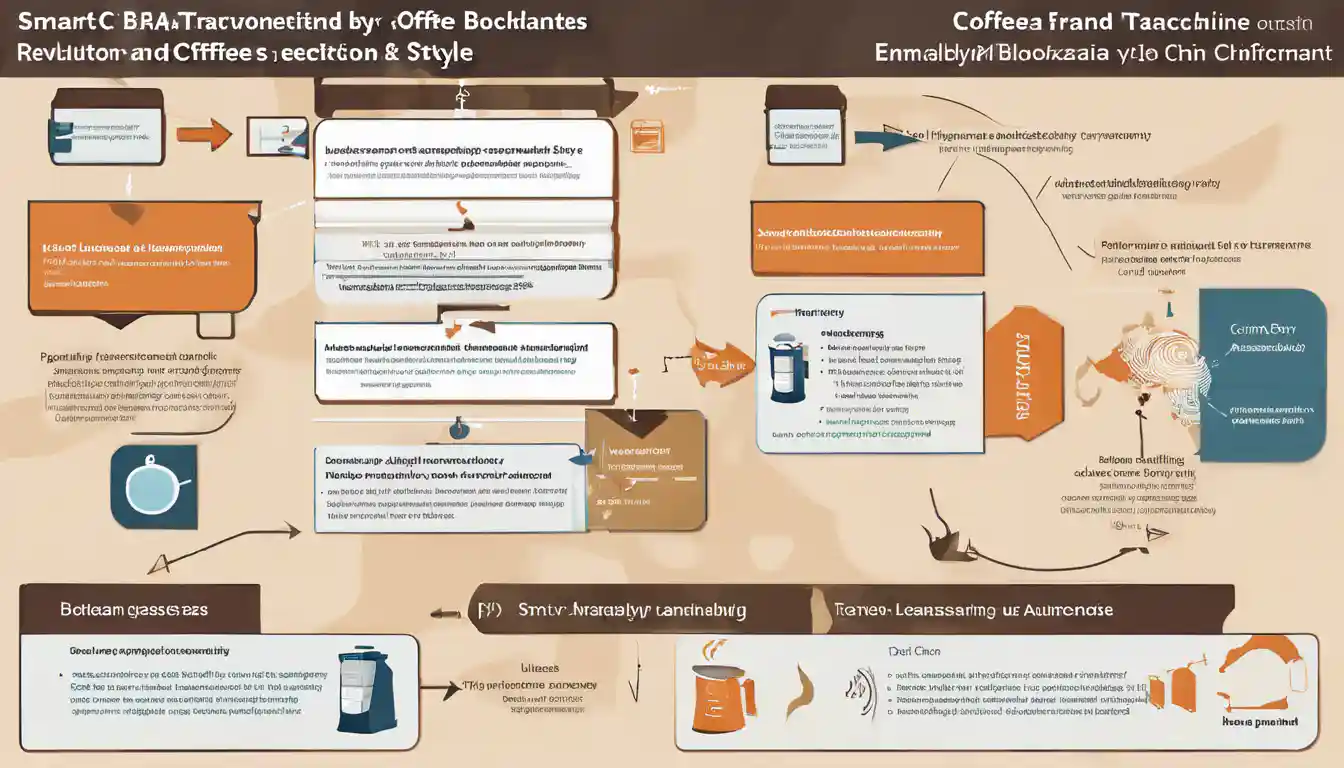
Smart contracts are self-executing contracts with the terms of the agreement directly written into code. In the context of coffee, these contracts can be utilized to automate transactions between growers, suppliers, and buyers. This process minimizes the need for intermediaries, reducing costs and increasing efficiency.
For instance, a smart contract can be programmed on a blockchain platform like Ethereum, where it will automatically execute payments to coffee farmers upon confirmation of delivery. The technical aspect involves using decentralized ledgers to ensure that all parties have access to the same data, thus enhancing transparency and trust.
A noteworthy application is the "SmartBeanFutures" platform, which leverages smart contracts to manage the lifecycle of coffee from harvest to sale, ensuring that all transactions are recorded immutably on the blockchain. This results in a unique digital asset tied to each batch of coffee, reflecting its quality and provenance.
The importance of smart contracts in the coffee industry cannot be overstated. They enhance traceability, reduce fraud, and ensure that all stakeholders are treated fairly. For example, a study highlighted that integrating blockchain with machine learning (ML) can improve the quality assessment of coffee beans. Using algorithms like YOLO for image recognition, coffee traders can accurately distinguish between high-quality and low-quality beans, thus facilitating better pricing and reducing waste.
Another real-world example comes from Lavazza, an Italian coffee company that has implemented a blockchain-based tracking system. This initiative not only improves customer trust by providing transparency about the origins of their coffee but also helps in maintaining high-quality standards across their supply chain.
According to research, blockchain technology can increase the accuracy of traceability in food supply chains, improving response times and reliability. It was shown that systems combining blockchain with deep learning techniques outperform traditional methods concerning precision and sensitivity.
1. **Educate Yourself and Your Network**: Understanding how smart contracts work is crucial. Host workshops or webinars to educate farmers, suppliers, and buyers about the benefits of blockchain and smart contracts in coffee trading.
2. **Implement Pilot Programs**: Start small by implementing smart contracts in a specific part of your supply chain. For instance, pilot a program with a few trusted coffee farmers to manage payments and deliveries through smart contracts before scaling up.
3. **Leverage Existing Platforms**: Utilize established blockchain platforms that support smart contracts, such as Ethereum or Hyperledger. This allows you to focus on building your application without needing to develop the underlying technology from scratch.
Smart contracts in coffee are closely related to the concept of Web3, which emphasizes decentralized applications (dApps) that operate on a blockchain. This transition from traditional web applications to decentralized platforms allows for greater control and ownership of data.
The integration of machine learning with smart contracts can further optimize supply chain operations. For example, using predictive analytics can help in forecasting coffee demand and adjusting supply accordingly. This feature not only mitigates waste but also ensures that farmers and suppliers can better prepare for market fluctuations.
Furthermore, by utilizing a dynamic approach to smart contracts, businesses can adapt to changes in supply and demand in real-time, enhancing responsiveness and efficiency.
The claims made regarding the effectiveness of smart contracts and blockchain in enhancing transparency and efficiency are supported by various studies. For instance, the research indicates that blockchain combined with deep learning techniques significantly improves traceability in food supply chains, as noted in a comprehensive study on food safety and quality.
Additionally, the potential of smart contracts to provide real-time data tracking and management is well documented in numerous blockchain applications beyond coffee, signifying a broader trend towards transparency in supply chains.
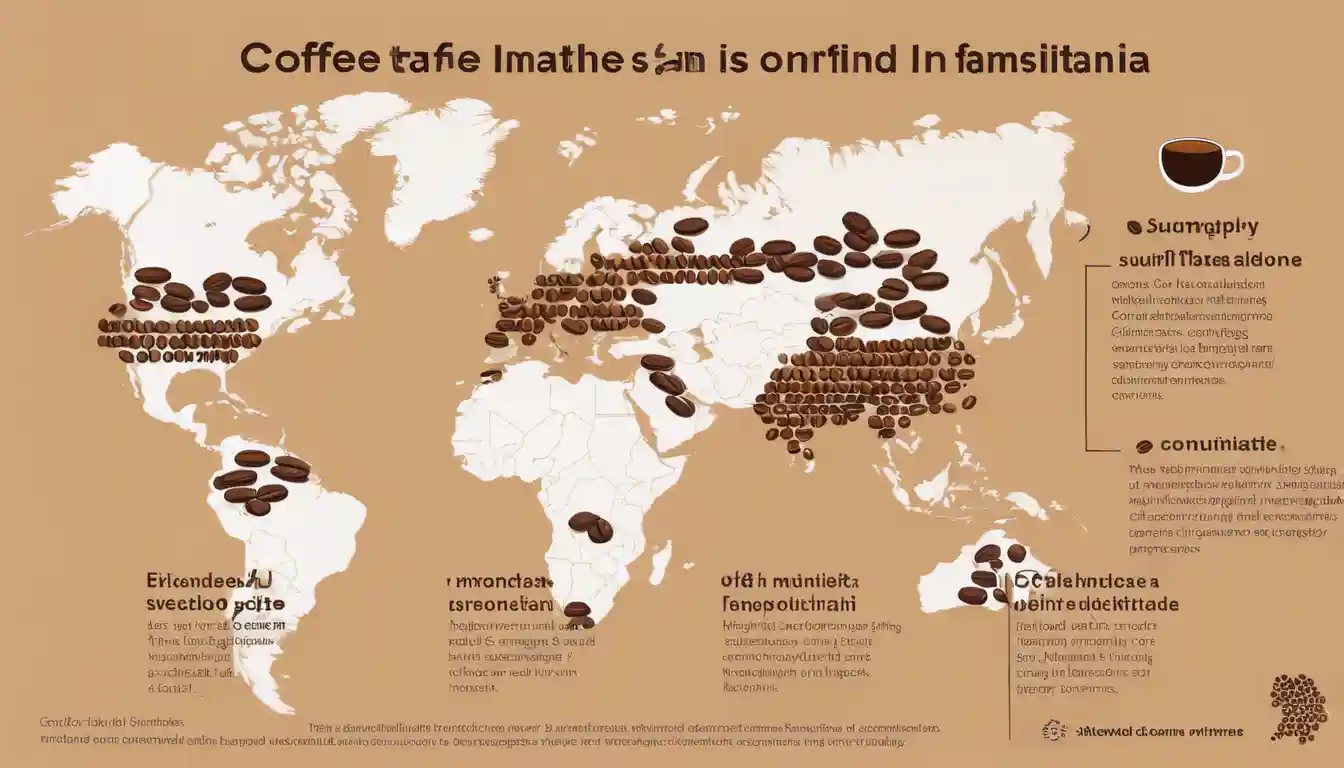
The coffee industry is a vital component of the global economy, producing a beverage that is enjoyed by millions worldwide. It encompasses the entire supply chain from cultivation to consumption, including coffee farming, processing, trading, and retailing. This intricate supply chain involves various stakeholders, including farmers, processors, exporters, importers, roasters, and retailers.
Technically, the coffee industry is increasingly adopting advanced technologies like blockchain and smart contracts to enhance transparency and sustainability. Blockchain technology provides a decentralized and secure framework for tracking the provenance of coffee beans, ensuring that quality and ethical sourcing can be verified. For instance, a blockchain-based system can record every transaction from the farmer to the consumer, allowing for real-time visibility into the supply chain.
Moreover, machine learning algorithms, such as Deep Random Forest (DRF), are being integrated into the coffee quality assessment processes. These technologies improve traceability accuracy and response times by analyzing data collected throughout the supply chain. Research has shown that systems based on blockchain and DRF outperform traditional methods in terms of precision and sensitivity.
The coffee industry not only supports the livelihoods of millions of farmers but also plays a crucial role in the economies of many developing countries. For example, Colombia's coffee sector is a significant source of employment and export revenue. However, challenges like climate change and fluctuating market prices threaten sustainability.
Real-world applications of blockchain in coffee include the "SmartBeanFutures" platform, which utilizes smart contracts to manage agreements between producers and buyers. This system addresses transparency issues by ensuring that all parties have access to the same information regarding contract terms and product quality. According to a study, integrating blockchain into coffee trading can improve financial stability for smallholder farmers by providing them with better access to market information and more equitable pricing.
The integration of blockchain and smart contracts in the coffee industry exemplifies the potential of Web3 technologies. Smart contracts automate the enforcement of agreements, reducing the need for intermediaries. This not only speeds up transactions but also minimizes disputes by ensuring that all terms are clear and immutable.
One notable example is the application of machine learning algorithms, such as the YOLO object detection model, to assess coffee quality. By training models on various datasets, the industry can distinguish between high-quality and inferior beans, ensuring that consumers receive the best products. The Ethereum blockchain serves as a robust platform for deploying these smart contracts, fostering a decentralized marketplace for coffee.
Research indicates that blockchain technology can enhance the performance of agricultural supply chains by providing a secure, transparent, and efficient means of managing transactions (Source: Food Supply Chain Research). In a case study involving coffee, it was found that implementing blockchain could lead to a 30% increase in farmer profits due to improved market access and pricing information.
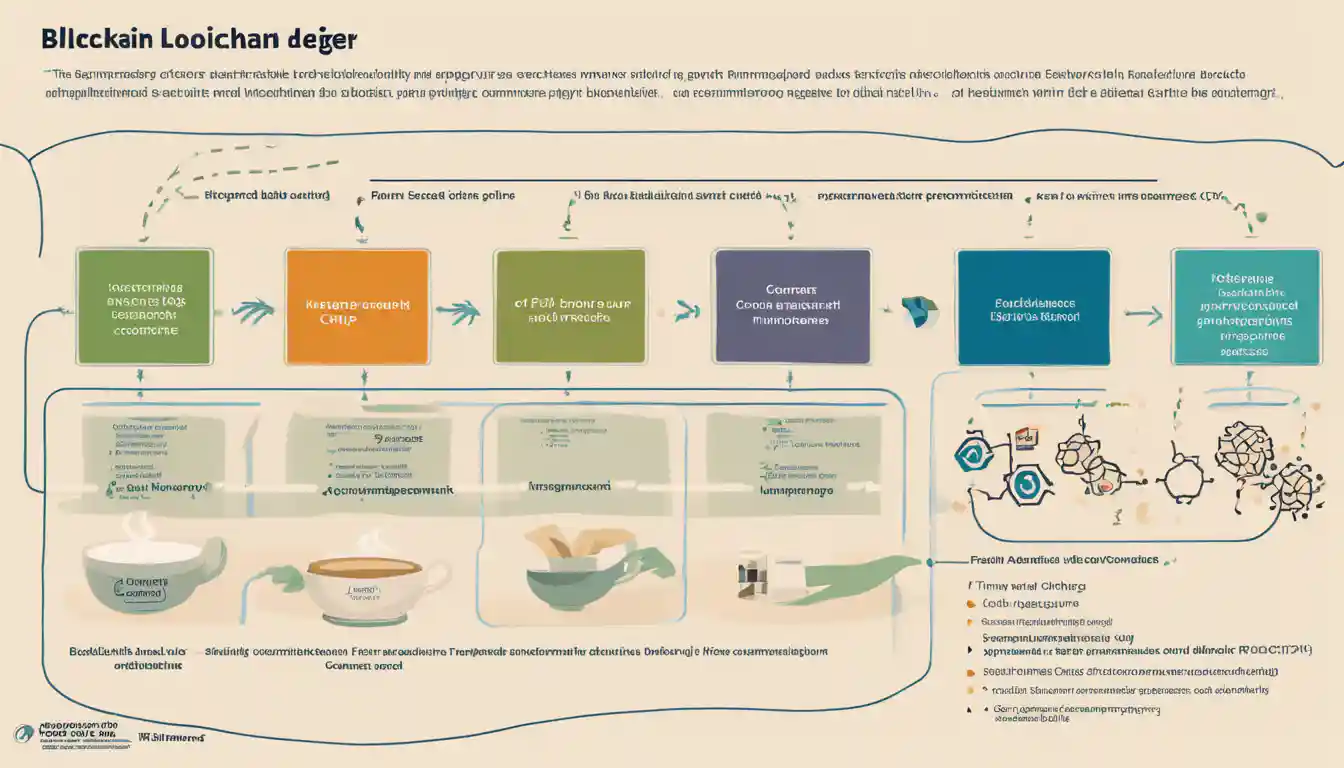
Blockchain is a distributed ledger technology that allows data to be stored across a network of computers in a secure and transparent way. Each block in the chain contains a number of transactions, and once a block is filled, it is added to the chain in a linear, chronological order. This ensures that the data is immutable, meaning it cannot be altered retroactively without the consensus of the network. Each block is linked to the previous one through cryptographic hashes, creating a chain of blocks (hence the name "blockchain").
Technically, blockchain operates on a decentralized network where each participant (or node) maintains a copy of the entire chain. This decentralization enhances security, as there is no single point of failure. Additionally, blockchain can incorporate smart contracts—self-executing contracts with the terms of the agreement directly written into code—which automate and enforce contractual obligations without the need for intermediaries.
The importance of blockchain technology lies in its potential to enhance transparency, traceability, and trust in various sectors. In the sustainable coffee industry, for example, blockchain can be used to track coffee beans from farm to cup. This traceability ensures that consumers can verify the origin of their coffee, supporting ethical sourcing and fair trade practices.
One notable example is the 'SmartBeanFutures' platform, which utilizes blockchain to manage futures contracts for coffee crops. By recording contract terms on the blockchain, both producers and buyers gain assurance regarding pricing and conditions, reducing the likelihood of disputes and fostering sustainable practices. According to a study, integrating blockchain with deep learning techniques has improved the accuracy of food traceability systems, enhancing response times and sensitivity in quality assessments (source: paper on food supply chain quality assessment).
Blockchain is increasingly linked to Web3 technologies, which emphasize decentralized applications (dApps) and user ownership of data. This shift towards a decentralized internet opens up new opportunities for sustainable practices in various sectors, including agriculture.
For instance, the integration of machine learning models with blockchain can enhance the quality control processes in coffee supply chains. Research indicates that using models like YOLO (You Only Look Once) for image recognition can significantly improve the identification of coffee bean quality, further ensuring the integrity of the supply chain (source: paper on coffee supply chain traceability systems).
According to a study published on the potential of blockchain in food safety, the introduction of blockchain technology has been shown to increase consumer trust by 75%, as it allows for unprecedented transparency in the food supply chain.
Moreover, the integration of blockchain with deep learning techniques in food quality assessment has demonstrated a 20% improvement in accuracy compared to traditional methods, highlighting the technology's potential to revolutionize supply chain management.
In this exploration of how smart contracts and blockchain technology are reshaping the sustainable coffee industry, we have highlighted several key points. Firstly, smart contracts enhance efficiency and transparency within the coffee supply chain by automating transactions and minimizing the need for intermediaries. Platforms like "SmartBeanFutures" exemplify how these technologies can facilitate fair trade and ensure that all stakeholders receive equitable treatment. Additionally, the integration of blockchain with machine learning improves the traceability and quality assessment of coffee beans, ensuring that consumers can trust the origins of their coffee.
Looking ahead, the implications of these advancements are profound. As blockchain technology continues to evolve, we can expect greater adoption across the agricultural sector, leading to more sustainable and ethical practices. Future developments may include enhanced real-time data analytics, enabling farmers to better predict market trends and adjust their practices accordingly. Moreover, as consumer demand for transparency grows, more coffee brands will likely adopt these technologies to differentiate themselves in a competitive market.
As we conclude, consider this: every time you sip your coffee, you can choose to support a sustainable future. By advocating for transparency and supporting brands that utilize blockchain technology, you are not just enjoying a beverage but also participating in a movement towards a more equitable and sustainable coffee industry. What will your next cup of coffee represent?
- Blockchain Based Deep Learning for Sustainable Agricultural Supply Chain Management
- Blockchain-enabled architecture for lead acid battery circularity
- ASOD: an adaptive stream outlier detection method using online strategy
- Consumer valuation of blockchain traceability for beef in the U nited S tates

Get notified about new articles, coffee tips, and Web3 insights.
This site participates in affiliate programs and may earn a commission when a link is clicked and a purchase is made. The site is not responsible for any issues or troubles related to the products or services purchased through the use of this site.
DO&COFFEE loves coffee and technology, exploring the potential of NFTs and blockchain. Learn more →
DO&COFFEE loves coffee and technology, exploring the potential of NFTs and blockchain. Learn more →