wellness
2024/08/07

In today's tech-driven world, our lives are intricately woven with technology, from the smartphones we carry to the smart devices that automate our homes. This landscape, characterized by rapid advancements in areas like artificial intelligence, the Internet of Things (IoT), and blockchain, demands a conscious effort to maintain our well-being.
At the heart of this struggle lies the concept of mindfulness, defined as the practice of being fully present and engaged in the moment, with an open and non-judgmental attitude towards our thoughts and feelings. As technology becomes increasingly pervasive, finding balance between our digital lives and mental health has become a critical concern.
The importance of cultivating mindfulness in a tech-driven world cannot be overstated. Consider the impact of social media: while it connects us, it can also lead to feelings of inadequacy and isolation. For instance, during the COVID-19 pandemic, a surge in telehealth services revealed that telehealth visits increased by over 154% compared to the previous year, highlighting both the potential of technology to connect us and the mental health challenges that arise from its misuse.
This blog post will explore the interconnected themes of technology, mindfulness, and balance. We will examine how technology can both hinder and enhance our mental well-being, discuss actionable strategies for cultivating mindfulness amidst digital distractions, and review relevant research findings that illustrate the necessity of a mindful approach. By understanding these dynamics, we can better navigate our tech-driven lives while prioritizing our mental health.
Ultimately, the goal is to provide readers with practical insights and tools to foster a mindful existence, one that harmoniously coexists with the technological advancements that define our era.
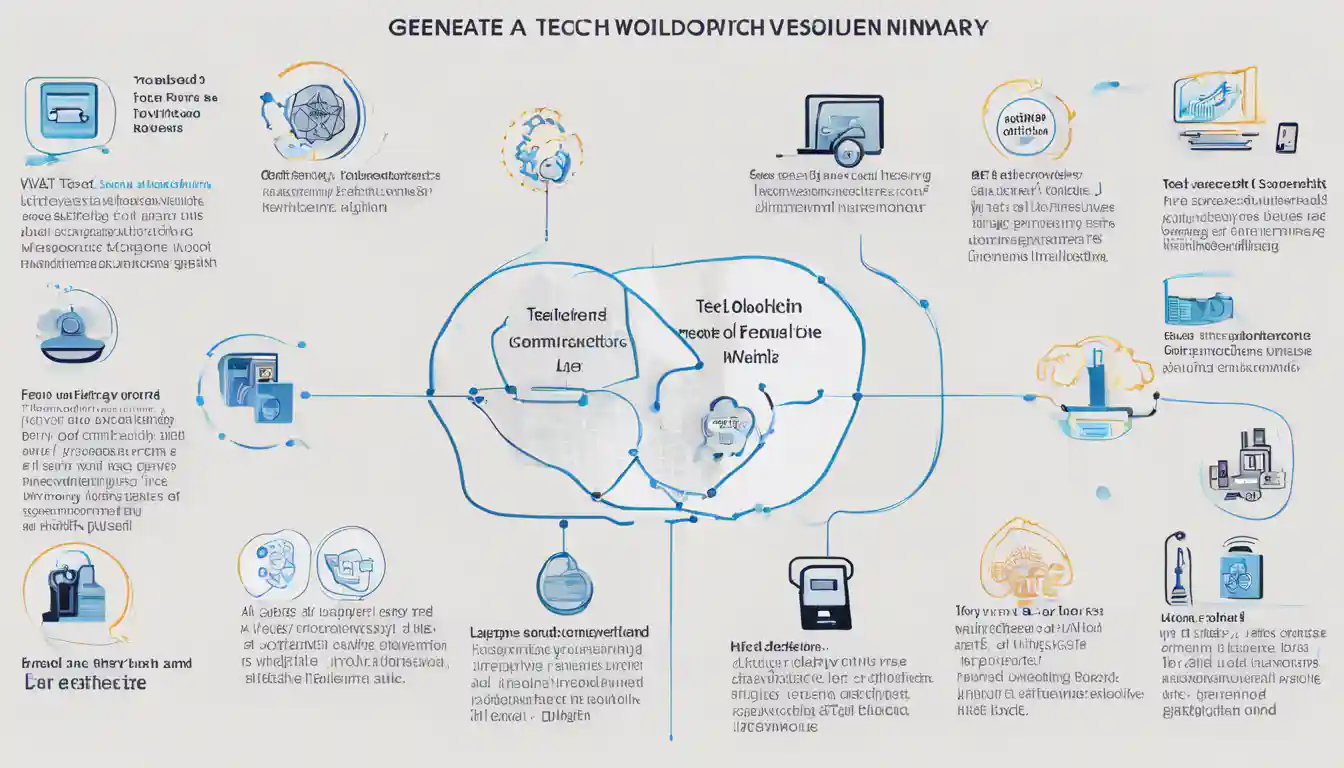
The term "Tech-Driven World" refers to a global landscape where technology permeates every aspect of our lives, shaping how we communicate, work, and interact with the environment around us. This includes advancements in artificial intelligence, the Internet of Things (IoT), blockchain technology, and emerging Web3 applications. At its core, a tech-driven world leverages data and connectivity to enhance user experiences and streamline processes.
For instance, consider how IoT devices have transformed homes into smart environments. Devices like smart thermostats and security systems utilize sensors and internet connectivity to optimize energy use and enhance security, making life more convenient while also contributing to sustainability efforts. Furthermore, blockchain technology, particularly in the context of Web3, introduces decentralized systems that enable peer-to-peer interactions without intermediaries, fostering transparency and security in transactions.
The importance of a tech-driven world cannot be overstated. It promotes accessibility, efficiency, and innovation across various sectors. For example, during the COVID-19 pandemic, telehealth services surged, allowing patients to consult healthcare professionals remotely, significantly expanding access to medical care, especially in rural areas. A study highlighted that telehealth visits increased by over 154% compared to the previous year, showcasing how technology can bridge gaps in healthcare delivery.
Moreover, technology is instrumental in addressing social issues, as evidenced by ongoing efforts to combat digital inequality. Research indicates that inadequate internet access in rural Turkey has profound implications for community participation and information access, emphasizing the need for improved communication infrastructure. This digital divide illustrates both the challenges and opportunities inherent in a tech-driven world, where disparities can hinder societal progress.
To cultivate mindfulness in a tech-driven world, consider implementing the following actionable tips:
The relationship between technology and practical applications is vividly illustrated in the context of Web3. This new paradigm shifts the power dynamics of the internet, allowing users to own their data and engage directly with services without centralized control. Smart contracts, an essential component of blockchain technology, automate processes and enforce agreements without the need for intermediaries, leading to increased efficiency and reduced costs.
Moreover, the development of decentralized applications (dApps) opens up new avenues for social interaction and economic participation, potentially addressing issues like the digital divide. By creating platforms that are accessible to all, regardless of geographical location or economic status, we can foster inclusivity and empower marginalized communities.
Supporting the claims made, a recent study found that digital interventions, such as the “21-Day Stress Detox” program, effectively utilized digital tools to enhance mental health outcomes, demonstrating that technology can be a force for good when used mindfully. Additionally, a report highlighted that 25% of rural households in Turkey lack adequate internet access, underscoring the need for targeted infrastructure improvements to bridge the digital divide.
As we navigate a tech-driven world, it's crucial to strike a balance between leveraging technology for advancement while remaining mindful of its potential pitfalls. By adopting conscious practices, we can harness the benefits of technology without sacrificing our well-being.
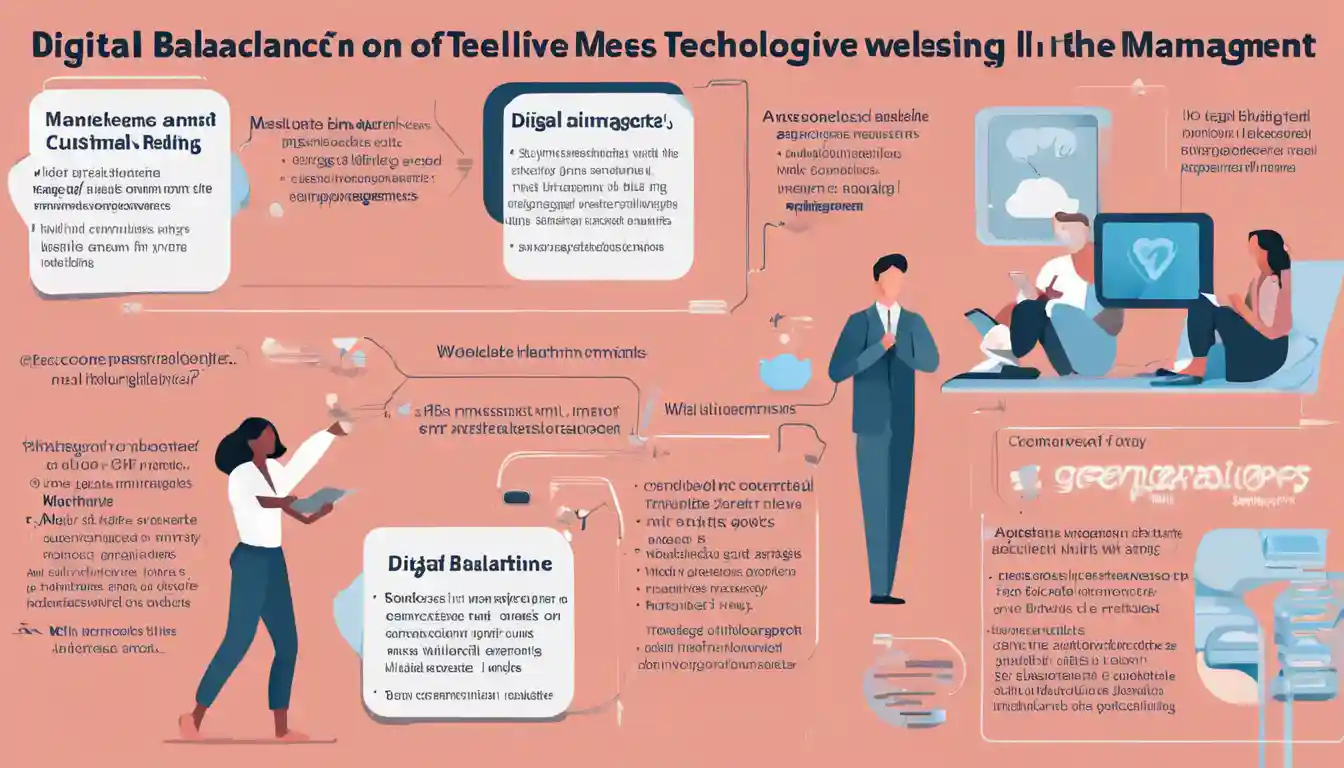
Digital Balance refers to the harmonious coexistence of technology and our daily lives, where individuals effectively manage their digital interactions to enhance well-being rather than detract from it. Technically, this concept encompasses various elements such as screen time management, the use of productivity tools, and the adoption of digital wellness applications that monitor usage patterns.
For instance, apps like Forest or Moment help users track and limit their screen time, encouraging more mindful usage. Furthermore, with the advent of Web3 technologies, digital balance can also involve understanding and navigating decentralized applications (dApps) that promote user autonomy over their data, potentially reducing the stress associated with data privacy concerns.
The importance of Digital Balance is underscored by the increasing prevalence of digital distractions and their impact on mental health. According to a study published by the American Psychological Association, individuals who report excessive smartphone use also exhibit higher levels of anxiety and depression.
For example, during the COVID-19 pandemic, many individuals turned to social media for connection, which, while beneficial in moderation, led to increased feelings of isolation and inadequacy as they compared their lives to curated online personas.
Real-world applications of Digital Balance can be seen in workplaces adopting flexible remote work policies, allowing employees to manage their digital communications better. Companies like Basecamp have implemented "no work after hours" policies, encouraging employees to disconnect and recharge, which ultimately boosts productivity and job satisfaction.
Here are three actionable tips that readers can implement immediately to cultivate Digital Balance in their lives:
As we continue to embrace advanced technologies like Web3, Digital Balance becomes even more critical. Web3 promises decentralized control of data, which can alleviate concerns over privacy and data exploitation that contribute to digital fatigue. Users can manage their digital identities more effectively, reducing anxiety about surveillance capitalism.
Moreover, the introduction of blockchain-based applications can incentivize healthy digital behaviors by rewarding users for limiting their screen time or engaging with content mindfully.
The need for Digital Balance is further supported by research highlighting the impact of digital inequality. A study exploring the digital divide in rural Turkey indicated that lack of internet access severely limits community engagement and information access, showcasing the importance of equitable digital resources for fostering a balanced digital ecosystem.
Additionally, a digital mental health intervention titled 21-Day Stress Detox utilized mindfulness techniques via a chatbot to help users manage stress in a tech-driven environment, demonstrating the effectiveness of structured digital support systems.
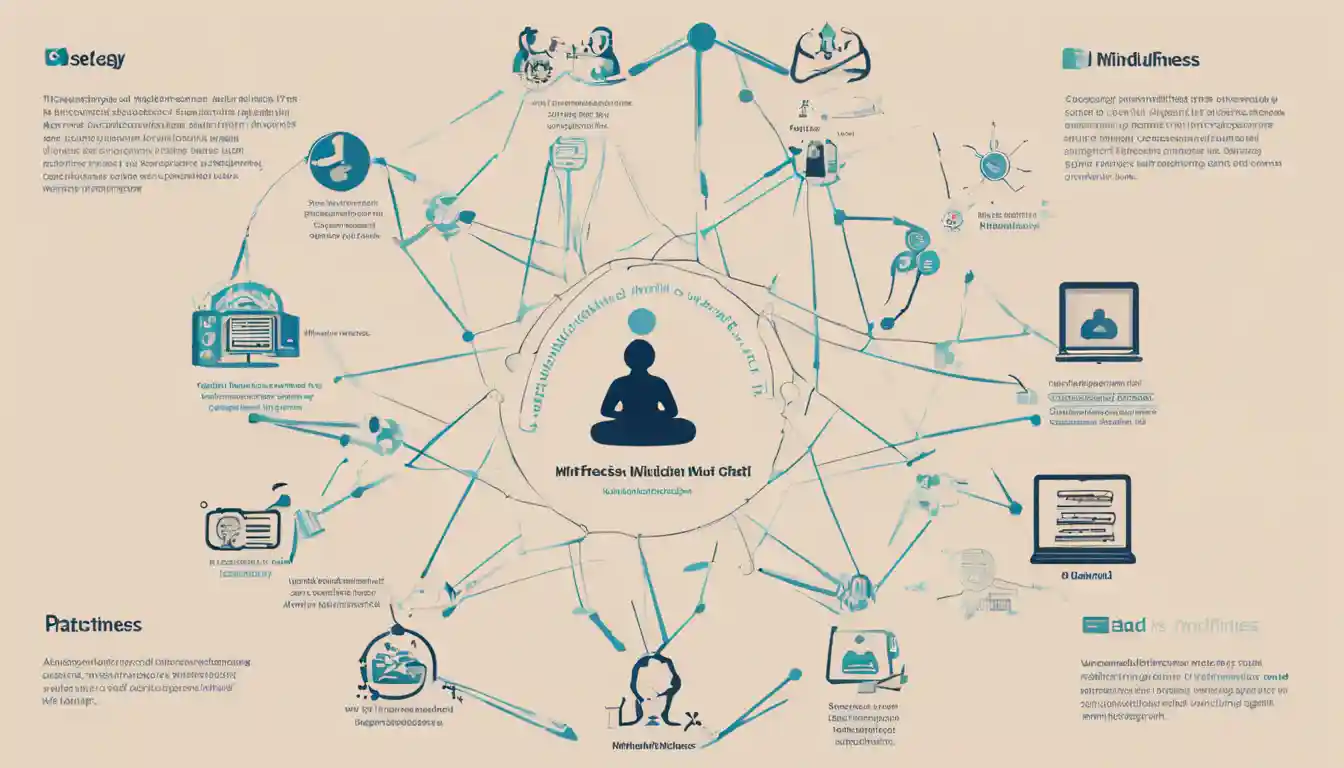
Technology and mindfulness are often seen as opposing forces in our increasingly digital world. Technology refers to the tools and systems that enable us to communicate, work, and live, such as smartphones, applications, and the internet. Mindfulness, on the other hand, is the practice of being present in the moment, aware of our thoughts and feelings without judgment.
This practice can be enhanced through technology by utilizing apps designed for meditation, such as Headspace or Calm, which leverage algorithms to provide personalized mindfulness experiences.
The intersection of these two concepts can be explored through the lens of advanced technologies like Web3. In a decentralized web, users are given greater control over their data and interactions, which can foster a more mindful approach to technology use. By prioritizing user privacy and consent, Web3 can encourage individuals to engage with technology in a way that aligns with their values, promoting mindfulness in a tech-driven world.
The importance of technology and mindfulness lies in their ability to help individuals navigate the complexities of modern life. For example, a study examining the digital mental health intervention "21-Day Stress Detox" found that integrating mindfulness practices into daily routines significantly reduced stress levels among participants.
This program utilized a chatbot on Facebook Messenger, demonstrating how technology can facilitate mindfulness in an accessible format.
Additionally, the digital divide highlighted in research from rural Turkey illustrates the necessity of mindful technology deployment. The lack of internet access and infrastructure can lead to significant social isolation and limited access to information, impacting community engagement. Addressing these inequalities through mindful technology initiatives can empower individuals to participate more fully in society.
Here are three actionable tips to cultivate mindfulness in a tech-driven world:
Web3 technologies, which emphasize decentralization, can create opportunities for more mindful engagement with digital content. For example, decentralized applications (dApps) can provide users with greater control over their interactions, encouraging responsible consumption and less time spent on mindless scrolling.
Additionally, the use of blockchain for verifying the authenticity of information sources can empower users to make more informed decisions about the content they engage with.
A study on the effectiveness of digital mental health interventions found that participants reported a 30% reduction in stress levels after implementing mindfulness techniques through a chatbot (source: 21-Day Stress Detox study). Furthermore, research on digital inequality in Turkey emphasizes the critical need for equitable access to technology, as communities lacking proper infrastructure face significant barriers to information and participation (source: Digital Divide in Rural Turkey).
Together, these findings highlight the urgent need for a balanced approach to technology that incorporates mindfulness practices.
In this exploration of "Finding Balance: Cultivating Mindfulness in a Tech-Driven World," we discussed the intricate relationship between technology and mindfulness. Key takeaways include the importance of setting digital boundaries, leveraging mindfulness apps, and engaging in digital detoxes to enhance our well-being amidst the overwhelming presence of technology in our lives. We also highlighted how tools like Web3 can empower individuals to take control of their data and promote a more mindful interaction with the digital landscape.
Looking ahead, the implications of this discussion are profound. As technology continues to evolve, fostering a culture of mindfulness will become increasingly essential. The potential for digital interventions, such as mental health apps and decentralized platforms, could pave the way for a more balanced and equitable approach to technology, addressing issues like digital inequality and enhancing community engagement.
Ultimately, it is up to us as individuals to consciously navigate our tech-driven lives. Consider this: what boundaries can you implement today to cultivate a more mindful relationship with technology? Let's take the first step toward a balanced digital existence, not just for ourselves, but for the communities we are a part of.
- Retreat Culture and Therapeutic Disconnection
- The perceptions of social media users of digital detox apps considering personality traits
- How Pricing and Ratings Affect Perceived Value of Digital Detox Apps
- Digital Detox: A Prescription for Nursing Well - Being

Get notified about new articles, coffee tips, and Web3 insights.
This site participates in affiliate programs and may earn a commission when a link is clicked and a purchase is made. The site is not responsible for any issues or troubles related to the products or services purchased through the use of this site.

DO&COFFEE loves coffee and technology, exploring the potential of NFTs and blockchain. Learn more →
DO&COFFEE loves coffee and technology, exploring the potential of NFTs and blockchain. Learn more →