coffee
2024/08/16

Imagine a world where every cup of coffee doesn’t just energize your morning but also tells a story of sustainability and transparency from the farm to your table. This isn’t just a dream; it’s the potential reality we can create through innovative technologies like smart contracts and remittance solutions. In our blog post, "Brewing Change: How Smart Contracts and Remittance Solutions are Transforming Sustainable Coffee," we will explore how these advancements are reshaping the landscape of the coffee industry, ensuring that each sip you take supports ethical practices and empowers farmers.
At the heart of this transformation lies the concept of “Bean-to-Blockchain.” By utilizing blockchain technology, we can track coffee beans at every stage—harvesting, processing, shipping, and retail. This not only guarantees that your coffee is ethically sourced but also promotes environmental sustainability. Smart contracts play a pivotal role in this process, automating transactions to ensure that farmers are fairly compensated for their quality produce. For instance, a farmer could set up a contract that releases payment only when their beans meet specific quality standards, verified through the transparent blockchain ledger.
Additionally, remittance solutions offer a powerful mechanism to facilitate direct payments from consumers to farmers, cutting out the exploitative middlemen often found in traditional financial systems. Imagine being able to pay for your coffee directly to the farmer via a decentralized app, with a portion of that payment going towards sustainability initiatives in their community. This model not only fosters a sense of connection between consumers and producers but also nurtures a transparent ecosystem that appeals to environmentally-conscious consumers.
In this blog post, we will delve deeper into these concepts, shedding light on the challenges faced by the coffee industry, the revolutionary impact of smart contracts, and how remittance solutions empower farmers. Join us as we brew a future where every cup of coffee contributes to a better world.
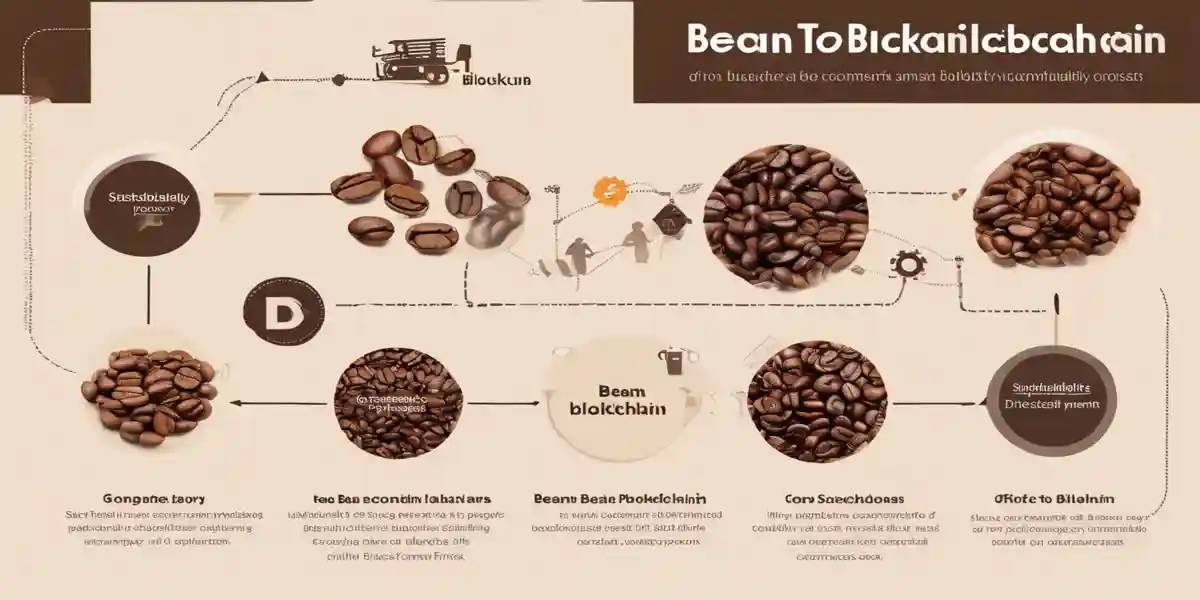
Imagine a world where every cup of coffee doesn’t just energize your morning but also tells a story of sustainability and transparency from the farm to your table. The concept of “Bean-to-Blockchain” envisions utilizing blockchain technology and smart contracts to revolutionize the coffee supply chain. This system would track coffee beans at each stage—harvesting, processing, shipping, and retail—ensuring that every cup is ethically sourced and environmentally friendly.
The coffee industry is at a crossroads, grappling with pressing challenges that threaten its sustainability. With over 250,000 small-scale coffee growers in regions like India facing limited financial support, reliance on middlemen, and the looming threats of climate change, the need for a transformative solution has never been more urgent. These smallholder farmers often lack access to fair compensation and sustainable farming practices, ultimately impacting the quality and sustainability of the coffee they produce.
Traditional supply chains often suffer from a disconnect between suppliers and retailers, resulting in a lack of value assurance for buyers. As consumers become increasingly aware of the ethical implications of their purchases, the demand for transparency in sourcing has surged. This is where blockchain technology can play a pivotal role.
At the heart of this initiative lies the implementation of smart contracts—self-executing contracts with the agreement directly written into code. These contracts automate transactions based on predefined conditions, offering a safety net for farmers. For instance, a farmer could set up a contract that releases payment only when the coffee beans meet an agreed-upon quality standard, verified through blockchain's immutable records. This not only protects smallholder farmers by ensuring fair compensation but also incentivizes quality production. Such mechanisms could mitigate risks associated with adulteration and ensure that consumers receive authentic products.
Moreover, remittance solutions can facilitate direct payments from consumers to farmers, bypassing the traditional financial systems that often exploit vulnerable growers. Imagine a scenario where consumers can pay for their coffee directly to the farmers via a decentralized application, with a portion of the payment allocated for sustainability projects in their community. This not only empowers farmers financially but also builds a direct relationship between consumers and producers, fostering a sense of community and accountability.
The integration of blockchain and smart contracts creates a transparent ecosystem that appeals to environmentally-conscious consumers. By leveraging blockchain technology, we can enhance traceability throughout the coffee supply chain, ensuring that every sip supports sustainable farming practices. A tamper-proof ledger provides immutable records of each transaction, thereby assuring consumers of the ethical origins of their coffee. This initiative not only transforms the coffee industry but also sets a precedent for other agricultural sectors to follow.
As we look toward a more sustainable future, the coffee industry has an opportunity to lead by example. The principles of transparency, fairness, and community engagement can be applied to other agricultural products, promoting broader societal development. The proposed solutions—leveraging advanced technologies like Blockchain and IoT—provide a roadmap for creating resilient agricultural systems that benefit everyone involved, from farmers to consumers.
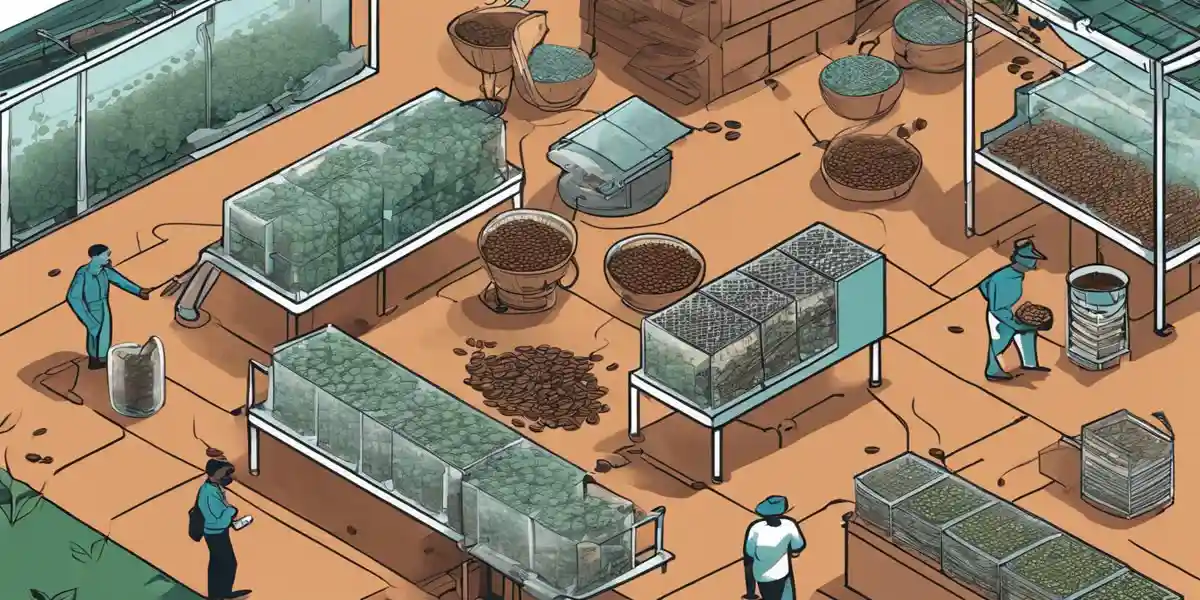
Imagine a coffee supply chain that is not just efficient but also transparent and equitable. Smart contracts, a key component of blockchain technology, are reshaping the way coffee is sourced, processed, and sold. By automating transactions based on predefined conditions, these contracts ensure that every stakeholder—from farmers to consumers—benefits fairly.
At their core, smart contracts are self-executing contracts with the terms of the agreement directly written into code. This means that once certain conditions are met, the contract automatically enforces the agreement without the need for intermediaries. For example, a coffee farmer can create a smart contract stipulating that payment will be released only when the coffee beans pass quality checks verified through a tamper-proof blockchain ledger.
This approach significantly reduces the risk of fraud and ensures that farmers receive fair compensation for their hard work. According to research, the implementation of smart contracts in the coffee supply chain can increase transparency and reliability, addressing long-standing issues like the exploitation of smallholder farmers and the prevalence of middlemen who often take a significant cut of the profits.
One of the most compelling applications of smart contracts in coffee supply chains is their ability to enhance traceability. By mapping each step of the coffee's journey—from the farm to the consumer—smart contracts allow for real-time tracking of the product. This capability is especially valuable in regions like India, where over 250,000 small-scale coffee growers face challenges, including limited access to financial resources and vulnerability to climate change impacts.
Blockchain technology can provide immutable records of each transaction, ensuring that the coffee's origin is verifiable. This not only builds consumer confidence but also rewards producers who adhere to sustainable practices. A study highlights that implementing a blockchain-based model can promote responsible consumption by allowing consumers to make informed choices about the coffee they purchase.
While traditional static smart contracts (SSCs) have limitations in terms of adaptability, a new approach utilizing Dynamic Smart Contracts (DSCs) is emerging. DSCs can respond to changes in real-time, making them more suited for the unpredictable nature of agricultural supply chains. For instance, if a batch of coffee does not meet the quality standards set forth in the contract, the DSC can automatically adjust payment terms or trigger additional quality checks.
This flexibility is crucial, especially in a volatile market where environmental factors can impact crop yield and quality. By employing DSCs, coffee producers can better manage risk and ensure that they are compensated appropriately, thus fostering a more resilient supply chain.
Several initiatives have already begun implementing smart contracts within the coffee industry. For example, a consortium of coffee growers and retailers in Colombia has developed a blockchain solution that uses smart contracts to facilitate direct payments from consumers to farmers. This system not only bypasses exploitative financial intermediaries but also allocates a portion of each sale for community sustainability projects, reinforcing the positive social impact of each coffee purchase.
Another notable implementation is in the Ethiopian coffee market, where a local cooperative utilizes blockchain technology to create a transparent system that tracks the coffee from farm to cup. This initiative not only helps ensure quality and authenticity but also empowers farmers by giving them direct access to consumers.
Despite the promise of smart contracts in revolutionizing coffee supply chains, challenges remain. The technology requires a certain level of digital literacy among farmers and access to the necessary infrastructure, which can be a barrier in rural areas. Furthermore, the initial setup costs for implementing blockchain solutions can be significant.
However, as more players in the coffee industry recognize the benefits of adopting blockchain and smart contracts, we may see increased investments in training and infrastructure development. The potential for a more sustainable and equitable coffee supply chain is immense, and the future looks promising for those willing to embrace this technological shift.
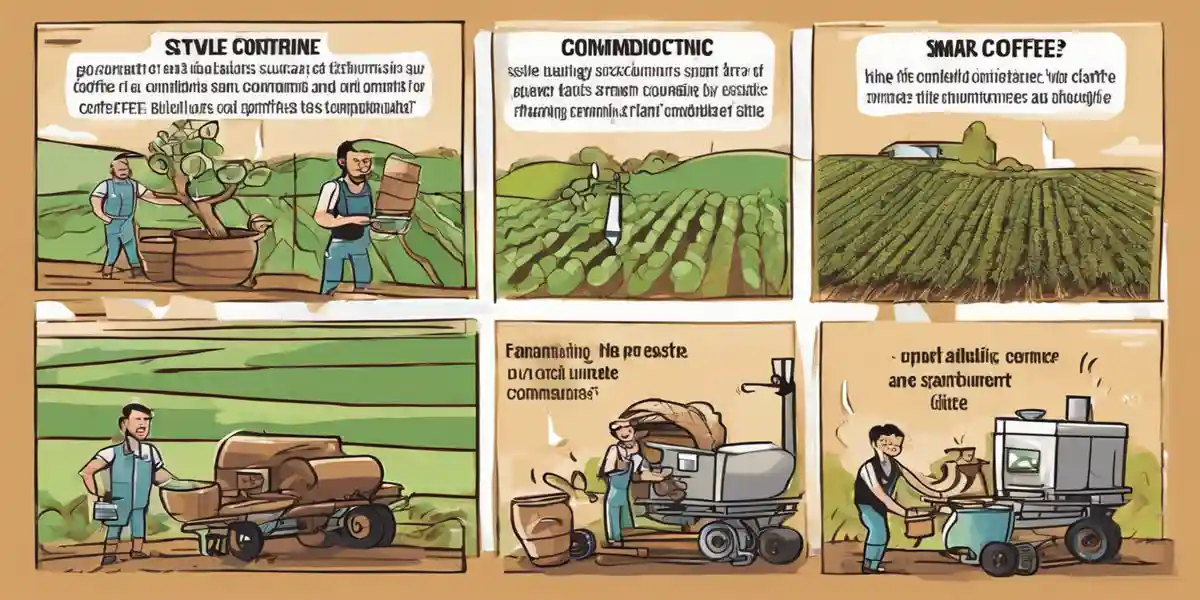
Smart contracts are at the core of the transformative potential of blockchain technology in the coffee supply chain. These self-executing contracts are designed to automate transactions when predefined conditions are met, offering a new layer of efficiency and trust in agricultural transactions. As we explore the development of smart contracts, let's delve into how they function, their role in the sustainable coffee movement, and the implications for the industry.
A smart contract is a digital agreement that runs on a blockchain. Unlike traditional contracts, which are often cumbersome and subject to interpretation, smart contracts are coded with specific rules that dictate the terms of the agreement. For example, a smart contract in the coffee supply chain could be programmed to release funds to a farmer only when their coffee beans meet certain quality metrics—verified through blockchain data. This can include parameters like moisture content, bean size, and even origin verification.
Consider a scenario where a coffee farmer in India, facing challenges such as limited financial support and reliance on middlemen, decides to enter the blockchain ecosystem. By utilizing a smart contract on a platform like Ethereum, the farmer can set conditions under which payment would be made—such as proof of delivery or quality checks performed by certified third parties. This not only guarantees fair compensation but also incentivizes the farmer to maintain high-quality production standards.
Furthermore, remittance solutions integrated with these smart contracts allow consumers to pay farmers directly for their coffee, bypassing traditional financial systems that often exploit smallholders. For instance, a decentralized application (dApp) can facilitate transactions where a portion of the payment is automatically allocated for sustainability projects in the farmer's community, creating a direct impact on local development.
While the potential of smart contracts is immense, there are challenges that need addressing. Traditional static smart contracts (SSCs) may lack the necessary flexibility to adapt to changing circumstances within the supply chain. However, innovations like Dynamic Smart Contracts (DSCs) have emerged to tackle this issue. DSCs allow the terms of a contract to be modified based on real-time data inputs, enhancing adaptability and scalability. For example, if weather conditions affect coffee harvest quality, the smart contract can adjust payment terms accordingly, ensuring fairness for both farmers and buyers.
Implementing smart contracts in the coffee industry not only benefits producers but also builds consumer confidence. By providing verifiable data on the sourcing and quality of coffee, consumers can make informed choices, supporting brands that prioritize sustainability. This transparency can attract a growing demographic of environmentally-conscious consumers who value ethical sourcing practices.
As we see these technologies converge, the coffee industry stands on the brink of a revolution—one that promises not just better profits for growers but a more sustainable and ethical supply chain that can serve as a model for other agricultural sectors.
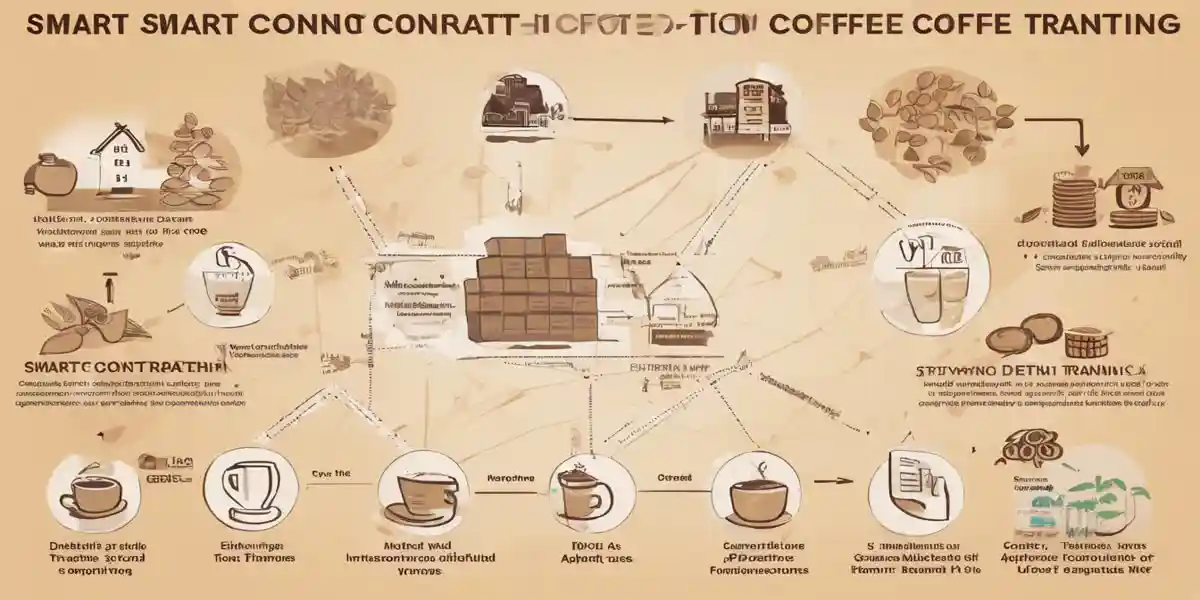
This section explores real-world examples of how smart contracts are being implemented in coffee trading, showcasing their transformative potential in creating a sustainable coffee supply chain.
One compelling case study involves a proposed agricultural supply chain model leveraging the Ethereum blockchain to enhance transparency and reliability in coffee production and distribution. This model addresses the common disconnect between suppliers and retailers, which often results in a lack of value assurance for buyers. By implementing smart contracts at various stages of the supply chain, transactions are only executed once predefined conditions are met. For instance, a coffee farmer can set a smart contract that stipulates payment release only after their beans have been verified for quality by an independent third party. This system not only boosts consumer confidence but also rewards producers who adhere to sustainable practices, thereby promoting responsible consumption.
In India, where approximately 250,000 small-scale coffee growers face numerous challenges—such as limited financial support and dependency on middlemen—smart contracts are being proposed as a solution. By utilizing blockchain and IoT technologies, these contracts can enhance transparency and minimize fraud within the coffee supply chain. The tamper-proof nature of blockchain ensures that every transaction is recorded immutably, creating an auditable trail from farm to cup. For example, a smart contract could automatically release funds to farmers upon successful delivery of coffee beans that meet specific quality metrics—verified through IoT sensors. This not only empowers farmers but also instills trust in the process for consumers.
Another innovative example comes from the Coffee Retailer Network (CRN), which emphasizes the role of blockchain as a trusted distributed ledger. The proposed design automates processes by mapping physical commodities—such as coffee suppliers, manufacturers, and distributors—to a digital ledger. By creating a private or consortium blockchain application, smart contracts can significantly improve asset tracking in the coffee industry. For instance, retailers can use these contracts to ensure that they only pay for coffee that has been verified as sustainably sourced, thus fostering an environment where sustainable practices are rewarded.
While traditional smart contracts (SSCs) offer significant benefits, they can be rigid in adapting to changes. To address this limitation, researchers have proposed AniraBlock, a system that utilizes Dynamic Smart Contracts (DSCs) to enhance adaptability and scalability in the coffee supply chain. This innovative approach allows for more responsive transactions that can adjust to varying conditions, such as changes in market demand or unexpected supply chain disruptions. Preliminary studies show that the implementation of AniraBlock can lead to improved data management and operational efficiency, ensuring that coffee producers can respond swiftly to market needs while maintaining transparency and integrity.
Finally, the integration of Decentralized Finance (DeFi) into agricultural finance presents exciting opportunities for the coffee industry. By utilizing smart contracts for asset tokenization and crop insurance, farmers can access global capital markets without relying on traditional financial intermediaries. For example, a coffee farmer could tokenize their crop to secure upfront capital for production costs, allowing them to invest in sustainable practices without the burden of high-interest loans. This method not only enhances financial efficiency but also opens up new markets for coffee producers, ultimately contributing to the broader transformation towards blockchain in the agricultural sector.
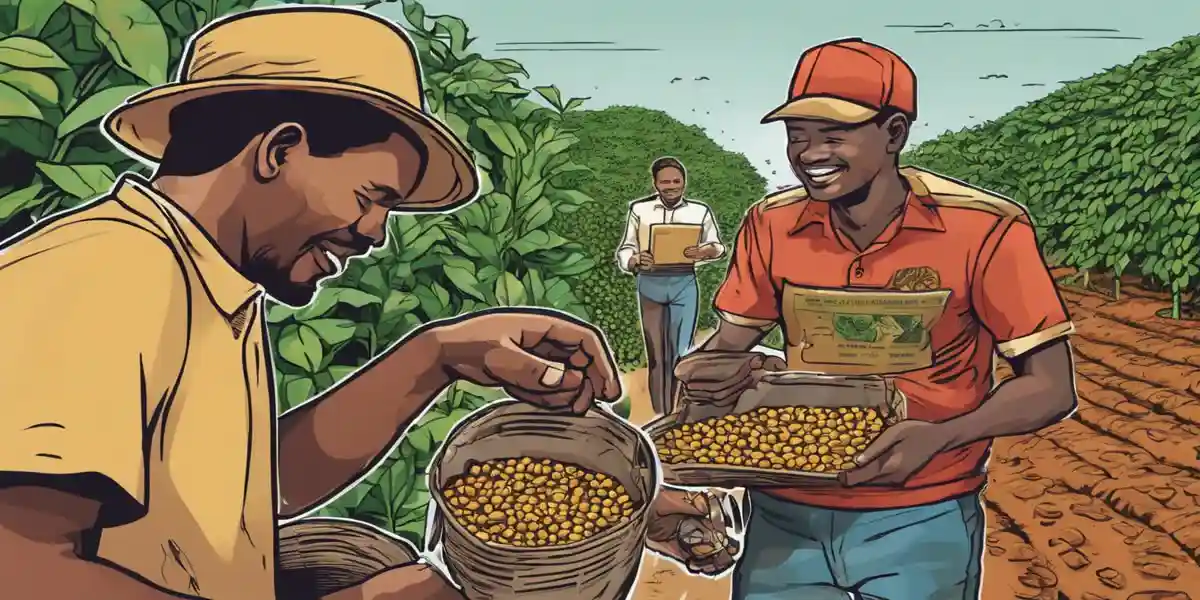
In an era where financial systems often overlook the needs of small-scale farmers, remittance solutions powered by blockchain technology are paving a new path toward empowerment and sustainability in the coffee industry. By facilitating direct payments from consumers to farmers, these solutions not only ensure fair compensation but also foster a sense of community and accountability.
For many coffee farmers, especially the estimated 250,000 smallholders in India, the journey from farm to consumer is fraught with challenges. Traditional remittance systems often rely on a convoluted network of middlemen, leaving farmers vulnerable to exploitation and diminishing their profits. These farmers frequently face issues like limited financial support, risks of adulteration, and the impacts of climate change. By utilizing blockchain technology, we can address these challenges head-on.
Imagine a scenario where consumers are empowered to pay farmers directly via a decentralized application (DApp). This transaction, recorded on a blockchain, not only guarantees that the farmer receives the complete payment but also allows a portion to be allocated for sustainability initiatives within their community. This model not only eliminates excessive fees associated with traditional financial systems but also incentivizes consumers to engage in responsible consumption.
At the heart of these remittance solutions are smart contracts, which automate and enforce the terms of agreements between farmers and consumers. For instance, a coffee farmer can set up a smart contract that releases payment only when certain quality standards are met—standards verified through blockchain technology. This ensures that farmers receive fair compensation for their hard work while motivating them to maintain high production standards.
One notable example is the collaboration between farmers in Kenya and tech startups leveraging blockchain. These initiatives have successfully created platforms where farmers can showcase their produce directly to consumers. In this ecosystem, payments are made instantly via smart contracts, providing farmers with immediate cash flow—an essential element for small-scale operations that often face liquidity challenges.
Blockchain’s immutable ledger enhances transparency throughout the supply chain. Every transaction is recorded and visible to all parties involved, which builds trust between consumers and farmers. This trust is crucial, especially as consumers increasingly demand ethically sourced products. By ensuring traceability, consumers can be confident that their coffee is not only delicious but also supports sustainable farming practices.
The implications of these remittance solutions extend beyond coffee. The model can be adapted to other agricultural products, fostering broader societal development. As farmers gain access to global markets without intermediaries, they can enhance their profitability, invest in sustainable practices, and contribute positively to their communities.
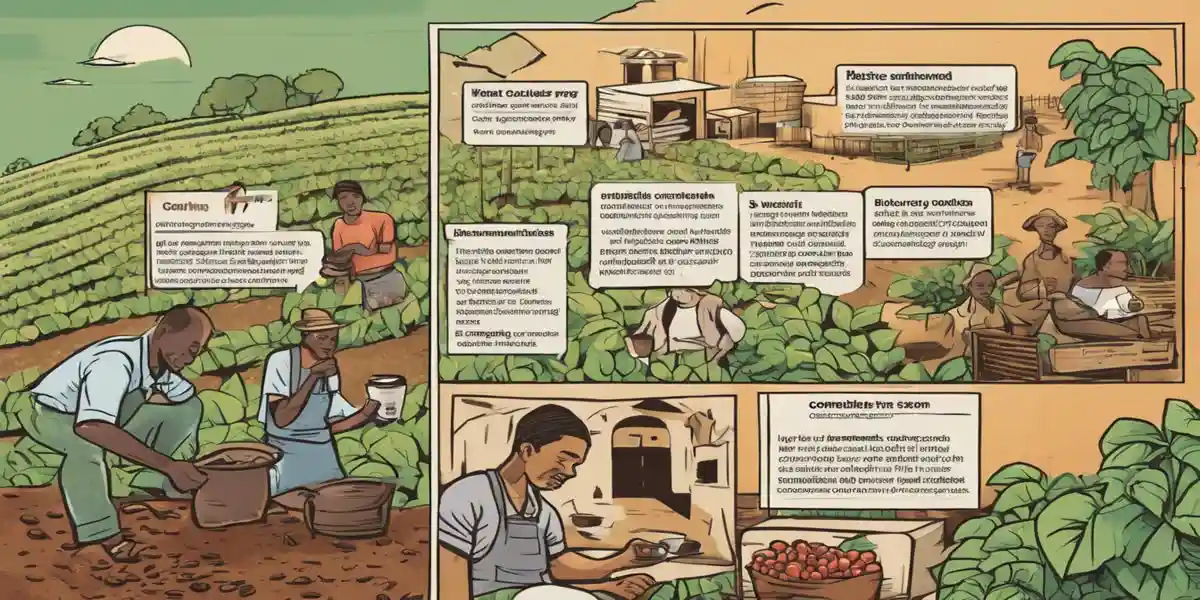
The intersection of remittance solutions and sustainable practices in the coffee industry reveals a transformative potential that can empower farmers and enhance ethical consumption. By leveraging blockchain technology, we can facilitate direct payments that not only support growers financially but also promote responsible agricultural practices.
Traditionally, coffee farmers, especially smallholders, have been trapped in a cycle of dependency on middlemen who often take a significant cut of their profits. This disconnect not only diminishes the farmers' earnings but also creates barriers to sustainable practices. Imagine a scenario where consumers can send payments directly to farmers via a decentralized application, ensuring that they receive a fair price for their beans. This direct remittance model could drastically reduce costs associated with intermediaries, allowing farmers to reinvest in sustainable farming techniques.
The implementation of blockchain technology in coffee remittance offers a tamper-proof ledger that ensures transparency throughout the supply chain. For instance, a farmer in India could utilize a smart contract that stipulates payment release upon the verification of quality standards. This setup not only protects the farmer's interests but also assures consumers that they are purchasing ethically sourced coffee. By providing immutable records of transactions, blockchain fosters trust between consumers and producers, a crucial element in promoting sustainable practices.
Consider initiatives like the "FairChain" model, which uses blockchain to facilitate direct trade between consumers and farmers. Through this platform, consumers can choose to allocate a portion of their payment to projects that enhance sustainability in the farmers' communities, such as reforestation or organic farming training. The transparency provided by blockchain ensures that these funds are used appropriately, thereby reinforcing the commitment to sustainable practices.
Alongside remittance solutions, the rise of Decentralized Finance (DeFi) opens up new avenues for agricultural financing. By tokenizing assets, farmers can access global capital markets directly, allowing them to fund sustainability projects without the burden of high-interest loans from traditional financial institutions. For instance, a coffee cooperative could issue tokens representing future coffee yields, attracting investments that can be funneled into eco-friendly farming methods. This not only enhances financial efficiency but also supports broader societal development.
While the potential for remittance solutions and smart contracts in the coffee industry is vast, challenges remain. The adoption of blockchain technology requires education and infrastructure, particularly in rural areas where many smallholder farmers operate. Initiatives must focus on building awareness and accessibility to ensure that these technologies can be utilized effectively. However, the prospects are promising; a well-integrated remittance system could lead to a more equitable and sustainable coffee industry, setting a benchmark for other agricultural sectors.
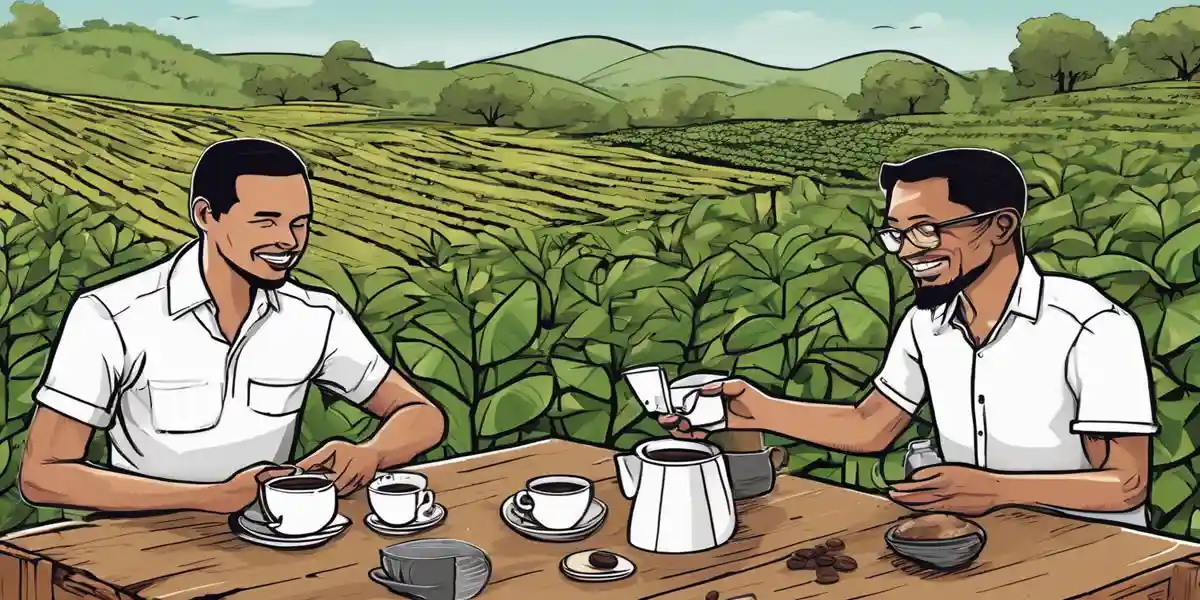
As we step into a new era of technology and sustainability, innovative platforms are emerging that connect coffee farmers directly with consumers, creating a more transparent and equitable marketplace. These platforms leverage blockchain technology and smart contracts to ensure that every transaction is secure, fair, and traceable.
At the core of these platforms are smart contracts, which are self-executing contracts with the terms directly written into code. For example, imagine a farmer in Colombia who grows high-quality Arabica beans. Using a decentralized application (dApp), this farmer can set up a smart contract that specifies the conditions for payment—such as a quality standard verified through blockchain records. When the beans are harvested and meet these standards, the payment is automatically released to the farmer. This approach not only protects farmers from unfair practices but also fosters a culture of quality production.
Research has proposed an agricultural supply chain model utilizing the Ethereum platform to enhance transparency in the coffee industry. By implementing smart contracts at various stages—from harvesting to retail—the model ensures that predefined conditions are met before any transaction occurs. This not only boosts consumer confidence in the quality and ethical sourcing of their coffee but also rewards producers who adhere to sustainable practices. For instance, if a consumer purchases coffee through this platform, they can rest assured that their money is supporting responsible farming.
Traditional remittance systems often involve multiple middlemen, leading to higher costs and reduced profits for farmers. Innovative platforms aim to bypass these intermediaries by facilitating direct payments from consumers to farmers. For example, a decentralized finance (DeFi) application can allow consumers to pay farmers directly, with a portion of the transaction allocated to projects that promote sustainability in the farmers' communities. This not only enhances the farmers' financial security but also empowers consumers to make a positive impact with their purchases.
While traditional static smart contracts offer automation, they can sometimes lack the flexibility needed to adapt to changing conditions. The introduction of Dynamic Smart Contracts (DSCs) represents a promising development in this space. These contracts can respond to real-time data inputs, allowing for adjustments based on fluctuating market conditions or environmental factors. For instance, if a coffee crop is threatened by adverse weather, a DSC can modify the payment terms to reflect the changed circumstances, thus providing a safety net for farmers.
Several platforms are already making strides in this direction. One notable example is AgriLedger, which uses blockchain to create a transparent supply chain for agricultural products. By connecting farmers directly with consumers, AgriLedger helps ensure fair compensation while enhancing traceability. Another example is FairChain, which allows consumers to buy coffee directly from farmers, with a portion of the proceeds reinvested into community projects. This model not only supports the farmers but also engages consumers in the sustainability narrative of their purchases.
The integration of Internet of Things (IoT) technology with blockchain is another exciting development. IoT devices can monitor the conditions of coffee crops in real time, providing data that can be used in smart contracts to ensure quality and sustainability standards are met. This data-driven approach enhances the overall integrity of the supply chain and provides consumers with verifiable information about the origins of their coffee.
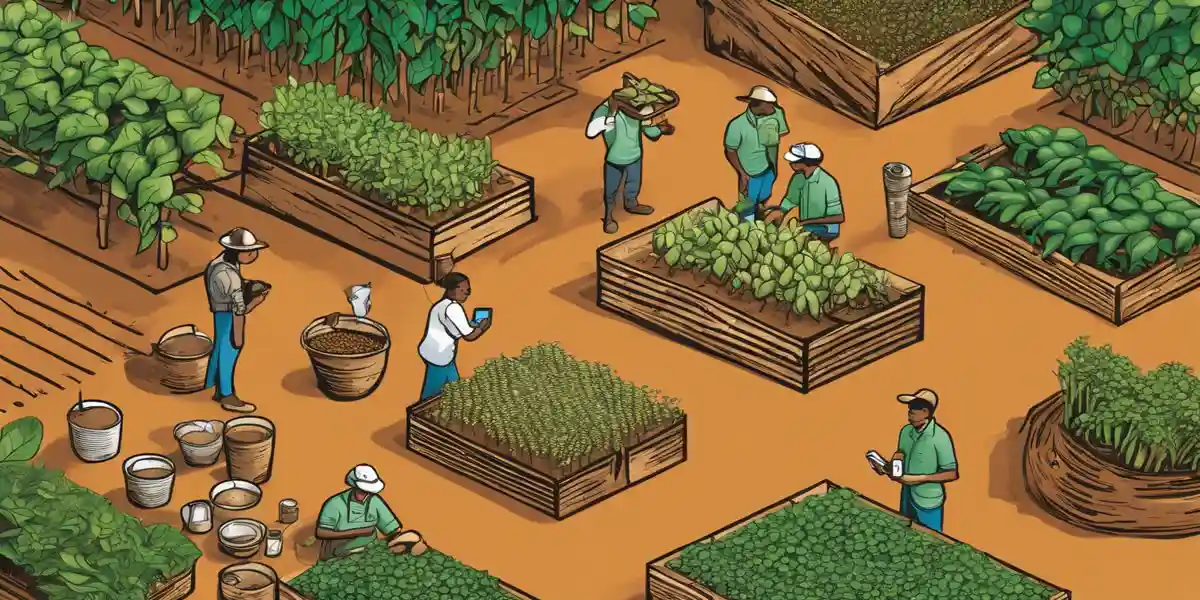
The intersection of technology and agriculture is paving the way for a sustainable future, particularly in the coffee industry. By embracing smart contracts and remittance solutions, we can create a robust system that not only enhances transparency but also empowers smallholder farmers. As we dive deeper into this transformation, let’s explore how these innovations are reshaping the coffee supply chain.
Imagine a farmer in India, growing high-quality coffee beans but struggling to get fair compensation due to exploitative middlemen. With smart contracts implemented via blockchain technology, this farmer can set specific conditions for payment that are automatically triggered when the coffee beans meet the required quality standards. For example, a contract could stipulate that payment is released only once an independent quality verifier confirms the beans pass a rigorous assessment. This not only protects the farmer's interests but also encourages adherence to sustainable farming practices.
Research highlights that implementing smart contracts at various stages of the coffee supply chain not only ensures quality but also enhances consumer confidence. When buyers know that their coffee was sourced ethically, they are more likely to support these farmers, creating a cycle of accountability. In a world where consumers are increasingly driven by ethical considerations, this transparency builds loyalty and fosters responsible consumption.
Now, consider the technological leap in remittance solutions that facilitate direct payments from consumers to farmers. This system not only removes the middlemen but also allows for a portion of each transaction to be allocated to community sustainability projects. Imagine a decentralized app where coffee lovers can directly support the very farmers who cultivate their favorite brew while contributing to local environmental efforts. This model not only empowers farmers financially but also fosters a sense of community and shared responsibility.
For instance, a recent initiative in a rural coffee-growing region in India has showcased the potential of such a system. Using blockchain, farmers can receive payments in real-time, ensuring they have immediate access to funds for their operations. These direct transactions help build a stronger financial foundation, allowing farmers to invest in sustainable practices and technologies that improve their yield and ecological footprint.
At the core of this revolution is blockchain technology, which serves as a tamper-proof ledger ensuring data integrity throughout the supply chain. Each transaction is recorded on a decentralized network, providing an immutable record that can be accessed by all stakeholders—from farmers to retailers to consumers. This level of transparency not only builds trust but also minimizes the risk of fraud, which has long plagued the coffee market.
Moreover, the introduction of Dynamic Smart Contracts (DSCs) presents a promising advancement. Unlike their static counterparts, DSCs offer greater flexibility and responsiveness to real-time changes in the market or supply chain conditions. Such adaptability is crucial in agriculture, where factors like climate change and market fluctuations can significantly impact operations. By leveraging DSCs, coffee producers can ensure their contracts remain relevant and fair, further promoting sustainable practices across the industry.
The implications of these technologies extend far beyond the coffee industry. As we witness the success of blockchain in enhancing supply chain management within coffee, similar models can be adapted for other agricultural sectors. This potential to foster transparency and sustainability in agriculture at large could lead to a broader societal transformation, encouraging more ethical practices across various commodities.
With a growing number of consumers seeking products that align with their values, the integration of technology in sustainable coffee production is not just a trend—it’s a movement. By embracing innovations like smart contracts and remittance solutions, we are not only brewing better coffee but also crafting a sustainable future that benefits farmers, consumers, and the planet alike.
Imagine a coffee supply chain where every transaction is transparent, fair, and efficient. Smart contracts, powered by blockchain technology, are set to redefine how we understand and engage with the coffee industry. By automating transactions based on predetermined conditions, these contracts ensure that every stakeholder, from farmer to consumer, benefits from a reliable and ethical system.
At the core of the "Bean-to-Blockchain" initiative is the implementation of smart contracts. These digital agreements automatically execute when specific conditions are met. For example, a coffee farmer might create a smart contract that stipulates payment is released only when the beans meet a certain quality standard, verified through the blockchain. This not only secures fair compensation for farmers but also incentivizes them to produce higher-quality beans.
Research shows that the adoption of smart contracts can significantly boost consumer confidence in the supply chain. A study proposed a model leveraging the Ethereum platform to enhance transparency and reliability in agricultural production and distribution. By having detailed records of each transaction and condition met, buyers know they are supporting sustainable practices. This approach rewards producers who adhere to ethical guidelines, promoting a culture of responsible consumption.
Take, for instance, the burgeoning coffee market in India, where 250,000 small-scale growers grapple with issues such as limited financial support and reliance on middlemen. By utilizing blockchain and smart contracts, these farmers can bypass traditional banking systems that often exploit them. Imagine a decentralized application (dApp) where consumers pay directly to farmers for their coffee. A portion of that payment could be automatically allocated to sustainability projects within the farmer's community, fostering an ecosystem that benefits both the producer and the environment.
Blockchain technology plays a vital role in ensuring transparency throughout the coffee supply chain. Its tamper-proof ledger provides immutable records of each transaction, thereby enhancing data integrity. As one paper highlighted, the proposed blockchain design for the coffee retailer network aims to improve asset tracking and supply chain management. By mapping physical commodities to digital records, stakeholders can trace coffee from farm to cup, guaranteeing its origin and quality.
While static smart contracts have their advantages, they also present challenges such as inflexibility. To address this, researchers have proposed the use of Dynamic Smart Contracts (DSCs), which offer greater adaptability to changing conditions in the supply chain. For instance, if a weather event impacts coffee production, DSCs can adjust payment terms or delivery schedules accordingly, ensuring that farmers and consumers are not adversely affected. Early studies show promising results in using DSCs for improved data management and operational efficiency in agriculture.
The integration of decentralized finance (DeFi) into agricultural practices opens up new avenues for funding and investment in sustainable coffee production. By tokenizing assets, farmers can access global capital markets and raise funds without intermediaries. This innovative approach not only streamlines financial transactions but also offers micro-insurance options for farmers facing climate-related risks.
For example, a farmer could tokenize their coffee crop, allowing investors to purchase a stake in the harvest. When the crop sells, profits are distributed among investors and the farmer, creating a win-win scenario that encourages sustainable practices while providing financial security. This model could serve as a blueprint for other agricultural sectors, demonstrating how technology can empower producers and consumers alike.
As we conclude this exploration into the intersection of technology and sustainable coffee practices, it's clear that the integration of smart contracts and remittance solutions presents an unprecedented opportunity to reshape the coffee industry. These innovations not only enhance transparency and traceability within the supply chain but also empower smallholder farmers, ensuring they receive fair compensation for their hard work.
The challenges faced by coffee farmers, particularly those in developing regions, can be addressed through blockchain technology. By implementing smart contracts, we create a system where payments are contingent upon verified quality standards, thus protecting farmers from exploitation by middlemen. This shift promotes accountability and fosters a culture of ethical sourcing that resonates with increasingly conscious consumers.
Moreover, the remittance solutions discussed allow for direct financial transactions between consumers and farmers, bypassing traditional financial barriers. This not only enhances the financial security of farmers but also encourages consumers to contribute to community sustainability initiatives, creating a symbiotic relationship that benefits both parties.
Looking beyond coffee, the principles and technologies explored in this blog can be applied to various agricultural sectors, potentially leading to a transformative impact on global food systems. As consumers become more aware of the stories behind their food and drink, the demand for transparency will only grow, pushing industries to adopt similar practices.
So, as you sip your next cup of coffee, take a moment to consider the complex journey it undertook to reach you. By supporting brands that leverage smart contracts and direct remittance solutions, you are not just enjoying a beverage; you are participating in a movement towards sustainability and fairness in agriculture.
We invite you to be part of this change. Educate yourself on the brands that prioritize ethical sourcing, advocate for sustainable practices, and consider how your purchasing decisions can contribute to a more equitable world. Together, we can brew a future where every cup of coffee tells a story of sustainability, empowerment, and integrity.

Get notified about new articles, coffee tips, and Web3 insights.
This site participates in affiliate programs and may earn a commission when a link is clicked and a purchase is made. The site is not responsible for any issues or troubles related to the products or services purchased through the use of this site.

DO&COFFEE loves coffee and technology, exploring the potential of NFTs and blockchain. Learn more →
DO&COFFEE loves coffee and technology, exploring the potential of NFTs and blockchain. Learn more →