art
2024/08/15
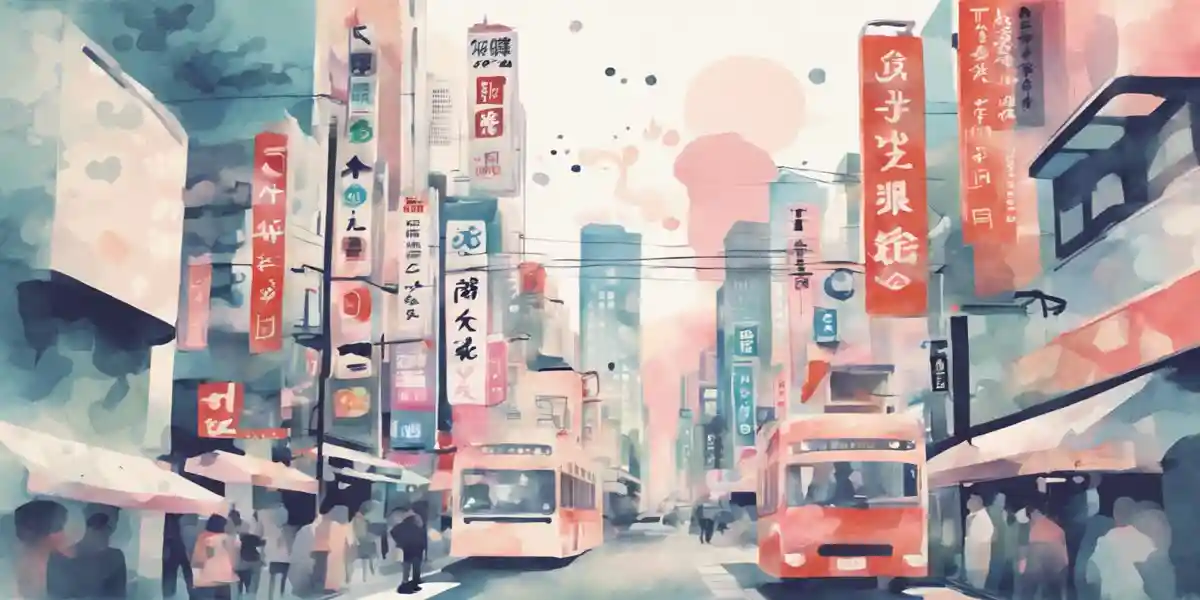
Imagine strolling through the vibrant streets of Tokyo, where the line between reality and digital art blurs seamlessly. In a city renowned for its bustling culture and technological innovation, a transformative shift is unfolding through the lens of augmented reality (AR). This blog post will guide you through the exciting emergence of "AR Art Walks"—interactive experiences that invite participants to engage with digital installations layered over real-world environments. Can you picture walking through Shibuya and witnessing the iconic scramble crossing morph into a captivating tapestry of colors and animated characters, each narrating stories that reflect the city’s rich history and cultural nuances?
The significance of this evolution cannot be overstated. As artists collaborate with tech developers to create immersive experiences accessible via smartphones and AR glasses, the power of AR emerges as a democratizing force in the art world. Imagine a scenario where anyone with a device can experience and contribute to the creative landscape, breaking down the barriers that have traditionally separated art from the masses. This innovative approach not only showcases local talent but also encourages community engagement, inviting both tourists and locals to interact with art in fresh, exhilarating ways.
As we delve deeper into Tokyo's digital art revolution, we'll explore how these AR Art Walks are reshaping public spaces and fostering a dialogue between the digital and physical realms. Could this be the future of art appreciation—a harmonious blend of creativity and technology that not only entertains but also educates and inspires? Join us as we embark on this exploration of Tokyo's augmented reality landscape, uncovering key locations, notable artists, and the broader implications for the art community and beyond.
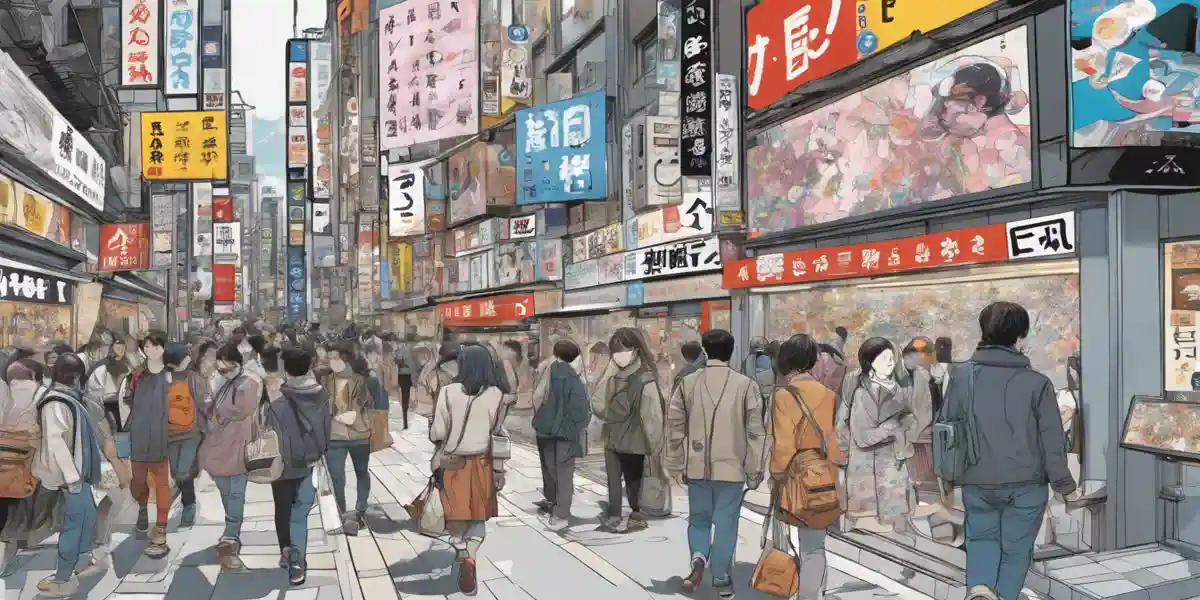
Augmented Reality (AR) is not just a buzzword; it represents a paradigm shift in how we interact with our environment. By overlaying digital information—be it images, audio, or sensory data—onto the real world, AR enhances our perception and understanding of our surroundings. Imagine walking through the streets of Tokyo, where the iconic skyline is transformed by vibrant animations and interactive elements that blend seamlessly with the historical architecture. This is the promise of AR, and Tokyo is at the forefront of this digital renaissance.
At its core, AR technology relies on three key components: hardware, software, and the user interface. Hardware includes devices like smartphones, tablets, and AR glasses that capture and display the augmented content. Software involves complex algorithms that process real-world data and align digital content accurately with physical objects. The user interface, often underappreciated, plays a vital role in how users engage with AR experiences. As highlighted in recent academic critiques, interfaces in interactive new media installations are not merely functional; they shape the relationships between viewers, artists, and the artworks themselves. This suggests that a well-designed interface can enhance the emotional and aesthetic experience of users, making them active participants rather than passive observers.
Tokyo is a playground for AR artists and developers. One of the most exciting developments is the emergence of 'AR Art Walks.' These immersive experiences allow participants to explore famous districts like Shibuya with a new lens. Imagine standing at the Shibuya crossing, a spot known for its chaotic beauty, and looking through your smartphone. Suddenly, the scene comes alive with digital art—animated characters weaving through the crowd and colorful visual narratives that tell stories of the area’s rich history. This not only captivates the audience but also democratizes access to art, as anyone with a smartphone can engage with these experiences.
AR also facilitates a unique dialogue between the digital and physical realms, encouraging community engagement and interaction. As artists collaborate with tech developers, they push the boundaries of creative expression, experimenting with space and perception. The ParticipART initiative exemplifies this, exploring how ubiquitous computing and mixed reality can foster participatory art practices. By integrating audience interactions into the artwork itself, artists can redefine authorship and connectivity, transforming viewers into co-creators. This shift not only enhances the art experience but also prompts us to re-evaluate our understanding of art in the digital age.
This section delves into the essence of augmented reality as it blossoms in Tokyo, highlighting the technology's foundational elements and its practical applications in the city's art scene. By intertwining technical insights with cultural narratives, it invites readers to reflect on how AR reshapes our perception of art and reality.
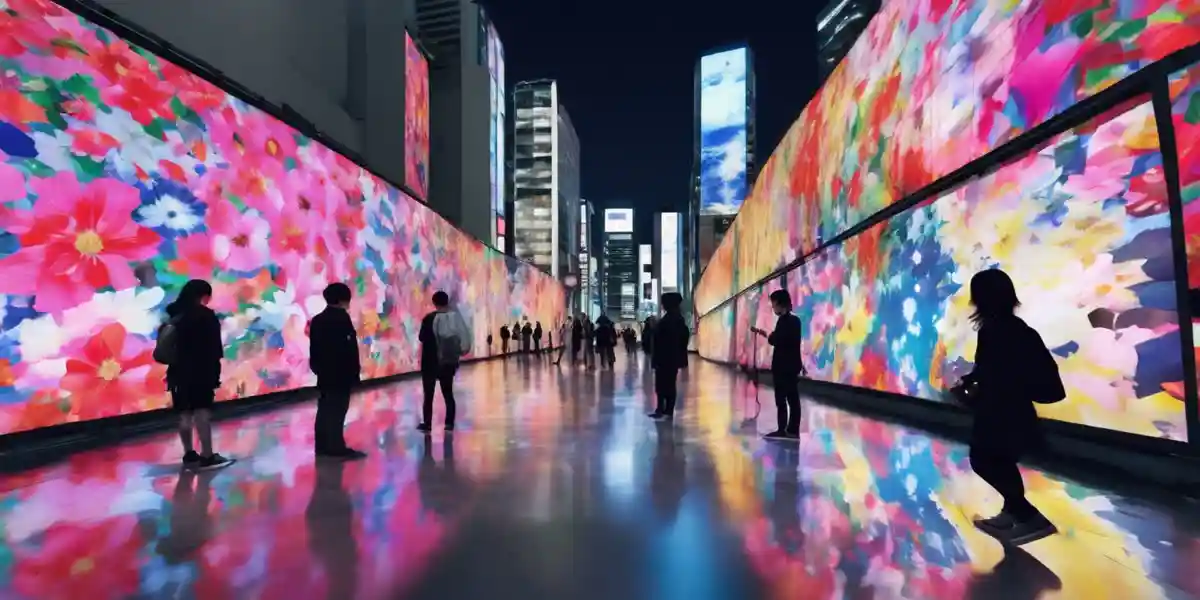
As we navigate the bustling streets of Tokyo, digital art is not merely an addition to the landscape; it is becoming an integral part of the urban experience. The emergence of augmented reality (AR) has transformed the way we perceive and interact with our surroundings, leading to a vibrant tapestry of digital artistry interwoven with the physical world. Let's delve into how this evolution is reshaping urban spaces and what it means for the future of art.
Imagine participating in an "AR Art Walk," where your smartphone or AR glasses unveil layers of digital installations over the iconic landscapes of Tokyo. Take Shibuya’s scramble crossing, for instance. As you gaze through your device, the chaos of commuters is complemented by a shifting canvas of colors and animated characters, each narrating tales of the city’s rich history or cultural nuances. This experience not only redefines what it means to walk through a city but also democratizes art appreciation, making it accessible to anyone with a device.
The blending of technology with urban art opens up countless avenues for creative expression. Artists are now collaborating with tech developers, utilizing tools like ARKit and ARCore to create immersive experiences that engage and captivate audiences. For example, the interactive installation "Tokyo ARt" allows users to interact with virtual sculptures that respond in real-time to their movements. Such innovations challenge the traditional understanding of art, shifting it from static displays in galleries to dynamic experiences that encourage viewer participation.
One of the most significant impacts of digital art in urban spaces is its ability to break down barriers between creators and audiences. In the context of AR, anyone can become a part of the artistic dialogue. This is echoed in the findings of various studies, such as those from ParticipART, which emphasize the importance of participatory processes in art. By enabling authorship and enhancing connectivity, digital platforms invite users to not only witness art but also contribute to it, fostering a sense of community and shared experience.
As the boundaries blur between digital and physical art, the role of the viewer evolves. No longer passive observers, individuals become active participants in the artistic narrative. This dynamic is explored in academic critiques of digital interfaces in interactive media, which argue that these interfaces are not just technical tools but influential entities that shape our interactions with art. This perspective encourages us to reconsider the viewer's relationship with technology, suggesting that our engagements with AR art can lead to deeper emotional and intellectual connections.
Real-world examples abound in Tokyo, from the "TeamLab Borderless" exhibit to the "Shinjuku Digital Art Festival," where walls and buildings transform into vibrant canvases of light and color. These projects not only captivate the senses but also invite audiences to explore the interplay between technology and the urban environment. Such initiatives challenge conventional art forms and provoke discussions on the future of creativity in city spaces.
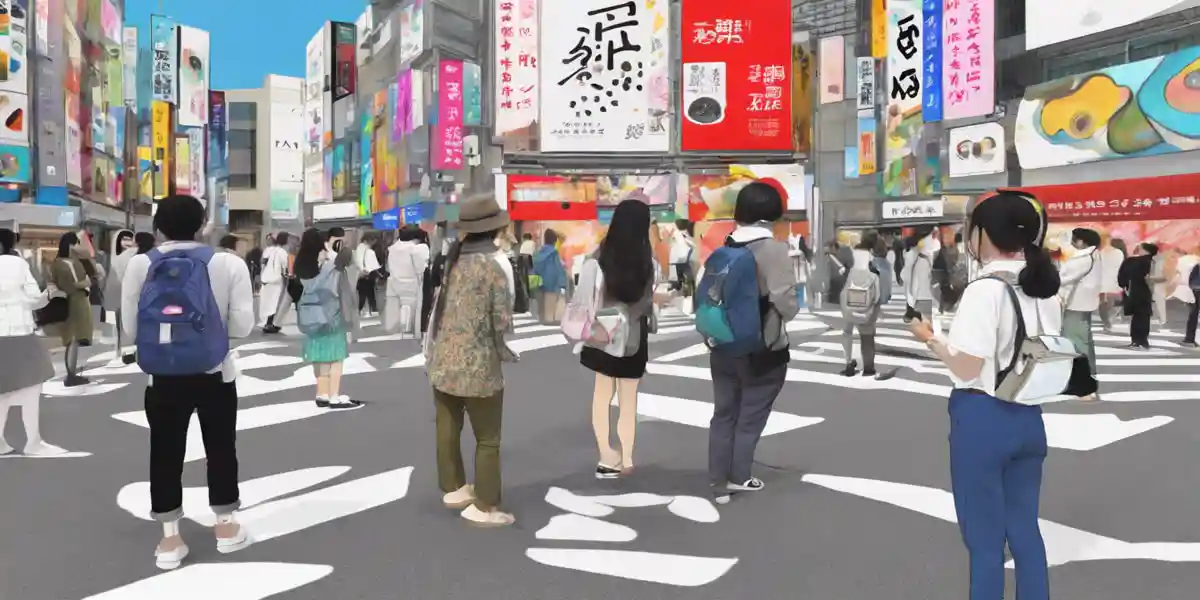
In the heart of Tokyo, augmented reality (AR) is not just a technological novelty; it’s a transformative medium that redefines how we perceive and interact with art. The concept of "AR Art Walks" is becoming increasingly popular, offering participants a unique opportunity to engage with digital installations that overlay real-world environments. This section explores how these immersive experiences are crafted and the profound implications they hold for both artists and audiences.
Creating an AR Art Walk is a collaborative endeavor that marries the artistic vision with technological expertise. Artists work closely with developers to design interactive experiences that can be accessed via smartphones or AR glasses. For instance, imagine walking through the bustling streets of Shibuya. As you lift your device, the iconic scramble crossing morphs into a vibrant tapestry of animated characters and shifting colors. Each element could narrate a fragment of Tokyo's rich history or cultural significance, inviting audiences to engage with the artwork on a more personal level.
The technical backbone of these AR installations often relies on a combination of geolocation, computer vision, and 3D modeling. Using GPS data, AR applications can anchor digital content to specific physical locations, ensuring that each viewer experiences the installation as intended. Moreover, advancements in computer vision allow devices to recognize and interact with the surrounding environment, enhancing the immersive quality of the experience. For example, platforms such as ARKit and ARCore provide developers with tools to create scalable and responsive AR experiences that can adapt to a viewer's movements and interactions.
The beauty of AR lies in its democratizing potential. Anyone with a smartphone or AR glasses can access these digital installations, breaking down barriers that often exist in traditional galleries and museums. This accessibility allows for a diverse range of voices and artistic expressions to emerge, fostering a more inclusive art community. As noted in recent studies, the integration of interactive technologies in art environments not only invites participation but also reshapes the viewer's relationship with the artwork, creating a dialogue that transcends the mere act of observation.
Central to the success of AR Art Walks is the concept of ludic engagement, emphasizing playful interaction with the art. This notion contrasts sharply with the functional priorities of workplace technology, creating an environment where exploration and creativity are paramount. By merging art criticism with Human-Computer Interaction (HCI) methods, artists can effectively design installations that foster deeper engagement. For instance, an AR installation might allow users to manipulate digital elements or contribute their own creative touches, making the artwork a collaborative endeavor rather than a static display.
Initiatives like ParticipART are at the forefront of exploring participatory strategies in interactive art. By leveraging ubiquitous computing and mixed reality, they encourage artists to develop works that promote audience interaction and connectivity. For example, an AR installation could enable viewers to interact with virtual entities that respond to their movements or emotions, creating a dynamic and personal experience. This level of interactivity not only enhances the artistic experience but also reinterprets the role of the audience, transforming them from passive viewers into active participants.
As AR Art Walks continue to proliferate, they are reshaping public spaces into interactive galleries that invite community engagement. Imagine a public park where every tree, bench, and pathway could tell a story through AR, engaging locals and tourists alike. Such transformations not only enhance the aesthetic value of urban environments but also foster a sense of community as people come together to experience art in a shared context. The potential for AR to blend creativity and technology raises important questions about the future of art appreciation, challenging us to reconsider what art can be and how we relate to it.
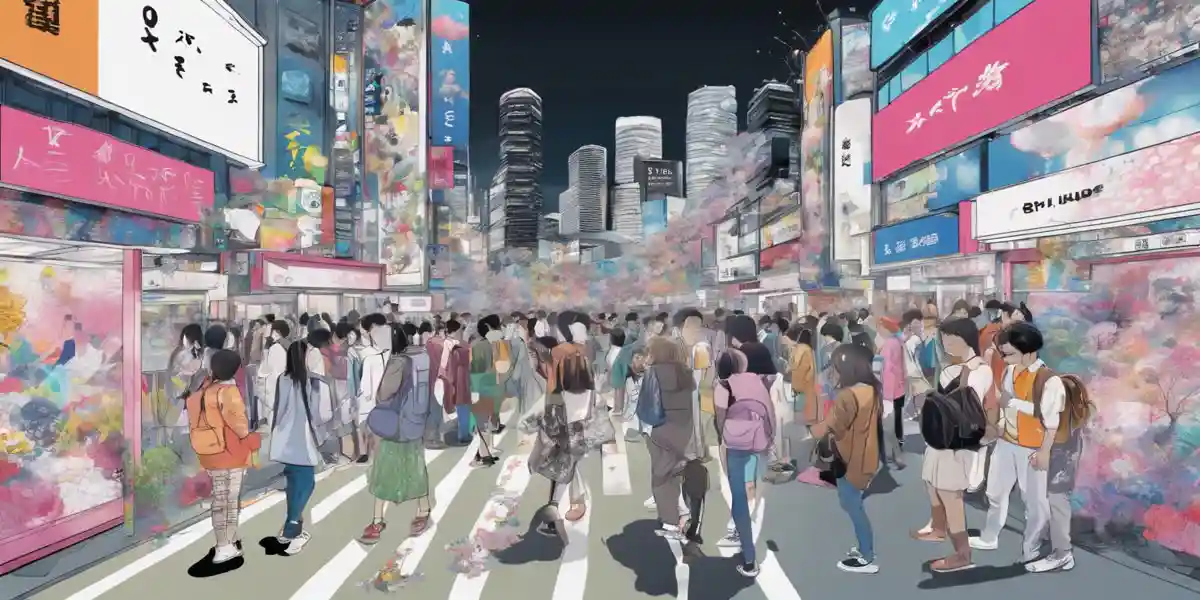
Tokyo is rapidly emerging as a hub for digital artistry, where augmented reality (AR) is reshaping the traditional boundaries of art and audience engagement. Key locations and exhibitions are at the forefront of this transformation, providing a platform for artists to explore innovative, interactive experiences that seamlessly blend the digital with the physical.
One cannot discuss Tokyo's digital art scene without mentioning the iconic neighborhood of Shibuya. Known for its bustling streets and vibrant culture, Shibuya serves as an ideal canvas for AR Art Walks. Imagine standing at the famed Shibuya Scramble Crossing, where, through your smartphone or AR glasses, the environment comes alive with animated characters and digital graffiti that narrate the history of the area. This immersive experience not only captivates locals but also attracts tourists eager to engage with art in a novel way.
Several exhibitions are pioneering the integration of AR into the art world. One standout is the teamLab Borderless museum, where visitors can interact with digital artworks that change and evolve based on their movements and actions. This museum exemplifies the concept of ludic engagement, blurring the lines between viewer and artwork. The installations allow participants to not only observe but also influence the art around them, a feature that highlights the evolving relationship between technology and creativity.
Moreover, the Roppongi Hills Mori Art Museum has hosted exhibitions that incorporate AR technologies, showcasing how digital interfaces can enhance the viewer's experience. As critiqued in recent academic discussions, these interfaces should not be viewed merely as tools but as dynamic entities that shape interactions and perceptions in media culture. The museum’s installations encourage visitors to reconsider their role in the artistic process, fostering a deeper connection between the audience and the artwork.
In addition to established venues, various initiatives are emerging that focus on participatory art through interactive technologies. The ParticipART project exemplifies this by supporting artists in creating works that invite audience interaction. Through ubiquitous computing and mixed reality, ParticipART enhances connectivity and promotes performative interactions, allowing visitors to co-create with the artwork. This fosters a dialogue that not only engages participants but also transforms their experience into a collaborative exploration of art.
As Tokyo continues to embrace this new era of digital artistry, the integration of AR will likely expand beyond exhibitions and into everyday public spaces. Imagine AR installations in parks or along city streets, where the narratives evolve based on the time of day or the interactions of passersby. Such innovations would not only beautify urban landscapes but also spark conversations around art, technology, and community involvement.
As Tokyo embraces augmented reality (AR) as a medium for artistic expression, a diverse array of artists have emerged, each pushing the boundaries of creativity and technology. Their works not only captivate audiences but also provoke thought about the interaction between digital environments and the physical world. Below are some notable artists and their pioneering projects that exemplify this new era of digital artistry.
Ryoichi Kurokawa is a prominent figure in the intersection of art and technology. His work often merges audio-visual elements with real-time data, creating immersive experiences that challenge the viewer's perception of space. In his AR installation, Synesthesia, Kurokawa transforms the streets of Shibuya into an interactive canvas. By using smartphones, viewers can experience a synchronized blend of sound and visuals that reacts to their movements, creating a dynamic dialogue between the art and the audience. This project underscores the importance of interaction in modern art, aligning with recent critiques that advocate for a deeper understanding of digital interfaces as entities that shape relationships between viewers and artworks.
Another notable artist, Yuki Yamamoto, focuses on the theme of urban identity through augmented reality. In her project Urban Echoes, she overlays historical narratives and cultural motifs onto contemporary cityscapes. As participants walk through areas such as Akihabara, their devices reveal stories from the past that resonate with the present. This not only enhances the viewer's connection to their surroundings but also encourages a re-evaluation of how we perceive urban environments. Yamamoto’s approach aligns with the idea of ludic engagement, as it invites users to actively participate in the storytelling process, effectively transforming them into co-creators of the experience.
The collective known as teamLab has gained international acclaim for its immersive exhibitions that blend art, science, and technology. Their installation, Borderless, is a prime example of how AR can redefine the gallery experience. Visitors can interact with digital artworks that respond to their presence, creating a fluid, ever-changing environment. This project illustrates the potential of participatory art, where the boundaries between viewer and artwork dissolve, fostering a deeper connection. The dynamic nature of teamLab's works supports the notion that digital interfaces are not mere tools but integral components that shape audience interaction and perception.
While Takashi Murakami is primarily known for his pioneering work in Superflat art, he has recently ventured into the realm of augmented reality with his project Kaikai Kiki. This initiative combines Murakami’s iconic characters with AR technology, allowing users to interact with his creations in a playful manner. By using AR applications, viewers can bring Murakami’s art to life in their own spaces, thus democratizing access to high art. This reflects a shift towards a more inclusive art experience, where technology serves as a bridge for broader participation and engagement.
The ParticipART initiative embodies a collective of artists and technologists dedicated to exploring audience participation in interactive art. Their projects often utilize ubiquitous computing and mixed reality, fostering new forms of engagement that emphasize connectivity and performative interactions. By supporting artists who prioritize participatory processes, ParticipART encourages a dialogue between human-computer interaction and creative practices. This initiative showcases the impact of interactive technologies on the visitor experience, enabling new forms of authorship and reinterpreting traditional roles within art spaces.
As these artists and initiatives illustrate, Tokyo's AR art scene is not just about showcasing digital creations; it is about redefining the relationship between art, technology, and the audience. With each installation, viewers are invited to step into a world where their interactions become part of the artwork, fostering a fresh understanding of what it means to engage with art in the 21st century.
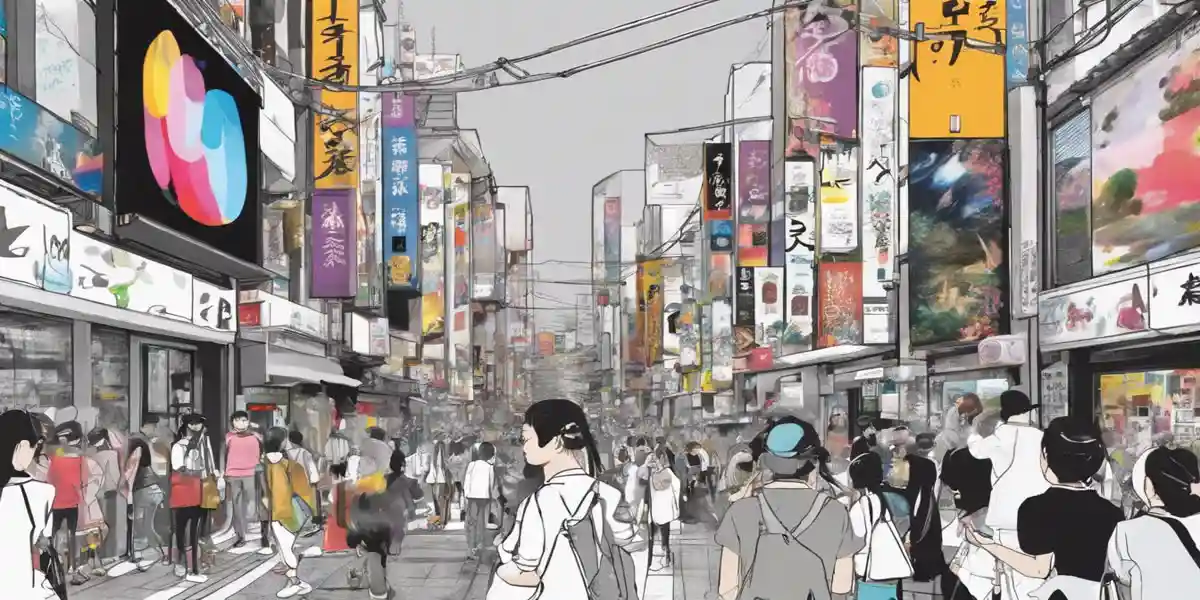
The concept of AR Art Walks in Tokyo represents a significant shift in the way we interact with art, creating an immersive experience that blends the digital with the physical. Imagine wandering through the iconic streets of Tokyo, and as you look through your smartphone or AR glasses, layers of digital artistry unfold before your eyes. This is not just viewing art; it is about experiencing a narrative that intertwines with the city’s vibrant culture.
At the heart of AR Art Walks is a collaboration between artists and technology developers. This partnership is crucial for creating installations that are not only visually stunning but also contextually relevant. For instance, in Shibuya, a popular spot for both locals and tourists, artists may project animations that depict the history of the scramble crossing—once a mere intersection now transformed into an interactive storytelling hub. This blending of art and technology allows for a multidimensional appreciation of the space around us.
One of the most compelling aspects of augmented reality in artistic expression is its democratizing effect. Unlike traditional art forms that often exist behind the closed doors of galleries, AR Art Walks invite anyone with a device to engage with art. This accessibility breaks down barriers, making art a shared experience rather than an exclusive one. As noted in one of the paper summaries, the integration of interactive technologies not only enhances participation but also fosters a dialogue between viewers and the art itself. This participatory element encourages creativity and personal expression, allowing individuals to contribute to the art landscape, thereby reshaping their relationship with the medium.
The technological innovations that underpin AR experiences are pivotal in shaping interactions. The use of sophisticated algorithms and computer vision allows for real-time interaction, where the digital overlays change based on the viewer’s movements and perspectives. This dynamic engagement leads to what is termed 'ludic engagement,' where the playful nature of interaction enhances the viewer's experience. As articulated in another paper, merging art criticism with Human Computer Interaction (HCI) methods can significantly improve our understanding of participant engagement in these immersive environments.
A prime example of participatory practices in AR can be found in initiatives like ParticipART. This project focuses on the intersection of ubiquitous computing and mixed reality, promoting new forms of audience engagement. Through various exhibits, artists leverage interaction technologies to enable audiences to co-create experiences, enhancing connectivity and interaction with digital entities. For instance, imagine an installation where visitors can influence the colors or patterns displayed on a virtual mural by their movements or gestures, creating a unique piece of art that evolves in real-time based on collective input.
As AR Art Walks proliferate, they are also transforming public spaces into dynamic art galleries. Streets, parks, and urban landmarks become platforms for artistic expression, redefining the way we perceive our environment. This transformation encourages community engagement, inviting people to explore their surroundings with fresh eyes and fostering a deeper connection to their local culture. The potential for these experiences to educate and inspire is immense, as they provide historical context and cultural narratives through interactive storytelling.
As we stand on the precipice of a new era in digital artistry, the technological innovations in augmented reality (AR) are set to redefine how we interact with art. The possibilities seem boundless, with advancements promising to enhance our experiences, deepen our engagements, and reshape our understanding of creativity itself.
Imagine walking through the bustling streets of Tokyo, a city already synonymous with cutting-edge technology. With the advent of 5G connectivity, the potential for AR experiences expands exponentially. No longer limited by bandwidth constraints, artists can now create intricate, data-rich installations that respond in real-time to environmental changes and user interactions. This means that as you walk through the iconic Shibuya crossing, the AR overlays can evolve based on the number of people in the area or the time of day, creating a dynamic narrative that changes with every visit.
Currently, AR applications like Niantic’s Pokémon GO have demonstrated the viability of location-based augmented reality, but the future lies in far more sophisticated implementations. For instance, the potential partnership between traditional artists and tech developers could lead to projects similar to the "ParticipART" initiative, where interactive art installations utilize ubiquitous computing to foster deeper audience participation. Imagine an interactive mural in Harajuku that allows passersby to contribute their own digital art, creating a living canvas that evolves with community input. This blend of public art and technology encourages new forms of authorship and connectivity, enhancing the overall experience.
Moreover, the integration of artificial intelligence (AI) into AR experiences offers another layer of innovation. AI could analyze user interactions and preferences, tailoring the art displayed to individual tastes or even mood. Picture an AR installation in Ueno Park that responds to your emotional state—using facial recognition technology to gauge your reactions and modify the digital art accordingly. Such advancements push the boundaries of what we define as an artist or a viewer, creating a participatory dialogue between human and machine.
The implications of these technologies stretch far beyond mere aesthetics. A recent thesis critiques the traditional understanding of digital interfaces, advocating for a reassessment of how these tools are perceived in relation to art. By viewing interfaces not just as technical instruments but as dynamic entities that shape relationships and perceptions, we can appreciate the cultural significance of AR in redefining the artist-viewer relationship. This perspective encourages artists to explore the ludic engagement framework, which emphasizes playful interactions, a notion echoed in the interactive exhibitions analyzed in contemporary studies.
As we look to the future, the fusion of AR and digital art seems poised not only to democratize access to artistic experiences but also to promote a more profound understanding of communal storytelling. Could AR Art Walks, with their immersive narratives, become the new norm for cultural engagement? Will our cities transform into canvases where every street corner tells a story, inviting both locals and tourists to partake in a shared journey through art and technology? The answers lie in the innovations that await us on the horizon.
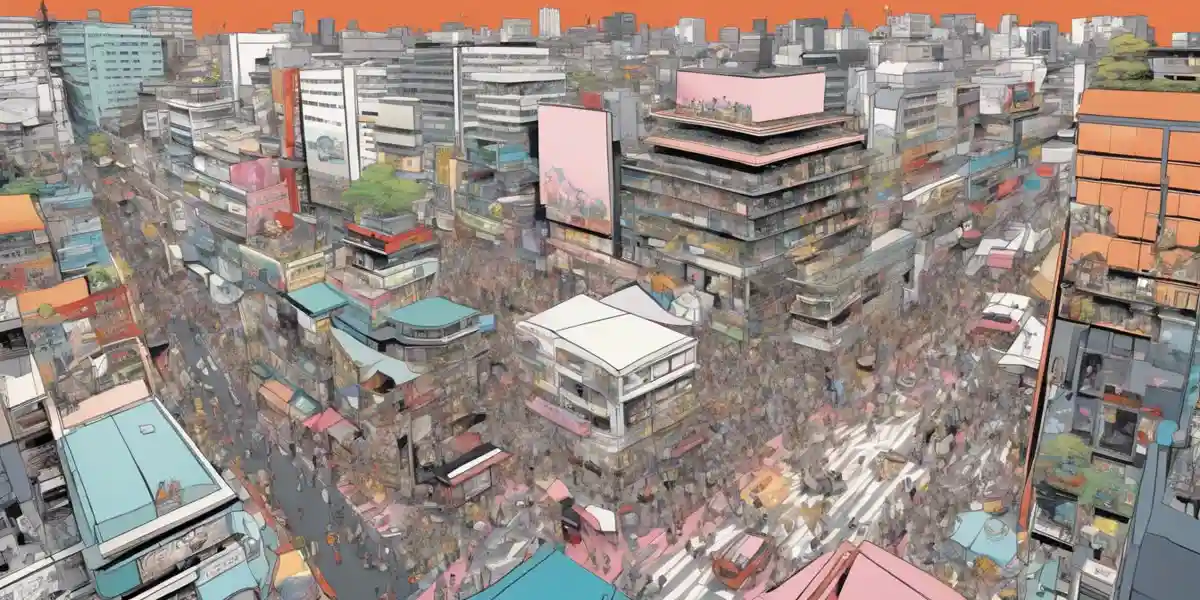
Augmented reality (AR) in Tokyo is not just a technological innovation; it is a cultural revolution that is profoundly reshaping the landscape of the art community. The emergence of AR Art Walks symbolizes a new frontier where art and technology intersect, allowing for an unprecedented level of interaction and engagement.
One of the most remarkable impacts of AR is its ability to democratize access to art. In traditional settings, art appreciation often requires a visit to galleries or museums, spaces that can feel exclusive or intimidating. However, AR Art Walks make it possible for anyone with a smartphone or AR glasses to engage with art in their everyday environment. This shift is significant—by removing physical barriers, AR invites a diverse audience to experience art in a manner that is personal and relevant to their lives. Imagine a local artist’s work popping up in an unexpected alleyway, transforming a mundane path into a gallery that belongs to everyone.
The synergy between artists and technologists is another pivotal aspect of this AR revolution. Artists are no longer limited to traditional mediums; instead, they are collaborating with tech developers to create immersive experiences that challenge our understanding of art. For instance, consider a project where an artist uses AR to overlay historical narratives on the landscapes of Tokyo. As users walk through Asakusa, they might see animated scenes from the Edo period unfold before their eyes, merging history with contemporary artistry. This collaborative approach not only enhances the aesthetic experience but also encourages artists to explore new dimensions of storytelling.
According to recent research, including findings from studies on ludic engagement, AR installations encourage a playful interaction that can elevate the viewer's experience from passive observation to active participation. In a city like Tokyo, where modernity often coexists with history, AR allows visitors to engage with their surroundings in dynamic ways. For example, during an AR Art Walk, viewers might find themselves not just as spectators but as co-creators of the experience, choosing which layers of art to explore and how to interact with them. This participatory model fosters a deeper connection between the audience and the artwork, enhancing the overall impact of the experience.
AR is also transforming how we perceive public spaces. By integrating digital art into the fabric of the city, these installations create a dialogue between the physical and the digital realms. Spaces that were once overlooked can become canvases for artistic expression, encouraging community engagement and collaboration. In Shibuya, for instance, bustling crowds might pause to engage with an AR installation that not only entertains but also educates them about the cultural significance of their surroundings. This intersection of art, technology, and community has the potential to reshape urban environments, making them more vibrant and inclusive.
While the potential of AR in the art community is vast, it also presents challenges that must be addressed. Issues of accessibility, technological literacy, and the need for sustainable practices are critical considerations as we move forward. The ParticipART initiative, which explores participatory processes in interactive art, highlights the importance of fostering connectivity and engagement while ensuring that the technology remains inclusive. As artists and technologists navigate these challenges, they will need to prioritize not just the innovation itself but the cultural implications and the relationships it fosters.
In this evolving landscape, the art community in Tokyo stands at the crossroads of tradition and innovation. The impact of AR is far-reaching, influencing not only how art is created and consumed but also how it can bridge divides and connect people in meaningful ways.
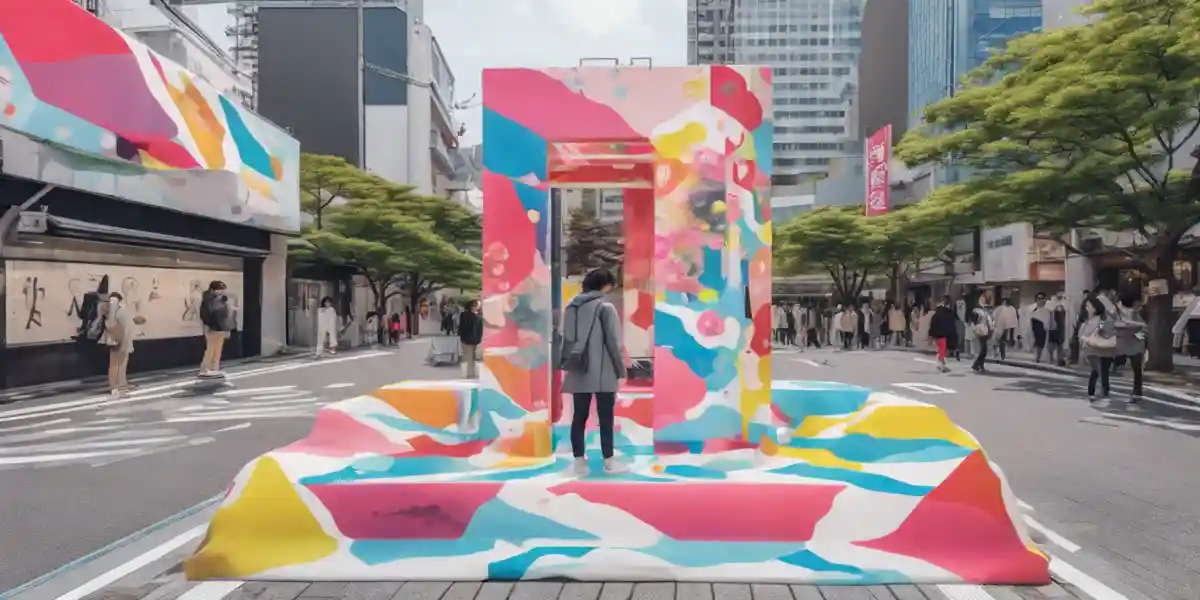
The emergence of AR Art Walks in Tokyo represents a paradigm shift in how we experience and interact with art. This innovative form of digital artistry invites participants to engage with their surroundings in a way that transcends traditional viewing experiences. By overlaying digital installations onto real-world environments, these walks transform familiar public spaces into dynamic canvases of creativity.
At the heart of AR Art Walks lies a complex interplay of technology and artistry. Utilizing smartphones and AR glasses, artists and tech developers collaborate to create immersive experiences that can be accessed by anyone. Advanced technologies, such as computer vision and location-based services, play a crucial role in ensuring that digital elements are accurately positioned within the physical world.
For example, when a user points their device at the iconic Shibuya Scramble Crossing, the AR application employs GPS and augmented reality software to project animated characters and vibrant visuals that blend seamlessly with the bustling street. This not only enhances the viewer's experience but also provides an interactive narrative—each character might tell a story rooted in Tokyo's rich history or cultural significance.
The power of augmented reality lies in its ability to democratize art. Traditionally, art appreciation was confined to galleries or museums, often creating barriers for both artists and audiences. However, AR Art Walks break down these barriers by making art accessible to anyone with a device. This inclusivity allows for a diverse range of voices and talents to be showcased, fostering a richer cultural dialogue.
As the ParticipART initiative highlights, participatory approaches in interactive art promote new forms of audience engagement. Participants are no longer passive observers; they become active contributors to the artistic experience. This shift is crucial in a city like Tokyo, where the community is vibrant and diverse. Artists can now engage with local narratives, creating installations that resonate with both residents and visitors.
Another essential aspect of AR Art Walks is the concept of ludic engagement, which emphasizes playfulness in interactive art. This framework encourages artists to design experiences that invite exploration and interaction, rather than mere observation. As outlined in recent research, merging art criticism with Human-Computer Interaction (HCI) methods can enhance participant engagement, ensuring that the experiences are not only enjoyable but also meaningful.
Consider an AR installation where users can manipulate virtual objects by moving their devices or making gestures. Such interactions transform the viewer's role, allowing them to shape the art in real time. This participatory approach aligns with the findings from fieldwork evaluations in interactive art exhibitions, suggesting that engaging visitors through playful interactions can lead to deeper connections with the artwork.
As we explore the impact of AR Art Walks on public spaces, it's clear they are reshaping how communities interact with their environment. The blend of digital and physical realms fosters a dialogue that encourages curiosity and creativity. For instance, installations might feature local artists' work that celebrates the neighborhood's cultural heritage, inviting community members to share their stories and experiences.
This transformation is not just about aesthetics; it's about creating a sense of belonging and engagement within urban landscapes. By reimagining public spaces as interactive galleries, Tokyo is positioning itself as a leader in the digital art movement, where technology and artistry coalesce to inspire and educate.
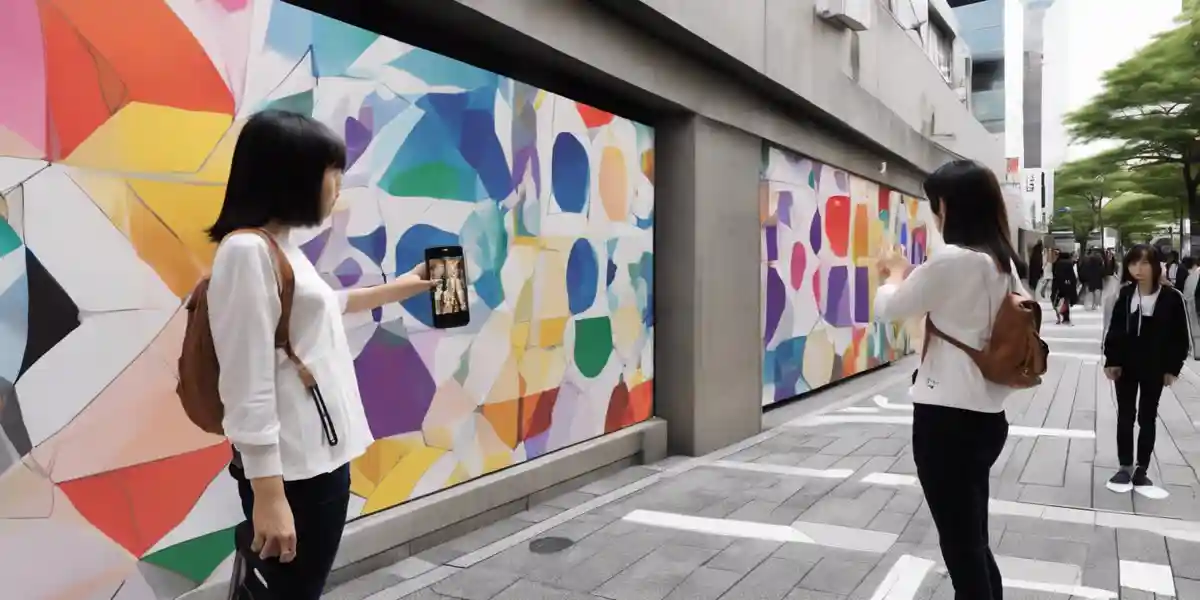
As we immerse ourselves in the AR Art Walks of Tokyo, the concept of interactive digital installations becomes profoundly captivating. These experiences not only blur the lines between reality and digital artistry but also redefine how we interact with art in public spaces. With the accessibility of smartphones and AR glasses, these artistic endeavors invite both locals and tourists to engage in a dialogue with the city’s rich cultural heritage.
The backbone of these AR Art Walks lies in sophisticated technologies that enable digital overlays on the physical environment. Artists collaborate with tech developers to create intricate installations that can respond to the viewer's presence and movements. For instance, using computer vision and location-based services, an AR application can recognize specific landmarks and trigger animations or narratives that correspond to that location. Imagine holding up your device at the famed Shibuya Crossing, where the bustling streets transform into a vibrant digital mural that tells the story of the area through animated characters and dynamic graphics.
Such applications leverage augmented reality SDKs (Software Development Kits) like ARKit for iOS and ARCore for Android, which facilitate the mapping of real-world environments. The integration of 3D modeling and animation tools further allows artists to create immersive visual experiences that resonate with the public. This technological synergy not only enhances the visual aesthetic but also establishes a deeper connection between the viewer and the artwork.
The beauty of AR Art Walks lies in their ability to democratize art. Traditional galleries often impose barriers—both physical and conceptual—that can alienate potential viewers. However, through the lens of augmented reality, anyone with a smartphone can step into an artistic experience that is both personal and participatory. This shift not only invites greater accessibility but also encourages individuals to contribute creatively to their surroundings. For instance, community-based projects may allow participants to submit their own stories or artworks, which can then be integrated into the AR experience, fostering a sense of ownership and pride in the cultural narrative.
Moreover, the concept of ludic engagement, as highlighted in contemporary research, becomes especially relevant in these interactive settings. This playful approach to art encourages viewers not just to observe but to interact with the installations, transforming them into active participants. In interactive exhibitions, the focus shifts from passive consumption to an immersive experience where viewers can manipulate elements of the artwork, creating a unique dialogue between the digital and physical worlds.
The implications of AR Art Walks extend beyond individual experiences; they reshape public spaces into dynamic canvases of creativity. For example, in areas like Akihabara, known for its tech culture, AR installations can revitalize the environment, creating an engaging atmosphere that draws both locals and tourists. This transformation not only enhances the aesthetic appeal of urban landscapes but also promotes community engagement by inviting diverse groups to interact with cultural narratives in innovative ways.
Initiatives like ParticipART further highlight this participatory spirit, where audience engagement is a central tenet. By fostering dialogue between human-computer interaction and creative practices, these initiatives encourage artists to explore new participative strategies that enhance connectivity among viewers. This can lead to unexpected collaborations and foster a richer cultural dialogue that continuously evolves with community input.
As we navigate through these AR-infused streets of Tokyo, each step reveals a layer of artistry that challenges our perceptions and deepens our understanding of the spaces we inhabit. What stories await us behind the digital veil, and how might our interactions with these augmented realities redefine the essence of art appreciation in the city?
As we conclude our exploration of augmented reality (AR) in Tokyo, it is clear that we stand at the brink of a transformative era in digital artistry. From the fascinating intersections between technology and creativity showcased in AR Art Walks to the rich engagement opportunities presented by local artists like Ryoichi Kurokawa and Yuki Yamamoto, we have witnessed how AR is reshaping the urban landscape into a dynamic canvas of interaction.
The concept of democratizing art has taken on new dimensions, as these immersive experiences invite anyone with a smartphone to participate in the artistic dialogue. The collaborative efforts between artists and technologists not only enhance the accessibility of art but also redefine the role of the viewer, turning them from passive observers into active co-creators. This shift encourages a deeper connection with the cultural narratives that define Tokyo, fostering a sense of community among both locals and visitors.
Looking ahead, the continued evolution of AR technology promises even greater innovations. As we anticipate the integration of AI and 5G, the future of AR in art seems boundless—offering the potential for even more personalized and interactive experiences. However, as we embrace this exciting path, we must also remain mindful of the challenges it poses, such as ensuring inclusivity and accessibility in these digital spaces.
In this ever-changing landscape, we invite you, dear readers, to immerse yourselves in the vibrant world of Tokyo’s augmented reality artistry. Explore the AR Art Walks, engage with the local narratives, and contribute your own stories to this evolving tapestry of creativity. As you navigate the streets, consider: How can your interactions with art reshape not only your understanding of the world but also the way we collectively experience culture? The future of art is not just in the hands of creators but in each of us as participants in this grand narrative. Join the movement, and let’s redefine the essence of art appreciation together!

Get notified about new articles, coffee tips, and Web3 insights.
This site participates in affiliate programs and may earn a commission when a link is clicked and a purchase is made. The site is not responsible for any issues or troubles related to the products or services purchased through the use of this site.

DO&COFFEE loves coffee and technology, exploring the potential of NFTs and blockchain. Learn more →
DO&COFFEE loves coffee and technology, exploring the potential of NFTs and blockchain. Learn more →