coffee
2025/03/16

In an era where sustainability is not just a trend but a necessity, the coffee industry stands at a pivotal crossroads, ripe for transformation. The integration of blockchain technology and tokenization offers an innovative approach to decentralizing sustainable coffee production, fundamentally changing how coffee is sourced, tracked, and consumed. This blog post delves into how tokenization can empower farmers by providing them with digital tokens that represent their coffee harvests, thereby enhancing transparency and ethical sourcing throughout the coffee supply chain.
The underlying mechanism revolves around the creation of immutable tokens that record critical data regarding each coffee batch, including its farming practices, environmental impact, and fair trade certifications. By leveraging smart contracts on a decentralized platform, transactions can occur directly between farmers and consumers, eliminating intermediaries and ensuring that a greater share of the revenue reaches the producers. This not only empowers farmers but also enables consumers to make informed choices by scanning QR codes linked to these tokens, fostering a deeper connection to the origins and quality of their coffee.
As we explore the role of tokenization in decentralizing sustainable coffee production, we will examine successful case studies, the mechanisms that drive this transformation, and the future implications and challenges that lie ahead. By understanding these dynamics, we can see how tokenization could redefine the coffee industry, making it more equitable, resilient, and environmentally friendly—ultimately brewing change for both producers and consumers alike.
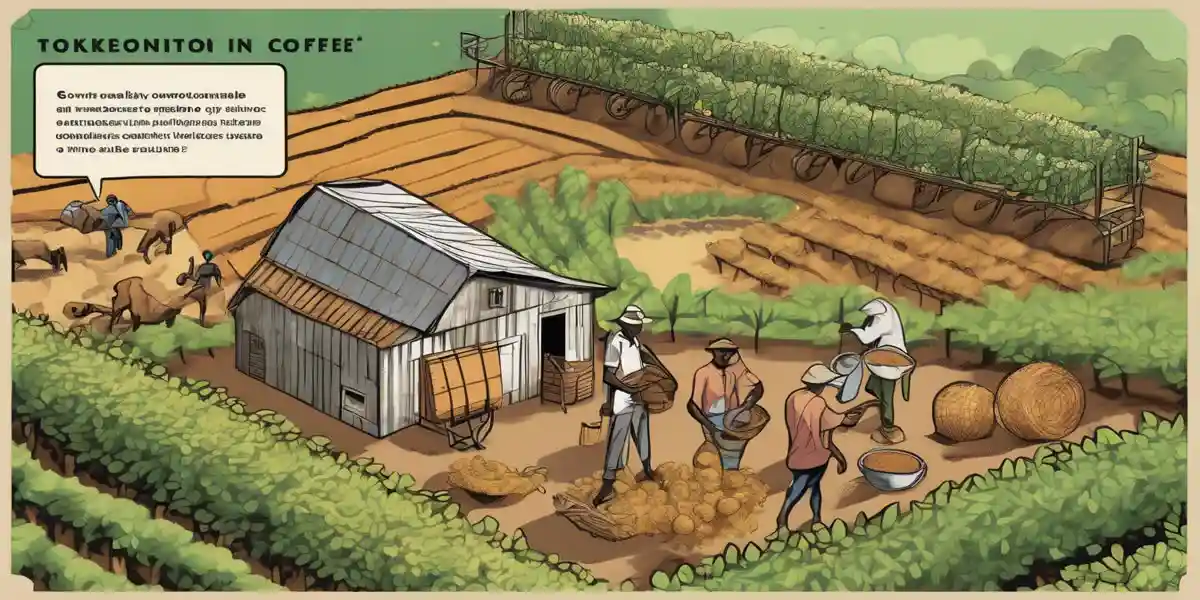
Tokenization, the process of converting rights to an asset into a digital token on a blockchain, has emerged as a transformative force in various sectors, including agriculture. In the realm of sustainable coffee production, tokenization can empower farmers, enhance traceability, and foster ethical consumerism. By integrating blockchain technology, coffee producers can create a more equitable supply chain, addressing longstanding issues of exploitation and environmental degradation.
One of the most significant advantages of tokenization is its ability to provide coffee farmers with direct access to international markets. Traditionally, farmers have been at the mercy of intermediaries who dictate pricing and terms. However, through tokenization, farmers can sell their coffee directly to consumers or businesses, thereby retaining a larger share of the profits. For instance, the case of Endeavor Coffee showcases a platform that uses blockchain to connect farmers in Colombia directly with buyers, reducing dependency on middlemen.
Traceability in coffee production is crucial for ensuring quality and sustainability. Tokenization allows every coffee bean to be traced from farm to cup, providing consumers with assurance about the product's origin and the practices used in its production. Take the example of Café Direct, a UK-based coffee company that has implemented blockchain to trace the journey of its coffee. This transparency not only builds trust with consumers but also encourages sustainable farming practices, as buyers become more informed about the environmental impact of their purchases.
Tokenization also plays a pivotal role in promoting ethical consumerism. By allowing consumers to see the direct impact of their purchases on farmers’ livelihoods and the environment, tokenization can create a more engaged customer base. For instance, platforms like ChocoCoin allow consumers to purchase tokens that represent the coffee produced by specific farms, facilitating a direct link between consumer spending and farmer income. This model not only incentivizes sustainable practices but also encourages consumers to support farmers who adhere to ethical standards.
In conclusion, the innovative application of tokenization in sustainable coffee production highlights its potential to reshape the industry. By empowering farmers, enhancing traceability, and fostering ethical consumerism, tokenization paves the way for a more sustainable and equitable coffee supply chain.
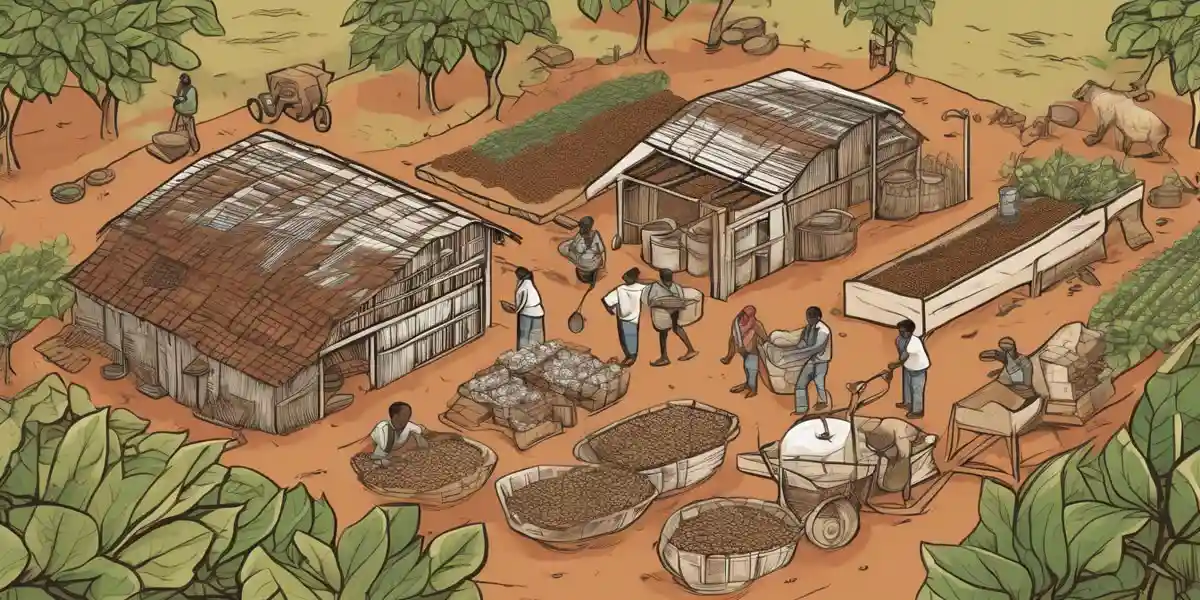
Tokenization serves as a transformative mechanism in decentralizing sustainable coffee production, effectively addressing the inefficiencies and inequalities present in traditional supply chains. By breaking down assets—such as coffee beans—into digital tokens on a blockchain, stakeholders can achieve greater transparency, security, and accessibility. This section explores three key mechanisms through which tokenization decentralizes the coffee industry.
One of the most significant impacts of tokenization is its ability to enhance transparency within the supply chain. By utilizing blockchain technology, each transaction involving coffee production can be recorded in an immutable ledger. This ensures that every token representing a batch of coffee beans can be traced back to its origin, allowing consumers to verify the sustainability claims made by producers. For instance, the project "Coffee Blockchain" has successfully implemented a system where farmers can register their coffee on a blockchain, enabling buyers to see detailed information about the farm, the methods used in cultivation, and certifications of sustainability.
Tokenization also decentralizes financial transactions, empowering smallholder farmers who often face challenges in accessing traditional banking systems. Through tokenized platforms, farmers can receive direct payments from consumers or investors without intermediaries taking a considerable cut of their profit. An illustrative example is the "AgriDigital" platform, which enables farmers to tokenize their products and sell directly to buyers. This not only improves their financial returns but also fosters a sense of ownership and accountability, pivotal for sustainable practices.
Lastly, tokenization allows for collaborative business models that can enhance sustainability efforts. By enabling fractional ownership of coffee farms through tokens, individuals can invest in sustainable practices without needing to purchase entire farms. This model has been exemplified by “Mycoffeeco,” which uses tokenization to allow investors to fund specific sustainability projects within coffee farms, thus promoting environmentally friendly farming techniques while generating returns based on the farm's productivity. Such collaborative approaches encourage community engagement and foster a shared commitment to sustainability.
In summary, tokenization presents a multifaceted approach to decentralizing coffee production, enhancing transparency, empowering farmers, and facilitating collaborative efforts. These mechanisms not only pave the way for a more equitable coffee industry but also align with the broader goals of sustainable agriculture.
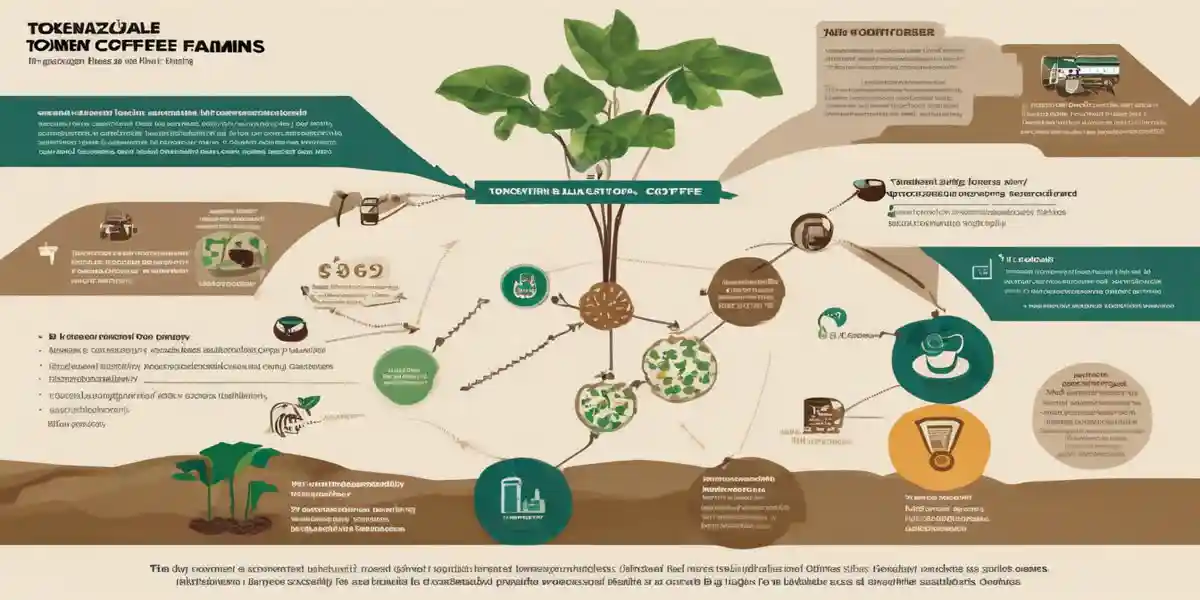
Tokenization represents a transformative approach in agricultural supply chains, particularly for sustainable coffee production. By converting tangible assets into digital tokens on a blockchain, stakeholders gain unprecedented access, transparency, and traceability. This mechanism not only enhances operational efficiency but also promotes fair trade practices and empowers local farmers. To fully grasp the implications of tokenization, it's essential to consider its functionality, benefits, and real-world applications.
One of the most significant advantages of tokenization is its capacity to provide enhanced traceability across the supply chain. Each token can represent a specific batch of coffee, linking it to detailed records of its origin, processing, and distribution. For instance, the Coffee Supply Chain initiative by IBM and the Rainforest Alliance utilizes blockchain technology to track coffee from farm to consumer. This initiative allows consumers to verify the sustainability claims of their coffee products, fostering trust and accountability.
Tokenization has the potential to empower smallholder farmers by connecting them directly with consumers and eliminating intermediaries. In a case study involving the platform Provenance, coffee farmers in Colombia were able to tokenize their harvests. By doing so, they received immediate payments in cryptocurrency, which significantly improved their cash flow and financial stability. This model not only incentivizes sustainable farming practices but also allows farmers to retain a larger share of the profits.
Tokenization can also facilitate fair trade practices by ensuring that farmers receive fair compensation for their products. Through smart contracts enabled by blockchain technology, payments can be automatically released upon delivery confirmation, ensuring prompt and fair transactions. For example, the platform AgUnity has implemented a system where farmers are paid in tokens once their coffee is delivered to buyers, reducing the risk of exploitation and fostering equitable trading relationships. This practice not only stabilizes income for farmers but also encourages sustainable agricultural methods.
In summary, tokenization in agricultural supply chains presents a paradigm shift towards greater transparency, empowerment of smallholders, and facilitation of fair trade. As these technologies continue to evolve, they hold the promise of fostering a more sustainable and equitable coffee industry.
In this exploration of the intersection between tokenization and sustainable coffee production, we have uncovered several critical points that illustrate how this innovative technology can catalyze meaningful change within the coffee industry. First, we examined the concept of tokenization, clarifying how it operates as a digital representation of assets, thereby facilitating transparency and traceability in coffee supply chains. By employing blockchain technology, tokenization ensures that every stage of coffee production—from farm to cup—can be monitored, thereby fostering trust among consumers and stakeholders.
Next, we delved into the social and economic implications of decentralized production models made possible by tokenization. By empowering smallholder farmers through direct access to markets and fair pricing, we see a potential shift in the power dynamics that have historically favored large corporations. This democratization of the supply chain not only enhances the livelihoods of farmers but also encourages sustainable practices, as consumers increasingly demand ethically sourced products.
Furthermore, we considered the environmental impact of these practices, highlighting how tokenization could incentivize sustainable farming techniques through smart contracts that reward farmers for environmentally friendly practices. This aligns with the growing global trend towards sustainable consumption, where consumers are more informed and conscious of their purchasing choices.
As we look towards the future, the integration of tokenization in coffee production may serve as a blueprint for other agricultural sectors striving for sustainability and equity. The implications extend beyond coffee, inviting a re-evaluation of how we engage with all agricultural products. Therefore, we urge readers to consider their role in this evolving landscape. Whether you are a consumer, investor, or coffee enthusiast, your choices can drive demand for transparency and sustainability. Engage with brands that prioritize ethical sourcing and support initiatives that promote innovation in agricultural practices. Together, we can brew a future that not only tastes good but also does good.

Get notified about new articles, coffee tips, and Web3 insights.
This site participates in affiliate programs and may earn a commission when a link is clicked and a purchase is made. The site is not responsible for any issues or troubles related to the products or services purchased through the use of this site.
DO&COFFEE loves coffee and technology, exploring the potential of NFTs and blockchain. Learn more →
DO&COFFEE loves coffee and technology, exploring the potential of NFTs and blockchain. Learn more →