crypto
2025/03/16

As we stand on the precipice of a new digital era, the concept of Web3 is rapidly reshaping our understanding of the internet and how we interact with it. Central to this transformation are Web3 wallets, indispensable tools that empower users to manage their digital assets securely and autonomously. In this essential guide, "Mastering Web3 Wallets," we will delve into the critical role these wallets play within the crypto ecosystem, exploring their evolution from custodial to non-custodial solutions. With the rise of decentralized finance (DeFi) and non-fungible tokens (NFTs), understanding the nuances of different wallet types—including hot and cold wallets, as well as custodial versus non-custodial options—is essential for anyone looking to navigate the complexities of Web3. Moreover, we will address the security challenges that come with these digital wallets, highlighting best practices for safe transactions and common pitfalls to avoid. By the end of this guide, you will be equipped not only to manage your crypto assets effectively but also to engage with the decentralized web confidently, ensuring that you harness its transformative potential while safeguarding your digital identity.
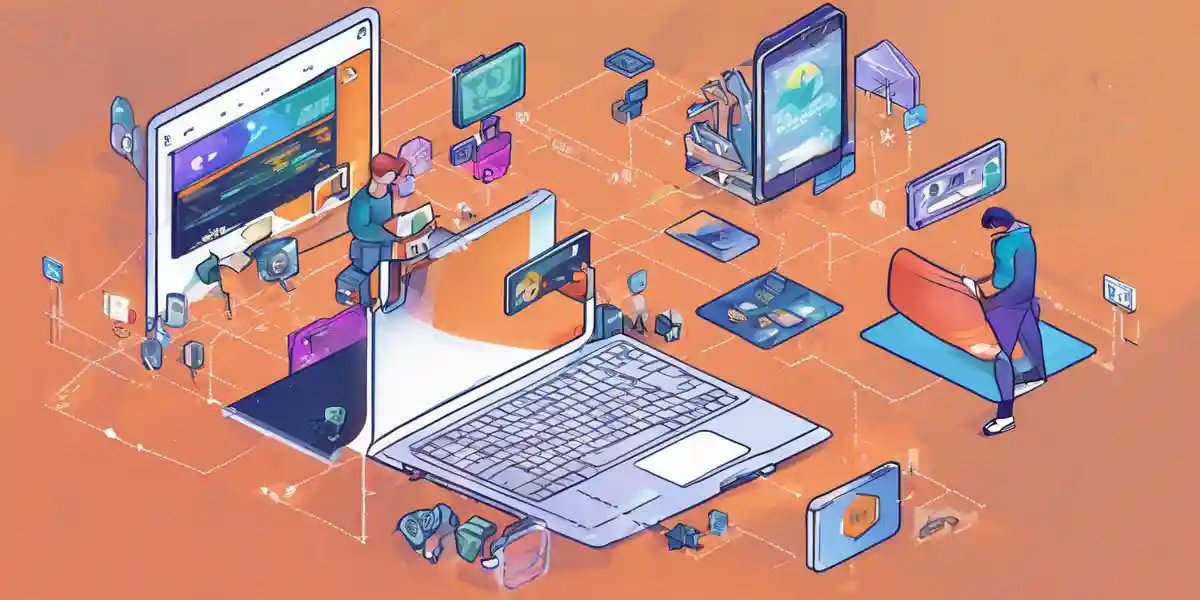
Web3 wallets are crucial tools for interacting with the decentralized web, enabling users to manage their digital assets securely. Unlike traditional wallets, which are typically custodial and managed by third parties, Web3 wallets offer users full control over their private keys and, consequently, their cryptocurrencies. This decentralization is one of the most significant shifts brought about by blockchain technology, allowing for enhanced privacy and security.
A Web3 wallet serves as a gateway to the decentralized web (Web3), allowing users to not only store and manage cryptocurrencies but also interact with decentralized applications (dApps). These wallets can be classified into two main types: custodial and non-custodial. Custodial wallets, like those offered by exchanges such as Coinbase, manage users' private keys for them, while non-custodial wallets, such as MetaMask or Trust Wallet, empower users to retain full control over their keys. This distinction is vital, as it impacts user security and autonomy.
One notable example of a Web3 wallet is MetaMask, which allows users to interact with Ethereum-based dApps directly from their browsers. Launched in 2016, it has become a cornerstone of the DeFi movement, enabling millions to access decentralized exchanges and financial services. According to a report by ConsenSys, MetaMask surpassed 10 million monthly active users in 2021, illustrating the growing demand for user-controlled financial tools.
Another example is the Phantom wallet, which caters specifically to users of the Solana blockchain. Phantom not only allows for asset management but also enables users to participate in staking directly from the wallet interface. This integration highlights the potential of Web3 wallets to facilitate engagement in emerging blockchain ecosystems, driving broader adoption and utility.
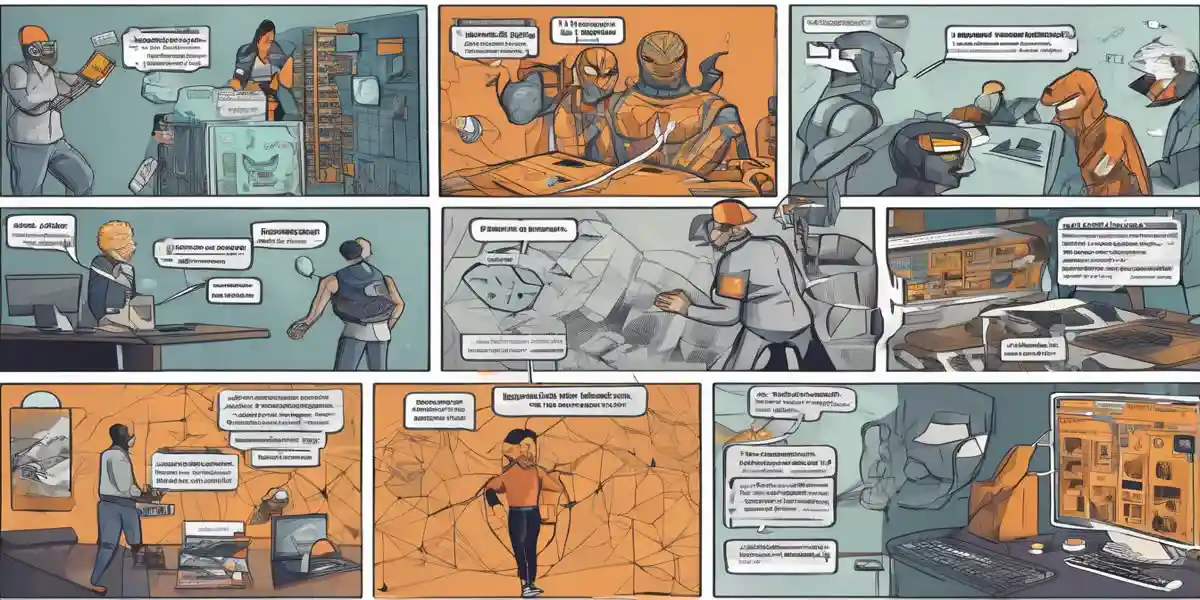
Web3 wallets serve as the cornerstone of the decentralized finance (DeFi) ecosystem, facilitating user engagement with blockchain technology and cryptocurrencies. Their importance cannot be overemphasized as they provide the essential tools for transaction management, asset ownership, and interactions within decentralized applications (dApps). Understanding the multifaceted role of Web3 wallets is critical for anyone looking to navigate the evolving landscape of cryptocurrency effectively.
One of the primary functions of Web3 wallets is secure asset management. Unlike traditional wallets, which often rely on centralized institutions, Web3 wallets empower users with full control over their private keys and, consequently, their assets. This decentralized model reduces the risk of hacks and fraud associated with third-party custodians. For instance, the case of the Mt. Gox exchange hack in 2014, where approximately 850,000 Bitcoins were stolen due to inadequate security measures, underscores the necessity of self-custody in the crypto space. By using a Web3 wallet, individuals can significantly mitigate such risks by ensuring that they hold their own keys, thus enhancing the security of their digital assets.
Web3 wallets are pivotal for facilitating decentralized transactions, enabling users to send, receive, and interact with cryptocurrencies seamlessly. These wallets connect directly to blockchain networks, allowing for faster and cheaper transactions compared to traditional banking systems. A notable example is the Ethereum blockchain, where users can engage in smart contracts directly from their wallets. This capability was exemplified during the 2020 DeFi boom, where users leveraged their wallets to participate in liquidity mining and yield farming, activities that contributed to a significant increase in total value locked (TVL) in DeFi platforms from $1 billion to over $13 billion within a year. Such trends highlight how Web3 wallets are essential for accessing and maximizing opportunities within the DeFi sector.
Web3 wallets also play a crucial role in enabling interoperability across different blockchain ecosystems and providing access to a wide range of decentralized applications (dApps). By integrating with various blockchain networks, these wallets allow users to interact with diverse services—from gaming and NFTs to decentralized exchanges—without the need for multiple accounts or excessive onboarding processes. For example, wallets like MetaMask not only support Ethereum but are also compatible with Binance Smart Chain and other networks, allowing users to traverse the burgeoning landscape of dApps easily. This seamless access is critical as it encourages user engagement and fosters innovation within the crypto space, making it more inclusive and accessible.
In conclusion, Web3 wallets are not merely tools for holding cryptocurrencies; they are fundamental components of a secure, efficient, and interconnected crypto ecosystem. Their roles in secure asset management, facilitating decentralized transactions, and enabling access to dApps are vital for the ongoing evolution of digital finance.
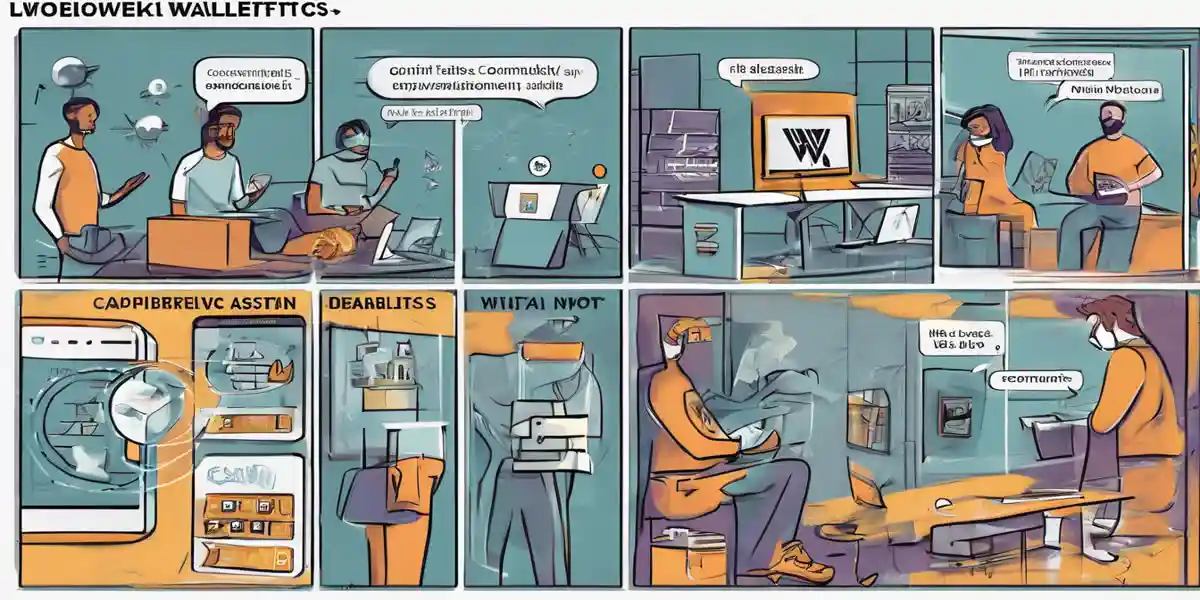
The emergence of Web3 wallets represents a pivotal shift in how individuals and businesses interact with digital assets, particularly cryptocurrencies. Unlike traditional wallets, which merely store currency, Web3 wallets facilitate a broader range of functionalities, including decentralized finance (DeFi) interactions, non-fungible token (NFT) management, and engagement with decentralized applications (dApps). This section will explore the evolution of Web3 wallets, their core features, and the implications for users navigating this new digital frontier.
Web3 wallets have transitioned from simple cryptocurrency storage solutions to multifunctional platforms that offer a wide array of services. For instance, wallets like MetaMask allow users to not only hold various cryptocurrencies but also interact with decentralized exchanges (DEXs) such as Uniswap. This integration enables users to swap tokens directly from their wallets without needing a centralized intermediary, thereby reducing transaction costs and enhancing speed. According to a report from Chainalysis, the DeFi sector grew by over 880% in 2021 alone, underscoring the increasing reliance on wallets that support these complex transactions.
As digital assets have increased in value, so have the threats associated with their management. Web3 wallets employ advanced security measures to protect users' assets. For example, hardware wallets like Ledger and Trezor utilize multi-signature technology and cold storage to ensure that private keys are never exposed to the internet. This approach significantly mitigates the risk of hacking. A case study involving the $600 million hack of Poly Network in 2021 highlighted the vulnerabilities within the ecosystem, prompting wallet developers to innovate and strengthen their security frameworks.
Web3 wallets epitomize the ethos of decentralization that underpins the blockchain movement. By giving users complete control over their private keys, these wallets empower individuals to manage their digital assets without reliance on third-party services. For example, wallets like Trust Wallet are non-custodial, meaning that users retain ownership of their cryptocurrencies and are responsible for their security. This shift not only democratizes access to financial tools but also aligns with the broader goal of creating an open and transparent financial system free from centralized control.
As Web3 continues to evolve, understanding the unique features and capabilities of these wallets becomes essential for anyone looking to navigate the future of cryptocurrency effectively.
In this guide, we have navigated through the intricate landscape of Web3 wallets, focusing on their types, functionalities, and the essential role they play in the broader ecosystem of cryptocurrency. We began by differentiating between custodial and non-custodial wallets, emphasizing the importance of control over private keys and the implications for user security and autonomy. Next, we explored various wallet options, including hardware, software, and mobile wallets, each suited to different user needs and preferences. This section highlighted the critical balance between convenience and security, which is paramount in the decentralized world of Web3.
Furthermore, we delved into the importance of wallet interoperability and the evolving standards that facilitate seamless transactions across different blockchain networks. This aspect is particularly significant as it paves the way for a more cohesive Web3 experience, allowing users to manage assets and engage with decentralized applications (dApps) without friction. We also touched on the significance of understanding wallet security measures, such as seed phrases and two-factor authentication, to protect users from potential threats.
Reflecting on these points, it is evident that mastering Web3 wallets is not merely a technical necessity but a vital skill for navigating the future of digital finance. As the adoption of blockchain technology accelerates and the landscape continues to evolve, understanding these tools becomes increasingly crucial. With the rise of decentralized finance (DeFi), non-fungible tokens (NFTs), and other blockchain innovations, the ability to securely manage digital assets will define user experiences in this new digital frontier.
As you embark on your journey into the world of Web3, consider this your call to action: invest time in researching and selecting a wallet that aligns with your needs, practice good security hygiene, and stay informed about emerging trends. By doing so, you will not only safeguard your assets but also empower yourself to fully participate in the transformative potential of Web3. Embrace the future of crypto with confidence!

Get notified about new articles, coffee tips, and Web3 insights.
This site participates in affiliate programs and may earn a commission when a link is clicked and a purchase is made. The site is not responsible for any issues or troubles related to the products or services purchased through the use of this site.
DO&COFFEE loves coffee and technology, exploring the potential of NFTs and blockchain. Learn more →
DO&COFFEE loves coffee and technology, exploring the potential of NFTs and blockchain. Learn more →