technology
2024/08/14
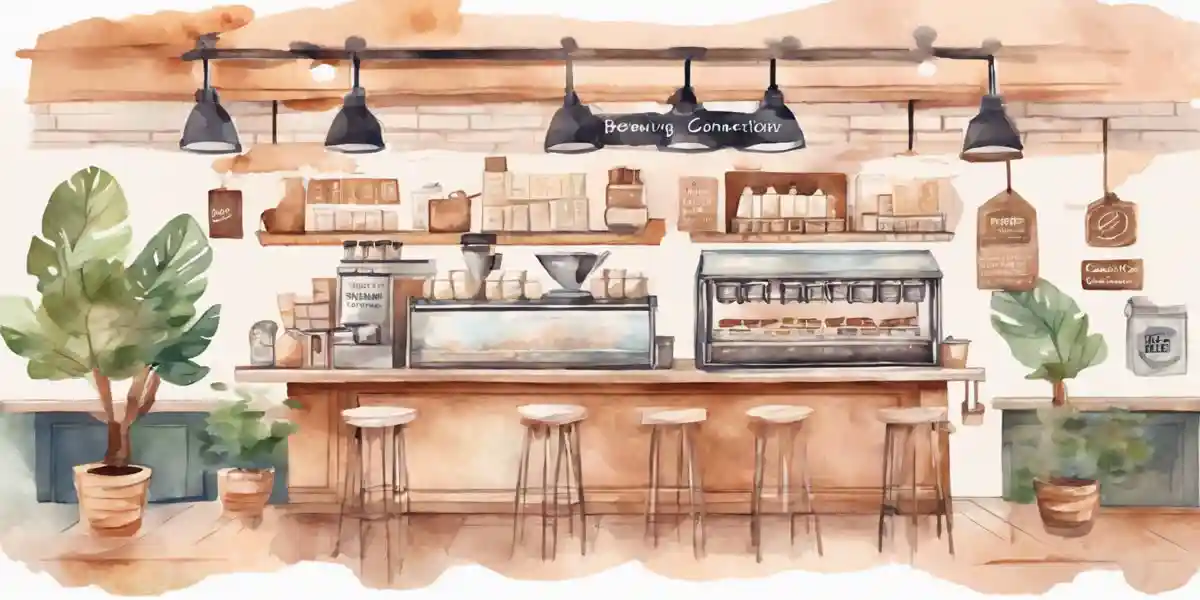
In a world increasingly dominated by screens and digital interfaces, have you ever thought about the last time you truly connected with someone face-to-face? As we navigate the complexities of our hyper-connected lives, coffee shops are emerging as the unexpected sanctuaries for real-world interactions, especially in the realm of Web3 social networking.
Imagine stepping into a vibrant café, where the rich aroma of freshly brewed coffee mingles with the buzz of innovative conversations about blockchain technology and decentralized applications. This blog post delves into how the design of coffee shops can foster such connections, transforming them into community-driven hubs for collaboration, learning, and networking among Web3 enthusiasts, developers, and entrepreneurs.
We'll explore the essential elements of coffee shop design that encourage social engagement, from creating inviting spaces to using brew methods as conversation starters. More importantly, we'll connect these ideas to the revolutionary potential of Web3 and blockchain technology, demonstrating how these tools can enhance trust in social interactions and empower loyalty programs to create thriving communities.
As we highlight examples of coffee shops leading the way in integrating Web3 principles, you'll come to see these establishments not just as places to sip your favorite drink, but as modern-day agorae—vibrant spaces where the digital and physical worlds converge to shape the future of social networking. Join us as we brew connections that could redefine community in this decentralized era.
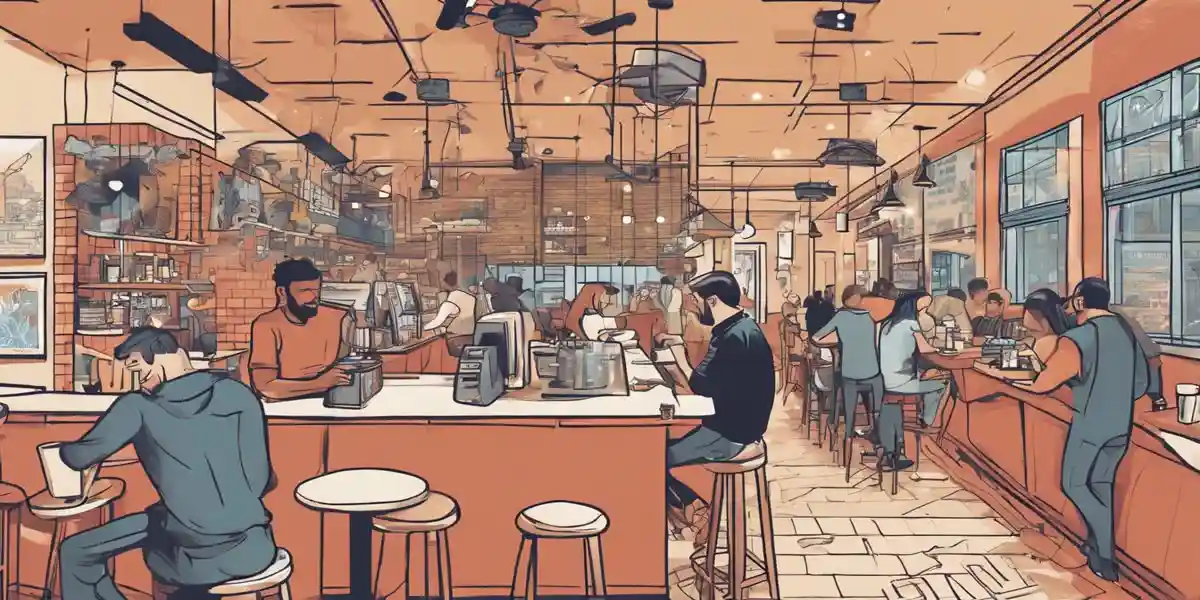
In a world saturated with digital interactions, where a single tweet can spark a global conversation, the essence of genuine human connection often gets lost. Yet, coffee shops are stepping up to bridge this gap, transforming into vital hubs for Web3 social networking.
Imagine a bustling café where the rich aroma of freshly brewed coffee intertwines with the buzz of laptops and lively discussions on blockchain technology and decentralized applications. This section explores how coffee shops can evolve into community-driven environments that nurture creativity, collaboration, and learning among Web3 enthusiasts, developers, and entrepreneurs.
Picture this: a cozy coffee shop equipped with high-speed, decentralized Internet access, where patrons not only sip their lattes but also engage in thought-provoking discussions about NFTs and decentralized finance. In this space, weekly meetups could feature guest speakers from the Web3 arena, offering insights that are invaluable in a rapidly changing digital landscape. QR codes on tables could link to community forums or upcoming events, allowing each sip of coffee to serve as a catalyst for new connections and collaborations.
Imagine a coffee shop implementing a loyalty program powered by blockchain technology. This innovative approach has the potential to transform customer engagement significantly. Traditional loyalty programs often fall short due to lack of transparency and the inability to transfer points between different systems, as highlighted by recent academic research. In contrast, blockchain can create a seamless experience that rewards customers with tokens redeemable not just within the shop, but across a network of participating vendors.
According to research that analyzed over 9,642 tokens, the potential of tokenized loyalty solutions is still burgeoning, with 21 active blockchain-based loyalty programs identified. This emerging trend indicates that coffee shops can leverage blockchain to enhance customer experiences and build lasting relationships. With a loyalty program that rewards frequent visitors with tokenized benefits, customers would feel a sense of belonging to a community that values innovation and collaboration.
How can blockchain technology reshape the way we view customer loyalty? Drawing on self-determination theory, researchers propose that blockchain can enhance key motivational factors—economy, autonomy, competence, and relatedness—that drive customer participation. In a coffee shop setting, this could manifest in customers feeling empowered to choose how they use their rewards, whether for exclusive events or unique merchandise, thereby fostering a deeper connection with the brand.
Moreover, the implementation of a universal customer loyalty program utilizing blockchain technology emphasizes principles of transparency and fairness. This approach addresses the challenges of traditional loyalty systems, which often struggle with operational inefficiencies and fairness in payoffs. By ensuring that every customer feels valued and rewarded equitably, coffee shops can cultivate loyalty and satisfaction among patrons, creating a community that thrives on mutual benefits.
As we observe the evolving landscape, several coffee shops are already adopting these innovative practices. For instance, some cafés have begun experimenting with QR codes that not only provide information about the coffee's origin but also link customers to their loyalty accounts, allowing them to monitor their rewards in real-time. This integration of technology not only enhances the customer experience but also aligns perfectly with the ethos of Web3, where transparency and decentralization reign supreme.
In a more ambitious approach, certain coffee establishments have launched their own tokens, which customers can earn by participating in community events or sharing their experiences on social media. These tokens can then be exchanged for exclusive discounts or unique experiences, fostering an interactive environment where every cup of coffee contributes to a larger community narrative.
Ultimately, coffee shops have the potential to become modern-day agorae, inviting individuals not just to enjoy a good brew but to engage in meaningful discussions and collaborations. By bridging the gap between the digital and physical worlds, they can play a crucial role in nurturing the next wave of Web3 social networking.
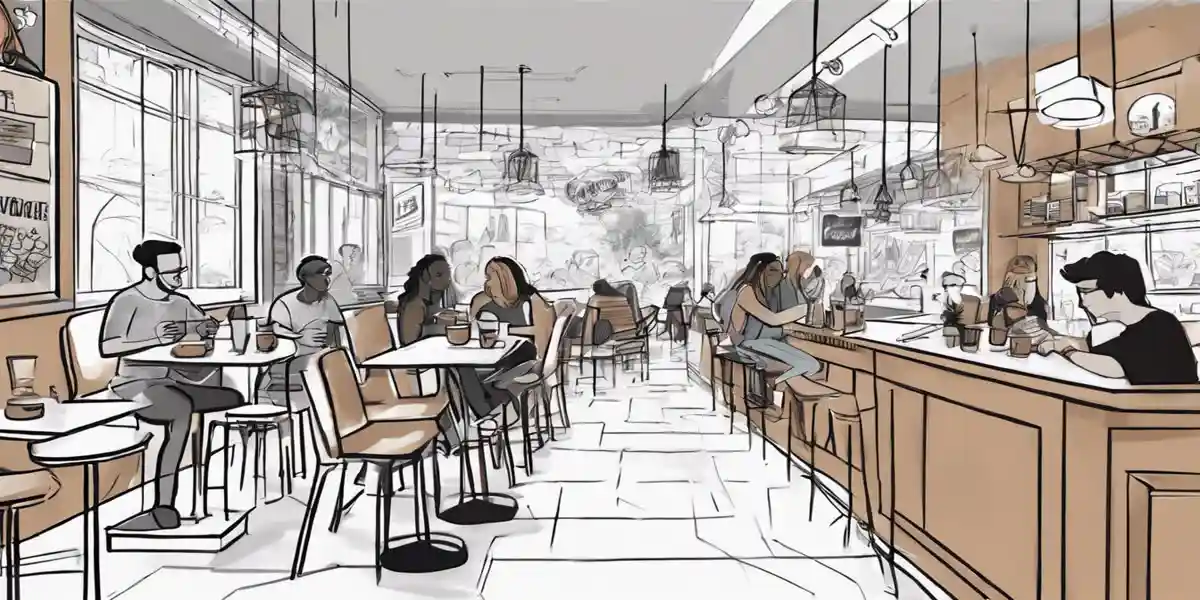
In a world where the digital realm frequently dominates our social lives, the design of a coffee shop can significantly influence the quality and depth of human interactions. This section delves into how thoughtful coffee shop design fosters social engagement, particularly in the context of Web3 networking.
The layout and aesthetic of a coffee shop play a crucial role in determining how people interact. A well-designed space that features comfortable seating arrangements, communal tables, and cozy nooks encourages patrons to linger longer, facilitating conversations and connections. For instance, if you think about a local coffee shop that incorporates large, round tables, you can see how it naturally invites group discussions, unlike a series of isolated two-top tables. This design choice can lead to spontaneous collaborations among Web3 enthusiasts who might share a table, discussing the latest advancements in decentralized applications or Ethereum updates.
With the rise of Web3, integrating technology into coffee shop design becomes paramount. High-speed, decentralized Internet access is essential to attract tech-savvy customers who wish to code, research, or collaborate while enjoying their favorite brew. Imagine a coffee shop equipped with charging stations, smartboards for brainstorming sessions, and even augmented reality displays showcasing upcoming events or projects in the blockchain space. Such technological enhancements create a dynamic environment where digital and physical interactions coexist, promoting knowledge sharing and innovation.
Community-driven design goes beyond aesthetics; it fosters a sense of belonging. For example, coffee shops can host weekly meetups or workshops featuring guest speakers from the Web3 community. This concept aligns with findings from recent studies on loyalty programs, which highlight the importance of customer engagement in creating lasting relationships. By integrating QR codes on tables that link to community forums or event sign-ups, coffee shops can encourage patrons to participate actively in the local Web3 scene. This not only enhances social interactions but also cultivates a collaborative atmosphere where ideas flow freely.
The potential of blockchain technology to revolutionize customer loyalty programs can further enhance social interactions within coffee shops. As discussed in various academic papers, traditional loyalty programs often fall short due to issues of transparency and fairness. By adopting blockchain-based loyalty solutions, coffee shops can create a transparent and equitable rewards system that incentivizes social engagement. For instance, patrons could earn tokens for attending events or bringing friends, which could then be redeemed for discounts or exclusive access to workshops on blockchain technology. This not only fosters a sense of community but also motivates customers to connect and collaborate.
Finally, the design of a coffee shop should prioritize inclusivity, ensuring that all individuals feel welcome and valued. This can be achieved through accessible seating options, diverse menu offerings that cater to various dietary needs, and spaces that accommodate different social interactions—whether it’s quiet study time or lively group discussions. By creating an environment where everyone feels comfortable, coffee shops can maximize social interactions, making them true hubs of innovation and community within the Web3 ecosystem.
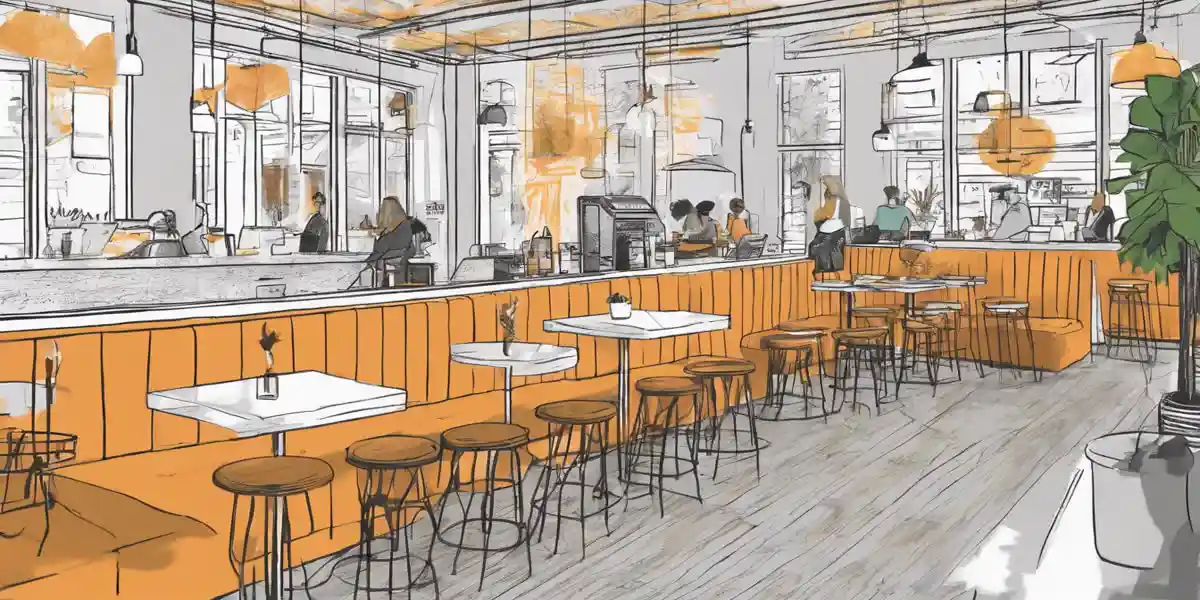
In the evolving landscape of social interaction, coffee shops have emerged as more than just places to grab a quick caffeine fix; they are becoming vibrant hubs for Web3 social networking. The atmosphere of these spaces plays a crucial role in fostering connections, encouraging collaboration, and igniting creativity among patrons. This section delves into how the physical environment can be designed to be inviting and conducive to the decentralized ethos of Web3.
Imagine stepping into a coffee shop where soft lighting casts a warm glow over wooden tables that invite conversation. The right design elements can make a significant difference in how patrons feel and interact. Cozy nooks for small groups, communal tables for larger gatherings, and open spaces that encourage movement all contribute to a welcoming environment. The decor could include artwork by local artists, perhaps showcasing themes of decentralization or blockchain, further highlighting the connection between creativity and technology.
In a world increasingly driven by online interactions, the availability of high-speed, decentralized internet access is vital. Coffee shops can distinguish themselves by offering robust connectivity options, enabling patrons to engage in online discussions, attend virtual meetings, or work on blockchain projects seamlessly. For instance, the coffee shop Blockchain Brew in San Francisco has become a go-to spot for tech enthusiasts, providing free Wi-Fi and power outlets that allow for uninterrupted work sessions. This connectivity fosters a culture of innovation and collaboration where ideas can flow as freely as the coffee.
Hosting events such as webinars, workshops, and guest speaker sessions is another way to enhance the atmosphere of a coffee shop. By inviting industry leaders from the Web3 space to share their insights, coffee shops can position themselves as knowledge-sharing platforms. Consider the weekly meetups organized by Café Decentral, where developers gather to discuss the latest trends in NFTs and decentralized finance. These events not only draw in crowds but also create opportunities for networking and mentorship, transforming the coffee shop into a modern-day agora.
Integrating technology into the coffee shop experience can further enrich the atmosphere. Imagine tables equipped with QR codes linking to community forums or upcoming events. Each sip of coffee could prompt a new connection, as patrons scan codes to learn about blockchain projects or join discussions. This innovative approach can enhance engagement, making every visit not only a chance to enjoy a good brew but also an opportunity to become part of a thriving community. For example, the coffee shop Coffee & Code in Berlin uses QR codes to link customers to their Discord server, where they can collaborate on projects and share resources.
As mentioned in the paper summaries, traditional loyalty programs often struggle to engage customers effectively. By leveraging blockchain technology, coffee shops can create transparent and fair loyalty programs that resonate with the principles of decentralization. For instance, a shop might implement a tokenized loyalty system where customers earn tokens for every purchase that can be redeemed for coffee, merchandise, or exclusive access to events. This not only incentivizes repeat visits but also fosters a sense of belonging among patrons who feel they are part of a community that values their contributions.
Finally, the overall sensory experience in a coffee shop contributes significantly to its inviting atmosphere. The smell of freshly brewed coffee, the sound of milk frothing, and the visual appeal of well-presented drinks can create a welcoming environment. Adding elements like live music or ambient soundscapes can enhance this experience, making patrons want to linger longer and engage more deeply with their surroundings. The Sensory Café in Amsterdam, for example, combines art and coffee, creating an immersive environment where patrons can relax, socialize, and innovate.
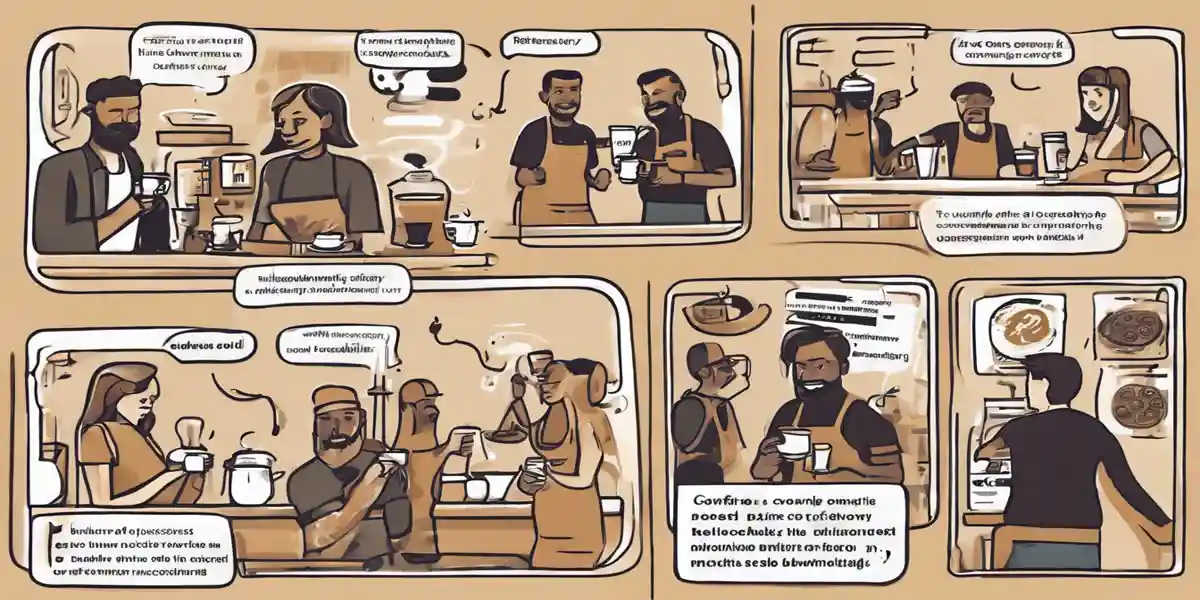
As we explore the nexus of coffee culture and Web3 networking, it becomes clear that the way coffee is brewed can serve as an unexpected yet powerful catalyst for conversation. In coffee shops that are designed to foster community and connection, each brewing method—whether it's pour-over, French press, or espresso—can spark discussions that delve deeper than the surface level of flavor profiles. This section examines how different brewing techniques can not only enhance the flavor of coffee but also act as conversation starters among patrons, particularly in a Web3 context.
Imagine walking into a coffee shop where the barista is performing a pour-over coffee, meticulously measuring out the coffee and water, swirling the kettle, and pouring in a rhythmic motion. This act is not just a process; it becomes a spectacle. Patrons, intrigued by the artistry, are likely to engage in conversations about the nuances of brewing methods, the origin of the beans, or even the science behind extraction times. Just as blockchain technology fosters transparency and engagement in digital spaces, the craft of brewing coffee invites patrons to share their perspectives and experiences.
The connection between brew methods and conversations about blockchain technology is more than coincidental. For instance, as coffee enthusiasts gather around a Chemex, they might start discussing decentralized applications (dApps) that enhance consumer experiences, much like the precision of a well-brewed cup of coffee enhances the drinking experience. This setting provides an organic platform for the exchange of ideas, where blockchain's benefits—such as transparency, security, and efficiency—can be paralleled with the meticulous nature of brewing coffee. After all, both processes rely heavily on precision and intention.
Take, for example, a coffee shop like Blue Bottle Coffee, known for its commitment to quality and craftsmanship. This establishment not only focuses on brewing techniques but also actively engages its customers with workshops and tasting events. These gatherings create an ambiance where patrons can discuss everything from the latest trends in blockchain to the subtleties of single-origin beans. In a Web3 framework, such coffee shops can further enhance the experience by integrating blockchain technology into their loyalty programs, rewarding customers with tokens for sharing their brewing experiences or participating in discussions.
Imagine a loyalty program built on blockchain technology, where patrons earn tokens not just for their purchases but also for contributing to the coffee community. This could include sharing brewing tips, participating in coffee tastings, or engaging in discussions about sustainable sourcing. These tokens could be redeemed not only for free coffee but also for exclusive events or educational workshops on blockchain technology. Such innovative approaches, as highlighted in recent studies, illustrate the transformative potential of blockchain in customer loyalty programs, enhancing engagement and participation.
As coffee shops increasingly embrace the principles of decentralized networks, it’s evident that brewing methods can transcend mere preparation and become integral to the social fabric of the community. Each brewing method acts like a unique entry point into the world of Web3, encouraging patrons to connect, collaborate, and explore the limitless possibilities that both coffee and blockchain technology have to offer. This interconnectedness not only enriches the coffee experience but also empowers individuals to engage in meaningful, innovative conversations that could very well shape the future of decentralized networking.
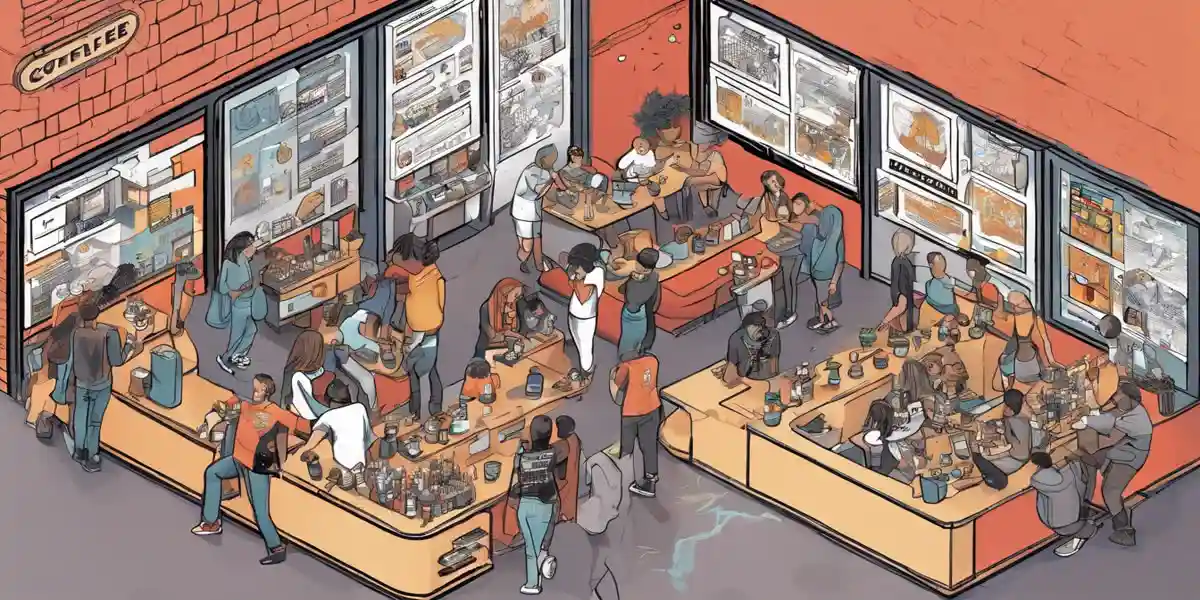
In the rapidly evolving landscape of digital communication, Web3 and blockchain technologies are reshaping how we connect and engage with one another. As traditional social networking platforms face scrutiny over privacy concerns and centralized control, the decentralized nature of Web3 offers a fresh perspective on social interaction, emphasizing community and transparency.
Web3 represents a shift from the traditional Internet model to a decentralized framework where users have greater control over their data and interactions. At its core, blockchain technology serves as the backbone of this transformation, enabling secure, peer-to-peer exchanges without the need for intermediaries. This decentralization not only empowers individuals but also fosters trust and accountability within communities.
Take, for instance, platforms like Mastodon and Diaspora, which operate on decentralized principles. Here, users can create their own nodes, ensuring data sovereignty and encouraging a sense of ownership over their online presence. In coffee shops that embrace this ethos, patrons can engage in discussions around these platforms, sharing insights and experiences that cultivate a deeper understanding of decentralized networking.
One of the most compelling applications of blockchain technology in the context of social networking is its ability to revolutionize customer loyalty programs. Traditional loyalty initiatives often struggle with transparency and fairness—issues that blockchain can effectively address. Research has shown that blockchain loyalty programs enhance customer engagement by allowing seamless, cross-platform point exchanges and providing users with visibility into their rewards and transactions.
For example, a coffee shop could implement a blockchain-based loyalty program where customers earn tokens for every purchase. These tokens could be redeemed not only for free drinks but also for access to exclusive events, such as talks from industry leaders in the Web3 space. By creating a transparent and equitable rewards system, these coffee shops can incentivize repeat visits while fostering a dynamic community atmosphere.
Imagine walking into a coffee shop where digital screens display upcoming blockchain workshops, creator meetups, and NFT art showcases. By integrating physical and digital experiences, these venues can strengthen the Web3 community. QR codes on tables that link to community forums or event sign-ups can turn each visit into a networking opportunity, allowing patrons to connect over shared interests.
Moreover, the concept of the coffee shop as a social networking hub can be bolstered through partnerships with blockchain projects. For instance, hosting hackathons or educational sessions can position coffee shops as incubators for Web3 innovation, encouraging collaboration among developers, entrepreneurs, and everyday coffee lovers.
According to research on customer motivation within loyalty programs, blockchain technology can significantly enhance user experiences by addressing fundamental needs such as autonomy, competence, and relatedness. As coffee shops foster environments that prioritize these elements, they can create spaces that not only serve coffee but also stimulate intellectual conversations and collaborative projects.
Consider how a coffee shop could utilize blockchain to offer personalized experiences. By analyzing data on customer preferences—while ensuring privacy and security—shops could tailor their offerings, from customized drink recommendations to exclusive access to community events, thereby boosting customer loyalty and satisfaction.
While the potential of Web3 and blockchain in social networking is tremendous, it is essential to acknowledge the challenges. Issues such as user education, technological barriers, and the need for regulatory clarity can impede adoption. However, coffee shops can play a critical role in addressing these challenges by serving as educational hubs, demystifying these technologies, and facilitating discussions around their ethical implications.
In a world increasingly dominated by digital connections, the coffee shop emerges as a sanctuary—a place where human interaction thrives. By embracing Web3 technologies, these establishments can cultivate vibrant communities that are not just consumers but active participants in a decentralized future.
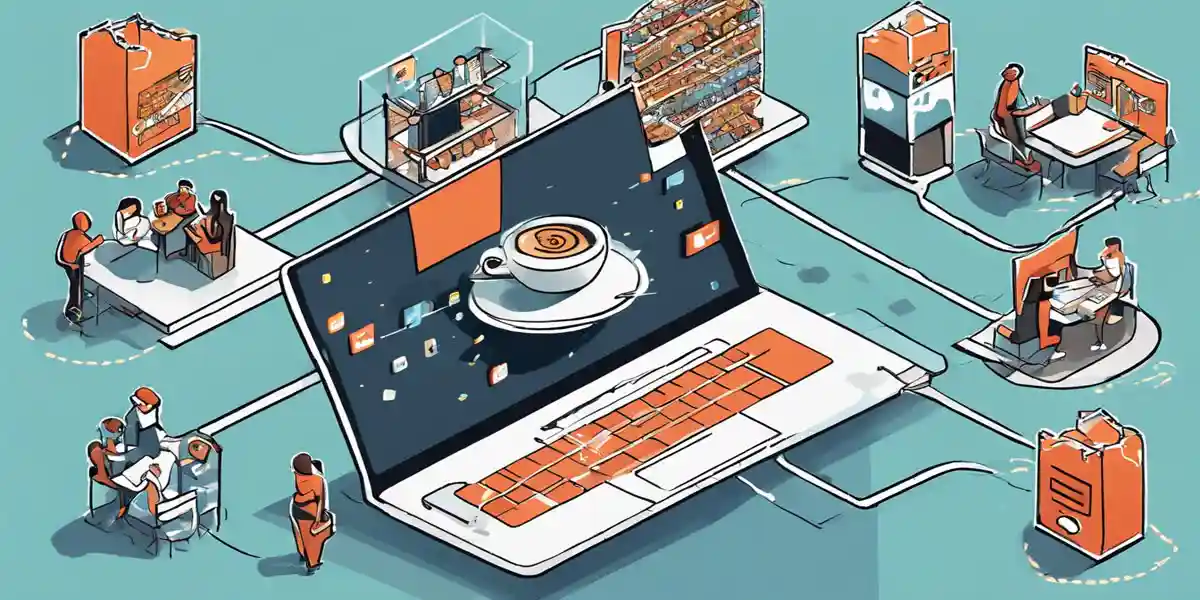
In a world where trust has become a precious commodity, blockchain technology offers a transformative solution for enhancing the reliability of social interactions. By leveraging decentralized systems, blockchain not only secures transactions but also fosters an environment where trust can be built among users in both digital and physical spaces. Coffee shops, as emerging hubs for Web3 social networking, can harness this technology to create authentic connections among patrons.
At its core, blockchain operates as a distributed ledger that records transactions in a manner that is immutable and transparent. Each transaction is time-stamped and linked to a previous one, forming a chain of information that is nearly impossible to alter without consensus from the network participants. This inherent transparency provides a level of accountability that is often missing in traditional social interactions, where trust may hinge on subjective assessments.
Consider a scenario in a coffee shop where patrons engage in discussions about decentralized applications (dApps) and blockchain technology. If the shop implements a blockchain-based loyalty program, customers can verify their earned rewards without relying on the coffee shop's promises alone. This system not only enhances customer loyalty but also cultivates trust among patrons, as they can independently confirm their rewards and the terms of engagement.
The potential of blockchain is particularly evident in the realm of loyalty programs. A recent study analyzed over 9,600 tokens, narrowing down to 21 active blockchain-based loyalty programs that illustrate how these systems can be used effectively. Traditional loyalty programs often struggle with customer motivation and operational efficiency, leading to frustrations among users. However, blockchain’s transparency allows participants to see how loyalty tokens are distributed and redeemed, mitigating issues related to fairness and trust.
For instance, imagine a coffee shop that rewards customers with digital tokens for each purchase. These tokens could be tracked on a blockchain, allowing customers to transfer them easily between different loyalty programs or redeem them for exclusive offers. This flexibility not only increases perceived value but also enhances customer engagement, as patrons feel more in control of their rewards. They are no longer passive participants but active players in a transparent, decentralized system.
As coffee shops transition into Web3 hubs, the application of blockchain technology can lead to authentic community connections. By implementing decentralized identity protocols, patrons can engage in meaningful conversations without the fear of misinformation or deceit. Users could create verified profiles linked to their blockchain identities, allowing them to share their credentials and experiences with others confidently.
This approach echoes the principles of self-determination theory (SDT), which emphasizes autonomy, competence, and relatedness as key motivators for participation. When customers feel secure in their interactions, they are more likely to engage freely, share their knowledge, and collaborate on innovative projects. The coffee shop becomes more than just a place to grab a drink; it evolves into a vibrant community of like-minded individuals eager to learn and grow together.
While the potential of blockchain in enhancing trust is significant, it is not without challenges. Issues such as the initial complexity of blockchain technology and the need for customer education can pose barriers to widespread adoption. However, by creating user-friendly interfaces and providing educational resources within coffee shops, businesses can facilitate a smoother transition into this decentralized world.
Moreover, the proposed architecture for universal customer loyalty programs suggests that blockchain can effectively tackle issues of transparency and fairness in rewards systems. By establishing clear guidelines and operational mechanisms, coffee shops can ensure that their loyalty programs are not only effective but also equitable.
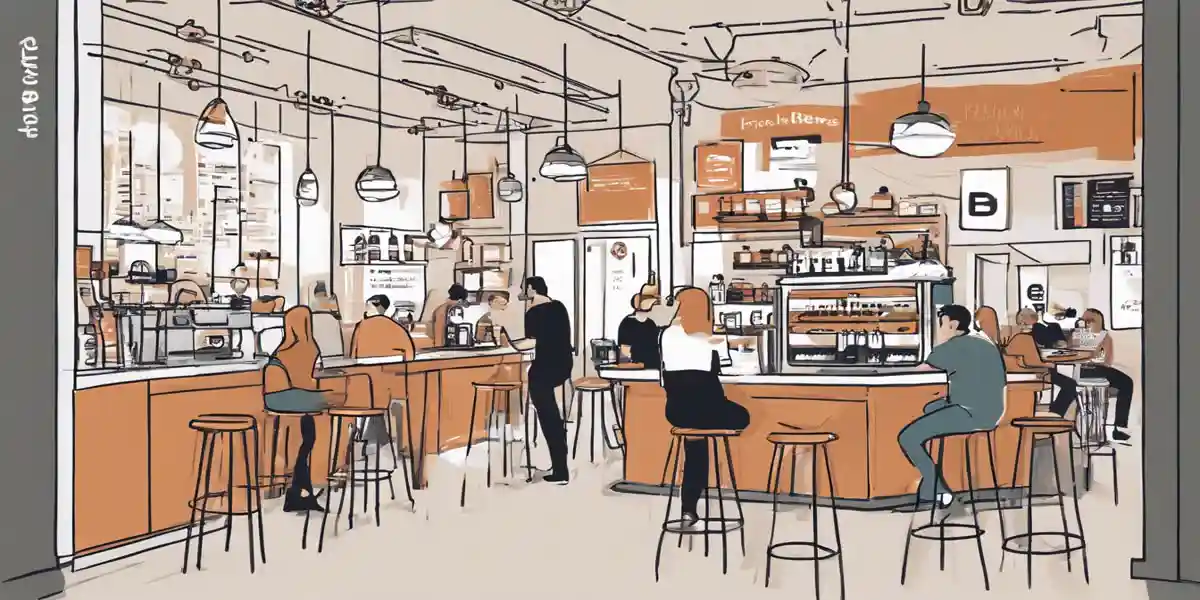
As the intersection of coffee culture and Web3 technology continues to evolve, several coffee shops have emerged as beacons of innovation, creatively harnessing the principles of blockchain to foster community connections and enhance customer loyalty. Below, we explore a few notable case studies that exemplify this trend.
Located in the heart of San Francisco, The Blockchain Café has positioned itself as a premier destination for blockchain enthusiasts and developers. With complimentary high-speed decentralized internet access, the café attracts tech-savvy patrons eager to engage in discussions about decentralized applications and innovative blockchain solutions. What sets this café apart is its implementation of a blockchain-based loyalty program that addresses critical issues inherent in traditional systems.
By utilizing a tokenized loyalty solution, The Blockchain Café rewards customers with digital tokens for each purchase. These tokens can be redeemed not only for coffee but for exclusive events featuring guest speakers from the Web3 space. The ability to transfer tokens between different loyalty programs—an often-cited limitation of conventional systems—has heightened customer motivation and participation, as patrons feel empowered to engage more deeply with the café’s community. This case illustrates how blockchain can enhance the customer experience through transparency and flexibility.
Another standout example is Tokenized Brews, a coffee shop in Austin that has integrated both physical and digital experiences to create a seamless community hub. Patrons can scan QR codes placed at each table to access forums, upcoming events, and even educational resources about blockchain technology. This integration of physical and digital interactions not only encourages learning but also fosters meaningful connections among customers.
Tokenized Brews has successfully implemented a decentralized loyalty program that allows users to earn tokens based on their engagement with the community, such as attending workshops or participating in discussions. According to recent studies, such programs can significantly enhance customer loyalty by promoting a sense of autonomy and relatedness, as described in self-determination theory (SDT). Customers feel a stronger bond with the café and its mission, ultimately leading to increased patronage and community involvement.
In the bustling streets of New York City, Decentralized Coffee has taken a bold step toward redefining the traditional coffee shop model. Leveraging blockchain technology, this shop offers a universal loyalty program that allows customers to earn and redeem points across various participating vendors. This innovative approach addresses common frustrations with traditional loyalty systems, such as the inability to transfer points and issues of fairness in payout structures.
Recent studies emphasize the importance of transparency and accountability in loyalty programs, and Decentralized Coffee embodies these principles by providing customers with a clear, blockchain-backed ledger of their transactions. This not only enhances trust but also allows customers to engage with multiple vendors seamlessly, creating a more enriching experience. By participating in this decentralized loyalty network, customers feel valued and connected, reinforcing the café’s role as a community hub.
These case studies underscore the transformative potential of coffee shops as innovators in the realm of Web3 social networking. By integrating blockchain technology into their operations, these establishments are not only enhancing customer engagement through loyalty programs but are also creating vibrant communities focused on collaboration and learning. The future of coffee culture is being brewed right now, and it’s more connected than ever.
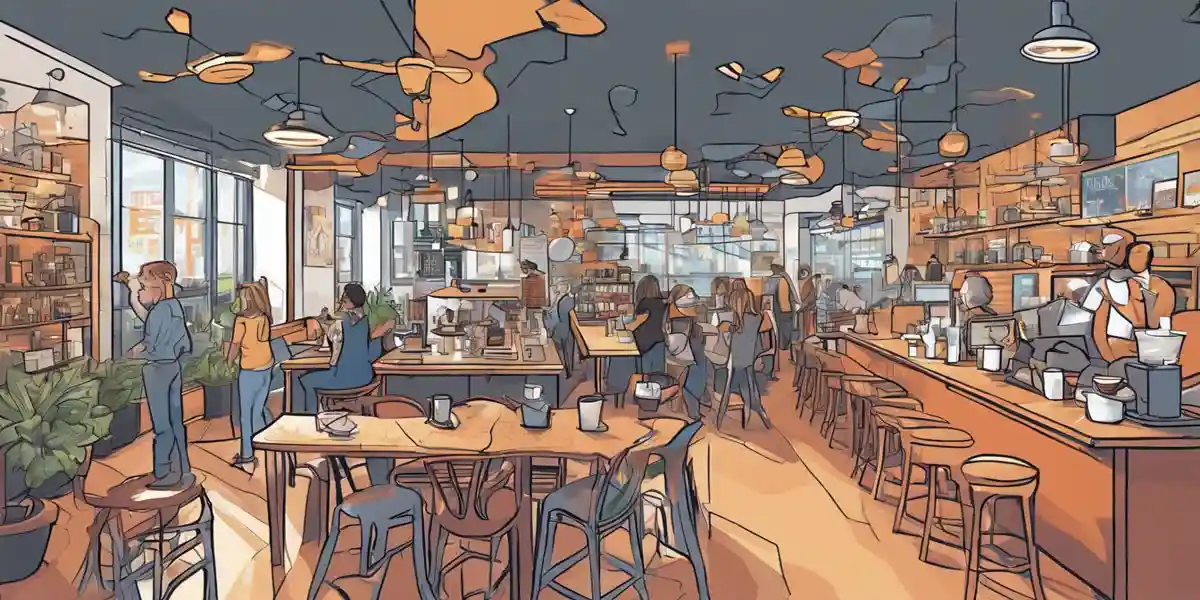
As we explore the intersection of coffee shop culture and Web3 social networking, it's clear that these establishments are more than just places to grab a caffeine fix. They have the potential to become thriving ecosystems where innovation meets community, fueled by the principles of decentralization and blockchain technology.
In a world increasingly dominated by online interactions, coffee shops can reclaim the essence of community. Imagine a coffee shop that seamlessly integrates high-speed, decentralized internet access, creating a welcoming environment for discussions on blockchain, decentralized applications, and NFTs. This space could host not only casual meetups but structured events where industry leaders share insights and experiences. For instance, consider a weekly event led by a blockchain expert, discussing the implications of smart contracts on everyday transactions. Such initiatives not only enrich the patrons' knowledge but also foster meaningful relationships among participants, creating a rich tapestry of collaboration.
The integration of blockchain technology into loyalty programs exemplifies how coffee shops can enhance customer engagement. Traditional loyalty programs often fall short, struggling with issues like point transferability and fairness in rewards. By utilizing blockchain, coffee shops can implement tokenized loyalty systems that offer transparency and accountability. According to recent studies, the blockchain loyalty space is evolving, with 21 active programs identified that utilize tokenization to address these traditional pitfalls.
For example, a coffee shop could introduce a loyalty program where customers earn tokens for every purchase, which can then be redeemed for coffee, pastries, or exclusive access to events. This not only incentivizes repeat visits but also creates a sense of ownership among patrons, as they actively participate in a community that values their contributions. Furthermore, as highlighted in research, the self-determination theory (SDT) suggests that such programs can enhance motivations, such as autonomy and relatedness, ultimately leading to a more engaged customer base.
The limitations of traditional loyalty programs are well-documented, including their lack of transparency and fairness, which can lead to customer dissatisfaction. By adopting a blockchain-based architecture, coffee shops can mitigate these issues. This approach emphasizes ethics and transparency, allowing customers to track their rewards in real-time and understand the mechanics behind point accumulation and redemption.
For instance, a universal loyalty program could allow customers to transfer their earned tokens between different coffee shops or even different types of vendors, providing a seamless experience that enhances customer satisfaction. This not only increases the value of loyalty points but also builds a community of participating businesses that support each other through shared customer bases.
Ultimately, coffee shops can serve as vital nodes in the Web3 landscape, bridging the gap between digital and physical interactions. By providing an environment where patrons can engage with emerging technologies while enjoying their favorite brews, these spaces can foster a culture of innovation. QR codes linking to community forums or event schedules can turn each coffee break into an opportunity for connection and collaboration.
As we envision the future of coffee shops in a blockchain world, the focus must be on creating spaces that not only serve coffee but also serve as catalysts for conversation, learning, and collaboration. The potential is immense—these hubs can redefine how we think about community engagement in the evolving landscape of Web3, empowering individuals to connect, innovate, and shape the future together.
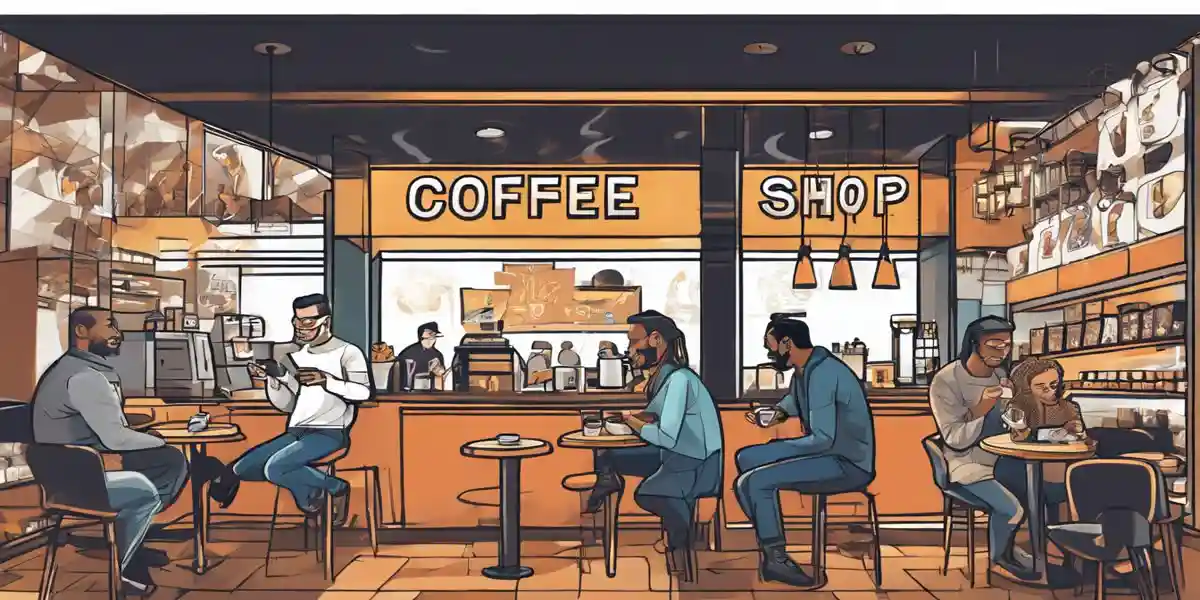
As coffee shops evolve into central hubs for Web3 social networking, the integration of blockchain technology into their loyalty programs presents an exciting opportunity. By leveraging decentralized systems, coffee shops can create loyalty programs that address the traditional shortcomings of customer engagement and reward distribution. Imagine sipping your favorite coffee while knowing that every purchase not only enhances your caffeine experience but also builds your digital wallet with tokens that you can use for future benefits.
Many loyalty programs have struggled to meet their objectives, often failing to motivate customers effectively. According to recent research, the integration of blockchain technology can revolutionize these loyalty structures, as it allows for the tokenization of rewards. For instance, a coffee shop could issue its own digital tokens that customers earn with each purchase. These tokens could then be redeemed not just for coffee, but also for exclusive events or merchandise, fostering a more engaging customer experience.
Take the case of a coffee shop that implements a blockchain-based loyalty solution. Patrons could earn tokens by participating in community discussions, attending workshops, or even collaborating on Web3 projects. This not only incentivizes purchases but also encourages active participation in the shop's community, as tokens can be earned through varied interactions. This dynamic approach aligns with the self-determination theory, which emphasizes the importance of autonomy and relatedness in motivating customer behavior.
Traditional loyalty programs often face significant challenges, such as the inability to transfer loyalty points between different programs and a perceived lack of fairness in reward distribution. Blockchain technology can address these issues effectively. By creating a universal loyalty program on a blockchain network, coffee shops can allow customers to transfer their tokens across different participating vendors. This not only increases transparency but also enhances the overall customer experience, as patrons can use their hard-earned tokens in a variety of settings.
Moreover, the transparency of blockchain can help resolve disputes regarding rewards, providing a clear and accountable mechanism for tracking token transactions. Imagine a scenario where a customer disputes a token redemption; with blockchain's immutable ledger, the resolution process becomes simpler, fostering trust between the business and its patrons.
Several brands have already begun to pilot blockchain-based loyalty initiatives, showcasing the potential of this technology in enhancing customer engagement. For example, Starbucks recently announced plans to develop a blockchain-based loyalty program that allows customers to earn and redeem Starbucks Stars in a more flexible manner. This initiative not only strengthens customer loyalty but also integrates seamlessly into the digital landscape where customers are increasingly engaged.
With the rise of decentralized finance (DeFi) and non-fungible tokens (NFTs), coffee shops can also explore unique reward mechanisms. For example, a limited-edition NFT could be offered as a reward for achieving a specific milestone within the loyalty program, such as attending a certain number of events or making a specified number of purchases. This approach not only enhances the value of the rewards but also aligns perfectly with the ethos of the Web3 community, where uniqueness and digital ownership are highly valued.
Ultimately, the integration of blockchain technology into coffee shop loyalty programs serves a dual purpose: it enhances customer engagement while fostering a sense of community. By creating a space where patrons can earn tokens through active participation and collaboration, coffee shops can facilitate a vibrant social network that thrives on shared interests and innovative ideas. Each cup of coffee becomes a catalyst for connections and collaborations, transforming the coffee shop into a modern agora for the decentralized era.
As we reflect on the intersection of coffee shop culture and Web3 social networking, it's evident that these spaces are evolving beyond mere coffee dispensaries into vibrant community hubs ripe with potential. The exploration of how thoughtful coffee shop design fosters social interactions and facilitates Web3 networking reveals a dynamic landscape where innovation meets connection.
We've seen how the design of a coffee shop can significantly influence social engagement, creating inviting atmospheres that encourage collaboration and creativity. By integrating comfortable seating, technology that supports decentralized interactions, and hosting engaging events, coffee shops can become the modern agorae, where ideas flourish and relationships blossom.
The role of blockchain technology in enhancing customer loyalty programs and social interactions cannot be overstated. By implementing transparent, decentralized systems, coffee shops can build trust among patrons, making each interaction meaningful. The case studies presented demonstrate how pioneering establishments are already reaping the benefits of blockchain, turning everyday coffee moments into opportunities for connection and community building.
As we move forward, consider how you can participate in this brewing revolution. Whether you're a coffee enthusiast, a Web3 advocate, or simply someone who values genuine connection, your engagement can help define the future of these communal spaces. Imagine a world where your favorite coffee shop not only satisfies your caffeine cravings but also serves as a launchpad for innovative ideas and collaborative projects.
In conclusion, the future of coffee shops lies in their ability to embrace technology, foster community, and nurture meaningful connections. So the next time you sip your coffee, think about how each cup can be a step toward building a more connected and collaborative world. Will you take that step?
Get notified about new articles, coffee tips, and Web3 insights.
This site participates in affiliate programs and may earn a commission when a link is clicked and a purchase is made. The site is not responsible for any issues or troubles related to the products or services purchased through the use of this site.

DO&COFFEE loves coffee and technology, exploring the potential of NFTs and blockchain. Learn more →
DO&COFFEE loves coffee and technology, exploring the potential of NFTs and blockchain. Learn more →