art
2024/08/14

In a world increasingly dominated by digital interactions, where our lives are quantified through likes, shares, and tokens of validation, the essence of self-care has evolved into something far more complex and nuanced. What does it mean to prioritize our mental and emotional well-being when our personal value often feels tied to the numbers on a screen? This blog post, "Beyond Tokens: Embracing Self-Care Through Performance Art in a Digital World," seeks to explore this pressing question by delving into the transformative potential of performance art as a medium for self-care.
At the heart of this exploration lies the concept of "Digital Wellness," which encompasses not just our mental health but also our engagement with the digital realm in a way that enriches our lives rather than detracts from them. Imagine stepping into a virtual performance that invites you to disconnect from your devices and reconnect with your senses—a space where guided meditations, movement, and storytelling blend to foster community and presence. Through this lens, performance art emerges as a powerful antidote to the isolating effects of tokenized interactions.
Moreover, as we navigate the landscape of immersive art, we find that these experiences not only challenge outdated perceptions of art but also create lasting connections that transcend mere consumption. While some may view these shifts as mere trends, the deeper philosophical implications—echoing Heidegger's concerns about modern art's mechanization—urge us to consider how these new forms of artistic expression can offer profound, unquantifiable experiences that allow us to reclaim our narratives and prioritize our well-being. Join me as we unpack how performance art might redefine self-care in an increasingly tokenized world.
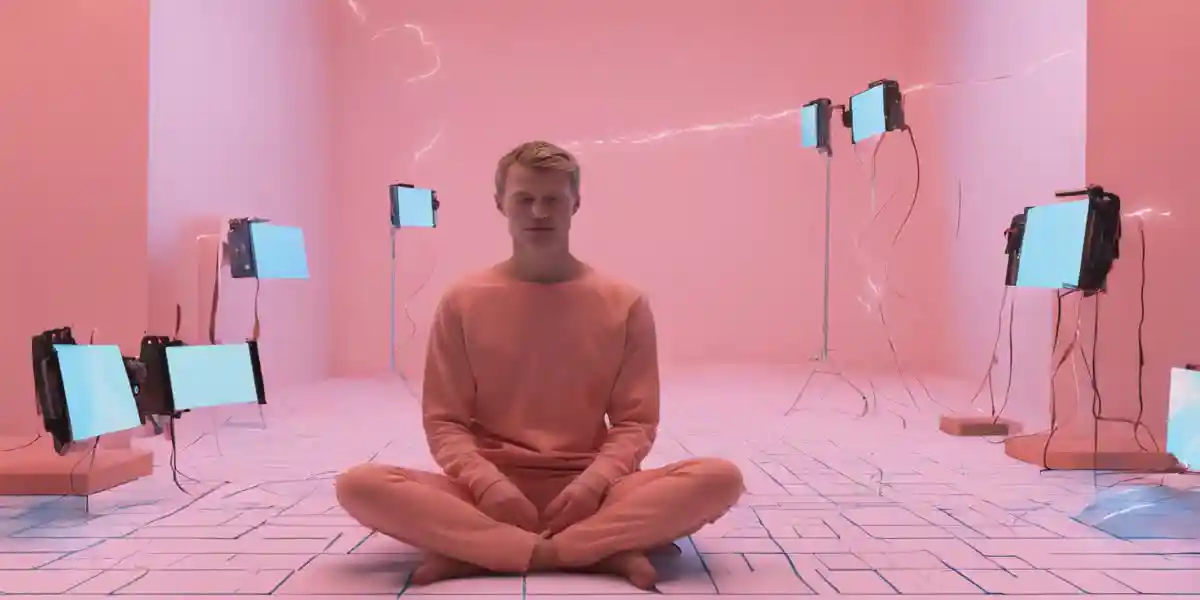
In our increasingly digital world, the lines between our online personas and our real selves often blur, leading to a landscape where our worth feels tied to digital tokens—likes, shares, and even cryptocurrencies. As we navigate this commodification of our lives, the concept of "Digital Wellness" emerges as a vital counterbalance, encompassing not just our mental and emotional health, but our engagement with the digital realm in ways that enrich rather than deplete our well-being.
Imagine stepping into a virtual performance art piece, where the barriers separating the physical and digital dissolve. Artists today are harnessing technology to craft immersive experiences that invite participants to engage collectively, often through live-streamed performances or interactive installations. These artistic expressions serve as a sanctuary, encouraging viewers to disconnect from the incessant notifications and digital distractions that dominate our lives. Instead, they promote a reconnection with our senses and emotions, an opportunity to be fully present.
Consider the recent rise of immersive art experiences like "TeamLab Borderless" in Tokyo, where digital projections create environments that respond to the viewer’s movements. Visitors are not merely spectators; they become active participants in a dynamic artwork that evolves based on their interactions. Such experiences challenge the traditional museum model, fostering deeper personal connections to the art and to one another. By stepping into these immersive worlds, audiences can experience moments of wonder, a stark contrast to the transactional interactions prevalent on social media platforms.
What if we viewed performance art as a form of self-care? In a hyper-digitized landscape where mental health is often compromised by the pressure to perform online, artists can facilitate unique experiences that allow individuals to reclaim their narratives. Guided meditations, movement-based activities, and shared storytelling can provide platforms for personal expression and communal bonding. This is especially vital in a time when isolation is often amplified by the very tools designed to connect us.
Philosophically, the implications of immersive art resonate deeply with the ideas of Martin Heidegger, who critiqued the "machinational" nature of modern art. While he argued that art could become mere experience machines, immersive works can transcend this by evoking genuine emotions and shared vulnerabilities. They offer profound experiences that resist quantification, reminding us that not everything valuable can or should be measured in tokens. By participating in these artistic acts, individuals can prioritize mental health and cultivate a healthier relationship with technology, moving away from the isolating effects of digital interactions.
In our current digital landscape, the concept of tokenization permeates our interactions, influencing everything from social media engagement to the burgeoning world of cryptocurrencies. This section will explore the multi-faceted nature of tokenization, highlighting its potential benefits, drawbacks, and the darker implications it brings to our lives, especially in the context of self-care and performance art.
Tokenization, at its core, can enhance our connections. For instance, social media platforms utilize likes and shares as tokens of engagement, allowing individuals to express approval or support for content. This can foster a sense of belonging and validation, especially for creators and artists. Imagine a performance artist live-streaming their work, where viewers can interact via comments, emojis, or virtual tips—these tokens create a dialogue between the artist and their audience, forming a community even in a digital space.
Moreover, the rise of immersive art experiences exemplifies how tokenization can create deeper personal connections. As discussed in the recent articles, immersive artworks invite audiences to participate actively rather than passively consuming content. This shift from viewing to engaging transforms the experience into something memorable and impactful. For example, the "TeamLab Borderless" exhibition in Tokyo uses digital technology to create interactive installations where visitors can become part of the artwork. Here, tokenization transcends mere likes; it becomes about shared experiences that evoke emotions and wonder.
However, with the good comes the bad. Tokenization can lead to the commodification of human experiences, reducing our interactions to mere transactions. This phenomenon is particularly evident in social media, where the pursuit of likes can overshadow genuine connections. Individuals may find themselves curating their lives to optimize for engagement rather than authenticity, leading to a superficial existence defined by digital validation.
Consider how performance art, traditionally a medium for emotional expression and vulnerability, can become tainted by this transactional approach. Artists might feel compelled to cater to audience preferences based on trends rather than personal truths, compromising the integrity of their work. This shift can lead to a disconnection between the artist's intention and the audience's experience, ultimately detracting from the potential for personal growth and self-care that such art can provide.
Perhaps the most concerning aspect of tokenization is the isolation it can breed. In a world where interactions are quantified by numbers, genuine human connection can become scarce. The notion of "Digital Wellness" emerges as a response to this reality, emphasizing the need for balance in our digital engagements. The immersive art experiences highlighted in academic discussions challenge this isolation by inviting viewers to engage with art meaningfully, yet the underlying tension remains.
As Heidegger posited, modern art often transforms into "experience machines," focusing on calculative lived experiences. This mechanization can strip the joy and wonder from art, reducing it to mere data points rather than profound, unquantifiable experiences. Performance art, in counter to this trend, offers a way to reclaim our narratives and foster community. By participating in live performances or interactive installations, individuals can reconnect with their senses and emotions, stepping away from the isolating effects of tokenization.
In essence, the good, the bad, and the ugly aspects of tokenization shape our current landscape, particularly in the realm of self-care and performance art. As we navigate these complexities, we must seek out opportunities to engage meaningfully, prioritizing authentic experiences over mere transactions.
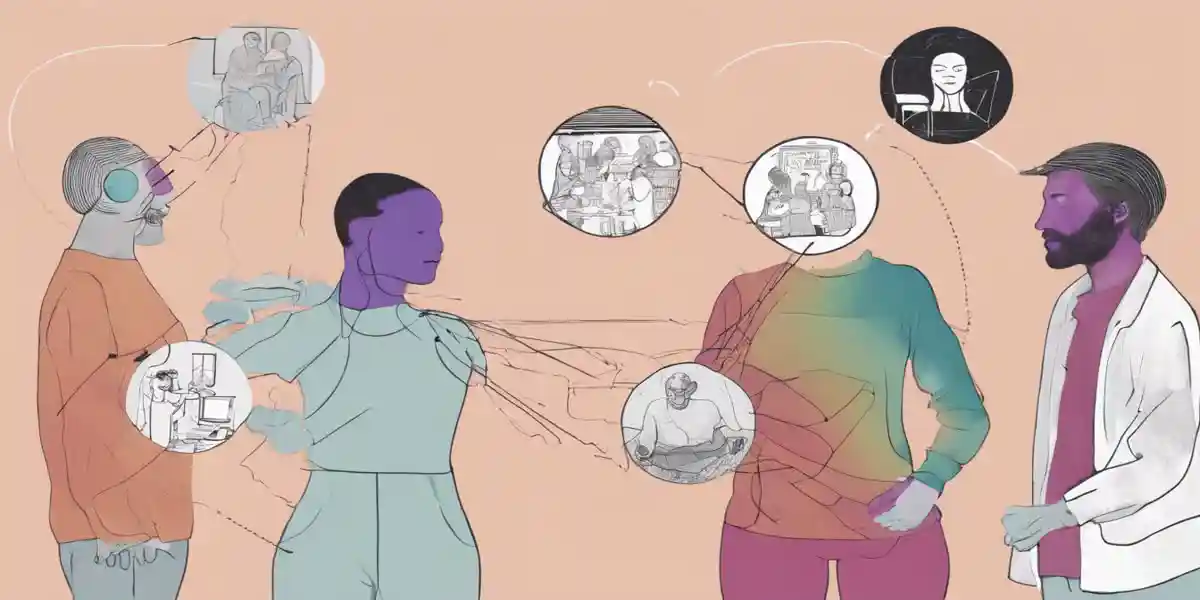
In the context of digital wellness, performance art emerges as a compelling avenue for self-care, offering a sanctuary where individuals can reconnect with their emotions and experiences in a world often dominated by metrics and tokens. The following exploration highlights how performance art transcends traditional boundaries, inviting participants into immersive experiences that promote mental and emotional well-being.
Imagine participating in a virtual performance art piece that actively involves you in a community experience. Such events can range from live-streamed dance performances to interactive installations that encourage viewers to engage with the artwork and each other. For instance, the renowned performance artist Marina Abramović has engaged audiences in pieces like "The Artist is Present," where participants were invited to sit across from her in silence, leading to profound moments of connection and reflection. This type of engagement challenges the often passive experience of consuming art, transforming viewers into active participants who can reflect on their personal narratives.
As outlined in contemporary discussions surrounding immersive artworks, these experiences utilize innovative technologies to create environments that resonate on a deeper emotional level. By merging digital platforms with performance art, artists can dismantle the barriers between the physical and digital realms. For example, installations like "TeamLab Borderless" in Tokyo invite participants to step into a vast, interactive digital landscape where their movements influence the artwork around them. This not only fosters a sense of presence but also encourages participants to disconnect from their devices and engage with their immediate surroundings, leading to a rejuvenating self-care experience.
Performance art serves as a powerful medium for individuals to reclaim their personal narratives. In a digital world where experiences are often quantified and commodified, participating in performance art can allow for a moment of self-reflection and introspection. Consider the work of artist Tania Bruguera, who employs performance art as a means of social change, inviting audiences to confront uncomfortable truths about society and themselves. Such engagements help individuals prioritize their mental health and forge healthier relationships with technology by fostering an environment of vulnerability and shared experience.
In a hyper-digitized landscape, where social media interactions can feel transactional—reduced to likes, shares, and followers—performance art offers a refreshing counterbalance. By emphasizing the importance of shared human experiences, performance art challenges the superficial nature of digital interactions and encourages deeper personal connections. As supported by philosophical perspectives, such as those of Martin Heidegger, immersive art can transcend "calculative thinking," leading to moments of wonder and introspection that are often lost in our daily lives. This re-engagement with authenticity can inspire a transformative shift in how we perceive our interactions, both online and offline.
Real-world applications of performance art as a self-care medium are increasingly prevalent. Events like "The Longest Day of Play," where participants engage in various forms of creative expression, highlight the therapeutic potential of collaborative art-making. Similarly, workshops that combine movement, meditation, and storytelling can serve as restorative experiences, fostering mindfulness and community. Through such initiatives, performance art not only entertains but also cultivates a nurturing space for emotional well-being in our complex digital lives.
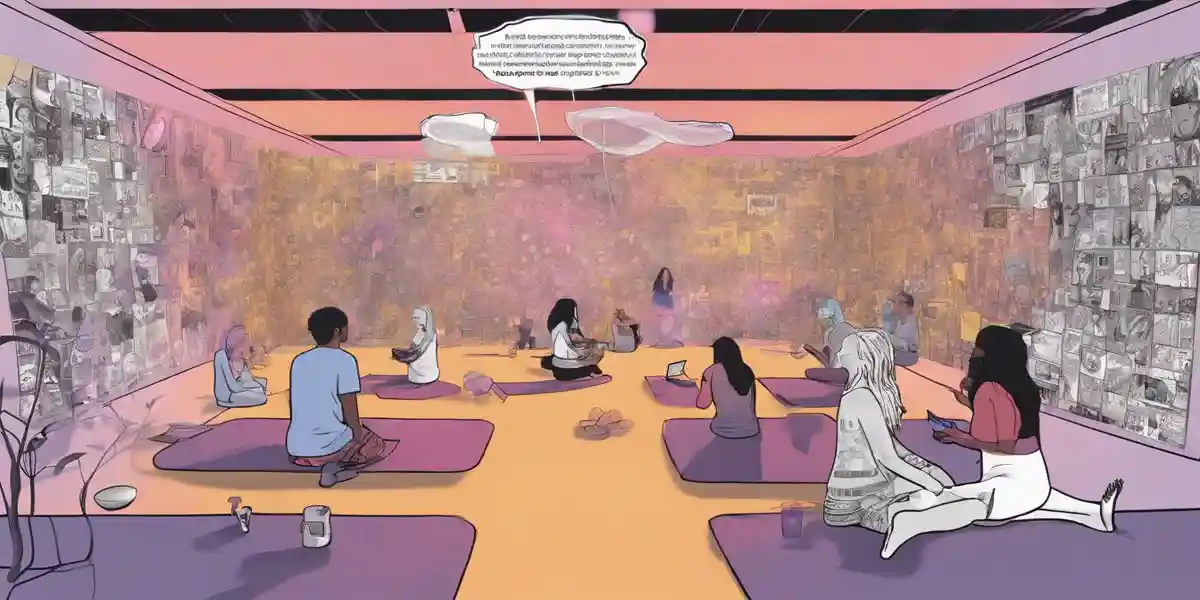
In our increasingly tokenized lives, where interactions are quantified and commodified through likes, shares, and cryptocurrencies, the concept of self-care has evolved into a multi-faceted practice that demands our attention. As we navigate this complex digital landscape, the integration of performance art into our self-care routines presents a transformative approach to enhancing our mental and emotional well-being.
Digital tokens have reshaped how we perceive value and connection in our lives. Social media platforms have created environments where validation is measured in likes and shares, often leading to feelings of inadequacy and isolation. This commodification of self-worth can detract from genuine self-care practices. In this context, "Digital Wellness" emerges as a necessary framework that not only addresses mental health but also encourages a healthier interaction with technology. The challenge lies in navigating these digital waters while prioritizing our well-being and personal connections.
Imagine a virtual performance art event designed to offer a reprieve from the transactional nature of our digital interactions. Through live-streamed performances or interactive installations, artists can create immersive experiences that encourage participants to unplug from their devices and engage with their emotions and senses. For instance, consider an online workshop led by a performance artist who guides participants through movement-based activities combined with mindfulness practices. Such an experience not only cultivates a sense of community but also invites individuals to reclaim their narratives in a space that feels safe and supportive.
The rise of immersive art experiences, bolstered by innovative technologies, plays a pivotal role in redefining self-care in our tokenized world. As highlighted in recent studies, these experiences engage diverse audiences and challenge outdated definitions of art. They transform traditional spectators into active participants, fostering deeper personal connections. For example, installations like the TeamLab Borderless in Tokyo enable visitors to walk through a digital landscape that reacts to their movements, creating a profound interaction with art that transcends mere observation.
Diving deeper into the implications of immersive art, we can draw on Heidegger's critiques of modern art as "machinational," where experiences become merely calculative. However, immersive art offers a counter-narrative—it can evoke wonder and awe, pushing beyond the confines of quantifiable experiences. By embracing this philosophy, we can harness performance art as a powerful tool for self-care, encouraging moments of reflection and personal growth that stand in stark contrast to the isolating effects of digital tokenization.
Ultimately, the integration of performance art into our self-care routines can serve as a sanctuary for self-reflection and emotional connection. By participating in these artistic expressions, individuals can reclaim their narratives and prioritize their mental health. This shift towards a more mindful existence, where we engage with art and community, allows us to forge authentic connections that enrich our lives beyond the superficial metrics of the digital age. In doing so, we can redefine self-care as an essential practice that nurtures our sense of self and fosters a healthier relationship with technology.
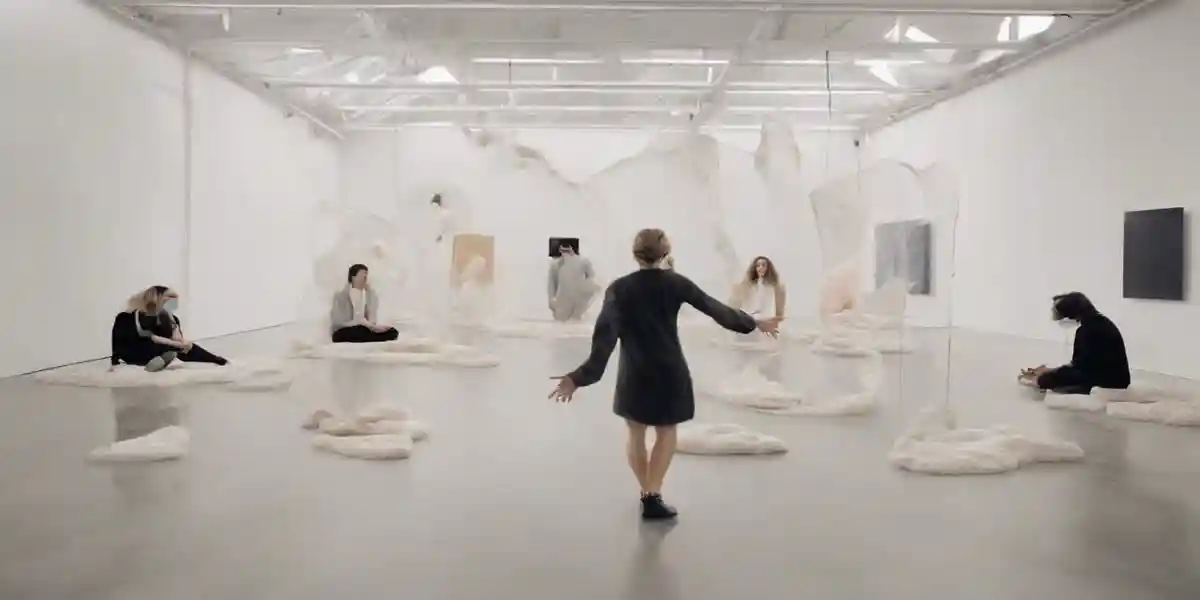
In today's digital landscape, where every interaction can feel transactional, performance art emerges as a poignant antidote. It invites us to step beyond the incessant scroll of social media and the relentless ping of notifications. By prioritizing human connection over digital tokens, performance art fosters a unique space for self-care and emotional rejuvenation.
Imagine logging into a virtual space where the lines between reality and digital experience blur, creating an environment ripe for self-exploration. One compelling example is the work of artists like Marina Abramović, who has experimented with immersive performance art that encourages spectators to become participants. In her piece "The Artist Is Present," she sat silently at a table in the Museum of Modern Art, inviting visitors to sit across from her. This simple act transformed the experience from mere observation to profound engagement, fostering a connection that transcends the digital divide.
Similarly, contemporary platforms like "The Infinite House" have utilized technology to create virtual environments that promote collective mindfulness. These performances not only allow for individual introspection but also encourage shared experiences, such as guided meditations or interactive storytelling sessions, helping participants reconnect with their emotions and each other. These immersive artworks, enhanced by innovative technologies, challenge the traditional museum setting and offer a refreshing alternative that speaks to the heart of digital wellness.
Delving deeper into the philosophical implications, we can draw from Martin Heidegger's critique of modern art's "machinational" nature. He argued that contemporary art often reduces experiences to mere calculations, stripping them of their emotional richness. However, immersive performance art can counteract this by offering participants experiences that evoke wonder, pushing them beyond mere consumption of content. This shift from passive to active engagement allows individuals to reclaim their narratives and foster a deeper connection with themselves and their surroundings.
For instance, consider the immersive installation "TeamLab Borderless," where digital art combines with interactive technology to create a living, breathing environment. Participants can touch, move, and interact with the artwork, turning the act of viewing into a collaborative dance. This not only provides a sensory experience but also encourages participants to reflect on their relationship with art and technology, fostering emotional and mental well-being in the process.
As we navigate a world increasingly dominated by digital tokens—likes, shares, and cryptocurrency—performance art serves as a crucial reminder of our shared vulnerabilities. In a society where interactions are often reduced to quantifiable metrics, these artistic expressions challenge the status quo. They foster a sense of community and presence that is often lost in our tokenized interactions.
Participating in a performance art piece allows individuals to step outside the confines of their digital personas, fostering authenticity and connection. For example, community-based performances like "The People's Choice" invite participants to share their stories, creating a tapestry of lived experiences that highlight our common humanity. In doing so, they encourage a shift away from isolation and toward a more mindful and connected existence.
In this way, performance art emerges not just as an artistic medium but as a vital tool for self-care, allowing us to engage with our emotions and those of others in a meaningful way. It challenges the transactional nature of our digital lives, offering a sanctuary for self-reflection and personal growth that is increasingly necessary in our fast-paced world.
As we conclude our exploration of self-care in a digital landscape increasingly shaped by tokenization, it's clear that our understanding of well-being must evolve. We are living in an era where digital interactions, often quantified by likes and shares, can overshadow the deeper, more meaningful connections that are essential for our mental and emotional health. Throughout this discussion, we have examined how performance art serves as a vital counterbalance to the commodification of human experiences, inviting us to engage with art in ways that foster genuine connection and self-reflection.
We’ve seen how performance art transcends traditional boundaries, creating immersive environments that encourage active participation rather than passive consumption. By allowing individuals to reclaim their narratives and engage in shared human experiences, performance art offers a sanctuary for self-care amidst the chaos of our digital lives. These artistic expressions not only challenge the superficial nature of digital interactions but also remind us of the importance of authenticity in our connections.
As we reflect on the implications of our discussions, it's vital to recognize that the integration of performance art into our self-care routines can empower us to foster healthier relationships with technology. By participating in these artistic experiences, we can cultivate a space for emotional healing and community, breaking free from the isolating effects of tokenization. This is not merely about stepping back from the digital world but rather about engaging with it in a way that enriches our lives and nurtures our well-being.
So, what can you do next? Consider seeking out immersive performance art experiences—whether online or in person—that challenge your perceptions and invite you to engage with your emotions. Reflect on how you can incorporate moments of artistic expression into your self-care routine, and encourage those around you to do the same. Let's redefine self-care not as a solitary act but as a communal journey toward authenticity, connection, and emotional resilience. In this ever-evolving digital landscape, let us embrace performance art as a powerful tool for self-discovery and well-being.
Get notified about new articles, coffee tips, and Web3 insights.
This site participates in affiliate programs and may earn a commission when a link is clicked and a purchase is made. The site is not responsible for any issues or troubles related to the products or services purchased through the use of this site.

DO&COFFEE loves coffee and technology, exploring the potential of NFTs and blockchain. Learn more →
DO&COFFEE loves coffee and technology, exploring the potential of NFTs and blockchain. Learn more →