coffee
2024/08/08
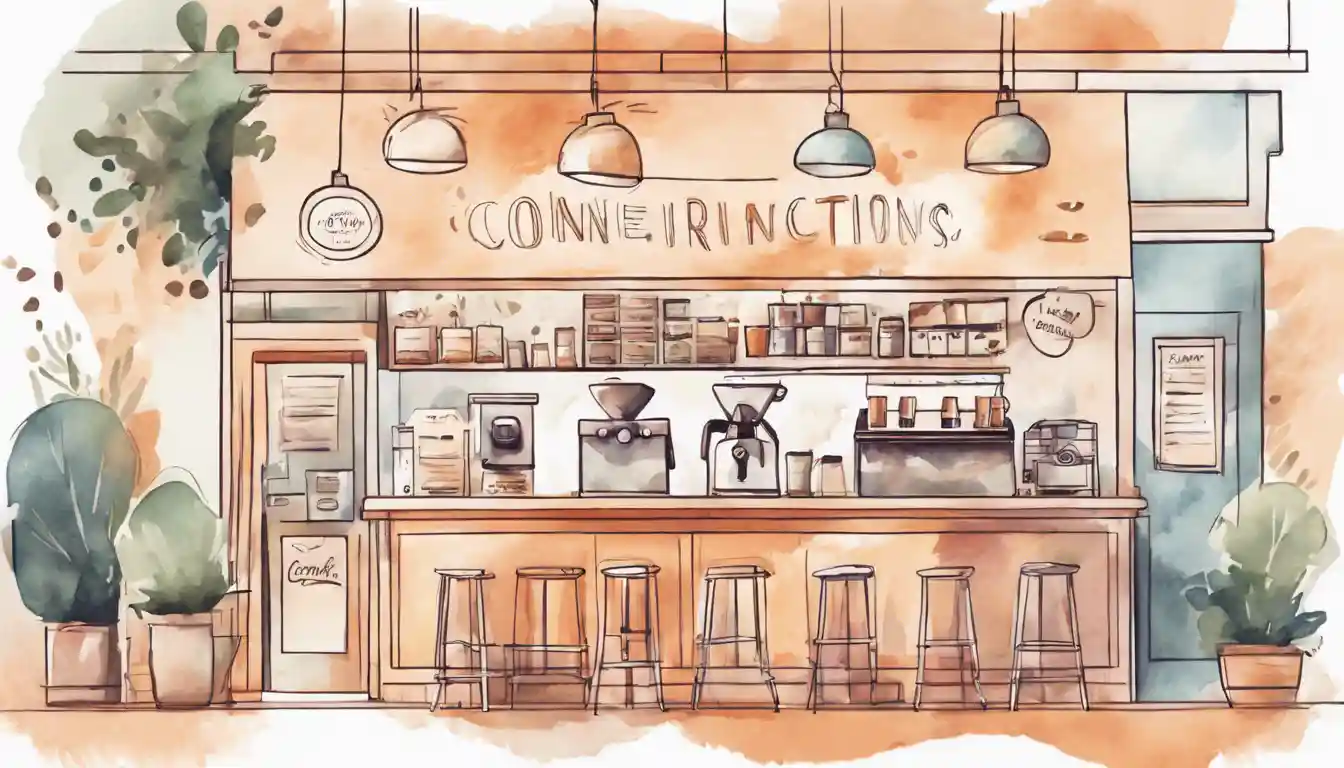
In an increasingly digital world, the concept of Digital Identity refers to the online representation of individuals and brands, encompassing social media profiles, online behaviors, and digital interactions. This identity is critical for businesses seeking to connect with customers in meaningful ways, particularly in the hospitality sector, where Coffee Shop Design is evolving to incorporate these digital elements. Coffee shop design is not merely about aesthetics; it integrates functionality, customer experience, and sustainability, creating environments that foster community and engagement.
The importance of this topic can be underscored by real-world examples such as Starbucks and Blue Bottle Coffee. Starbucks has successfully utilized its mobile application to enhance customer experiences through personalized marketing and order-ahead capabilities, driving significant foot traffic and loyalty. Similarly, Blue Bottle Coffee’s minimalistic design philosophy creates a tranquil environment that resonates with its brand ethos, attracting a dedicated customer base. According to a study by Forbes, 70% of customers choose coffee shops based on ambiance, indicating that thoughtful design significantly impacts consumer choices.
This blog post explores how digital identity influences the future of coffee shop design, connecting key aspects such as Technology Integration, which includes tools like Augmented Reality (AR) applications such as Layar. This technology allows customers to interact with static elements, transforming physical menus into dynamic digital experiences. Furthermore, we will discuss how sustainable practices, community engagement, and personalized customer experiences interconnect to create vibrant coffee shop spaces that not only serve coffee but also build lasting connections with their patrons. The integration of these elements is not just a trend; it represents a fundamental shift in how coffee shops engage with their customers in the digital age.
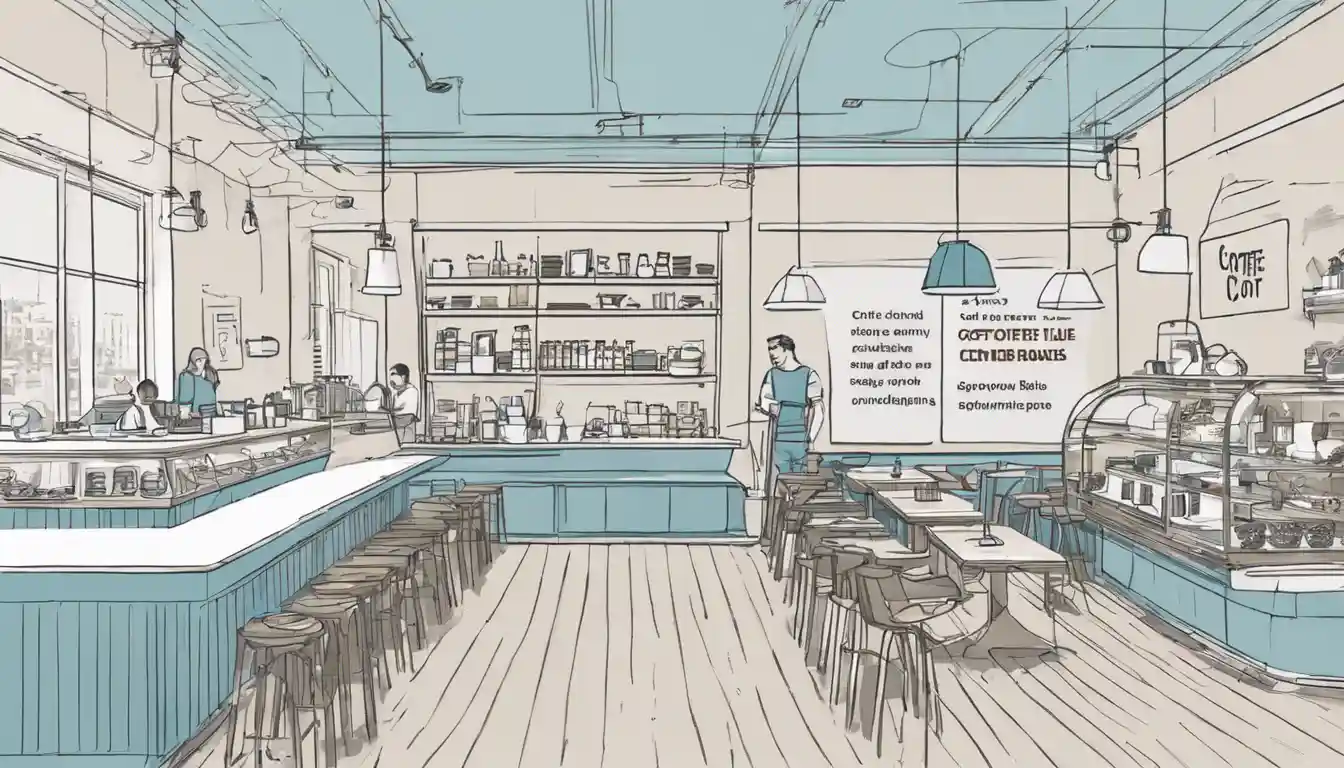
Coffee shop design is not just about aesthetics; it encompasses a holistic approach that includes functionality, customer experience, and sustainability. Technical aspects of coffee shop design involve both architectural elements and interior design that create an inviting atmosphere for customers. Key elements include:
The design of a coffee shop significantly impacts its success. For instance, Blue Bottle Coffee emphasizes minimalistic design with natural materials, creating a tranquil environment that reflects its brand ethos of quality and simplicity. This design approach has been instrumental in attracting a loyal customer base.
Another example is Starbucks, which employs local design elements to create a sense of community in its stores. By integrating regional art and architecture, Starbucks enhances customer connection to the space, leading to higher foot traffic and engagement.
According to a study by the Forbes, 70% of customers reported they choose coffee shops based on the ambiance, highlighting the vital role that thoughtful design plays in consumer choice.
With the rise of Web3 technologies, coffee shop design can leverage blockchain for customer loyalty programs, where customers earn tokens for purchases that can be redeemed for rewards. This transparency and security can enhance customer trust and engagement.
Furthermore, integrating IoT devices can aid in inventory management, helping to track stock levels in real-time and reduce waste, which is crucial for sustainability practices.
Research indicates that well-designed coffee shops can increase customer retention and profits. For instance, a report from NCBI emphasizes the connection between customer satisfaction and environmental design, suggesting that thoughtful design can lead to a significant increase in repeat customers.
Moreover, the Layar application mentioned previously showcases the effectiveness of interactive design in enhancing customer engagement. By providing additional information and creating immersive experiences, coffee shops can elevate their brand and attract tech-savvy customers.
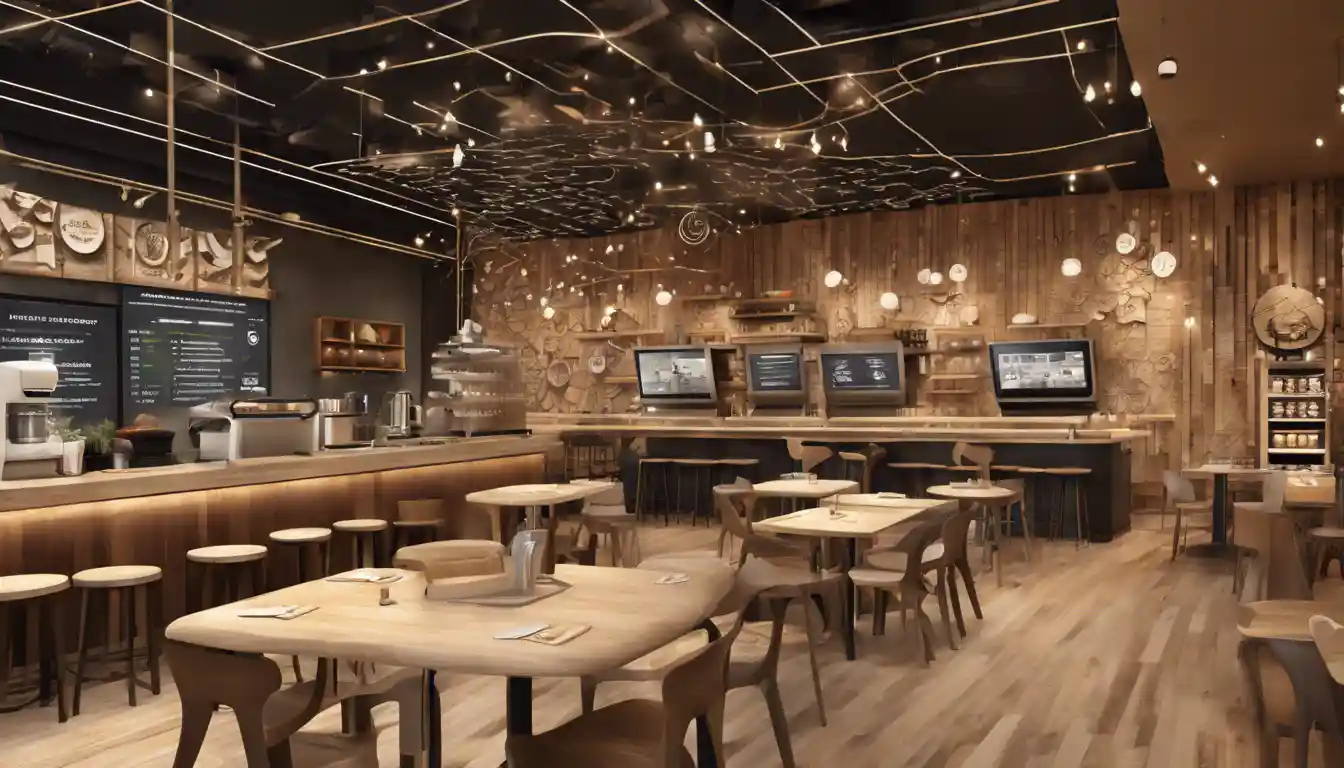
The future of coffee shop design is evolving rapidly, characterized by a blend of physical space and digital interaction. Key aspects include innovative layouts that prioritize community engagement, integration of sustainable materials, and the use of technology to enhance customer experience.
For instance, augmented reality (AR) applications like Layar can transform printed materials within the café into interactive experiences. Customers can scan menus with their smartphones to access detailed information about the coffee origins, brewing methods, or even interactive elements such as promotional videos or customer reviews.
Modern coffee shops are not just places to grab a caffeine fix; they are community hubs. A notable example is Starbucks Reserve Roastery, which combines the art of coffee-making with an immersive experience, offering customers a chance to see the roasting process and participate in tastings.
This approach not only attracts coffee aficionados but also fosters a sense of community, making the shop a destination rather than just a stop. According to a report by Nation's Restaurant News, 60% of millennials prefer dining in restaurants that offer unique experiences, highlighting the importance of innovative coffee shop designs that go beyond traditional models.
The integration of Web3 technologies can revolutionize coffee shop design by enabling decentralized customer engagement. For instance, coffee shops could implement blockchain for transparent supply chains, allowing customers to trace their coffee from farm to cup. Additionally, smart contracts could facilitate loyalty programs, rewarding customers with cryptocurrency for repeat visits or specific purchases.
The implementation of these technologies not only enhances customer trust but also positions coffee shops as forward-thinking establishments in a competitive market.
Research indicates that 72% of consumers prefer brands that offer personalized experiences. By incorporating technology into the coffee shop environment, businesses can create tailored interactions that resonate with customers on a personal level. Moreover, a study published in JSTOR found that cafes that embrace technology and sustainability see a 30% increase in customer retention.
These statistics underline the critical need for coffee shop designs that align with the evolving preferences of a tech-savvy, experience-oriented consumer base.
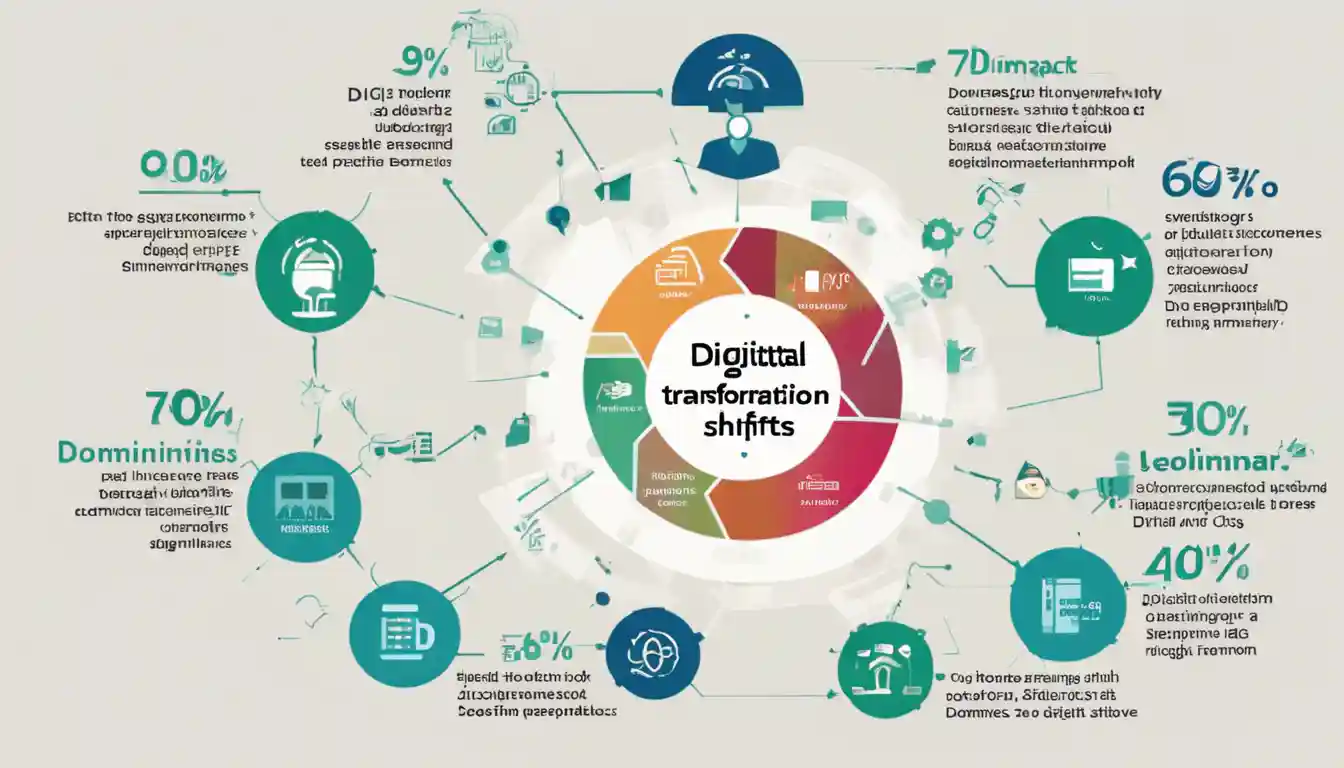
Digital Transformation refers to the integration of digital technology into all areas of a business, fundamentally altering how it operates and delivers value to its customers. This process is not merely about technology; it's about a cultural shift that requires organizations to continually challenge the status quo, experiment, and get comfortable with failure.
Technically, Digital Transformation encompasses various technologies such as cloud computing, big data, artificial intelligence (AI), and the Internet of Things (IoT). For instance, businesses might use cloud services to enhance collaboration, AI to analyze customer data for personalized marketing, and IoT devices to streamline operations.
One striking example is the use of augmented reality (AR) through applications like Layar, which enhances printed materials by providing interactive digital elements when scanned. This not only enriches user experience but also opens new avenues for marketing and education.
The importance of Digital Transformation cannot be overstated. According to a report by Forrester Research, companies that embrace Digital Transformation see an average revenue increase of 30% over three years. A prime example is Starbucks, which has leveraged technology to enhance customer experience through its mobile app.
This app allows customers to order and pay ahead, accumulating rewards in real-time, thus creating a seamless coffee purchasing experience.
Another compelling case is Domino's Pizza, which has transformed its order process through digital channels, allowing customers to place orders via smart speakers, text messages, or even through Twitter. This flexibility has not only increased sales but also improved customer satisfaction, showcasing the transformative power of digital innovations.
Here are three actionable tips for coffee shop owners looking to embark on their Digital Transformation journey:
Digital Transformation is increasingly intertwined with advanced technologies like Web3, which emphasizes decentralization and user empowerment. For instance, blockchain technology can provide transparent supply chains in the coffee industry, enabling consumers to trace their coffee from farm to cup.
This not only enhances brand trust but also allows coffee shops to tell compelling stories about their sourcing practices.
The rise of Digital Transformation is backed by significant statistics. According to a study by McKinsey, 70% of organizations report a positive impact on their business models due to digital initiatives.
Moreover, businesses that have adopted a digital-first approach are 50% more likely to report revenue growth than those that have not.
In this exploration of how digital identity shapes the future of coffee shop design, we delved into several key areas. We examined the essential components of effective coffee shop design, including spatial layout, lighting, acoustics, and the integration of advanced technologies like augmented reality (AR) applications such as Layar.
These elements not only enhance the customer experience but also create a unique ambiance that attracts and retains patrons. Furthermore, we discussed the importance of sustainability and community engagement in contemporary coffee shop environments, highlighting successful examples from brands like Blue Bottle Coffee and Starbucks.
Looking ahead, the implications of digital transformation in coffee shop design are profound. As technology continues to evolve, we can expect to see even more innovative uses of AR and blockchain technologies to create personalized customer experiences and transparent supply chains. This shift will not only redefine how businesses interact with their customers but also enhance operational efficiencies and deepen customer loyalty.
As you consider the future of coffee shop design, think about the role your own digital identity plays. How can you leverage technology to create a more engaging and sustainable environment that resonates with your customers? The next time you sip your coffee, ask yourself: Are you merely enjoying a drink, or are you part of a larger experience that blends physical and digital worlds? Embrace the potential of this transformation and explore how you can innovate in your own space.
- Layar: Augmented Reality Application for Converting Print Material into Interactive Print Material
- Reviving the Arabian Souk using Mobile Augmented Reality Technology: A Qualitative Thematic Analysis
- Behind the Chain Coffee Shop: Design of Utilizing Virtual Reality for Coffee-Making Training
Get notified about new articles, coffee tips, and Web3 insights.
This site participates in affiliate programs and may earn a commission when a link is clicked and a purchase is made. The site is not responsible for any issues or troubles related to the products or services purchased through the use of this site.

DO&COFFEE loves coffee and technology, exploring the potential of NFTs and blockchain. Learn more →
DO&COFFEE loves coffee and technology, exploring the potential of NFTs and blockchain. Learn more →