art
2024/08/08
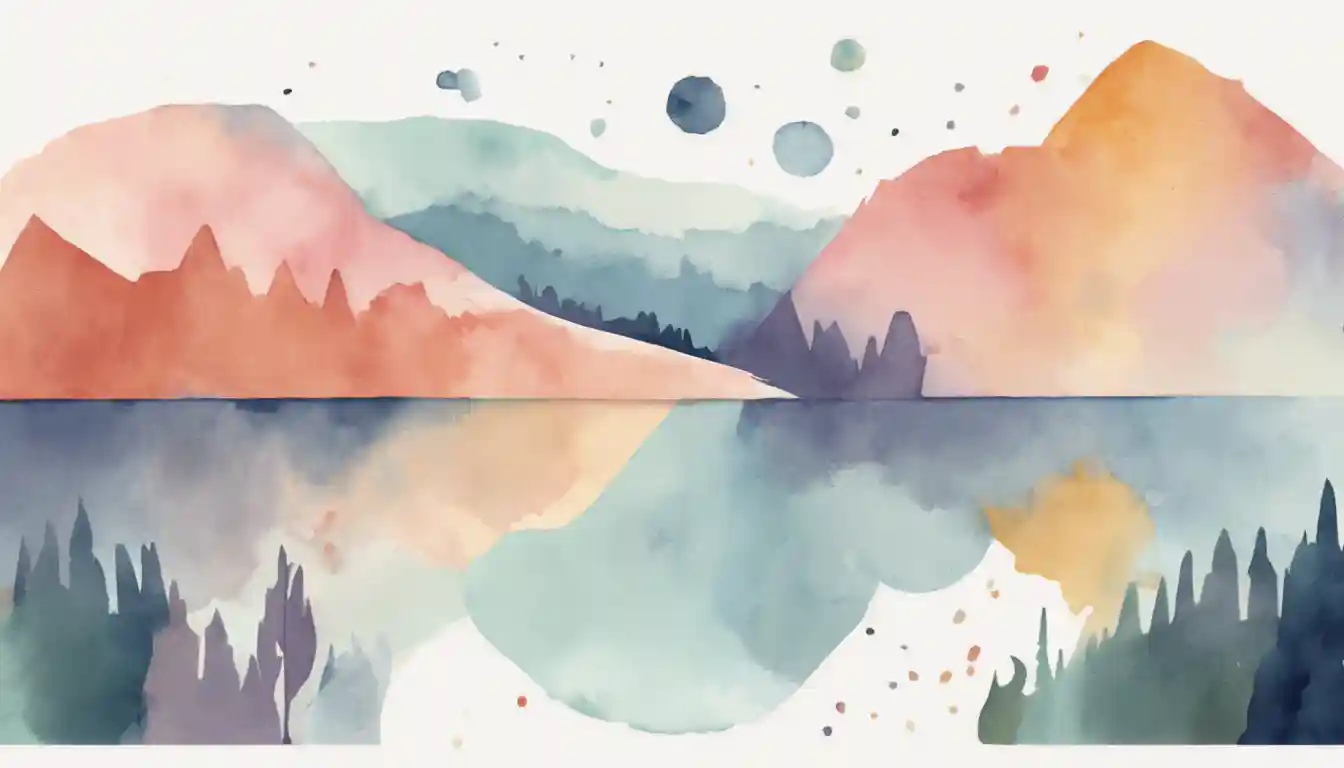
The term Artistic Adventure encapsulates a growing movement among contemporary artists to create and showcase their work beyond traditional studio environments, immersing themselves in the natural landscape.
This approach not only revitalizes the creative process but also engages the audience in profound ways, inviting them to experience art in situ. By taking their craft outdoors, artists redefine the boundaries of their practice, often employing mediums like land art, installation art, and performance art that utilize the environment as both canvas and subject.
The importance of this topic is underscored by real-world examples like the Aula Verde Aniene project in Rome, which integrates ecology and art to create urban green spaces that foster community engagement and environmental awareness. Through participatory art events and citizen science initiatives, this project exemplifies how contemporary artists can act as catalysts for social change, enhancing public consciousness about ecological issues.
Furthermore, studies indicate that engaging with nature through artistic endeavors can contribute to improved mental health and well-being, demonstrating the therapeutic benefits of art in the natural world.
The subsequent sections will explore key interconnected themes: the role of contemporary artists in environmental advocacy, the innovative use of technology in outdoor art, and actionable steps for individuals to engage with art in nature. These threads weave together to illustrate a comprehensive narrative about the transformative power of art as a force for change, both personally and collectively.
Supporting this exploration, research indicates that outdoor learning environments significantly enhance the formation of STEAM (Science, Technology, Engineering, Arts, and Mathematics) concepts in early childhood education. This highlights the broader implications of artistic adventures in cultivating awareness and understanding of ecological systems among future generations.
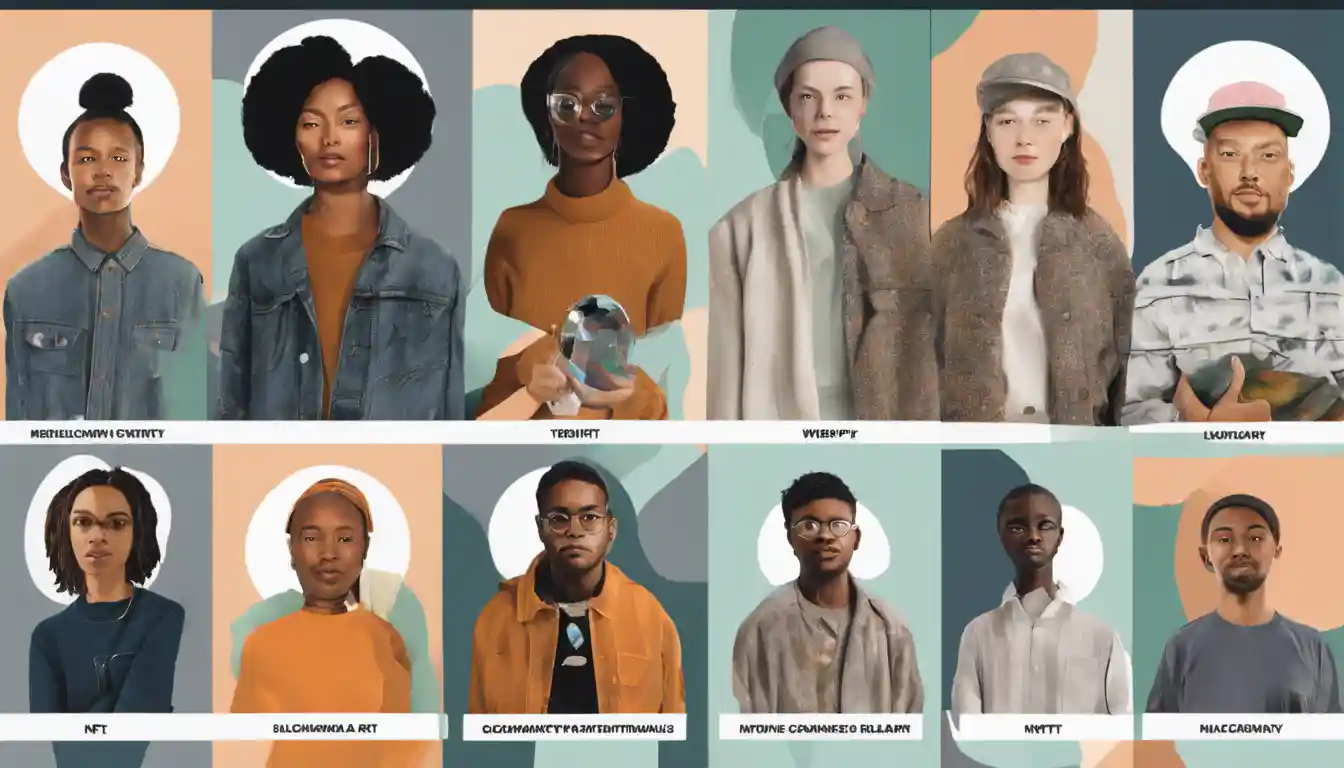
Contemporary artists are those whose work reflects the current trends, themes, and technologies of the modern era. This can include a diverse range of mediums such as painting, sculpture, installation, video art, and digital creations.
Artists today often use innovative techniques, integrating traditional methods with new technologies like augmented reality (AR), virtual reality (VR), and blockchain. For instance, many contemporary artists are exploring Web3 technologies to create digital art that can be bought, sold, and traded as NFTs (Non-Fungible Tokens), enabling a new economic model for art ownership.
The significance of contemporary artists extends beyond aesthetic appeal; they act as a mirror to society, reflecting cultural shifts and encouraging dialogue on pressing issues. For example, the project Aula Verde Aniene in Rome merges ecological concepts with art, demonstrating how urban parks can serve as vibrant community spaces while promoting environmental awareness. Artists create immersive experiences that engage the public, foster community participation, and elevate ecological consciousness, as evidenced by participatory art events and citizen science projects embedded within this initiative.
With the rise of Web3, contemporary artists can leverage blockchain technology to establish provenance and authenticity for their works. This not only protects artists' rights but also allows collectors to invest in digital art securely. For instance, machine learning algorithms are being used to analyze patterns in art creation, enabling artists to innovate further. According to a study, the integration of tech in art can enhance the learning environment for children, promoting STEAM (Science, Technology, Engineering, Arts, and Mathematics) concepts, which is crucial for fostering creative thinking in future generations.
The importance of integrating art with environmental consciousness is highlighted in the Aula Verde Aniene project, which evaluates ecosystem services using tools like i-Tree Eco software. This demonstrates an effective blend of art, ecology, and community engagement (Source: Project Summary).
Furthermore, research indicates that outdoor learning environments significantly enhance STEAM concept formation in early childhood, emphasizing the critical role of nature-based art in education (Source: Scoping Review). These examples underscore the transformative power of contemporary artists in addressing contemporary challenges.
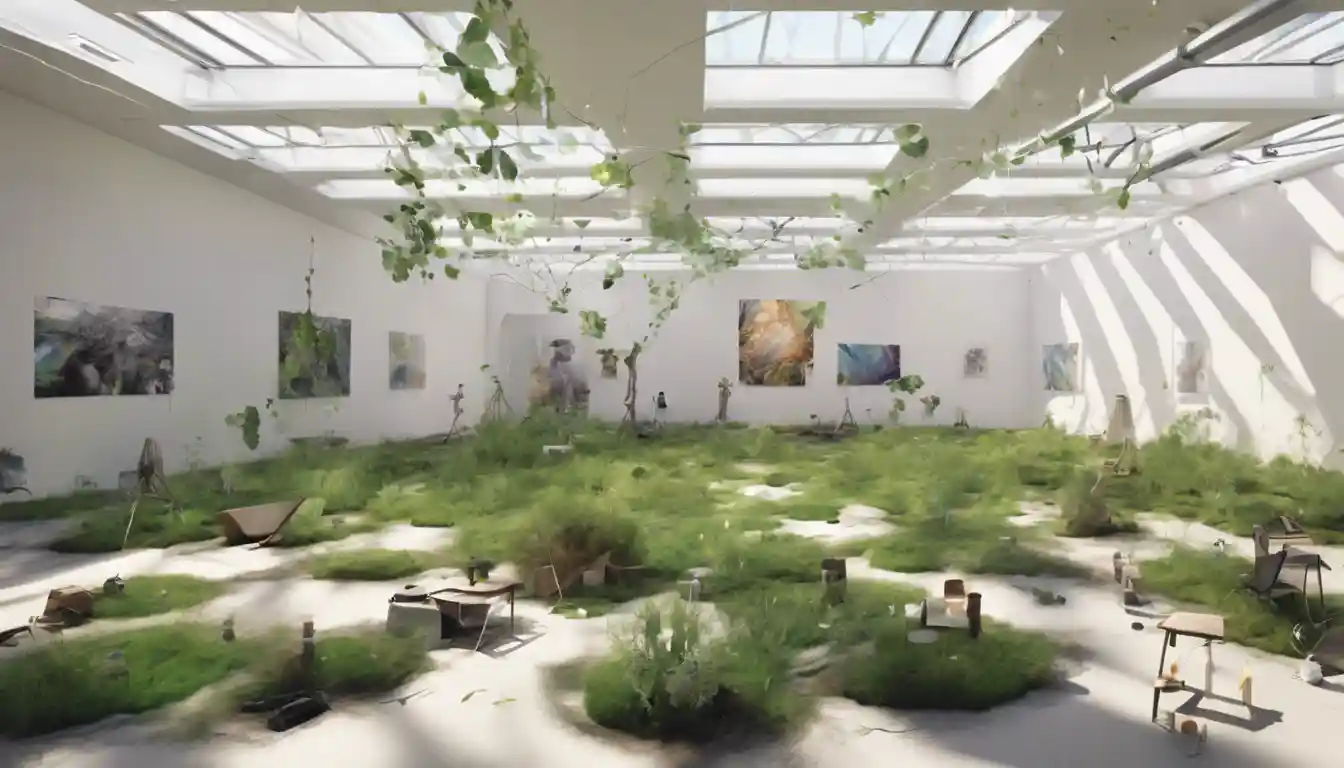
Artistic Adventure refers to the innovative practice of artists taking their work beyond traditional studio settings and into the natural world. This involves not only the act of creating art outdoors but also engaging with the surrounding environment in a manner that fosters a deeper connection between art and nature.
Technically, this can include various mediums such as installation art, land art, and performance art that utilize the landscape as a canvas or stage. Artists may also employ technology, like augmented reality (AR) or digital tools, to enhance their outdoor creations, allowing for interactive experiences that invite participation from the audience.
The importance of Artistic Adventure lies in its capacity to raise environmental awareness and inspire collective action. A notable example is the Aula Verde Aniene project in Rome, which integrates ecology with art by transforming urban parks into interactive spaces that educate the public about ecological preservation.
This initiative encourages community participation through art events and citizen science, effectively bridging the gap between art and environmental activism.
Additionally, studies have shown that engaging with nature through artistic practices can lead to improved mental health and well-being. A research piece highlights how nature-based art experiences can provide emotional healing and deepen individuals' connections to their environment, reinforcing the value of these artistic adventures in our increasingly urbanized lives.
Here are three actionable tips for readers interested in pursuing their own Artistic Adventures: Explore Local Nature: Visit parks, forests, or even your backyard to gather inspiration. Bring along sketchbooks or cameras to capture your surroundings and translate those observations into artwork.
Join Community Projects: Participate in local initiatives that combine art and environmentalism. This could involve volunteering for community gardens, art festivals focused on sustainability, or workshops that teach eco-friendly art techniques. Utilize Technology: Experiment with digital tools like AR applications that allow you to superimpose digital art onto real-world landscapes, creating an interactive experience for viewers and expanding the traditional boundaries of artistic expression.
Artistic Adventure can also be linked to emerging technologies such as Web3, which promotes decentralized and community-driven art projects. Artists can leverage blockchain technology to create and sell NFTs (Non-Fungible Tokens) of their outdoor artworks, ensuring that both the artist and the environment benefit from their creations.
This not only provides financial support for the artists but also raises funds for environmental causes. Furthermore, interactive installations that utilize IoT (Internet of Things) can create dynamic experiences where viewers interact with the art and the environment simultaneously, promoting a greater understanding of ecological systems.
The research on community-based art projects emphasizes that such initiatives can significantly enhance public awareness of environmental issues. According to findings from the Aula Verde Aniene project, the combination of ecological design and community art events has proven effective in fostering environmental consciousness among participants.
Another study indicated that nature-based artistic experiences can lower stress levels and improve self-esteem, further highlighting the psychological benefits of engaging in Artistic Adventure.
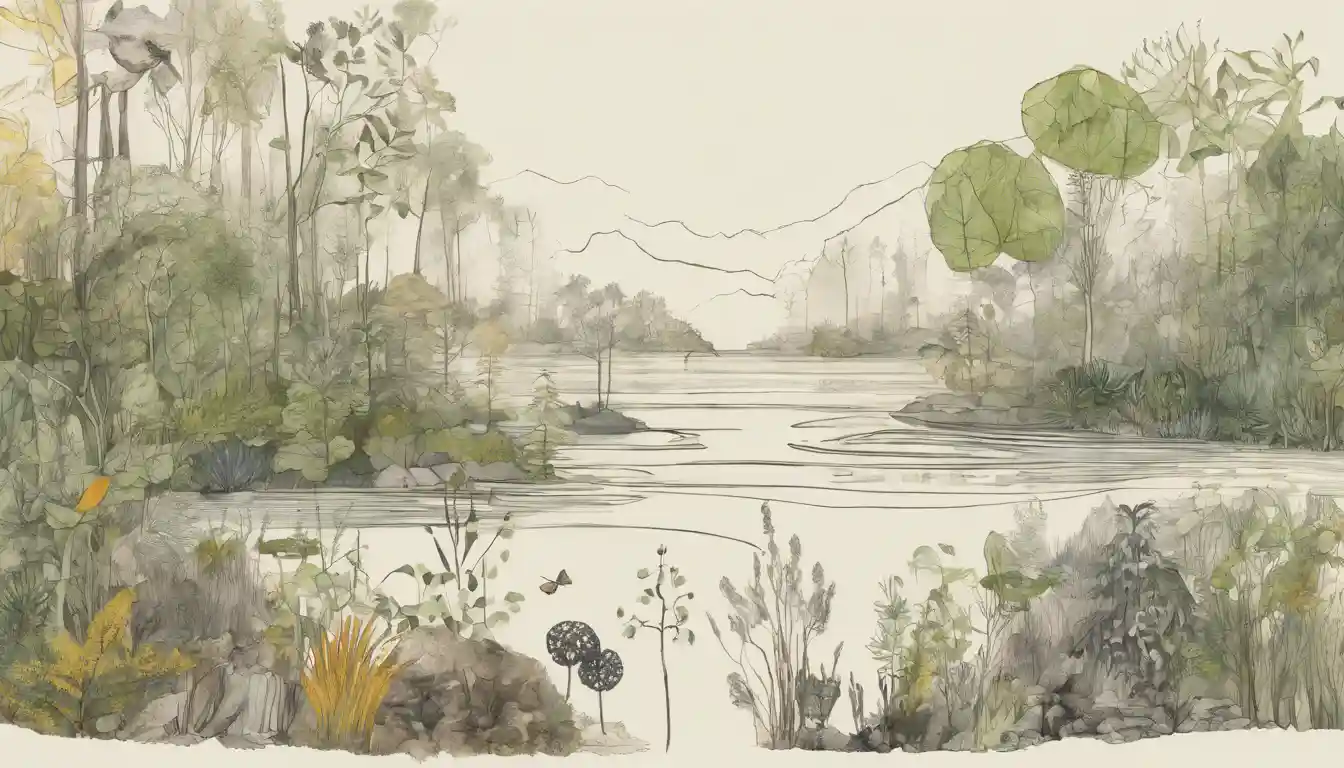
Art in Nature refers to the practice of creating artistic works using natural materials and landscapes as a canvas. This form of art emphasizes the integration of environmental elements into the creative process, often blurring the boundaries between art and the natural world. Techniques can range from land art, where artists manipulate the earth and vegetation to create large-scale installations, to ephemeral works made from leaves, stones, and other organic materials that may only last until the next rain or wind.
Technical aspects include understanding the ecological impact of these artworks and using eco-friendly materials. For instance, the project Aula Verde Aniene in Rome combines urban forestry concepts with art, showcasing how strategically placed trees can create a sense of outdoor vegetation and community engagement. The use of tools like i-Tree Eco software helps in assessing ecosystem services, demonstrating a blend of art, ecology, and technology.
Art in Nature plays a vital role in increasing environmental awareness and promoting community engagement. For example, a study investigating the impact of climate change on turtle nesting beaches used 22 coastal indicators to analyze global nesting distributions. This research highlighted how natural environments are changing and how artists can raise awareness about these issues through their work.
Such initiatives also foster community ties, as seen in intergenerational art projects that use nature as a temporary canvas. These projects not only celebrate the beauty and fragility of the environment but also encourage participants to become stewards of their surroundings. By engaging with nature creatively, individuals can develop a deeper connection to their local ecosystems.
Here are three actionable suggestions for readers interested in exploring Art in Nature:
The intersection of Art in Nature and technology presents an exciting frontier. For instance, the advent of Web3 technologies enables artists to create decentralized platforms for sharing and monetizing their nature-inspired artworks. This can lead to new funding models for environmental initiatives, where a portion of sales goes directly to conservation efforts.
Moreover, tools like machine learning can analyze ecological data to help artists understand the best materials and designs that can coexist sustainably with their environments. By employing technologies that enhance their artistic expression while being mindful of ecological impacts, artists can lead the way in creating a more sustainable future.
Research indicates that natural-based art projects significantly enhance community engagement and environmental awareness. For example, the Aula Verde Aniene project successfully integrated community participation in art events that raised environmental consciousness. Likewise, a study on the impact of climate change on turtle nesting habitats underscores how art can be a powerful tool for education and advocacy in environmental issues.
In this exploration of "The Art of Adventure," we delved into the transformative journey of contemporary artists who are increasingly stepping outside traditional studios and into the natural world. We highlighted key initiatives such as the Aula Verde Aniene project in Rome, which showcases the blending of art and ecology to foster community engagement and environmental awareness. Furthermore, we discussed how artistic adventures not only enhance public consciousness regarding ecological issues but also promote mental well-being through deeper connections with nature.
Looking ahead, the implications of this movement are profound. As artists continue to embrace the outdoors as their canvas, we may see a rise in community-driven art projects that prioritize sustainability and ecological education. The integration of technology—like AR and blockchain—into outdoor art practices could further revolutionize how art is created, shared, and experienced, paving the way for innovative funding models that support environmental initiatives.
So, as you reflect on the intersection of art and nature, consider this: How can you incorporate your own artistic expressions into the world around you? Whether through participation in local art projects, creating outdoor installations, or simply exploring your surroundings with a creative eye, each small action contributes to a larger movement towards sustainability and environmental consciousness. Step outside and let the adventure begin!
- Distribution of global sea turtle nesting explained from regional-scale coastal characteristics
- Louis Pasteur, a child of the Jura, a man for the world
- Architectural Heritage and Archetypal Landscape Approaches Facing Environmental Hazards †
- Nature as an Impermanent Canvas: An Intergenerational Nature-Based Art Community Engagement Project
- ‘What bubbles up’: the experience of nature-based art
Get notified about new articles, coffee tips, and Web3 insights.
This site participates in affiliate programs and may earn a commission when a link is clicked and a purchase is made. The site is not responsible for any issues or troubles related to the products or services purchased through the use of this site.

DO&COFFEE loves coffee and technology, exploring the potential of NFTs and blockchain. Learn more →
DO&COFFEE loves coffee and technology, exploring the potential of NFTs and blockchain. Learn more →