coffee
2024/09/07
Imagine stepping into a workshop where the rich aromas of specialty coffee mingle with the buzz of digital innovation. Welcome to “Brew & Blockchain,” an exciting event that blends the nuanced world of third wave coffee culture with the transformative potential of tokenomics. In this space, coffee lovers and tech enthusiasts unite to explore how blockchain technology can revolutionize the coffee supply chain, ensuring transparency and ethical sourcing from farm to cup.
During this immersive experience, participants will not only learn about the journey of coffee beans but also engage in hands-on activities that highlight the importance of fair compensation for farmers and the integrity of the products we consume. By creating coffee-themed tokens representing ownership in community-supported farms, attendees will witness firsthand how smart contracts can facilitate direct trade and reduce reliance on middlemen, paving the way for a more sustainable ecosystem.
Moreover, this workshop goes beyond just brewing techniques; it invites attendees to explore sensory evaluations of coffee quality while drawing parallels between flavor profiles and the intricacies of the crypto markets. By igniting conversations around the future of coffee innovation, “Brew & Blockchain” challenges us to consider: How can we leverage technology to create a more equitable and transparent coffee industry? In a world increasingly driven by technology, the intersection of gastronomy and blockchain offers not just a glimpse into the future of coffee, but also a blueprint for ethical consumption.
The Third Wave Coffee movement represents a significant evolution in coffee appreciation, emphasizing quality, sustainability, and the intricate journey of coffee from farm to cup. Unlike previous waves that focused primarily on mass production and convenience, Third Wave Coffee seeks to elevate coffee into an artisanal craft. This cultural shift invites consumers to not just drink coffee, but to engage with its story—its origin, processing, and the people behind it.
At the heart of Third Wave Coffee is a commitment to transparency and traceability. As participants in the “Brew & Blockchain” workshop will discover, every cup of coffee has a unique narrative. From the moment the coffee cherries are picked to the roasting process and finally to brewing, each stage is crucial in defining the flavor profile. For example, consider the direct trade relationships that many Third Wave roasters have established with farmers. This practice not only ensures high-quality beans but also fosters a fair compensation model, whereby farmers receive a premium for their hard work.
Blockchain technology emerges as a revolutionary tool in this context, enhancing the transparency of the coffee supply chain. By utilizing an event-based modeling framework like REALISTIC, which integrates blockchain and distributed ledger technology (BC/DLT), we can trace the provenance of coffee beans with remarkable accuracy. This framework, as showcased in various studies, enables authenticated IoT devices to document real-world events on an immutable ledger, ensuring that every transaction is recorded and verifiable.
Imagine a scenario where coffee lovers can scan a QR code on their coffee bag to view the entire journey of their beans—from the specific farm where they were grown, through the processing stages, to the roaster and finally to their cup. This level of transparency not only boosts consumer confidence but also empowers farmers by providing proof of ethical sourcing, which can be critical in markets demanding accountability.
In the workshop, attendees will also explore the concept of creating coffee-themed tokens, which can represent ownership stakes in community-supported coffee farms. By leveraging smart contracts on a blockchain like Ethereum, these tokens can facilitate direct trade between consumers and producers. This innovative approach not only cuts out middlemen but also fosters a more sustainable ecosystem where consumers can directly support farmers, aligning financial incentives with ethical practices.
The experience will be enriched through sensory tastings where participants evaluate coffee quality while drawing parallels to the intricacies of crypto markets. Just as coffee's flavor profiles are influenced by various factors such as altitude, processing methods, and roast levels, the value of cryptocurrencies can be affected by market conditions, regulatory changes, and technological advancements. This analogy opens the door for deeper discussions on how both realms—coffee and crypto—can intertwine to foster innovation and sustainability.
Tokenomics plays a pivotal role in the innovative workshop "Brew & Blockchain," where the enchanting world of third wave coffee culture meets the cutting-edge realm of blockchain technology. By integrating tokenomics, the workshop not only provides attendees with hands-on experiences but also empowers them to understand the transformative potential of digital assets within the coffee supply chain.
Tokenomics refers to the economic system surrounding a cryptocurrency or token, encompassing its creation, distribution, and management. In the context of "Brew & Blockchain," participants would explore how tokens can represent ownership or participation in coffee-related initiatives, such as community-supported coffee farms. This concept invites participants to consider: how might a simple token revolutionize the way we think about ownership and investment in local agriculture?
During the workshop, attendees will engage in interactive sessions where they can create their own coffee-themed tokens. These tokens could symbolize various aspects of the coffee supply chain, such as representing shares in a local coffee farm or unique blends of coffee. By utilizing smart contracts—self-executing contracts with the terms of the agreement directly written into code—participants can facilitate direct trade between consumers and producers without the need for intermediaries.
For example, a participant might design a token that represents a share in a coffee-growing cooperative. This token could be programmed to automatically distribute profits from coffee sales to its holders, ensuring that farmers receive fair compensation while providing consumers with a stake in the products they enjoy.
Tokenomics, when integrated with blockchain technology, offers unmatched transparency and traceability in the coffee supply chain. As outlined in various research papers, blockchain serves as a reliable distributed ledger that can map physical commodities—from farmers to retailers—onto a digital framework. The REALISTIC framework, for instance, enhances the Resources-Events-Agents (REA) model to ensure that certified resources in the supply chain require equivalent certified inputs, thus preventing digital duplication of resources.
By employing such frameworks, workshop participants can learn how to trace the journey of coffee beans from farm to cup. For instance, they could use a mobile application that visualizes the coffee supply chain, showcasing the origin of the beans, certifications, and fair trade practices. This not only fosters consumer trust but also encourages ethical sourcing.
Smart contracts can be a game-changer in creating a sustainable ecosystem within the coffee industry. By automating transactions and enforcing agreements without third-party intervention, these contracts enhance efficiency and reduce costs. For example, a smart contract could be programmed to release payments to farmers only when the coffee is delivered and verified at a retailer, ensuring that payments align with actual product delivery.
Moreover, implementing a consortium blockchain system for the coffee supply chain can further streamline operations. This model would allow multiple stakeholders—farmers, processors, distributors, and retailers—to operate on a shared ledger, ensuring real-time updates and data integrity. Participants will gain insight into this collaborative model, learning how transparency and decentralized data management bolster the entire supply chain.
Real-world applications of tokenomics and blockchain in coffee supply chains are already emerging. For instance, a recent study highlighted the use of blockchain technology to enhance traceability and safety in the coffee supply chain in Thailand. Participants showed a strong preference for timeline-based visualizations of traceability data, emphasizing the importance of understanding where their coffee comes from.
Such case studies provide tangible examples for workshop attendees, illuminating how tokenomics can not only create a more equitable coffee industry but also empower consumers to make informed choices. As participants learn about these innovative applications, they will be encouraged to brainstorm and propose their own ideas for integrating tokenomics into coffee production and consumption.
This section explores real-world applications where blockchain technology and tokenomics converge in the coffee industry, showcasing how these innovations are transforming traditional practices.
The REALISTIC framework presents a compelling case for using blockchain to improve supply chain management in coffee. By leveraging an event-based modeling approach, it enhances the traditional Resources-Events-Agents (REA) model, ensuring that every certified resource in the supply chain corresponds with equivalent certified inputs. This is crucial in the coffee industry, where authenticity and quality assurance are paramount.
Utilizing Ethereum, the REALISTIC framework enables authenticated IoT devices to document real-world events on an immutable ledger. This allows stakeholders—from farmers to retailers—to trace product provenance, quality, and certifications seamlessly. For example, a case study within this framework demonstrated the ability to track coffee beans from their origin to the final consumer, ensuring that all participants receive accurate and auditable information about the product's journey.
The implementation of this model not only enhances transparency but also builds trust between consumers and producers, fostering a more equitable market.
A significant study explored the application of blockchain technology within the Coffee Retailer Network (CRN), emphasizing its role in automating tasks and enhancing transparency throughout the supply chain. By creating a digital ledger that maps physical commodities—including suppliers, manufacturers, and distributors—this model supports improved asset tracking.
The proposed design incorporates smart contracts, which facilitate transactions and agreements automatically, reducing the need for intermediaries. For example, a coffee roaster could use this system to verify the source of their beans, ensuring they come from sustainable farms. This technological integration not only streamlines operations but also empowers consumers with the knowledge that their coffee is sourced responsibly.
Another insightful study highlighted the challenges of centralization in supply chain management, particularly in the coffee sector where single points of failure can jeopardize data integrity. The research demonstrated how blockchain can decentralize supply chains, enhancing both transparency and security.
By implementing smart contracts using Solidity on an Ethereum-based blockchain, the study showcased how coffee supply chain data could be effectively traced. For instance, a roaster facing issues with quality control could trace back through the supply chain to identify at which stage a problem arose, thus enabling swift corrective actions.
A user-centered prototype developed in Thailand evaluated the feasibility and benefits of blockchain in enhancing traceability and safety within the coffee supply chain. Based on in-depth interviews and surveys, the findings indicated a strong preference for timeline-based visualization of traceability data, with 67% of participants viewing blockchain positively for adoption.
The key benefits identified included improved origin verification—allowing consumers to know exactly where their coffee comes from—and increased product trustworthiness. However, challenges such as inaccurate information and safeguarding trade secrets were also noted. Addressing these concerns is crucial for broader adoption, yet the potential for blockchain to revolutionize traceability in coffee is clear.
These case studies illustrate the tangible benefits of integrating blockchain technology into the coffee supply chain. Workshops like "Brew & Blockchain" could serve as platforms for coffee aficionados and tech enthusiasts to experiment with these concepts. Imagine participants creating their own community tokens, representing ownership stakes in local coffee farms or unique blends. Through smart contracts, these tokens could facilitate direct trade, enhancing the sustainability of coffee sourcing while ensuring fair compensation for farmers.
Engaging in sensory tastings while discussing the complexities of flavor profiles could enrich the understanding of both coffee quality and crypto markets, fostering a deeper connection between consumers and the source of their brews.
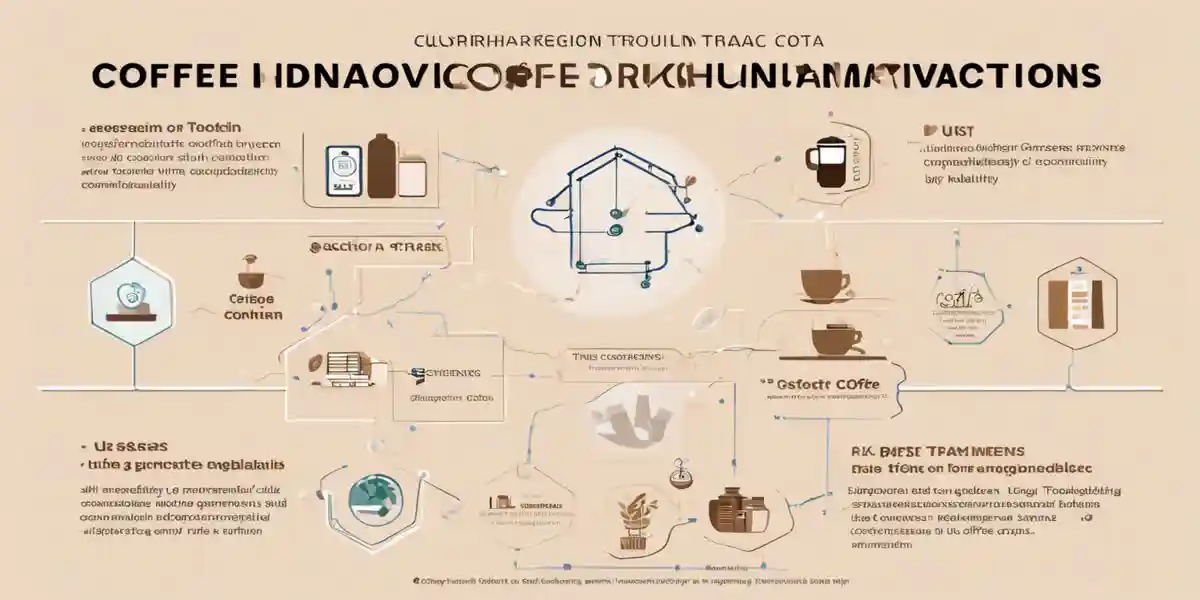
The convergence of third wave coffee culture and tokenomics presents an exciting frontier in coffee innovation. By harnessing blockchain technology, we can anticipate a transformative shift in the coffee supply chain that prioritizes transparency, sustainability, and equitable compensation for farmers.
Imagine a world where every coffee bean's journey from farm to cup is documented on an immutable ledger. The REALISTIC framework, as detailed in recent studies, highlights how blockchain can enhance traceability in the coffee supply chain. This framework not only prevents digital resource duplication but also ensures that each certified output resource corresponds with equivalent certified input resources. Such a system guarantees authenticity and quality, allowing consumers to trace their coffee back to its origin, fostering trust and accountability.
The implementation of smart contracts could revolutionize how coffee is traded. By creating a private or consortium blockchain system, stakeholders can automate transactions and streamline processes. This direct trade model eliminates middlemen, allowing consumers to purchase coffee directly from farmers. For instance, a consortium of coffee producers could utilize a smart contract to facilitate sales, ensuring that profits are distributed fairly and transparently. This not only empowers farmers but also enhances consumer confidence in the sourcing of their coffee.
As we advance, integrating Internet of Things (IoT) technology with blockchain could further enhance the coffee supply chain. IoT devices can verify real-world events related to coffee production and logistics, feeding data into the blockchain. This creates a comprehensive oversight mechanism that captures the conditions under which coffee is grown, processed, and transported. By employing authenticated IoT actors, we can ensure that all stages of the supply chain are monitored, thus reinforcing product quality and safety.
Workshops like “Brew & Blockchain” not only educate participants on these technologies but also engage them in creating their own coffee-themed tokens. These tokens could symbolize ownership stakes in community-supported farms or unique coffee blends, fostering a sense of community and involvement. By allowing consumers to hold tokens that represent their investment in sustainable coffee practices, we can cultivate a culture of accountability and awareness, transforming consumers into active participants in the coffee ecosystem.
Despite the promising potential of blockchain in the coffee industry, there are challenges to overcome. Issues such as inaccurate information and trade secret confidentiality must be addressed to encourage broader adoption. As demonstrated in a study focusing on Thailand's coffee supply chain, visualizing traceability data in a timeline-based format can enhance user understanding and trust. By prioritizing user-centered design and addressing stakeholder concerns, we can pave the way for widespread acceptance of these innovative technologies.
This section examines the future of coffee innovation through the lens of blockchain technology and tokenomics, highlighting various avenues for enhancing transparency, sustainability, and consumer involvement in the coffee supply chain.
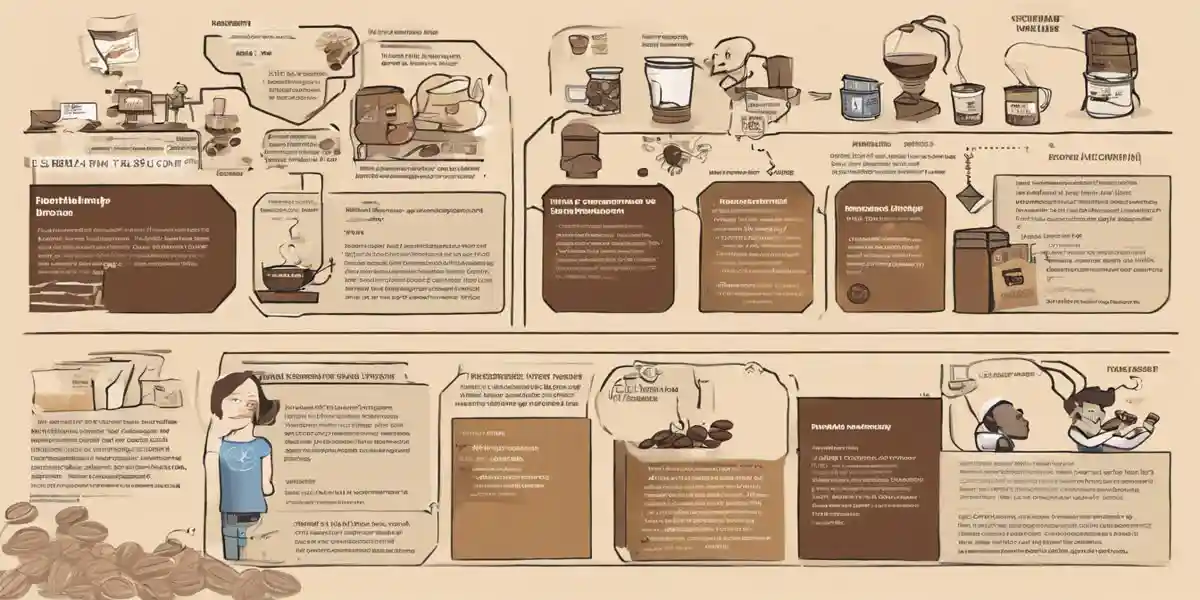
The workshop "Brew & Blockchain" serves as a unique platform for participants to dive deep into the coffee supply chain, revealing the transformative role of blockchain technology. Attendees will engage with the concept of transparency and traceability, which are paramount for ensuring ethical sourcing and fair compensation for farmers.
At the heart of this exploration is the REALISTIC framework, an event-based modeling system that employs blockchain and distributed ledger technology (BC/DLT) for supply chain management. By enhancing the Resources-Events-Agents (REA) model, REALISTIC ensures that certified resources within the supply chain are matched with equivalent certified inputs. This mechanism effectively prevents the duplication of digital resources, which is critical for maintaining the integrity of data related to the coffee supply chain.
For instance, participants will learn how authenticated IoT devices can document real-world events on an immutable ledger. This capability allows for customized queries to retrieve auditable aggregate data, showcasing how blockchain can track everything from the quality of coffee beans to their certifications, all the way from farmers to retailers.
One of the key features of the workshop will be the creation of coffee-themed tokens by participants. These tokens can represent ownership stakes in community-supported coffee farms or unique blends, facilitated by smart contracts on a private or consortium blockchain. This approach automates tasks and enhances transparency by mapping physical commodities to a digital ledger.
For instance, if a participant creates a token representing a specific coffee blend, that token can be traded directly with consumers, eliminating middlemen and fostering a sustainable ecosystem. This direct trade model not only enhances profitability for farmers but also allows consumers to engage more meaningfully with the origins of their coffee.
While the benefits of blockchain are numerous, participants will also discuss the challenges associated with its implementation. A study focused on the coffee supply chain identified issues such as data integrity and trade secret confidentiality as significant hurdles. Addressing these concerns is crucial for the broader adoption of blockchain technology in the industry.
Incorporating findings from mixed-method research, the workshop will emphasize the importance of timeline-based visualization of traceability data. By helping stakeholders visualize the journey of coffee from farm to cup, participants can better appreciate the complexities involved in ensuring quality and safety.
To enrich the learning experience, the workshop will feature sensory tastings, where participants can evaluate coffee quality through flavor profiles. By drawing parallels between these sensory experiences and the intricacies of crypto markets, attendees will gain a holistic understanding of how blockchain can enhance not just the economic aspects of coffee production but also its sensory appreciation.
This multifaceted approach aims to inspire participants to reflect on how technology can foster a more equitable and transparent coffee industry, driving innovative thinking at the intersection of gastronomy and technology.
As we wrap up our exploration of the intersection between third wave coffee culture and tokenomics, it's clear that we stand on the brink of a significant transformation in how we perceive and consume coffee. The journey we've undertaken through this blog post has illuminated the multifaceted benefits of integrating blockchain technology into the coffee supply chain. We began by understanding the essence of third wave coffee culture, which emphasizes quality, sustainability, and the storytelling behind each cup. This cultural shift not only enhances our appreciation of coffee as an artisanal craft but also fosters a deeper connection between consumers and producers.
We then delved into the role of tokenomics in creative workshops like "Brew & Blockchain," where participants are empowered to engage with the economic implications of their coffee consumption. By creating coffee-themed tokens, consumers can directly invest in community-supported coffee farms, ensuring fair compensation for farmers while cultivating a sense of ownership over the products they enjoy.
Through various case studies, we witnessed real-world applications of blockchain technology that enhance transparency, traceability, and efficiency in the coffee supply chain. The REALISTIC framework stands out as a powerful model for ensuring that every coffee bean's journey is documented, reinforcing trust among consumers and producers alike.
Ultimately, the implications of these innovations extend far beyond the coffee cup. They signify a shift toward a more ethical and sustainable agricultural ecosystem, where consumers are not just passive drinkers but active participants in the coffee supply chain. As we look to the future, we must embrace these technological advancements while addressing the challenges that may arise, such as data integrity and trade secret confidentiality.
Now, we invite you to reflect: how can you, as a conscious consumer, engage with the evolving landscape of coffee culture? Whether it’s participating in workshops, supporting local farmers, or exploring the world of tokenomics, your actions can contribute to a more sustainable and equitable coffee industry. Let’s be part of this brewing innovation together—because every cup of coffee has a story worth telling.

Get notified about new articles, coffee tips, and Web3 insights.
This site participates in affiliate programs and may earn a commission when a link is clicked and a purchase is made. The site is not responsible for any issues or troubles related to the products or services purchased through the use of this site.
DO&COFFEE loves coffee and technology, exploring the potential of NFTs and blockchain. Learn more →
DO&COFFEE loves coffee and technology, exploring the potential of NFTs and blockchain. Learn more →