art
2024/09/07
In a world increasingly defined by rapid change and diverse experiences, the realm of art is evolving in ways that challenge our traditional perceptions and deepen our understanding of storytelling. Mixed media art, in particular, stands at the forefront of this evolution, inviting us to explore narratives that transcend the limitations of the canvas. This blog post, titled "Unveiling the Vision: How Mixed Media Art Artists Are Redefining Storytelling Beyond the Canvas," delves into how these artists harness an eclectic mix of materials—ranging from paint and fabric to photography and found objects—to craft intricate stories that resonate on both emotional and intellectual levels.
Imagine stepping into a gallery where each piece not only captivates the eye but also beckons you to touch and interact, creating a dialogue between the artwork and your own life experiences. This tactile engagement fosters intimacy and connection, encouraging a participatory approach to art that is often missing in more conventional forms. Moreover, mixed media artists draw inspiration from their personal histories and contemporary cultural issues, challenging societal norms and democratizing the storytelling process. By examining the techniques and inspirations of influential mixed media artists, this post aims to illuminate how their work serves not just as a visual spectacle but as a profound commentary on the human experience. Join us as we explore this vibrant movement that celebrates creativity's boundless possibilities and the rich narratives that emerge from it.
Mixed media art has emerged as a vibrant and transformative genre that transcends the limitations of traditional artistic forms. At its core, it invites artists and viewers alike to explore the multifaceted nature of storytelling, where narratives are not confined to a single medium or perspective. Instead, mixed media artists harness a diverse palette of materials—ranging from paint and fabric to photography and found objects—to create works that are rich in texture, meaning, and emotional resonance.
The roots of mixed media art can be traced back to early 20th-century movements such as Dada and Surrealism, where artists began to experiment with unconventional materials and techniques. This experimentation paved the way for later developments in contemporary art, as artists sought to challenge the established norms of aesthetics and representation. For instance, the work of Robert Rauschenberg in the 1950s, particularly his "Combines," fused painting and sculpture by incorporating everyday objects, thereby blurring the lines between art and life.
As mixed media art evolved, it became a powerful medium for personal expression. Artists began drawing inspiration from their own cultural backgrounds, histories, and contemporary social issues. For example, the works of artists like Kara Walker and El Anatsui not only utilize a variety of materials but also reflect on themes of race, identity, and history, inviting viewers to engage with these complex narratives on a deeper level. This approach not only enriches the storytelling aspect of their work but also fosters a sense of connection and dialogue between the artist and the audience.
One of the most captivating aspects of mixed media art is its tactile nature. Imagine encountering a piece that invites you to touch and interact with it—a collage that incorporates textured materials, photographs, and letters, each element serving as a chapter in a larger narrative. This tactile engagement fosters intimacy and encourages viewers to immerse themselves in the artwork, leading to a more profound understanding of the stories being told.
Research highlights the importance of touch in experiencing art, as seen in the studies of Willem Boshoff’s Blind Alphabet installation. These studies reveal that tactile interactions can enhance the aesthetic experience, providing a richer appreciation of the artwork's meaning. Such findings underscore the potential of mixed media art to create inclusive experiences that resonate across different levels of visual ability.
Moreover, mixed media art democratizes storytelling by allowing diverse voices and perspectives to emerge. In a globalized world, contemporary artists often incorporate various cultural elements and styles, reflecting a wide range of emotions and experiences. This blending of disciplines not only challenges traditional artistic boundaries but also fosters an environment where unique thoughts and creativity can inspire significant change. Each artist's distinct approach—whether it's through a collage, installation, or assemblage—serves as a testament to the power of mixed media as a storytelling medium.
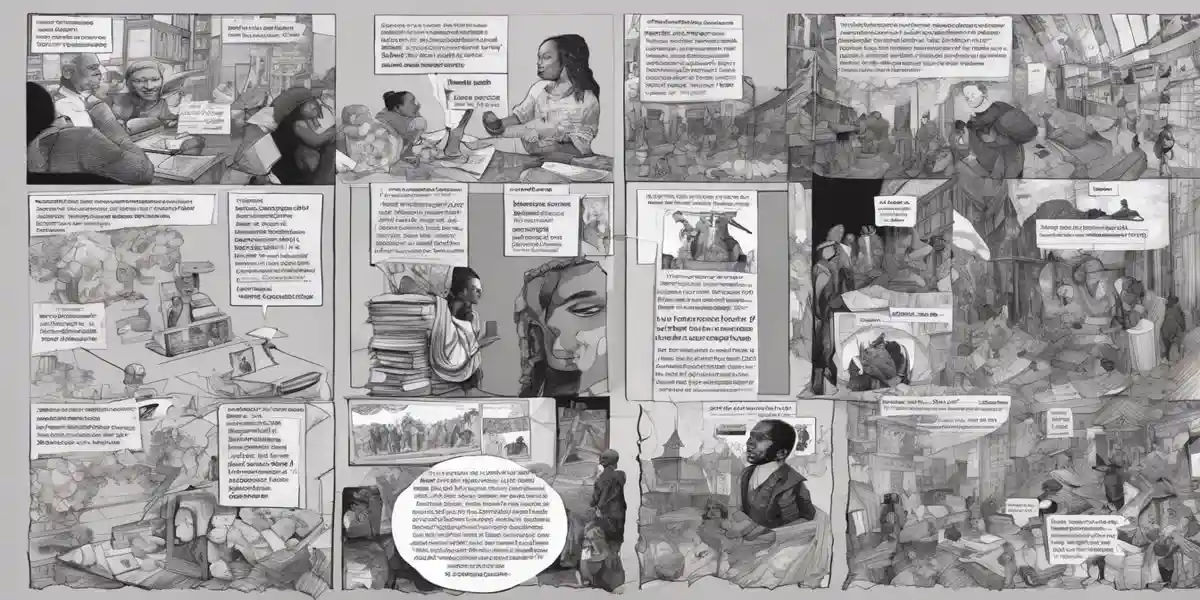
Storytelling is the heartbeat of art, especially within the realm of mixed media. It transcends mere decoration or aesthetic pleasure; it invites viewers into a dialogue, where emotions and ideas intertwine. Through a rich tapestry of materials and techniques, mixed media artists craft narratives that resonate deeply, challenging viewers to engage not only with the artwork but also with their own experiences and reflections.
Unlike traditional forms of art that often confine stories within a singular medium, mixed media art breaks these boundaries, utilizing an array of materials—from paint and fabric to photography and found objects. This eclectic combination allows artists to weave stories that are not only visually captivating but also complex and layered. For instance, consider the works of artist Judith Scott, who, despite being deaf and blind, created intricate wool-wrapped sculptures that evoke themes of identity, isolation, and the human experience. Each piece tells a story, inviting viewers to ponder the deeper meanings behind the tactile nature of her art.
Imagine walking through a gallery and encountering a mixed media piece that beckons you to touch it—a collage featuring letters, photographs, and textured materials. Each element becomes a chapter in a larger narrative, urging viewers to delve into their own memories and interpretations. This sensory engagement is crucial; it fosters a sense of intimacy and connection, making the viewer an active participant in the storytelling process. Research has shown that tactile experiences can enhance the appreciation of visual art. A study examining the interaction of blind and sighted individuals with Willem Boshoff’s Blind Alphabet installation revealed that touch significantly enriches the aesthetic experience, promoting a more inclusive understanding of art across various abilities.
Mixed media artists often draw from personal histories and cultural contexts, creating a dynamic dialogue between their work and contemporary societal issues. This approach not only democratizes storytelling but also ensures that diverse voices are heard. For instance, the work of artist El Anatsui, who uses discarded materials to create monumental sculptures, serves as a commentary on consumption, waste, and the interconnectedness of cultures. His pieces tell stories of history, colonialism, and resilience, inviting viewers to reflect on their roles within these narratives.
As mixed media artists challenge traditional artistic norms, they also reflect the complexities of modern life. The blending of disciplines, as highlighted in recent discussions on contemporary art, emphasizes that unique thoughts and creativity can inspire significant change. This fusion of styles and techniques not only broadens the definition of art but also underscores the importance of storytelling in conveying multifaceted human experiences. The thought-provoking installations of artists like Tara Donovan, who uses everyday materials to create immersive environments, exemplify how art can transcend visual appeal and provoke deeper contemplation on existence and perception.
Mixed media art invites viewers to engage with works on a sensory level that transcends mere visual appreciation. This interaction is particularly profound when we consider the often-overlooked role of touch.
Imagine walking into a gallery and being drawn not just by the colors and forms on a canvas but also by the textures that beckon you to reach out and touch. Take, for instance, Willem Boshoff’s “Blind Alphabet” installation, which was designed not only for the sighted but also for those with visual impairments. This work encourages tactile interaction, creating an inclusive experience that challenges conventional art consumption. The study surrounding this installation highlights how physical engagement with art can enhance understanding and appreciation. When viewers touch the sculptures, they uncover layers of meaning that might remain hidden to the eye alone, thus enriching their overall experience.
Mixed media artists often incorporate personal histories and found objects into their work, transforming discarded materials into powerful narratives. For instance, artist El Anatsui utilizes bottle caps and other refuse to create large-scale installations that tell stories of consumption, waste, and renewal. Each piece serves as a commentary on cultural history, connecting viewers to broader societal issues through the tactile medium of everyday items. By touching and engaging with these materials, audiences can reflect on their own experiences and the global narrative of consumption and sustainability.
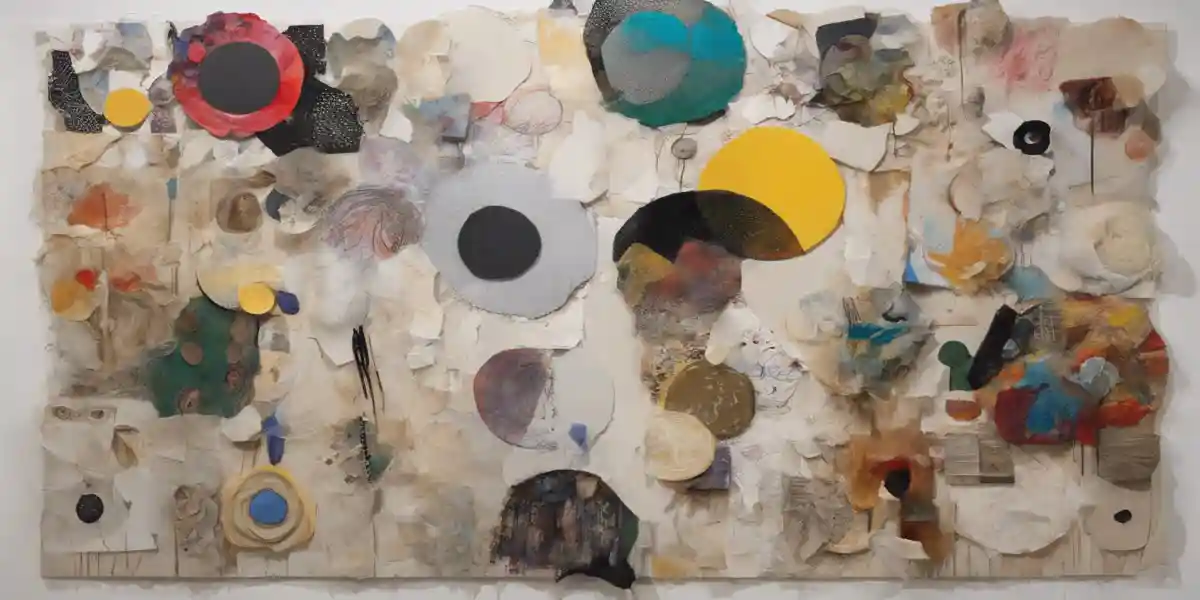
One of the most significant shifts brought about by mixed media art is the democratization of storytelling. Unlike traditional forms that often favor elite narratives, mixed media allows for a multitude of voices to emerge, each with its own unique expression and perspective.
Artists like Njideka Akunyili Crosby blend cultural references from her Nigerian heritage with contemporary influences, creating complex works that speak to identity, migration, and the intersection of cultures. Her use of materials such as fabric, painting, and collage enables her to weave a rich tapestry that reflects her experiences and resonates with viewers from various backgrounds. Each layer of her work tells a story, inviting the audience to explore their own identities and connections to the themes presented.
The emotional depth of mixed media art often stems from the diverse range of materials and techniques employed by artists. By combining painting with elements like photography, textiles, or even digital media, artists create works that resonate on multiple levels. The emotional weight of a piece can shift depending on what materials are used, how they are arranged, and the context in which they are presented. This layering of techniques fosters a dialogue between the artist and the audience, inviting viewers to reflect on their own emotional responses and interpretations.
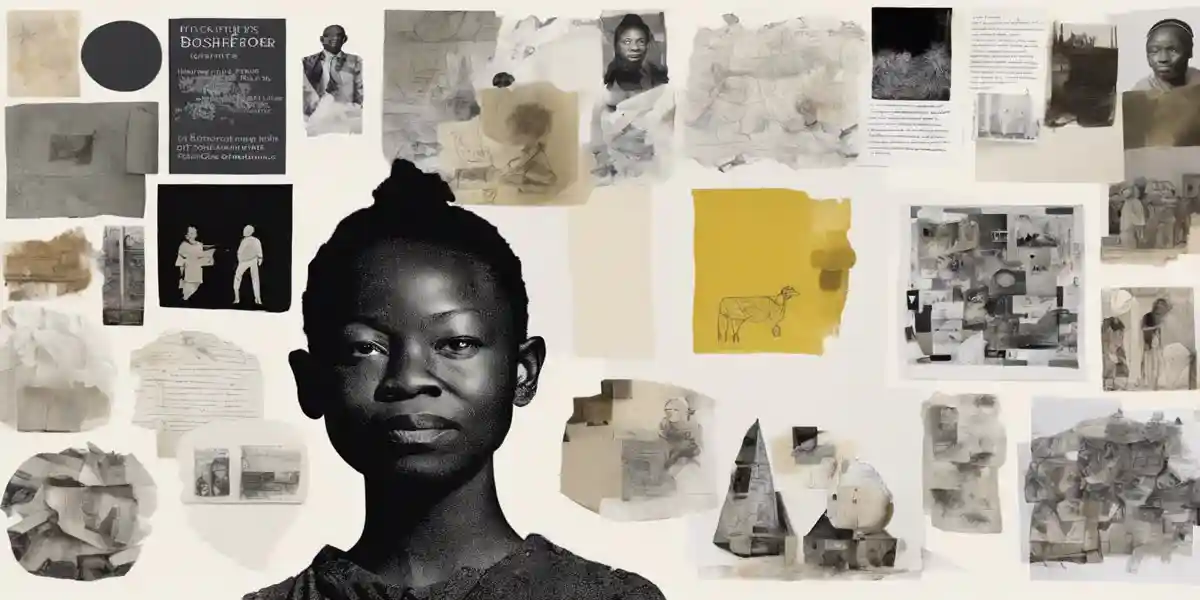
Mixed media art is a transformative genre that invites artists to break free from the confines of traditional media. By exploring various materials and methods, these artists create rich, layered narratives that speak to a broad audience. This section delves into the innovative techniques and diverse inspirations that characterize the work of mixed media artists.
At the heart of mixed media art is the use of a vast array of materials, each chosen for its ability to contribute to the artwork's narrative. Artists often blend conventional supplies like paint and canvas with unexpected elements such as fabric, paper, photographs, and found objects. This eclectic approach not only enhances the visual complexity of their work but also deepens the storytelling aspect.
For instance, consider the work of contemporary artist Willem Boshoff, whose installation, the Blind Alphabet, exemplifies the power of tactile engagement in art. Boshoff incorporates various textures and materials that encourage viewers to touch and interact with his pieces, fostering a sensory experience that challenges the traditional reliance on sight. His work highlights how the act of touching can evoke memories and emotions, thus enriching the viewer's understanding of the narrative being presented.
Another remarkable example comes from Rauschenberg, known for his "Combines," where he merged painting and sculpture using everyday materials. By incorporating items like newspaper clippings, photographs, and found objects, Rauschenberg crafted layered stories that invite viewers to interpret the connections between the disparate elements. Each piece serves as a dialogue between the artist's experiences and the cultural context of the time.
In addition to physical materials, mixed media artists are also inspired by personal histories and cultural backgrounds. For example, Kara Walker explores themes of race and identity through her intricate paper cutouts, juxtaposing historical narratives with contemporary issues. By using a combination of silhouettes and diverse materials, she challenges viewers to confront uncomfortable truths about society, and in doing so, she democratizes storytelling by amplifying marginalized voices.
Furthermore, the blending of artistic disciplines is a hallmark of mixed media art. Artists often draw from conceptual art, prioritizing ideas over traditional aesthetics. This can be seen in the work of Yoko Ono, whose interactive installations invite audience participation, blurring the lines between creator and observer. Such engagements create a communal storytelling experience, reflecting the complexities of human interaction and shared narratives.
Ultimately, the techniques and inspirations found within mixed media art reveal a commitment to experimentation and personal expression. By challenging traditional norms and embracing a multitude of materials and methods, these artists redefine what storytelling can be, creating an inclusive space for diverse narratives to emerge and resonate with audiences around the world.
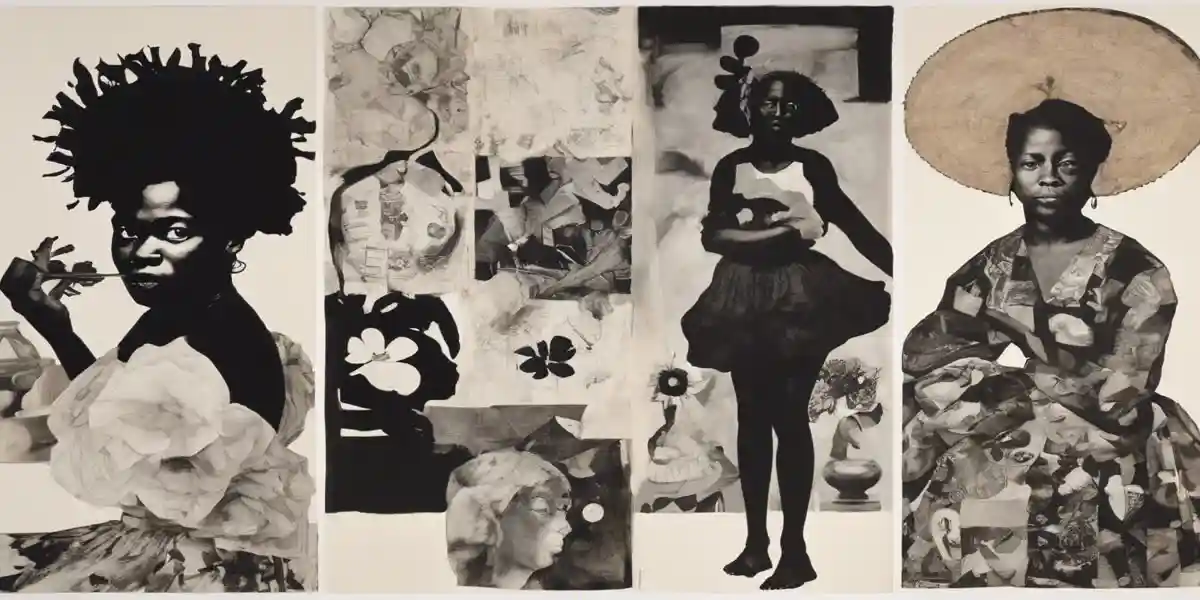
This section explores how specific mixed media artists have harnessed diverse materials and techniques to redefine storytelling beyond traditional boundaries, creating profound connections with their audiences.
Kara Walker is renowned for her powerful narrative work that blends history, race, and gender through cut-paper silhouettes. Her installations often feature intricate black cutouts displayed against stark white walls, inviting viewers into a dialogue about the complexities of the African American experience. For example, her piece "A Subtlety," showcased at the old Domino Sugar Factory in Brooklyn, was a monumental sugar-coated sphinx-like figure surrounded by smaller figures made of sugar. This work not only engaged viewers visually but also invited them to consider the historical and cultural implications of sugar production, slavery, and societal stereotypes. Walker's ability to combine tactile materials with poignant themes exemplifies how mixed media can communicate layered stories that resonate deeply with audiences.
Robert Rauschenberg's innovative approach to mixed media challenged the boundaries of fine art by incorporating everyday objects and images into his works. His "Combine Paintings," like "Monogram," fuse painting and sculpture by using a taxidermied goat, along with tires, paint, and various found objects. This blend creates a chaotic yet captivating narrative that reflects the complexities of modern life. Rauschenberg's works invite viewers to touch and explore, evoking a physical and emotional response that transcends traditional canvas art. His integration of diverse materials allows for a broader interpretation of what art can communicate, exemplifying how mixed media can serve as a bridge between personal memories and cultural commentary.
Ann Hamilton, a contemporary installation artist, utilizes mixed media to create immersive environments that enhance storytelling through the integration of text, sound, and tactile experiences. Her installations often feature large fabric panels that viewers can interact with, creating a sensory experience that goes beyond sight. For instance, in her work "the event of a thread," Hamilton used a giant white curtain that moved in response to the presence of viewers, symbolizing the fluidity of communication and connection. By combining literary elements with physical interaction, Hamilton encourages viewers to engage not only with the artwork but also with their own narratives and interpretations, demonstrating how mixed media art can foster a participatory storytelling environment.
Willem Boshoff's "Blind Alphabet" installation is a profound exploration of the tactile experience within art. This work includes sculptures designed to be touched, challenging the visual dominance in aesthetic appreciation. Through interviews and interactions with blind individuals and sighted people blindfolded, Boshoff's installation emphasizes the often-overlooked role of touch in understanding art. By fostering tactile engagement, Boshoff's work enriches the appreciation of mixed media, demonstrating that storytelling can transcend sight and engage viewers on multiple sensory levels. His approach highlights the inclusivity of mixed media art, allowing diverse audiences to connect with the narratives presented in his works.
Faith Ringgold's narrative quilts blend textile art with storytelling to address social issues, particularly those affecting African American women. Her series, "Story Quilts," combines traditional quilt-making techniques with painted images and text to depict personal and collective histories. For instance, her quilt "Tar Beach" tells the story of a young girl who dreams of flying over her neighborhood, symbolizing freedom and aspiration. Ringgold's work exemplifies how mixed media can serve as a powerful medium for cultural commentary, merging personal experiences with broader societal themes. By inviting viewers to engage with her quilts, she creates an intimate connection that encourages reflection on identity, community, and resilience.
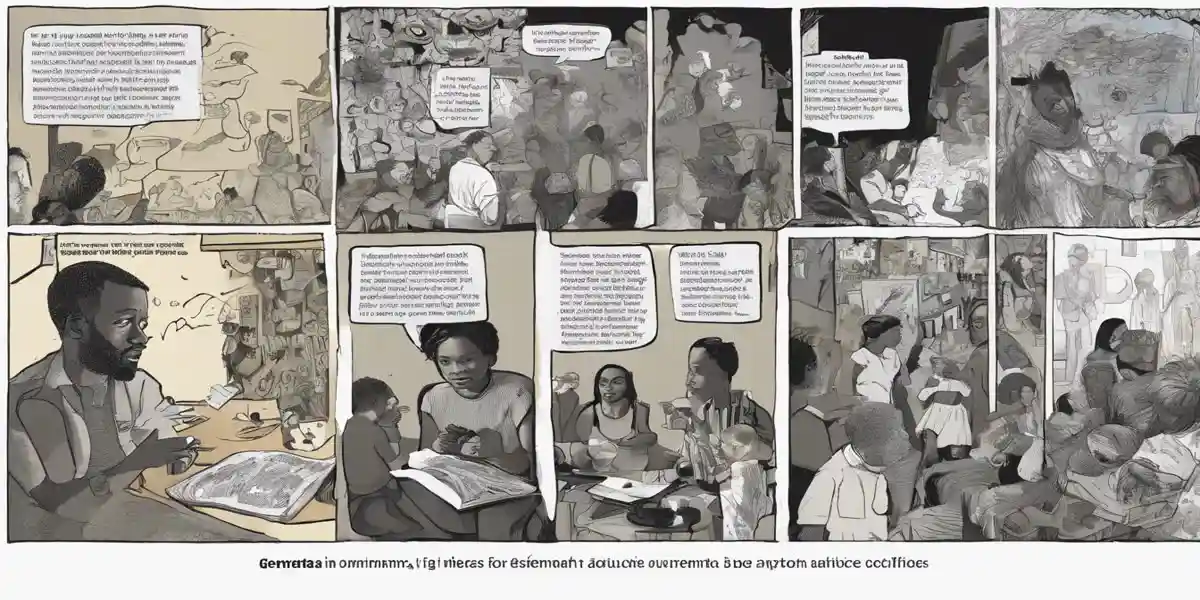
Mixed media art transcends traditional storytelling by employing a rich tapestry of materials that invite viewers to engage on multiple sensory levels. This multidimensional approach not only enhances the narrative but also allows artists to convey complex emotions and themes that resonate deeply with diverse audiences.
Imagine entering a gallery where the artwork beckons you to touch it—a collage featuring letters, photographs, and textured materials. Each component acts as a narrative thread, drawing the audience into a personal dialogue with the piece. This tactile engagement is not just an invitation; it becomes a crucial part of the storytelling process. As we interact physically with the art, we unlock layers of meaning that might remain hidden in a purely visual experience.
The significance of this tactile interaction is underscored by research examining how touch influences the appreciation of art. Studies involving blind individuals and sighted participants blindfolded reveal that tactile experiences can deepen emotional connections and enhance understanding. For instance, in Willem Boshoff’s Blind Alphabet installation, participants found that touching the sculptures allowed them to grasp the narratives behind the works more profoundly, fostering a richer appreciation of art regardless of visual ability.
Mixed media artists are often storytellers at heart, drawing inspiration from their personal histories, cultural backgrounds, and contemporary societal issues. This blending of influences creates a dynamic dialogue between the artwork and its audience. For example, artist El Anatsui utilizes discarded materials to construct monumental sculptures that speak to themes of consumption and waste, reflecting both personal and cultural narratives while challenging viewers to reconsider their relationships with material goods.
Moreover, this approach democratizes storytelling—allowing marginalized voices to emerge and be heard. Artists like Kara Walker use silhouette art to confront the complexities of race and identity, weaving historical context into their narratives. By presenting these stories through mixed media, they invite a broader audience to engage with difficult conversations often left unaddressed in traditional forms of art.
The rise of mixed media art represents a significant challenge to the norms of traditional art. By embracing experimentation, artists are free to blend disciplines and techniques, creating unique visual languages that reflect their individual perspectives. This is evident in the work of artists like Julie Mehretu, whose large-scale paintings combine ink, acrylic, and digital elements to explore themes of geography, history, and identity. Her ability to layer materials reflects the complexities of contemporary life and the interconnectedness of global narratives.
As mixed media artists continue to redefine storytelling, they not only push the boundaries of what art can be but also engage audiences in meaningful reflections on their own experiences. The interplay of materials and narratives creates a vibrant space for discussion, allowing viewers to find their own connections within the stories presented.
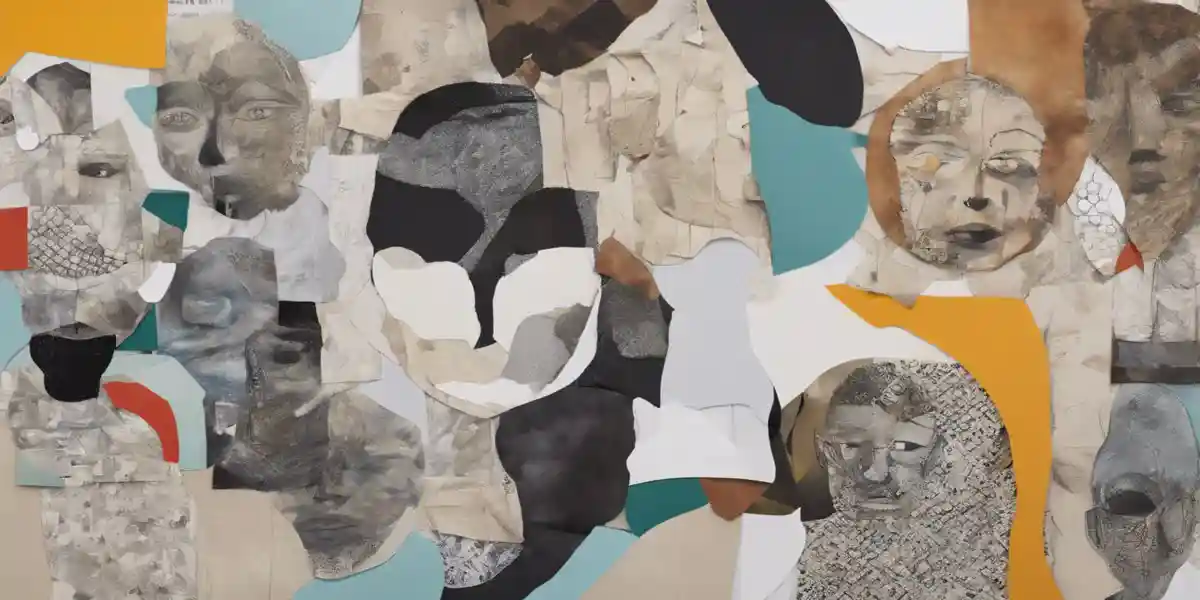
The rise of mixed media art has ushered in a new era of storytelling that transcends the traditional confines of the canvas. By weaving together an eclectic mix of materials—paint, fabric, photography, and everyday objects—mixed media artists create multidimensional narratives that invite deeper emotional engagement. This innovative approach allows them to convey complex themes and personal experiences in ways that resonate on both intellectual and emotional levels.
Consider, for instance, the work of renowned mixed media artist, Judy Chicago. In her iconic piece, “The Dinner Party,” Chicago employs ceramics, textiles, and printed materials to celebrate women's contributions to history. Each place setting represents a notable woman, transforming a simple dinner table into a tapestry of stories that echo through time. This work not only challenges the traditional art narrative but also democratizes storytelling by giving voice to historically marginalized figures.
Moreover, the tactile nature of mixed media invites viewers to engage with art in a physical and emotional way. Imagine walking into a gallery and encountering a collage that beckons you to explore its layers—letters, photographs, and textured materials come together to form a rich narrative tapestry. Here, each component is not just a visual element but a chapter in a larger story, urging the viewer to reflect on their own memories and experiences. This kind of interaction fosters a sense of intimacy and connection between the artist and the audience, transforming passive observation into active participation.
Mixed media art also reflects a broader cultural dialogue, addressing contemporary issues that resonate with diverse audiences. Artists like El Anatsui utilize discarded materials, such as bottle caps and aluminum, to craft stunning installations that comment on consumption and waste in our modern society. His works challenge viewers to reconsider their relationship with material culture, creating a narrative about sustainability and the environment that is both visually arresting and conceptually profound.
In addition, the blending of artistic disciplines within mixed media art encourages a more inclusive understanding of creativity. As noted in contemporary discussions on art, the prioritization of ideas over aesthetics has paved the way for conceptual art that engages with social and cultural issues. This shift reflects a globalized world where diverse perspectives can coexist and enrich the artistic landscape. For example, the work of artists like Kader Attia confronts themes of colonialism and identity through the combination of photography, found objects, and traditional techniques, creating a narrative that is both personal and universal.
Furthermore, the exploration of touch as a means of experiencing art adds another layer to the storytelling potential of mixed media. Research on tactile engagement, such as the studies conducted on Willem Boshoff’s Blind Alphabet installation, highlights how physical interaction with art can deepen understanding and appreciation. By challenging the visual dominance in art, mixed media encourages a more holistic experience that embraces all senses, fostering connections among viewers of varying abilities and backgrounds.
In essence, mixed media artists are not merely creating art; they are crafting narratives that reflect the complexity of human experience. Each piece serves as a unique commentary on the world, inviting viewers to explore their own stories within the layers of material and meaning. As we delve into this vibrant realm of creativity, it becomes clear that mixed media is not just a medium but a movement that redefines storytelling, ensuring that every voice has a place within the ongoing dialogue of contemporary art and culture.
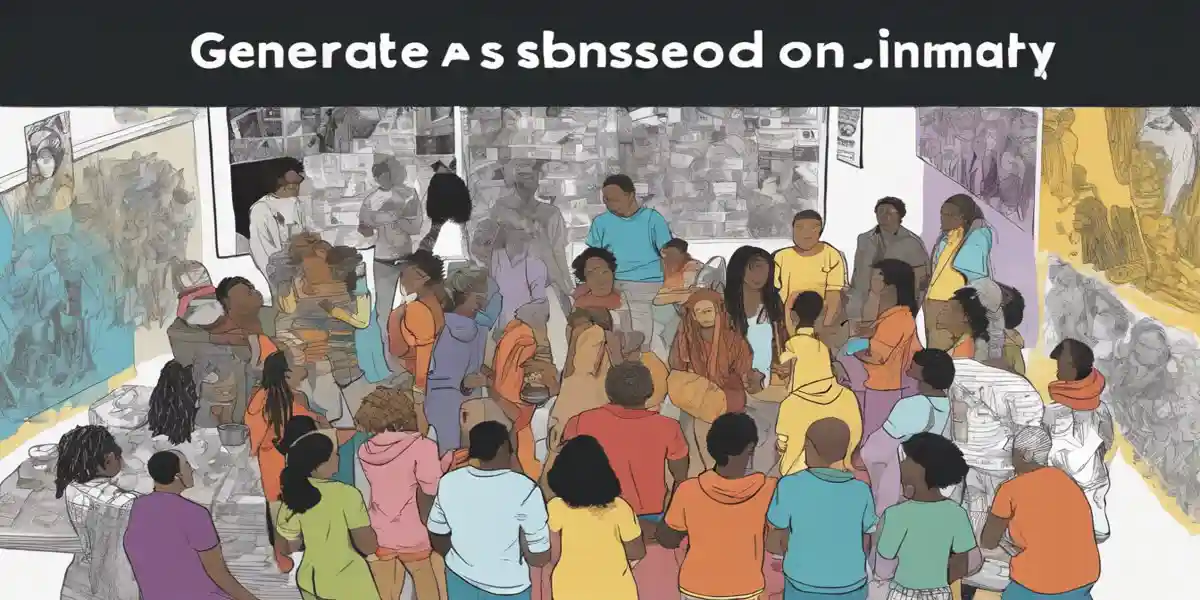
In the realm of mixed media art, audience engagement transcends mere observation. It invites viewers to become integral parts of the storytelling process. By combining various materials—paint, fabric, photographs, and found objects—mixed media artists craft narratives that resonate on emotional and intellectual levels. This active participation transforms the way we experience art, making it a dynamic dialogue rather than a one-way street.
Imagine stepping into a gallery where a piece doesn’t just sit idly on a wall but beckons you to touch it. For instance, take a look at an artwork that employs a collage of textured materials—letters, photographs, and fabric. Each component invites you to engage with it, urging you to explore your own memories and emotions. This tactile nature of mixed media art fosters intimacy and connection, creating a shared narrative between the artist and the audience.
Research has shown that tactile engagement can significantly enhance the aesthetic experience of art. A study involving Willem Boshoff’s Blind Alphabet installation revealed that both blind individuals and sighted people, when blindfolded, experienced deeper connections with the pieces through touch. This interaction not only enriched their appreciation of the visual art but also promoted inclusivity by bridging the gap between different levels of visual ability. Such findings underscore the importance of engaging multiple senses in the art experience, a hallmark of mixed media practices.
Mixed media artists often draw from their personal histories and cultural backgrounds, creating a rich tapestry of experiences that resonates with diverse audiences. By weaving contemporary issues into their artworks, they spark conversations that go beyond the aesthetic, challenging viewers to reflect on societal narratives. For example, artists like El Anatsui utilize discarded materials to create stunning installations that comment on consumerism and waste, inviting audiences to reconsider their relationship with both the material world and cultural history.
This method of storytelling democratizes the narrative; it allows voices from varied backgrounds to emerge and be heard. The blending of artistic disciplines—where painting meets sculpture, and photography intertwines with textiles—creates a holistic experience that engages the audience on multiple levels. The art becomes a living conversation, where viewers are not just passive observers but active participants in shaping the narrative.
Emerging trends in mixed media art also include interactive exhibitions that invite community involvement. Artists are increasingly designing installations that require audience participation, such as collaborative murals or community-based projects that incorporate contributions from local residents. These participatory elements not only enhance the storytelling aspect but also foster a sense of belonging and shared ownership among participants.
Consider the example of the "Before I Die" wall project, initiated by artist Candy Chang. This interactive installation invites individuals to write their aspirations on a public wall, transforming a simple act of writing into a profound collective narrative. Such projects challenge the traditional boundaries of art and redefine the role of the audience, illustrating how mixed media can serve as a powerful platform for communal storytelling.
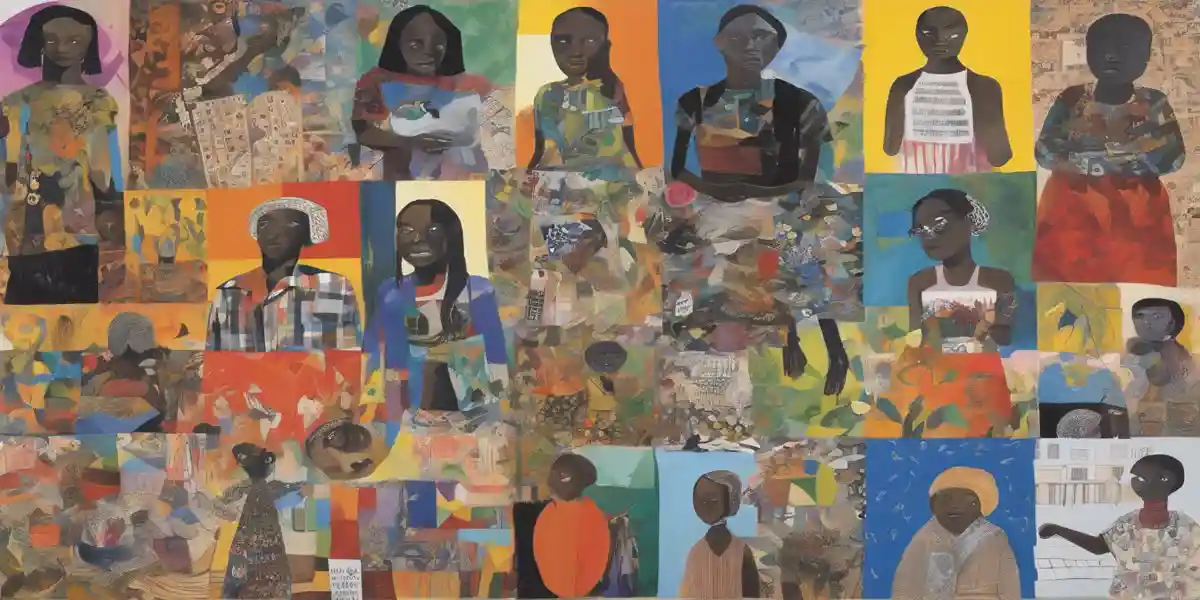
Mixed media art transcends the limitations of traditional storytelling by allowing artists to fuse diverse materials into a singular narrative experience. This innovative approach not only enhances the storytelling process but also invites viewers to immerse themselves in a multi-sensory journey. Let's explore how this form of art redefines narrative through tactile engagement and cultural commentary.
Consider the power of touch in your interaction with art. While traditional paintings might provoke a visual response, mixed media artworks invite a more intimate connection. For instance, artist Willem Boshoff created the Blind Alphabet installation, which encourages tactile engagement. In this installation, individuals—both blind and sighted—explore sculptural forms through touch, fostering a deeper understanding of the artwork beyond mere sight.
This highlights a crucial point: mixed media art can engage multiple senses, enriching the aesthetic experience. The research surrounding Boshoff's work indicates that tactile interactions can evoke memories and emotions that visual art alone may not elicit. By incorporating materials like fabric, wood, and metal, mixed media artists can create pieces that resonate more deeply with viewers, encouraging them to explore their own stories through the lens of the artwork.
Mixed media art serves as a canvas for artists to weave personal and cultural narratives. This form of storytelling often reflects the complexities of a globalized world, allowing diverse voices to emerge. For example, artist El Anatsui utilizes discarded materials to create large-scale wall hangings that comment on consumerism and waste. His work not only tells his personal story as a Ghanaian artist but also invites viewers to reflect on broader societal issues.
Moreover, the blending of artistic disciplines in contemporary mixed media art challenges the boundaries of traditional forms. Artists utilize techniques from sculpture, painting, and installation to express their unique perspectives. This experimentation resonates with the idea that art can critique and reflect social issues, making it a powerful medium for storytelling.
By embracing the diverse materials and techniques of mixed media, artists democratize storytelling. Unlike traditional narratives that may privilege certain voices, mixed media allows for a multiplicity of stories to coexist. This is particularly evident in the works of artists like Faith Ringgold, who combines fabric, painting, and storytelling in her quilts to address themes of race and gender.
In her piece, Tar Beach, Ringgold’s narrative quilt tells a personal story of her childhood while simultaneously addressing broader societal issues. The tactile nature of her work encourages viewers to engage with her history and perspectives, creating an inclusive dialogue about identity and experience.
The rise of mixed media artists signifies a movement that celebrates the complexity of human experience. By combining diverse materials and techniques, these artists redefine storytelling, inviting viewers to engage in a more profound, participatory manner. As we delve deeper into the works of these artists, we uncover the boundless possibilities of creativity that mixed media offers in the realm of storytelling.
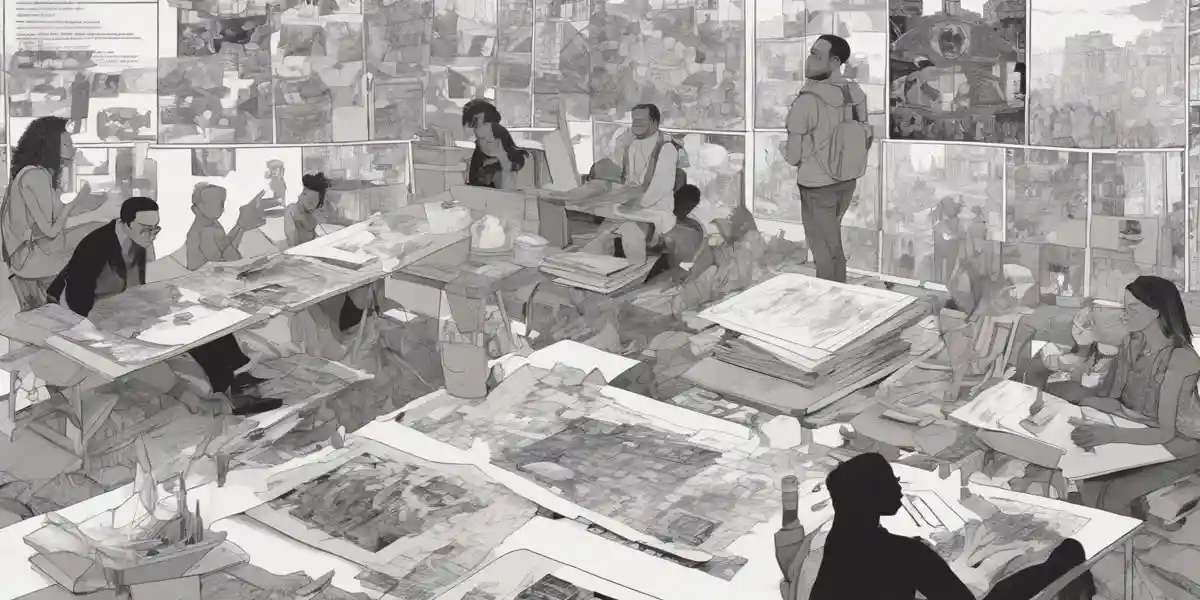
At the heart of mixed media art lies a captivating ability to transcend traditional storytelling norms. By fusing materials like paint, fabric, and found objects, artists create narratives that are not only visual but tactile, inviting viewers to engage with the artwork on multiple levels. This multifaceted approach allows for storytelling that is rich and varied, echoing the complexity of human experience itself.
Imagine walking through a gallery and being drawn to a piece that beckons you to touch it. Perhaps it’s a collage of letters, photographs, and textured materials. Each layer represents a chapter, memory, or feeling, urging you to reflect on your own life as you navigate its surface. This tactile engagement isn’t just an invitation; it’s a fundamental aspect of the mixed media experience. Research highlights the significant role of touch in art appreciation. A study focusing on the tactile interactions with Willem Boshoff’s Blind Alphabet installation showed that participants found deeper connections with artworks when they could physically engage with them. This interaction fosters intimacy, transforming the viewer from a passive observer into an active participant in the storytelling process.
Mixed media artists often draw from their personal histories, cultural backgrounds, and contemporary societal issues, creating a dialogue between the artwork and the viewer. For instance, artist El Anatsui employs discarded materials such as bottle caps and aluminum to construct intricate wall sculptures that reflect on consumption, waste, and the legacies of colonialism. Each piece tells a story that resonates beyond the visual, encouraging viewers to contemplate their own relationship with materiality and history.
This blending of personal expression with broader cultural commentary serves to democratize storytelling. Artists like Kara Walker use silhouette cutouts to address race, gender, and history, urging viewers to confront uncomfortable truths in a visually striking manner. It’s not just about what is depicted; it’s about how the materials and the method of assembly contribute to the narrative. By breaking free from the confines of traditional media, these artists invite diverse voices into the conversation about what art can and should express.
The rise of mixed media art also reflects a broader trend in contemporary artistry, where the blending of disciplines becomes increasingly common. Artists today often integrate elements from various genres, such as performance, sculpture, and digital media, creating a hybrid experience that challenges the viewer's expectations. This intersectionality is not only a stylistic choice but also a statement about the interconnectedness of human experiences in a globalized world.
For example, consider the work of artist Yoko Ono, who combines visual art with performance and social activism. Her installation "Wish Tree" invites viewers to write their wishes on paper and hang them on a tree, creating a community-driven narrative that evolves over time. It’s a powerful reminder that storytelling in art can extend beyond the individual artist to involve the audience as co-creators of meaning.
As mixed media artists continue to push boundaries, they embrace experimentation with materials and techniques, reflecting a world that is constantly changing. This shift not only enriches the storytelling process but also inspires significant change by encouraging viewers to think critically about the narratives presented to them.
In this exploration of mixed media art and its transformative impact on storytelling, we have uncovered a vibrant realm where traditional boundaries dissolve, allowing for a rich tapestry of narratives to emerge. From the evolution of mixed media as a genre to the diverse techniques and inspirations that artists draw from, it is evident that this art form transcends mere aesthetics; it is a dynamic dialogue between creators and audiences. We’ve seen how artists like Kara Walker and El Anatsui harness their personal histories and cultural contexts to engage viewers in profound reflections on identity, race, and societal issues.
Moreover, the tactile nature of mixed media art invites a more intimate connection, urging viewers to interact with the work through touch and engagement. This sensory experience not only enhances understanding but also democratizes storytelling, amplifying voices that have often been marginalized in traditional narratives. By blending various materials and techniques, mixed media artists break down the barriers of conventional art, inviting us all to become active participants in the storytelling process.
As we stand at the intersection of art and storytelling, it becomes clear that mixed media is not just a medium; it is a movement that redefines how we perceive and interact with narratives. It challenges us to reflect on our own stories while engaging with the myriad experiences of others, fostering a collective understanding of the human experience.
So, as you engage with mixed media art, consider the stories that resonate with you. What do you see, touch, and feel? How do these layers of materials speak to your own experiences or challenge your perceptions? The next time you encounter a mixed media piece, allow yourself to delve deeper, to explore the narratives hidden within the textures and forms. Embrace the invitation to participate in a dialogue that transcends the canvas, and share your reflections with others. In doing so, you contribute to the ever-evolving story of art and humanity.
Get notified about new articles, coffee tips, and Web3 insights.
This site participates in affiliate programs and may earn a commission when a link is clicked and a purchase is made. The site is not responsible for any issues or troubles related to the products or services purchased through the use of this site.

DO&COFFEE loves coffee and technology, exploring the potential of NFTs and blockchain. Learn more →
DO&COFFEE loves coffee and technology, exploring the potential of NFTs and blockchain. Learn more →