coffee
2025/11/13

This article contains affiliate links. We may earn a small commission at no extra cost to you. Learn more
Have you ever wondered where your morning espresso really comes from? In a world increasingly driven by transparency and authenticity, consumers are more discerning than ever about the origins of their coffee. As we dive into the fascinating intersection of coffee and technology, we uncover how digital transformation is revolutionizing the way we think about espresso through the innovative concept of tokenization. This approach not only enhances traceability within the coffee supply chain but also elevates the overall consumer experience.
In this blog post, we will explore the dynamic landscape of espresso tokenization, focusing on three key areas: how the Highvalue.Coffee project is making strides in coffee traceability, the role of digital transformation in ensuring quality and transparency, and what the future holds for innovations within the coffee industry. Join us as we unveil the exciting ways technology is brewing new heights in coffee production, ensuring that each sip tells a story of quality and integrity.
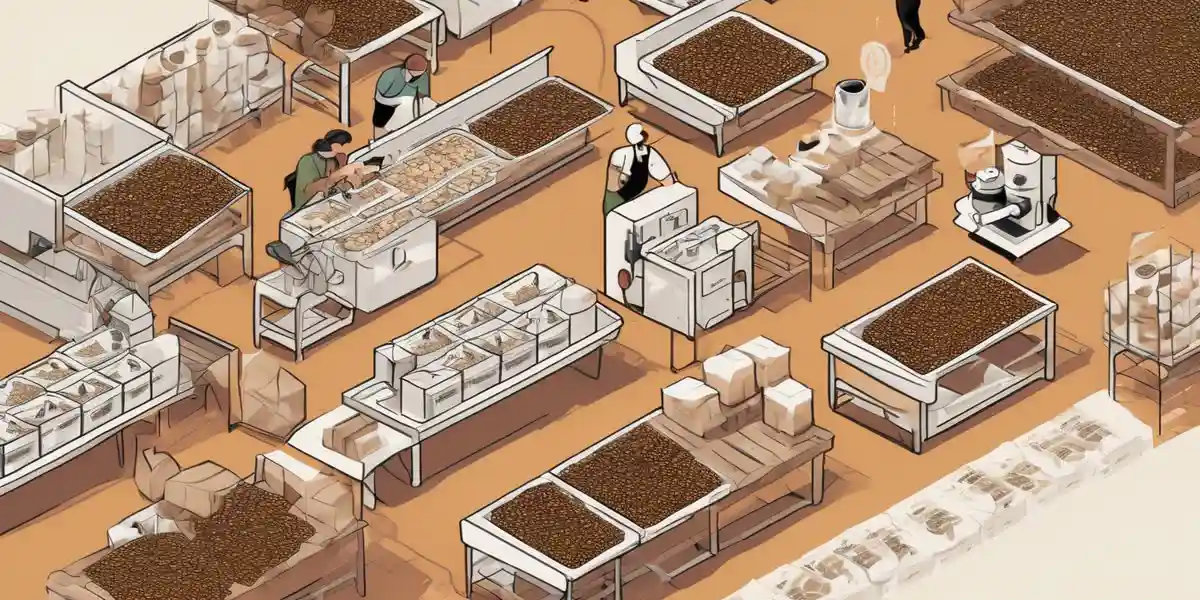
As the coffee industry grows and evolves, the need for transparency and traceability is becoming increasingly essential. This need is driven by consumers who are eager to understand the origins of their coffee, ensuring quality and ethical sourcing. The research paper titled "Highvalue.Coffee Project" and the Growing Importance of Coffee Traceability emphasizes that traceability not only enhances consumer assurance but is also crucial for quality monitoring and effective marketing strategies. By providing detailed information about the journey of coffee, from bean to cup, stakeholders in the coffee supply chain can foster trust and satisfaction among consumers.
The Highvalue.Coffee project aims to address the challenges of traceability by implementing blockchain technology, which is a digital ledger system that records transactions across multiple computers securely and transparently. This system allows for tracking each coffee bean's journey, detailing its genetic characteristics, processing methods, and sensory qualities. The study highlights that by using this innovative traceability service model, the project connects the specific genetic markers of coffee varieties to their chemical compositions and sensory descriptors. For example, a consumer interested in the flavor profile of a particular espresso can easily access information regarding the exact type of beans, where they were grown, and the methods used in their processing, thereby enhancing their overall purchasing experience.
The implementation of such blockchain technologies within the Highvalue.Coffee project illustrates the practical benefits of enhanced traceability in the espresso market. One case study mentioned in the research focuses on a cooperative of coffee farmers, who, by utilizing blockchain, were able to improve their market access significantly. Their ability to provide detailed traceability information on their beans not only attracted consumers looking for quality but also enabled them to fetch higher prices, thereby increasing their overall income.
Moreover, another example involves the collaboration between roasters and online retailers to promote specialty coffees. With blockchain-based traceability, roasters can effectively market their products by showcasing the origin and processing methods of the beans, creating a more personalized narrative that resonates with consumers. This transparency helps build brand loyalty and encourages repeat purchases, making traceability not just a feature, but a key ingredient in the marketing strategy of premium coffee products.
The fusion of blockchain technology and coffee traceability through initiatives like Highvalue.Coffee is set to revolutionize the espresso market, paving the way for higher quality standards and ethical consumption. This transformation underscores the importance of digital innovation in enhancing transparency and trust within the coffee supply chain.
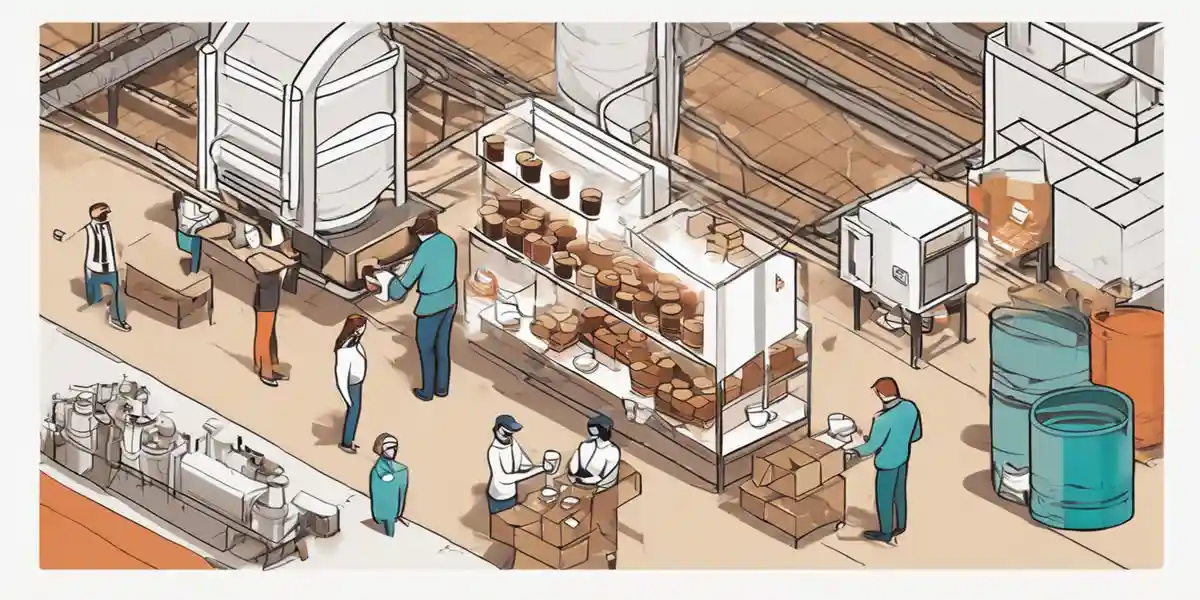
In the world of coffee, consumers are becoming more discerning about the provenance of their beverages. They want assurance regarding the quality and ethical practices of the brands they support. This is where digital transformation through tokenization plays a vital role. Tokenization involves converting the attributes of a physical product, such as coffee beans, into a digital format on a blockchain (a digital ledger that records transactions securely). By doing this, each batch of coffee can be traced back through the supply chain, providing a detailed history that assures consumers of its quality and origin.
The research paper “Highvalue.Coffee Project” and the Growing Importance of Coffee Traceability underscores the significance of traceability in the coffee industry. It suggests that traceability not only enhances consumer confidence but also allows for better quality monitoring. For example, if a particular batch of coffee beans is found to have defects, stakeholders can easily trace it back to its source and understand what went wrong. This capability reduces the risk of compromised quality reaching customers and supports marketing efforts by reinforcing the authenticity of premium coffee offerings.
Tokenization also facilitates transparent transactions among untrusted parties without the need for intermediaries. The paper “The Rise of Blockchain Technology in Agriculture and Food Supply Chains” discusses how blockchain technology can record every transaction related to the coffee supply chain, from planting to sale. This transparency allows consumers to verify claims made by brands about their products. For instance, if a company markets its coffee as being sustainably sourced, consumers can check the blockchain for verification of each step undertaken to ensure this sustainability. This not only boosts brand trust but also leverages the growing consumer demand for transparency in food sourcing.
Several initiatives illustrate the successful application of tokenization in coffee supply chains. One example is a project where farmers are issued digital tokens upon the sale of their coffee beans. These tokens contain information about the beans’ genetic traits, processing methods, and transport history. As the beans move through the supply chain, each step is recorded on the blockchain, allowing roasters and consumers to trace the journey of their coffee seamlessly. This level of visibility not only supports quality assurance but also promotes fair trade practices by ensuring farmers receive the compensation they deserve at each link in the supply chain.
Moreover, platforms that utilize blockchain for coffee traceability include mobile apps that enable consumers to scan QR codes on their coffee packaging, revealing the entire lifecycle of the beans. This engagement creates a stronger connection between consumers and producers, fostering trust and loyalty.
As digital transformation continues to reshape the coffee industry, the role of tokenization in ensuring quality and transparency is proving to be not just beneficial but essential. By providing clear, verifiable information about coffee sourcing and quality, tokenization empowers consumers, supports ethical business practices, and enhances the overall coffee experience.
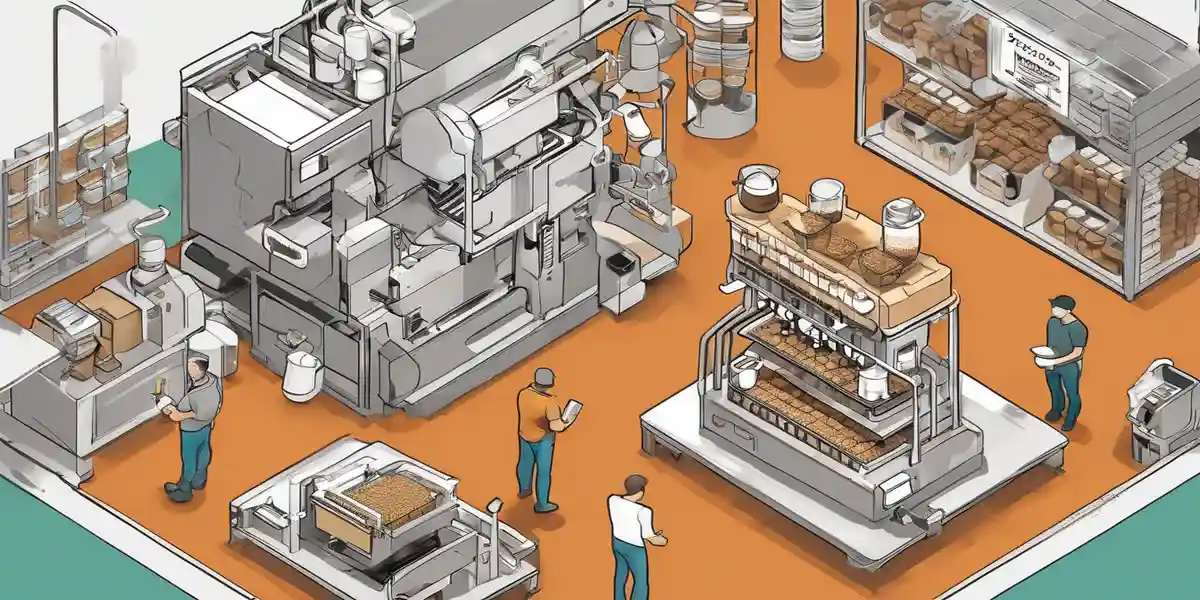
As we look towards the future of espresso tokenization, one of the most promising innovations is the enhanced traceability of coffee. Traceability refers to the ability to track the entire journey of a product, from its origin to the consumer's cup. In the coffee industry, this holds immense value, not just for producers but also for consumers who are increasingly concerned about the quality and ethical sourcing of their coffee. The paper “Highvalue.Coffee Project” and the Growing Importance of Coffee Traceability highlights how a robust traceability system can provide insights into the genetic characteristics of coffee varieties, along with their chemical and sensory properties. This not only assures consumers of the quality they are purchasing but also allows farmers to market their products more effectively by demonstrating unique traits and quality attributes.
At the heart of the innovations in espresso tokenization is blockchain technology—a digital ledger system that securely records transactions across various parties. According to the study The Rise of Blockchain Technology in Agriculture and Food Supply Chains, blockchain can facilitate transparent transactions among untrusted parties without the need for intermediaries. This means that coffee producers can engage directly with suppliers and consumers, enhancing accountability and fostering trust. By tokenizing coffee, each batch can be assigned a unique digital identity, allowing it to be traced back to its origin through the supply chain. This opens up new marketing opportunities for brands that prioritize transparency and sustainability.
The implications of these innovations extend beyond supply chain efficiency; they influence the relationship between coffee brands and consumers. As more customers demand information about where their coffee comes from and the practices used to produce it, companies utilizing espresso tokenization can cater to this demand effectively. This new level of transparency can enhance brand loyalty and attract a customer base that values ethical business practices. Notably, companies that implement these technologies not only bolster their customer relationships but also position themselves favorably in a competitive market where consumers are becoming more discerning.
Furthermore, espresso tokenization enables businesses to differentiate themselves in a crowded marketplace. By leveraging the unique attributes associated with their coffee—such as specific growing conditions or the farmers’ stories—brands can create compelling narratives that resonate with customers. Tokenization makes it easier to share these stories in an engaging way. For instance, consumers could scan a QR code on a coffee package that leads them to an interactive platform outlining the journey of that particular coffee from farm to cup, detailing not just where it was grown but also the methods used in cultivation and processing. This innovative approach not only educates consumers but can also lead to higher prices for premium products.
In summary, the future of espresso tokenization is set to revolutionize the coffee industry by enhancing traceability, improving trust between producers and consumers, and providing a competitive edge through tailored marketing strategies. As digital transformation continues to embed itself in various sectors, the coffee industry stands to benefit significantly from embracing these innovations.
Throughout this exploration of how digital transformation is reshaping espresso tokenization, we've uncovered the critical role technology plays in revolutionizing the coffee industry. From the Highvalue.Coffee project enhancing traceability to the functions of tokenization in ensuring quality and transparency, it’s clear that innovation is not just brewing, but spilling over into every facet of coffee production and distribution. Additionally, as we look towards the future, the ongoing innovations promise to bolster these advancements even further, paving the way for a more sustainable and accountable coffee culture.
Here are some key takeaways: Blockchain technology is enabling traceability that empowers consumers, fostering trust with every cup of espresso. Tokenization brings accountability by ensuring that every stage of the supply chain adheres to quality standards. Lastly, as we move forward, these technological developments will continue to create a more transparent coffee ecosystem on a global scale.
As we sip our favorite brews, let us remember that every cup holds a story, enhanced by the innovations born from digital transformation. To be a part of this exciting change, consider supporting businesses that prioritize transparency and sustainability. Embrace the future of coffee—every sip can help brew innovation in the industry. Will you join the movement?

Get notified about new articles, coffee tips, and Web3 insights.
This site participates in affiliate programs and may earn a commission when a link is clicked and a purchase is made. The site is not responsible for any issues or troubles related to the products or services purchased through the use of this site.

DO&COFFEE loves coffee and technology, exploring the potential of NFTs and blockchain. Learn more →
DO&COFFEE loves coffee and technology, exploring the potential of NFTs and blockchain. Learn more →