coffee
2024/09/17

In the dynamic world of coffee culture, the intersection of specialty brews and decentralized finance (DeFi) is brewing a fresh revolution. Imagine a blockchain-based marketplace that allows coffee lovers to connect directly with small-scale farmers, ensuring that every sip not only supports ethical practices but also tells a rich story of origin. As we delve into this transformative concept, we’ll explore how blockchain technology can enhance transparency in the supply chain, allowing consumers to trace their coffee from farm to cup while promoting sustainability and fair trade. This innovation doesn't just stop at supply chains; it extends into the financial realm, offering farmers access to microloans and instant payments through smart contracts, thus overcoming traditional barriers in agricultural finance. With the promise of loyalty tokens that reward consumers for their purchases, we’re looking at a future where the coffee community thrives on mutual benefits. Join us on this journey as we uncover how these trends are reshaping coffee culture, making every brew a part of a larger, meaningful narrative.
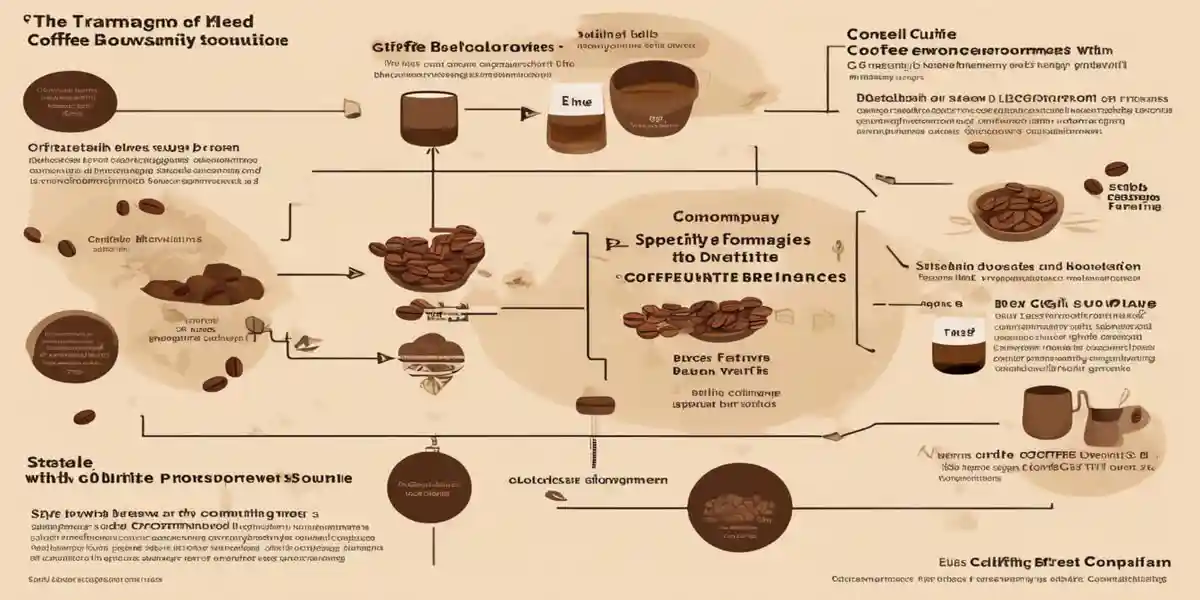
As we stand at the crossroads of tradition and innovation, the coffee culture is experiencing a remarkable transformation, driven by the intersection of specialty brews and decentralized finance (DeFi). This evolution is not just about the flavor or aroma of the coffee we cherish; it’s about a pioneering shift towards transparency, ethical sourcing, and community empowerment in the coffee supply chain.
Imagine a vibrant virtual marketplace where coffee enthusiasts can connect directly with small-scale farmers from all corners of the globe. This is the promise of a blockchain-based coffee marketplace, designed to empower both farmers and consumers. By leveraging blockchain technology, this platform would enable consumers to trace the origin of their coffee beans, ensuring fair trade practices and promoting sustainability at every stage of the supply chain.
For instance, each bag of coffee could be accompanied by a digital certificate, verified by blockchain, detailing its journey from farm to cup. This not only enriches the consumer's experience but also fosters a community passionate about ethical consumption. Such transparency in sourcing can help consumers make informed choices, knowing that their coffee supports sustainable practices and fair compensation for producers.
The small-scale agricultural sector faces numerous challenges, including complex supply chains and limited access to financial resources. A study highlights how DeFi, combined with Ethereum smart contracts, can tackle these issues by enhancing supply chain transparency and financial inclusivity. By utilizing decentralized ledger technology, farmers can access better financial transactions and credit, thereby participating more effectively in the market.
This innovative approach not only helps farmers secure better prices for their products but also grants them access to real-time data and markets. For example, a farmer could receive a microloan instantly through a smart contract, enabling them to invest in improved farming techniques or new equipment. This is a stark contrast to traditional financing methods, which can involve lengthy approval processes and uncertain outcomes.
In this new coffee ecosystem, consumers are not just passive buyers; they can become active participants. Through the integration of DeFi, purchasing coffee could also come with rewards in the form of loyalty tokens. These tokens could be used for discounts on future purchases or even give consumers a say in the governance of the marketplace. Such a model creates a symbiotic relationship between consumers and producers, establishing a community that values transparency and engagement.
This shift emphasizes how technology can enhance not only the quality of the coffee we drink but also the stories behind each cup. The potential of DeFi extends beyond simple transactions; it enables a deeper connection between consumers and the origins of their coffee. For instance, a buyer might choose to support a specific farmer or region based on the stories shared through the blockchain, making each sip a part of a larger, meaningful narrative.
As the demand for high-quality coffee continues to rise globally, the industry grapples with issues of counterfeiting and a lack of distribution transparency. The application of blockchain technology can address these challenges effectively. By tracking the product's origin and quality, blockchain can enhance accountability throughout the coffee distribution process, from farmers to consumers.
Research indicates that utilizing blockchain not only improves transparency but also secures transactions, ensuring that farmers receive fair compensation and consumers receive authentic products. This could involve a simulated blockchain algorithm specifically designed for coffee distribution, improving traceability and reducing the risk of fraud—a crucial factor for consumers who are increasingly concerned about the authenticity of their coffee.
As we embrace this transformative journey, the fusion of specialty brews with DeFi promises to redefine our engagement with coffee. This evolution is more than just a technological advancement; it’s about building a community that prioritizes ethical sourcing, transparency, and empowerment. The coffee we enjoy today may very well become a catalyst for a more sustainable and equitable tomorrow.

The coffee industry is undergoing a significant transformation, fueled by the rising demand for specialty brews and unique coffee experiences. Coffee enthusiasts are increasingly seeking high-quality, ethically sourced beans that not only satisfy their taste buds but also tell a story of sustainability and fairness. This desire for authenticity has paved the way for an innovative approach to coffee culture, where blockchain technology and decentralized finance (DeFi) converge to create a more transparent and engaging marketplace.
Imagine walking into your favorite coffee shop and being able to trace the exact journey of your coffee from the farm to your cup. Blockchain technology enables this level of transparency by providing a tamper-proof ledger that tracks each step in the supply chain. This is crucial not only for quality assurance but also in combating counterfeiting, which has become a significant issue in an industry where high-quality beans can fetch premium prices.
For example, a blockchain-based marketplace could allow consumers to scan a QR code on their coffee bag, revealing detailed information about the bean's origin, the farmer who grew it, and the processing methods used. Such transparency is not just a marketing gimmick; it builds trust between consumers and producers, creating a community that values ethical consumption.
The integration of DeFi in the coffee industry has the potential to revolutionize the economic landscape for small-scale farmers. Traditional financing models often leave these producers at the mercy of middlemen, who can impose delays and uncertainties in payments. By utilizing Ethereum smart contracts, farmers can receive instant payments upon delivery of their coffee, ensuring they are compensated fairly and promptly.
Moreover, the introduction of microloans through decentralized platforms could enable farmers to invest in better farming practices or upgrade their equipment. For instance, a group of farmers could collectively access funding for improved irrigation systems, leading to better yields and higher quality coffee. This model not only enhances financial inclusivity but also fosters a sense of community among farmers, as they can collaborate and share resources.
As coffee enthusiasts become more invested in the stories behind their brews, innovative loyalty programs can deepen their engagement. By implementing a system of loyalty tokens, consumers can earn rewards for their purchases, which could be redeemed for discounts or even voting rights in marketplace decisions. This not only incentivizes purchases but also empowers consumers to have a say in the products they love.
Consider a scenario where a coffee shop offers a unique blend sourced directly from a cooperative of farmers. With a loyalty program integrated into a blockchain marketplace, customers can track their contributions to the farmers' community through their purchases. This creates a direct link between consumer behavior and the support of sustainable practices, making each cup of coffee not just a drink, but a meaningful choice.
While the potential of blockchain and DeFi in transforming coffee culture is vast, challenges remain. Technical implementation and education are crucial for both farmers and consumers to fully harness the benefits of these technologies. As the industry continues to evolve, ongoing dialogue and collaboration among stakeholders will be essential in overcoming these hurdles.
In summary, the rise of specialty brews is more than just a trend; it's a movement towards a more ethical, transparent, and engaging coffee culture. By embracing the innovations of blockchain and DeFi, we can create unique coffee experiences that resonate deeply with consumers and empower farmers around the globe.
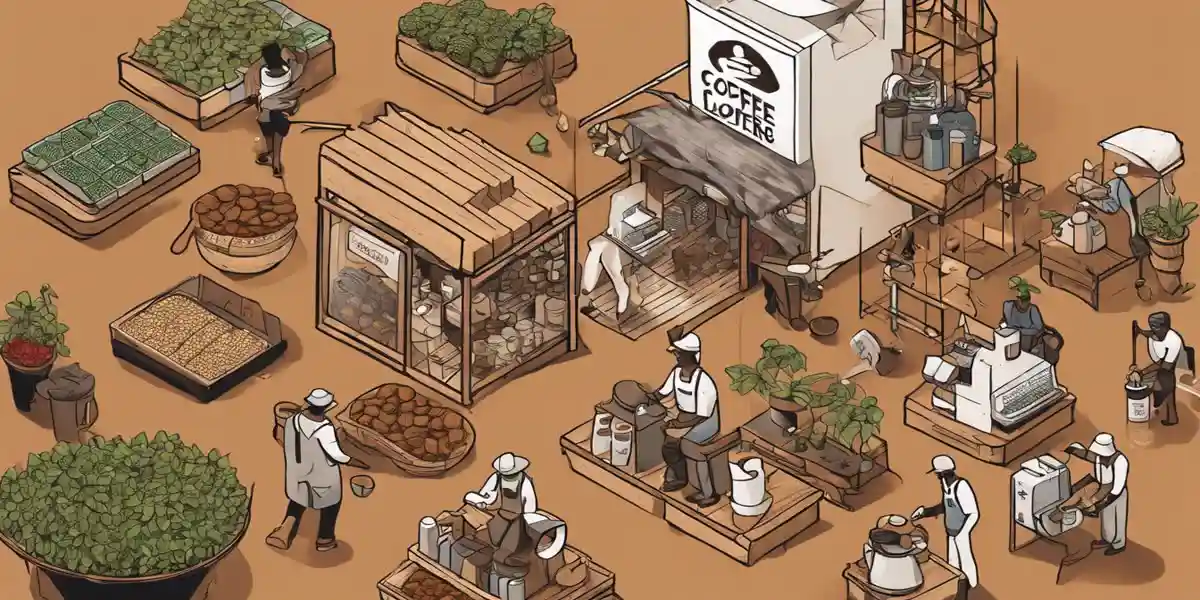
At the intersection of specialty coffee and decentralized finance (DeFi) lies a transformative potential that can significantly reshape the coffee culture landscape. Imagine a blockchain-based marketplace where coffee lovers can connect directly with small-scale farmers, ensuring that every cup of coffee tells a story of ethical sourcing and sustainable practices. This section delves into how DeFi can empower coffee farmers and enhance the consumer experience through innovative financial solutions.
The traditional coffee supply chain is often marred by complexities that obscure the journey of coffee beans from farm to cup. Consumers frequently lack visibility into the origins of their coffee, leading to concerns about fair trade and sustainability. A blockchain-based coffee marketplace can mitigate these issues by providing complete transparency throughout the supply chain. Each bag of coffee could come with a digital certificate verified by blockchain technology, enabling consumers to trace the entire journey of their coffee—from the farm where it was grown to the roastery that processed it.
This level of transparency not only assures consumers about the authenticity of their coffee but also builds trust in the marketplace. As highlighted in recent studies, such as one addressing challenges in the small-scale agricultural sector, adopting decentralized ledger technology enhances stakeholder engagement and data transparency, fostering a more inclusive approach to coffee distribution.
One of the most compelling aspects of integrating DeFi into the coffee industry is the potential for innovative financial models that empower farmers. Many small-scale coffee growers struggle with limited access to credit and financial services. However, through smart contracts on platforms like Ethereum, farmers could secure microloans to invest in better farming practices, infrastructure, or equipment.
For instance, smart contracts could facilitate immediate payment upon delivery of coffee beans, eliminating the delays that often plague traditional payment systems. Such advancements not only streamline financial transactions but also provide farmers with the liquidity needed to manage their operations effectively. This innovative financing approach can substantially enhance agricultural practices, leading to higher quality coffee and improved livelihoods for farmers.
Imagine a marketplace where consumers are rewarded for their loyalty through the use of digital tokens. These tokens could serve multiple purposes: offering discounts on future purchases, allowing holders to participate in governance decisions within the marketplace, or even creating a platform for peer-to-peer trading among coffee enthusiasts. This model fosters a sense of community between consumers and producers, encouraging ethical consumption and making specialty coffee more accessible.
Research indicates that as the demand for high-quality coffee rises, addressing issues such as counterfeiting and distribution transparency becomes crucial. By leveraging asset tokenization and the benefits of DeFi, stakeholders can enhance market participation and secure a fairer distribution of profits along the supply chain.
Despite the promising potential of DeFi in the coffee sector, challenges remain. Issues related to technical implementation, scalability, and education must be addressed to fully harness these innovations. Nevertheless, the significant advantages presented by DeFi—including improved access to real-time data, financial inclusivity, and enhanced visibility in the coffee supply chain—suggest a bright future for this intersection of technology and tradition.
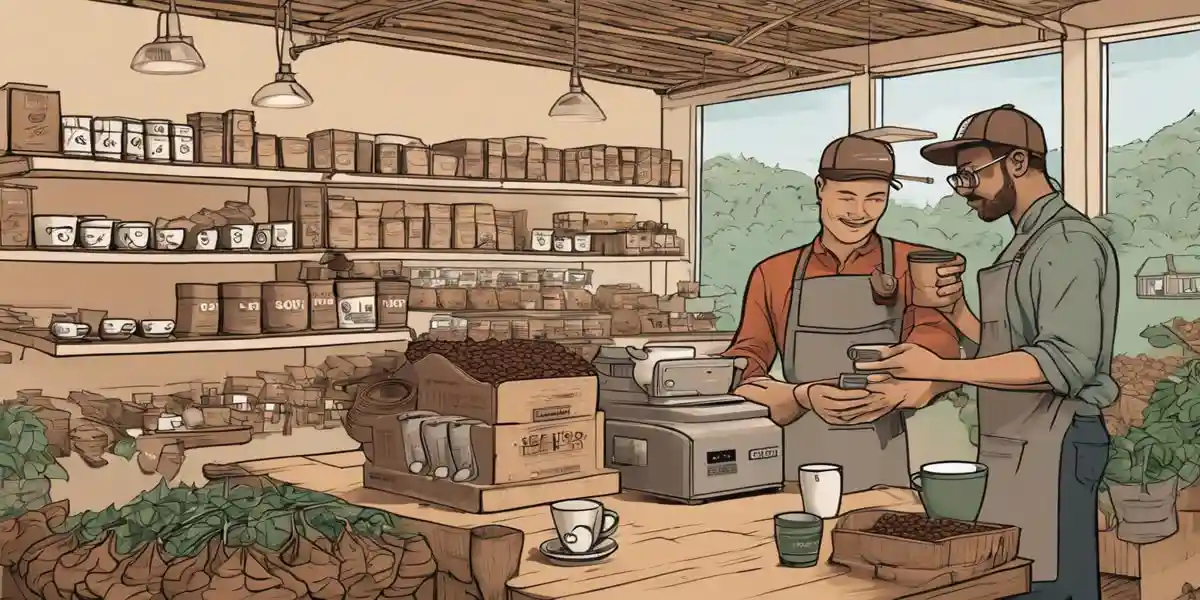
The future of coffee culture is poised for a remarkable transformation, driven by the integration of blockchain technology and decentralized finance (DeFi). This fusion presents an opportunity to reshape not only how coffee is sourced and consumed but also how communities interact with their favorite beverage.
At the heart of this evolution is the empowerment of small-scale farmers. As we consider the traditional challenges they face—such as limited financial access and complex supply chains—DeFi offers promising solutions. For instance, by utilizing Ethereum smart contracts, farmers can gain access to microloans that enable them to invest in better farming practices or equipment. This financial inclusivity not only promotes sustainable farming but also enhances the overall quality of the coffee produced.
Real-world examples illustrate this potential. Platforms like AgriDigital and CoffeeCoin are already exploring decentralized marketplaces where farmers can transact directly with consumers, receiving instant payments for their products. Such innovations reduce the traditional delays associated with conventional trade, ensuring farmers are compensated fairly and promptly, thereby enhancing their livelihoods.
As coffee enthusiasts increasingly demand high-quality and ethically sourced products, blockchain technology becomes essential in addressing issues of transparency and accountability. Imagine purchasing a bag of coffee that comes with a digital certificate, verified by blockchain, detailing its journey from farm to cup. This level of traceability not only enriches the consumer's experience but also builds trust in the supply chain.
Studies highlight that the lack of transparency has been a significant hurdle in the coffee industry, leading to counterfeiting and a loss of consumer confidence. Blockchain can mitigate these problems by providing a tamper-proof ledger that tracks the origin and quality of coffee beans. For example, companies like FairChain are already utilizing such technology to ensure that consumers can trace their coffee back to the farmer, fostering a sense of community and ethical consumption.
The integration of DeFi goes beyond just financial transactions; it creates a symbiotic relationship between consumers and producers. Loyalty programs powered by blockchain can reward consumers with tokens for their purchases, which can be redeemed for discounts or even influence governance decisions within the marketplace. This not only incentivizes purchases but also fosters a sense of ownership and community among coffee lovers.
Moreover, platforms that allow peer-to-peer trading of coffee products can enhance market participation for farmers. By eliminating intermediaries, these platforms can reduce costs for consumers while increasing profits for producers. This model has already been successfully implemented in other agricultural sectors, as seen in the rise of platforms like OriginTrail, which leverage decentralized technology to enhance supply chain transparency.
While the future of coffee culture trends is promising, it is essential to recognize the challenges that lie ahead. Technical implementation of blockchain solutions, stakeholder education, and ensuring scalability are critical areas that require attention. As research indicates, overcoming these obstacles will be vital for fully harnessing the potential of blockchain in the coffee industry.
However, the opportunity to redefine coffee culture through innovation has never been greater. By embracing these technological advances, we can build a coffee culture that is not only about enjoying a quality brew but also about connecting with the individuals and communities that bring this beloved beverage to our tables.
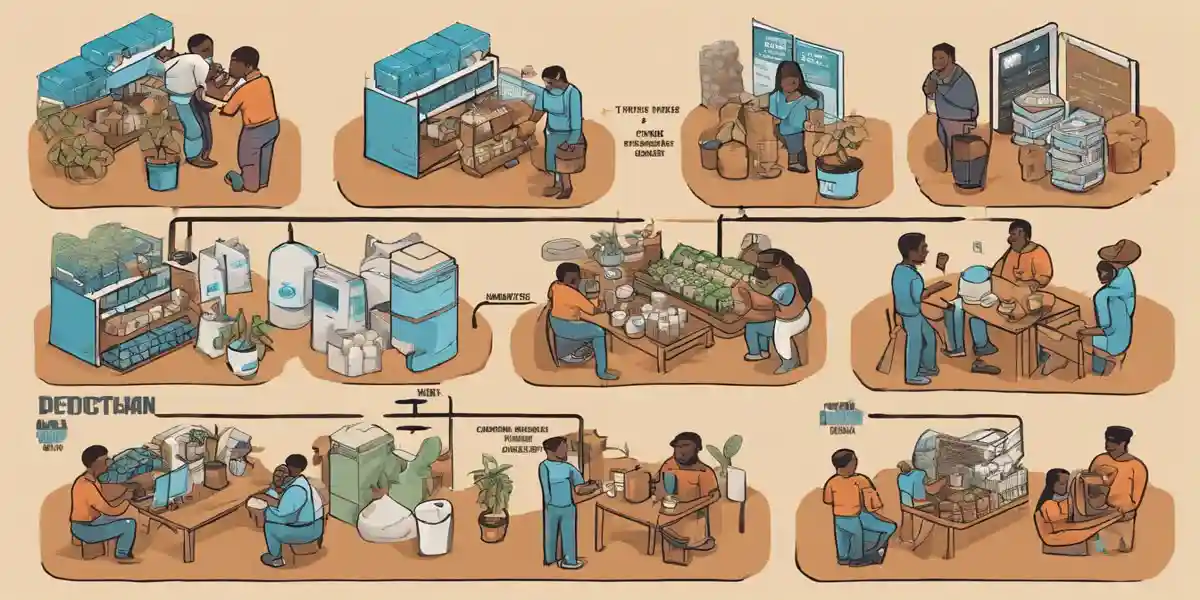
This section explores how a blockchain-based coffee marketplace can revolutionize the coffee industry, enhancing transparency, fair trade practices, and financial inclusivity for small-scale farmers.
In the traditional coffee supply chain, farmers often find themselves at the mercy of intermediaries, leading to complexities and a lack of transparency. With blockchain technology, we can establish a decentralized marketplace where every transaction is recorded on an immutable ledger. This means that coffee enthusiasts can trace their beans' journey from farm to cup, understanding not just the origin but also the ethical practices behind their purchase.
Imagine purchasing a bag of single-origin coffee that comes with a digital certificate, verified by blockchain. This certificate would detail the entire supply chain, from the farmer who grew the beans to the roaster who crafted the final product. Such transparency not only assures consumers of the quality and authenticity of their coffee but also fosters trust and accountability in the marketplace. This is particularly vital in an industry where counterfeiting and low distribution transparency remain prevalent issues, as highlighted in recent studies.
Integrating Decentralized Finance (DeFi) into this marketplace introduces innovative financial models that can significantly impact small-scale farmers. One such model is the use of microloans facilitated by smart contracts, which allow farmers to receive funds instantly upon delivery of their produce. Unlike traditional financing options that often involve lengthy approval processes and high interest rates, these microloans can empower farmers to invest in better farming practices or equipment. This immediate access to funds can lead to improved crop yields and quality, ultimately benefiting consumers who seek high-quality coffee.
A recent study emphasizes the potential of DeFi to enhance financial inclusivity by providing farmers with better credit access and market participation. By utilizing Ethereum smart contracts, farmers can engage in peer-to-peer trading without intermediaries, which reduces transaction costs and increases their earnings. This model also allows for the implementation of crop insurance through asset tokenization, enabling farmers to protect their investments against unforeseen circumstances such as natural disasters.
As consumers engage in this new marketplace, they can be rewarded with loyalty tokens for their purchases. These tokens could be used for discounts on future purchases or even give consumers a voice in the governance of the marketplace. This innovative approach not only enhances customer retention but also builds a community that values ethical consumption and sustainable practices. By effectively creating a symbiotic relationship between consumers and producers, the marketplace can make specialty coffee more accessible and engaging.
For instance, a customer who frequently purchases coffee from a particular farmer could accumulate tokens that allow them to vote on which new products should be offered or how profits should be reinvested into the community. This not only incentivizes consumers to make informed choices but also connects them deeply with the stories and lives of the farmers who produce their coffee.
While the potential benefits of a blockchain-based coffee marketplace are significant, challenges remain in terms of technical implementation and education. Not all farmers may have the necessary knowledge or resources to navigate blockchain technology, and addressing this gap will be crucial for the success of this initiative. However, the transformative potential of blockchain and DeFi in agriculture cannot be understated. By enhancing supply chain transparency and providing new financial opportunities for small-scale farmers, we can pave the way for a more equitable and sustainable coffee culture.
As we conclude our exploration of how specialty brews and decentralized finance (DeFi) are reshaping coffee culture, it becomes clear that we are witnessing a pivotal moment in the coffee industry. The integration of blockchain technology offers unprecedented transparency, allowing consumers to trace their coffee from farm to cup, thereby enhancing their connection to the product and its producers.
At the core of this transformation is the empowerment of small-scale farmers. Through innovative DeFi solutions, farmers are gaining access to microloans and instant payments, which enable them to invest in sustainable practices and improve their livelihoods. This financial inclusivity not only raises the quality of coffee but also fosters a healthier, more equitable industry.
Moreover, the rise of specialty brews is leading to a community-driven approach where consumers become active participants in the coffee ecosystem. With loyalty programs tied to blockchain technology, consumers can earn rewards and have a say in the marketplace's operations, creating a symbiotic relationship between coffee lovers and producers.
While the path ahead is filled with challenges—such as the need for technical education and implementation—these hurdles are surmountable with ongoing collaboration among stakeholders. The potential for a more ethical, transparent, and engaging coffee culture is within reach, and it calls for our collective commitment.
As you savor your next cup of coffee, consider the journey it has taken to get to you. Will you join this movement towards transparency and ethical sourcing? Engage with your coffee choices and support innovations that empower farmers and foster community connections. The future of coffee culture is not just about enjoying a great brew; it’s about making a meaningful impact with every sip.

Get notified about new articles, coffee tips, and Web3 insights.
This site participates in affiliate programs and may earn a commission when a link is clicked and a purchase is made. The site is not responsible for any issues or troubles related to the products or services purchased through the use of this site.

DO&COFFEE loves coffee and technology, exploring the potential of NFTs and blockchain. Learn more →
DO&COFFEE loves coffee and technology, exploring the potential of NFTs and blockchain. Learn more →