coffee
2024/09/17
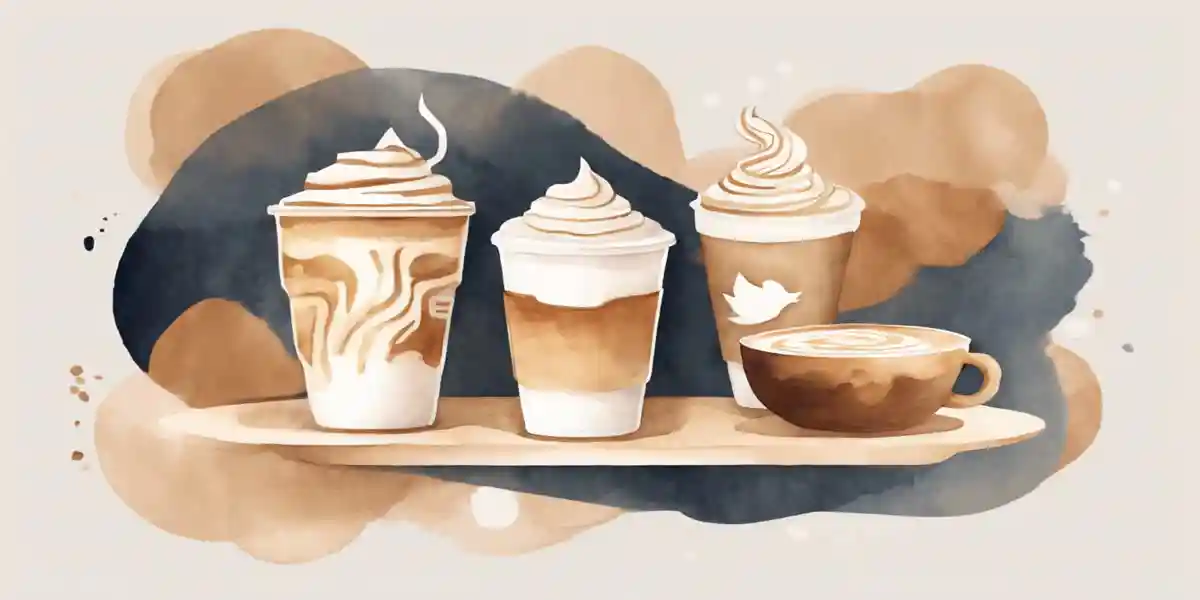
In our visually-driven society, the world of coffee has transformed from a simple daily ritual into an intricate art form that captivates both online and offline audiences. The rise of latte art, marked by delicate designs and creative expressions, has become more than just a trend; it serves as a fascinating lens through which we can explore how social media influences our perceptions and interactions with coffee culture. As you scroll through your Instagram feed, you might find yourself mesmerized by beautifully crafted lattes—hearts, rosettas, and even whimsical portraits—each one a testament to the skill and creativity of the baristas behind them. These stunning visuals do more than just capture attention; they function as a new form of social currency, where the more aesthetically pleasing the latte, the greater the likelihood it will be shared and celebrated. This blog post will delve into the intersection of latte art and social media, examining how platforms like Instagram have not only connected a community of latte artists but have also redefined consumer behavior, with people increasingly choosing coffee shops based on the visual appeal of their offerings. As we explore this dynamic relationship, we invite you to reflect on how social media has reshaped your own coffee experiences and what this means for the future of artisanal coffee and its creators.
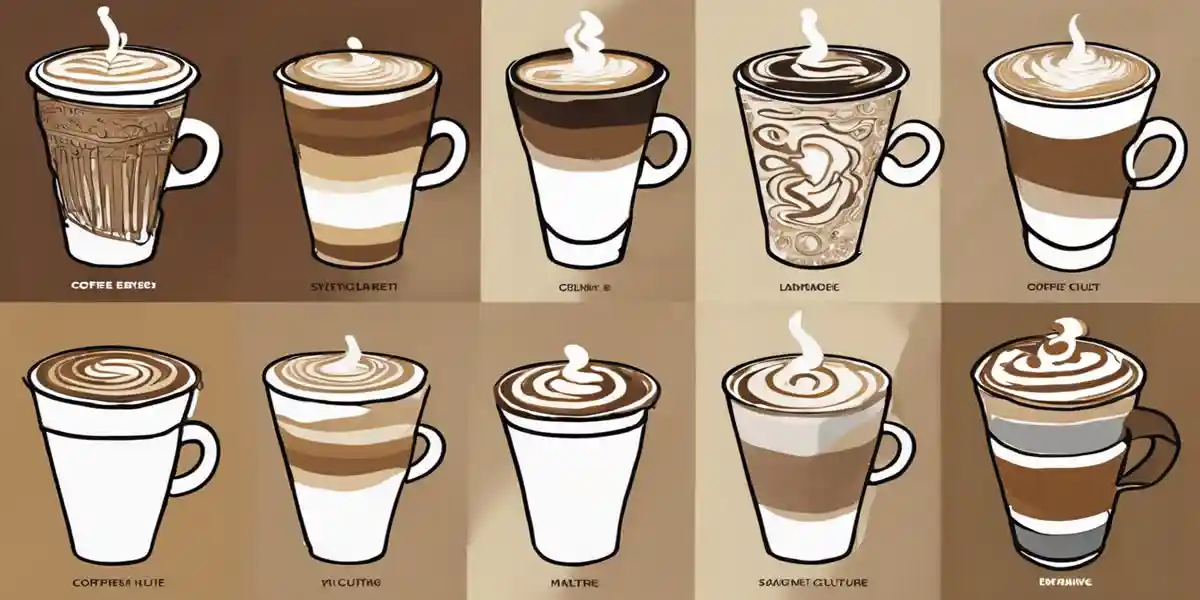
In our visually-driven society, the world of coffee has transcended mere consumption, evolving into a vibrant art form that captivates audiences both online and offline. Latte art has emerged not only as a skillful technique but as a cultural phenomenon that reflects our current obsession with aesthetics and social media.
Latte art involves pouring steamed milk into a shot of espresso to create a pattern or design on the surface of the coffee. The most common designs include hearts, rosettas, and tulips, which require a high level of skill to execute perfectly. Baristas spend years honing their craft, learning how to manipulate the milk's texture and the espresso's crema to achieve stunning results. For instance, the iconic heart shape is often one of the first designs a barista masters, but as they progress, they may explore intricate patterns that resemble flowers or even portraits.
Imagine scrolling through your Instagram feed and being greeted by a cascade of intricately crafted latte designs. These images do more than just showcase artistic talent; they represent a new form of social currency. The more visually appealing the latte, the higher the likelihood of it being shared, liked, and celebrated. This has cultivated a community of latte artists who thrive on social media platforms, where their work can reach a global audience instantaneously. The rise of hashtags like #latteart and #coffeewithart has created a space for coffee lovers and artists to converge, share techniques, tips, and inspiration. This phenomenon highlights a significant shift in how we engage with our coffee experience, where the aesthetics often outweigh the beverage's taste in social media contexts.
As latte art gains traction as a social currency, consumer behavior has shifted dramatically. People are now choosing coffee shops based on the aesthetic appeal of their beverages, often prioritizing social media allure over traditional quality metrics. A study suggests that visual perception plays a crucial role in economic decision-making. Everyday objects, including food and beverages, are imbued with affective significance that can unconsciously influence our choices. This means that a beautifully crafted latte can result in increased foot traffic for a café, as customers are drawn to the Instagrammable quality of their drinks.
Latte art has thus transformed into a competitive arena, with artists striving not only for perfection in technique but also for innovation and creativity that captures the attention of followers. Baristas are increasingly experimenting with new designs and techniques, pushing the boundaries of what can be achieved with steamed milk and espresso. Events like latte art competitions have sprung up globally, where baristas showcase their skills in front of judges and an audience, further cementing latte art as a legitimate art form.
The movement surrounding latte art exemplifies the intersection of coffee culture and social media, as seen in the #BREW-experiment, which explored this relationship through the lens of third wave coffee culture. This research highlighted how marketing and visual aesthetics play a pivotal role in shaping consumer preferences and behaviors, demonstrating a deep connection between photographic aesthetics and our enjoyment of coffee. As the lines between art, commerce, and social media continue to blur, it prompts us to reflect on how our relationship with coffee is evolving in the age of social media.
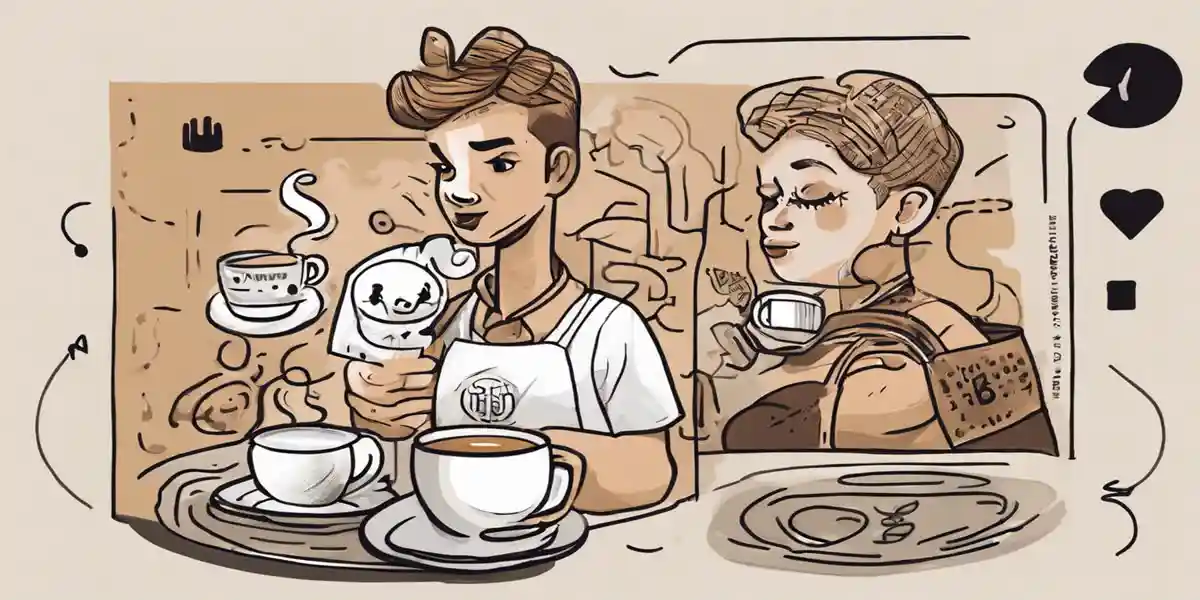
The rise of social media has dramatically transformed the landscape of latte art, making it not just a skill but a form of social currency that baristas leverage to gain recognition and build community. This section explores how platforms like Instagram have shaped the perception and appreciation of latte art, turning it into a competitive art form in the process.
In an era driven by visual content, the allure of latte art is magnified through social media. Images of perfectly crafted lattes—whether they’re delicate hearts or intricate rosettas—fill our feeds, captivating audiences and elevating everyday coffee consumption into an art form. The more visually appealing a latte, the higher its chances of being shared, liked, and celebrated.
Research indicates that this visual emphasis significantly influences consumer behavior. According to a study on choice-making processes, our visual perception interacts with emotional and cognitive aspects of decision-making. This means that when we scroll through our feeds, we are not just appreciating art; we are also subconsciously influenced by the affective significance these images hold. This interaction prompts viewers to consider not just the coffee’s taste, but its aesthetic appeal as a primary decision-making factor when choosing where to buy coffee.
The emergence of hashtags like #latteart and #coffeewithart has fostered a vibrant online community where artists and coffee enthusiasts converge. These digital spaces encourage sharing techniques, tips, and inspirations, effectively democratizing latte art. Baristas from different corners of the globe can showcase their work and gain visibility, regardless of their location or the size of their coffee shop.
For instance, the #BREW-experiment conducted in 2015 delved into Instagram's role within the third wave coffee culture, examining how visual aesthetics influence marketing strategies and consumer engagement. By combining digital ethnography with a focus on photographic quality, researchers found that latte art not only serves as a marketing tool but also as a cultural signifier that illustrates the artistry and craft behind specialty coffee. This has led to a growing appreciation for baristas as artists and innovators in their field.
As latte art gains traction on social media, consumer behavior is shifting accordingly. Many coffee drinkers now select cafes based on the visual appeal of their beverages, often prioritizing Instagrammable moments over traditional quality metrics. This trend reflects a broader cultural shift where aesthetic value plays a crucial role in consumption choices. For example, coffee shops that feature visually stunning latte art often see increased foot traffic, as patrons seek not just a caffeine fix but also a shareable experience.
Such a transformation in consumer behavior highlights the significant impact social media has on the coffee industry. It raises questions about sustainability and authenticity: Are we choosing our coffee based solely on how it looks? How does this affect the relationship between baristas and their craft? With the stakes higher than ever, latte artists are continually pushed to innovate and elevate their craft, ensuring they remain relevant in a visually-driven marketplace.
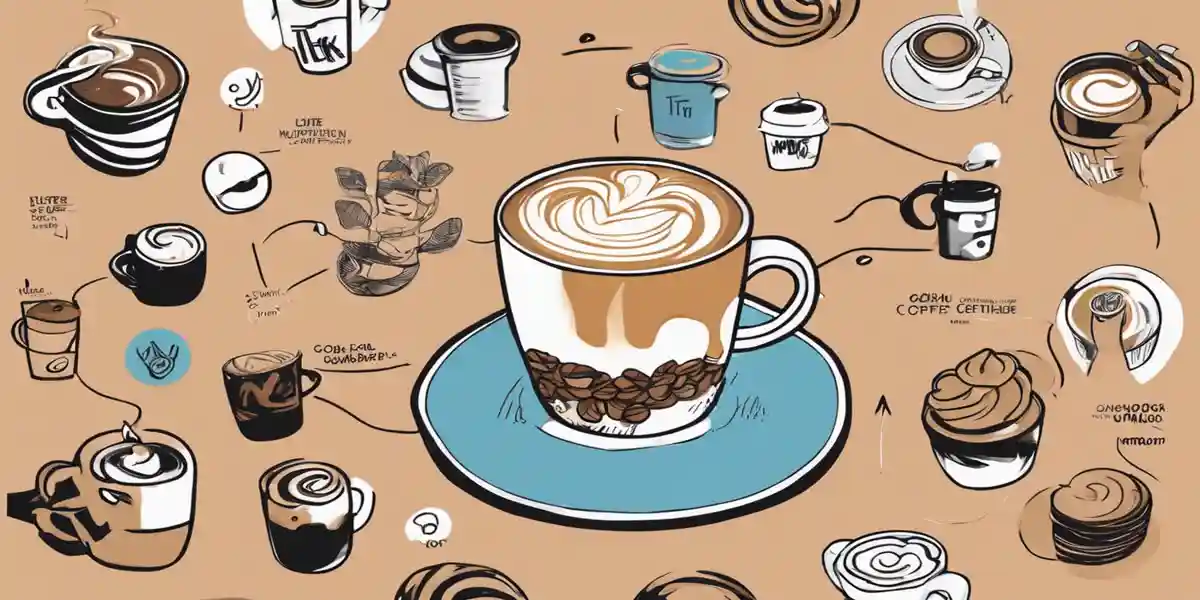
In the age of Instagram and TikTok, latte art has evolved from a niche skill into a vibrant community, where baristas and coffee enthusiasts unite through the shared appreciation of this craft. This section delves into how social media platforms serve as fertile grounds for collaboration, learning, and inspiration among latte artists.
At the heart of this community-building is the profound impact of visual aesthetics on consumer behavior. As outlined in recent research, our decision-making processes are significantly influenced by visual processing. When a barista pours a delicate rosetta or a heart into a latte, they create not just a drink but a visual experience that can evoke emotions and stimulate engagement. This connection is instantaneous; a single photo can resonate with thousands of viewers, leading to comments, shares, and likes that serve as a form of social currency.
Social media platforms, particularly Instagram, have democratized the art of latte making. Hashtags like #latteart and #coffeewithart have become portals to a global community. Artists from various corners of the world can post their creations and receive feedback from an audience that transcends geographical boundaries. For example, a barista in Melbourne can inspire a coffee lover in Paris with a unique technique, fostering an exchange of ideas that enhances the craft universally.
The interconnectedness of these platforms has also led to an environment where knowledge is freely shared. Artists often post tutorial videos, showcasing their techniques and offering tips to beginners. This collaborative spirit is further exemplified by the emergence of coffee challenges on social media, where artists are prompted to create specific designs within a set timeframe, pushing their creative limits while engaging their followers. Such initiatives not only bolster individual skills but also foster community spirit, as participants cheer each other on and share their experiences.
The shift toward visually-driven consumption is palpable, with coffee shops increasingly curating their offerings to appeal to the Instagram generation. Consumers are now more likely to choose a café based on the visual allure of its drinks rather than just the quality of the coffee itself. This phenomenon was highlighted in the #BREW-experiment, which explored how third wave coffee culture is shaped by social media. The study emphasized the role of visual aesthetics in attracting consumers, further intertwining the fates of latte artists and café owners in this new landscape.
As we explore the intersection of latte art and social media, it's evident that these platforms have not only transformed the way we appreciate coffee but have also established a thriving community of artists dedicated to perfecting their craft and sharing it with the world.
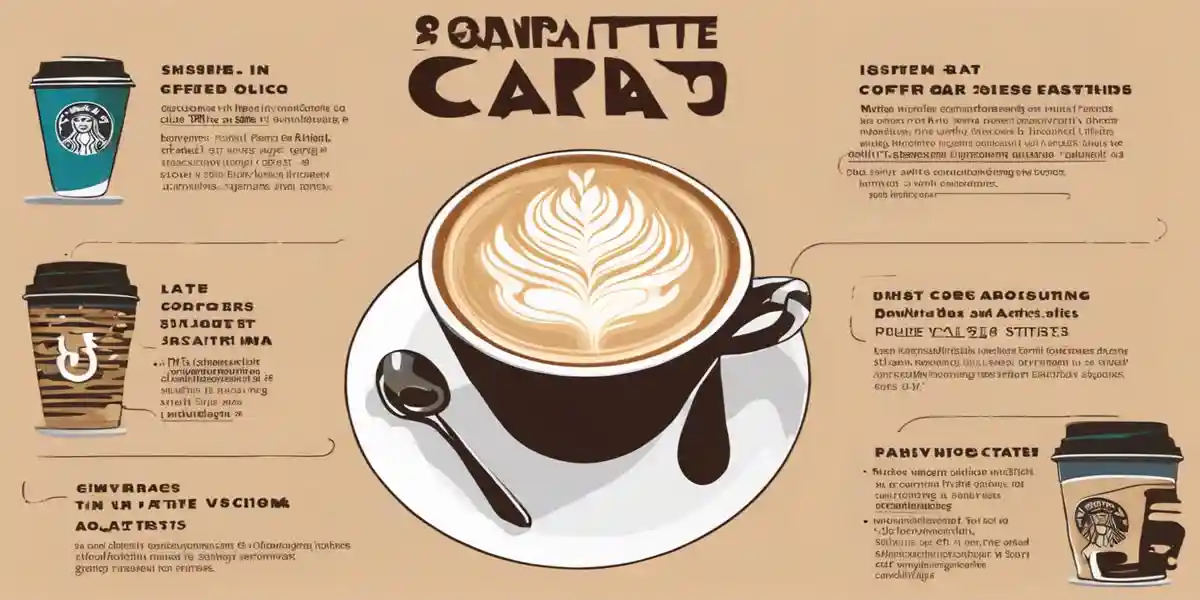
In today's visually-driven society, the art of latte making has transformed into a compelling spectacle, one that thrives on social media platforms. This shift marks a significant evolution in how we perceive coffee, turning it from a mere beverage into a canvas for creativity and expression. With each scroll through an Instagram feed, we encounter an array of meticulously crafted latte designs—each cup telling a story beyond its taste. But what lies beneath this visual appeal? How does the act of showcasing talent on visual platforms enhance the popularity of latte artists?
Visual platforms, particularly Instagram, have become critical in shaping consumer behavior and preferences. According to research, our visual cortex interacts with emotional and cognitive aspects of decision-making, leading to choices influenced by aesthetics. For instance, when a barista posts a stunning heart or a complex rosetta on their Instagram, they are not just sharing a picture—they are creating an emotional resonance that compels viewers to engage. This emotional connection, intertwined with the visual appeal, often leads consumers to choose one coffee shop over another, based on the artistic quality of the lattes they serve.
The rise of hashtags like #latteart and #coffeewithart has cultivated a thriving community of latte artists. These tags act as digital markers of talent and creativity, allowing artists to showcase their work to a global audience. For example, a simple search for #latteart reveals thousands of posts ranging from beginners experimenting with basic designs to seasoned professionals pushing the boundaries of what latte art can be. This visibility not only fosters a sense of community among coffee enthusiasts but also elevates the artists themselves, turning their creations into social currency.
As latte art gains traction on visual platforms, it has evolved into a competitive arena. Artists are constantly challenged to innovate and perfect their techniques, pushing the envelope of creativity. The idea of “latte art throwdowns” showcases this competitive spirit, where baristas present their best designs in front of an audience. These events not only celebrate artistry but also serve as an opportunity for artists to gain recognition and followers. The more unique and visually appealing the design, the more likely it is to be shared, liked, and celebrated—creating a ripple effect that amplifies their reach.
This visual-centric culture has also shifted consumer priorities. Many people now select coffee shops based on the aesthetic quality of their drinks, often favoring Instagrammable options over traditional quality metrics. This change is evident in the way coffee shops curate their menus, investing in not just the taste of the coffee but also its presentation. The emphasis on visual appeal has led to the rise of specialty coffee shops that prioritize artistic presentations, drawing in customers eager to share their experiences online.
The findings from the #BREW-experiment highlight the intersection of visual aesthetics and marketing strategies in the third wave coffee culture. By understanding how visual platforms influence consumer behavior, coffee shops can tailor their marketing efforts to leverage this phenomenon. For instance, utilizing high-quality photography and engaging content on social media can significantly enhance a brand's visibility and desirability. This approach not only attracts customers but also builds a loyal following that appreciates the artistry behind each cup.
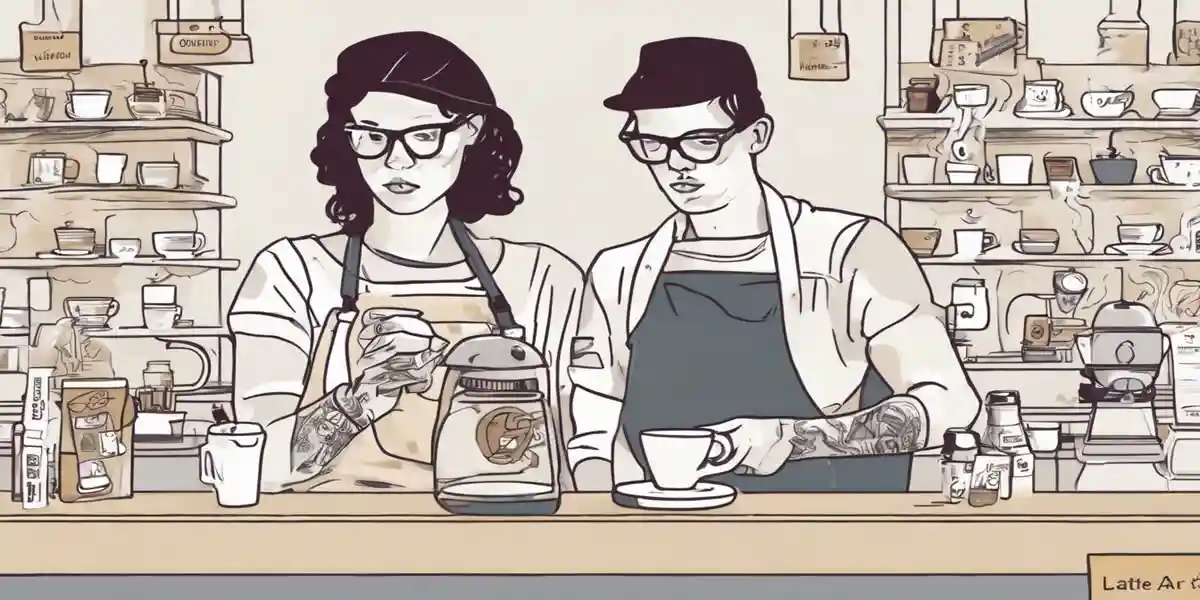
As we gaze into the future of latte art, it’s essential to recognize how deeply intertwined it has become with the digital landscape. In this visually-driven society, latte art is not just about the beverage; it's an expression of creativity and a reflection of cultural trends. The rise of social media platforms has cultivated an environment where aesthetic appeal reigns supreme, altering the very fabric of consumer behavior in the coffee industry.
Recent research suggests that our visual cortex plays a pivotal role in shaping economic decisions. This is particularly relevant in the context of latte art, where the aesthetic quality of a coffee drink can directly influence consumer choices. When faced with a choice, consumers do not merely evaluate the taste or quality of coffee; they also consider its visual appeal. This phenomenon is evident in how a beautifully crafted rosetta can evoke emotions, leading to an increased likelihood of sharing that image on social media. The emotional connection created through visual aesthetics can sway consumer preferences, encouraging them to seek out coffee shops that prioritize not just quality, but also artistry.
Latte art has undeniably transformed into a form of social currency. As we scroll through Instagram or TikTok, we encounter countless images of stunning lattes adorned with intricate designs. Each piece of art shared online serves as a currency of engagement; the more captivating the latte, the more likely it is to gain likes, shares, and comments. This digital validation fosters a competitive spirit among baristas and coffee enthusiasts alike. They are not just creating coffee; they are crafting shareable moments that demand attention in a crowded digital marketplace. The hashtags #latteart and #coffeewithart have become conduits for these creatives to connect, share techniques, and inspire one another.
The implications of this digital-centric latte art culture extend beyond the barista community; they permeate consumer behavior profoundly. Increasingly, coffee drinkers are making choices based on the aesthetic allure of their beverages. Many patrons now prioritize coffee shops that offer visually stunning drinks over those that may have a more traditional or consistent quality. This shift highlights a new kind of consumer engagement—one that prioritizes the Instagrammable moment over simple taste. As a result, coffee shops are investing more in their presentation and the skills of their baristas, understanding that a well-crafted latte can lead to social media buzz and, consequently, foot traffic.
The #BREW-experiment illustrates how digital ethnography can illuminate the intricate dynamics of latte art within the third wave coffee culture. By examining the interplay between marketing strategies and visual aesthetics, researchers have uncovered that the visual allure of coffee can create a robust narrative around the product. It connects not only with coffee lovers but also with those seeking to engage in the community. As a result, cafes are now seen as more than just places to grab a drink; they are spaces where art, culture, and consumerism converge.
In this digital age, the future of latte art may very well depend on how effectively artists and coffee establishments can adapt to these new norms. The challenge lies not only in creating visually stunning beverages but also in harnessing the power of social media to tell compelling stories that resonate with an audience that craves both taste and aesthetic beauty.
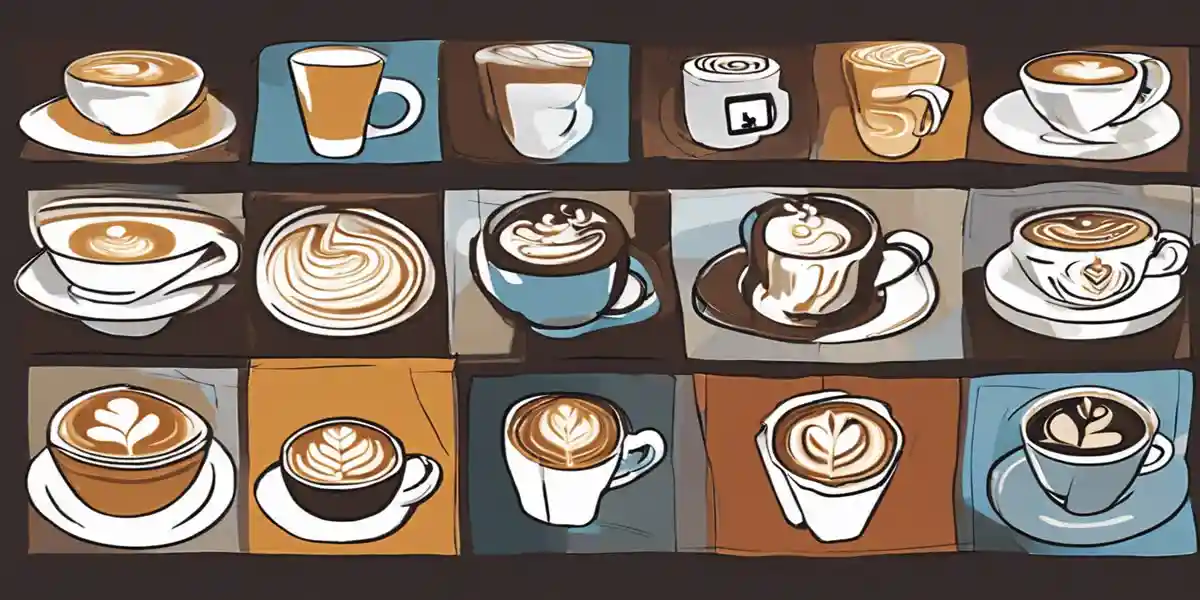
In our visually-driven society, latte art has emerged as a captivating intersection of skill, creativity, and social interaction. This section explores how social media has transformed the perception of coffee, not merely as a beverage but as an art form that commands attention and admiration.
Imagine the last time you found yourself scrolling through your Instagram feed. Among the curated snapshots of daily life, you are greeted by a stunning array of latte designs—hearts, rosettas, and intricate portraits that draw you in. Each image is more than just a picture of coffee; it's a testament to the barista's skill and an invitation to engage. In this context, the visual appeal of a latte can significantly influence consumer behavior, acting as a form of social currency that elevates a simple cup of coffee into a shareable experience.
Research indicates that our choice-making processes are profoundly affected by visual stimuli. The visual cortex does not operate in isolation; it interacts with emotional and cognitive aspects of decision-making. This means that an aesthetically pleasing latte can evoke feelings of joy or admiration, leading consumers to prioritize visually stunning options when selecting coffee shops. Consequently, latte art becomes not just a skill but a strategic advantage in attracting customers.
The rise of hashtags like #latteart and #coffeewithart has propelled the community of latte artists, providing them a platform to showcase their work to a global audience. This digital space fosters collaboration and competition, where baristas can share techniques, tips, and innovations. For instance, the #BREW-experiment, initiated in November 2015, examined the interplay between Instagram and the third wave coffee culture. This research utilized a digital ethnography approach, revealing how visual aesthetics can shape marketing strategies within niche subcultures.
Platforms like Instagram serve as a gallery where the artistry of coffee is on display, allowing users to interact with the content through likes and shares. This interaction further amplifies the visibility of artists, creating a feedback loop where the most visually compelling works gain traction and inspire others. As a result, the latte artist's success is often measured in social media metrics, redefining traditional notions of artistic achievement.
As the latte art movement gains momentum, consumer behavior is also shifting dramatically. Today, many individuals select coffee shops based on the visual allure of their beverages, often placing aesthetic appeal above traditional quality metrics like taste or aroma. This trend challenges the conventional wisdom of the coffee industry, where flavor was once the primary focus.
Consumers are now more likely to engage with a coffee shop that presents beautifully crafted lattes on social media, even if that means sacrificing some elements of traditional quality. This phenomenon highlights the evolving nature of consumer preferences, where visual content holds significant sway over purchasing decisions. Baristas who adapt to this trend by honing their skills in latte art may find themselves at a competitive advantage in a crowded market.
In conclusion, the rise of latte art as a significant cultural phenomenon is deeply intertwined with the evolution of social media. Throughout this exploration, we have seen how latte art has transcended its initial role as a simple skill, morphing into a complex blend of artistry, community, and consumer behavior shaped by digital platforms. From the intricate patterns crafted by skilled baristas to the vibrant online communities formed through hashtags like #latteart, it is clear that social media has redefined how we perceive and engage with the coffee experience.
As we have discussed, the visual appeal of latte art acts as a form of social currency, influencing consumer choices by prioritizing aesthetics over traditional quality metrics. This shift is not just a fleeting trend; it reflects a broader cultural movement that places a premium on visual storytelling and community engagement. The emergence of competitive arenas for latte artists, alongside collaborative learning opportunities through social media, has further solidified this art form's place within the coffee culture.
Looking ahead, the future of latte art will likely continue to be shaped by our digital landscape. As coffee enthusiasts increasingly seek out Instagrammable experiences, baristas will need to adapt, honing their skills not only to create exceptional flavors but also visually stunning presentations. The challenge lies in balancing artistry with authenticity, ensuring that the craft of coffee-making remains rooted in quality while also captivating a visually-driven audience.
As you sip your next latte, take a moment to appreciate the artistry that goes into each cup. Consider how social media influences your own choices and the experiences you seek. Will you prioritize the visual allure, or will taste remain your guiding principle? Join the conversation on social media, share your favorite latte art, and support the talented artists behind the scenes. After all, in this interconnected world, every cup of coffee tells a story—make yours worth sharing.
Get notified about new articles, coffee tips, and Web3 insights.
This site participates in affiliate programs and may earn a commission when a link is clicked and a purchase is made. The site is not responsible for any issues or troubles related to the products or services purchased through the use of this site.

DO&COFFEE loves coffee and technology, exploring the potential of NFTs and blockchain. Learn more →
DO&COFFEE loves coffee and technology, exploring the potential of NFTs and blockchain. Learn more →