coffee
2025/12/26

Have you ever wondered what goes into your morning cup of espresso? Beyond its rich aroma and bold flavor lies a complex world charged with innovation. As we move into a new era of coffee consumption, technology is not just a tool; it’s a game changer that's reshaping how we experience espresso and the art of coffee roasting. With each sip, consumers are becoming increasingly aware of quality, sustainability, and origin, prompting a rising demand for transparency in the coffee supply chain.
In this blog post, we’ll delve into how cutting-edge technology is transforming the espresso landscape by exploring three impactful innovations: blockchain traceability, which ensures quality and origin in espresso production; innovative grinding solutions that reduce electrostatic charging for optimal flavor extraction; and the future of coffee roasters as they embrace technology to cultivate sustainable practices. Join us as we explore how these advancements are revolutionizing espresso and setting the stage for a new chapter in the coffee industry.
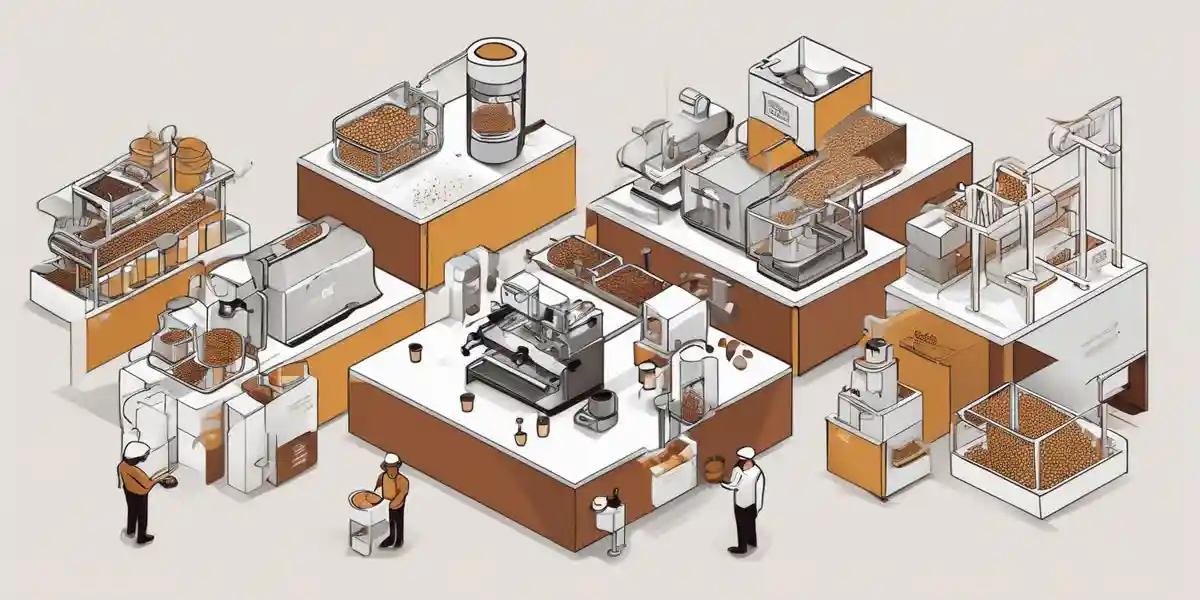
Blockchain technology is increasingly being recognized for its potential to revolutionize the coffee industry, especially in ensuring transparency and traceability in espresso production. At its core, blockchain is a digital ledger system that securely records transactions across a network of computers. This decentralization makes it nearly impossible for any single entity to alter the information once it's been entered, which is crucial in verifying the authenticity and quality of coffee beans.
Research has shown that the coffee supply chain faces significant challenges regarding transparency. Consumers often struggle to confirm the quality of coffee relative to its price, leading to skepticism about whether they are receiving the value they expect. By implementing blockchain, each stage of the coffee supply chain—from farmers to distributors to retailers—can be accurately tracked. This ensures that consumers can trace their coffee back to its origin, gaining insight into everything from farming practices to certification processes. For example, the study 'Blockchain traceability model in the coffee industry' indicates that such a system enables secure tracking of coffee beans, helping to build consumer trust in the product’s quality.
One illustrative example of blockchain in action is found in the exploration of the Colombian coffee supply chain. A study titled 'Colombian Origin Coffee Supply Chain Traceability by a Blockchain Implementation' tested the feasibility of this technology through a proof of concept using Hyperledger Fabric. The study illustrated how the implementation of blockchain could trace product origins, effectively allowing consumers and retailers to verify that the coffee is indeed from Colombian farms, renowned for their unique flavor profiles. This form of traceability not only enhances consumer confidence but also supports fair trade practices by ensuring that farmers are appropriately compensated for their quality beans.
The implications of blockchain traceability also extend to quality control. By recording detailed data on each batch of coffee beans, from the agricultural practices used to their processing and distribution, roasters can ensure the consistency and high standard of their espresso offerings. In an industry where flavor quality can vary greatly based on numerous factors, this data-driven approach empowers coffee roasters to make informed decisions about sourcing and blending beans. Ultimately, having access to such detailed information enables roasters to present their customers with an authentic story behind each cup of espresso, enhancing the overall coffee experience.
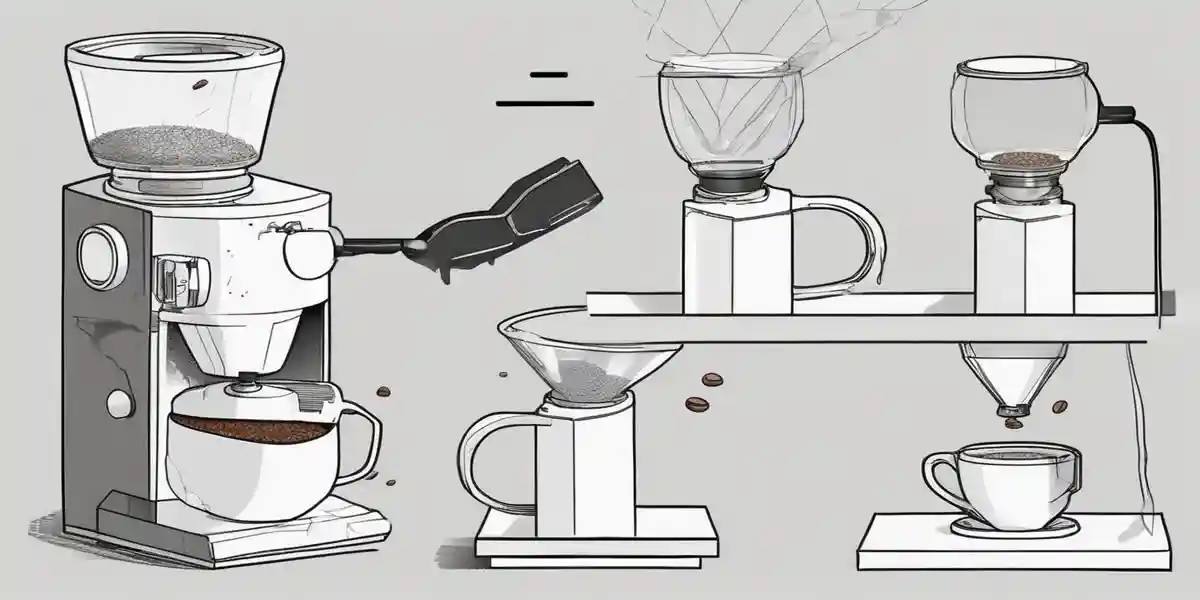
When coffee beans are ground, electrostatic charges can build up on the tiny particles. This phenomenon can lead to clumping, causing uneven extraction and inconsistent flavor profiles. Electrostatic charging occurs due to friction as the beans collide with one another and the grinder's internal surfaces. These charged particles can stick to the grinder, rather than being evenly distributed into the coffee grounds. This unevenness can drastically impact the taste of the brewed coffee, making it vital for coffee roasters and enthusiasts to find solutions to this problem.
Recent advancements in grinding technology have introduced methods to reduce electrostatic charging, ensuring that coffee flavors remain optimal. A study titled "Chemical strategies to mitigate electrostatic charging during coffee grinding" explored various techniques, finding that adding small amounts of water to whole coffee beans can significantly reduce the charge. By introducing moisture, the cohesion between particles is improved, minimizing clumping and allowing for a more consistent grind. This results in more uniform extraction during brewing, leading to enhanced flavor clarity.
Another innovative technique involves the use of ion bombardment, which neutralizes static charge by introducing negatively charged ions into the grinder. This method effectively reduces the cling of coffee particles to grinder surfaces, ensuring a cleaner grind and a more stable flavor profile. Utilizing these technologies not only enhances the quality of coffee but also improves the efficiency of the grinding process for roasters.
Several forward-thinking coffee roasters have already begun integrating these innovative grinding solutions into their operations. For example, a specialty coffee shop in Portland adopted a state-of-the-art grinder equipped with moisture control technology. As a result, they reported an increase in customer satisfaction due to the consistency of their espresso shots. This adaptation not only improved flavor but also reduced waste associated with clumping, allowing the shop to serve more drinks from each batch of beans.
Additionally, roasters have experimented with ion bombardment systems in their grinders. These systems have shown promise in increasing the efficiency of the grinding process, reducing cleaning times between batches and ensuring that flavors remain pure without cross-contamination. Such advancements reflect a growing trend in the coffee industry where technology is being harnessed to solve traditional problems, making it possible for roasters to push the boundaries of flavor and quality.
By tackling the challenges posed by electrostatic charging in grinding, innovative solutions are paving the way for the future of coffee roasting. As technology continues to evolve, coffee enthusiasts can look forward to consistently rich and diverse flavors that elevate their coffee experiences.
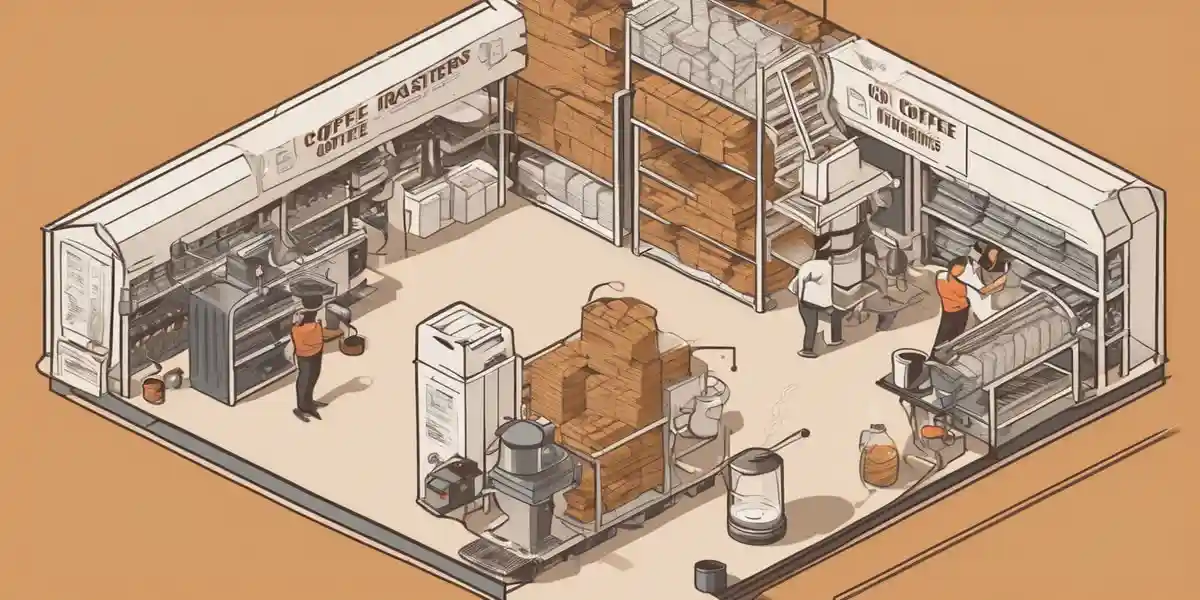
The coffee supply chain often suffers from a lack of transparency, making it difficult for consumers to verify the quality of their coffee relative to the price they pay. To address this challenge, many coffee roasters are beginning to embrace blockchain technology—a digital ledger system that allows for secure and tamper-proof tracking of coffee beans from farmers to retailers. A study titled "Blockchain traceability model in the coffee industry" discusses how this technology can enhance transparency and traceability, enabling consumers to confirm the origins and quality of their coffee. By implementing blockchain, roasters can build trust with consumers, who increasingly value knowing where their coffee comes from and the ethical practices behind its production. This move not only cultivates consumer loyalty but also encourages sustainable practices among farmers and suppliers as they adhere to higher standards of production to stay competitive.
Another significant area where technology is revolutionizing coffee roasting is through data-driven approaches that enhance operational efficiency and reduce waste. Smart roasting machines equipped with artificial intelligence (AI) algorithms allow roasters to analyze and optimize their roasting profiles. These machines can monitor variables such as temperature, humidity, and time, ensuring that each batch of coffee is roasted precisely to extract the desired flavors while minimizing energy consumption. For example, data collected during roasts can highlight precisely when and how to adjust roasting parameters to avoid over-roasting, which not only leads to better flavor but also reduces the number of beans wasted due to inconsistency. By streamlining the roasting process, coffee roasters can significantly decrease their environmental impact, aligning their operations with sustainable practices.
Moreover, advancements in coffee grinding technology also play an essential role in fostering sustainability. Traditional grinding methods are often plagued by issues like electrostatic charging, which can cause clumping and lead to uneven extraction during brewing. A study titled "Chemical strategies to mitigate electrostatic charging during coffee grinding" explores various techniques to reduce this electrostatic charge, including the addition of small amounts of water to coffee beans before grinding. By adopting these innovative strategies, roasters can ensure a more consistent grind, leading to better extraction and an enhanced flavor profile in the final cup. This not only elevates the quality of the coffee but also reduces the amount of coffee that needs to be discarded due to poor grinding methods.
By embracing these technological advancements, coffee roasters are not just improving their product quality but also committing to sustainable practices that benefit consumers, farmers, and the environment. As the industry continues to evolve, the integration of technology in coffee roasting will be crucial for fostering a more responsible and innovative coffee culture.
The exploration of how technology is revolutionizing espresso and the future of coffee roasters reveals a dynamic landscape where innovation is enhancing the quality, sustainability, and accessibility of coffee. By leveraging blockchain traceability, roasters can ensure a higher quality product while empowering consumers with knowledge about the origins of their beans. Innovative grinding solutions not only improve flavor extraction by minimizing electrostatic charging, but they also streamline the brewing process, allowing baristas to craft the perfect cup with precision. Finally, as coffee roasters increasingly embrace sustainable practices—through more efficient machinery and eco-friendly sourcing methods—they position themselves as leaders in a market that increasingly values responsibility alongside excellence.
Key takeaways highlight that the integration of technology is not just beneficial—it’s essential for the future of coffee. Emphasizing quality through traceability, optimizing flavors with advanced grinding techniques, and committing to sustainability, these innovations pave the way for a vibrant coffee culture that appeals to both connoisseurs and casual drinkers alike. As you embark on your own coffee journey, take a moment to appreciate the story behind your cup and consider how the technologies involved enhance not just your experience, but the future of this beloved beverage.
Join the movement towards a better coffee experience. Explore local roasters who embrace these innovations, stay informed on the latest advancements, and always ask questions about your coffee. Together, let’s brew innovation and elevate the world of espresso and beyond.

Get notified about new articles, coffee tips, and Web3 insights.
This site participates in affiliate programs and may earn a commission when a link is clicked and a purchase is made. The site is not responsible for any issues or troubles related to the products or services purchased through the use of this site.

DO&COFFEE loves coffee and technology, exploring the potential of NFTs and blockchain. Learn more →
DO&COFFEE loves coffee and technology, exploring the potential of NFTs and blockchain. Learn more →