technology
2025/12/27
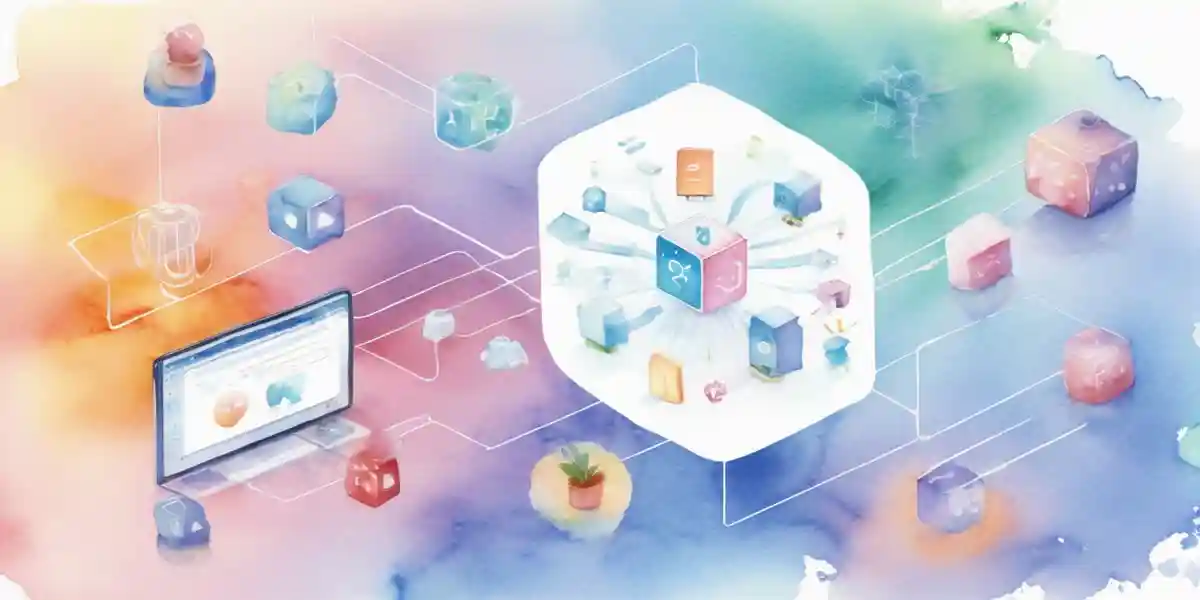
Have you ever imagined a world where your coffee maker knows exactly when you wake up and can brew your favorite blend while you’re still in bed? Or where your car can communicate with your smart home to optimize your route and power consumption? This isn’t just a futuristic dream; it’s the reality being shaped by the convergence of the Internet of Things (IoT) and Web3 technology. As these innovations collide, they promise not only to revolutionize the way we connect our devices but also to enhance our everyday experiences in ways we never thought possible.
In this blog post, we’ll explore how IoT and Web3 are redefining the landscape of smart devices and decentralized finance (DeFi). From transforming healthcare through secure and decentralized medical records, to integrating blockchain solutions that prioritize user privacy in IoT devices, we’ll delve into the practical implications of this technological synergy. We’ll also look at how these advancements have proven vital during crises, such as the COVID-19 pandemic, showcasing their resilience in real-world applications. Join us as we uncover the exciting future that lies ahead when connectivity becomes smarter and more secure.
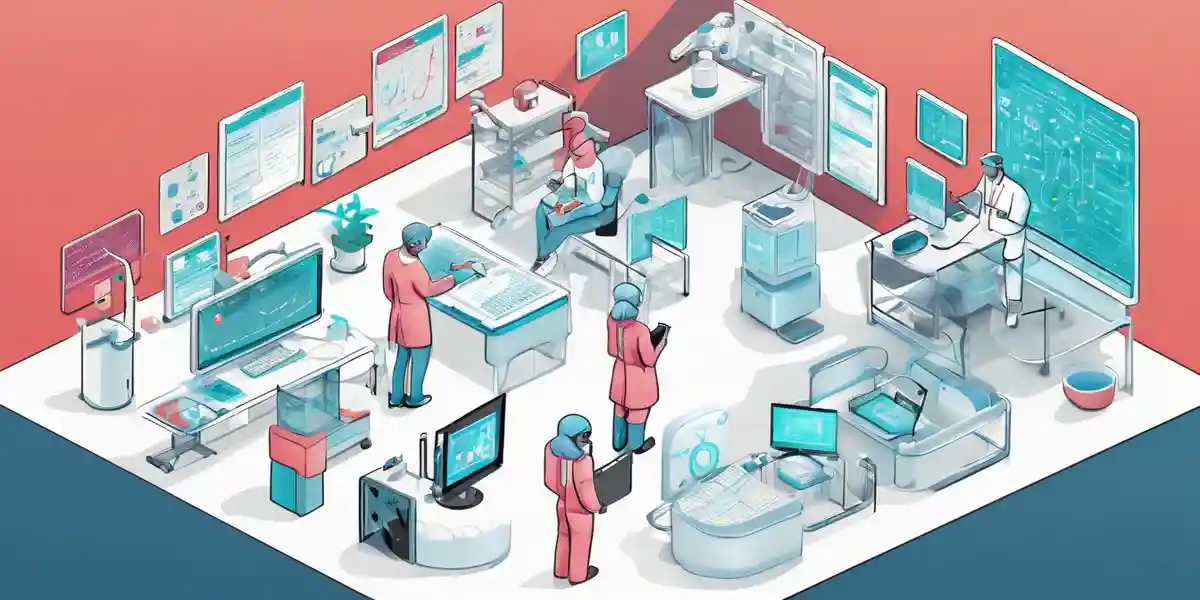
The rapid evolution of the Internet of Things (IoT) in healthcare is transforming the way medical data is generated, monitored, and utilized. IoT devices, such as wearable health monitors, continuously collect an array of patient data, leading to significant advancements in remote patient monitoring and personalized medicine. However, as the volume and sensitivity of this data grow, so do concerns about privacy and security. This is where blockchain technology steps in, offering a decentralized and secure way to manage medical records.
According to the paper titled 'A Decentralized Privacy-Preserving Healthcare Blockchain for IoT', the integration of IoT-based wearable technology has resulted in an explosion of medical big data. This evolution presents a dual challenge: while the data offers tremendous potential for improving patient outcomes, it also raises significant issues surrounding data transfer privacy and security. By employing blockchain—a decentralized digital ledger system—healthcare providers can ensure that patient data is secure, tamper-proof, and accessible only to authorized individuals.
One innovative approach highlighted in the research paper 'Convergence of blockchain and IoT for managing decentralized medical records' illustrates how blockchain can fundamentally change medical record management. The study proposes storing important patient information, including vitals and medical history, on a blockchain ledger. This innovation not only enhances data security but also fosters trust in the reliability of the information being shared among healthcare professionals.
This solution can mitigate issues faced by conventional centralized systems, which are vulnerable to hacks and unauthorized access. For example, if a patient's wearable device records an abnormal heartbeat, this vital data can be instantly recorded on the blockchain. Healthcare providers can access this information directly, making timely and informed decisions about the patient's needs without the risk of data being altered or misinterpreted by a third party. This real-time accessibility can significantly improve response times and overall care.
Despite the promising integration of IoT and blockchain, challenges remain. As highlighted in the paper 'On blockchain and its integration with IoT. Challenges and opportunities', there are critical hurdles concerning the trustworthiness of data sources. Since IoT devices can sometimes generate erroneous data due to technical issues, ensuring the integrity of this data on a blockchain ledger is essential for effective patient management. However, with proper validation mechanisms and smart contracts—self-executing contracts with the terms directly written in code—these concerns can be addressed, providing a robust framework for decentralized medical records.
The advantages of this integration are profound. By adopting a decentralized approach, healthcare systems can benefit from enhanced security, improved patient privacy, and greater interoperability between devices and healthcare providers. This ultimately leads to more cohesive healthcare delivery, where patient data is accurately represented and easily sharable among authorized entities, ensuring patients receive the optimal care they deserve.
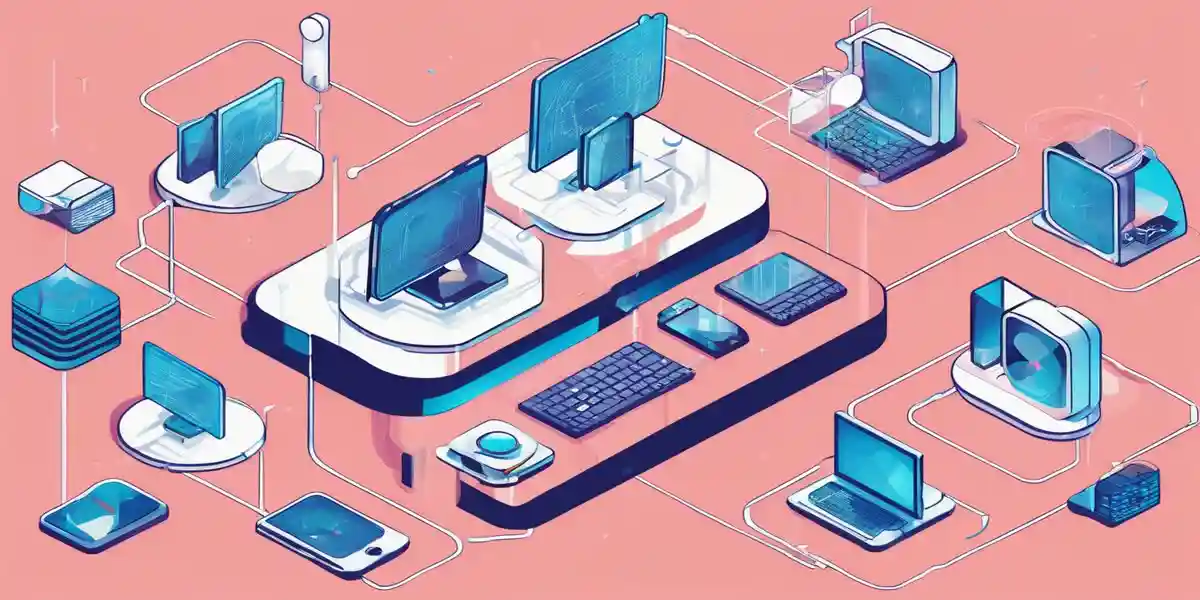
As the Internet of Things (IoT) continues to evolve, it is becoming increasingly intertwined with our daily lives. From wearable health monitors to smart home devices, these interconnected gadgets gather vast amounts of data. However, this data collection raises significant privacy concerns. Traditional models often centralize data storage, which can lead to vulnerabilities, making personal information susceptible to breaches. Here, the integration of Web3 and blockchain technology offers a promising solution to enhance privacy and security in IoT devices.
Blockchain, a decentralized ledger system, allows for secure and transparent data management. According to the paper "On blockchain and its integration with IoT. Challenges and opportunities," the adoption of blockchain technology in IoT could significantly mitigate trust issues related to data sources. Instead of relying on a central authority, blockchain distributes data across multiple nodes, enhancing data integrity. For example, a smart home security system could use blockchain to record timestamps of when doors open or close, ensuring that this information is tamper-proof and verifiable.
The healthcare sector showcases one of the most impactful uses of integrating Web3 and IoT for privacy-preserving solutions. The research paper titled "A Decentralized Privacy-Preserving Healthcare Blockchain for IoT" discusses how IoT-based wearable technologies, such as fitness trackers or heart monitors, generate medical big data. The use of blockchain ensures that sensitive health information is securely transmitted while preserving the privacy of the patients. For instance, if a wearable device collects vital signs, blockchain can be used to encrypt and store this data, ensuring that only authorized personnel can access it. This model not only fosters trust in the system but also complies with privacy regulations.
Another fascinating application is found in the management of decentralized medical records, as discussed in the paper "Convergence of blockchain and IoT for managing decentralized medical records." By integrating blockchain with IoT technologies, patients can have their medical histories and real-time vitals securely stored and accessed. Imagine a scenario where a patient’s health records are automatically updated and shared with healthcare providers via a blockchain network whenever a reading is taken from a smart glucose monitor. This seamless integration facilitates patient care while ensuring data security and privacy. Additionally, it empowers patients by allowing them to have more control over their health data, deciding who has access and when.
Despite the promising opportunities, the integration of Web3 and blockchain in IoT is not without challenges. Issues related to scalability, interoperability, and energy consumption need to be addressed for widespread adoption. Moreover, educating consumers about these technologies is crucial for driving acceptance. As more stakeholders, including businesses and consumers, recognize the value of an empowered, privacy-preserving IoT ecosystem, the focus on integrating Web3 solutions will likely gain momentum.
In sum, the convergence of IoT and Web3 technologies has the potential to unlock new opportunities for privacy-preserving solutions. By emphasizing decentralization and secure data handling, we can pave the way for a future where smart devices not only offer connectivity and convenience but also prioritize user privacy and security.
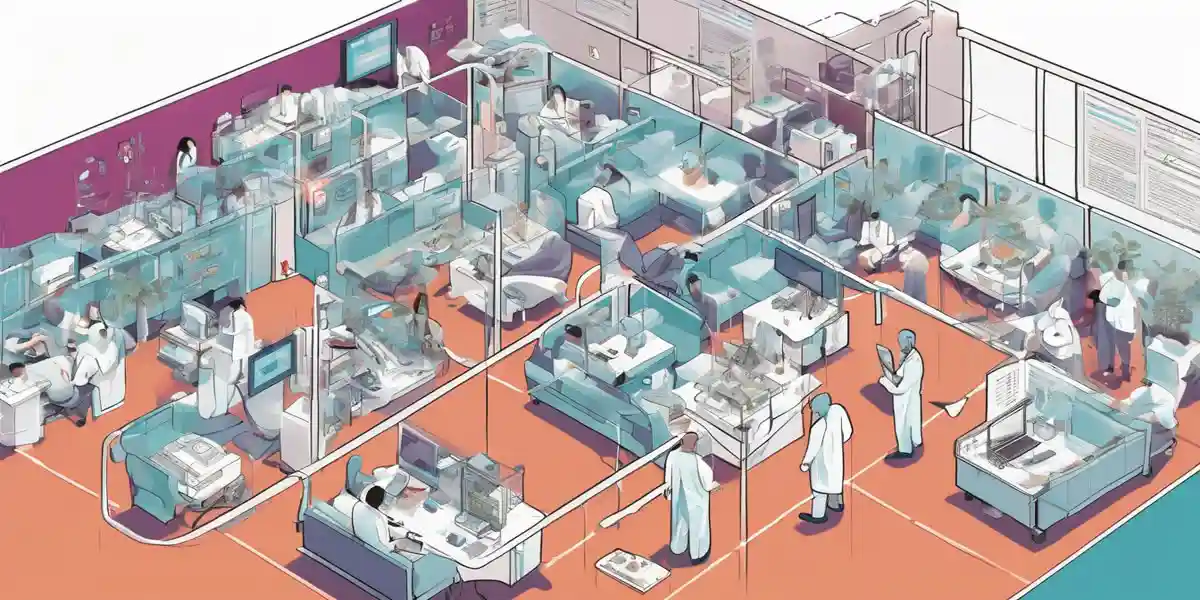
The COVID-19 pandemic underscored the vital need for resilient healthcare systems. IoT devices, such as wearable health monitors, became instrumental in tracking symptoms and managing patient data remotely. For instance, these devices allowed health agencies to monitor the health conditions of individuals in real-time, enabling early intervention and reducing the burden on overwhelmed healthcare facilities. However, the integration of IoT with blockchain technology was crucial to ensuring the security and reliability of this sensitive data.
According to the paper titled "A Decentralized Privacy-Preserving Healthcare Blockchain for IoT," the integration of IoT-based wearable technology in healthcare significantly increased medical big data and enhanced remote patient monitoring capabilities. Yet, these advancements raised considerable privacy and security concerns regarding data transfer. By utilizing blockchain—a digital ledger system that is both secure and transparent—health data could be securely stored and accessed only by authorized personnel, ensuring that patient confidentiality was maintained during the pandemic.
The pandemic also brought supply chain disruptions to the forefront, revealing vulnerabilities in global logistics and food supply systems. IoT devices equipped with sensors and blockchain technology facilitated smarter, more transparent supply chains. For example, perishable goods could be monitored throughout their journey from farms to consumers, ensuring freshness and reducing waste.
The research paper "On blockchain and its integration with IoT" highlights how blockchain enhances data reliability in IoT devices. By creating a decentralized network where every transaction involving the movement of goods was recorded, stakeholders could trace the origins and status of products in real-time. This approach not only built trust among consumers but also allowed for quicker responses to potential health risks related to the food supply chain during a global health crisis.
Web3 technologies further empowered communities during the pandemic by enabling decentralized applications (dApps) and platforms for resource sharing and support. During the crisis, grassroots organizations utilized blockchain-based systems to coordinate local aid initiatives. These platforms provided transparency on donations, ensuring that funds were directed to those most in need without intermediary manipulation.
For example, initiatives leveraging decentralized finance (DeFi) enabled peer-to-peer lending and crowd-funding for small businesses struggling under pandemic restrictions. This not only showcased the potential for community resilience but also highlighted how blockchain could foster trust through transparent financial operations.
The confluence of IoT, blockchain, and Web3 technologies during the COVID-19 pandemic illustrated how resilient systems could be designed to respond to crises. By enhancing data security, ensuring transparency, and empowering local communities, these technologies demonstrated their potential to revolutionize healthcare, supply chains, and societal support systems.
In summary, the convergence of IoT and Web3 is not just enhancing the functionality of smart devices; it’s transforming our entire digital landscape. Through innovative applications like decentralized medical records, we see how these technologies can provide greater security and accessibility in healthcare. The integration of blockchain in IoT devices also holds promise for privacy-preserving solutions, allowing consumers to regain control over their data in a hyper-connected world. Furthermore, the resilience displayed during the COVID-19 pandemic has highlighted the critical role of these technologies in ensuring continuity, adaptability, and efficiency in times of crisis.
As we reflect on these insights, three key takeaways emerge: Firstly, IoT and Web3 foster unprecedented levels of connectivity, enhancing not just user experience but operational transparency. Secondly, the emphasis on privacy and security is reshaping how we interact with smart devices, encouraging trust and user engagement. Finally, these advancements are not just theoretical; they are already driving changes in sectors like healthcare and finance, compelling us to adapt swiftly as the world evolves.
As we move forward in this digital revolution, it’s crucial for individuals, businesses, and policymakers to understand the implications and opportunities presented by IoT and Web3. Embrace these changes and consider how your own interactions with technology can benefit from this revolution. Stay informed, stay engaged, and be part of the transformation that is revolutionizing connectivity across the globe.
Get notified about new articles, coffee tips, and Web3 insights.
This site participates in affiliate programs and may earn a commission when a link is clicked and a purchase is made. The site is not responsible for any issues or troubles related to the products or services purchased through the use of this site.

DO&COFFEE loves coffee and technology, exploring the potential of NFTs and blockchain. Learn more →
DO&COFFEE loves coffee and technology, exploring the potential of NFTs and blockchain. Learn more →