art
2024/08/13

In a world that often rushes by, the simple pleasure of a warm cup of coffee can become a transformative experience, especially when paired with the awe-inspiring beauty of nature photography and the boundless creativity of mixed media art. This blog post, titled "Brewing Inspiration: How Coffee Fuels Nature Photography and Mixed Media Creativity," delves into the unique interplay between these elements, exploring how coffee serves not merely as a beverage but as a vital catalyst for artistic expression.
Picture this: a tranquil morning where the rich aroma of freshly brewed coffee mingles with the crisp air, as the early light dances upon a dewy landscape. With each sip, the urge to capture the moment intensifies—your camera, your brush, or your mixed media tools become extensions of your creativity. In this exploration, we’ll uncover essential techniques for capturing breathtaking nature shots while enjoying your coffee outdoors, emphasizing the importance of light, composition, and emotional resonance in photography.
But our journey doesn't stop there; we will also venture into the realm of mixed media. Here, nature photography can merge with other artistic forms, such as watercolor, collage, or digital art. This blending of techniques invites you to experiment, encouraging you to print, paint, or embellish your photographs, thus enriching your creative expression. Ultimately, we aim to celebrate not just the intersection of coffee and nature photography, but also to inspire a deeper embrace of creativity, intertwining the tactile joy of crafting with the fleeting beauty of the natural world.

The ritual of enjoying coffee transcends mere consumption; it ignites a spark of creativity that many artists and photographers have come to cherish. This connection is particularly pronounced in the realms of nature photography and mixed media art, where the calming effects of coffee can enhance focus and inspire innovative thinking. In this section, we will explore how sipping coffee can serve as a catalyst for creativity, drawing on research that highlights the cognitive benefits of coffee and the ambient environments it fosters.
Research has shown that coffee culture plays a significant role in fostering creativity. According to a study exploring the relationship between coffee settings and human cognition, environments infused with coffee can act as incubators for innovative thought. These spaces encourage social interactions and novel ideas, creating a fertile ground for artistic inspiration. For instance, many photographers find that working in coffee shops or outdoor cafes allows them to soak in the ambiance while simultaneously brainstorming new project ideas.
Caffeine, the primary active ingredient in coffee, has been studied for its effects on mood and creativity. A comprehensive analysis of creativity factors, including ambient noise and caffeine, indicates that moderate caffeine consumption can enhance cognitive performance and improve mood—two essential components of creative expression. This is particularly relevant for nature photographers who often spend long hours awaiting the perfect shot. A cup of coffee can help maintain focus and energy, turning potential frustration into artistic opportunity.
Once equipped with the motivational boost from coffee, photographers can hone their skills to capture the beauty of nature effectively. Key techniques include:
The journey of creativity doesn't stop at capturing images; it extends into the realm of mixed media art, where nature photography meets other artistic expressions. By incorporating techniques like watercolor painting, digital enhancements, or collage, artists can breathe new life into their photographs.
For example, a photographer might print their image of a serene forest landscape and then use watercolors to add vibrant hues to the sky, creating a dreamlike quality. Such experimentation not only enriches the visual narrative but also deepens the artist's engagement with their subject matter, inviting a dialogue between the photograph and the creative process.
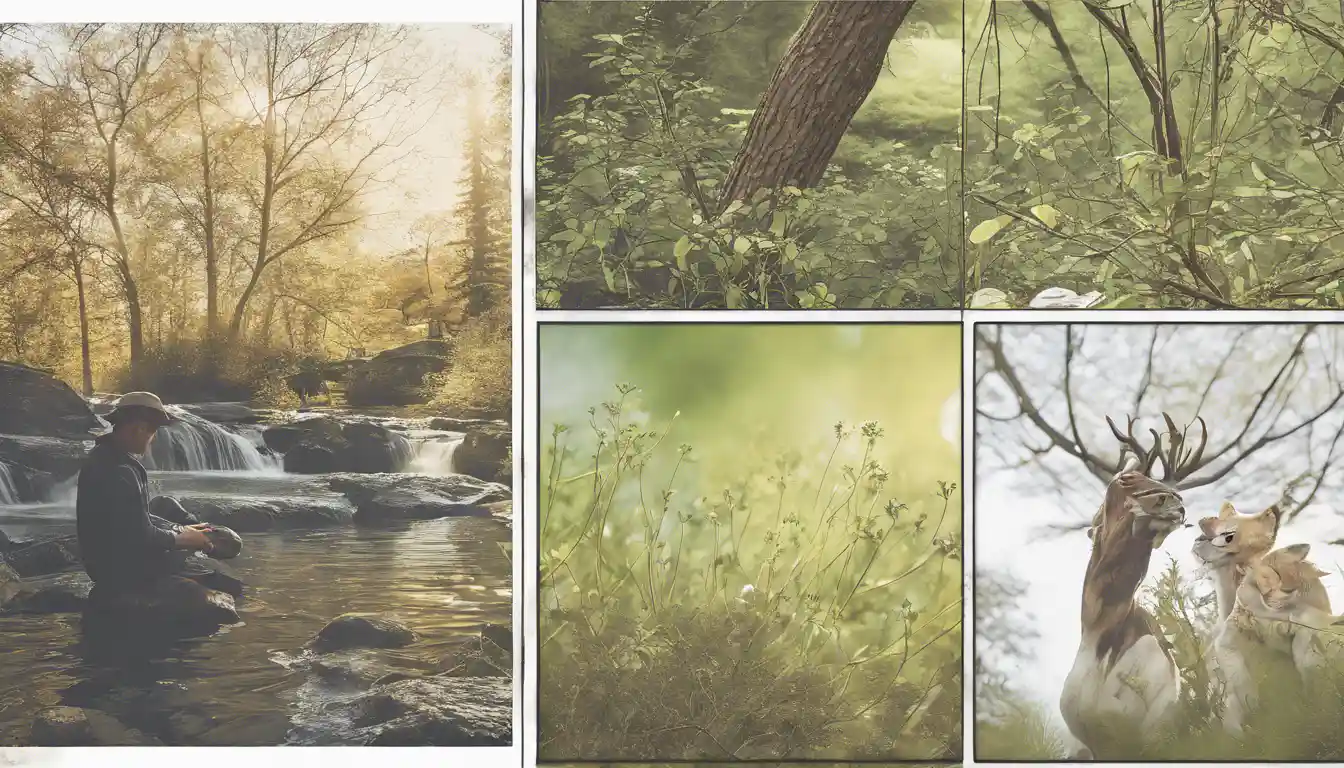
Nature photography is not just about taking pictures; it's about encapsulating the beauty and emotions of the natural world. As you sip your coffee, the tranquility of the surroundings infuses your perspective, allowing you to see beyond the surface and capture the essence of what you observe.
Light is one of the most vital elements in photography, particularly in nature photography. The golden hours—early morning and late afternoon—provide soft, diffused light that can enhance the colors and textures of your subjects. For example, Ralph Lee Hopkins, in his illustrated workbook on nature photography, emphasizes the importance of observing how light interacts with landscapes and wildlife. He suggests that certain scenes, such as the shimmering surface of a lake at dawn or the shadows cast by trees in the evening, can evoke powerful feelings and narratives.
Composition is another critical aspect to consider. Techniques like the rule of thirds, leading lines, and framing can guide the viewer's eye and create a more dynamic image. Imagine standing on a rocky outcrop with your coffee in hand, using the leading line of a winding river to draw attention to a distant mountain range. Employing these techniques can transform a simple snapshot into a compelling story that resonates with viewers.
Emotional resonance is what separates an average photo from an extraordinary one. The act of sipping coffee while surrounded by nature can elevate your mood, enhancing your ability to connect with your subject. Research indicates that caffeine not only boosts alertness but also can enhance creativity and mood, potentially leading to more emotive photography. For instance, capturing the intimate moment of a deer drinking from a stream, while the warmth of your coffee envelops you, can lead to a photograph that conveys serenity and connection to nature.
Equipping yourself with the right tools is essential for successful nature photography. As pointed out in various resources, including comprehensive guides on outdoor photography, understanding your camera settings—such as exposure, focus, and ISO—can significantly impact the outcome of your photographs. A good camera lens is crucial as well; wide-angle lenses are excellent for landscapes, while telephoto lenses allow for stunning wildlife shots. For instance, using a telephoto lens to capture a bird in flight can create an intimate portrait of its grace and freedom, encapsulated beautifully in your coffee-fueled moment of inspiration.
Consider the works of renowned photographers like Galen Rowell, who mastered the art of capturing fleeting moments in nature. His stunning images, often taken during the golden hour, serve as a reminder of the beauty that can emerge when one is fully present in the moment. Similarly, local photographers often share their experiences of finding inspiration in the simplest of scenes—like a dew-covered spiderweb glistening in the morning sun, a scene easily missed unless you pause, sip your coffee, and take in the world around you.
As you immerse yourself in nature with a cup of coffee, the tranquil setting enhances your creative instincts. The combination of caffeine and serene surroundings encourages you to capture the world as you see it, blending technical skill with emotional depth. The next time you venture outdoors, remember that your camera is an extension of your experience, waiting to frame the beauty that surrounds you.
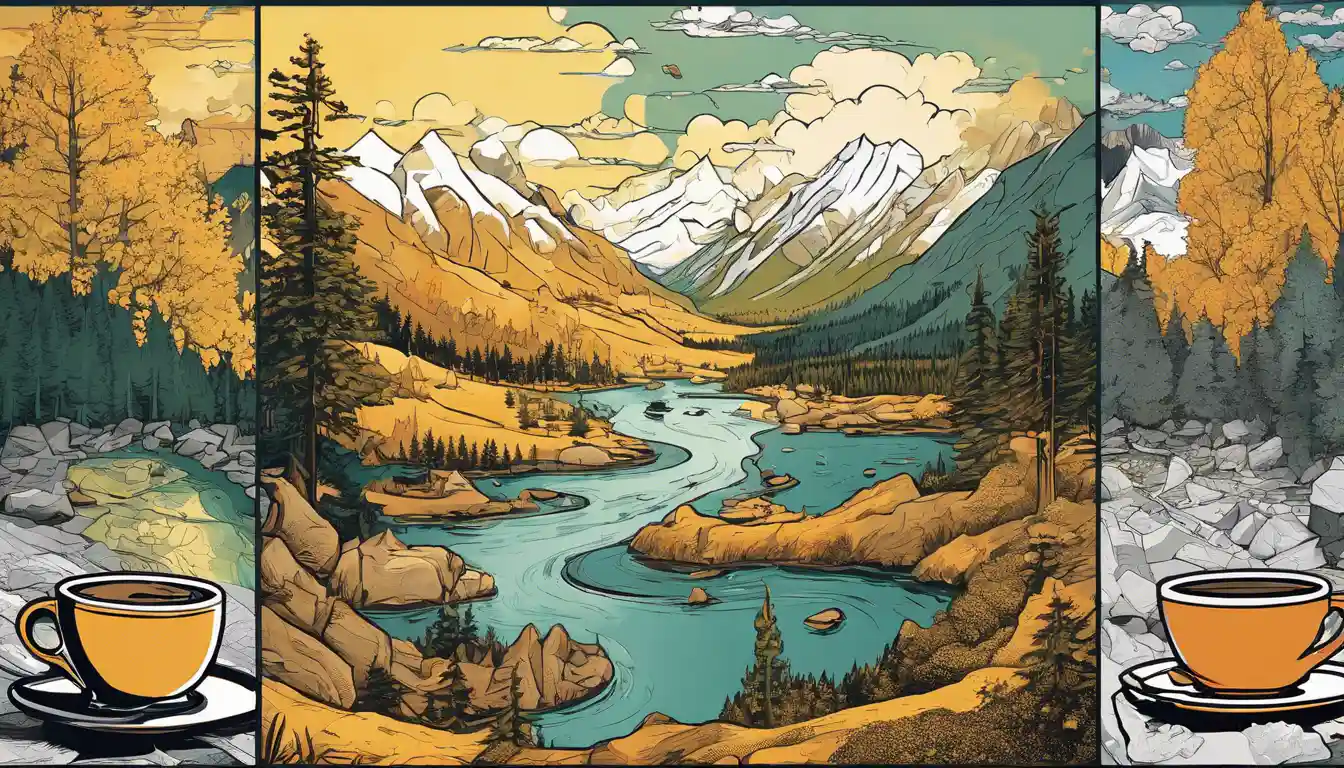
Nature is an endless source of inspiration for artists and photographers alike. When paired with the ritual of sipping coffee, it turns into a profound experience that can enhance creativity and foster innovation.
Research indicates that coffee culture significantly influences human cognition and creativity. The ambiance of a coffee shop or a serene outdoor setting can stimulate the mind, leading to enhanced creative output. For instance, the aromatic properties of freshly brewed coffee can evoke memories and emotions that spark artistic ideas. These environments act as catalysts for innovation, allowing individuals to connect more deeply with their surroundings. Imagine sitting at a café nestled in nature, a warm cup of coffee in hand, while observing the intricate details of a flower or the graceful movement of wildlife. This setting can encourage photographers to capture fleeting moments of beauty.
To create stunning photographs that reflect the splendor of nature, it’s essential to understand various technical elements. According to Ralph Lee Hopkins in his illustrated workbook, mastering camera fundamentals such as exposure, focus, and lighting is crucial. Here are some techniques to consider:
Emotion plays a vital role in photography. Caffeine, as noted in studies, can enhance mood and cognitive function, allowing for a deeper connection to the subject matter. When taking photographs, ask yourself what emotions you want to convey. Are you capturing the serenity of a quiet forest or the vibrancy of a bustling flower field? The emotional resonance of your imagery can greatly impact how viewers connect with your work.
Many renowned photographers have found inspiration in nature while enjoying their favorite brews. Consider the works of Ansel Adams, whose breathtaking landscapes of the American West were often captured during early morning hikes with a thermos of coffee. His ability to blend technical skill with an emotional connection to the land serves as a testament to the power of nature and coffee as creative fuel.
Moreover, modern photographers like Chris Burkard leverage the beauty of wild landscapes, often posting images taken in remote locations after a morning coffee ritual. His work illustrates how the combination of caffeine and nature can lead to stunning visuals that resonate with audiences globally.
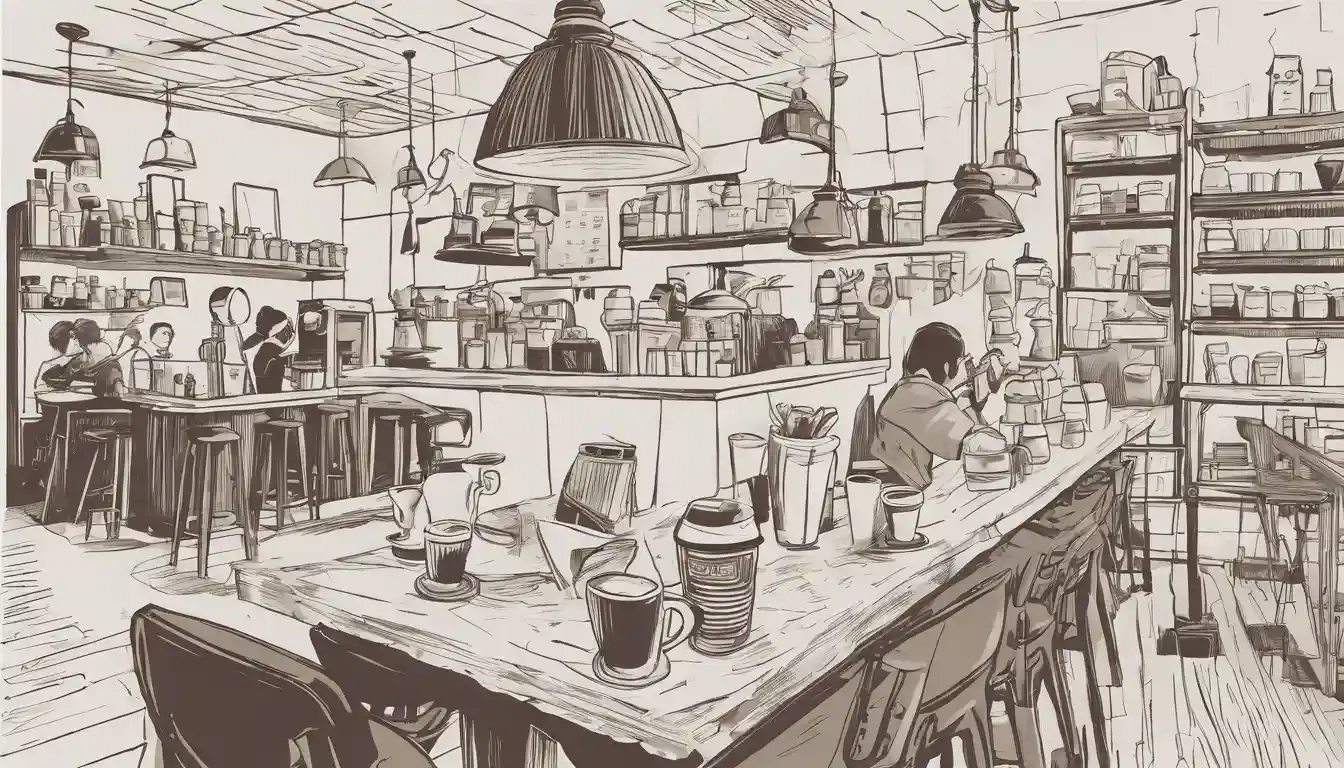
Coffee is more than just a beverage; it's a ritual that fuels the creative process. For many artists and photographers, the act of brewing and sipping coffee can serve as a profound stimulus for inspiration. The combination of caffeine's cognitive effects and the sensory experience of enjoying coffee in a natural setting creates an environment ripe for creativity.
Caffeine, a natural stimulant found in coffee, has been shown to enhance cognitive functions such as alertness, attention, and even creativity. Studies indicate that moderate caffeine consumption can improve mood and foster a sense of novelty, which are crucial elements in the creative process. For instance, a study on the relationship between creativity and caffeine revealed that participants who consumed caffeine exhibited enhanced creative problem-solving skills compared to those who did not.
This cognitive boost can be particularly beneficial for nature photographers, who often face the challenge of translating their emotional responses to the visual world into compelling images. Whether you're in the field capturing the delicate balance of light at dawn or framing a vibrant sunset, a little caffeine can sharpen your focus and encourage you to see the world through a more creative lens.
Coffee shops and outdoor cafes have become the modern-day artist's studios. These spaces often encourage social interaction and provide a relaxed atmosphere conducive to brainstorming and experimentation. Research highlights how coffee-fueled environments can act as catalysts for innovation, allowing artists to draw inspiration from their surroundings and fellow patrons. For example, a photographer might find inspiration for a new series of nature shots simply by observing the bustling life around the coffee shop window.
Moreover, these spaces offer ambient noise that has been shown to enhance creativity. A moderate level of background noise can help individuals break free from rigid thought patterns, opening them up to new ideas. So, whether you're perched at a café table or sitting under a tree with your thermos, the gentle hum of life around you can spark fresh concepts for your next project.
Integrating coffee into the creative routine can transform the mundane into the magical. Many photographers adopt a ritual of brewing their favorite blend before heading out to shoot. This ritual not only heightens their anticipation but also serves as a signal to their brain that it's time to engage in creative work. The warmth of the cup in their hands and the rich aroma wafting through the air creates a sensory landscape that invites exploration.
For example, consider a photographer who begins their day with a cup of coffee while reviewing their previous shots. This moment of reflection, fueled by caffeine, can lead to new ideas about composition, lighting, or techniques to try on their next outing. The act of sipping coffee while contemplating their work fosters a connection between the artist and the art, bridging the gap between thought and action.
The relationship between coffee and creativity extends beyond photography into the realm of mixed media. Artists often find inspiration in the textures and colors of coffee, using it as a medium in their artwork. For instance, some mixed media artists incorporate coffee stains as a part of their compositions, creating a unique aesthetic that reflects their process. This approach not only highlights the versatility of coffee but also encourages artists to experiment with different materials and techniques.
Additionally, workshops combining coffee tasting and art creation have gained popularity, showcasing how the sensory experience of coffee can inspire new artistic expressions. Participants often find that the combination of flavors and aromas enhances their creative thinking, leading to more vibrant and personal pieces of art.
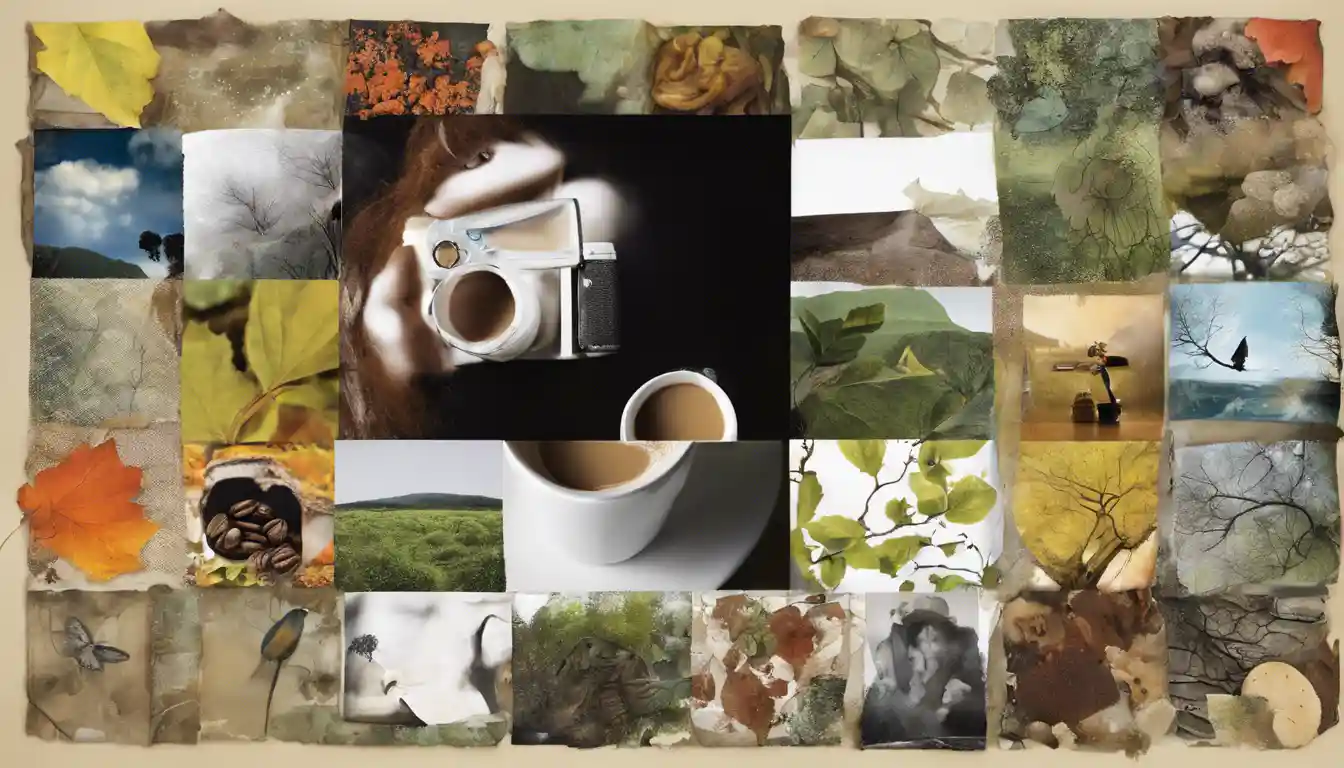
The realm of mixed media art presents a unique opportunity for photographers to expand their creative expression, dynamically merging various techniques and ideas. This approach not only enhances the visual appeal of nature photography but also invites a deeper engagement with the subject matter, often inspired by the reflective moments offered by a comforting cup of coffee.
Mixed media is essentially the combination of different artistic mediums to create a cohesive piece. For nature photographers, this could mean integrating traditional photography with elements like watercolor, acrylics, or digital enhancements. For instance, an image of a sunrise over a tranquil lake could be printed as a base layer, with watercolor washes added to evoke the ethereal quality of morning light. This blending allows for a personal interpretation of the scene that goes beyond the lens.
Collage is another effective mixed media technique that can be employed to give depth and narrative to nature photography. By layering photographs with cut-outs from magazines or textured paper, artists can create a visual story that speaks not only to the beauty of nature but also to their emotional response to it. For example, combining images of wildlife with snippets of poetry can evoke a sense of place and feeling, inviting viewers to experience the artwork on multiple levels.
With the rise of digital tools, photographers can now manipulate their images in ways that were previously unimaginable. Programs like Adobe Photoshop or Procreate allow for intricate layering, color adjustments, and even the application of digital paint techniques. A photographer might take a striking image of a mountain range and then digitally add elements such as clouds or textures, creating a more dramatic and artistic representation. Additionally, using ambient sounds recorded during coffee-fueled outdoor sessions can enhance the digital experience, immersing viewers in the moment captured.
Many contemporary artists are pushing the boundaries of mixed media in nature photography. For example, artist and photographer Kelli Klymenko often blends her nature shots with acrylic paint and found objects, creating three-dimensional pieces that invite viewers to interact with the image. Similarly, Thomas Dodd’s work incorporates layering techniques where he combines photography with ink and watercolors, resulting in stunning visual narratives that capture the essence of the outdoors.
Research indicates that coffee culture significantly influences creativity, often providing the perfect backdrop for artists to experiment with mixed media. The act of sipping coffee can trigger new ideas, foster a relaxed yet focused state of mind, and enhance cognitive processes essential for creative work. For instance, many artists find that working in a coffee shop environment, surrounded by the buzz of conversation and the aroma of brewing coffee, can inspire spontaneous ideas and innovative techniques.
To begin experimenting with mixed media, photographers should consider starting small. Here are some practical steps:
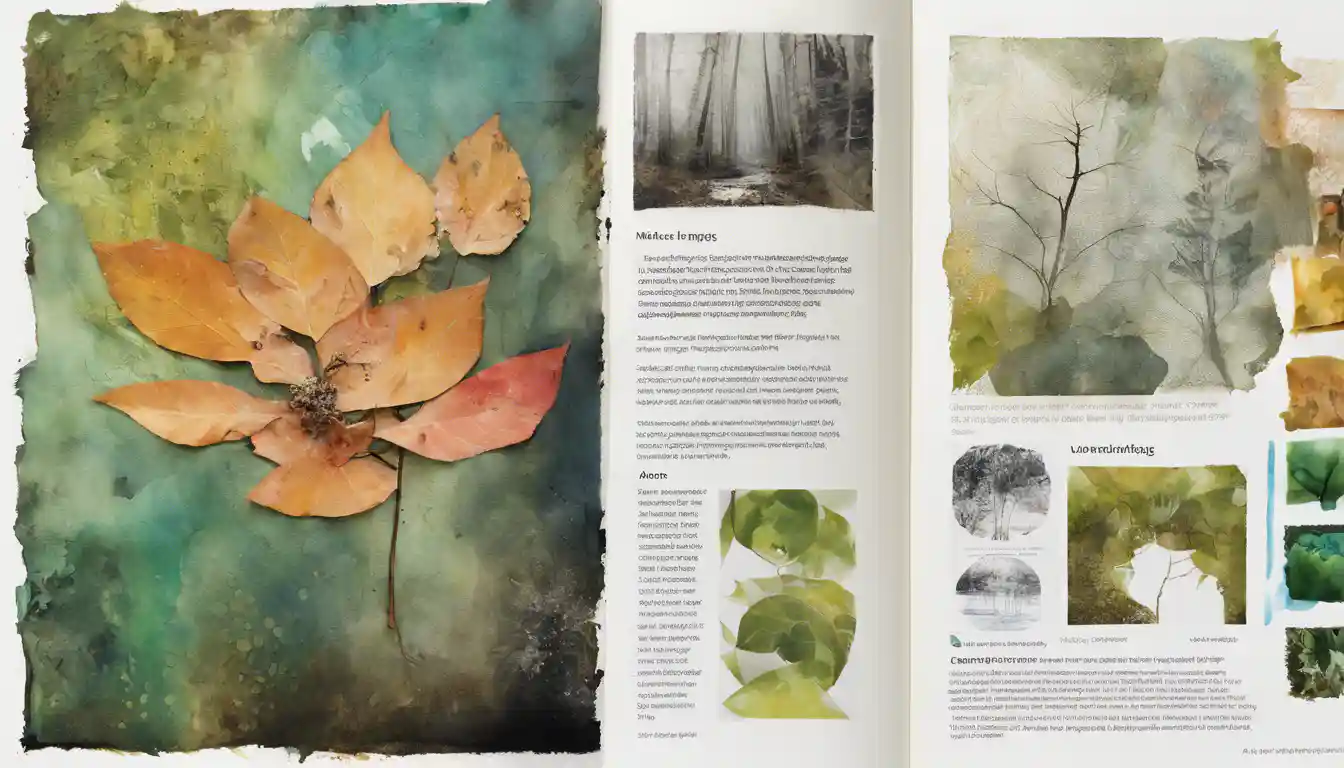
Mixed media art offers a vast playground for creativity, combining various materials and techniques to create unique pieces that resonate with viewers. By merging nature photography with other artistic forms, artists can elevate their work and express complex emotions. This section delves into several mixed media approaches that can invigorate your creativity while sipping your coffee amidst nature.
One popular method is to use watercolor painting alongside photography. After capturing a stunning nature shot—perhaps a misty forest or a vibrant sunset—artists can print the image and then embellish it with watercolors. This technique allows for the addition of personal touches, such as enhancing colors or adding textures that evoke the feeling of the moment. For instance, you could print a photograph of a tranquil lake and then use soft blues and greens to accentuate the water’s reflections, creating a dreamy atmosphere.
Collage is another dynamic approach that encourages experimentation. Artists can cut out printed elements of their photographs and combine them with other materials, such as textured papers, fabrics, or even natural elements like leaves and flowers. By creating a layered effect, the artwork can tell a story that goes beyond the original photograph. For example, a nature photographer might use pieces of their images along with newspaper clippings about the environment to create a commentary on conservation, effectively blending art with activism.
Digital tools provide endless possibilities for mixed media approaches. Photographers can use software like Adobe Photoshop or Procreate to manipulate their images, integrating digital painting, text, or graphic elements. This method allows for high precision and the ability to experiment without the commitment of traditional techniques. An artist might take a photograph of a blooming flower and digitally overlay abstract patterns or quotes that resonate with their experience of nature, resulting in a piece that feels both personal and universal.
Incorporating physical textures can add depth to your mixed media pieces. Artists can use materials like sand, fabric, or even coffee grounds to bring their artwork to life. For example, after printing a nature photograph, one could apply a layer of clear gel medium and sprinkle sand to mimic a beach scene, inviting viewers to not only see but also feel the art. This technique aligns perfectly with the coffee culture that inspires creativity; imagine using coffee grounds to create a rich, organic texture that reflects the earthy tones of your surroundings.
Printmaking techniques such as monotypes or linocuts can also be integrated with photography. After capturing a nature scene, artists can create a print that serves as a foundation for their mixed media work. This approach allows for unique variations of the same image, making each piece one-of-a-kind. For example, an artist might use a monotype technique to create a bold background and then overlay a delicate photograph of a butterfly, combining the fluid nature of printmaking with the sharpness of photographic detail.
By embracing these various mixed media approaches, artists can transform their nature photography into something truly extraordinary. Each method not only enhances the visual appeal of their work but also deepens the connection with the moment captured—an experience that can be beautifully complemented by a good cup of coffee.

Coffee is more than just a morning ritual; it is a powerful stimulant that fosters creativity and enhances artistic expression. Numerous studies have shown that caffeine can positively impact mood and cognitive function, making it a valuable ally for artists and photographers alike.
Caffeine has been shown to improve various aspects of cognitive performance, including attention, alertness, and memory. In a creative context, these cognitive boosts can lead to heightened innovation and the ability to think outside the box. One study explored how coffee settings, such as coffee shops or home brewing stations, influence creativity by providing an environment conducive to idea generation. The act of sipping coffee in a relaxed atmosphere can stimulate social dynamics and foster collaborative brainstorming, which are essential for artistic endeavors.
Creating an inspiring workspace is crucial for any artist. The ambiance of a coffee shop combined with the aroma of freshly brewed coffee can set the stage for creative exploration. For photographers, this means finding locations that not only provide beautiful backdrops but also evoke a sense of tranquility and inspiration. Consider visiting a local café with large windows overlooking a park or a scenic view—these settings can provide both a visual feast and a mental boost.
Many renowned artists and writers have credited coffee as a catalyst for their creativity. For instance, famed author Honoré de Balzac was known to consume vast quantities of coffee while writing, claiming it enhanced his ability to work late into the night. Similarly, contemporary artists utilize coffee in unique ways—some even incorporating coffee stains into their mixed media art, merging the act of consumption with the act of creation. This tactile relationship with coffee can lead to innovative techniques in both photography and other forms of art.
The interplay between mood and creativity is well-documented. Caffeine can elevate mood, which can be particularly beneficial for artists facing creative blocks or feelings of stagnation. When combined with the sensory experience of enjoying coffee, artists often find themselves more motivated to engage in their work. This is echoed in research that highlights the connection between a positive mood and enhanced creative output. In essence, coffee can transform a mundane creative process into a more enjoyable and productive experience.
In nature photography, the right tools and techniques are essential. As you sip your coffee, consider the technical aspects of capturing the stunning scenes around you. Mastering exposure, focus, and lighting can significantly affect the quality of your photographs. For example, utilizing a wide aperture can create a beautiful bokeh effect, isolating your subject against a softly blurred background. This technique allows you to capture the essence of nature while enjoying your coffee, creating a harmonious blend of artistry and inspiration.
Incorporating coffee into mixed media art offers an exciting avenue for creative expression. Artists can use coffee as a pigment for painting or as a medium for creating textures on canvas. This approach not only personalizes the artwork but also symbolizes the connection between the artist’s experience and their creation. By experimenting with coffee in various forms—whether through painting, photography, or collage—artists can explore new dimensions of creativity.

This section will explore how individuals can cultivate their own creative paths, drawing inspiration from the harmonious blend of coffee, nature photography, and mixed media arts.
Coffee culture serves as a rich backdrop for creativity. It’s not merely about the drink; it’s about the environment it creates. Research shows that coffee settings can enhance cognitive functions and inspire novelty. For instance, think of a local café filled with the aroma of freshly brewed espresso, where artists gather to share ideas. These spaces foster innovation, allowing individuals to break free from conventional thinking. You might find that a simple change of scenery—perhaps a cozy corner of your favorite coffee shop—can spark fresh perspectives in your artistic endeavors.
To brew your own creative journey, consider the ambiance around you. Studies indicate that ambient noise can influence creativity; a moderate level of background chatter can enhance brainstorming sessions. So, when you sit down with your coffee, pay attention to your surroundings. Find a spot that invigorates your mood and stimulates your thought processes. This could be a bustling café or a quiet park bench, as each setting offers a unique backdrop for inspiration.
As you sip your coffee and venture into nature, employing effective techniques can significantly enhance your photography. According to Ralph Lee Hopkins' illustrated workbook, understanding the fundamentals—like lighting and composition—is crucial. For example, the golden hour, just after sunrise or before sunset, provides a magical light that can transform ordinary scenes into stunning photographs. Experimenting with different perspectives, such as shooting from a low angle or framing your subject against a contrasting background, can yield captivating results.
After capturing those beautiful nature shots, don’t stop there. The world of mixed media offers endless possibilities for creative expression. Techniques such as collaging your photos with hand-painted elements or adding digital enhancements can breathe new life into your images. For instance, you might print a photograph of a tranquil forest and overlay it with watercolor splashes that mimic the colors of autumn leaves. This fusion not only personalizes your work but also allows for deeper emotional resonance with your audience.
As you embark on this creative journey, documenting your experiences can be incredibly rewarding. Maintain a journal or a blog to reflect on your inspirations, the techniques you’ve learned, and the progress you’ve made. This process not only helps in tracking your growth but also serves as a source of motivation. Consider sharing your journey on social media platforms to connect with other creatives and foster a community of like-minded individuals who can support and inspire each other.
Coffee isn't just a drink; it's a ritual that can invigorate creativity and inspire artists and photographers alike. Research has shown that coffee culture significantly influences cognitive functions, making it an excellent catalyst for innovation. Coffee shops and outdoor settings serve as environments that foster creativity by providing a stimulating backdrop that encourages the flow of ideas.
The effects of caffeine on creativity are profound. Studies have indicated that caffeine can enhance mood and cognitive functions, which are crucial for creative tasks. For instance, a study exploring the interplay between caffeine and mood found that coffee can elevate one's emotional state, leading to heightened creative performance. When you're sipping a warm cup of coffee while surrounded by nature, you're likely to experience a rush of inspiration. This combination of sensory pleasures—taste, aroma, and visual beauty—can ignite your imagination and prompt new ideas.
Imagine setting up your photography gear in a local park or a cozy coffee shop, the rich aroma of coffee mingling with the fresh air. These spaces are not just about the coffee; they can be transformative. The ambiance of a coffee shop can stimulate social dynamics and cognitive processes that are conducive to creativity. For example, the background chatter and soft music can create a pleasant ambient noise that has been shown to boost creative thinking. As you sip your coffee, take a moment to absorb your surroundings, allowing the environment to influence your artistic vision.
When you combine the act of sipping coffee with photography, you create a unique opportunity to capture stunning nature shots. Here are some techniques to consider:
Natural light is a photographer's best friend. Early mornings or late afternoons provide soft, golden lighting that can enhance the beauty of your shots. As you enjoy your coffee, observe how the light interacts with your surroundings. Use the golden hour to your advantage by positioning yourself to capture the interplay of light and shadow on landscapes. Remember, composition is key; consider using the rule of thirds to create visually appealing images.
Photography isn't just about capturing images; it’s about telling stories and evoking emotions. While sipping your coffee, reflect on what you want to convey through your photographs. Are you aiming to capture serenity, vibrancy, or perhaps nostalgia? Engaging with your emotions while immersed in nature can lead to more impactful photography. For instance, a misty morning scene may evoke feelings of tranquility, which you can convey through soft focus and muted colors in your photographs.
Once you have your photographs, the creative process doesn't stop there. Consider blending your nature photography with mixed media. This could involve printing your images and then painting over them with watercolors to add an artistic flair or creating a collage with your favorite quotes and textures. The possibilities are endless, and the tactile joy of crafting can lead to enriched creative expression. For example, a photograph of a vibrant sunset can be enhanced with splashes of acrylic paint that mimic the colors of the sky, creating a dynamic piece of art that merges photography and painting.
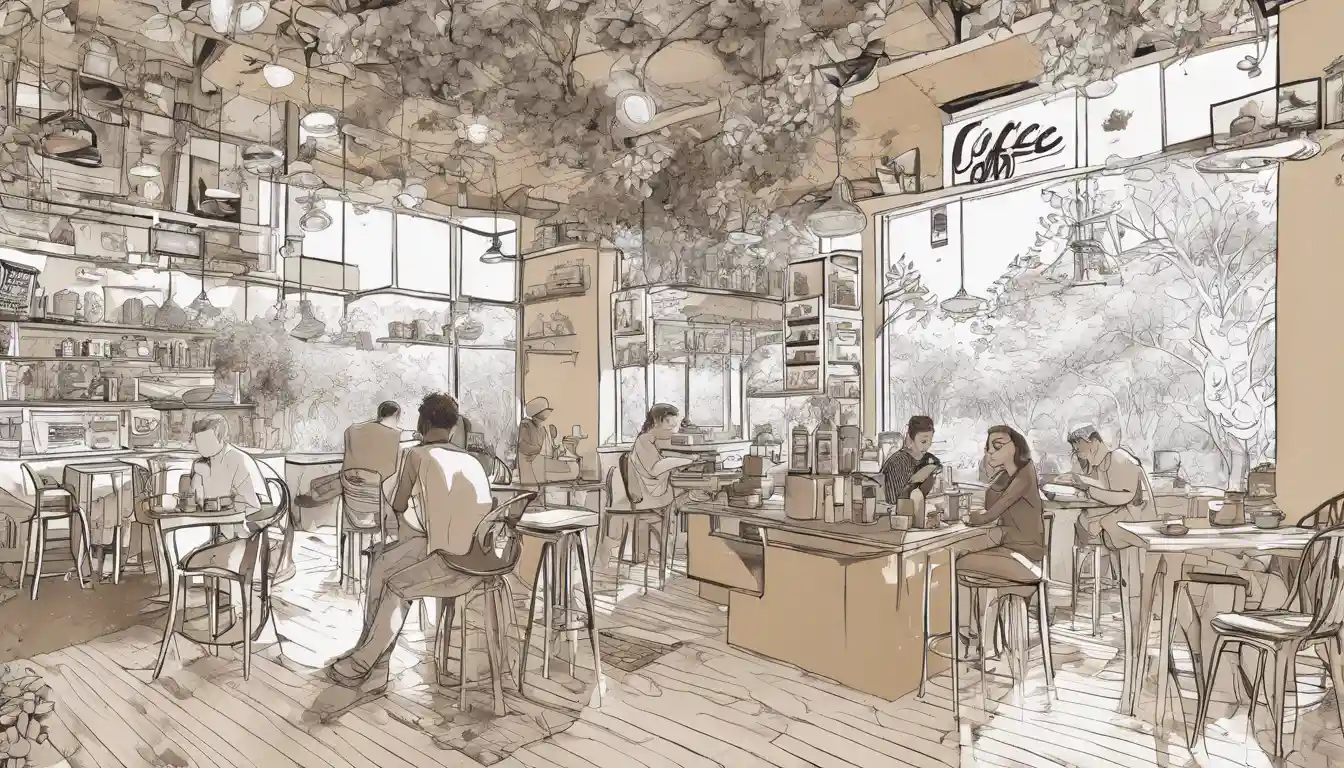
Many artists and photographers have embraced the coffee-fueled creativity phenomenon. For instance, renowned photographer Ralph Lee Hopkins emphasizes the importance of preparation and creativity in capturing wildlife and nature through his illustrated workbook. He encourages photographers to immerse themselves in their environments, suggesting that sipping coffee in nature can lead to extraordinary photo opportunities.
Moreover, coffee industry examples, such as community art exhibitions hosted in local cafes, showcase how these spaces invite creativity and foster collaboration among artists. These events not only celebrate the art of photography but also create a communal atmosphere where ideas can flourish, proving that coffee truly is the lifeblood of creative endeavors.
In this exploration of how coffee influences creativity, we’ve navigated the rich interplay between this beloved beverage and the worlds of nature photography and mixed media art. From the calming ritual of brewing a cup to the invigorating effects of caffeine on cognitive performance, coffee serves as both muse and medium for many artists. The environments infused with coffee culture—be it a cozy café or a tranquil outdoor setting—foster creativity by encouraging innovative thought and emotional resonance.
We’ve seen how nature photographers harness the power of light, composition, and emotional engagement to capture the essence of the outdoors, often enhanced by the reflective moments afforded by a warm cup in hand. The techniques discussed—ranging from embracing golden hour lighting to experimenting with mixed media—underscore the myriad ways one can elevate their artistic expression. Coffee not only fuels the body but also ignites the spark of inspiration, helping artists break through creative blocks and connect deeply with their subject matter.
As you embark on your own creative journey, consider how you can integrate the ritual of coffee into your artistic process. Explore new locations, experiment with different mediums, and document your experiences to foster growth in your craft. Remember, creativity thrives in environments that stimulate both the mind and the senses. So, the next time you sip your coffee, take a moment to absorb your surroundings and allow them to inspire your art. What beauty might you capture today, and how will you express it in your unique voice?

Get notified about new articles, coffee tips, and Web3 insights.
This site participates in affiliate programs and may earn a commission when a link is clicked and a purchase is made. The site is not responsible for any issues or troubles related to the products or services purchased through the use of this site.

DO&COFFEE loves coffee and technology, exploring the potential of NFTs and blockchain. Learn more →
DO&COFFEE loves coffee and technology, exploring the potential of NFTs and blockchain. Learn more →