art
2024/08/13

As the lines between the physical and digital realms continue to blur, the art world stands on the brink of a revolution fueled by two transformative concepts: tokenization and digital twins. Tokenization, the process of converting ownership rights into a secure digital token via blockchain technology, empowers artists to create unique, verifiable representations of their work. Imagine possessing a digital token that encapsulates not only a digital artwork but also the artist's original sketches and creative journey—each moment preserved through a digital twin.
A digital twin serves as a dynamic, real-time digital replica of a physical object, evolving alongside its counterpart. In the realm of art, this means that a physical painting can have a digital counterpart that reflects its history, including exhibitions, ownership changes, and restorations. With augmented reality features, these digital twins can offer deeper insights into an artwork's narrative, enhancing the viewer's experience.
These innovations are more than mere trends; they represent a paradigm shift in art ownership and appreciation. By enhancing provenance and ensuring artists receive royalties from every transaction, tokenization and digital twins create a secure, transparent ecosystem for both creators and collectors. As we explore the role of these technologies in interactive art, we'll uncover how they could redefine our understanding of art in a digital world. Join us on this journey into the future of art, where technology and creativity converge in ways we are only beginning to understand.
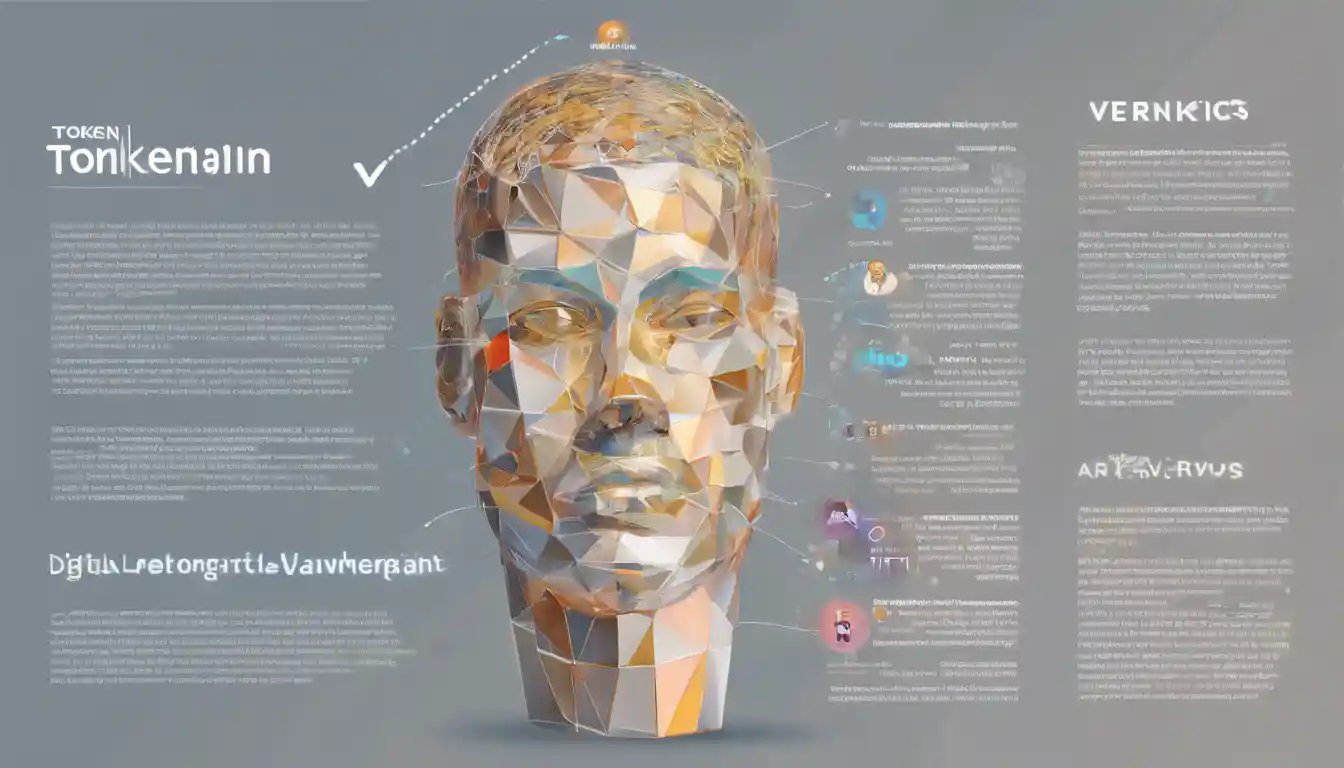
The integration of tokenization and digital twins marks a significant shift in how we perceive ownership and engagement in the art world. By leveraging blockchain technology, artists can establish verifiable ownership of their work while collectors gain a deeper interaction with the pieces they acquire.
Tokenization involves transforming ownership rights of physical or digital assets into digital tokens recorded on a blockchain. This process creates unique, verifiable representations of artwork, ensuring that each token corresponds to a specific piece or concept created by the artist. For example, the emergence of Non-Fungible Tokens (NFTs) on platforms like Ethereum has revolutionized digital art ownership, allowing creators to sell their works with built-in royalties that ensure they benefit from future sales.
Platforms such as Artsy and OpenSea have embraced this technology, enabling artists to tokenize their work and reach a global audience. The transparent nature of blockchain allows for secure transactions and a clear history of ownership, addressing long-standing issues of provenance and authenticity in the art market.
A digital twin is a dynamic digital replica of a physical object, continuously updated with real-time information throughout its lifecycle. In the art context, this means that a physical painting can have an evolving digital counterpart, enriched with data reflecting its journey through exhibitions, restoration processes, and ownership changes. This dual representation not only enhances the artwork's story but also engages viewers in a more interactive way.
For instance, imagine a renowned painting displayed in a gallery. Its digital twin could allow viewers to visualize the painting's restoration history, view interactive timelines of its exhibitions, or even experience augmented reality features that bring the artwork's context to life. Such features deepen the viewer's understanding and appreciation, transforming a passive viewing experience into an interactive exploration.
The combination of tokenization and digital twins addresses critical challenges in the art market, particularly issues around provenance and authenticity. Research highlights how unreliable provenance records can facilitate art crimes such as forgery and theft. By integrating databases and blockchain technology, we can establish a tamper-proof method for tracking art ownership and history. For example, ArtChain is a blockchain-based platform designed to enhance the monitoring and documentation of art transactions, providing a transparent and secure environment for artists and collectors alike.
Furthermore, this dual ownership model ensures that artists receive royalties every time their work is sold, while collectors enjoy a secure and verifiable transaction history. This innovative approach not only fosters trust among stakeholders but also encourages a more sustainable art ecosystem.
Real-world applications of tokenization and digital twins can be seen in various projects that explore their potential in enhancing art ownership. For example, a firm utilizing the Bitcoin blockchain has developed an integrated ownership ledger that authenticates and verifies digital property ownership, allowing for secure attribution and provenance tracking. This use of blockchain, coupled with advanced technologies such as machine learning, offers a glimpse into the future of digital art management and ownership.
Moreover, as auction houses like Christie’s embrace NFTs, the intersection of traditional art concerns with blockchain technology raises new legal and ethical questions, paving the way for ongoing discussions about the future of art in the digital age.
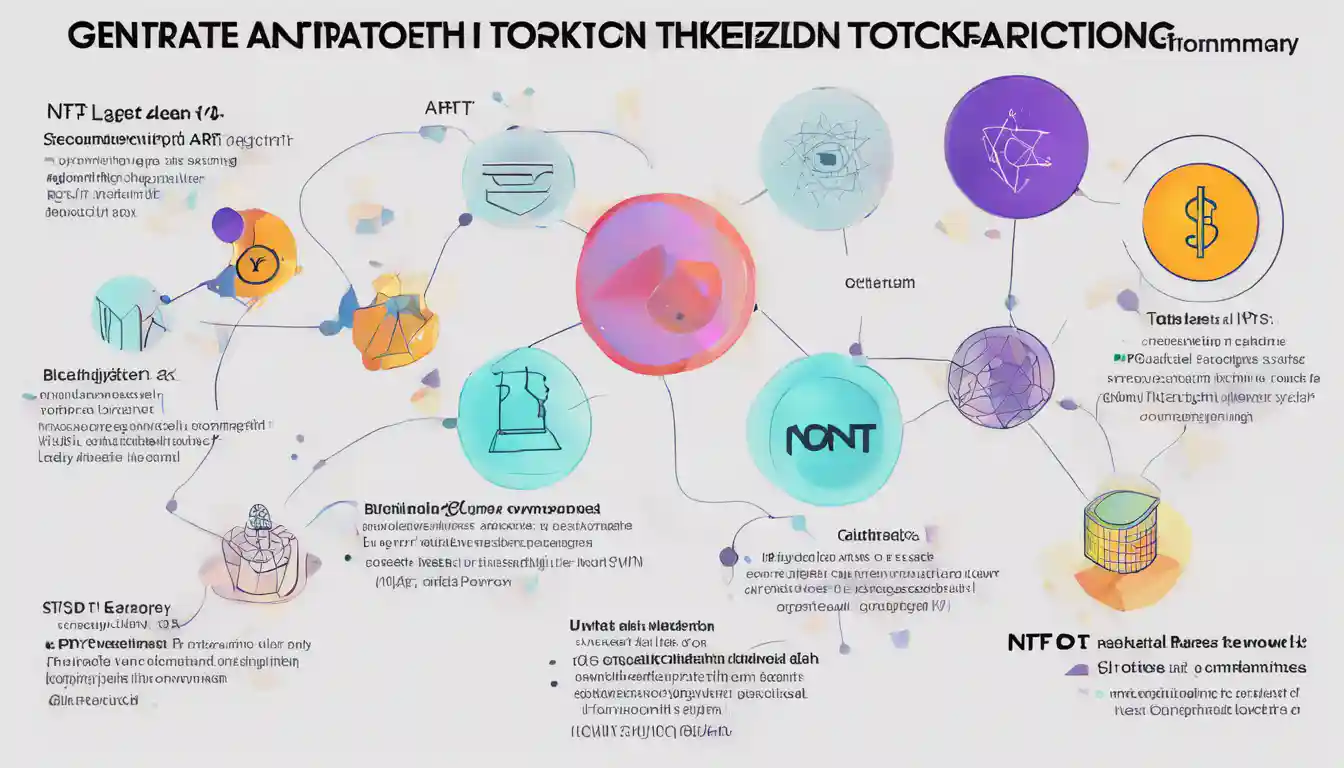
Tokenization is revolutionizing interactive art by creating a secure and transparent framework for ownership and provenance. This process involves converting ownership rights of an asset into a digital token on a blockchain, allowing artists to generate unique, verifiable representations of their work. As the art world navigates the complexities of digital ownership, tokenization becomes a cornerstone for authenticity and value in this new landscape.
At its core, tokenization uses blockchain technology to assign a digital token to an asset, which can be anything from a digital artwork to a physical piece. Each token is unique, often referred to as a Non-Fungible Token (NFT), and contains important metadata that includes ownership history, artist information, and transaction records. This decentralized ledger system not only ensures the uniqueness of the digital asset but also enhances transparency, making it difficult for counterfeit artworks to infiltrate the market.
One of the most promising platforms utilizing tokenization in the art world is ArtChain, Australia's first blockchain-enabled art trade platform. ArtChain leverages blockchain's transparency to enhance the monitoring, documentation, and transaction processes in art trade. With its comprehensive structure, which includes smart contracts for automated transactions and chain connections for secure data handling, ArtChain ensures that every piece of art has a tamper-proof record of provenance, greatly reducing the risks of forgery and theft.
In addition to platforms like ArtChain, the growing popularity of NFTs has transformed the way digital art is perceived and marketed. Prominent auction houses, such as Christie’s, have embraced NFTs, facilitating the sale of digital art with verified ownership. By creating a direct link between the artist and the collector through blockchain, NFTs allow artists to receive royalties every time their work is resold, thus providing a sustainable income model that was previously unattainable in the traditional art market.
While tokenization opens new avenues for artists and collectors, it also introduces challenges. Legal complexities arise surrounding copyright, especially for existing works that are digitized and tokenized. The evolving legal landscape necessitates a careful examination of ownership rights, especially when digital assets are linked to tangible artworks. As research suggests, integrating databases and blockchain technology is essential for improving authentication processes and protecting against the entry of illegitimate art into legitimate collections.
Tokenization also synergizes with the concept of digital twins, which can serve as dynamic digital replicas of physical artworks. These digital twins are continuously updated with real-time information, allowing them to reflect the artwork's journey through exhibitions, ownership changes, and restorations. For instance, a digital twin of a physical painting could provide augmented reality features, allowing viewers to explore the artist's creative process, the history of the piece, and even its current condition. This immersive experience not only enhances appreciation but also deepens engagement with the art.
As the art market grapples with authenticity and value in the digital age, the integration of tokenization and digital twins is not merely a trend; it represents a fundamental shift in how art is created, owned, and experienced. Through these innovative approaches, artists and collectors alike are empowered to explore a more inclusive, interactive, and sustainable art ecosystem.
Digital twins are not just replicas; they are dynamic entities that evolve with the physical artworks they represent, enhancing the interactive experience for audiences and collectors alike.
A digital twin functions as a real-time digital counterpart to a physical artwork, maintaining an updated record of its condition, ownership history, and exhibition details. This is achieved through advanced technologies such as the Internet of Things (IoT) and blockchain, which allow for continuous data capture and secure information storage. For example, a painting displayed at a gallery can have its digital twin updated with information about the environmental conditions it has been exposed to, any maintenance work performed, or changes in ownership.
One of the most exciting aspects of digital twins is their capacity to integrate augmented reality (AR) features. Imagine standing in front of a famous painting and, through an AR application, being able to see the artist's creative process unfold—sketches, drafts, or even video clips of the artist at work. This not only enhances the viewer's understanding of the artwork but also creates an emotional connection to the piece. For instance, the digital twin of a sculpture could allow viewers to see how it was crafted, from the selection of materials to the techniques used in its creation.
The introduction of platforms like ArtChain demonstrates the practical application of digital twins in the art market. ArtChain is a blockchain-based platform designed to enhance the monitoring, documentation, and transaction processes in art trading. By creating a digital twin for each artwork registered on the platform, ArtChain ensures that a comprehensive and tamper-proof record of provenance is maintained. This enhances not only the visibility of the artwork but also its authenticity, providing collectors with peace of mind regarding their investments.
Digital twins can also work hand-in-hand with Non-Fungible Tokens (NFTs), which have gained significant traction in the art world. NFTs, often minted on the Ethereum blockchain, can be linked to the digital twin of an artwork. This means that ownership of the NFT can be tracked alongside the digital twin, providing a complete history of the artwork's journey. For example, a collector purchasing an NFT could access the digital twin to learn about the artwork's previous exhibitions, owners, and any restoration efforts it has undergone. This “living history” aspect not only enriches the collector's experience but also reinforces the concept of authenticity in a market often plagued by forgery concerns.
Provenance is a critical issue in the art world, as unreliable records can lead to art crimes such as forgery and theft. The integration of digital twins with blockchain technology can significantly enhance provenance research. By employing a secure and transparent ledger, art institutions can maintain accurate records that are easily accessible and verifiable. This not only helps in preventing illegitimate art from entering legitimate collections but also establishes a framework for capable guardianship of artworks. The use of blockchain for provenance tracking can be seen as a necessary evolution in an industry that has often struggled with authenticity issues.
The intersection of tokenization and digital twins is poised to fundamentally reshape the landscape of art ownership and appreciation. As we venture deeper into this digital realm, artists and collectors alike will find themselves navigating a new ecosystem that prioritizes transparency, security, and interactivity.
Tokenization allows for the transformation of ownership rights into digital tokens, secured by blockchain technology. This not only facilitates the sale and transfer of artworks but also enhances their traceability. For instance, platforms like ArtChain are pioneering this approach by offering a blockchain-enabled environment that documents every transaction, ensuring that provenance is not only reliable but also easily accessible. This transparency is vital in combatting issues like forgery and theft, which have plagued the art market for years.
Digital twins bring a unique dimension to the art world by creating an evolving digital counterpart to a physical work. This technology allows for real-time updates that reflect the artwork's journey—its exhibitions, ownership changes, and restoration efforts. For example, imagine a famous painting that has undergone several restorations; its digital twin could provide viewers with detailed insights into each phase of its life, enhancing their appreciation and understanding of the piece. This capability not only enriches the viewer's experience but also serves as a verifiable record of the artwork's history.
One of the most significant advantages of integrating tokenization and digital twins is the potential for enhanced provenance tracking. Each transaction recorded on a blockchain creates a secure, immutable history, ensuring that artists receive royalties every time their work is sold. This model not only supports artists financially but also fosters a sense of trust within the art community. For example, NFT marketplaces have begun implementing smart contracts that automatically distribute royalties to the original artists upon each resale, a practice that aligns closely with the principles of tokenization.
As the popularity of NFTs and blockchain in the art world grows, so does the complexity of legal and ethical considerations. Issues surrounding copyright, authenticity, and the implications of digital ownership are increasingly coming to the forefront. Prominent auction houses like Christie’s have embraced NFTs, yet the legal landscape remains uncertain and evolving. This presents both challenges and opportunities, inviting artists to engage with this technology while also navigating the murky waters of intellectual property rights.
The adoption of tokenization and digital twins could lead to a more inclusive art ecosystem, breaking down barriers that have traditionally restricted access to the art world. With digital ownership, art can be fractionalized, enabling a broader audience to invest in and appreciate artworks that were once deemed out of reach. This democratization of art ownership not only fosters a diverse collector base but also cultivates a deeper engagement with art itself, as more individuals can participate in the narrative of creation and appreciation.
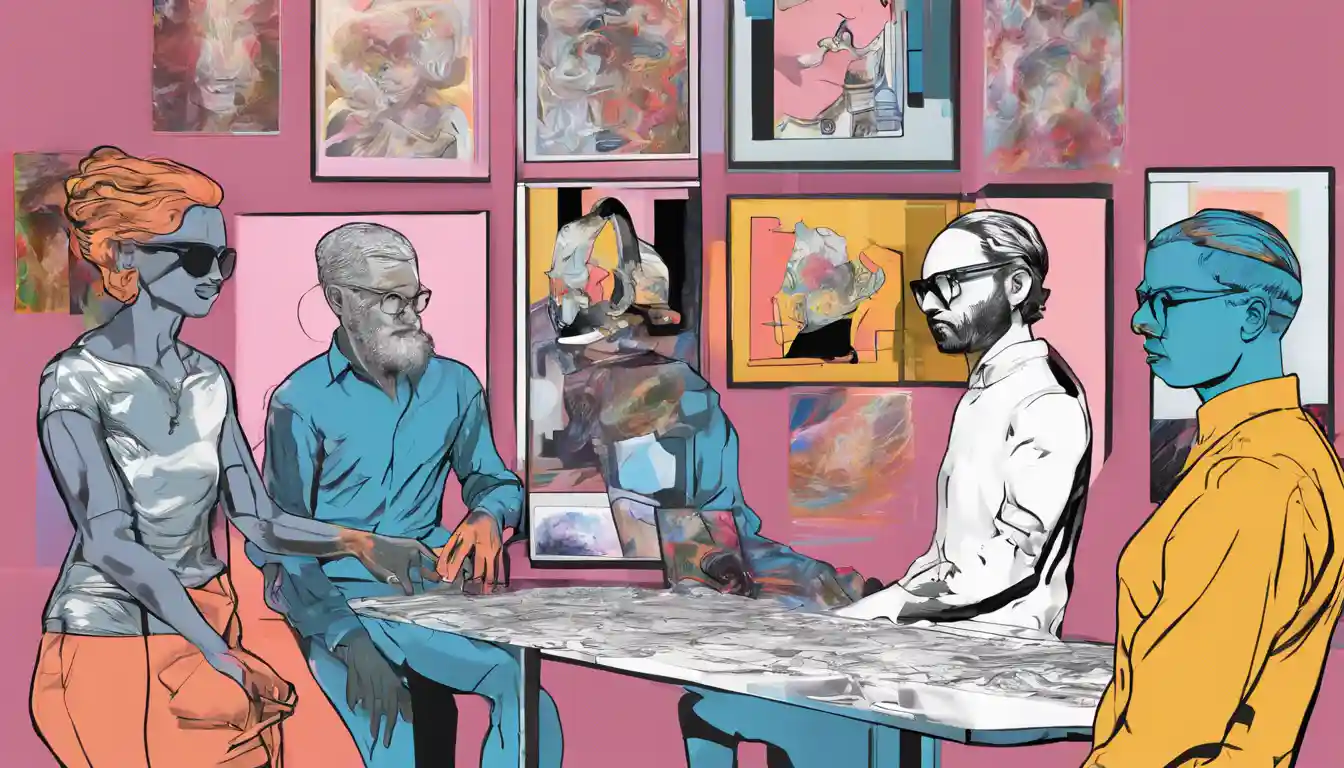
In an era where the physical and digital worlds increasingly blend, the concept of tokenization and digital twins presents a fascinating frontier for the art world. Tokenization, the process of converting ownership rights of an asset into a digital token on a blockchain, allows artists to create unique, verifiable representations of their work. Imagine owning a digital token that represents not just a digital artwork, but also the artist's original concept, sketches, and even the creative process itself—captured through a digital twin.
Tokenization transforms the way we perceive ownership in the art sector. By using blockchain technology, artists can mint Non-Fungible Tokens (NFTs) that serve as proof of ownership and authenticity. Each NFT is unique and can be linked to both digital and physical art pieces, ensuring a transparent record of transactions and provenance. For instance, leading auction houses like Christie’s have embraced NFTs, facilitating sales of digital artworks that come with a verifiable certificate of authenticity.
Moreover, platforms like ArtChain have emerged to enhance the art trading process. ArtChain is designed to provide a tamper-proof history of transactions, enhancing the monitoring, documentation, and authentication of artworks. Its comprehensive structure includes smart contracts that automate transactions while preserving the privacy of both sellers and buyers. This significantly reduces the risks associated with forgery and theft, which are prevalent due to unreliable provenance records.
A digital twin serves as a dynamic digital replica of a physical object or process, continuously updated with real-time information. In the context of art, this means that a physical painting could have a parallel digital version that evolves with its journey through exhibitions, ownership changes, and restorations. This digital twin could include augmented reality features, offering viewers an immersive experience that deepens their understanding of the artwork’s history.
For example, a digital twin of a renowned painting could provide detailed insights into its restoration process, past exhibitions, and changes in ownership, thus enriching the viewer's experience. By integrating augmented reality (AR), collectors and art enthusiasts can interact with the digital twin, gaining deeper insights into the artist's techniques and the artwork's context.
The dual ownership model enabled by tokenization and digital twins enhances provenance significantly. Each transaction recorded on the blockchain ensures that artists receive royalties every time their work is sold, which is a substantial departure from traditional art sales where artists often see little return after the initial sale.
As the art market grapples with authenticity and value in the digital age, the integration of tokenization and digital twins not only addresses concerns surrounding provenance but also empowers artists and collectors alike. The transparent transaction history provided by platforms like ArtChain acts as a capable guardian against art crimes such as forgery and theft, thereby fostering a safer art environment. This approach aligns with the findings of recent studies that advocate for the integration of blockchain technology to enhance authentication processes and mitigate illegitimate art from entering legitimate collections.
As we move forward, the real-world applications of these technologies are becoming increasingly apparent. Digital artists can release limited-edition works linked to NFTs, creating scarcity and driving demand. At the same time, traditional artists can use digital twins to document the evolution of their artwork, providing potential buyers with a complete narrative of the piece’s journey.
In conclusion, the intersection of tokenization and digital twins represents a revolutionary shift in how art is created, owned, and appreciated. The future of interactive art lies in embracing these technologies, paving the way for a more inclusive, transparent, and sustainable art ecosystem.
The convergence of tokenization and digital twins stands as a transformative force in the art world, redefining notions of ownership, engagement, and provenance. As we've explored, tokenization not only facilitates secure ownership through blockchain technology but also ensures that artists benefit financially from their work in ways that were previously unattainable. Platforms like ArtChain are setting the standard for traceability and transparency in art transactions, promoting a more trustworthy ecosystem.
Digital twins enhance this narrative further by providing dynamic, real-time representations of physical artworks. They allow for a deeper interaction between art and its audience, offering insights into the lifecycle of an artwork that enriches the viewer's experience. The potential for augmented reality integrations also opens new avenues for engagement, making art more accessible and interactive than ever before.
However, as we navigate this new terrain, it is crucial to remain vigilant regarding the legal and ethical implications of digital ownership. The evolving landscape of copyright and authenticity presents challenges that must be addressed as we embrace these technological advancements.
As we look toward the future, the integration of tokenization and digital twins heralds a more inclusive art ecosystem. Fractional ownership of artworks could democratize access, allowing a diverse range of collectors to participate in the art market while fostering a broader appreciation for art itself.
In closing, we invite artists, collectors, and art enthusiasts alike to engage with these innovations. Consider how you might leverage tokenization and digital twins in your own artistic journey or collection. The digital future of art is not just something to observe; it’s a space to actively participate in, shaping the narrative of art for generations to come. Are you ready to embrace this new frontier?
Get notified about new articles, coffee tips, and Web3 insights.
This site participates in affiliate programs and may earn a commission when a link is clicked and a purchase is made. The site is not responsible for any issues or troubles related to the products or services purchased through the use of this site.

DO&COFFEE loves coffee and technology, exploring the potential of NFTs and blockchain. Learn more →
DO&COFFEE loves coffee and technology, exploring the potential of NFTs and blockchain. Learn more →