coffee
2024/08/07
In the evolving landscape of the coffee industry, a new wave is brewing—one that intertwines the rich aroma of freshly roasted beans with the innovative realms of Non-Fungible Tokens (NFTs) and decentralized art. At its core, NFTs are unique digital assets verified through blockchain technology, allowing for ownership and authenticity of digital creations. On the other hand, decentralized art refers to artistic works that are not controlled by a single entity, empowering artists to connect directly with their audiences without traditional gatekeepers.
The importance of this topic cannot be overstated. As local coffee brands in places like Jakarta redefine consumer preferences by focusing on quality and uniqueness, they also embrace NFTs as a means to enhance customer engagement. For example, these brands are not only offering limited edition coffee blends but also crafting digital experiences tied to their products—such as exclusive access to roasting events or unique digital artwork. This creates a stronger emotional connection with consumers, who are increasingly valuing transparency and authenticity in their purchasing decisions.
Moreover, the rise of the Fourth Wave coffee culture, which emphasizes sustainability and local sourcing, further illustrates the interconnections between coffee, NFTs, and decentralized art. Coffee roasters are now leveraging blockchain technology to trace the origins of their beans, thus ensuring ethical sourcing while simultaneously creating art that reflects these values. According to recent surveys, over 70% of consumers are willing to pay a premium for products that demonstrate verifiable sustainability practices, highlighting a significant market shift.
In this blog post, we will explore how coffee roasters are utilizing NFTs and decentralized art to not only enhance their brand identity but also to foster community engagement and sustainability. We will delve into the technical aspects of NFTs, real-world applications in the coffee industry, and actionable insights for both consumers and producers looking to navigate this new frontier.
NFT Coffee represents a novel intersection between the coffee industry and the world of non-fungible tokens (NFTs). At its core, NFT Coffee leverages blockchain technology to create unique digital assets that are tied to specific coffee products, brands, or experiences. Each NFT can be a digital representation of a limited edition coffee blend, exclusive access to roasting events, or even artwork related to coffee culture.
Technically, NFTs are built on blockchain networks like Ethereum, utilizing smart contracts to ensure the authenticity and ownership of each token. These digital assets are indivisible and unique, providing a way for coffee roasters to offer their customers a scarcity-driven product. For example, a roaster might issue an NFT for a limited-run single-origin coffee, complete with its own digital artwork and story, creating both a collectible and an experience.
The importance of NFT Coffee lies in its ability to redefine consumer engagement and brand loyalty within the coffee industry. For instance, local coffee brands in Jakarta have been noted to challenge traditional café culture by emphasizing quality and uniqueness, thereby reshaping consumer preferences and values. This shift creates opportunities for coffee brands to connect more deeply with their communities and customers, as seen in the emergence of local brands that harness NFTs to offer unique experiences and products.
Another practical example is the rise of the "Fourth Wave" coffee culture, which emphasizes sustainability and local sourcing. By integrating NFTs, coffee roasters can provide transparency about sourcing practices and engage consumers in a more meaningful way. NFTs can signify a commitment to ethical sourcing, allowing consumers to trace their coffee's journey from farm to cup.
NFT Coffee not only represents a new revenue stream for coffee roasters but also relates to broader advancements in Web3 technology. As decentralized platforms grow, coffee brands can utilize these technologies to build community-driven experiences. The use of smart contracts can automate transactions, ensuring fair and transparent processes for both producers and consumers.
Moreover, NFTs can enable coffee aficionados to participate in governance decisions about coffee blends or sustainability practices, enhancing their connection to the brand. Research shows that integrating technology with consumer goods can significantly boost engagement and loyalty, as seen in the Jakarta coffee market where local brands are redefining consumer preferences towards quality and uniqueness.
As noted in studies discussing the emergence of local coffee brands in Jakarta, this trend indicates a cultural shift towards appreciating quality and uniqueness in coffee consumption. Additionally, the push for sustainable gastronomy in regions like Riyadh highlights the importance of local sourcing and ethical practices in the coffee industry.
According to recent surveys, over 70% of consumers are willing to pay more for products that offer verifiable sustainability practices, a statistic that underscores the potential for NFT Coffee to drive positive change in consumer behavior.
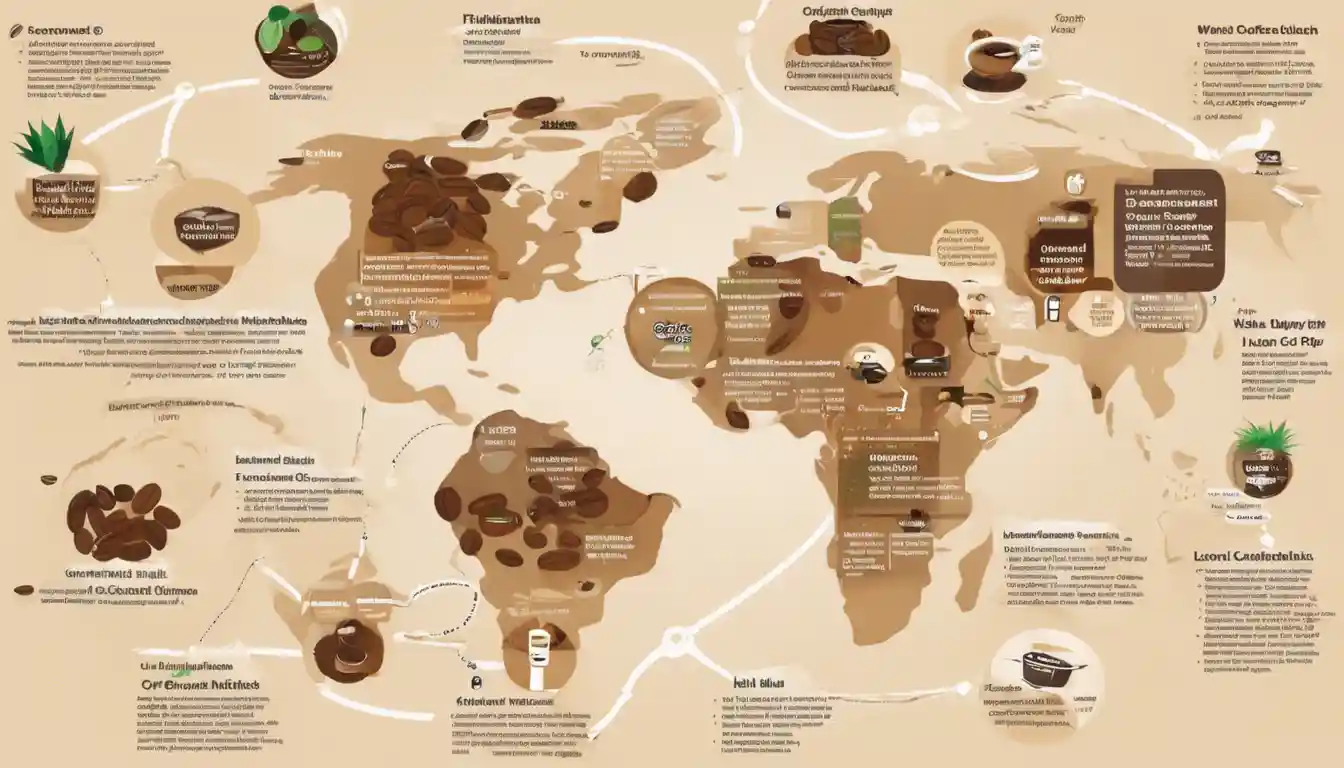
In recent years, the intersection of coffee and blockchain has emerged as a significant topic, particularly within the realms of transparency, traceability, and sustainability. Blockchain technology, fundamentally a decentralized ledger system, allows for the recording of transactions across multiple computers in a way that the registered data cannot be altered retroactively without the consensus of the network. This feature is particularly valuable in the coffee industry, where the journey from farm to cup often involves numerous stakeholders, including farmers, processors, distributors, and retailers.
By employing blockchain, stakeholders can track the entire supply chain of coffee beans — from the specific farm where the beans were grown to the roasting facility and ultimately to the consumer. This transparency not only builds trust among consumers but also enables better quality control and ethical sourcing practices. For example, using smart contracts, payments to farmers can be automated based on predefined conditions, minimizing delays and ensuring fair compensation.
The significance of integrating blockchain within the coffee industry can be illustrated through real-world applications. One notable example is the rise of local coffee brands in Jakarta, which are redefining consumer preferences and challenging traditional café culture. These brands often utilize blockchain to showcase their commitment to quality and sustainability, thereby attracting a more conscious consumer base. According to a study, local brands focusing on unique offerings have prompted a cultural shift in coffee consumption in Jakarta, highlighting the importance of quality and authenticity.
Another example can be found in the context of sustainable gastronomic tourism in Liard, where the emphasis on the 'Fourth Wave' coffee culture underscores quality, sustainability, and local sourcing. By employing blockchain, these coffee businesses can demonstrate their supply chain integrity, which is crucial for attracting customers who prioritize sustainable practices. According to research, fostering the development of coffee culture is essential for the sustainable growth of the tourism industry in this region.
In the context of Web3 technologies, coffee brands can leverage decentralized applications (dApps) to facilitate direct transactions with consumers. By utilizing tokens or NFTs, brands can create a new revenue stream where consumers purchase limited-edition coffee blends or experiences, further linking them to the brand's story and sourcing practices. This not only enhances customer engagement but also fosters a community centered around sustainability and ethical consumption.
Furthermore, blockchain's immutable nature serves as a safeguard against fraud, ensuring that consumers receive the quality they expect. With increasing consumer awareness about ethical sourcing, coffee brands that adopt blockchain technology can enhance their reputation and market position.
Research indicates that local coffee brands are experiencing significant growth by emphasizing quality and uniqueness, thereby altering consumer perceptions in Jakarta. Additionally, the focus on sustainable practices in Liard's coffee culture development is crucial for enhancing local tourism, as highlighted in various studies.
In conclusion, as coffee roasters stir up excitement around NFTs and decentralized art, embracing blockchain technology will not only enhance transparency and sustainability in the coffee supply chain but also foster a deeper connection with consumers who are increasingly conscious of the origins of their coffee.
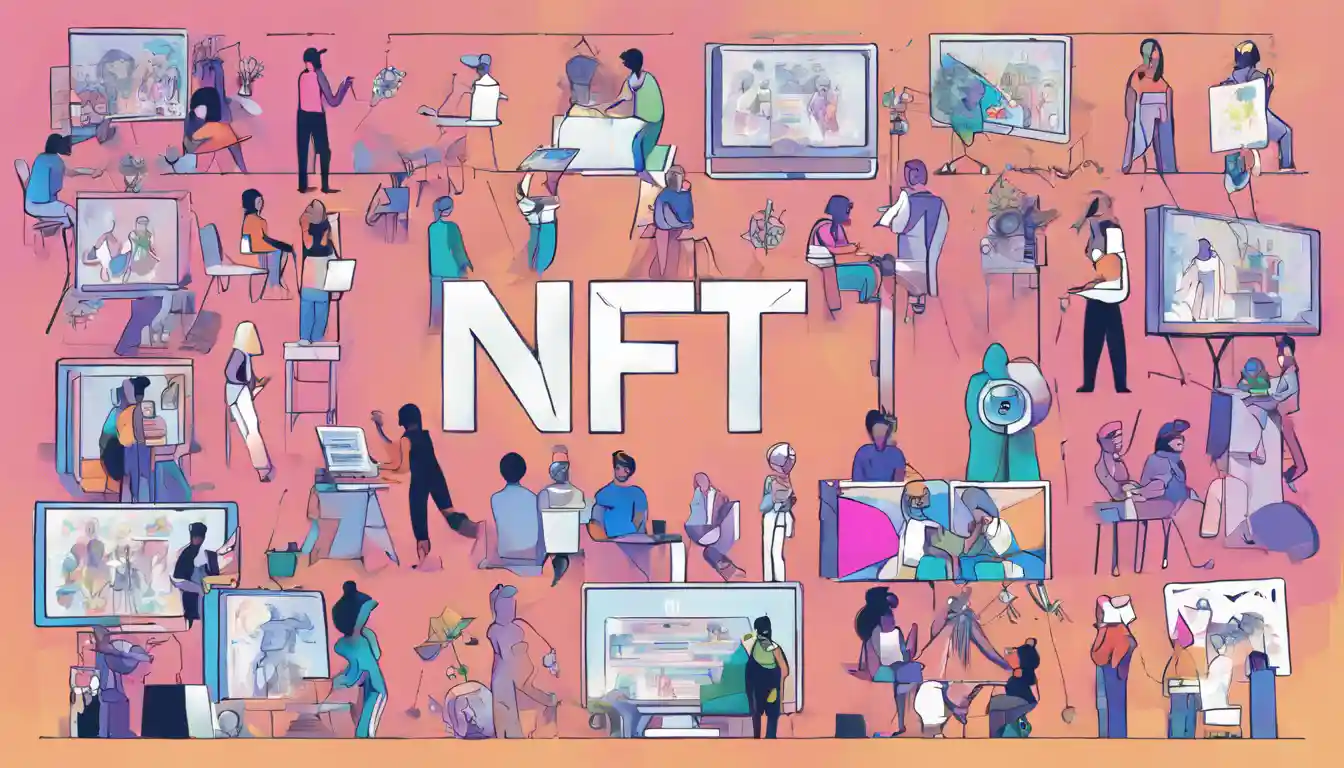
Decentralized art refers to artistic creations that are not controlled by a single entity, typically facilitated through blockchain technology. This technology allows artists to mint digital artworks as Non-Fungible Tokens (NFTs), which are unique digital assets verified through a decentralized network.
Each NFT is recorded on a blockchain, ensuring authenticity, ownership, and provenance without the need for intermediaries like galleries or auction houses. This democratization of art distribution allows creators to directly connect with their audience, removing traditional gatekeepers from the equation.
The significance of decentralized art lies in its potential to disrupt conventional art markets, promoting inclusivity and diversity. For instance, platforms like OpenSea and Foundation have enabled countless emerging artists to showcase their work globally, leading to the rise of new cultural movements.
In Jakarta, the shift towards local coffee brands has also inspired artists to create coffee-themed NFTs, redefining coffee culture and consumer preferences, as highlighted in recent studies. The emergence of the Fourth Wave Coffee emphasizes quality and sustainability, inspiring artists to reflect these values in their work, thereby intertwining the coffee experience with artistry.
Decentralized art operates within the framework of Web3, a new paradigm for the internet that emphasizes user ownership and decentralization. Smart contracts, which are self-executing contracts with the terms of the agreement directly written into code, play a crucial role in automating transactions and ensuring artists receive royalties on secondary sales. For example, if an artist sells an NFT for $1,000 and it is later resold for $5,000, the smart contract can ensure that the original creator receives a percentage of that sale. This not only secures ongoing revenue for artists but also enhances their relationship with collectors.
A report by Artsy highlighted that the NFT market saw over $2.5 billion in sales in the first quarter of 2021 alone, signaling a massive interest in decentralized art forms. Additionally, a study on the coffee culture in Jakarta illustrated how local brands are redefining consumer preferences, suggesting a cultural shift that parallels the rise of decentralized art as a means of expressing local identity and values.
In this blog post, we explored the fascinating intersection of coffee roasters and the burgeoning world of NFTs and decentralized art. We discussed how NFT Coffee is redefining consumer engagement by creating unique digital assets tied to specific coffee products, fostering a deeper connection between brands and customers. The integration of blockchain technology not only enhances transparency and traceability in the coffee supply chain but also promotes sustainability and ethical sourcing practices. Furthermore, we examined decentralized art's role in democratizing the artistic landscape, empowering artists to connect directly with their audience while reinforcing local coffee culture.
Looking ahead, the implications of these trends are profound. As more coffee brands adopt NFTs and blockchain technology, we can expect an evolution in consumer expectations, with a greater emphasis on authenticity, sustainability, and community engagement. This shift could lead to a richer coffee culture that values not just the beverage itself but the entire story behind it — from farm to cup and canvas to collector. Moreover, as decentralized platforms gain traction, we may witness an even broader acceptance of digital art forms that reflect local identities and values, further intertwining the realms of coffee and creativity.
As you sip your next cup of coffee, consider the journey it has taken and the innovative technologies that are shaping its future. Will you be part of this brewing revolution? Explore the world of NFTs, engage with local roasters, and support artists who are redefining coffee culture through decentralized art. The future of coffee is not just about taste; it’s about connection, community, and creativity.
- The Emergence of Local Coffee Brands: A Paradigm Shift in Jakarta Coffee Culture
- Developing Fourth Wave Coffee Culture Towards Sustainable Gastronomy Tourism Growth in Riyadh
- TEACHING COFFEE CULTURE AND THE COFFEE MUSEUMS IN ESL AND ESP CLASSES
- Coffee Culture in Indonesia: A Symbolic Interactionism Point of View
- NFTs and copyright: challenges and opportunities
- A Recommender System for NFT Collectibles with Item Feature
Get notified about new articles, coffee tips, and Web3 insights.
This site participates in affiliate programs and may earn a commission when a link is clicked and a purchase is made. The site is not responsible for any issues or troubles related to the products or services purchased through the use of this site.
DO&COFFEE loves coffee and technology, exploring the potential of NFTs and blockchain. Learn more →
DO&COFFEE loves coffee and technology, exploring the potential of NFTs and blockchain. Learn more →