coffee
2024/08/07
In recent years, the realms of coffee, wellness, and blockchain technology have begun to converge, sparking a new wave of innovation and consumer awareness. At the heart of this phenomenon are three key concepts: coffee, which is not just a beverage but a cultural cornerstone with numerous health benefits; wellness, a holistic approach to health that emphasizes the importance of nutrition and lifestyle choices; and blockchain tokenization, a digital ledger technology that enhances transparency and traceability in supply chains.
The importance of this intersection cannot be overstated. For instance, as consumers become more health-conscious, they are seeking out coffee that not only energizes but also provides health benefits, such as antioxidants and anti-inflammatory properties. A study published in 2023 indicated that regular coffee consumption is associated with a 25% lower risk of developing Type 2 diabetes compared to non-drinkers, emphasizing the beverage's potential role in health and wellness. Meanwhile, blockchain technology is revolutionizing the coffee supply chain, allowing consumers to trace the origin of their beans through QR codes, ensuring fair compensation for farmers and promoting sustainable practices.
As we delve into this blog post, we will explore how these elements are interlinked. The growing demand for ethically sourced, health-promoting coffee is being met by blockchain solutions that offer transparency and traceability. Together, they are not only reshaping the coffee industry but also enhancing consumer confidence and wellness. The synergy between these topics illustrates how technological advancements can foster a more sustainable and health-conscious coffee culture.
By understanding the interplay between coffee, wellness, and blockchain tokenization, we can appreciate the transformative changes occurring within the industry and how they ultimately benefit consumers, producers, and the planet alike.
Coffee is more than just a morning ritual; it's a complex beverage packed with numerous health benefits. At the core of coffee's appeal is caffeine, a natural stimulant that not only boosts alertness but also enhances cognitive function. Research suggests that caffeine may improve memory, reaction times, and overall mental performance. Furthermore, coffee contains a plethora of antioxidants, such as polyphenols, which help combat oxidative stress and inflammation in the body.
On a technical level, coffee's health benefits can be attributed to its bioactive compounds. A study published in the National Institutes of Health reveals that regular coffee consumption is linked to a reduced risk of several chronic diseases, including Type 2 diabetes, Alzheimer's disease, and certain types of cancer. For instance, a meta-analysis found that individuals who drink three to four cups of coffee a day have a 25% lower risk of developing Type 2 diabetes compared to non-drinkers.
The significance of coffee in our lives cannot be overstated. Millions of people worldwide rely on coffee for its energizing effects; however, its health benefits extend beyond mere alertness. For example, a study conducted by the American Journal of Clinical Nutrition found that coffee drinkers had a significantly lower risk of cardiovascular diseases. In practical terms, this means that incorporating coffee into a balanced diet may contribute to a healthier heart, making it a simple lifestyle choice with profound implications.
Moreover, the rise of specialty coffee shops and artisanal brewing methods has transformed coffee into a wellness product. Consumers are increasingly aware of the origins of their coffee and its health benefits, leading to a demand for sustainably sourced beans that are rich in nutrients. Blockchain technology is now being used to trace coffee from farm to cup, ensuring quality and transparency—an intersection of health and technology that exemplifies the modern coffee culture.
Here are three actionable tips to maximize the health benefits of coffee:
As we explore the intersection of coffee, wellness, and advanced technologies like blockchain, it's vital to understand how these innovations can enhance our coffee experience. For example, blockchain can verify the ethical sourcing of coffee, ensuring that consumers are supporting sustainable practices. This not only promotes health benefits by encouraging organic farming methods but also aligns with the wellness trend where consumers are increasingly concerned about the environmental impact of their choices.
Additionally, companies are utilizing data analytics to customize coffee blends that cater to individual health needs, such as reducing acidity for people with sensitive stomachs or infusing coffee with additional nutrients for health-conscious consumers. The future of coffee is not just about brewing; it's about crafting personalized wellness experiences through technology.
According to a 2017 study, coffee consumption is associated with a 19% lower risk of developing Parkinson's disease, showcasing its potential as a preventive measure against neurodegenerative disorders. Furthermore, a meta-analysis published in the BMJ indicated that up to six cups of coffee a day may lower the risk of liver disease by 44%. These findings underscore the importance of coffee not just as a beverage but as a pivotal player in promoting health and wellness.
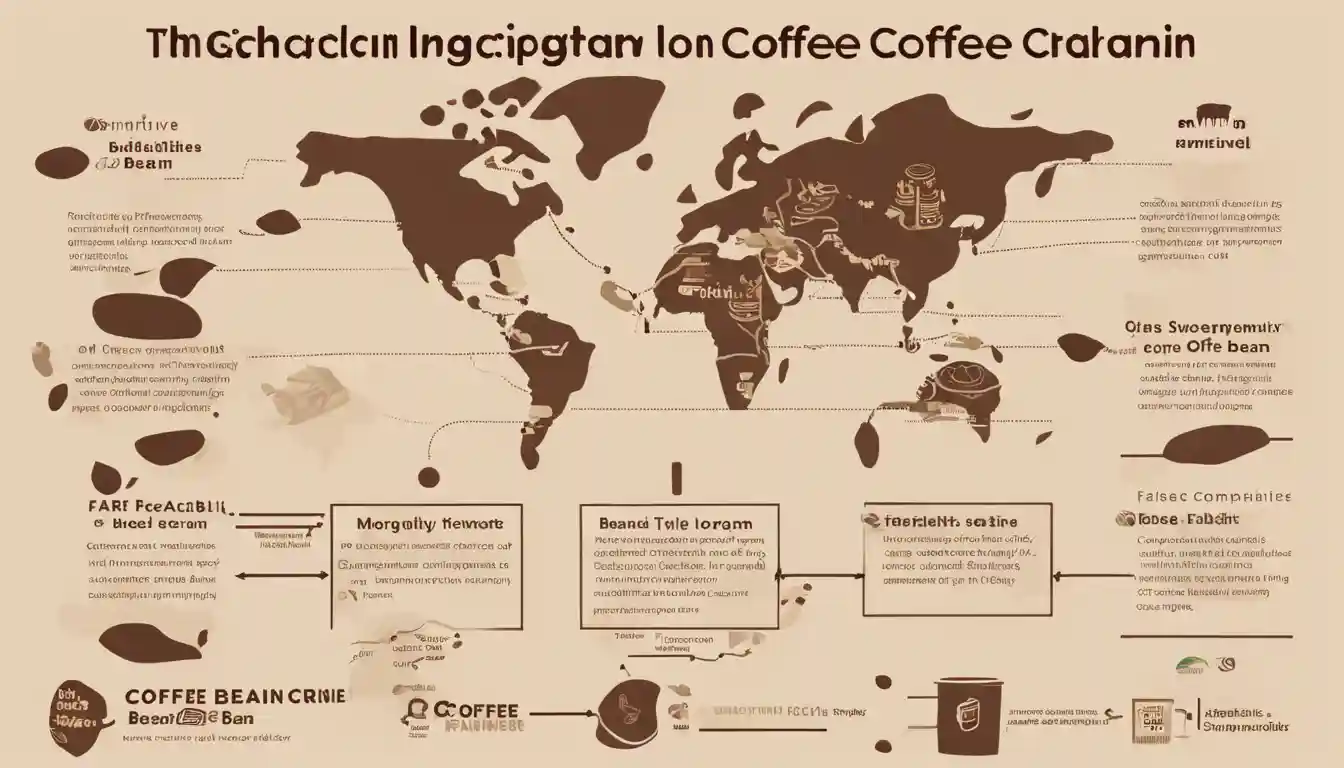
Coffee and blockchain may seem like an unlikely pairing, but they are increasingly intertwined in the pursuit of transparency, traceability, and efficiency in the coffee supply chain. Blockchain, a decentralized and immutable ledger technology, provides a secure way to record transactions across multiple computers, ensuring that data cannot be altered retroactively. In the context of coffee, this technology can be employed to track the journey of coffee beans from the farm to the consumer's cup.
The technical aspects of blockchain relevant to coffee include: Smart Contracts: These self-executing contracts with the terms of the agreement directly written into code can automate transactions, ensuring payments are made when specific conditions are met. Decentralization: Unlike traditional systems that rely on a central authority, blockchain operates on a peer-to-peer network, reducing the risk of fraud and errors. Tokenization: This process allows physical assets, like coffee beans, to be represented as digital tokens on the blockchain, facilitating fractional ownership and easier trading.
The importance of integrating blockchain into the coffee industry lies in its ability to enhance transparency and trust. One real-world application is the collaboration between coffee producers and companies like Brewgoodly, which uses blockchain to trace the origin of their coffee. Consumers can scan a QR code on the packaging to see detailed information about the coffee's journey, including the farm it came from and the farmers who produced it. This not only empowers consumers but also ensures that farmers receive fair compensation for their work.
Another example is Café Imports, which implemented a blockchain system to track coffee shipments, reducing the time and cost associated with logistics while ensuring quality control. According to a study by the World Economic Forum, supply chain transparency can reduce costs by up to 20%, making blockchain an economically viable option for coffee businesses.
Here are three actionable tips for coffee enthusiasts and businesses looking to leverage blockchain technology: Educate Yourself: Start by learning the basics of blockchain technology and its applications in agriculture. Numerous online resources and courses are available to help you understand its potential. Engage with Brands: Choose to purchase coffee from brands that utilize blockchain. Support companies that promote transparency and fair trade practices, as they often implement blockchain solutions to prove their claims. Advocate for Transparency: Encourage local coffee shops and roasters to adopt blockchain technology. Advocate for systems that allow consumers to trace their coffee’s journey, fostering a more sustainable coffee industry.
The intersection of coffee and blockchain is increasingly relevant in the Web3 ecosystem, where decentralized applications (dApps) are built on blockchain networks. These applications can facilitate direct transactions between coffee producers and consumers without intermediaries, reducing costs and increasing profitability for farmers. For example, platforms like Coffee Network enable farmers to tokenize their coffee beans, allowing them to sell directly to consumers in a more transparent manner.
The integration of blockchain with IoT (Internet of Things) devices can further enhance tracking and quality assurance in coffee production. Sensors can monitor conditions like soil quality and humidity, with data securely stored on the blockchain, providing a comprehensive view of the coffee's journey from crop to cup. This synergy not only improves product quality but also builds consumer trust.
Studies have shown that blockchain can enhance supply chain efficiency. According to research published in the International Journal of Supply Chain Management, implementing blockchain in agricultural supply chains can lead to a 15% improvement in efficiency. Furthermore, the World Economic Forum's report on blockchain in agriculture highlights that transparency can increase consumer trust, leading to a potential increase in sales by 30% for brands that adopt such technologies.
Blockchain technology is essentially a decentralized ledger that records transactions across multiple computers in a way that ensures the security and transparency of the data. In the coffee industry, this technology can be leveraged to track the journey of coffee beans from farm to cup. Each transaction—from planting, harvesting, processing, to distribution—can be recorded on the blockchain.
The technical backbone of this application relies on smart contracts, which are self-executing contracts with the terms of the agreement directly written into lines of code. For instance, when a batch of coffee is harvested, a smart contract can trigger a payment to the farmer immediately upon confirmation of quality and quantity through IoT devices. This not only accelerates payment but also builds trust among stakeholders.
The importance of blockchain in the coffee supply chain cannot be overstated. One of the most significant benefits is the ability to ensure provenance. For example, companies like Brewed By Hand utilize blockchain to provide consumers with verifiable information about the origins of their coffee. Consumers can scan a QR code on the packaging to see the entire journey of their coffee, from the specific farm to the roasting process.
Furthermore, transparency in pricing is enhanced through blockchain. Farmers often receive a fraction of the final sale price of their coffee. With blockchain, consumers can see how much of their purchase goes back to the farmers, thus encouraging fair trade practices. According to a study by the Food Policy Journal, implementing blockchain could increase farmer incomes by up to 30% by eliminating middlemen.
If you're interested in incorporating blockchain technology into your coffee experience, consider the following actionable tips:
The integration of blockchain into coffee is closely tied to Web3 technologies, which emphasize decentralization and user control. Platforms built on blockchain can facilitate decentralized marketplaces where consumers can buy directly from farmers. This ensures that the entire transaction is visible and immutable, reducing fraud and increasing trust.
Additionally, the use of IoT devices in conjunction with blockchain allows for real-time data collection on the conditions of coffee beans during transportation. For example, temperature and humidity sensors can trigger alerts if conditions deviate from optimal ranges, ensuring that quality is maintained throughout the supply chain.
The potential of blockchain in improving the coffee supply chain is supported by data. According to Forbes, blockchain can reduce transaction costs by up to 90% in some cases, making it an attractive option for smallholder farmers and cooperatives. Furthermore, a report by the McKinsey Global Institute estimates that blockchain could add $100 billion to the agricultural sector by enhancing traceability and reducing inefficiencies.
In this exploration of the intersection of coffee, wellness, and blockchain tokenization, we have uncovered the multifaceted role coffee plays in promoting health through its rich array of antioxidants and benefits that extend to chronic disease prevention. We've also seen how blockchain technology enhances the coffee supply chain by ensuring transparency, traceability, and fair compensation for farmers, thereby fostering ethical consumption.
Looking ahead, the continued integration of blockchain in the coffee industry is poised to revolutionize how consumers interact with their coffee—from ensuring quality and sustainability of sourcing to personalizing health benefits through tailored blends. As consumers become increasingly health-conscious and technology-savvy, the demand for transparency and quality in coffee will only grow, paving the way for innovative approaches that prioritize wellness.
As you sip your next cup, consider the journey it took to reach you. Reflect on how your choices can support sustainable practices and foster a healthier, more equitable coffee industry. Join the conversation—advocate for brands that prioritize transparency and wellness, and contribute to brewing change in the coffee world.
- Shaded-Coffee: A Nature-Based Strategy for Coffee Production Under Climate Change? A Review
- SoK: tokenization on blockchain
- Cultural Shifts And Social Impacts Of Coffee Shops On Millennials

Get notified about new articles, coffee tips, and Web3 insights.
This site participates in affiliate programs and may earn a commission when a link is clicked and a purchase is made. The site is not responsible for any issues or troubles related to the products or services purchased through the use of this site.

DO&COFFEE loves coffee and technology, exploring the potential of NFTs and blockchain. Learn more →
DO&COFFEE loves coffee and technology, exploring the potential of NFTs and blockchain. Learn more →