crypto
2025/12/19

Have you ever wondered where your morning coffee comes from? With the rise of specialty coffee and global sourcing, the journey from bean to cup is more complex than ever. Yet, many of us remain in the dark about the true origins of our favorite brew. Enter tokenization and the Web3 era: a transformative approach that promises to revolutionize coffee supply chains. Imagine sipping your cappuccino with full confidence in its ethical sourcing and quality, all thanks to blockchain technology.
In this blog post, we will dive into the intriguing ways that tokenization is reshaping the coffee industry. We’ll explore how the blockchain revolution is transforming coffee supply chains, fostering transparency, and building trust between producers and consumers. Furthermore, we’ll look ahead to exciting future opportunities where Web3 innovations could enhance sustainability in coffee production and shape our engagement with this beloved beverage. Join us as we explore how these technologies are brewing a bright future for coffee lovers everywhere.
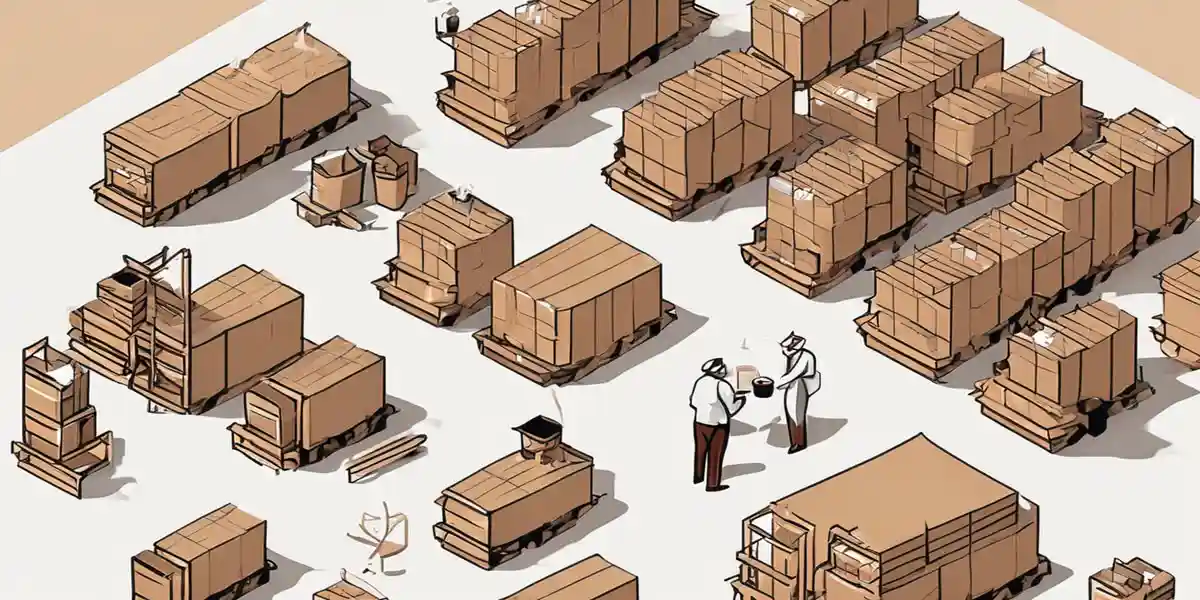
In today’s globalized world, coffee is one of the most traded commodities, encompassing a vast supply chain that includes farmers, processors, exporters, importers, and retailers. Traditional coffee supply chains often lack transparency, making it difficult for consumers to know the origins of their coffee and the conditions under which it was produced. This issue not only affects consumer trust but also exposes farmers to unfair practices. Tokenization, enabled by blockchain technology, is revolutionizing how we think about coffee supply chains, providing a pathway to traceability and transparency that was previously unattainable.
Blockchain is essentially a digital ledger system that records transactions across multiple computers, ensuring that the data cannot be altered retroactively. This technology allows coffee producers to tokenize their products by creating digital certificates that represent ownership and provenance of the coffee beans. According to the paper 'The Rise of Blockchain Technology in Agriculture and Food Supply Chains', blockchain technology supports transparent transactions among untrusted parties without the need for intermediaries. This is particularly relevant in the coffee industry, where small farmers can directly connect with consumers, thereby receiving fairer prices for their high-quality products.
Several innovative projects illustrate the practical application of blockchain in coffee supply chains. One notable example is the partnership between coffee producers and blockchain platforms that enable tracking a coffee batch from the farm to the consumer's cup. This technology allows consumers to scan a QR code on a coffee bag that reveals a full history of the coffee, including details about the farmer, the methods used in cultivation, and the journey it took to reach the market. Such transparency not only enhances consumer trust but also empowers farmers by connecting them directly to end-users.
Another example can be seen in various cooperatives implementing blockchain for traceability. For instance, a cooperative in Colombia is using blockchain to tokenize their coffee beans. Each token represents a specific quantity of coffee tied to its origin, allowing consumers to understand the social and environmental impact of their purchase. This initiative not only supports ethical sourcing but also encourages sustainable farming practices.
While tokenization can significantly enhance transparency, issues regarding trust and data integrity remain challenges in implementing blockchain for coffee supply chains. The research paper 'TrustChain: Trust Management in Blockchain and IoT supported Supply Chains' points out that although blockchain provides a tamper-proof audit trail, it does not inherently address trust issues related to data accuracy. This emphasizes the need for reliable data inputs into the blockchain to fully leverage the benefits of tokenization. Ensuring that the information entered into the system is accurate and trustworthy is essential for consumers to rely on the data provided by the blockchain.
Moreover, as highlighted in the paper 'Blockchain in Supply Chain: Opportunities and Design Considerations', integrating blockchain technology into the coffee supply chain requires addressing several design considerations, such as the nature of multi-stakeholder interactions and the need for shared governance among participants. These considerations are critical in building an effective tokenization framework that benefits all stakeholders in the coffee supply chain.
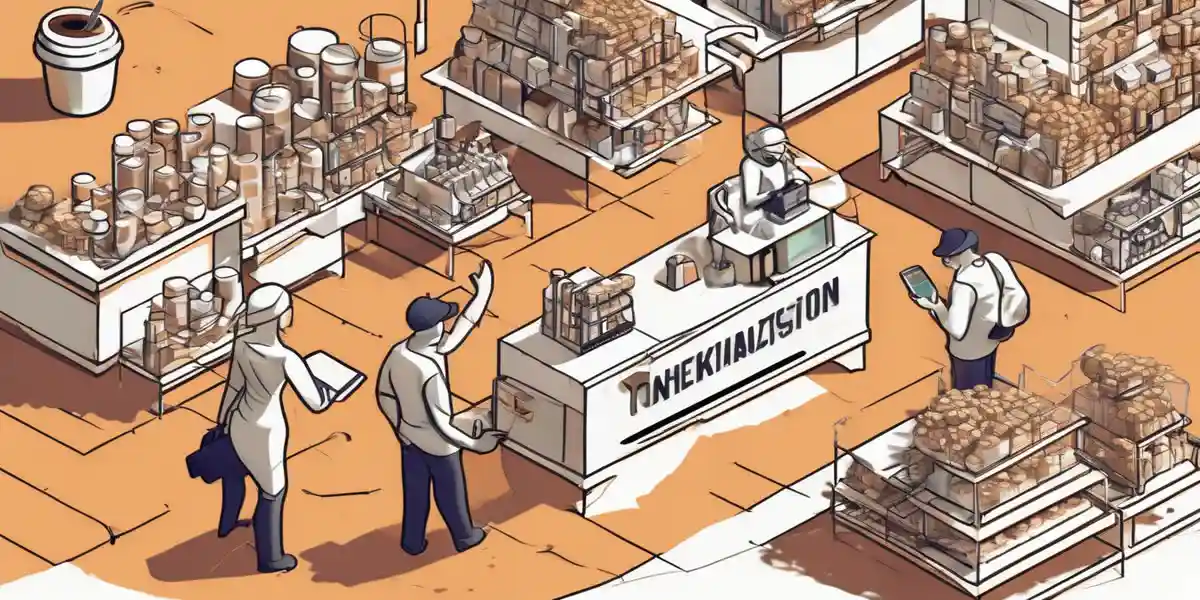
In today's global marketplace, consumers increasingly prioritize transparency regarding the products they purchase, particularly when it comes to food and beverages like coffee. Tokenization, the process of converting rights to an asset into a digital token on a blockchain, plays a pivotal role in enhancing this transparency. By enabling clear traceability from bean to cup, tokenization helps both producers and consumers build trust in the coffee supply chain.
In traditional coffee supply chains, the path from coffee bean to consumer is often convoluted, with numerous intermediaries involved, creating opportunities for misinformation or exploitation. Tokenization addresses these issues by allowing coffee producers to attach unique digital certificates to their products. These certificates detail important information related to the coffee's origin, quality, and processing history, enabling consumers to make informed purchasing decisions. For example, a consumer could scan a QR code on a coffee bag to retrieve data about where the beans were grown, how they were harvested, and who processed them.
The research paper "The Rise of Blockchain Technology in Agriculture and Food Supply Chains" highlights the potential of blockchain technology to facilitate transparent transactions among untrusted parties without intermediaries. This is particularly relevant in the coffee industry, where complex supply chains often leave consumers wondering about the true source and quality of their coffee. With blockchain, each step in the journey of coffee—from farm to processing facility to retailer—can be recorded on a tamper-proof digital ledger. This not only assures consumers of the authenticity of their coffee but also empowers farmers by providing them with a direct channel to benefit from their product's value.
Furthermore, the integration of tokenization can help mitigate the risks associated with data tampering. According to the findings in the paper "TrustChain: Trust Management in Blockchain and IoT supported Supply Chains," blockchain technology can provide a tamper-proof audit trail, ensuring that once data is recorded, it cannot be altered without detection. This feature is crucial for maintaining the integrity of the information sold to consumers. For instance, if a coffee brand promotes its product as “fair trade” or “organic,” consumers can verify such claims through the digital records stored on the blockchain.
While blockchain technology enhances the transparency of transactions, the challenge of ensuring data accuracy remains vital. The paper "Blockchain in Supply Chain: Opportunities and Design Considerations" emphasizes that although blockchain creates opportunities for increased trust, it doesn’t inherently resolve issues related to the quality of data entered into the system. Therefore, a robust reputation management system is necessary to validate the authenticity of the information being tokenized.
Implementing a tokenization framework in the coffee industry means creating a system where every participant, from farmers to roasters to retailers, is held accountable for the quality and authenticity of their products. For example, a third-party certification body can provide verified digital badges on the blockchain for farms that meet specific sustainability criteria. Consumers can trust that the coffee they purchase adheres to ethical practices simply by checking these badges, leading to a stronger relationship between producers and consumers.
In summary, tokenization not only enhances transparency in the coffee supply chain but also fosters a culture of trust among all stakeholders. By leveraging digital certificates, consumers gain deeper insights into their purchases, while producers gain visibility and potentially increased profits. As coffee lovers increasingly seek out ethically sourced products, tokenization stands out as a vital tool in today's Web3 era, redefining the future of coffee transactions.
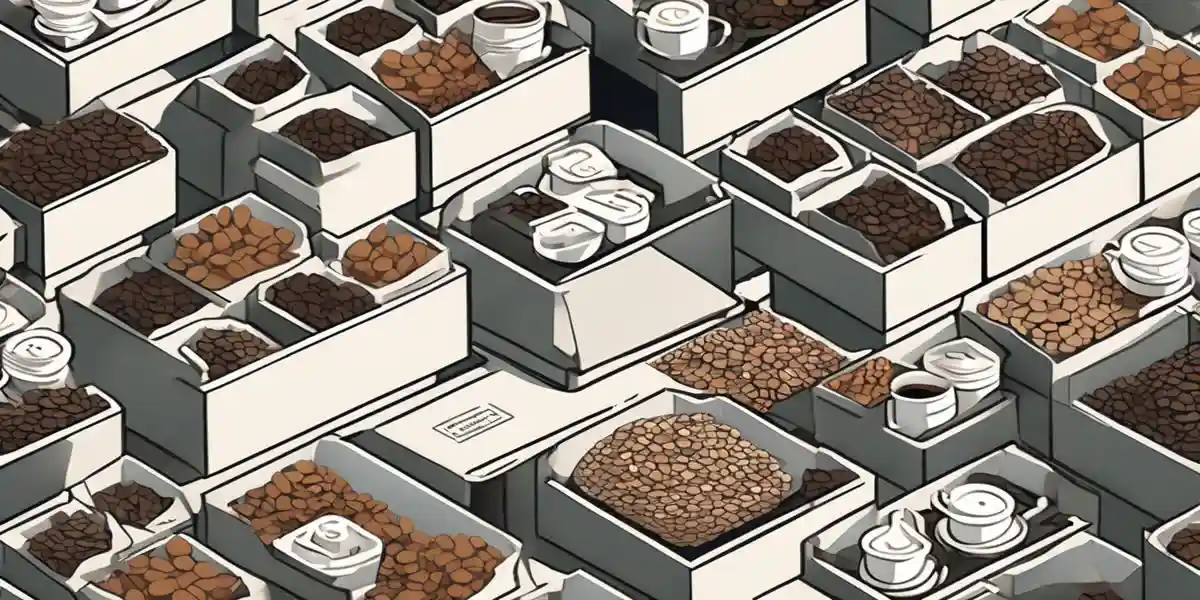
As the coffee industry faces challenges related to sustainability, blockchain technology emerges as a potent tool for driving positive change. By fostering transparency and traceability, blockchain enables consumers to make informed choices about their coffee purchases. For instance, through blockchain-based systems, each coffee bean can be tracked from the farm to the consumer’s cup, ensuring that the coffee has been sourced ethically and sustainably. This level of traceability not only helps bolster consumer confidence but also incentivizes farmers to adopt sustainable practices, knowing that their efforts can be directly rewarded through premium prices for verified, quality products.
Tokenization introduces a new layer of engagement between consumers and coffee producers. When coffee producers tokenize their products, they create digital representations of physical goods that can be bought, sold, or traded on blockchain platforms. This unique approach empowers consumers to invest directly in specific coffee crops or batches, creating a community of coffee enthusiasts who are more invested in the product's journey. For example, a consumer could purchase a token representing a specific harvest from a farmer, with the token granting them access to unique perks, such as exclusive roasts or behind-the-scenes looks at the production process. Not only does this foster a deeper connection to the source of their coffee, but it also builds loyalty toward brands that prioritize transparency and ethical sourcing.
In addition to facilitating direct transactions between consumers and coffee producers, Web3 technologies offer opportunities for community building around sustainability efforts. Platforms built on blockchain can allow consumers to join cooperatives or direct trade networks, where they can collaborate on sustainability initiatives or contribute to community-supported agriculture models. By pooling resources and sharing knowledge, these communities can promote best practices in coffee farming, improve environmental stewardship, and enhance product quality. Collectively, consumers and producers can work toward a more sustainable future, creating a coffee ecosystem grounded in partnership and shared values.
While the potential of Web3 innovations in coffee sustainability and consumer engagement is significant, challenges remain. As highlighted in the research paper 'Blockchain in Supply Chain: Opportunities and Design Considerations,' trust plays a crucial role in the successful implementation of these technologies in supply chains. Ensuring data accuracy and building reliable reputations for all stakeholders involved will be necessary for sustainable developments. Thus, as the coffee industry embraces tokenization and blockchain, stakeholders must consider strategies to effectively manage trust and transparency in this evolving landscape.
As we explore the exciting intersection of coffee and blockchain technology, it becomes clear that tokenization is not just a passing trend but a transformative force shaping the future of the coffee industry. Through a blockchain revolution that streamlines supply chains, we have seen how transparent and traceable transactions enhance the way coffee makes its way from farm to cup. By building trust among consumers and producers alike, tokenization promotes a fairer, more equitable market, allowing farmers to earn better wages while consumers gain confidence in knowing the origin of their coffee beans.
Moreover, the future holds thrilling opportunities for further innovation through Web3 technologies. From sustainable farming practices to enhanced consumer engagement, the potential for coffee brands to connect directly with their audience is unprecedented. These advancements not only foster a sense of community but also encourage a more sustainable approach to coffee consumption.
As coffee lovers and industry stakeholders, the call to action is clear: embrace these innovations and stay informed about the evolving landscape of tokenization in the coffee world. Whether you’re sipping your morning brew or participating in coffee-related community events, remember that every cup is a step towards a more transparent and sustainable coffee future. Together, we can brew the future, harnessing the power of technology to transform not just how we consume coffee, but how we value and engage with the very essence of this beloved beverage in the Web3 era.
Get notified about new articles, coffee tips, and Web3 insights.
This site participates in affiliate programs and may earn a commission when a link is clicked and a purchase is made. The site is not responsible for any issues or troubles related to the products or services purchased through the use of this site.
DO&COFFEE loves coffee and technology, exploring the potential of NFTs and blockchain. Learn more →
DO&COFFEE loves coffee and technology, exploring the potential of NFTs and blockchain. Learn more →