art
2025/12/20

Have you ever wondered how technology is reshaping the way we create and experience art? In an era where digital platforms dominate our lives, the intersection of artificial intelligence (AI) and non-fungible tokens (NFTs) is not just transforming art—it’s revolutionizing the very essence of creativity. As artists embrace these innovative tools, we’re witnessing a significant shift in artistic expression and ownership that challenges traditional norms and opens new avenues for engagement.
In this blog post, we will explore how AI is redefining creative processes and the role of NFTs in shaping a new digital economy for artists. We'll delve into the emerging marketplaces that facilitate the buying and selling of digital art and examine the implications of these developments through the lens of Georg Lukács’ theory of reification, analyzing how capitalism affects the value and perception of art. Additionally, we'll gather insights from the next generation of visual art students, uncovering their perspectives on this evolving landscape of crypto art. Join us as we embark on this exciting journey into the future of creativity in the digital age.
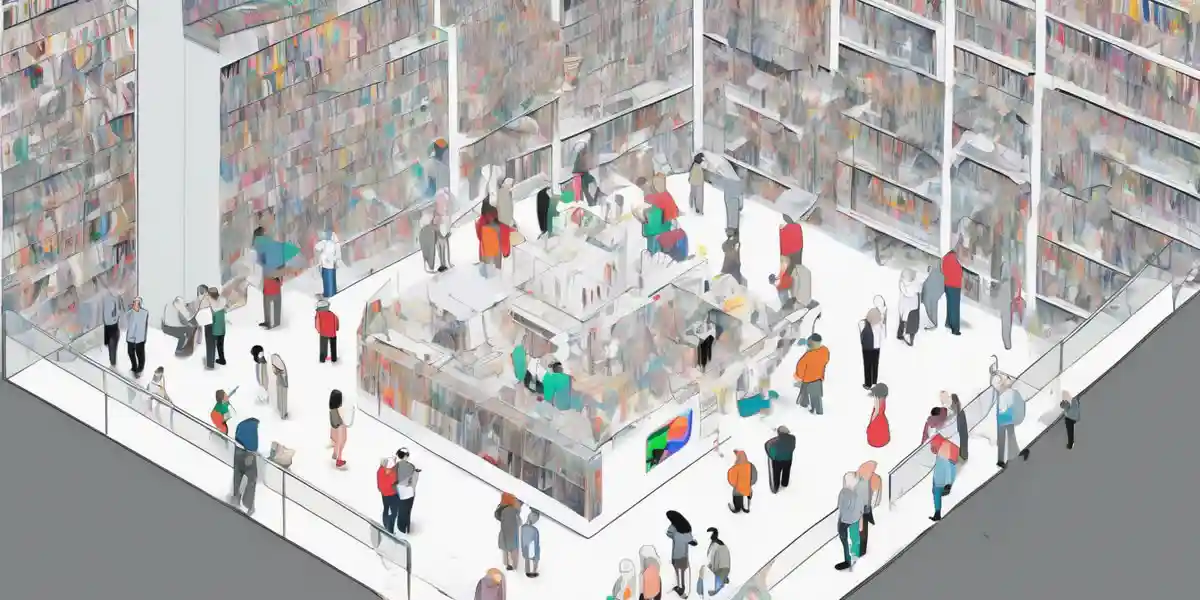
The integration of artificial intelligence (AI) and non-fungible tokens (NFTs) in the contemporary art scene raises important questions about the value and meaning of art. The study "Critique of Reification of Art and Creativity in the Digital Age: A Lukácsian Approach to AI and NFT Art" delves into this issue by applying Georg Lukács' theory of reification. This concept outlines how capitalism can turn social relations into commodities, stripping them of their intrinsic human values. According to this perspective, AI-generated art often becomes an abstraction, perceived as a product rather than a reflection of individual creativity and emotional depth. The automation of artistic creation can lead to a sense of alienation from the art itself, as it becomes detached from the personal narratives and experiences that typically imbue it with meaning.
Furthermore, NFTs bring a unique twist to the concept of artistic ownership and authenticity. As highlighted in "The Art NFTs and Their Marketplaces," NFTs authenticate ownership of digital art through blockchain technology—a decentralized and secure digital ledger. This innovation revolutionizes the dynamics of art transactions by eliminating traditional intermediaries such as galleries and auction houses. Artists can interact directly with their audiences, leading to a more democratized and accessible art market. For instance, an emerging digital artist can sell their work directly to collectors worldwide via NFT marketplaces, drastically altering the economic landscape of the art world. However, this convenience also emphasizes the commercial aspect of art, further contributing to the reification process wherein art becomes primarily a vehicle for financial transactions.
The perspectives of art students play a crucial role in understanding the evolving landscape of art influenced by AI and NFTs. A study titled "GÖRSEL SANAT ÖĞRENCİLERİNİN KRİPTO SANAT (NFT) DÜNYASI HAKKINDAKİ GÖRÜŞLERİ" explored the views of visual art students on crypto art. Their insights reflect a generational shift, where learners are increasingly embracing digital technologies for creative expression. Many students see AI tools as an extension of their artistic capabilities rather than a replacement for human creativity. The dialogue surrounding these technologies encourages a re-examination of what constitutes art and who gets to define its value.
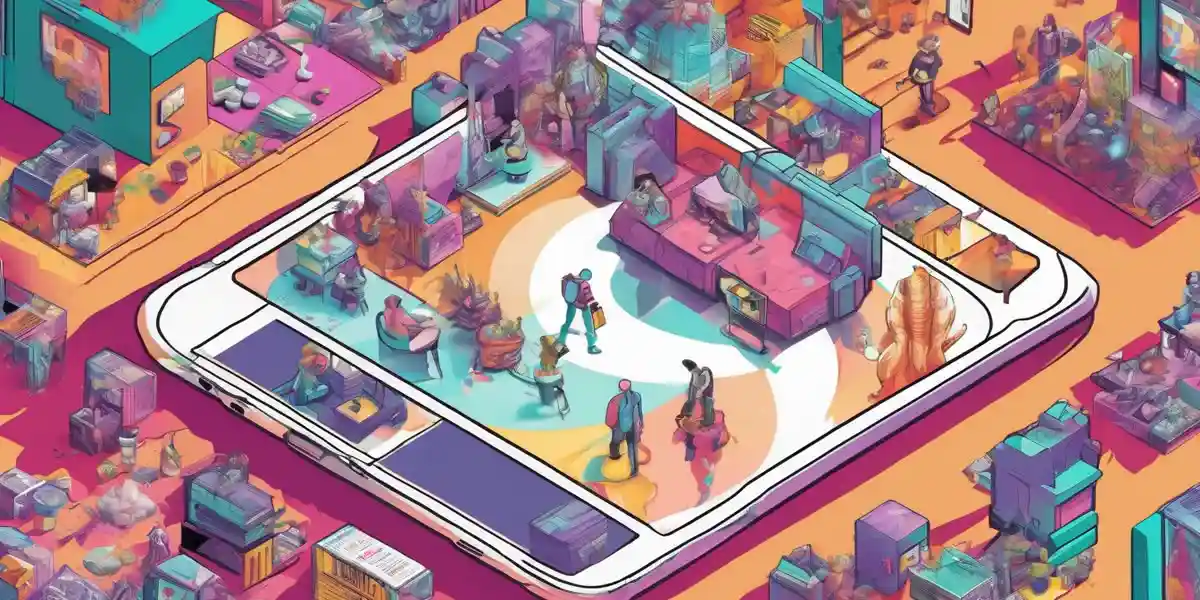
In the digital age, the marketplace for art has dramatically evolved, particularly with the introduction of non-fungible tokens (NFTs). An NFT is a unique digital asset verified using blockchain technology, which is a decentralized digital ledger that records transactions securely. This technology allows artists to authenticate their work and ensure ownership, creating a robust online marketplace for art. The research paper 'The Art NFTs and Their Marketplaces' highlights that the NFT ecosystem eliminates traditional intermediaries in sales, enabling artists to interact directly with their audience. This shift not only reduces transaction costs but also empowers artists with greater control over their intellectual property and revenue streams.
Art NFTs challenge traditional notions of artistic value by changing how ownership is perceived and managed. The concept of ownership, once tied to physical artworks, has morphed into a digital framework where collectors hold rights to unique tokens associated with digital pieces. As outlined in the paper 'Critique of Reification of Art and Creativity in the Digital Age,' this transformation leads to a reification process where creativity is viewed as an asset rather than a human experience. This commodification can create a sense of alienation among artists, as their creations become products divorced from their origins. However, for many creators, this digital renaissance offers unprecedented opportunities for dissemination and engagement with global audiences.
One notable success in the NFT art marketplace is the digital artist Beeple, whose work sold for a staggering $69 million at a Christie's auction. This sale epitomizes the changing dynamics of art valuation and underscores the potential for digital creations to garner attention and financial support traditionally reserved for classic artworks. Another inspiring example comes from the rise of platforms like OpenSea, where artists can mint and sell their art as NFTs directly. These platforms have democratized access to the art market, allowing emerging artists to reach buyers who appreciate and invest in digital creativity without the constraints of conventional gallery systems.
The NFT Marketplace dynamically fosters a sense of community among artists and collectors. Unlike traditional art sales, which often occur in isolation, NFTs encourage networking and collaboration through social media and online forums. Many artists engage with their audience during the creation process, allowing fans to feel connected to the artwork before its completion. As highlighted in 'GÖRSEL SANAT ÖĞRENCİLERİNİN KRİPTO SANAT (NFT) DÜNYASI HAKKINDAKİ GÖRÜŞLERİ,' art students express great enthusiasm about participating in this evolving landscape, viewing NFTs as vital to their future careers. This collaborative spirit not only promotes engagement but also nurtures innovation, ensuring that the art world continues to thrive in a digital context.
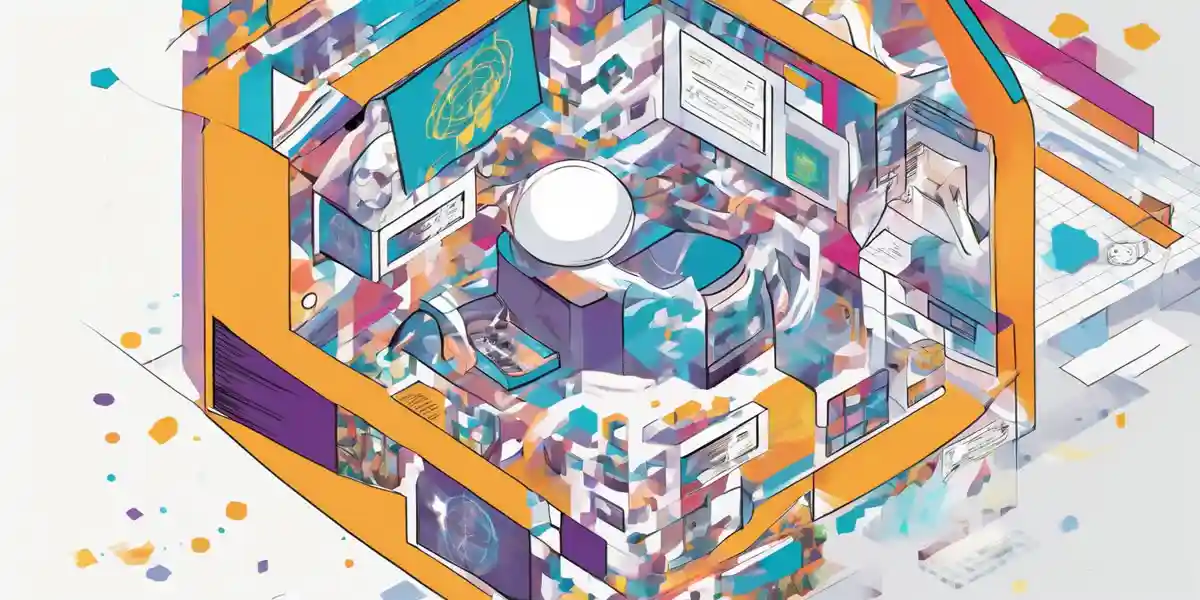
As digital landscapes evolve, the insights of visual art students become increasingly vital in understanding the impact of AI and NFTs on creativity. A recent study titled "VISUAL ART STUDENTS' VIEWS ON THE WORLD OF CRYPTO ART (NFT)" underscores the importance of gathering perspectives from these emerging artists, who are navigating the intersection of technology and creativity. The findings indicate that art students generally view crypto art as a transformative force that democratizes art ownership and creates new revenue streams. Their perspectives reflect a blend of excitement and apprehension, as they embrace the opportunities provided by NFTs while also questioning the value and authenticity of art in a commoditized digital world.
Art students highlight both the opportunities and the challenges presented by the crypto art landscape. According to the "The Art NFTs and Their Marketplaces" paper, one significant advantage of NFTs is their ability to authenticate ownership of digital creations through blockchain technology. Without the need for intermediaries, artists can sell directly to their audience, fostering a closer connection with their followers and potentially higher profits. Art students express enthusiasm for this direct market access, viewing it as an equalizer in a traditionally hierarchical art world. However, concerns arise regarding the environmental impact of blockchain technology and the understanding of complex digital markets.
Discussions among students also touch on the philosophical implications of AI-generated art, especially through the lens of Georg Lukács’ theory of reification, as explored in the paper "Critique of Reification of Art and Creativity in the Digital Age: A Lukácsian Approach to AI and NFT Art." Students reflect on how AI tools can sometimes detach the creation process from human emotion and experience, leading to a form of artistic expression that feels more abstract and commercialized. This perspective raises questions about the authenticity of art produced through AI, with students advocating for a balance that preserves emotional depth in a rapidly digitizing environment.
Art students are also redefining success in the context of NFTs and AI. In traditional settings, artistic success might have been measured by gallery showings or critical acclaim. However, as students explore the crypto art landscape, they note a shift toward metrics like digital engagement, social media presence, and NFT sales figures as new markers of success. This evolution reflects a broader trend where art is no longer just a physical object to be displayed but is also a digital experience that can be shared and monetized online. These opinions underscore the necessity for educators to adapt curricula that prepare students for the future of art as an ever-more digitally integrated pursuit.
As we explore the revolutionary shifts in the art world, it's evident that AI and NFTs are not just fleeting trends—they are powerful forces reshaping creativity in the digital age. From our deep dive into how AI is redefining artistic value to examining the evolving marketplace dynamics of art NFTs, we see a landscape where technology and creativity intertwine more than ever. The insights from visual art students highlight a fresh, optimistic perspective on this new frontier, emphasizing the potential for diverse expressions and accessibility in a traditionally exclusive realm.
Key takeaways illustrate this transformation vividly: the integration of AI into the creative process opens up new avenues for artistic exploration, responding to the growing demand for innovative expressions. Meanwhile, the rise of the NFT marketplace is democratizing art ownership, allowing artists to connect directly with their audiences and ensuring their craftsmanship is recognized and valued. As the next generation of artists embraces these tools, they are not just participating in the shift—they are leading it.
In conclusion, the art world is on the brink of a renaissance fueled by technology. Whether you're an aspiring artist, a collector, or simply someone who appreciates creativity, it's time to engage with these advancements. Embrace the possibilities that AI and NFTs offer, and explore how you can contribute to this exciting evolution. Let's take part in revolutionizing art together, transforming creativity into a collective experience that celebrates innovation and expression in the digital age.
Get notified about new articles, coffee tips, and Web3 insights.
This site participates in affiliate programs and may earn a commission when a link is clicked and a purchase is made. The site is not responsible for any issues or troubles related to the products or services purchased through the use of this site.
DO&COFFEE loves coffee and technology, exploring the potential of NFTs and blockchain. Learn more →
DO&COFFEE loves coffee and technology, exploring the potential of NFTs and blockchain. Learn more →