coffee
2025/03/18

In the dynamic world of coffee production, where the journey from bean to cup is often shrouded in complexity, traceability emerges as a vital component for fostering sustainability, ensuring quality, and promoting ethical sourcing. The advent of blockchain technology heralds a new era for coffee traceability, offering innovative solutions to long-standing industry challenges. This blog post delves into the transformative impact of blockchain mechanisms on coffee traceability, illustrating how this decentralized and immutable ledger can enhance transparency across the entire supply chain—from farm to consumer.
Imagine a scenario in which every coffee bean's journey is meticulously documented, capturing crucial details such as cultivation methods, processing techniques, and harvesting dates in real-time. With blockchain technology, farmers can input their data, allowing each participant in the supply chain—exporters, roasters, and retailers—to append their information as the beans progress through various stages. This process not only fosters trust between consumers and producers but also empowers farmers to showcase their practices, potentially leading to improved market prices and better livelihoods.
This exploration will highlight the significance of blockchain in addressing the inefficiencies and lack of transparency that have plagued the coffee industry, particularly in regions like Indonesia and Colombia. By examining successful case studies, we will illustrate how blockchain can facilitate real-time monitoring, enhance food safety, and ultimately reshape consumer engagement with their coffee. As consumer demand for ethically sourced and high-quality products continues to rise, understanding the implications of blockchain on coffee traceability is more critical than ever. Join us as we uncover how these technological advancements can pave the way for a more equitable and transparent coffee industry.
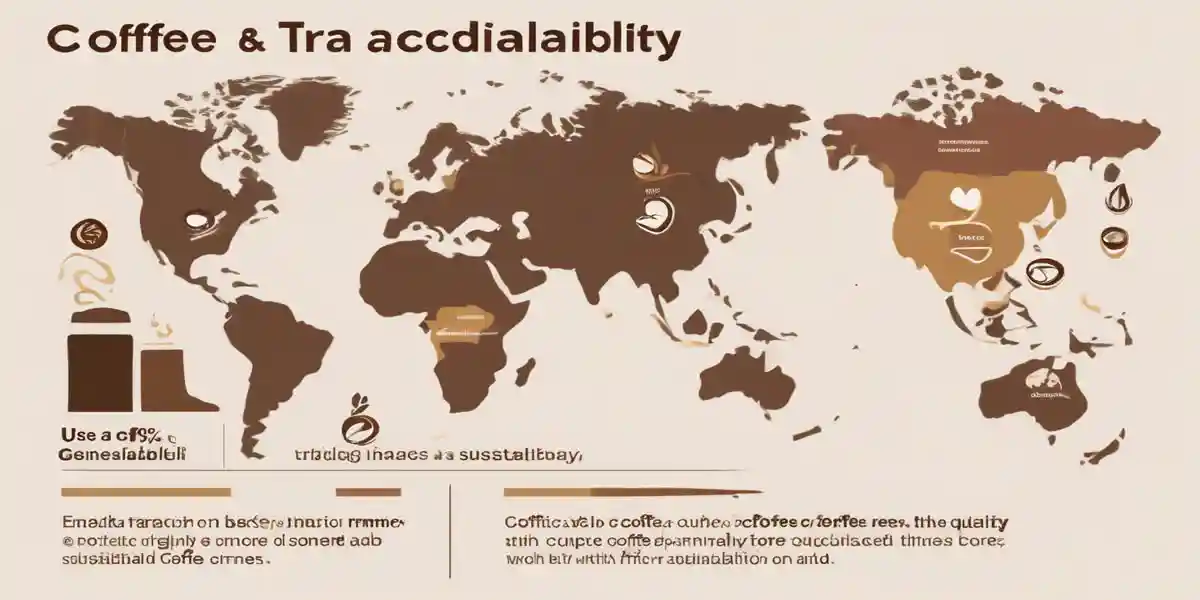
Coffee traceability refers to the ability to track and verify the journey of coffee from its origin as a green bean to the cup served to consumers. This process is vital for ensuring quality, sustainability, and ethical practices within the coffee supply chain. As consumers increasingly demand transparency regarding the origins of their food and beverages, coffee traceability has gained prominence. Blockchain technology is emerging as a powerful tool to enhance this process, allowing for secure and immutable records that can be accessed by all stakeholders.
One of the primary benefits of coffee traceability is the assurance of quality. By tracing coffee back to its source, producers can demonstrate the distinct characteristics of their product, such as flavor notes and origin terroir. This is particularly important in specialty coffee markets, where consumers are willing to pay a premium for unique and high-quality offerings. Research conducted by the Specialty Coffee Association indicates that consumers are increasingly interested in understanding the origins of their coffee, with 71% willing to pay more for sustainably sourced products.
Another crucial aspect of coffee traceability is its role in promoting ethical and sustainable practices. By providing transparency into the supply chain, stakeholders can evaluate the conditions under which coffee is grown and harvested. For instance, the case of the “Coffee Transparency” project in Colombia highlights how blockchain can document the journey of coffee beans, ensuring that farmers receive fair compensation and adhere to sustainable farming practices. This project has shown a direct increase in income for farmers when consumers can trace their coffee back to its source.
Traceability systems also foster consumer trust. When consumers can verify the claims made about their coffee, such as fair trade or organic certifications, they are more likely to build loyalty towards brands that prioritize transparency. A notable example is the partnership between Starbucks and the non-profit organization Conservation International, which utilizes traceability mechanisms to ensure ethical sourcing. This initiative not only bolsters Starbucks' brand image but also sets them apart in a crowded marketplace, appealing to ethically-minded consumers.
In conclusion, the introduction of robust coffee traceability systems is paving the way for enhanced quality assurance, ethical practices, and consumer confidence in the coffee industry. As blockchain technology continues to evolve, its integration into coffee traceability will likely redefine how consumers interact with their beverages, fostering a more transparent and sustainable coffee culture.

Blockchain technology serves as the backbone of modern digital transactions, providing a decentralized and transparent ledger system. This mechanism is particularly beneficial in enhancing coffee traceability, addressing key challenges such as fraud, lack of transparency, and inefficiencies in the supply chain. Below, we explore the core components of blockchain and how they apply specifically to the coffee industry.
At its core, blockchain operates on a decentralized model, meaning there is no single point of control. Each participant in the network has access to the same information, which is recorded in a series of blocks linked together in chronological order. This transparency is crucial for coffee traceability, as it allows consumers and stakeholders to verify the origin of their coffee beans. For example, IBM's Food Trust blockchain has been employed by coffee brands to track beans from farm to cup, enabling consumers to scan a QR code on packaging and see the entire journey of their coffee.
Another vital feature of blockchain is its immutability. Once data is recorded on the blockchain, it cannot be altered or deleted, which significantly reduces the risk of fraud. This characteristic is particularly important in combating issues such as counterfeit goods in the coffee market. A case study involving the coffee cooperative, CoopeTarrazú, demonstrates this point. By utilizing blockchain technology, they have ensured that the quality and origin of their beans are verifiable, fostering trust among consumers and promoting fair trade practices.
Blockchain also supports the use of smart contracts—self-executing contracts with the terms of the agreement directly written into code. This functionality can streamline transactions in the coffee supply chain, automatically executing payments when specific conditions are met, such as delivery confirmation. For instance, the coffee trading platform, AgUnity, employs smart contracts to facilitate transactions between farmers and buyers, ensuring that payments are made promptly and transparently, thereby enhancing trust and efficiency in the trade process.
Through these mechanisms, blockchain technology not only enhances transparency and security in coffee traceability but also promotes ethical practices within the industry, ultimately leading to a more sustainable future for coffee production.
Blockchain technology has emerged as a pivotal tool in enhancing supply chain transparency, particularly in industries such as coffee, where traceability is paramount. By leveraging a decentralized ledger, stakeholders can access real-time information regarding the movement of goods, creating a transparent and traceable system that benefits producers, consumers, and businesses alike.
One of the core features of blockchain is its ability to provide immutable records of transactions. This means that once information is entered into the blockchain, it cannot be altered or deleted without consensus from the network participants. For instance, the coffee cooperative Cooperativa Agrícola de Caficultores de San Pedro in Colombia has successfully adopted blockchain to record each step of their coffee production process. This includes everything from the harvesting date to processing methods, which are then permanently stored on the blockchain. As a result, consumers can verify the authenticity of the coffee they purchase, significantly increasing consumer trust.
Blockchain significantly enhances traceability by allowing all participants in the supply chain—from farmers to roasters—to log and access data about the product's journey. The company Everledger has showcased this potential by implementing a blockchain system for tracing diamonds, which can be analogously applied to coffee. By capturing the entire journey of the coffee bean, including geographic origin and processing details, stakeholders can ensure ethical sourcing and sustainability. For example, a consumer purchasing a bag of coffee can scan a QR code that leads to detailed information about the farm where the beans were grown, the practices used, and the journey to their local store.
Blockchain's transparency capabilities also extend to promoting fair trade practices. By making information about pricing and trade conditions available to all parties, blockchain fosters an environment where farmers are less likely to be exploited. In a case study with Starbucks, the company has explored integrating blockchain to ensure that farmers receive fair compensation by providing insights into market pricing and eliminating intermediaries. This empowers farmers with knowledge and potentially higher earnings, thus enhancing the overall ecosystem of coffee production.
Through these mechanisms, blockchain not only enhances transparency in the coffee supply chain but also builds a more equitable framework for all participants involved, paving the way for a more sustainable future.
In this exploration of how blockchain mechanisms enhance coffee traceability, we have delved into several key aspects that underline the significance of transparency in the coffee supply chain. We began by discussing the historical context of coffee sourcing, highlighting the challenges of provenance and quality assurance that have traditionally plagued the industry. This foundational understanding underscores why innovative solutions like blockchain are essential for fostering trust among consumers and producers alike.
Next, we examined the specific benefits that blockchain technology offers, such as immutable record-keeping, real-time data access, and enhanced security. These features empower stakeholders—from farmers to consumers—to verify the origins and quality of their coffee, thus promoting ethical sourcing practices. Moreover, we highlighted real-world examples of companies successfully implementing blockchain solutions, which illustrate the tangible impact of this technology on improving traceability and accountability within the supply chain.
The implications of these advancements are profound. As consumers increasingly demand transparency and ethical sourcing, the coffee industry must adapt to these evolving expectations. The integration of blockchain technology not only caters to this demand but also positions businesses to thrive in a competitive market that values sustainability and trust. Looking forward, the potential for broader adoption of blockchain across various agricultural sectors suggests a future where transparency becomes the norm rather than the exception.
As we conclude, it is clear that the marriage of blockchain technology and coffee traceability is not just a passing trend but a pivotal shift in how we understand and interact with our food systems. We encourage readers to consider their own role in this evolving landscape—whether by supporting brands that prioritize transparency or advocating for innovative technologies that enhance food traceability. The future of coffee is one where every sip tells a story, and together, we can ensure that it is a story worth sharing.

Get notified about new articles, coffee tips, and Web3 insights.
This site participates in affiliate programs and may earn a commission when a link is clicked and a purchase is made. The site is not responsible for any issues or troubles related to the products or services purchased through the use of this site.

DO&COFFEE loves coffee and technology, exploring the potential of NFTs and blockchain. Learn more →
DO&COFFEE loves coffee and technology, exploring the potential of NFTs and blockchain. Learn more →