crypto
2025/03/19

In the world of cryptocurrency, mining serves as a pivotal mechanism for generating new coins and validating transactions within blockchain networks. With the recent surge in interest surrounding digital currencies, countless mining websites have emerged, each touting the potential for impressive returns on investment. Yet, as the allure of profit draws in both seasoned investors and curious newcomers, a critical question looms: are these platforms genuinely profitable, or merely a mirage in the volatile crypto landscape?
This blog post aims to dissect the intricacies of cryptocurrency mining websites by examining several key aspects. We will begin by elucidating the core mechanics of mining itself, including essential concepts like hash rates and the collaborative nature of mining pools. Next, we will conduct a comprehensive cost-benefit analysis, weighing the financial implications of hardware, electricity, and maintenance against potential earnings. Furthermore, we will evaluate the reputation and trustworthiness of the most popular mining platforms, providing insights that can help users navigate potential scams. Regulatory considerations and future trends will also be discussed, revealing how these factors could shape the profitability of mining operations in the coming years.
By synthesizing extensive research and real-world examples, this exploration will empower readers to make informed decisions about their investments in cryptocurrency mining—a space that, while promising, requires careful scrutiny and understanding.
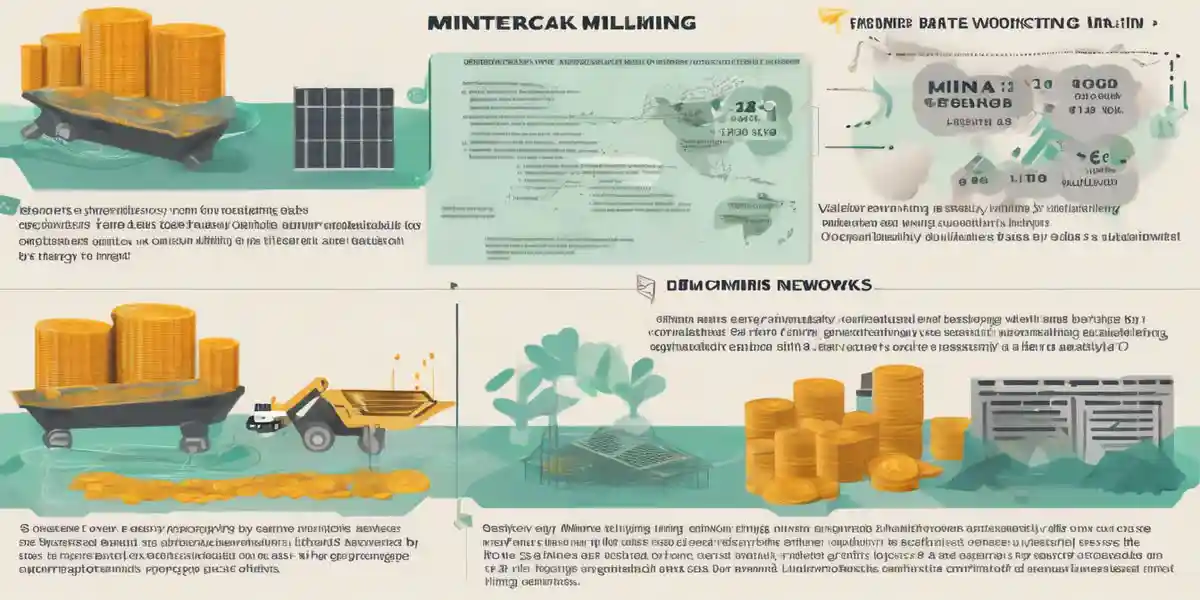
Cryptocurrency mining is a fundamental process that underpins the operation and security of blockchain networks. At its core, mining involves the validation and addition of transaction records to a public ledger, known as the blockchain. Miners utilize computational power to solve complex mathematical problems, which in turn secures the network and, as a reward, they receive newly minted cryptocurrency. This process not only facilitates transactions but also plays a pivotal role in maintaining the integrity of the decentralized system.
To understand cryptocurrency mining, it's essential to grasp the underlying mechanics. Miners compete to solve cryptographic puzzles that require substantial computational resources. For instance, Bitcoin mining utilizes the SHA-256 hashing algorithm, which is designed to be computationally intensive. The first miner to solve the puzzle gets the right to add a new block to the blockchain and is rewarded with a predetermined amount of Bitcoin, currently set at 6.25 BTC per block as of the latest halving event in May 2020.
The profitability of mining is influenced by several factors, including the price of the cryptocurrency, the cost of electricity, and the efficiency of mining hardware. For example, a case study on Ethereum mining reveals that miners can yield significant profits during bullish market conditions. In 2021, as Ethereum prices surged, miners reported profits exceeding $1 billion in a single month, highlighting the potential financial rewards of mining. However, the profitability can quickly diminish in bearish markets or when network difficulty increases.
As cryptocurrency mining has grown, so too have concerns regarding its environmental impact. The energy consumption of mining operations is substantial, with estimates suggesting that Bitcoin mining alone consumes more energy than some countries. This has led to a push for more sustainable practices, such as the adoption of renewable energy sources. For instance, in 2021, a mining facility in Texas was powered by wind energy, showcasing how miners can mitigate their carbon footprint while remaining profitable.
Overall, cryptocurrency mining is a complex interplay of technology, economics, and environmental considerations. Understanding these dynamics is crucial for anyone looking to explore the best mining websites and assess their potential profitability.

Cryptocurrency mining is a complex process that underpins many blockchain networks, primarily those using the Proof of Work (PoW) consensus mechanism. This section delves into the technical workings of mining, illustrating how it is not only a means of generating new coins but also a critical component of maintaining the integrity and security of the blockchain.
At its core, mining involves validating transactions and adding them to the blockchain. Miners use computational power to solve complex mathematical problems, which are cryptographic hashes. For example, Bitcoin miners compete to solve the SHA-256 hashing algorithm. When a miner successfully solves the puzzle, they create a new block and are rewarded with newly minted bitcoins and transaction fees from the transactions included in that block. This process is essential because it secures the network against attacks, such as double-spending.
The efficiency of mining largely depends on the hardware used. Miners typically employ Application-Specific Integrated Circuits (ASICs) designed explicitly for mining cryptocurrencies. For instance, the Antminer S19 Pro, a leading ASIC miner, can achieve a hash rate of up to 110 TH/s (terahashes per second), significantly increasing the chances of solving the cryptographic puzzles. In addition to hardware, miners must also install mining software that connects them to the blockchain network and manages the mining process.
Mining profitability is influenced by several economic factors, including electricity costs, current market prices of cryptocurrencies, and mining difficulty. For instance, a study conducted in 2021 indicated that Bitcoin mining profitability can dramatically swing based on these variables. In regions with lower electricity costs, like parts of China before the crackdown on mining, miners enjoyed higher profit margins. Conversely, as more miners join the network, the mining difficulty increases, making it harder to earn rewards, which can squeeze profit margins further.
In conclusion, understanding the technical mechanisms behind cryptocurrency mining provides insight into its complexities and the factors that influence profitability. As the landscape evolves, potential miners must stay informed about technological advancements and market dynamics to make informed decisions regarding their mining endeavors.
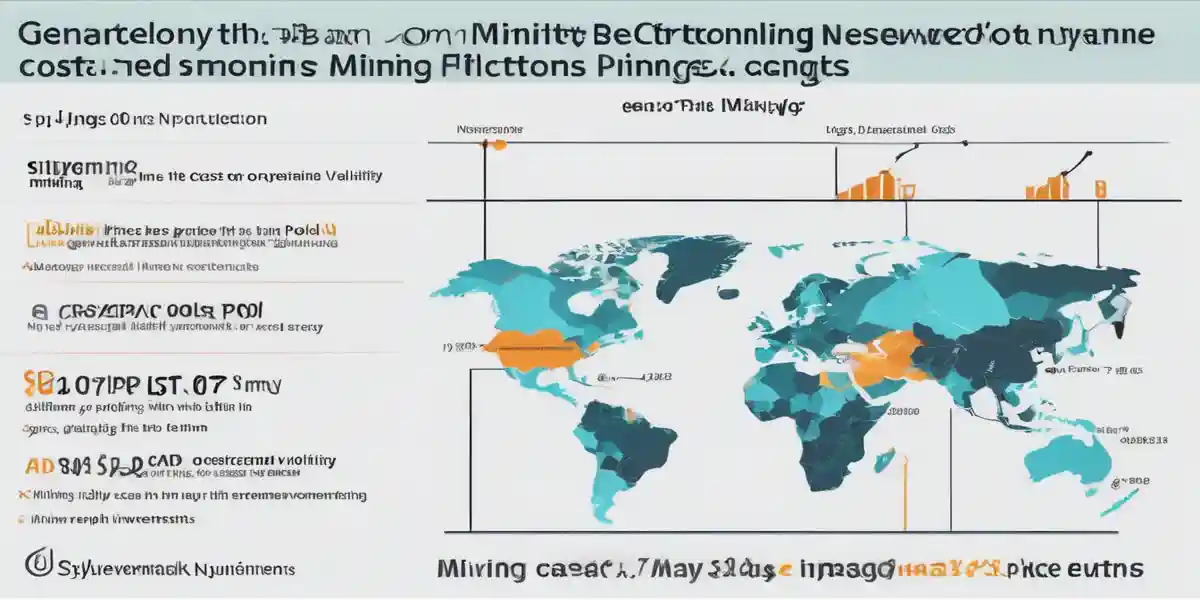
Cryptocurrency mining has transformed from a niche hobby into a prominent financial endeavor, with numerous platforms claiming to offer profitable mining experiences. However, as with any investment, the profitability of these mining websites is contingent on several critical factors that potential miners must understand.
One of the primary determinants of profitability in cryptocurrency mining is the initial investment in hardware and the ongoing operational costs. ASIC (Application-Specific Integrated Circuit) miners, which are specialized devices for mining specific cryptocurrencies, can range from a few hundred to several thousand dollars. For example, the Antminer S19 Pro costs approximately $8,000-$12,000, depending on market conditions. In addition to hardware costs, miners must also factor in electricity expenses, which can vary dramatically depending on geographic location. According to a study by the Cambridge Centre for Alternative Finance, electricity costs can range from $0.03 to $0.15 per kWh worldwide. This variance can significantly impact overall profitability, making it essential for prospective miners to calculate their break-even point before committing.
Another crucial aspect influencing profitability is whether to mine solo or join a mining pool. Solo mining requires substantial computational power and offers the chance to earn complete rewards for a block, but the risk is high due to the low probability of successfully mining a block alone. Conversely, mining pools allow miners to combine resources and share the rewards, leading to more consistent payouts, albeit at the cost of sharing the profits. A case study on the Slush Pool, one of the oldest and most reputable mining pools, illustrates this point: miners who participate in pools often see a more steady income stream. Data from their reports suggest that pool members can earn up to 20% more than solo miners over the same period, particularly in volatile market conditions.
The inherent volatility of cryptocurrency prices poses another challenge for miners. For instance, Bitcoin's price reached an all-time high of nearly $65,000 in April 2021 before plummeting to around $30,000 in mid-2021. Such fluctuations can drastically affect profitability; miners may find their operations unprofitable if market prices do not cover costs. Additionally, the difficulty of mining increases as more miners join the network, further squeezing profit margins. A thorough analysis of profitability calculators available online can help miners gauge potential returns based on current network difficulty and expected rewards.
In summary, while there are significant opportunities for profit in cryptocurrency mining, potential miners must navigate the complexities of equipment costs, operational expenses, and market dynamics. Understanding these factors is vital for making informed decisions in this rapidly evolving landscape.
In this exploration of the best cryptocurrency mining websites, we delved into various facets of the mining process, profitability concerns, and the potential of mining pools versus solo mining. We began by defining cryptocurrency mining and examining the role of mining websites in providing platforms that facilitate this complex task. By highlighting the best platforms currently available, we emphasized factors such as user experience, fees, and the cryptocurrencies supported, providing a clear picture for both novice and experienced miners.
Our analysis also underscored the importance of understanding profitability metrics, including energy costs, hardware requirements, and market volatility. We addressed the common misconception that mining is a guaranteed source of income, presenting data on the profitability of different cryptocurrencies and the inherent risks involved. Additionally, we explored the emerging trend of cloud mining, which offers a more accessible entry point for many individuals but comes with its own set of challenges, such as potential scams and fluctuating returns.
Reflecting on these insights, it's evident that the landscape of cryptocurrency mining is rapidly evolving. As technology advances and regulatory frameworks develop, the profitability of mining and the viability of various mining websites will continue to be influenced by market dynamics, energy prices, and innovation within the blockchain space. This underscores the necessity for miners to remain informed and adaptable to succeed in this competitive environment.
In conclusion, while the allure of cryptocurrency mining remains substantial, it is crucial for potential miners to conduct thorough research and approach mining with a strategic mindset. We encourage our readers to stay updated on market trends, explore various platforms, and engage with the community to enhance their understanding of this exciting yet unpredictable field. As the digital currency landscape continues to unfold, being proactive and informed can lead to more sustainable and profitable mining endeavors.

Get notified about new articles, coffee tips, and Web3 insights.
This site participates in affiliate programs and may earn a commission when a link is clicked and a purchase is made. The site is not responsible for any issues or troubles related to the products or services purchased through the use of this site.

DO&COFFEE loves coffee and technology, exploring the potential of NFTs and blockchain. Learn more →
DO&COFFEE loves coffee and technology, exploring the potential of NFTs and blockchain. Learn more →