coffee
2025/03/22

In today's coffee landscape, consumers are increasingly seeking more than just a caffeine fix; they crave authenticity and transparency in their brew. This quest for quality has paved the way for innovative technologies, and none are as transformative as blockchain. "Brewing Transparency: How Coffee Traceability on Blockchain Elevates Your Pour-Over Experience" explores the profound impact of blockchain technology on the coffee supply chain, offering a unique lens through which to appreciate your favorite drink. By documenting each step of the coffee's journey—from farm to cup—blockchain ensures that consumers can trace their coffee back to its origins, gaining insights into the farming practices, processing methods, and socio-economic conditions surrounding its production.
This blog post will delve into the importance of traceability in coffee production, highlighting the ethical implications of blockchain in promoting fair compensation for farmers and empowering consumers to make informed choices. Furthermore, we will examine real-world applications of blockchain in the coffee industry, showcasing how brands are leveraging this technology to enhance transparency. As we navigate through the intricate connections between technology and the consumer experience, we aim to transform the simple act of enjoying a pour-over into a meaningful ritual enriched by knowledge and connection. Join us on this journey as we uncover how blockchain is revolutionizing not just the coffee you drink but the very essence of how you connect with it.
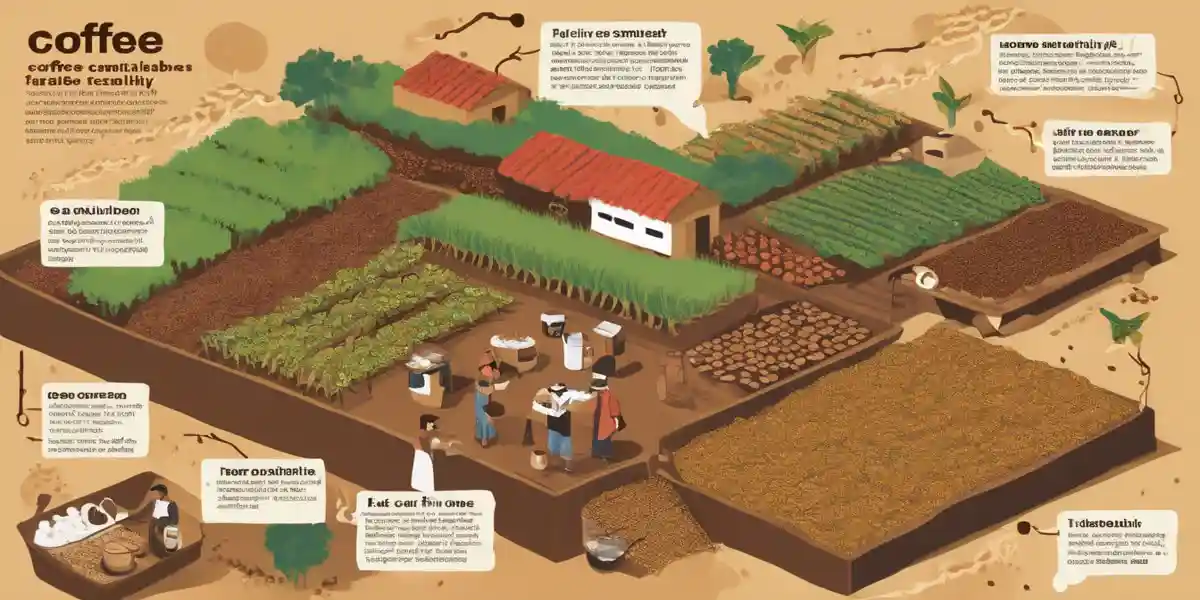
The importance of traceability in coffee production cannot be overstated. As consumers become increasingly interested in the origins of their food and beverages, coffee traceability has emerged as a critical factor in the industry. It refers to the ability to track the journey of coffee from the farm to the cup, thus enhancing transparency and accountability in the supply chain. Here, we explore three key aspects of how traceability enriches the coffee experience for both producers and consumers.
One of the most significant benefits of traceability is its role in ensuring product quality and safety. By having detailed information about where coffee beans are sourced, including the farming practices used, stakeholders can better assess the quality of the beans. For instance, the company Intelligentsia Coffee utilizes a traceability system that allows them to monitor the entire production process. They work directly with farmers, ensuring that the beans meet high standards from cultivation to processing. This rigorous approach not only elevates the quality of coffee but also assures consumers that they are purchasing a safe and ethically sourced product.
Traceability also plays a pivotal role in empowering farmers, particularly in developing countries. Through initiatives that emphasize transparency, farmers can receive fair compensation for their work. The Honduras Coffee Alliance exemplifies this, as they have implemented a traceability program that allows consumers to see exactly where their coffee comes from. By sharing this information, they enhance the visibility of the farmers' practices and create a direct link between the producer and the consumer. As a result, farmers are more likely to receive fair wages, which in turn fosters sustainable agricultural practices.
Finally, traceability is crucial in promoting sustainable practices within the coffee industry. By tracking the coffee supply chain, consumers can make informed choices about environmentally friendly options. For example, the Rainforest Alliance has developed a certification system that requires certified farms to adhere to rigorous environmental standards. When consumers opt for these certified products, they contribute to biodiversity conservation and resource preservation. Moreover, blockchain technology is increasingly being integrated into these traceability systems, providing immutable records that enhance consumer confidence in sustainability claims.
In summary, coffee traceability is not just a trend; it is a vital component of a responsible coffee culture that prioritizes quality, fairness, and sustainability. Understanding its importance can profoundly enrich your pour-over experience, allowing you to appreciate the journey and efforts behind each cup.
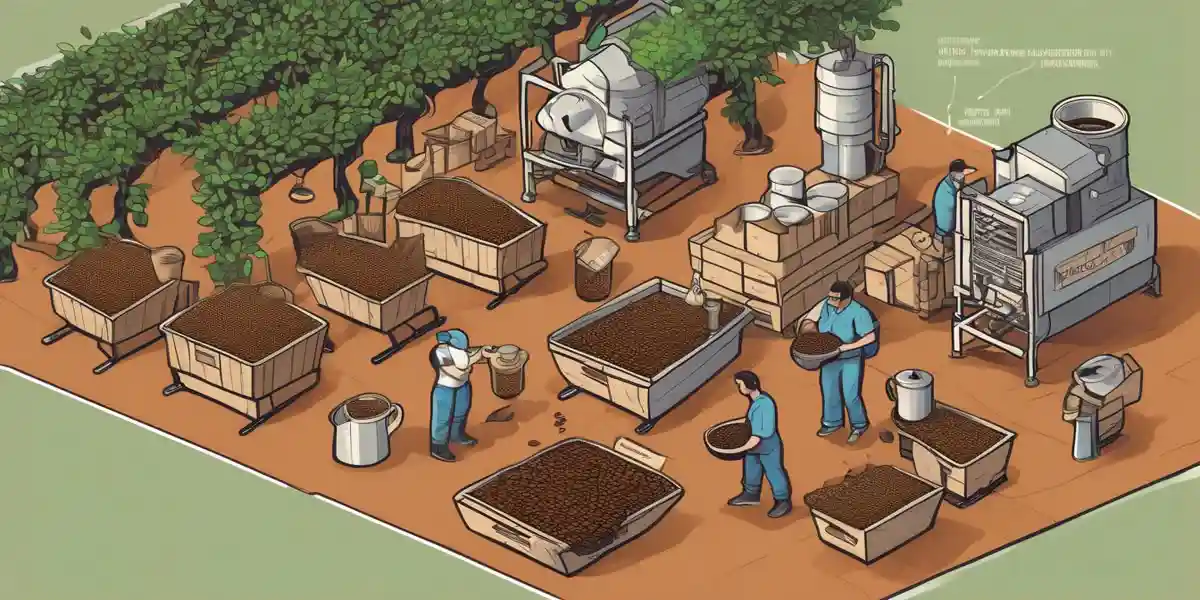
Blockchain technology has emerged as a transformative force in various industries, and coffee traceability is no exception. By providing a decentralized and transparent ledger, blockchain enhances the authenticity and accountability of coffee production, ensuring consumers can trace their coffee beans from farm to cup. This section delves into three key aspects of how blockchain revolutionizes the coffee industry.
One of the most significant advantages of blockchain technology is its ability to offer unparalleled transparency. Each transaction in the blockchain is recorded in a way that is immutable and accessible to all participants in the supply chain. For instance, the coffee brand **Koppi Coffee Roasters** utilizes blockchain to document every step of their coffee sourcing process. With each batch of coffee, customers can scan a QR code that reveals detailed information about the origin of the beans, including the farm's location, cultivation practices, and even the farmers involved. This transparency fosters trust between consumers and producers, as buyers can verify the quality and ethical sourcing of their coffee.
Blockchain's ability to streamline supply chain operations is another game-changing aspect. Traditional coffee supply chains are often fraught with inefficiencies, leading to delays and increased costs. By using blockchain, stakeholders can automate and digitize processes such as payments, contracts, and shipment tracking. A notable example is **Café Direct**, a UK-based coffee roaster that has integrated blockchain to expedite transactions with farmers. Through smart contracts, payments are released automatically when specific conditions, such as delivery confirmation, are met. This efficiency reduces the time between harvest and market, enhancing the freshness of the coffee and improving the bottom line for producers.
Blockchain technology also plays a pivotal role in empowering coffee farmers, particularly in developing regions. By providing a direct connection to consumers, farmers can receive fair compensation for their product. For example, the **Brewed By Hand** initiative utilizes blockchain to create a direct trade model that eliminates middlemen. This approach not only ensures that farmers receive a larger share of the profits but also allows consumers to support sustainable practices. Farmers can upload their stories and practices onto the blockchain, allowing consumers to engage with their products on a personal level. This empowerment contributes to a more equitable coffee industry, addressing longstanding issues of exploitation.
In summary, blockchain technology is a game changer in the coffee industry, enhancing transparency, improving supply chain efficiency, and empowering farmers. As more companies adopt this technology, consumers can expect a richer, more informed coffee experience.
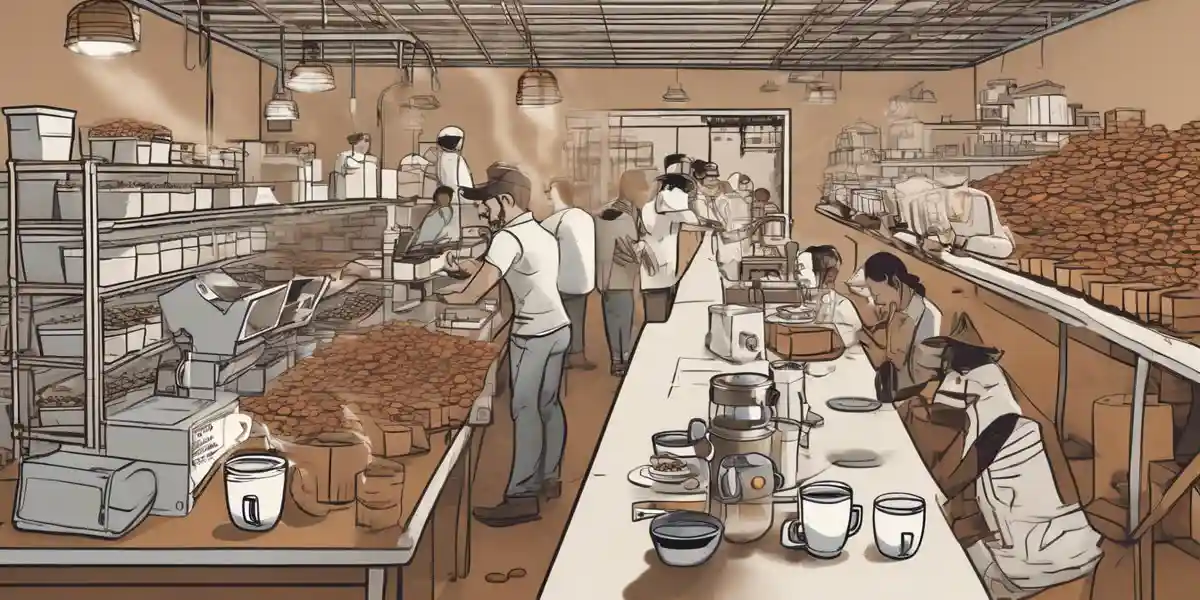
The integration of blockchain technology into coffee traceability is revolutionizing the way consumers connect with their coffee. By recording every step of the coffee supply chain on a decentralized ledger, blockchain provides an immutable record of the journey from bean to cup. This transparency is not just a buzzword; it empowers consumers to make informed choices about the products they purchase, fostering trust and accountability within the coffee industry.
One of the most significant advantages of blockchain technology is its ability to create immutable records. Once data is entered onto the blockchain, it cannot be altered or deleted without consensus from the network. This characteristic ensures that consumers can trust the information they receive about their coffee's origins. For instance, the coffee brand Farmer Connect utilizes blockchain to trace coffee from farmers in Colombia to consumers around the globe. Through their app, customers can scan a QR code on the coffee packaging to access detailed information about the farmer, the growing conditions, and even the processing methods used. This level of transparency helps consumers feel more connected to the source of their coffee and reinforces the ethical considerations of their purchases.
Blockchain technology not only enhances transparency but also increases operational efficiency within the coffee supply chain. Traditional supply chains are often plagued by inefficiencies and fraud, where products can be misrepresented or diluted. By utilizing blockchain, companies can streamline processes and reduce the costs associated with tracking and verifying the authenticity of coffee. A case study involving the coffee cooperative Cooxupe in Brazil demonstrated that by implementing blockchain, they were able to reduce the time taken to verify transactions and provenance from weeks to mere minutes. This efficiency not only benefits producers but also ensures that consumers receive high-quality, authentic products.
Blockchain also plays a crucial role in empowering coffee farmers by providing them with access to vital data that can enhance their production practices and business decisions. For example, the initiative “Coffee Traceability” by the World Coffee Research uses blockchain to collect and analyze data on various coffee varieties and their performance under different conditions. This information is then made accessible to farmers, enabling them to make informed decisions about which varieties to plant and how to optimize their cultivation practices. Consequently, this not only improves the quality of coffee but also helps farmers increase their yields and, ultimately, their livelihoods.
As consumers demand more transparency and sustainability in their coffee choices, the role of blockchain in providing detailed traceability becomes increasingly critical. By fostering trust, enhancing efficiency, and empowering producers, blockchain technology is truly elevating the pour-over experience.
In this exploration of how blockchain technology enhances coffee traceability, we've uncovered several significant insights that elevate the pour-over experience from mere consumption to a journey of connection and transparency. We began by discussing the traditional challenges within the coffee supply chain, including issues of authenticity and ethical sourcing. These challenges not only impact the quality of the coffee but also the livelihoods of the farmers involved in its production. By integrating blockchain, we can ensure that every cup of coffee is linked to its origin, providing consumers with verifiable proof of quality and ethical practices.
Next, we delved into the mechanics of blockchain and how its immutable ledger enables the tracking of coffee from bean to brew. This technology empowers consumers by providing them with detailed information about the coffee’s journey, including details about farming practices, processing methods, and even the socio-economic conditions of the producers. Such transparency fosters a deeper appreciation for the craftsmanship behind each pour-over, encouraging consumers to make informed choices that align with their values.
Reflecting on these points, it's evident that the intersection of technology and coffee culture is not merely a trend but a necessary evolution in the industry. As consumers increasingly prioritize sustainability and ethical sourcing, blockchain serves as a critical tool for accountability. The future outlook suggests that as more coffee brands adopt this technology, we will witness a shift in consumer behavior towards greater demand for transparency, ultimately reshaping the market landscape.
As you sip your next pour-over, consider the journey your coffee has taken and the stories behind it. Engage with brands that prioritize transparency and leverage blockchain technology to share their narrative. By doing so, you not only enhance your coffee experience but also contribute to a more ethical and sustainable coffee industry. Let us advocate for transparency—after all, every cup tells a story worth knowing.

Get notified about new articles, coffee tips, and Web3 insights.
This site participates in affiliate programs and may earn a commission when a link is clicked and a purchase is made. The site is not responsible for any issues or troubles related to the products or services purchased through the use of this site.

DO&COFFEE loves coffee and technology, exploring the potential of NFTs and blockchain. Learn more →
DO&COFFEE loves coffee and technology, exploring the potential of NFTs and blockchain. Learn more →