coffee
2025/03/22

As global consumers become increasingly conscious of their purchasing choices, the demand for sustainable coffee has surged, prompting the need for robust traceability in the coffee supply chain. In this context, blockchain technology emerges as a game-changer, offering a transparent and decentralized solution that enhances accountability and ethical sourcing practices. By meticulously recording each step of the coffee journey—from the farm to the consumer's cup—blockchain allows for unparalleled traceability, enabling consumers to access detailed information about their coffee's origins, farming methods, and environmental impacts through simple actions like scanning a QR code.
This blog post delves into the transformative potential of blockchain in the realm of sustainable coffee, highlighting how it not only empowers farmers by directly connecting them with consumers, but also fosters trust through enhanced transparency. We will explore the fundamental principles of decentralization and how they enhance traceability, supported by case studies that illustrate blockchain's practical applications within coffee supply chains. Ultimately, we aim to paint a comprehensive picture of how this technology can contribute to a more equitable and sustainable coffee ecosystem, offering opportunities and challenges for the future of coffee production and consumption.
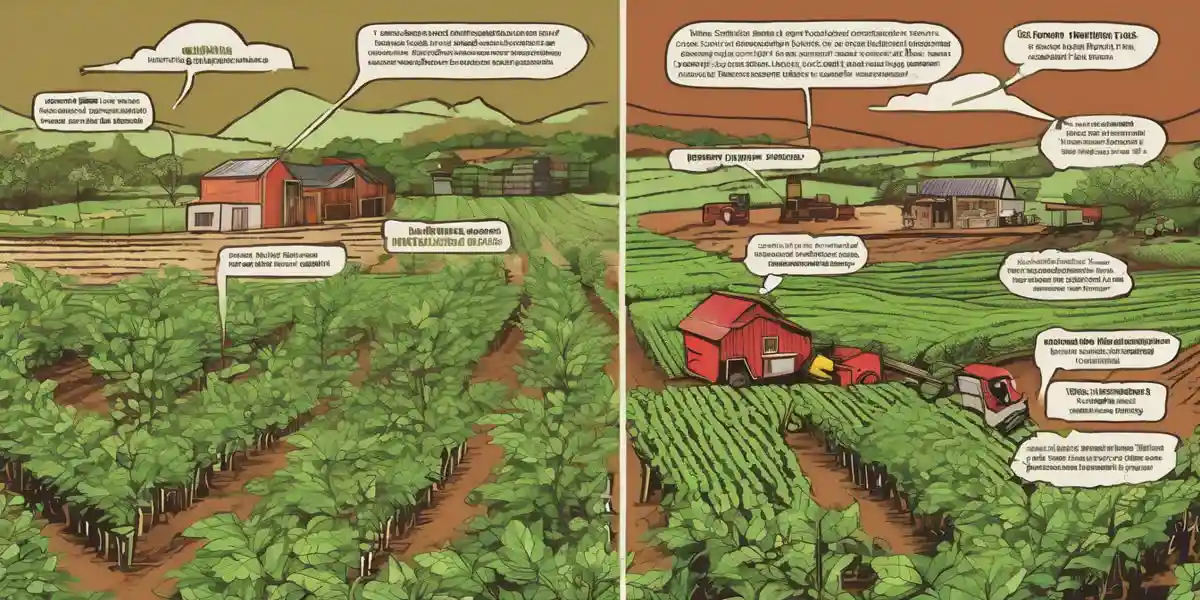
The sustainable coffee movement has gained momentum in recent years, driven by a growing awareness of the environmental, social, and economic implications of coffee production. Sustainable coffee is defined not only by its farming practices, which seek to minimize environmental impact, but also by its commitment to social equity and economic viability for farmers. However, the complexity of global coffee supply chains presents significant challenges when it comes to ensuring traceability, which is crucial for verifying sustainability claims.
Traceability refers to the ability to track the journey of coffee from its origin—often smallholder farms in developing countries—through various stages of the supply chain to the consumer. Effective traceability systems are essential for ensuring that coffee is produced in an environmentally sustainable manner, adhering to ethical labor practices, and providing transparency for consumers. According to a report by the International Coffee Organization, 60% of consumers are willing to pay a premium for sustainably sourced coffee, highlighting the commercial importance of traceability.
One prominent example of traceability in action is the Fair Trade certification system. Fair Trade organizations require a transparent supply chain that allows consumers to trace coffee back to its origin. Farms participating in this program are monitored for adherence to sustainable practices, such as organic farming methods and fair labor conditions. For instance, the Fair Trade USA initiative has helped over 1.7 million farmers worldwide gain access to better trading conditions and sustainable farming practices, demonstrating how traceability can foster economic development while promoting sustainability.
Blockchain technology presents a promising solution for enhancing traceability in coffee supply chains. By creating a decentralized ledger, blockchain allows every transaction—from harvest to sale—to be recorded in a secure and transparent manner. An example of this in practice is the collaboration between coffee producers in Honduras and the technology company, Provenance. This initiative uses blockchain to document every step of the coffee supply chain, providing consumers with verifiable information about the origins of their coffee and the conditions under which it was produced. As a result, consumers can make informed choices, and producers receive recognition for their sustainable practices.
The need for traceability in sustainable coffee production is not merely a consumer preference; it is essential for fostering an equitable and environmentally sound coffee industry. As stakeholders increasingly recognize the importance of transparency, the integration of innovative technologies like blockchain can play a pivotal role in ensuring that sustainability claims are backed by verifiable data.
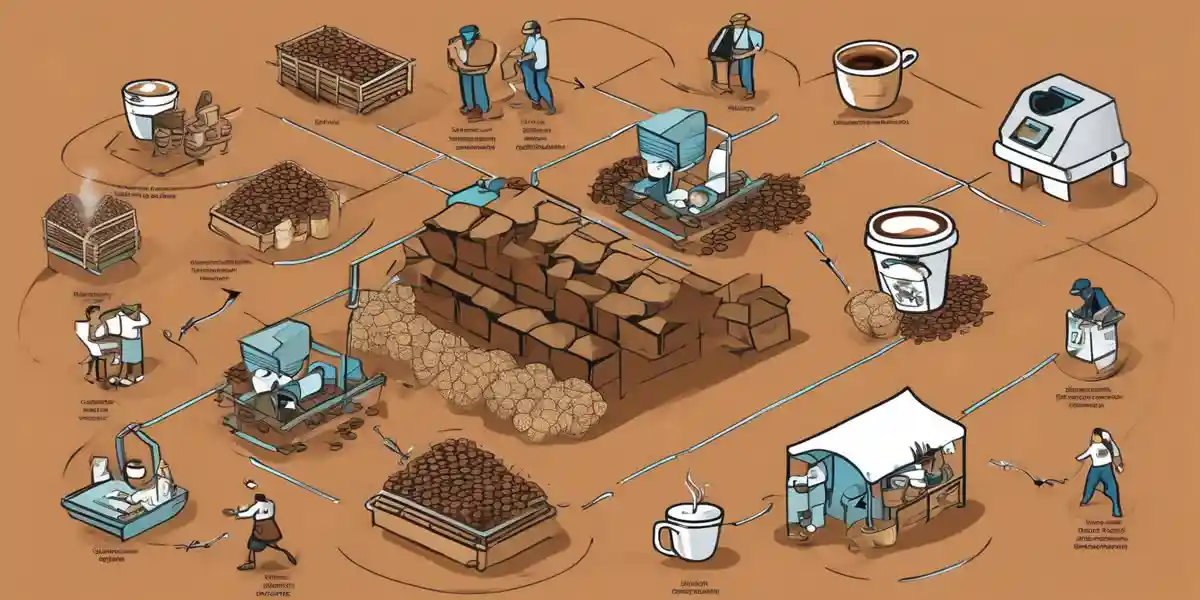
Decentralization is a fundamental principle of blockchain technology that significantly enhances coffee traceability. By distributing data across a network instead of relying on a single central authority, decentralization ensures transparency, reduces the potential for fraud, and enhances accountability among all stakeholders in the coffee supply chain. This section outlines three key roles decentralization plays in improving traceability in the coffee industry.
Decentralization allows all participants in the coffee supply chain—from farmers to roasters and retailers—to access the same immutable data. This transparency promotes trust among stakeholders, as all transactions and movements of coffee can be verified independently. A noteworthy example is the collaboration between the coffee cooperative, Cooperativa de Café Agropecuaria de R.L. (COCAFELOL), and the blockchain platform Ethereum. By using decentralized ledger technology, COCAFELOL can record every step of the coffee production process, from harvesting to roasting, which is then made accessible to consumers. This level of transparency empowers consumers to make informed choices about their purchases, enhancing their confidence in the authenticity and quality of the coffee they buy.
Decentralization streamlines the coffee supply chain by providing real-time data without the delays often associated with traditional systems. For example, the blockchain-based platform, Provenance, has been implemented by various coffee brands to track their beans from farm to cup. By allowing farmers to record their practices directly onto the blockchain, inefficiencies caused by intermediaries are reduced. This not only speeds up the process but also decreases costs associated with verifying the authenticity of coffee, enabling a more efficient supply chain.
Decentralization also plays a crucial role in empowering farmers and promoting fair trade practices. Through blockchain, farmers can receive fair compensation for their products by directly connecting with buyers, eliminating exploitative middlemen. A prime example of this is the initiative by the platform, CoffeeCoin, which allows farmers to sell their coffee directly to consumers using cryptocurrency. This model not only ensures that farmers receive a larger share of the profits but also provides consumers with a transparent view of the supply chain, reinforcing ethical consumption.
In conclusion, the decentralization inherent in blockchain technology offers the coffee industry a transformative approach to traceability. By enhancing transparency, improving supply chain efficiency, and empowering farmers, decentralized systems are paving the way for a more sustainable and ethical coffee market.
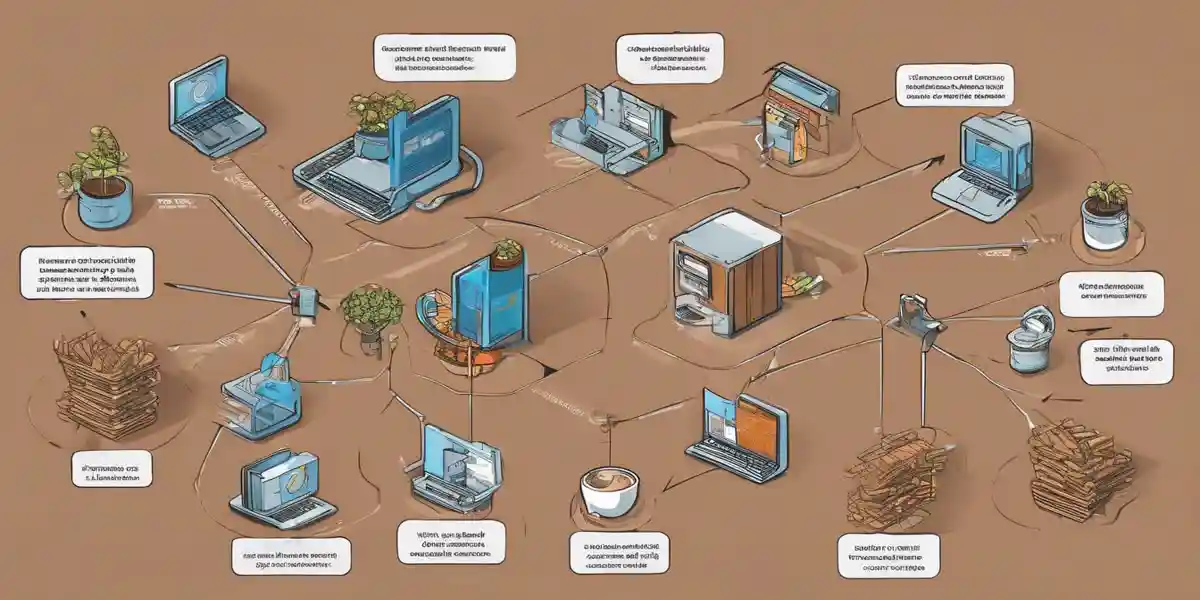
Blockchain technology, often heralded as a revolutionary advancement, fundamentally alters how information is stored, shared, and verified. At its core, a blockchain is a decentralized and distributed ledger that records transactions across numerous computers, ensuring that the information is transparent, secure, and immutable. This decentralized nature is crucial for applications in various industries, including sustainable coffee traceability.
One of the primary strengths of blockchain technology lies in its decentralization. Unlike traditional databases, which are controlled by a single entity, blockchains operate on a network of nodes that collectively validate and store data. This reduces the risks associated with data manipulation and fraud. For instance, a case study involving the coffee brand, Farmer Connect, illustrates this point. By utilizing blockchain, Farmer Connect allows consumers to trace their coffee back to its origin, verifying that the beans are sourced sustainably and ethically. Each step in the supply chain—from farm to cup—is recorded on the blockchain, making it nearly impossible for any participant to alter the information without consensus from the network.
Blockchain also enhances traceability through its transparent nature. Every transaction is timestamped and linked to the previous one, forming a chronological chain. This feature is particularly beneficial in the coffee industry, where consumers increasingly seek transparency about product sourcing. A notable example is the collaboration between the coffee company, Aloha Coffee, and IBM’s Food Trust blockchain. This initiative allows stakeholders—from farmers to retailers—to access the same data, ensuring that every cup of coffee can be traced back to its origin. Research indicates that 73% of consumers are willing to pay a premium for products with transparent sourcing, highlighting the potential financial benefits for companies that adopt blockchain for traceability.
Another significant aspect of blockchain technology is the use of smart contracts. These are self-executing contracts with the terms of the agreement directly written into code. In the context of sustainable coffee traceability, smart contracts can automate transactions and enforce agreements between parties without the need for intermediaries. For instance, if a coffee farmer meets specific sustainability criteria, a smart contract could automatically release payment upon delivery of the coffee. This not only streamlines the process but also reduces transaction costs, ultimately benefiting both farmers and consumers.
In this exploration of how blockchain technology enhances sustainable coffee traceability, we have traversed several critical dimensions. Initially, we examined the inherent challenges of traditional coffee supply chains, including lack of transparency, fraud, and inefficiency. These issues often lead to a disconnect between producers and consumers, undermining the ethical sourcing of coffee. Moving deeper, we discussed the fundamental principles of blockchain technology, highlighting its decentralized nature, immutability, and transparency, which together foster a more trustworthy environment for all stakeholders in the coffee production process.
Subsequently, we illustrated real-world applications of blockchain in the coffee industry, showcasing initiatives that allow consumers to trace their coffee from farm to cup. By providing verifiable data on sourcing, these projects not only empower farmers with fair prices but also cultivate a more informed consumer base that values ethical practices. We also explored how this technology can drive sustainability efforts by ensuring adherence to environmental regulations and promoting eco-friendly farming practices.
Reflecting on these points, it is clear that the integration of blockchain into coffee traceability is not merely a technological advancement but a pivotal shift towards a more sustainable and equitable industry. As consumers increasingly demand transparency and sustainability in their purchases, the adoption of blockchain could redefine market standards, encouraging other sectors to explore similar pathways. Looking ahead, the potential for scaling such initiatives could lead to industry-wide transformations, fostering both economic and environmental benefits.
As a call to action, we encourage readers to support coffee brands that utilize blockchain for traceability and sustainability. By choosing to purchase coffee with verified supply chains, you contribute to a system that values fairness and ecological responsibility. Let us collectively build a future where our coffee choices reflect our commitment to sustainability and social equity.

Get notified about new articles, coffee tips, and Web3 insights.
This site participates in affiliate programs and may earn a commission when a link is clicked and a purchase is made. The site is not responsible for any issues or troubles related to the products or services purchased through the use of this site.

DO&COFFEE loves coffee and technology, exploring the potential of NFTs and blockchain. Learn more →
DO&COFFEE loves coffee and technology, exploring the potential of NFTs and blockchain. Learn more →